Norway · Nordland
Where to Stay in Nesna, Nordland
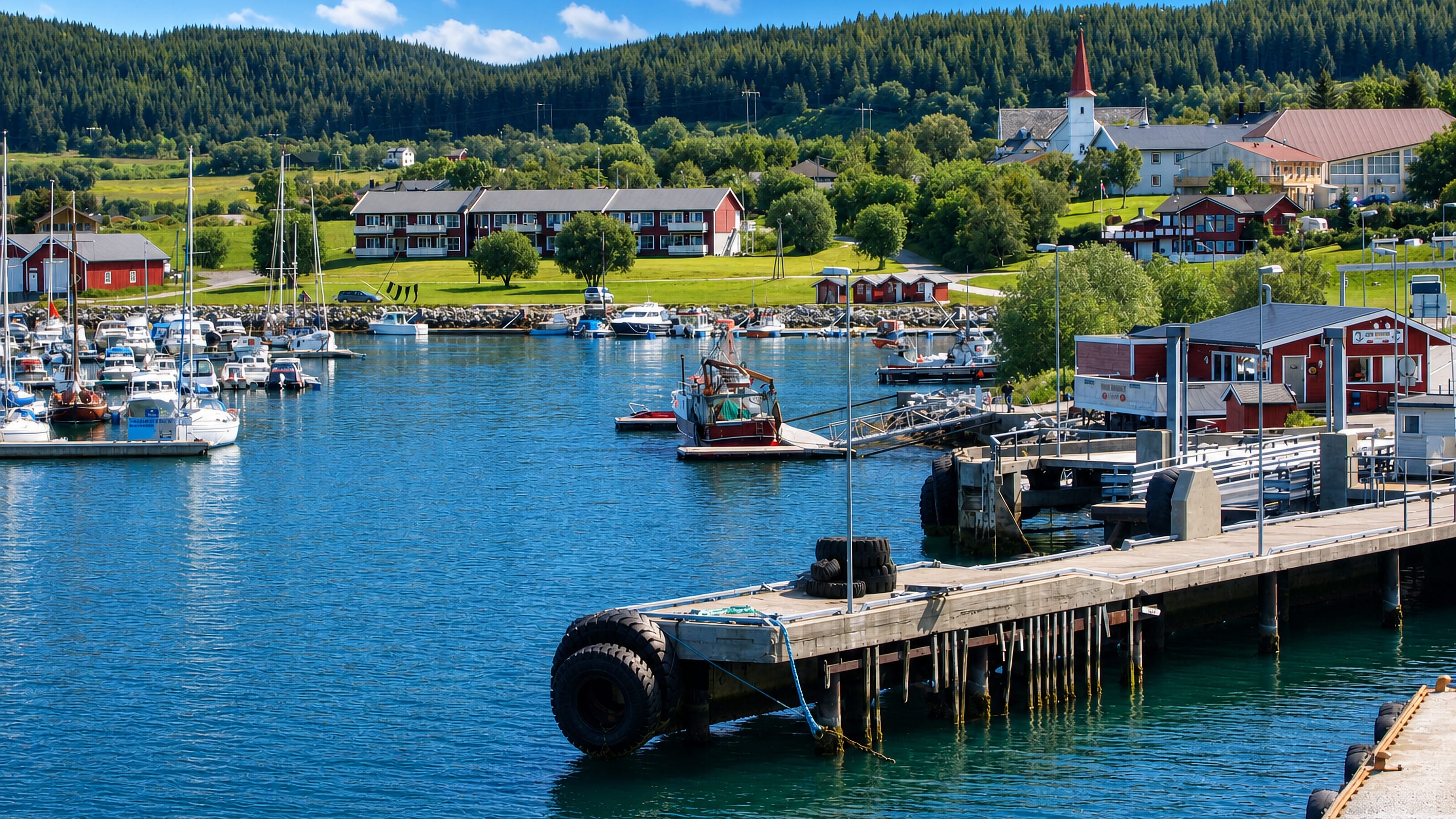
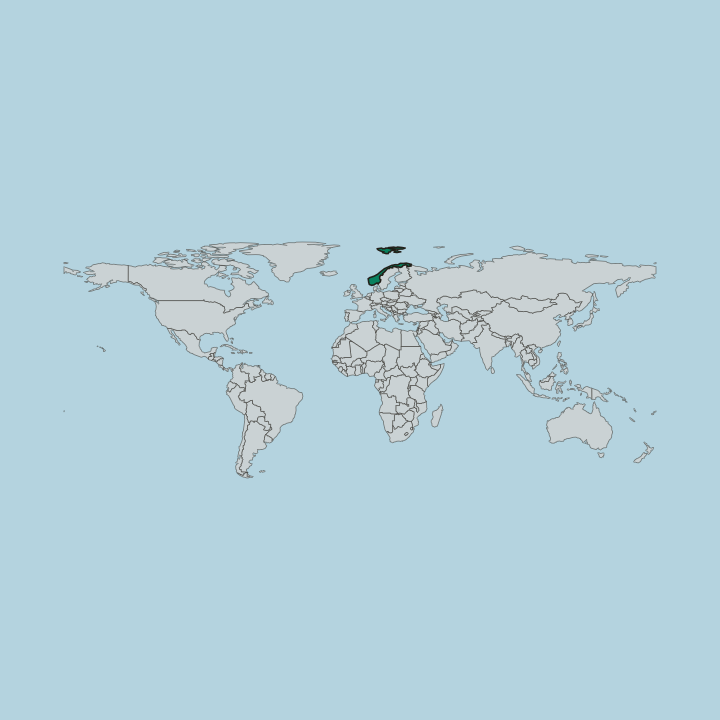
Nesna is a coastal town and municipality in the south-western part of Nordland, in northern Norway.
Hotel links are affiliate links: booking through them may earn us a commission, at no extra cost to you. It never affects how places are ranked. How this works


Where to stay in Nesna
The practical side of choosing where to sleep.
Stay in the town centre. Nesna gathers its lodging in the compact core around Nesna kirke and the harbour rather than out among the farms and islands of the municipality. The centre keeps everything close.
If you base yourself here, you are beside the working harbour, with the church a short walk away and the sounds of the Nordland coast opening out beyond the headlands. The rest of the municipality runs to scattered settlements like Husby and the island of Handnesøya, each with its own heritage chapel but little for a traveller seeking a bed. The town core is the practical base.
Rooms stay limited here. This is a small coastal town on the south-western Nordland shore, not a resort, so what Nesna offers is a quiet footing by the water rather than a wide choice of places to stay.
Find hotels in Nesna
Direct booking search for this neighbourhood.
Hotel links are affiliate links: booking through them may earn us a commission, at no extra cost to you. It never affects how places are ranked. How this works
About Nesna
It sits on the water.
What is Nesna known for?
Nesna lends its name to both the town and the municipality around it, a coastal place in the south-western part of Nordland where the shore breaks into headlands and islands. The sea threads through it. Nesna kirke marks the town centre, while the chapels at Husby and out on Handnesøya show how the parish once reached across this scattered northern Norway coast.
What are the main landmarks in Nesna?
Three buildings mark the parish. Nesna kirke holds the town centre, while Husby gårdskapell and Handnesøya kapell carry worship out to the farms and the island offshore. All three are heritage-listed.
Between the church in town, the chapel at Husby, and the one on Handnesøya, Nesna keeps the civic landmarks of a coastal parish spread across the south-western edge of Nordland.
What is the history of Nesna?
Nesna grew on the coast. The town took shape on the south-western shore of Nordland, where the sea gave shelter among the headlands and the parish drew its life from the water rather than from inland farmland. Worship spread thin across it.
Nesna kirke stands at the centre of the old parish, while Husby gårdskapell and Handnesøya kapell reached out to the farms and the island where people lived beyond the town. Three heritage buildings hold that story. From the church in the town to the chapel at Husby and the one on Handnesøya, the history of Nesna is the slow knitting-together of a scattered coastal community across the sounds of this northern Norway shore.
Where is Nesna?
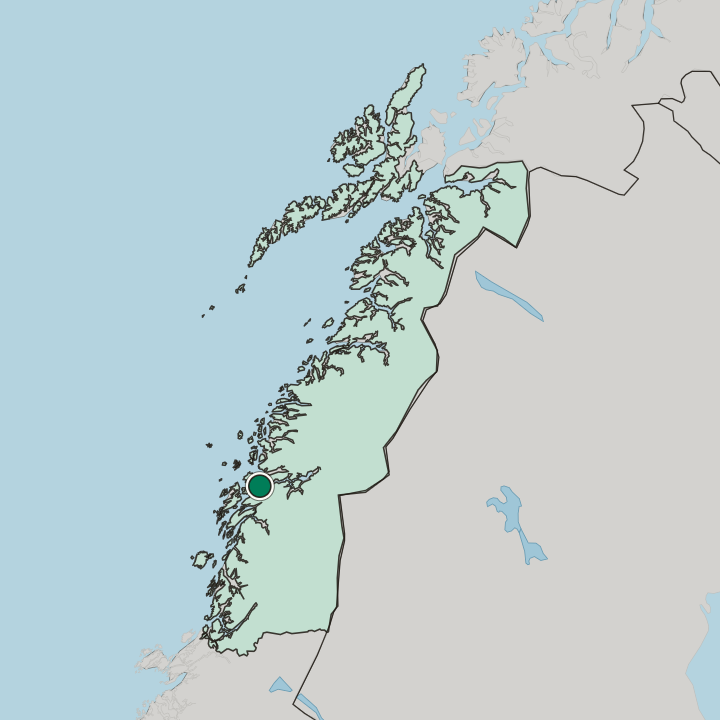
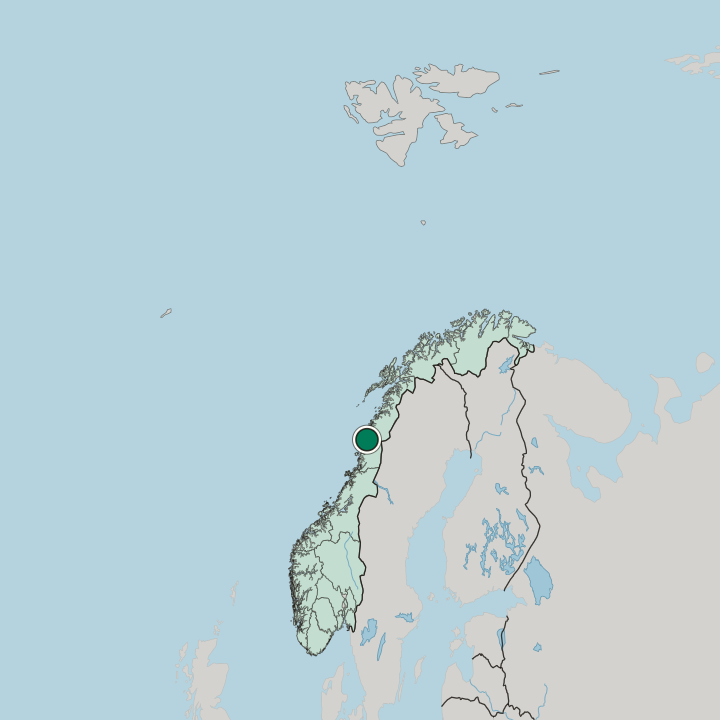
Nesna lies on a broken coast. The town occupies the south-western part of Nordland, on a shore where headlands run out into the sea and the island of Handnesøya lies off the mainland edge. Water divides the land here.
Lying in the subpolar band rather than the high Arctic, Nesna faces the sounds and channels that cut its coastline, the sea reaching in among the headlands that give the place its shape.
What is the climate of Nesna?
Nesna lies in the subpolar band. The open coast keeps the air maritime, the sea around the headlands holding back the deepest cold and giving the town milder, wetter seasons than the inland north. Winters stay damp here.
Summers run cool and short, and the broken shoreline of this south-western corner of Nordland funnels wind and rain in off the water that surrounds Nesna on so many sides.
How do you get to Nesna?
Nesna sits among the sounds. Reaching the town means crossing the broken coast of south-western Nordland, where the water between the headlands and the island of Handnesøya makes the boat as natural as the road. The sea shapes the approach.
That coastal, island-fringed setting keeps Nesna reached across the water as much as by land, a harbour town on the open western edge of northern Norway.
Common questions
What is the best area to stay in Nesna?
Nesna town centre: travellers wanting a harbourside base by Nesna kirke among the Nordland sounds.
Good for
More cities in Nordland
Updated September 2026