
Norway · Nordland
Where to Stay in Røst, Nordland
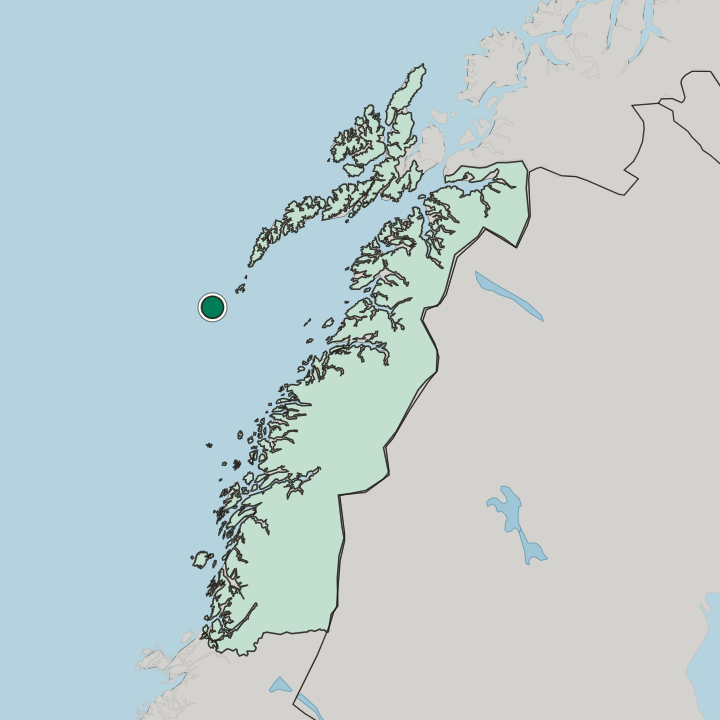
Røst is the outermost Lofoten island group in the north-western part of Nordland, a flat scatter of skerries far out at sea.
Hotel links are affiliate links: booking through them may earn us a commission, at no extra cost to you. It never affects how places are ranked. How this works


Where to stay in Røst
Where visitors usually base themselves, and why.
The Røstlandet village is the base. The flat main island gathers the few beds and the services of Røst in the north-western part of Nordland, set near Røst kirke where the boats tie up and the drying racks line the shore. Staying here keeps you among the fishing wharves of the outermost Lofoten, with the open sea and the bird skerries spreading out beyond the quay.
The outer rocks stretch the choice. Past the harbour the sculpture Ettertanken faces the water, and the smaller skerries trail off into the ocean where the seabirds nest. Beds are scarce on Røst.
Pick the Røstlandet village first if you want the church, the quay and the services close to hand. Choose the outer shore for stillness facing the open Atlantic. Both leave you far out on the Lofoten edge of Nordland.
Find hotels in Røst
Direct booking searches for these neighbourhoods.
Røstlandet village
The flat Røstlandet village gathers the few beds and the quay of Røst near Røst kirke, where the fishing boats tie up and the stockfish racks line the Lofoten shore. Beds are limited here, so book early.Find hotels in Røstlandet villageOcean-facing quiet near the Ettertanken sculptureRøst outer skerries
Past the Røstlandet harbour the Ettertanken sculpture faces the open water, with the seabird skerries trailing off into the Atlantic at the outer edge of Lofoten. Beds are limited here, so book early.Find hotels in Røst outer skerriesHotel links are affiliate links: booking through them may earn us a commission, at no extra cost to you. It never affects how places are ranked. How this works
About Røst
What is Røst known for?
Stockfish is Røst's name. The outermost Lofoten islands of the north-western part of Nordland live by the winter cod that hangs to dry on the racks of Røstlandet, the flat main island. The village gathers on the shore.
Røst kirke stands over the settlement, and the sculpture Ettertanken marks the open water where the boats run out to the banks.
What are the main landmarks in Røst?
The church holds the village. Røst kirke stands over the settlement on Røstlandet in the north-western part of Nordland, a protected wooden building serving the outermost Lofoten island group. A newer marker faces the sea.
The sculpture Ettertanken sits by the open water, set against the Atlantic where the boats run out to the cod banks of Nordland.
What is the history of Røst?
The cod made the islands. Far out in the north-western part of Nordland, Røst grew as a fishing community where boats gathered each winter and the catch was split and hung to dry on the racks of Røstlandet, the trade that carried the islands' stockfish to distant markets. The sea ruled every season.
Crews ran out to the banks beyond the skerries, and the village rose around the harbour where the boats came in. Faith stood with the fishery. Røst kirke was raised over the settlement to serve the crews, and the building still stands protected as heritage of the Lofoten coast.
The islands kept their trade. As the boats changed and the racks endured, Røst held its place as the outermost stockfish island of Nordland, with the Ettertanken sculpture later set by the water as a quiet marker facing the open sea.
Where is Røst?
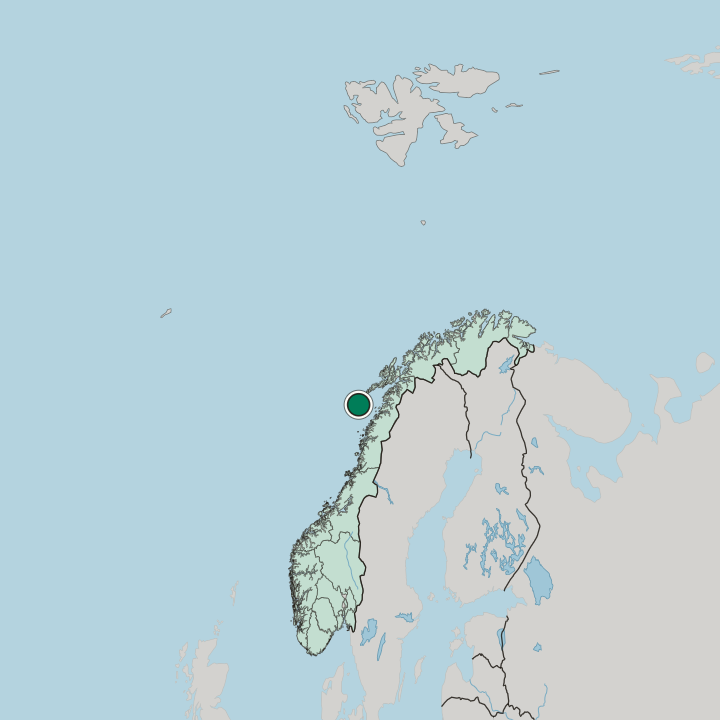
Røst lies at the far end of the Lofoten chain in the north-western part of Nordland, where the flat island of Røstlandet sits amid a wide scatter of skerries far out at sea. The land barely clears the water here. Open ocean surrounds the low rocks on every side.
Flat island, bird skerries and the encircling Atlantic give Røst its exposed, sea-level setting in northern Norway (Nord-Norge).
What is the climate of Røst?
The ocean keeps Røst oddly mild. Far out in the north-western part of Nordland yet wrapped in sea, the islands have snowy, dark winters and cool, bright summers under the long polar daylight of the Lofoten edge. Storms come hard here.
Gales and clear spells trade places over Røstlandet through the year, giving the islands their raw, exposed maritime seasons on the open Atlantic.
How do you get to Røst?
The sea route is the way out. The ferry crosses the open water of the north-western part of Nordland to reach Røstlandet, far beyond the rest of the Lofoten chain, with a small airfield taking the lighter traffic. Most arrive by boat.
Travellers ride the ferry or fly in to the flat island, where Røst kirke and the few services sit a short walk from the harbour of Nordland.
Common questions
What is the best area to stay in Røst?
Røstlandet village: Quayside stays by Røst kirke and the drying racks. Røst outer skerries: Ocean-facing quiet near the Ettertanken sculpture.
Good for
More cities in Nordland
Updated September 2026