Norway · Rogaland Fylke
Where to Stay in Bryne, Rogaland Fylke
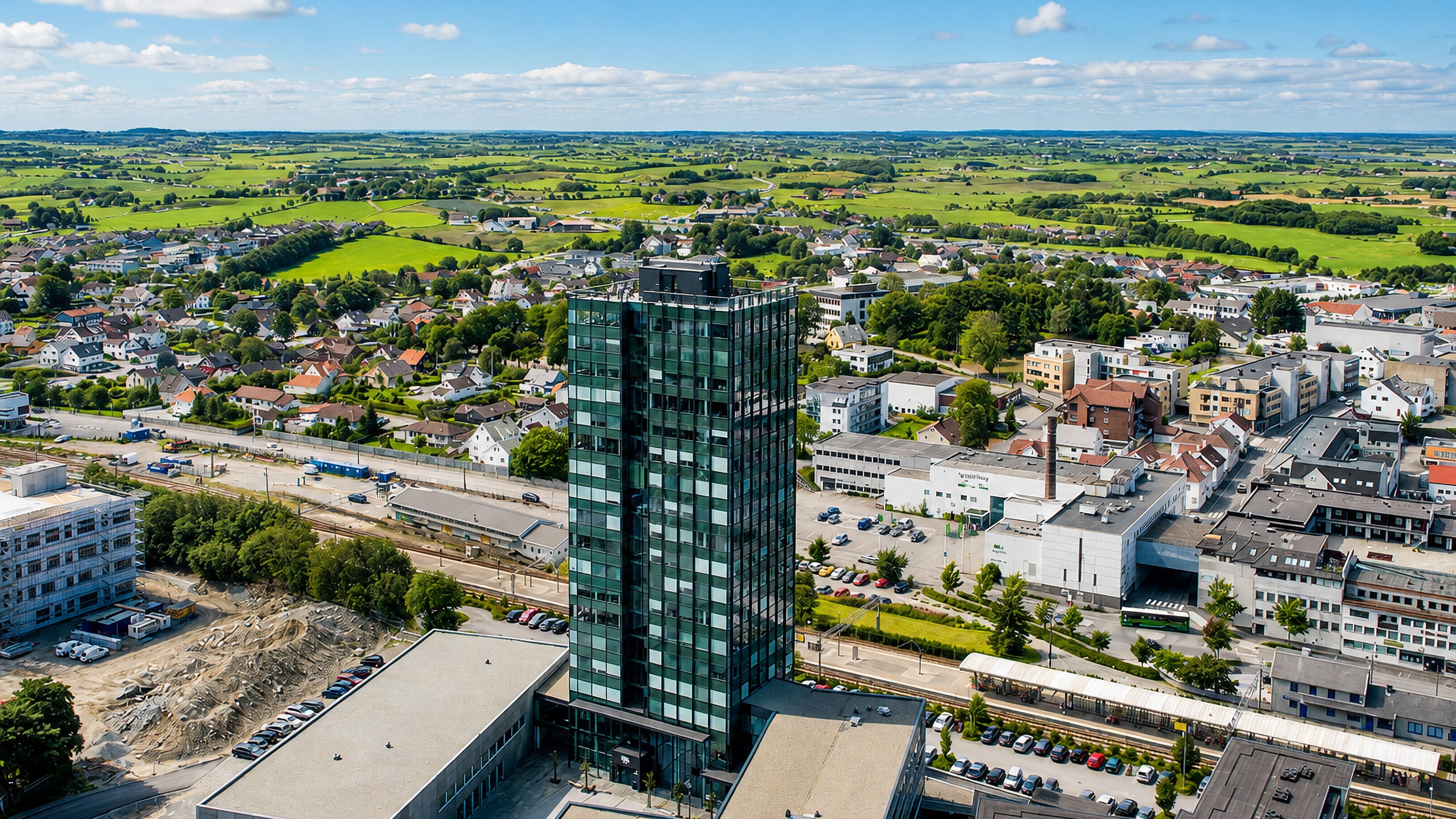
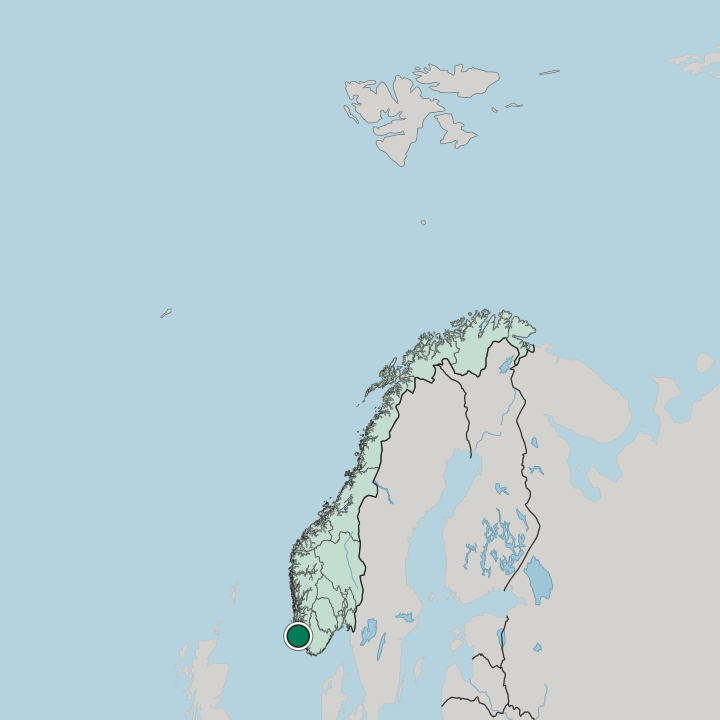
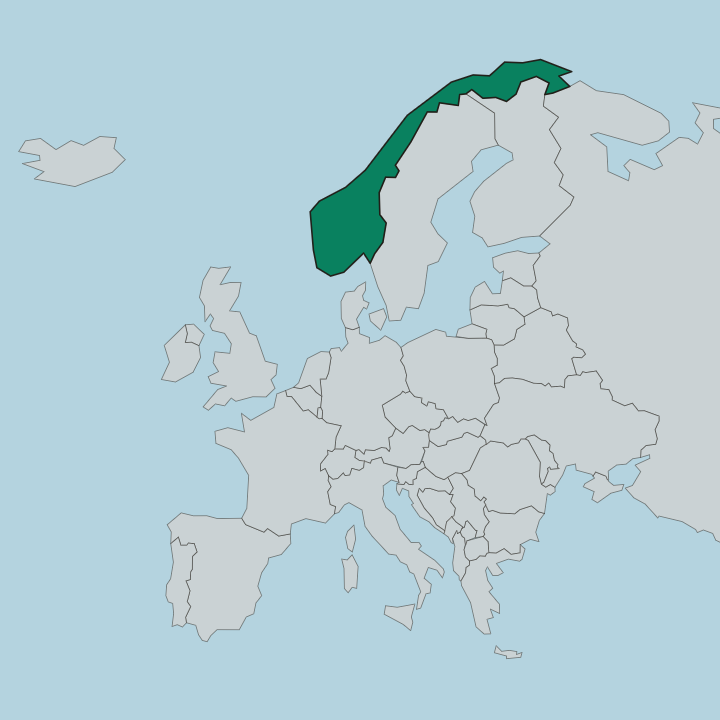
Bryne is a town on the Jæren plain in Rogaland, western Norway, and the seat of Time Municipality.
Hotel links are affiliate links: booking through them may earn us a commission, at no extra cost to you. It never affects how places are ranked. How this works


Where to stay in Bryne
How the choice of base plays out on the ground.
Most beds in Bryne sit in the town centre, where rooms gather near Bryne kirke and the railway station that carries fast trains toward Stavanger and Sandnes. The centre suits you if you want shops, cafés and the platform within a short walk. It makes the easy base.
A little east, around Time kirke and its old heritage churchyard, the streets thin into quieter lodging handy for drivers crossing the Jæren plain by car toward the coast. Near the Nasjonalt Garborgsenter the everyday town keeps smaller places to stay within reach of the cultural house that honours Arne Garborg. Out toward Undheim and its church the farmland opens, and rooms scatter among the fields.
Beds run modest here rather than plentiful, so book ahead when football or a festival fills the town. With its station rooms and quiet farm edges, Bryne works as a level, well-linked base for travellers who spend their days between Stavanger, the Jæren beaches and the writer country of Time.
Find hotels in Bryne
Direct booking searches for these neighbourhoods.
Bryne town centre
station rooms beside Bryne kirke with fast trains to StavangerFind hotels in Bryne town centredrivers touring the Jæren coastTime kirke side
quiet lodging east by the heritage churchyard of Time kirke. Lodging is scarce in this area; reserve in advance.Find hotels in Time kirke sidevisitors following the Arne Garborg trailGarborgsenteret quarter
small stays near the Nasjonalt Garborgsenter cultural house. Beds are limited here, so book early.Find hotels in Garborgsenteret quarterHotel links are affiliate links: booking through them may earn us a commission, at no extra cost to you. It never affects how places are ranked. How this works
Things to do in Bryne
Ranked by global recognition; descriptions from Wikidata (CC0).
Museums & Galleries
3- Garborgheimen Heritage
- Knudaheio museum in Time
- Garborg Centre
Churches & Religious Sites
3- Time Church Heritage church building in Time, Rogaland
- Bryne Church
- Undheim Church
worth knowingacross 2 categories in Bryne
About Bryne
Bryne is the administrative centre of Time Municipality.
What is Bryne known for?
Road and rail tie it into the wider Stavanger and Sandnes region, and the town has spread quickly along those links across the flat farmland of Jæren. Writer country, too. The Nasjonalt Garborgsenter in town keeps the work of Arne Garborg, while Bryne kirke stands at the heart of the streets and Time kirke rises a short way east.
What are the main landmarks in Bryne?
Bryne kirke marks the town centre, and Time kirke stands a short way east as a listed heritage church above its old graveyard. Faith and letters share the ground here. The Nasjonalt Garborgsenter and the writer's home of Garborgheimen carry the legacy of Arne Garborg, and his cabin at Knudaheio sits in the hills above, while Undheim kirke serves the farmland to the south of Time.
What is the history of Bryne?
Bryne grew on the flat farmland of Jæren, in the southern part of Rogaland. Time kirke, the old parish church listed as heritage, anchored the district long before a town gathered here, and the surrounding farms of Time fed the plain for generations. The land made the place.
When the railway crossed Jæren it found a stop on these fields, and the settlement around the platform pulled together into the town that became the seat of Time Municipality. The writer Arne Garborg came from this ground, and his home at Garborgheimen and his cabin at Knudaheio fixed the district in the literature of western Norway. Letters left a mark.
The Nasjonalt Garborgsenter later gathered that work in town. Road and rail toward Stavanger and Sandnes drew commuters and pulled new streets out across the farmland, so the once-rural parish around Bryne kirke spread into the busy centre that now sits at the heart of the Jæren plain.
Where is Bryne?
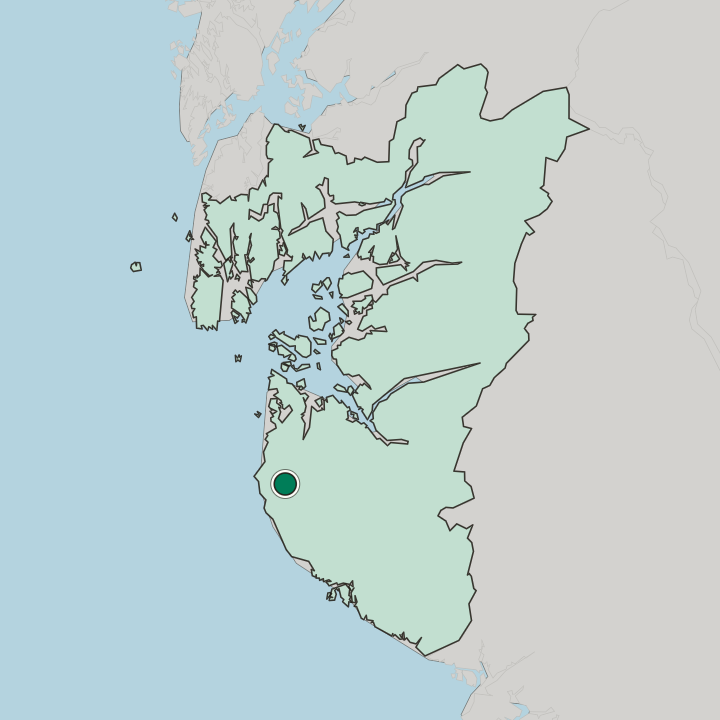
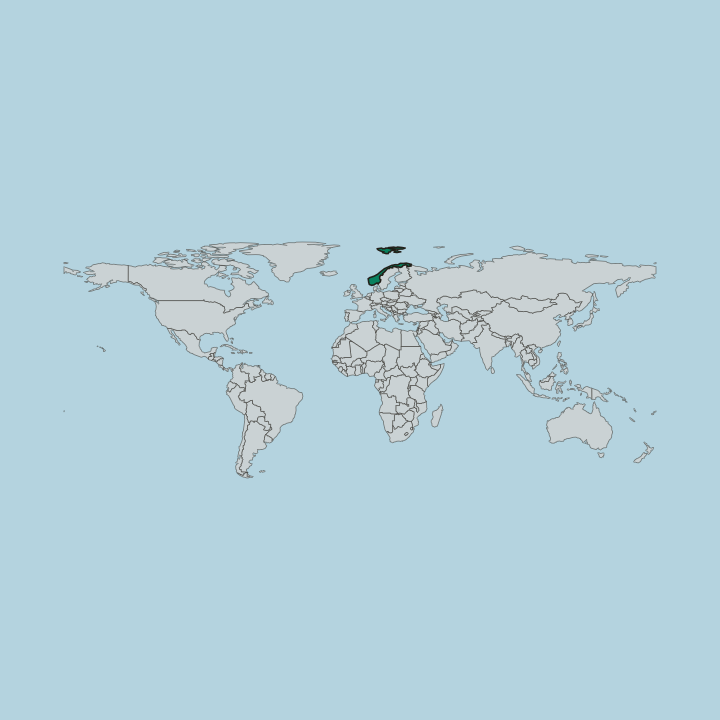
Bryne lies on the Jæren plain in the southern part of Rogaland, in western Norway. Open, level ground spreads away on every side. Wide farmland runs out around the town toward the low coast, and the streets sit level on ground that stretches with little relief between Stavanger and Sandnes to the north and the farms of Undheim and Time to the south.
What is the climate of Bryne?
The Jæren plain gives Bryne a mild, wet coastal climate. Wind off the North Sea sweeps the open farmland, and the flat ground around the town sees frequent rain and few hard frosts through the cooler months. The Jæren summer never climbs far.
The maritime air that crosses Rogaland keeps the seasons even rather than sharp.
How do you get to Bryne?
Bryne sits on the Jæren rail line, with frequent trains running north to Sandnes and Stavanger. Roads cross the plain in every direction. The town's links made it a commuter base, and drivers reach it easily across the level farmland of Rogaland, with the airport at Stavanger the nearest gateway for travellers arriving from farther afield.
Common questions
What is the best area to stay in Bryne?
Bryne town centre: rail travellers basing on Jæren. Time kirke side: drivers touring the Jæren coast. Garborgsenteret quarter: visitors following the Arne Garborg trail.
Good for
More cities in Rogaland Fylke
Updated October 2026