Norway · Rogaland Fylke
Where to Stay in Stavanger, Rogaland Fylke
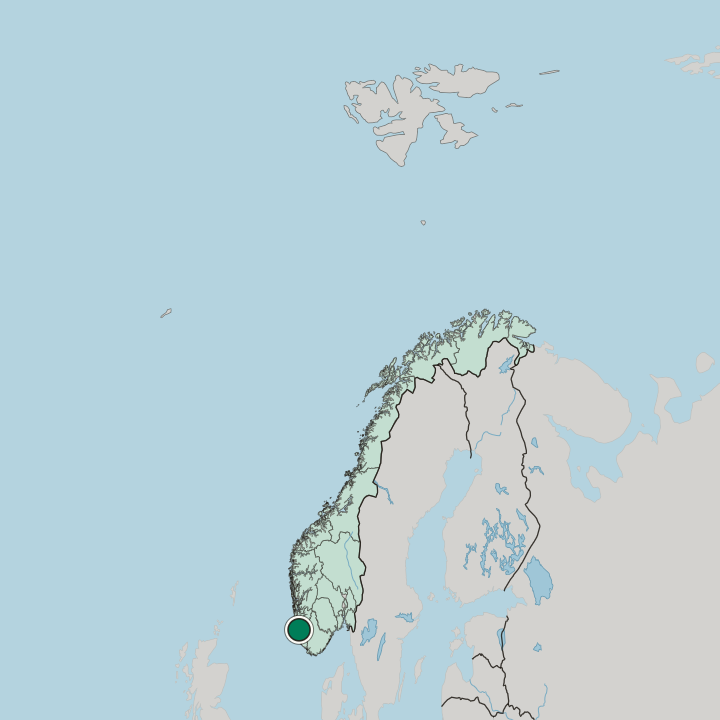
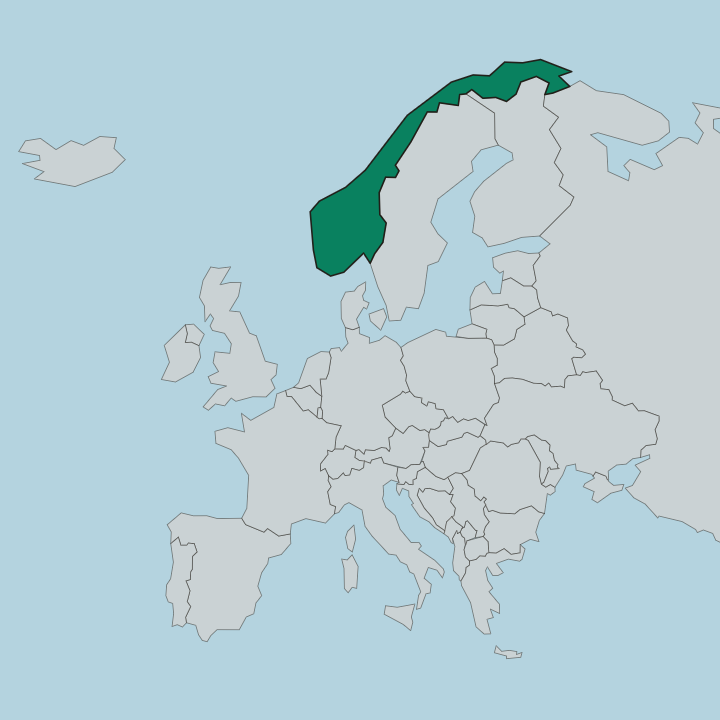
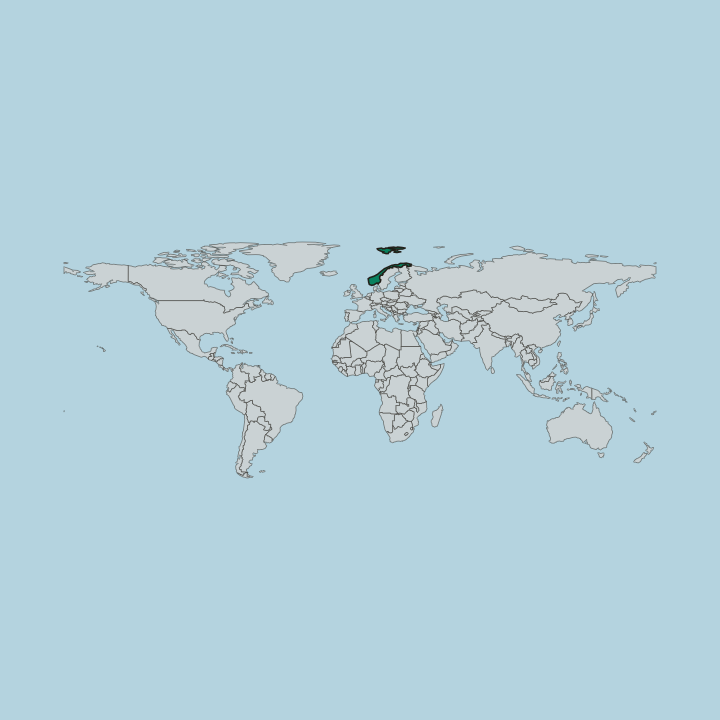
Stavanger is an oil-industry and harbour city on the coast of western Norway, the seat of Rogaland and home to a preserved wooden old town.
Hotel links are affiliate links: booking through them may earn us a commission, at no extra cost to you. It never affects how places are ranked. How this works


Where to stay in Stavanger
Not every neighbourhood fits every trip — here's what each one is good for.

 StavangerNorway
Straen
Straen, known as Gamle Stavanger, is the old wooden quarter of Stavanger in Rogaland, restored from 18th- and early 19th-century houses.Where to stay →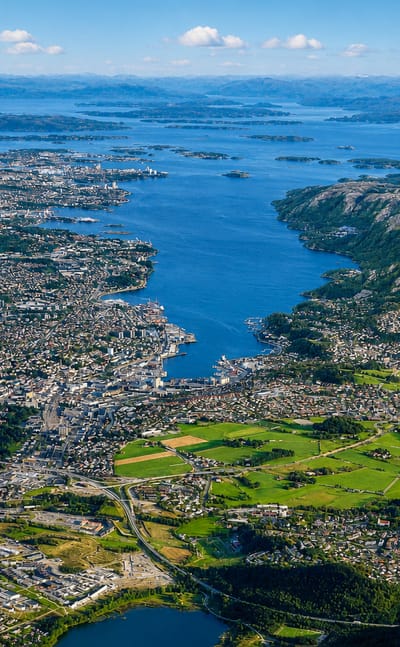 StavangerNorway
Stokka
Stokka is a residential district in western Stavanger, the main city on the Norwegian west coast.Where to stay →StavangerNorwayVåland
Våland is a residential district in southern Stavanger, the main city on the west coast of Norway.Where to stay →StavangerNorwayHillevåg
Hillevåg is a district in southern Stavanger, the main city on Norway's western coast.Where to stay →StavangerNorwayHinna
Hinna is a district on the southern edge of Stavanger, a city on the west coast of Norway.Where to stay →StavangerNorwayGausel
Gausel is a district on the south-western edge of Stavanger, a city on Norway's west coast.Where to stay →Hotel links are affiliate links: booking through them may earn us a commission, at no extra cost to you. It never affects how places are ranked. How this works
Find hotels in Stavanger
Direct booking searches for these neighbourhoods.
Stavanger old town and harbour
The harbour grid packs Gamle Stavanger's protected timber lanes, Stavanger Cathedral and the Valbergtårnet watchtower around the inner quay where the fjord boats depart.Find hotels in Stavanger old town and harbourManor-museum streets near Ledaal west of the harbourEiganes
The Eiganes district west of the harbour carries the manor museum of Ledaal and the city's grander villa streets, a calmer base a short way from the quay.Find hotels in EiganesDetached-house calm on the island suburb of HundvågHundvåg and the outer districts
The island suburb of Hundvåg and the inland quarters of Hillevåg and Tasta hold quiet rooms among the detached houses that spread Stavanger's growth outward.Find hotels in Hundvåg and the outer districtsHotel links are affiliate links: booking through them may earn us a commission, at no extra cost to you. It never affects how places are ranked. How this works
Things to do in Stavanger
Ranked by global recognition; descriptions from Wikidata (CC0).
Museums & Galleries
3- Ledaal Heritage
- Valbergtårnet Heritage
- Museum Stavanger
Churches & Religious Sites
8- Frue Church Heritage
- Hinna Church Heritage
- Tasta Church Heritage
- Varden Church Heritage
- Hundvåg Church Heritage
Show 3 more →
- Bekkefaret Church Heritage
- Hillevåg Church Heritage
- Kampen Church Heritage
Castles & Historic Sites
1- Jernaldergarden Stavanger
Stadiums & Sports
3- Tastavarden Fjellhall
- Stavanger Svømmestadion Gamlingen
- Gautesetehallen sports hall
Landmarks & Notable Places
1- Haraldstårnet
worth knowingacross 5 categories in Stavanger
About Stavanger
Stavanger is the capital of Norwegian oil.
What is Stavanger known for?
The city on the coast of the central part of Rogaland grew into the centre of the country's petroleum industry, and the Norsk Oljemuseum on the waterfront tells that story to a steady stream of visitors. Old wood survives beside it. Gamle Stavanger keeps its lanes of protected white timber houses, while Stavanger Cathedral, completed in 1125, anchors the medieval core.
What are the main landmarks in Stavanger?
The waterfront sets the scene. The Norsk Oljemuseum and the Valbergtårnet watchtower stand over the harbour of the central part of Rogaland, with Stavanger Cathedral and the lanes of Gamle Stavanger just behind. Stavanger's collections carry the rest.
Museum Stavanger, the Arkeologisk museum i Stavanger, the Stavanger maritime museum and the Stavanger kunstmuseum hold the city's oil, sea and art story, with the manor of Ledaal among them.
What is the history of Stavanger?
The cathedral made Stavanger a city. Its official founding is counted from 1125, the year Stavanger Cathedral was completed, and the town grew around that medieval church on the coast of the central part of Rogaland as a seat of bishops and trade. Timber built the rest.
Through the 18th and 19th centuries the wooden houses of Gamle Stavanger spread across the slopes, and the harbour turned to fishing and the canning trade that fed the growing port. Oil changed everything in the 20th century. The North Sea fields made Stavanger the centre of the Norwegian petroleum industry, and the Norsk Oljemuseum on the quay now marks that turn, while the Stavanger maritime museum keeps the older sailing record.
Growth spilled outward. The detached houses pushed into Hundvåg, Hillevåg and Tasta as the protected core held its small-town shape, and the city settled into its role as the administrative seat of Rogaland in western Norway.
Where is Stavanger?
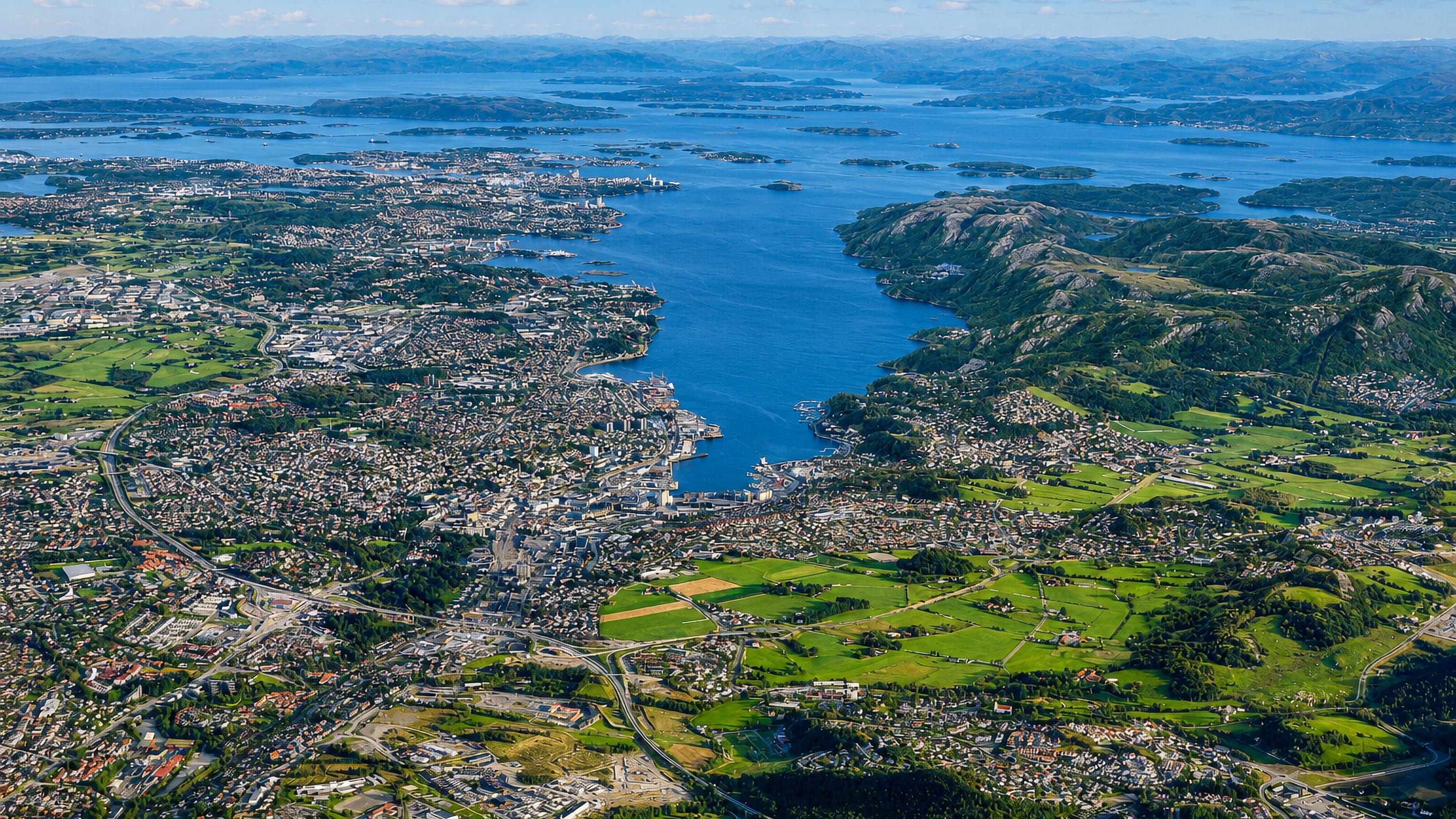
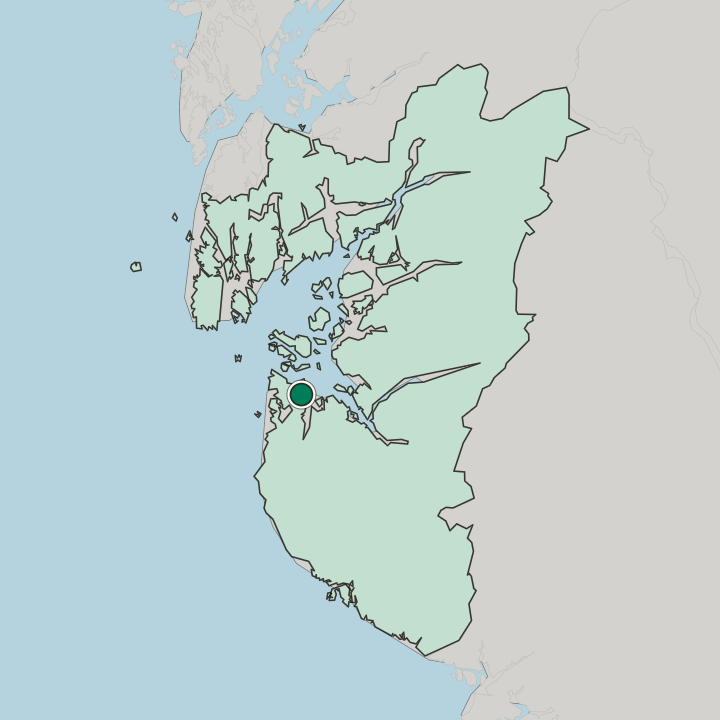
Stavanger sits on its peninsula in the central part of Rogaland, where the mainland breaks into fjords, sounds and islands along the coast of western Norway. The compact old core clings to the slopes above the harbour, while the island suburb of Hundvåg lies offshore and the inland quarters of Hillevåg and Tasta spread back from the water. The sea threads through it all.
Sheltered fjords and a low rolling shore give the city its harbour shape.
What is the climate of Stavanger?
The open sea keeps Stavanger mild. Out on the western Norway coast, the harbour city has comparatively gentle winters and cool, damp summers shaped by the Atlantic that washes the shore of the central part of Rogaland. The ocean steadies the temperature.
Frequent rain and soft grey light over the fjords around Hundvåg and the old harbour give the city its mild, maritime seasons.
How do you get to Stavanger?
Stavanger is the gateway of southern Rogaland. The city in the central part of Rogaland is reached by air, by the coastal rail line and by the fjord ferries and express boats that link it across western Norway. Boats run through the harbour.
Travellers arrive overland by train and bus or fly in, then cross to the island suburb of Hundvåg and the wider region by ferry from the quay.
Common questions
What is the best area to stay in Stavanger?
Stavanger old town and harbour: Quayside base among the white timber lanes of Gamle Stavanger. Eiganes: Manor-museum streets near Ledaal west of the harbour. Hundvåg and the outer districts: Detached-house calm on the island suburb of Hundvåg.
Good for
More cities in Rogaland Fylke
Updated October 2026