Norway
Rogaland Fylke, Norway — Towns & Travel Guide
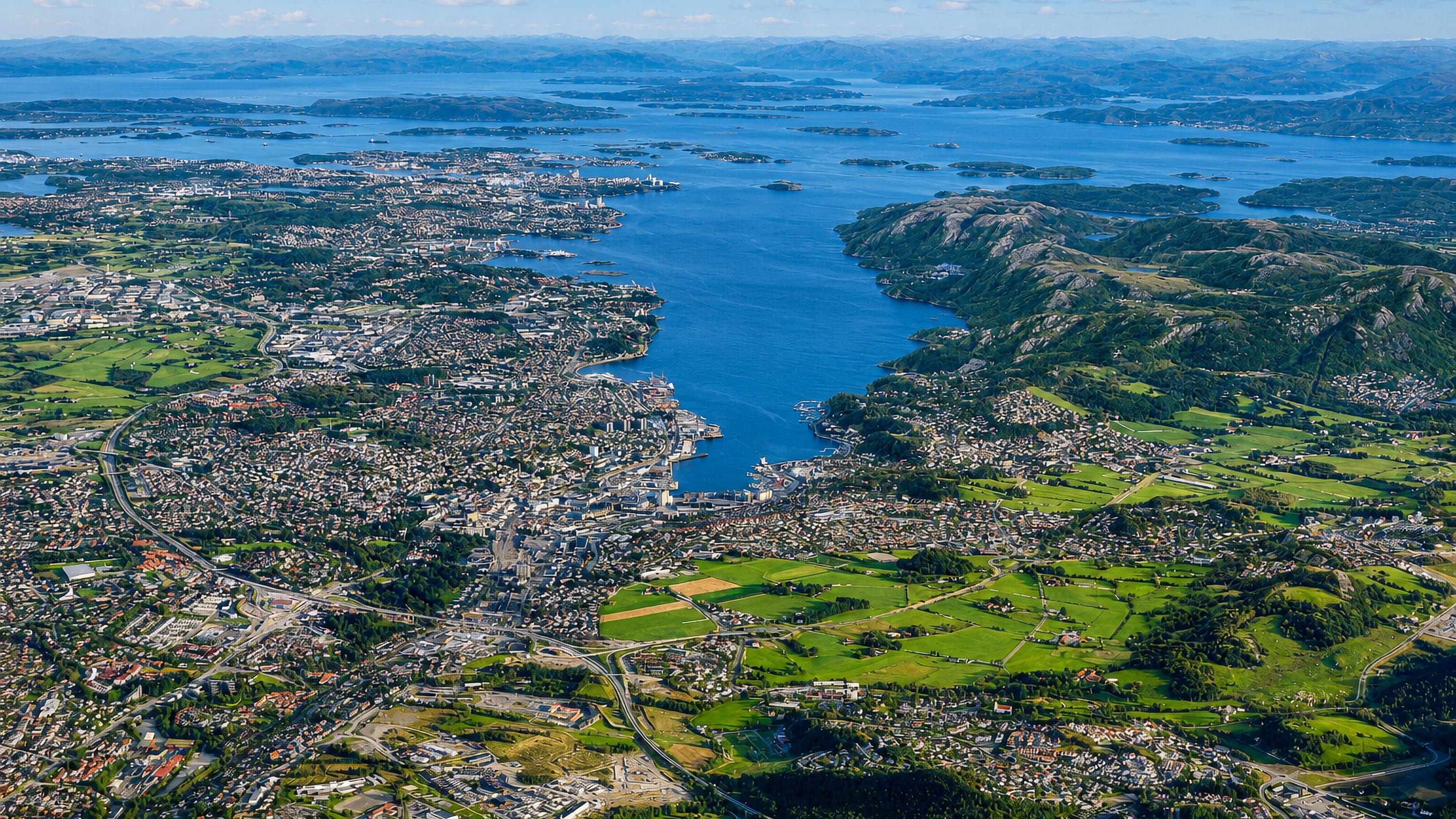
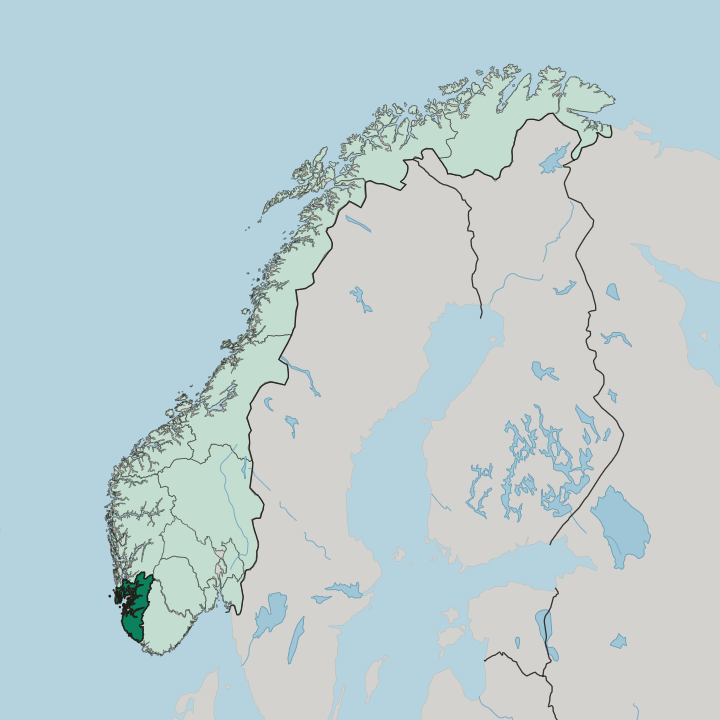
Rogaland is the south-western coastal county of Norway, the Vestlandet region, with Stavanger as its largest city.
Hotel links are affiliate links: booking through them may earn us a commission, at no extra cost to you. It never affects how places are ranked. How this works


Towns & cities in Rogaland Fylke
Pick a town or city — each links to where to stay.
 Norway
Stavanger
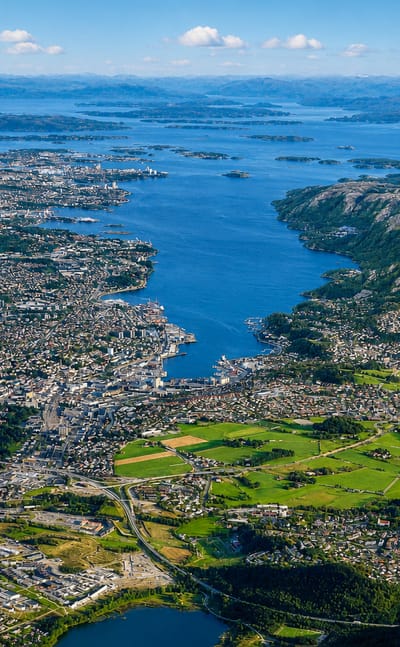
Stavanger is an oil-industry and harbour city on the coast of western Norway, the seat of Rogaland and home to a preserved wooden old town.Where to stay →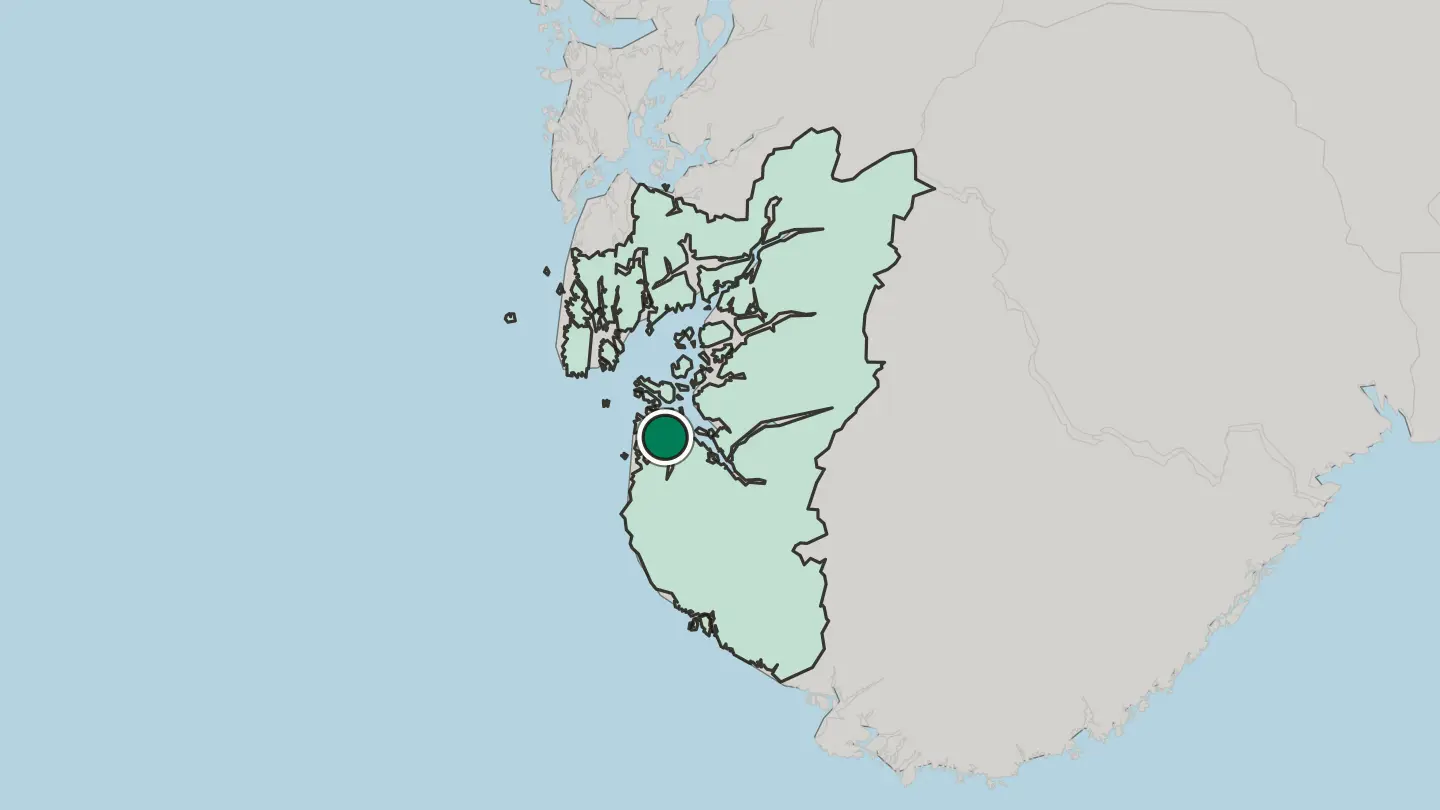
 Norway
Sandnes
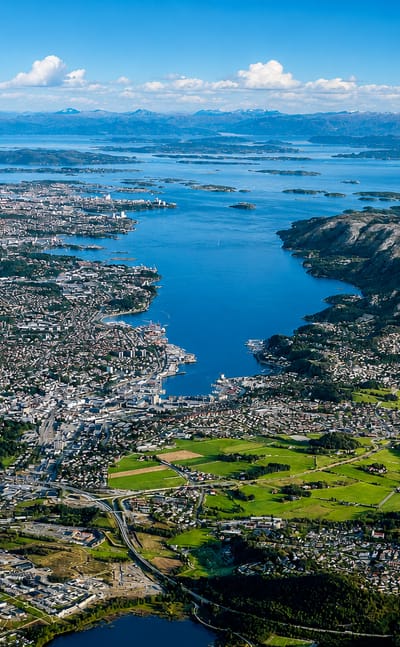
Sandnes is a town on the flat Jæren plain in southern Rogaland, western Norway, joined to Stavanger just to the north.Where to stay →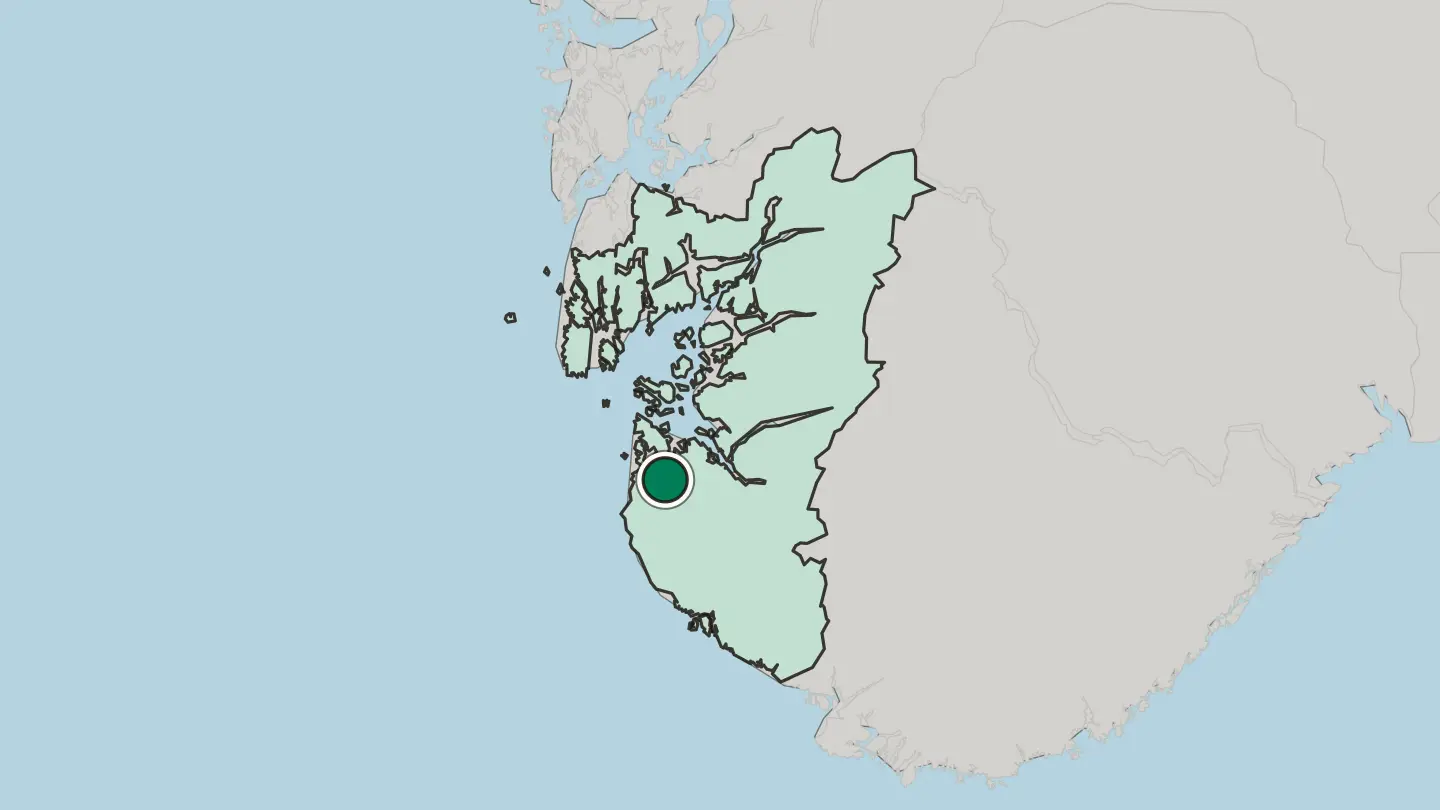
 Norway
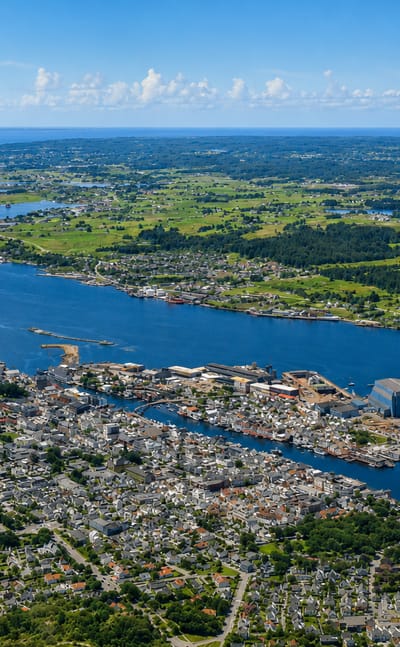
Haugesund
Haugesund is a coastal port city in the north-western part of Rogaland, western Norway, set on the Karmsund strait.Where to stay →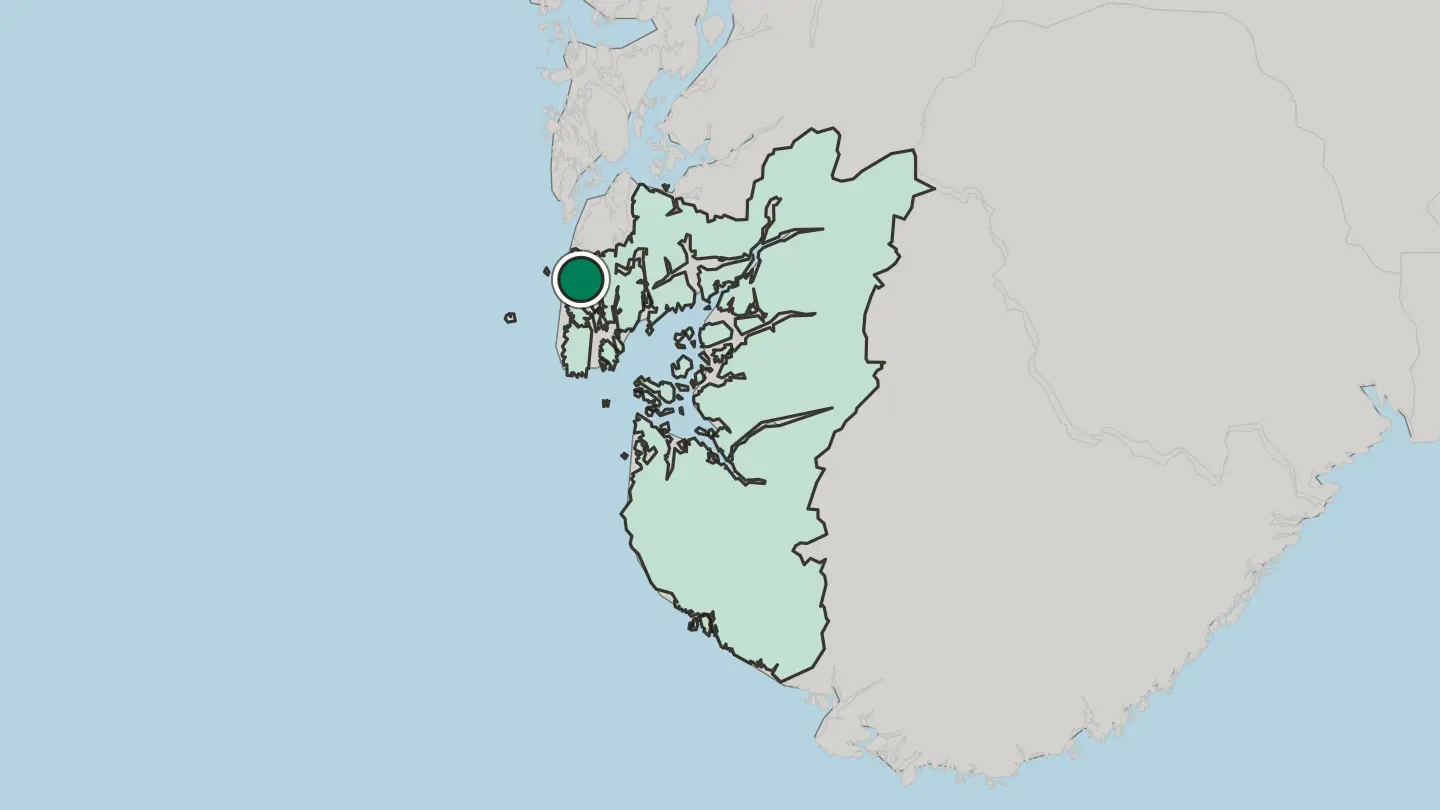
 Norway
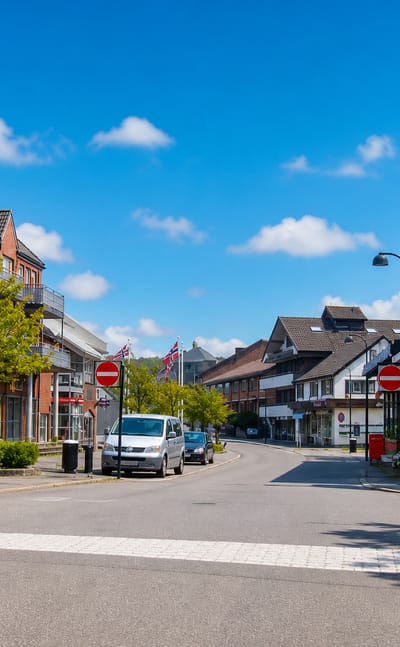
Sola
Sola is a coastal town in the central part of Rogaland, western Norway, centred on Solakrossen amid ancient burial mounds.Where to stay →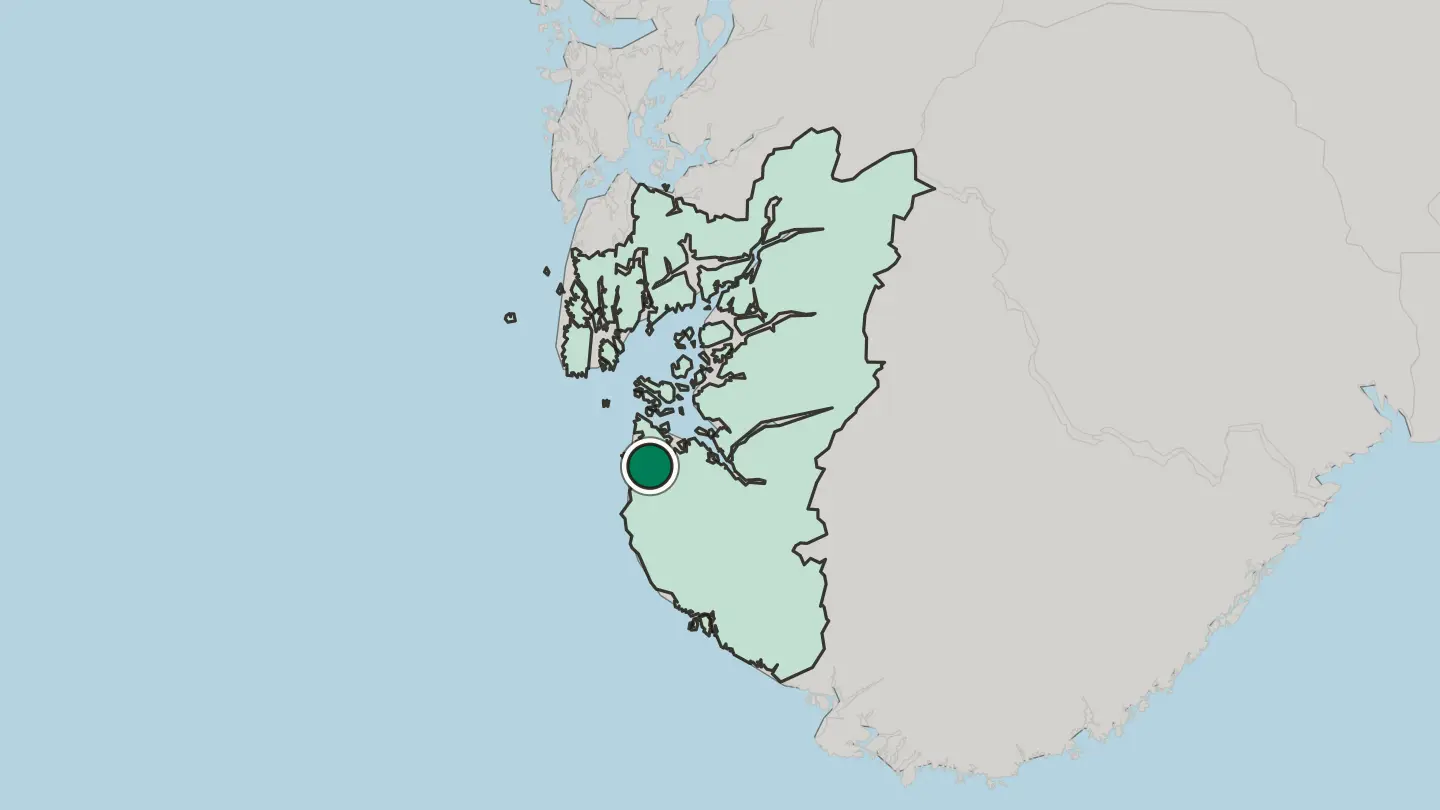
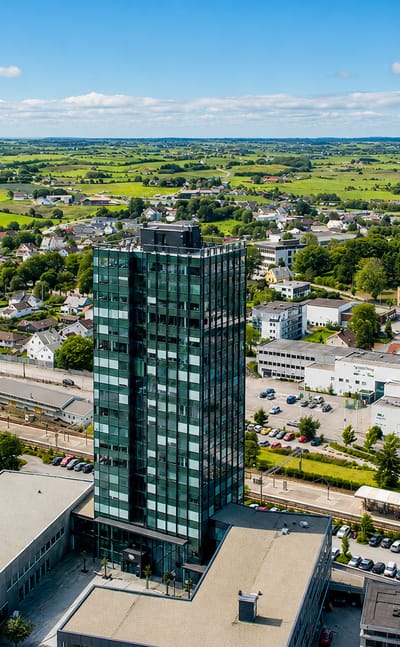 Norway
Bryne
Bryne is a town on the Jæren plain in Rogaland, western Norway, and the seat of Time Municipality.Where to stay →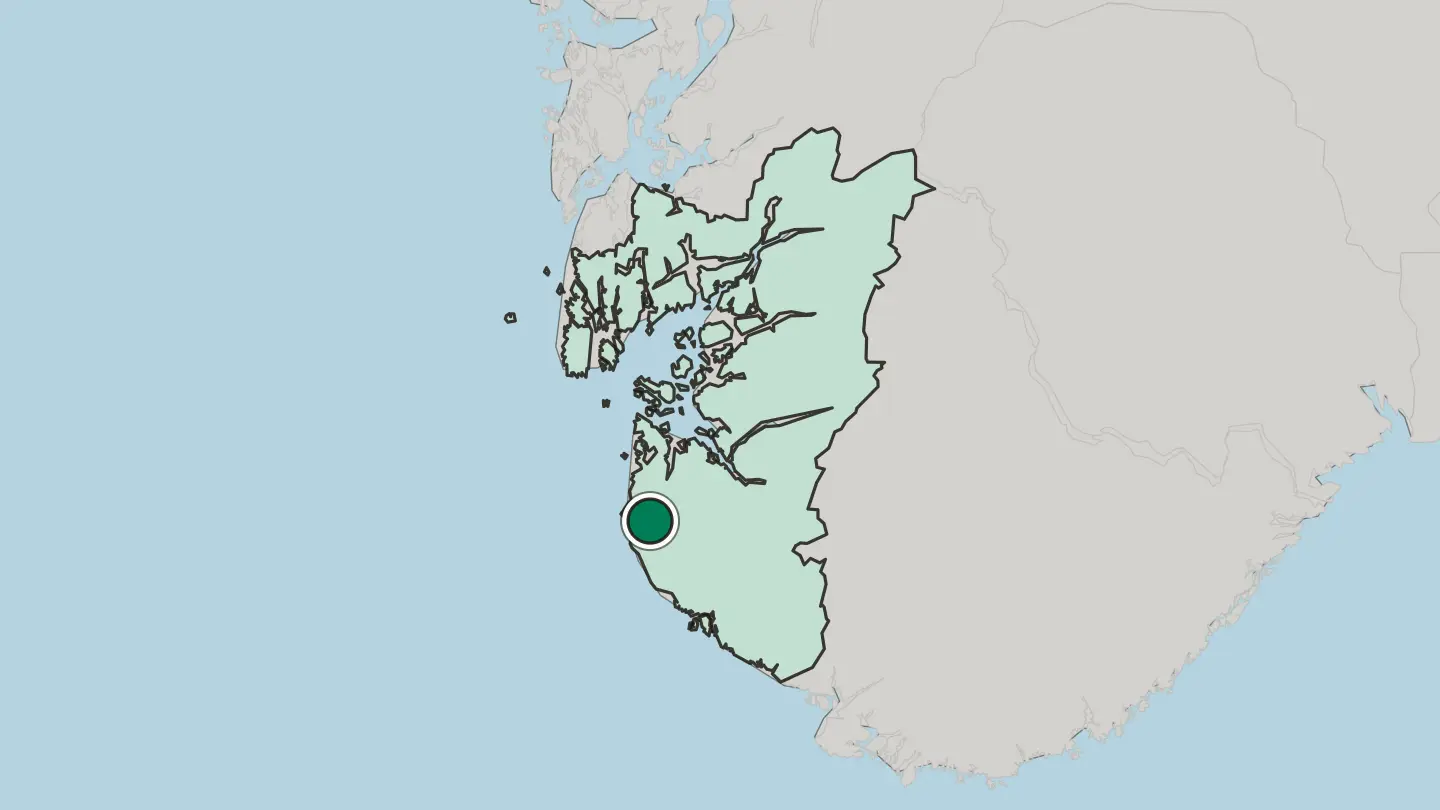
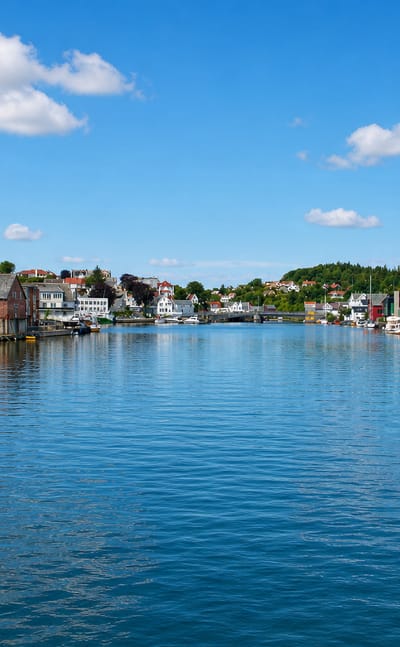 Norway
Kopervik
Kopervik is a town on the island of Karmøy in Rogaland, western Norway, within Karmøy Municipality.Where to stay →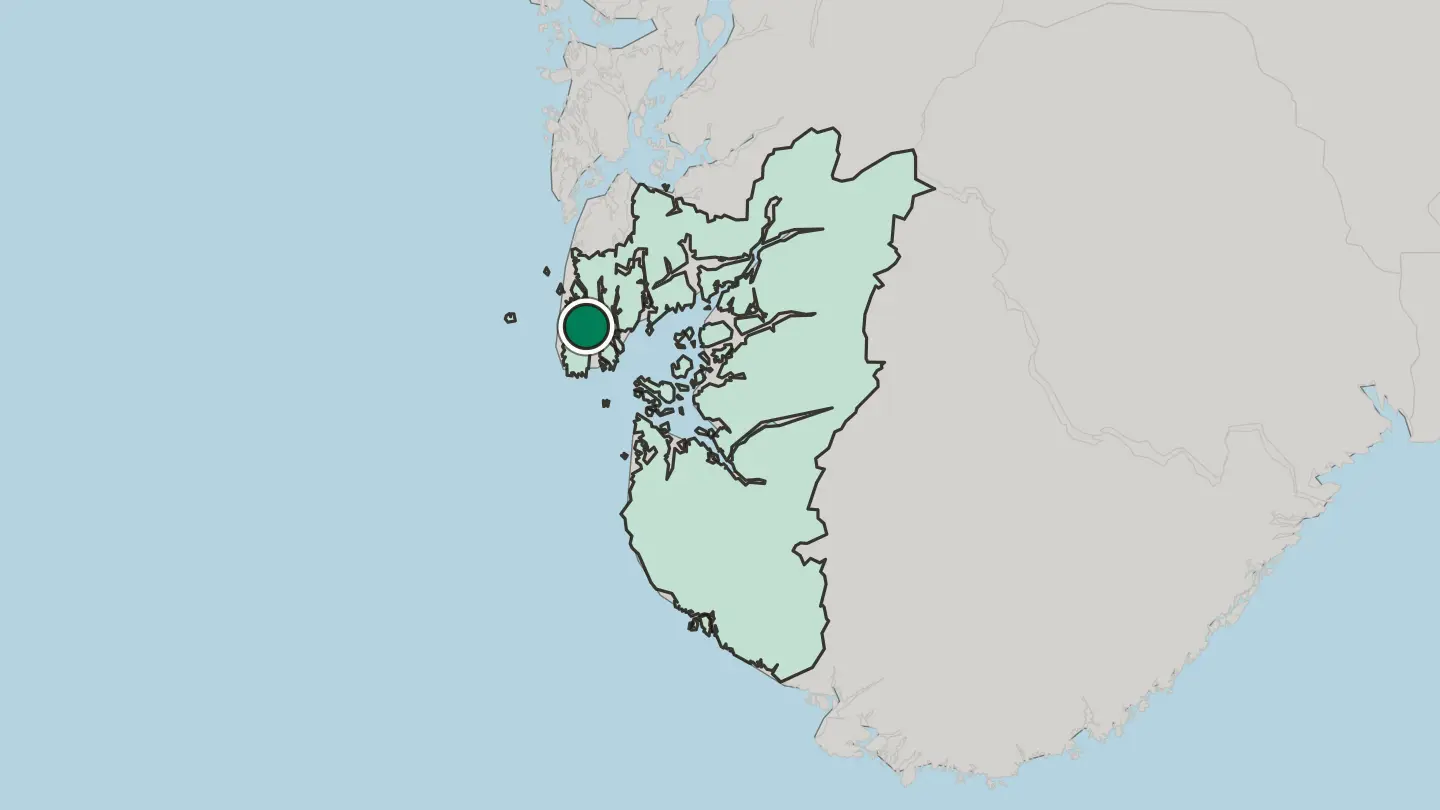
 Norway
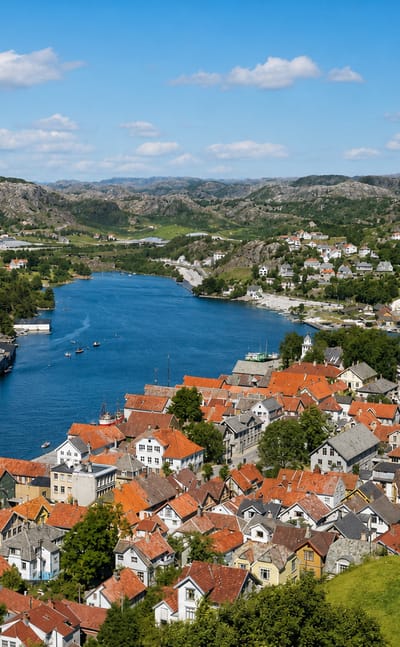
Egersund
Egersund is a coastal port town in the Dalane region of Rogaland, western Norway, and the seat of Eigersund Municipality.Where to stay →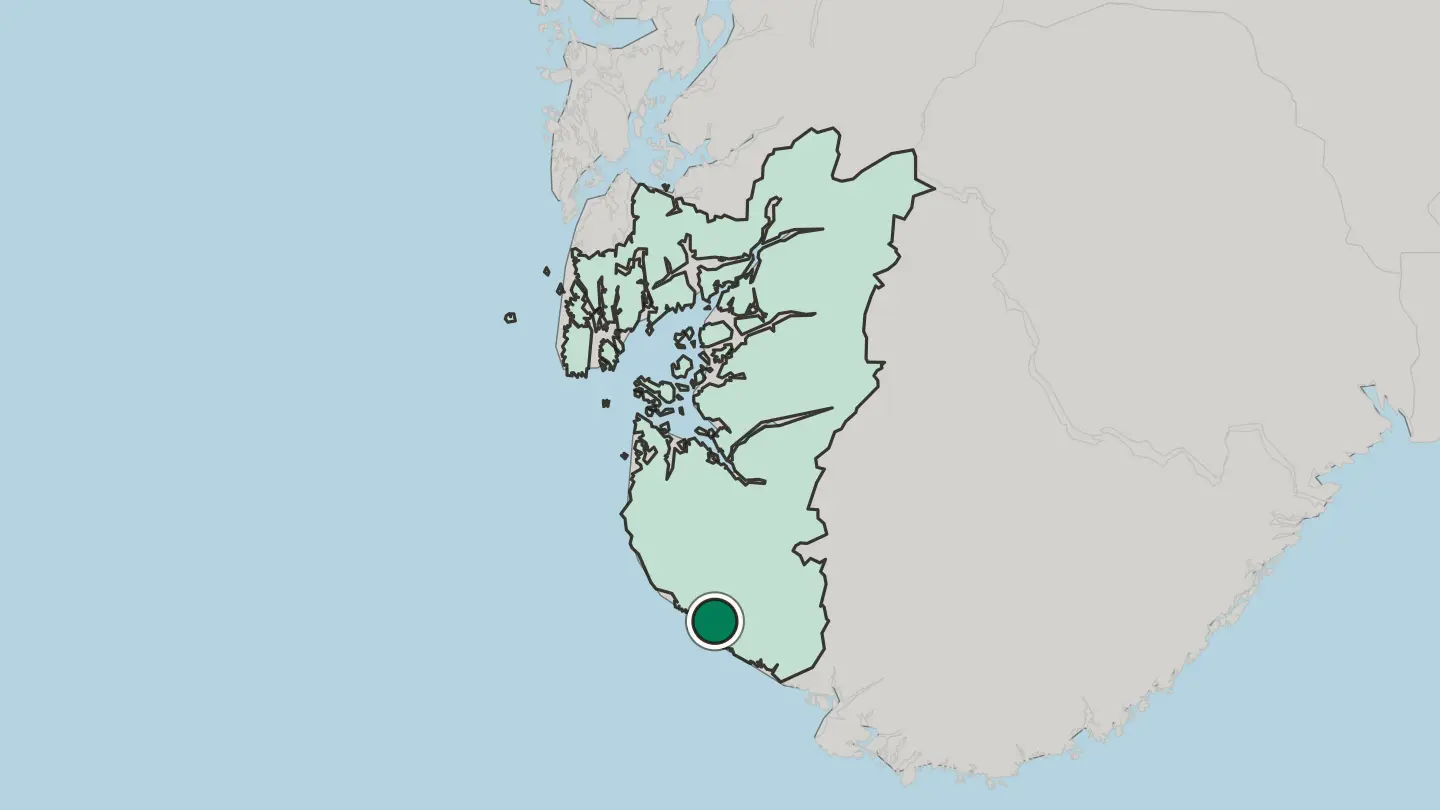 Norway
Kleppe
Kleppe is the centre of Klepp Municipality on the Jæren plain in Rogaland, western Norway, between two lakes.Where to stay →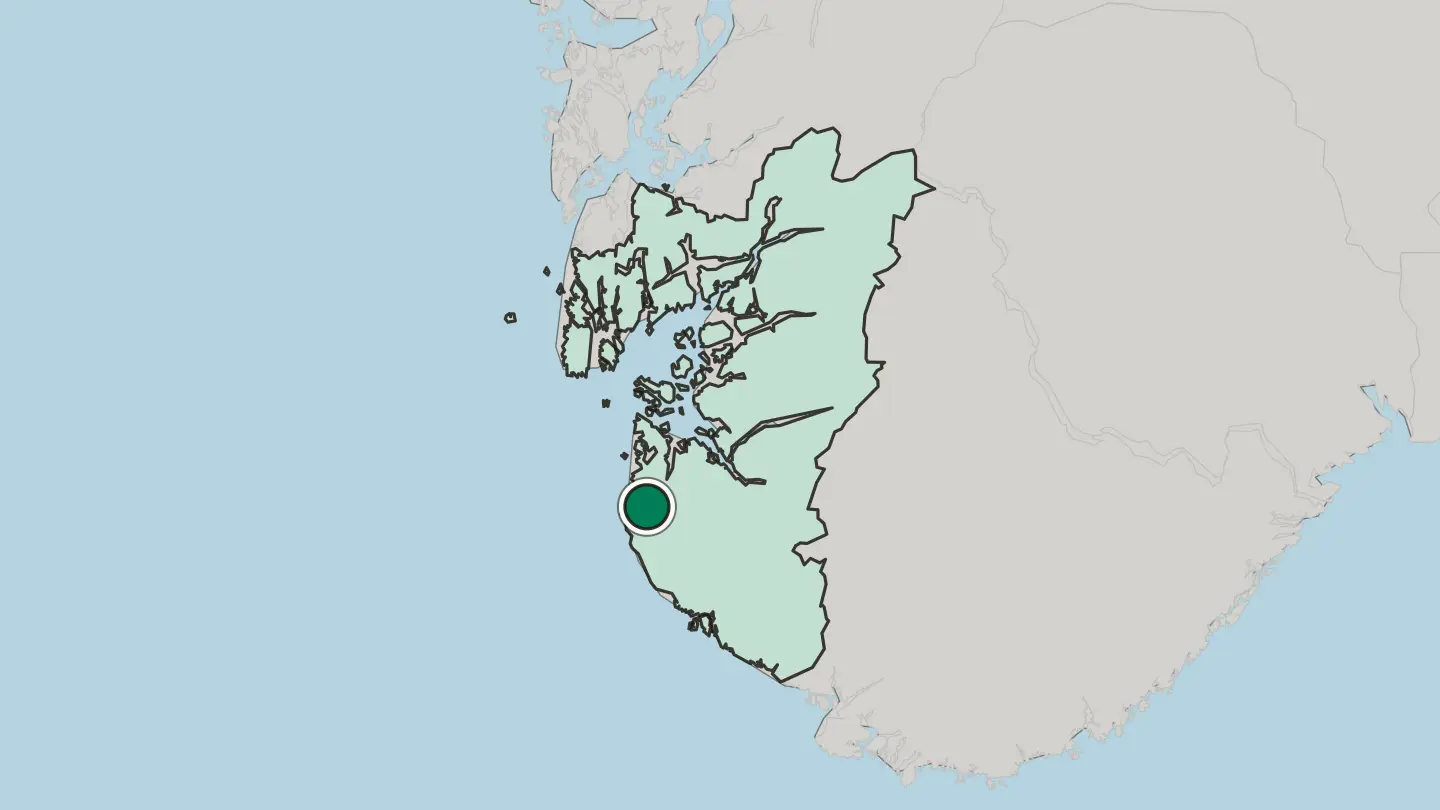
All towns & cities (24)
 Norway
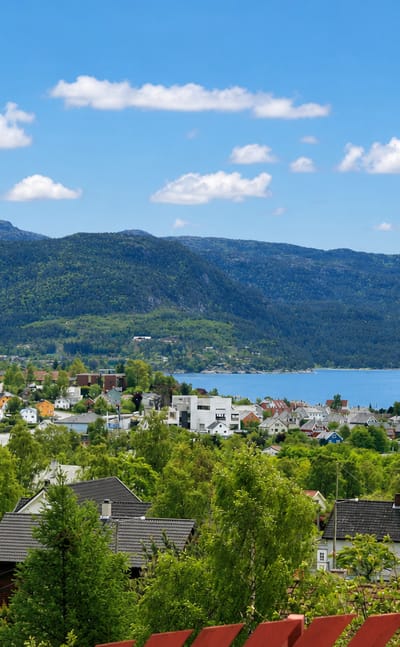
Jørpeland
Jørpeland is a fjord-side town in the eastern part of Rogaland, western Norway, and the centre of Strand Municipality.Where to stay →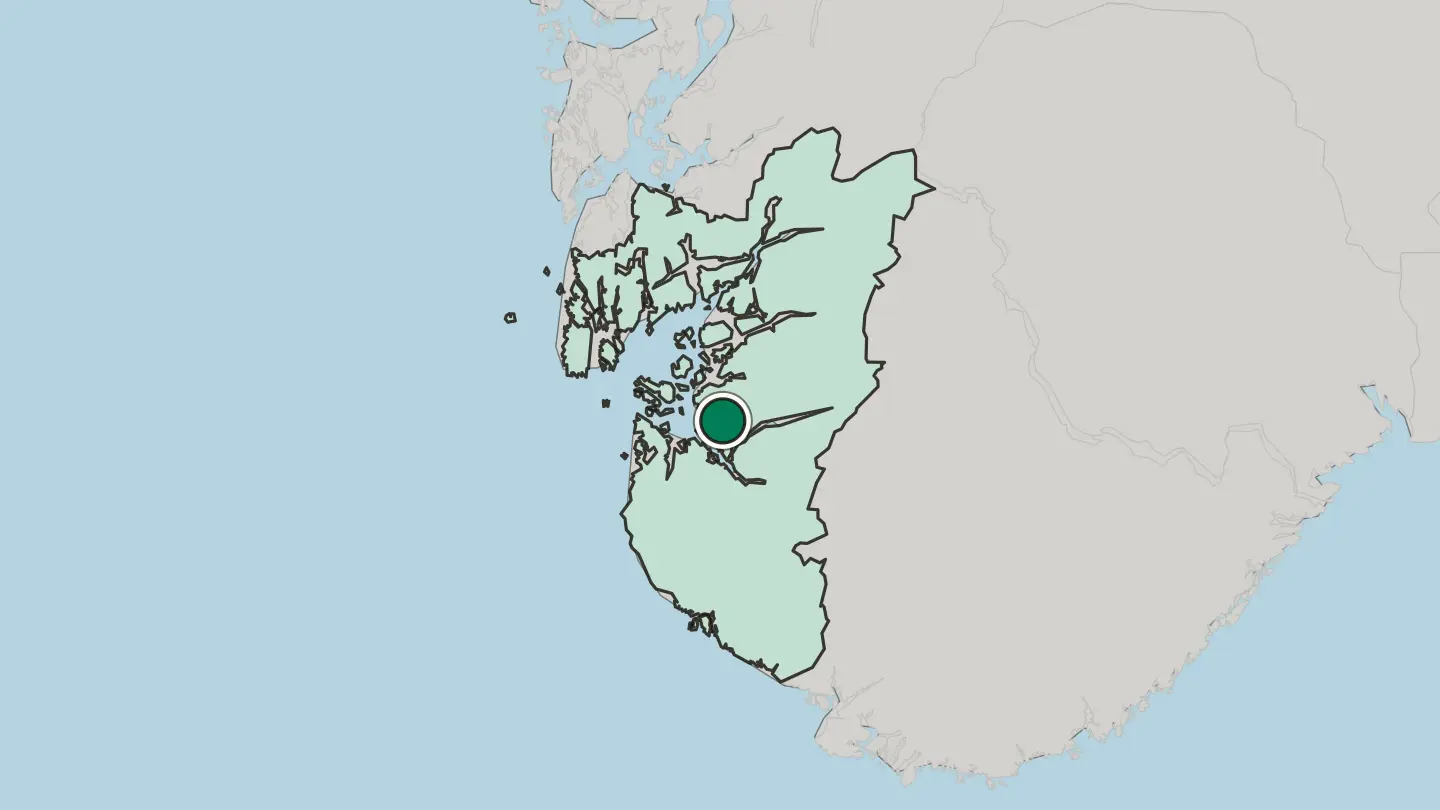
 Norway
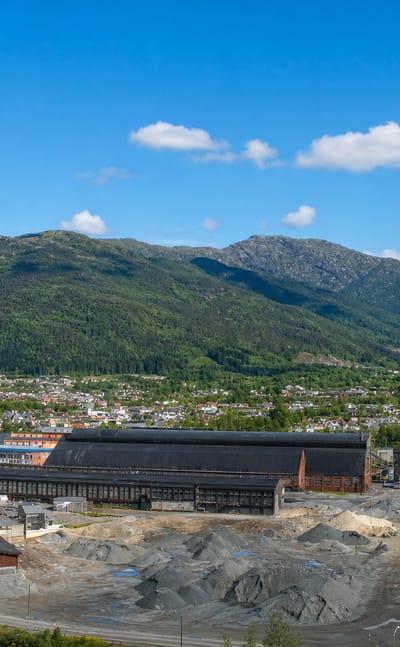
Sauda
Sauda is an industrial fjord town in the north-eastern part of Rogaland, western Norway, and the seat of Sauda Municipality.Where to stay →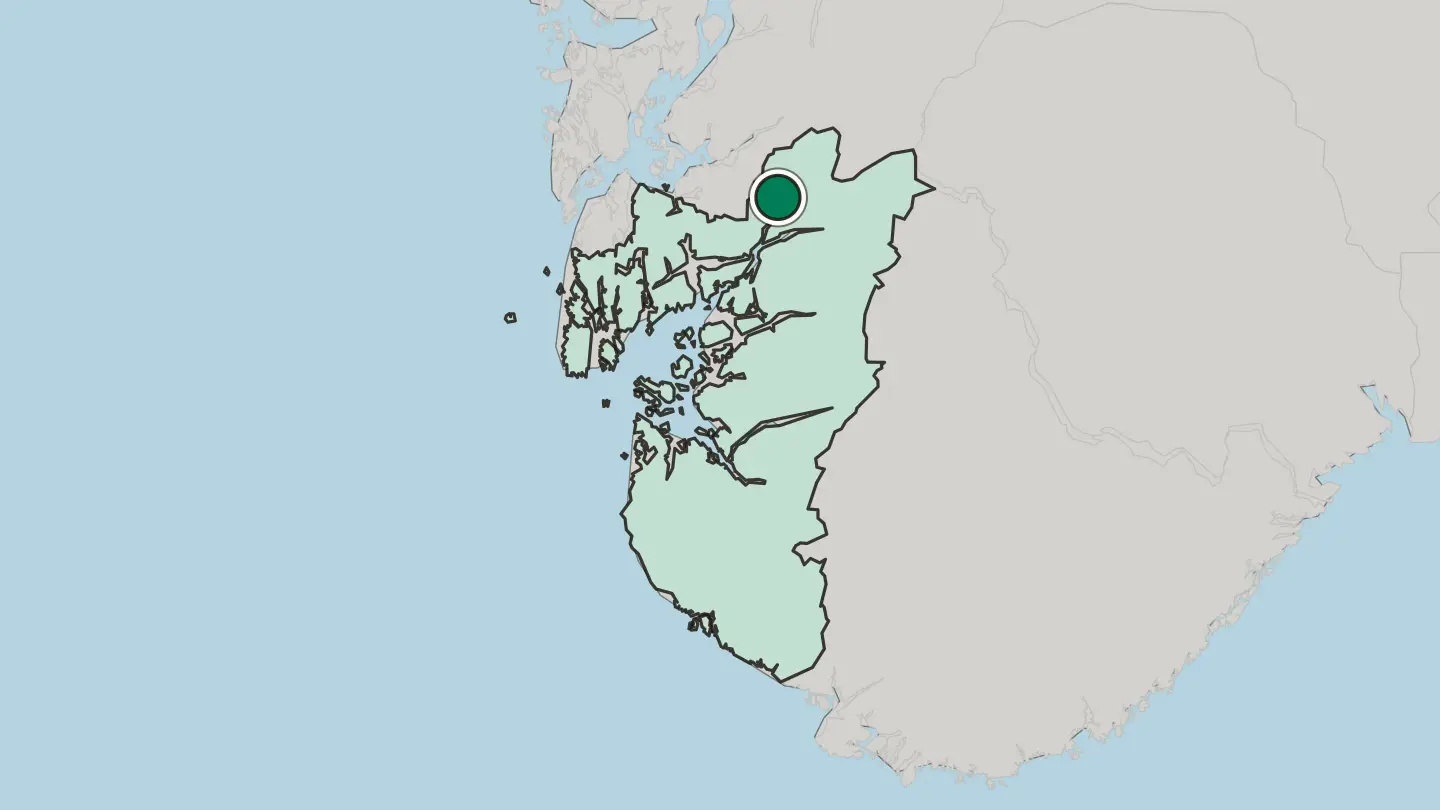
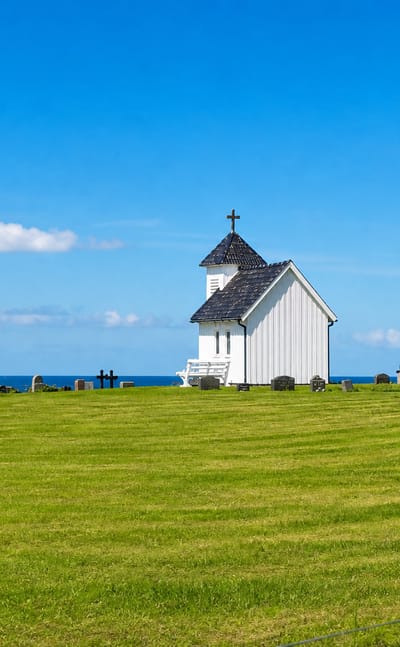 Norway
Varhaug
Varhaug is a flat farming town on the Jæren plain in the southern part of Rogaland, western Norway (Vestlandet).Where to stay →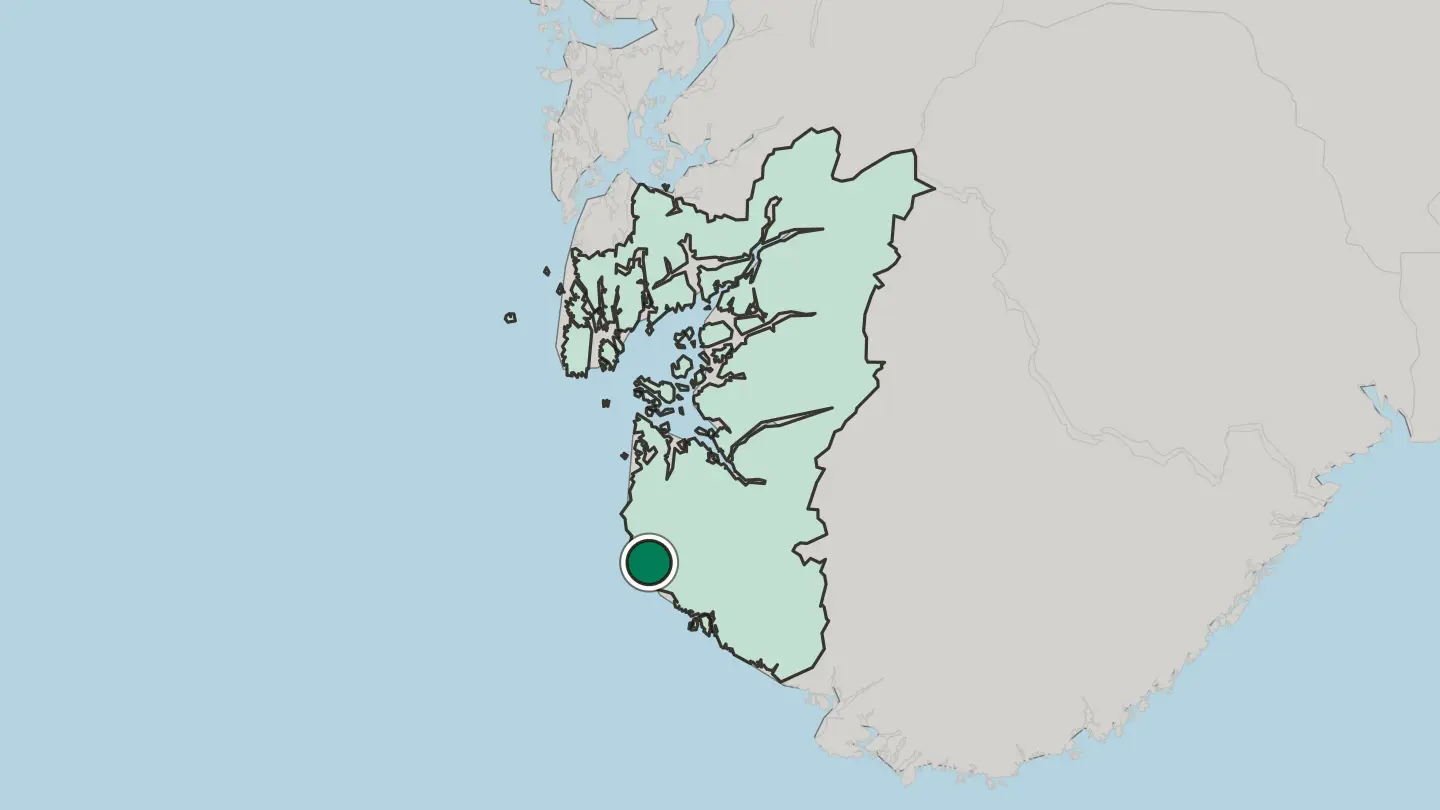 Norway
Hauge i Dalane
Hauge i Dalane is the small valley centre of Sokndal in the south-eastern part of Rogaland, western Norway (Vestlandet).Where to stay →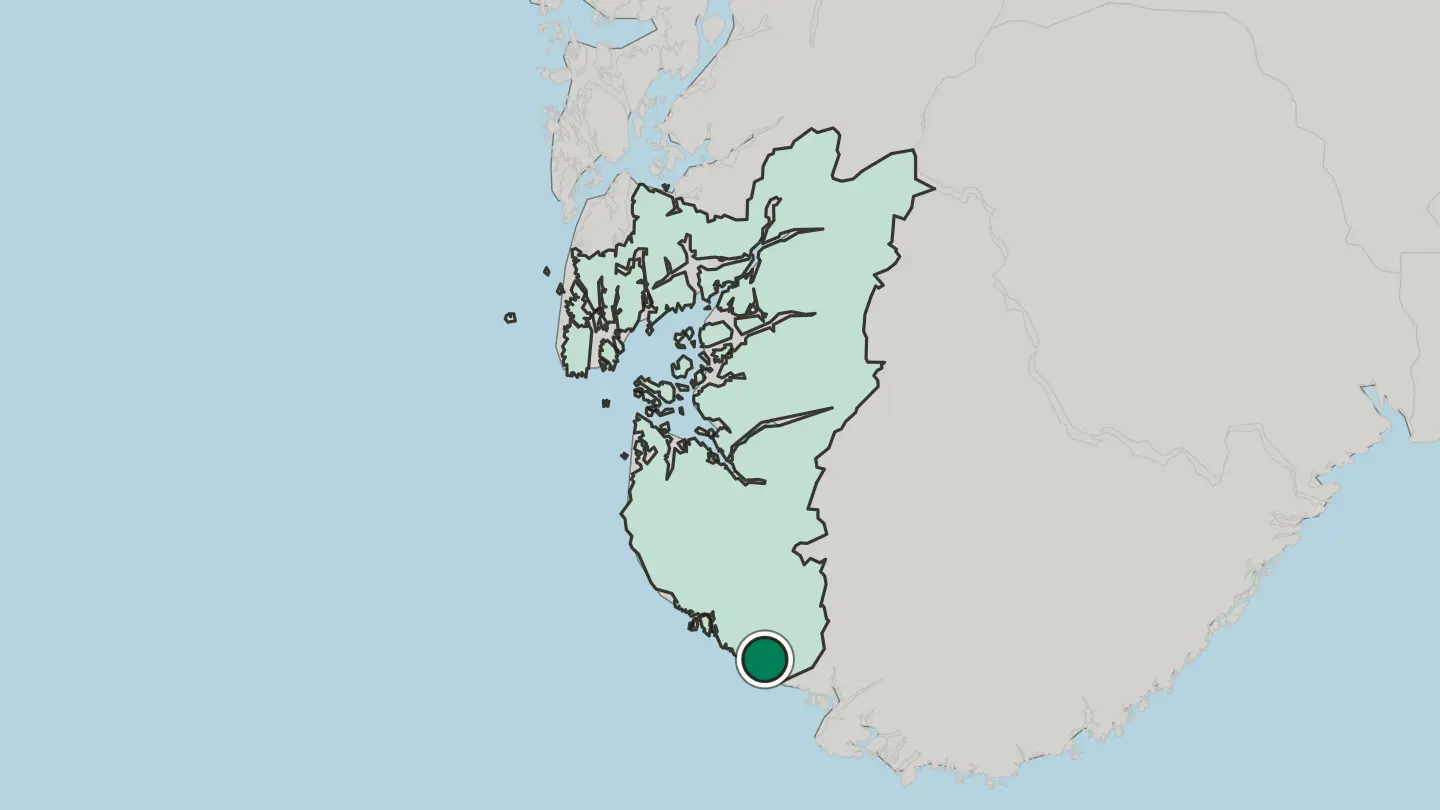
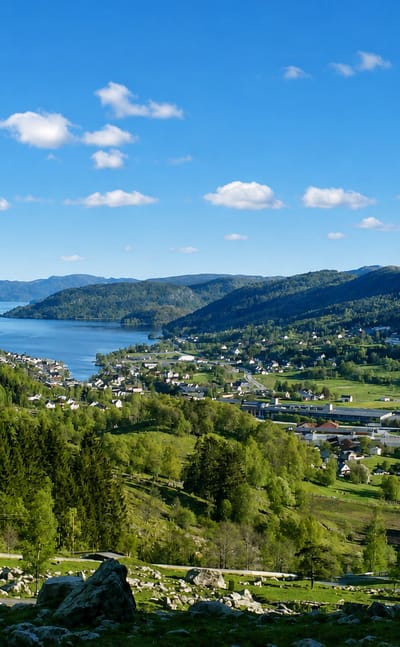 Norway
Moi
Moi is the centre of Lund municipality in the south-eastern part of Rogaland, western Norway (Vestlandet).Where to stay →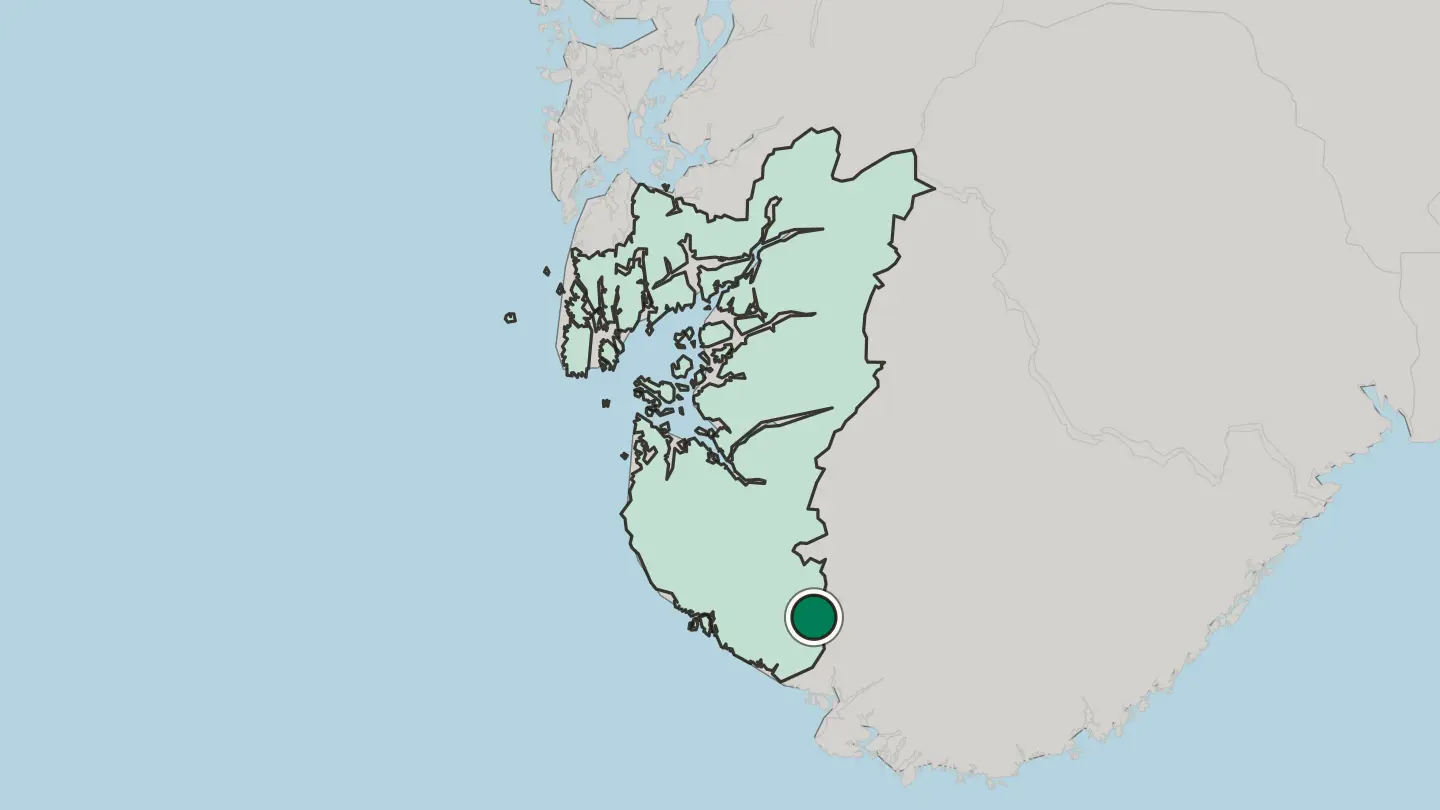
 Norway
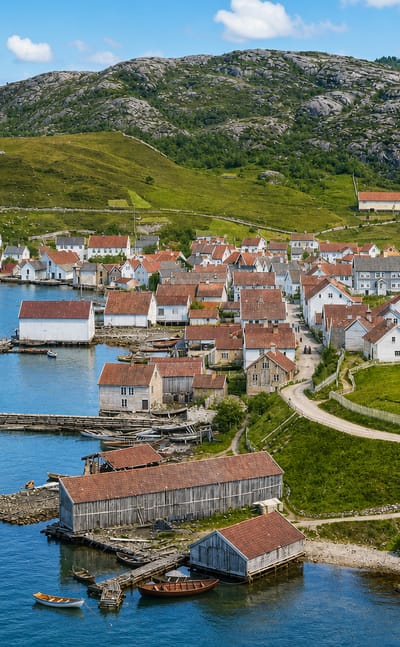
Sand
Sand is a fjord-side village and the centre of Suldal, in the north-eastern part of Rogaland, western Norway (Vestlandet).Where to stay →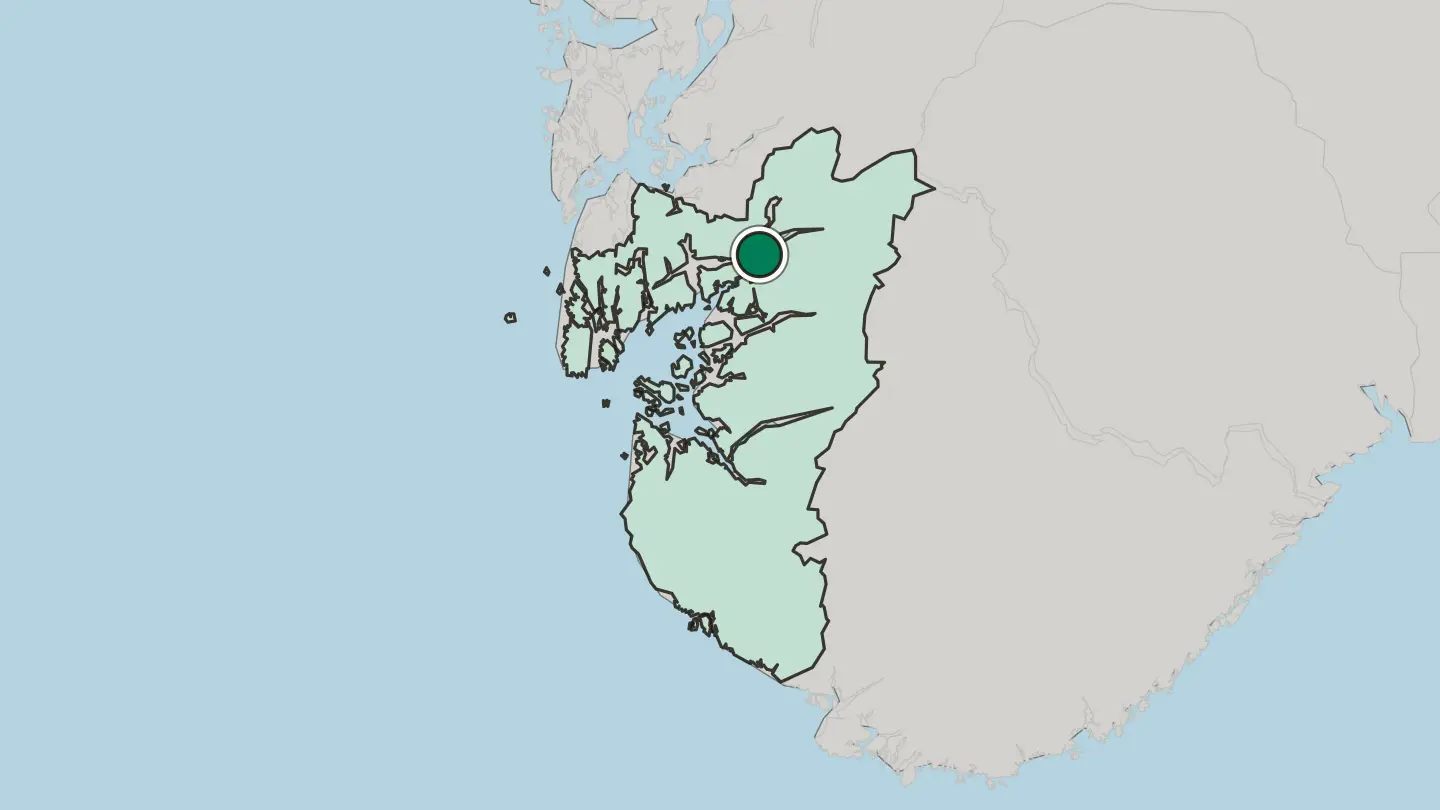
 Norway
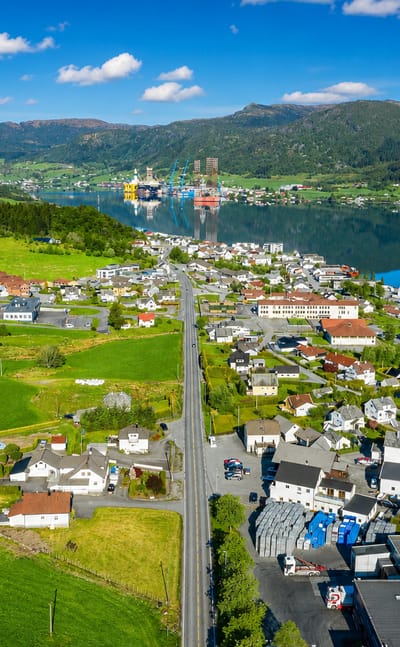
Vikeså
Vikeså is the inland centre of Bjerkreim, in the south-eastern part of Rogaland, western Norway (Vestlandet).Where to stay →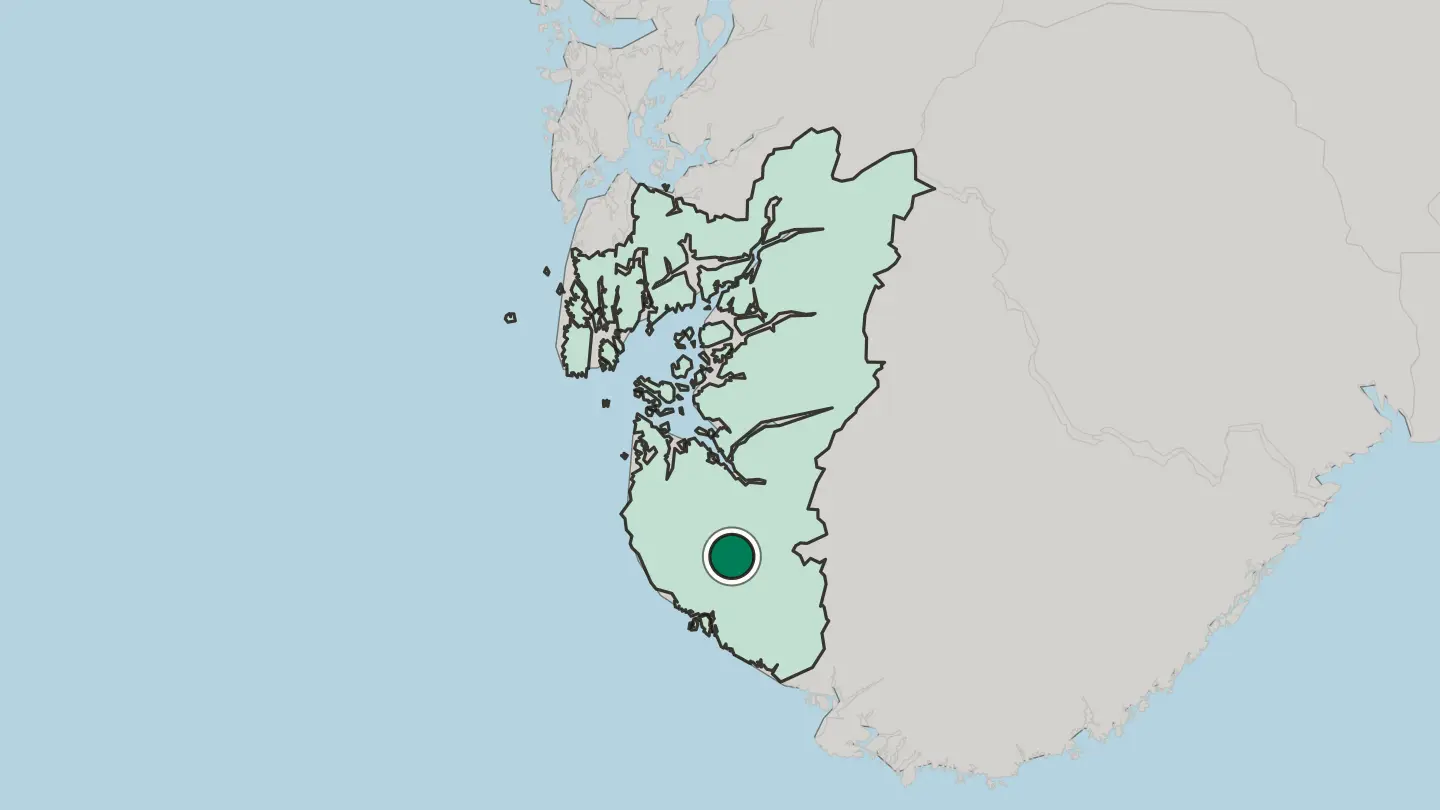
 Norway
Ølen
Ølen is a fjord-head village in Vindafjord, in the northern part of Rogaland, western Norway (Vestlandet).Where to stay →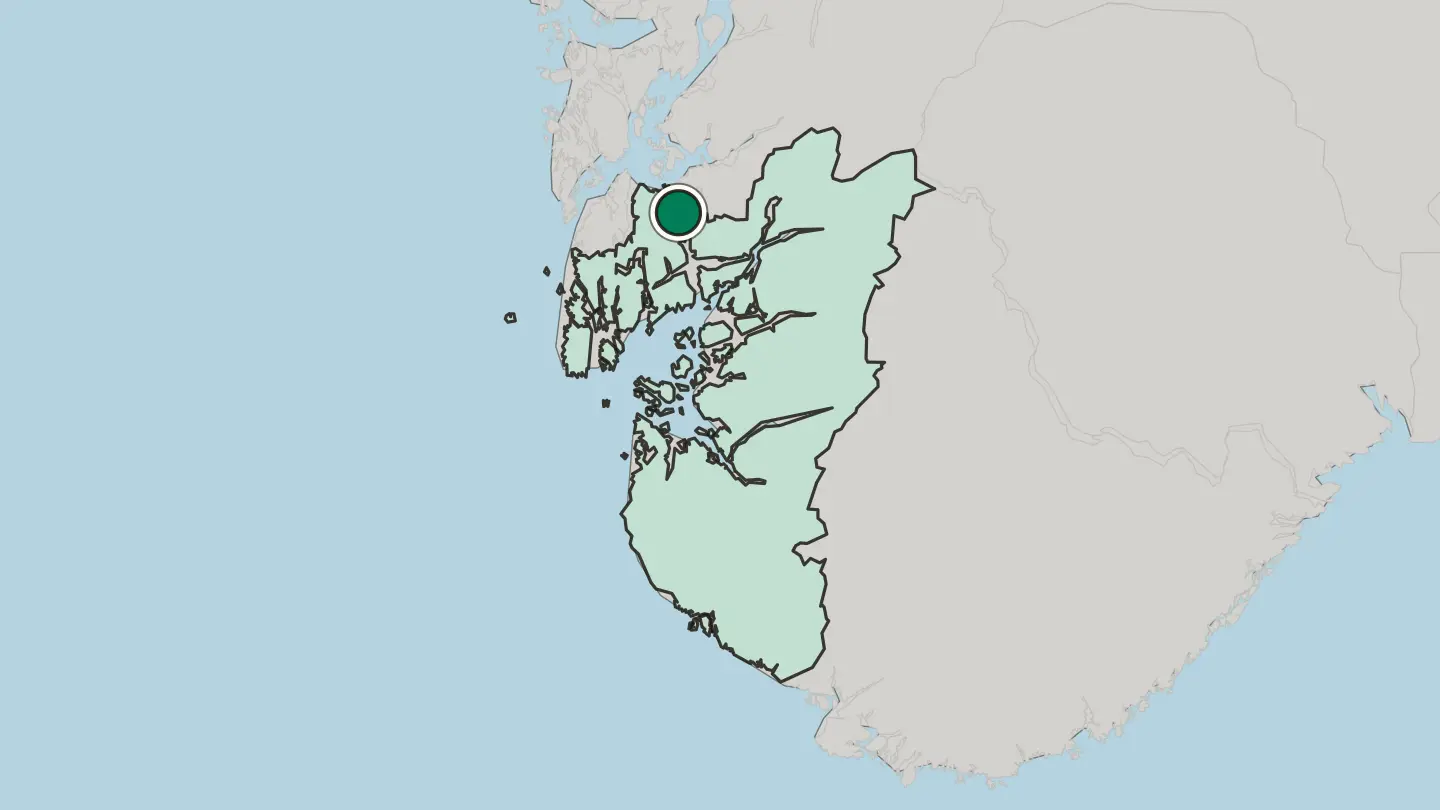 Norway
Judaberg
Judaberg is an island village on Finnøy in Rogaland, in the northern part of the county, in western Norway.Where to stay →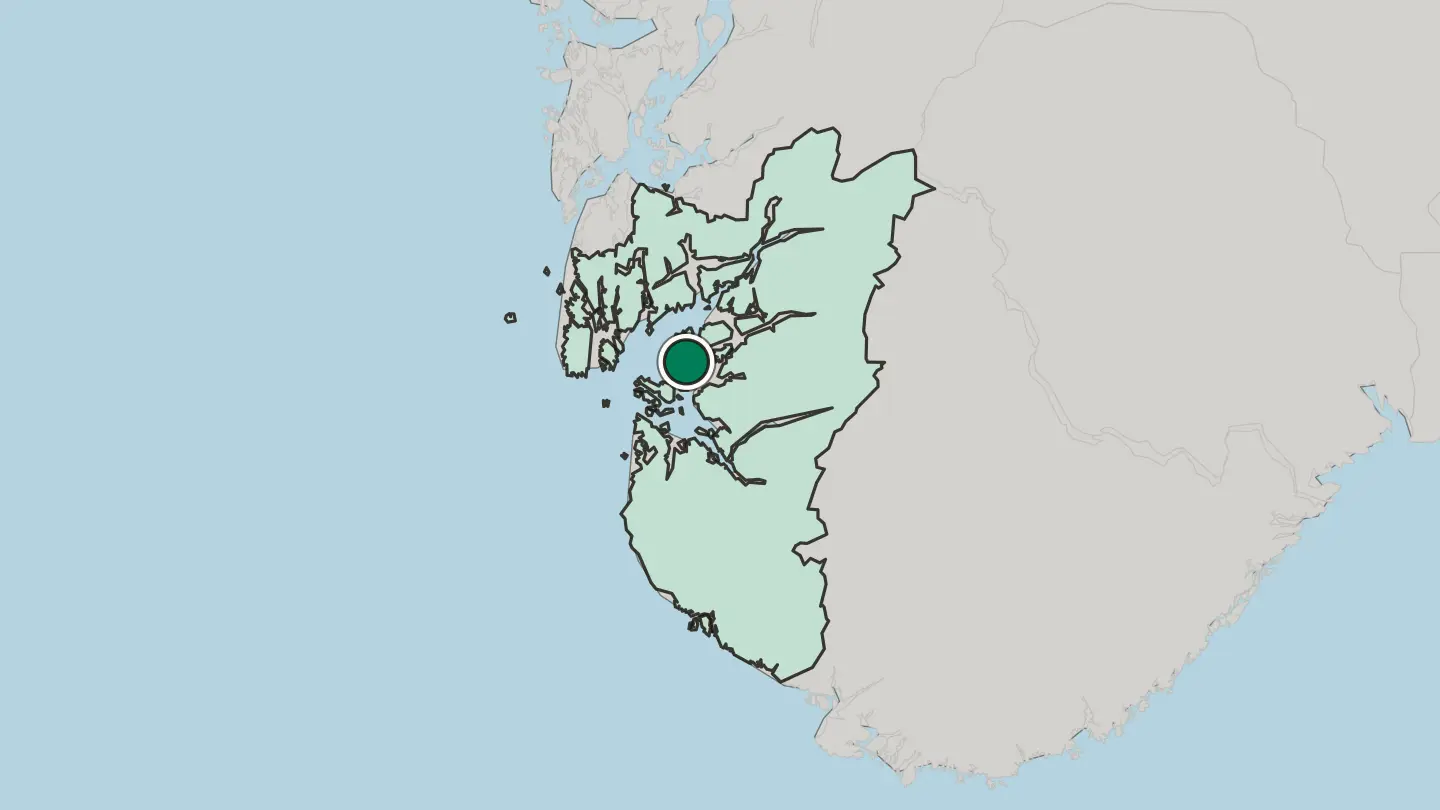
 Norway
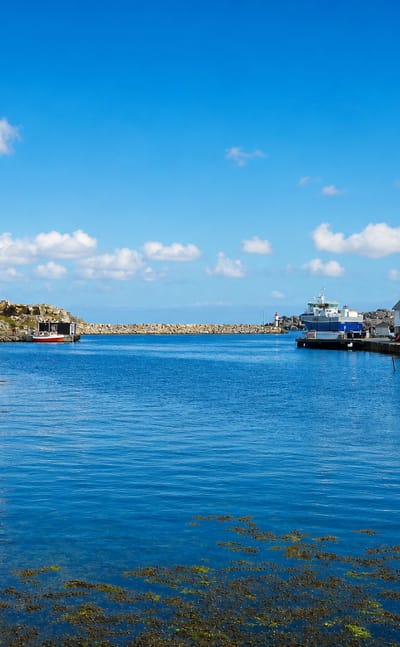
Utsira
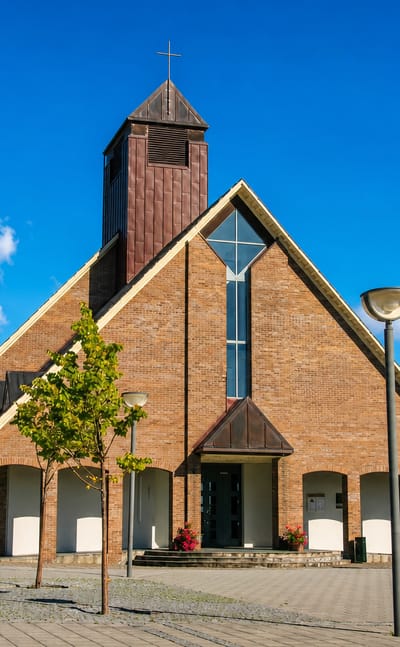
Utsira is an island municipality in western Norway, the smallest in the country by headcount, set off the Rogaland coast.Where to stay →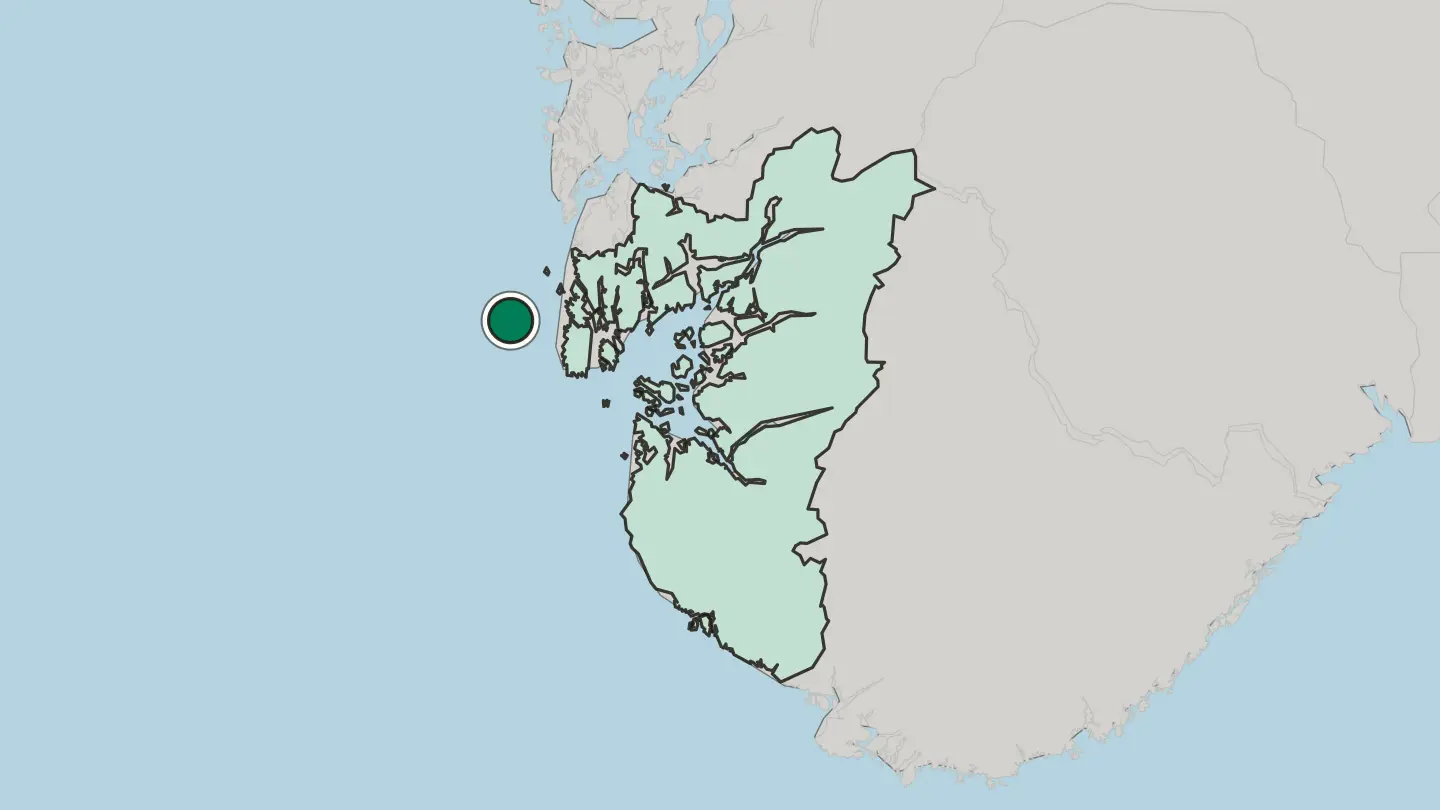
 Norway
Aksdal
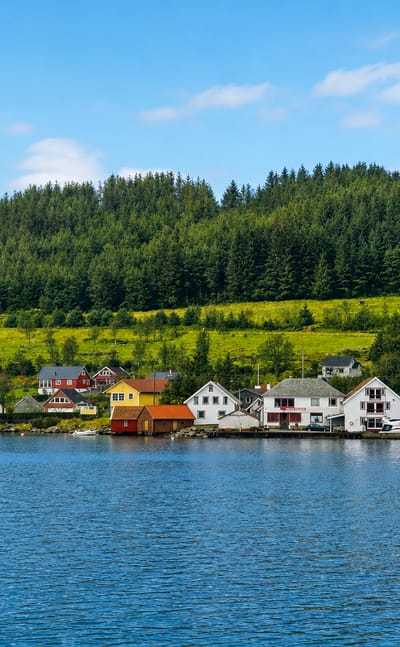
Aksdal is the centre of Tysvær municipality in Rogaland, western Norway, set in the Vestlandet region.Where to stay →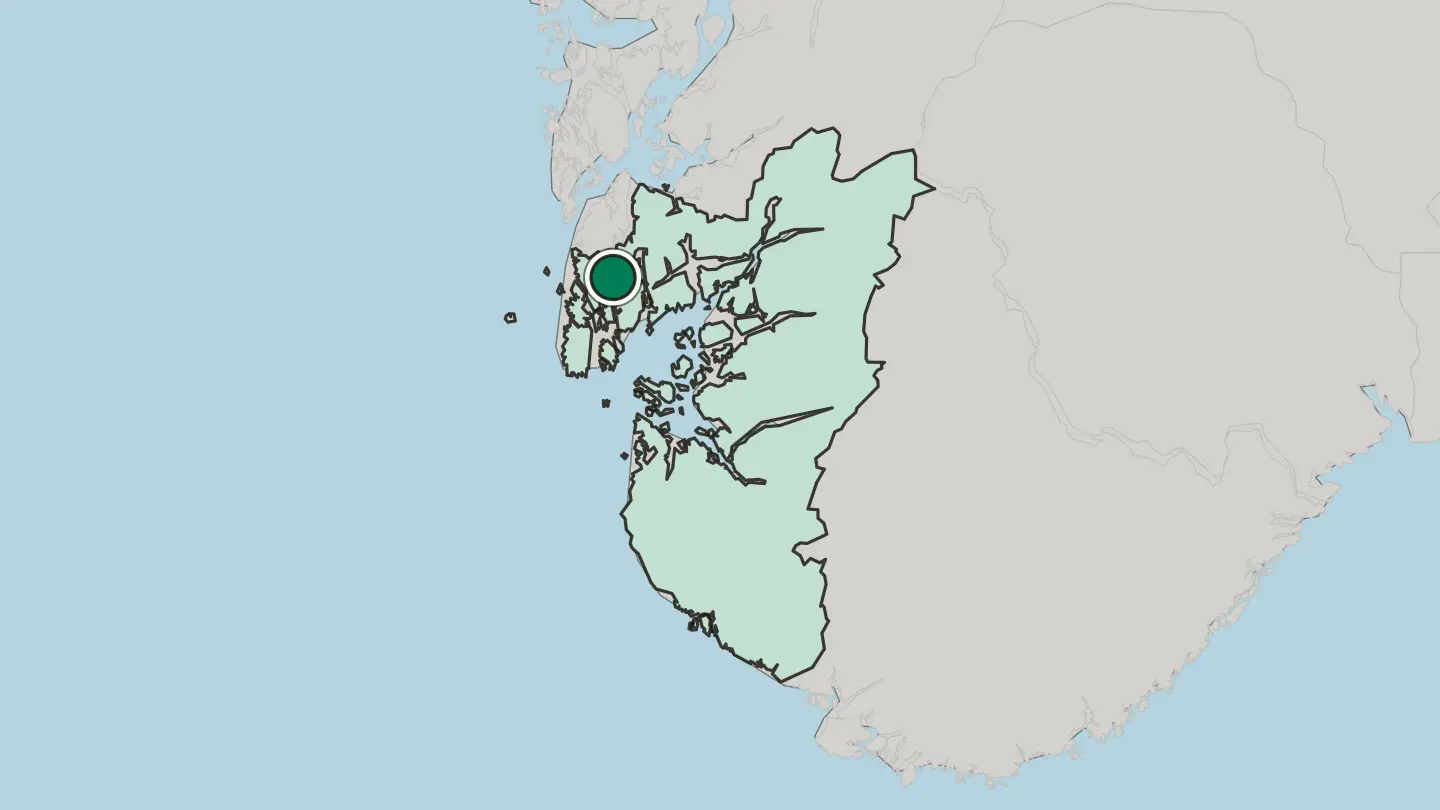
 Norway
Bokn
Bokn is an island municipality in western Norway, spread across Ognøya, Vestre Bokn, and Austre Bokn in the Haugaland district of Rogaland.Where to stay →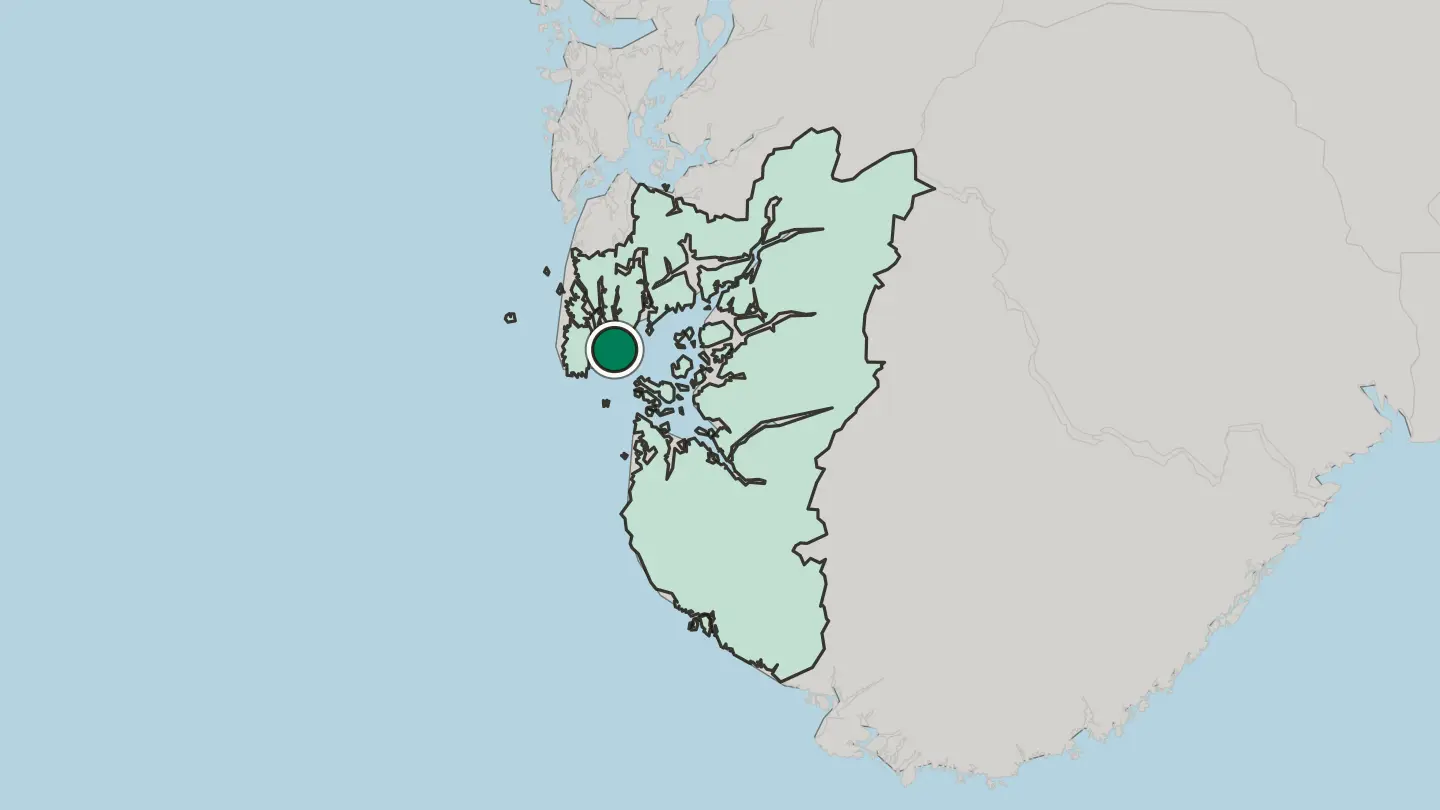
 Norway
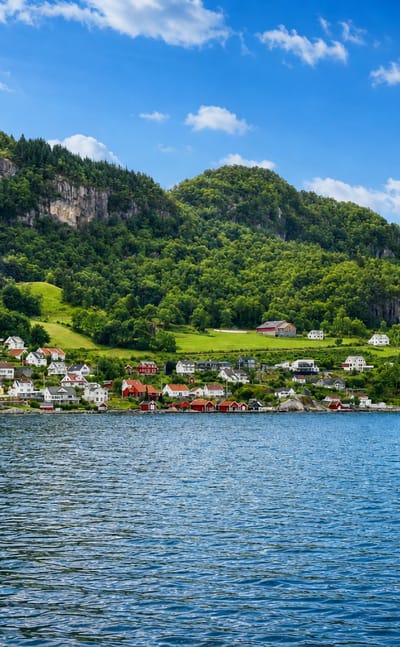
Hjelmelandsvågen
Hjelmelandsvågen is a fjord village in Rogaland, the centre of Hjelmeland, in the north-eastern part of the county, in western Norway.Where to stay →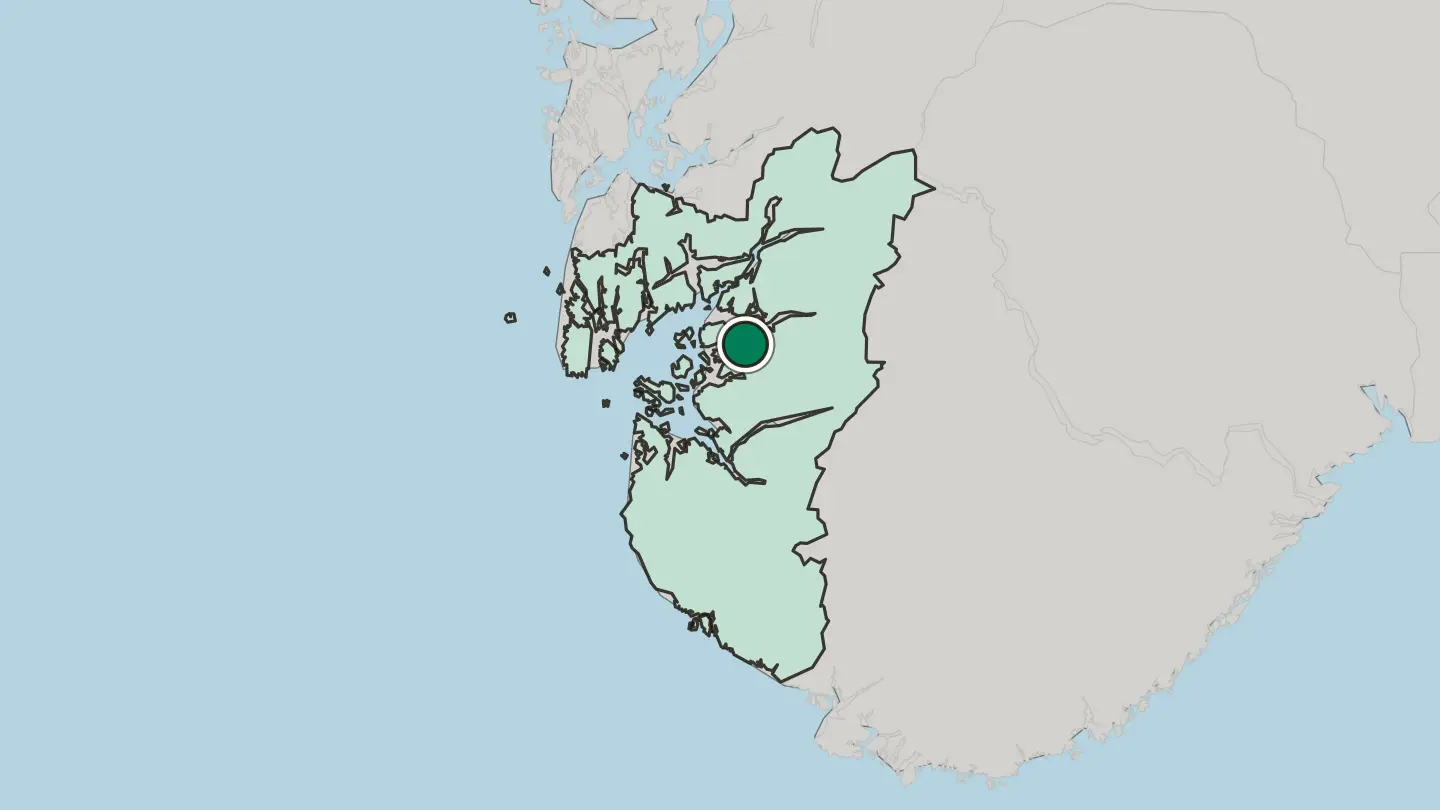
 Norway
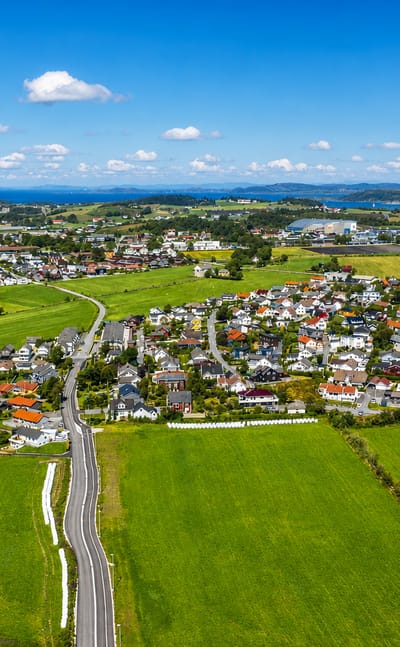
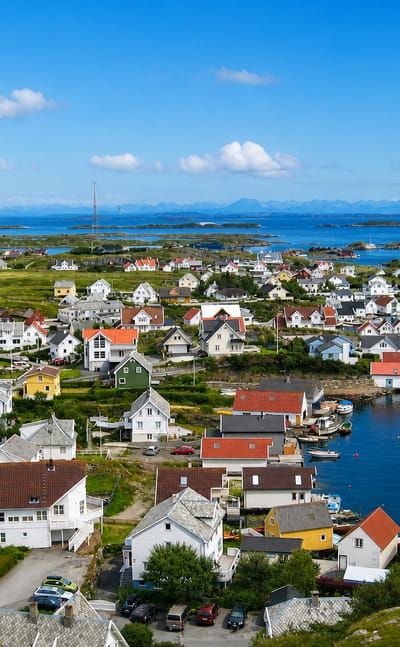
Randaberg
Randaberg is a coastal municipality in Rogaland, in the western part of the county, next to Stavanger, in western Norway.Where to stay →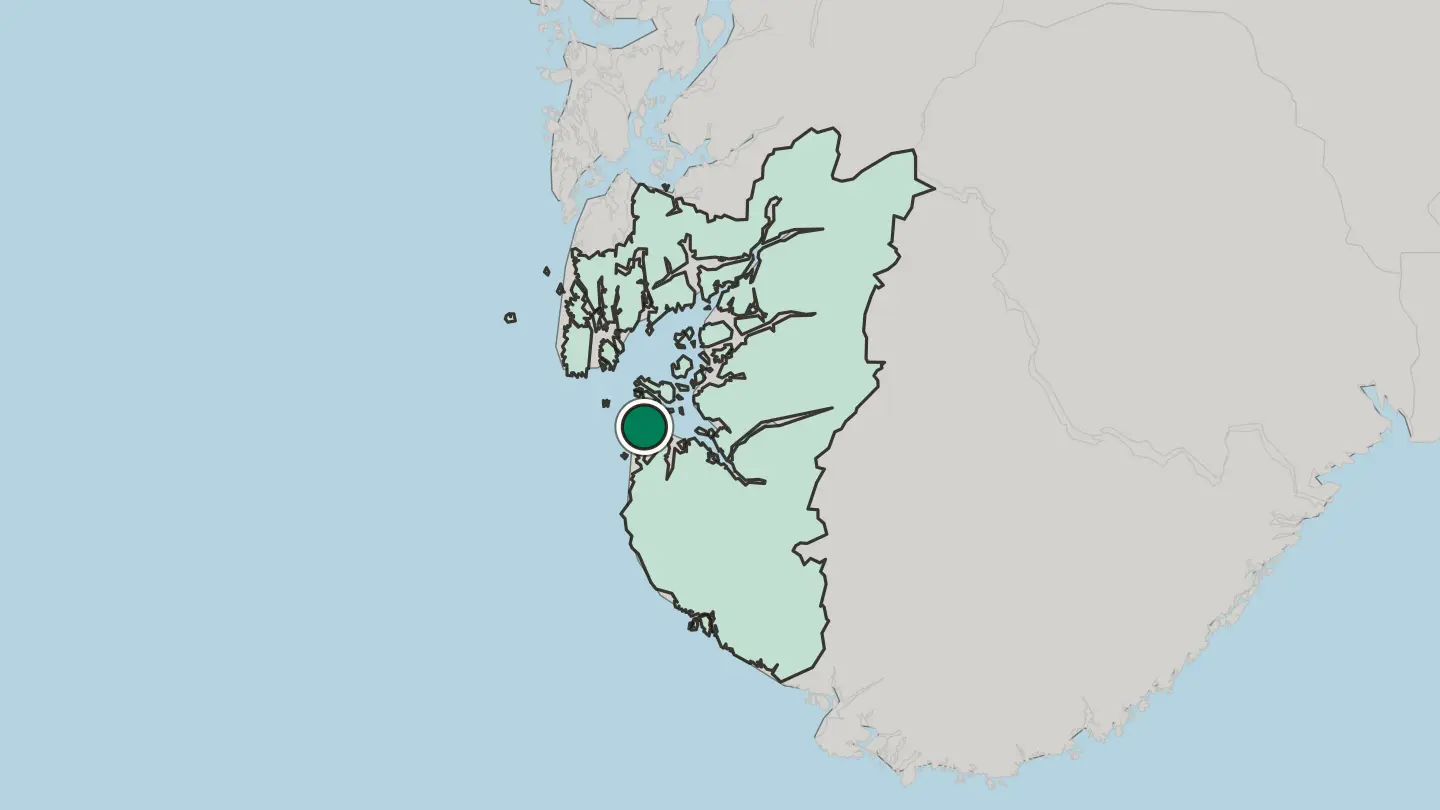
 Norway
Ydstebøhamn
Ydstebøhamn is the harbour village of Kvitsøy in Rogaland, in the western part of the county, in western Norway.Where to stay →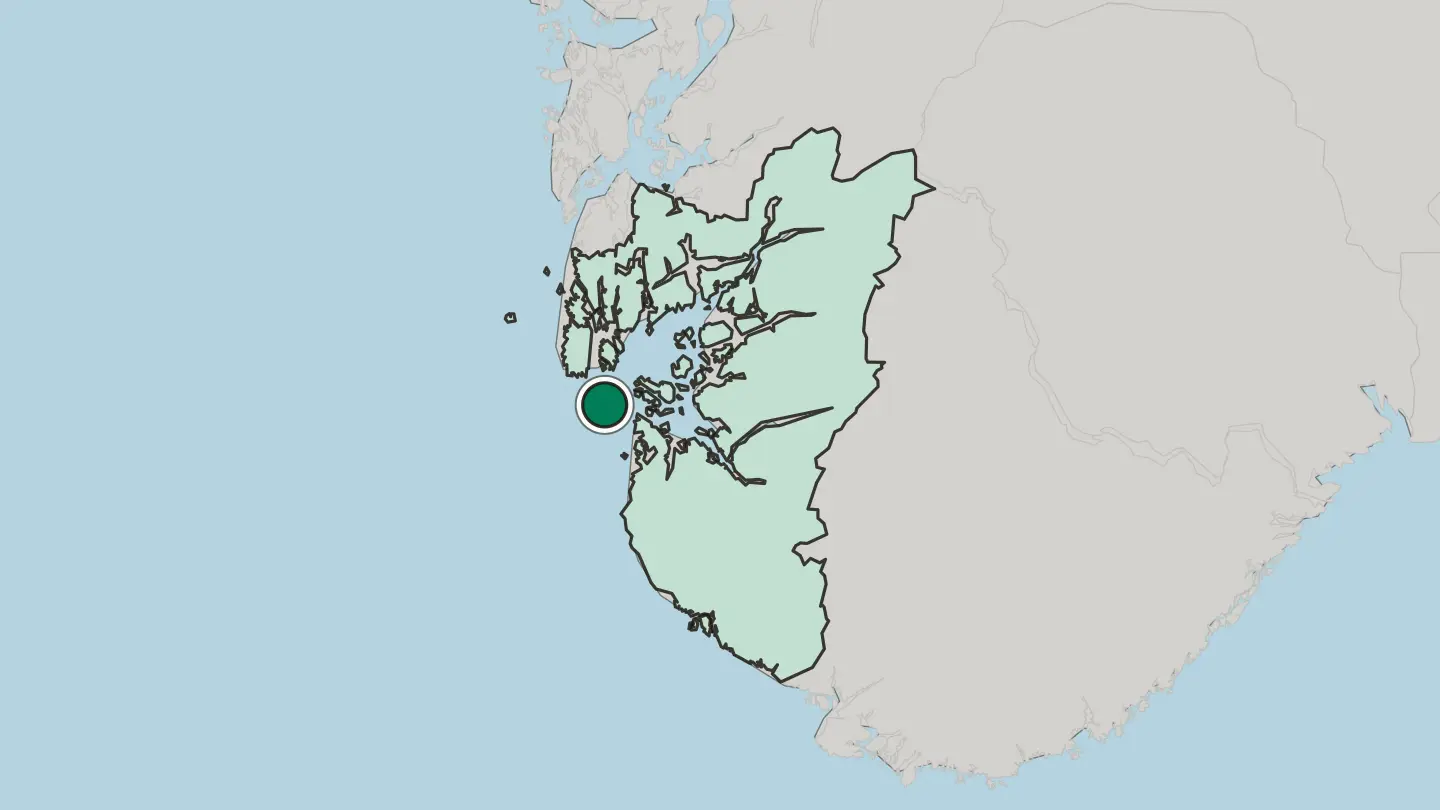
 Norway
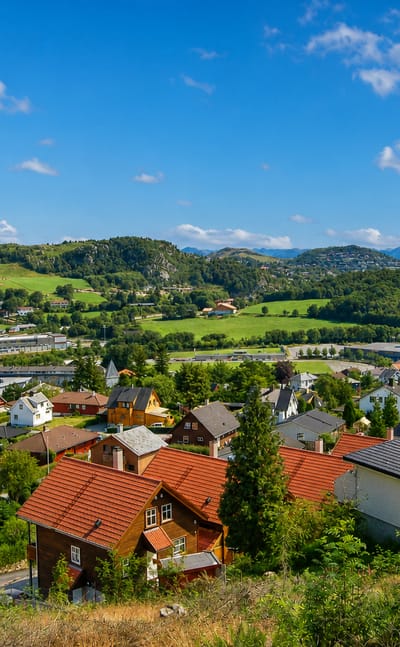
Ålgård
Ålgård is the centre of Gjesdal in Rogaland, in the southern part of the county, in western Norway.Where to stay →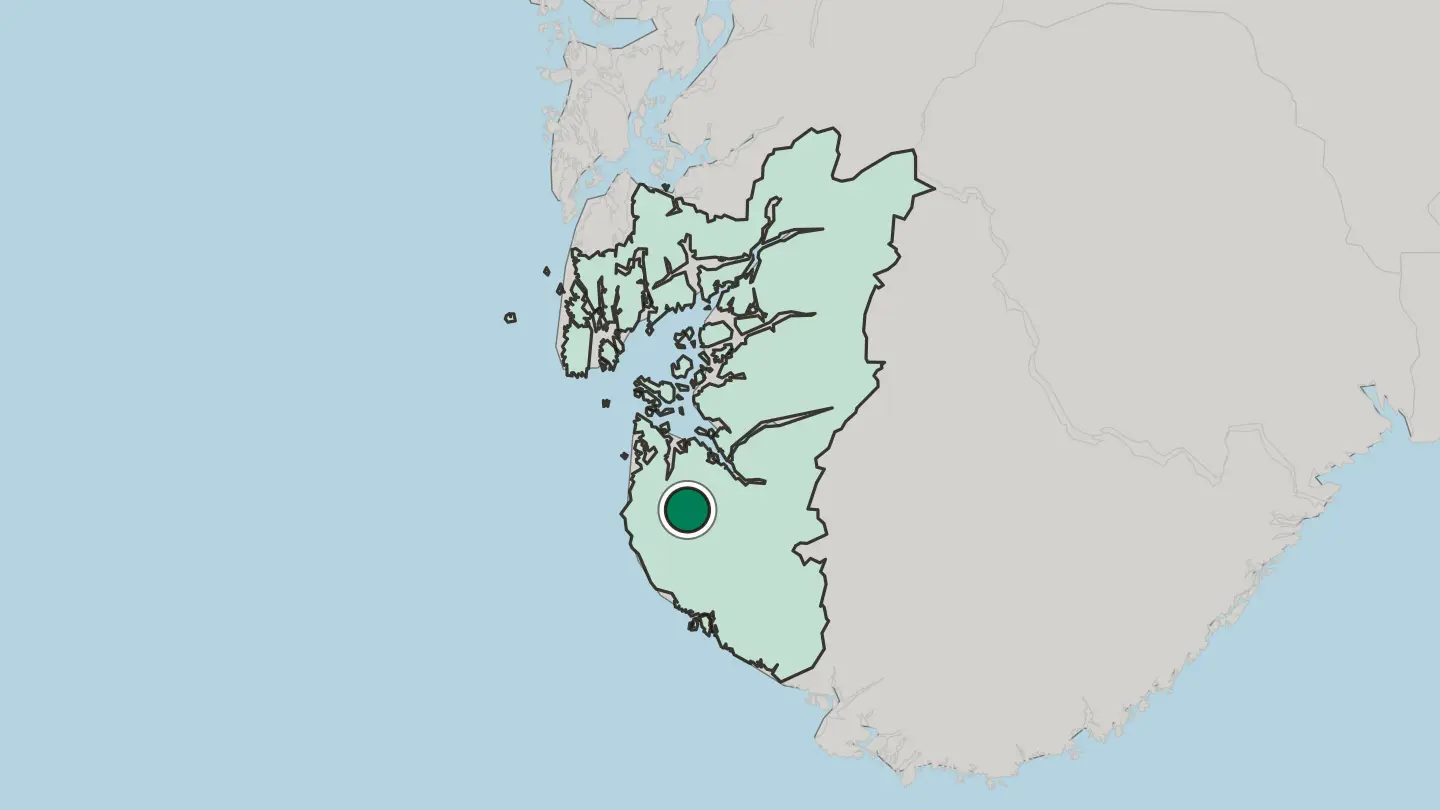
Hotel links are affiliate links: booking through them may earn us a commission, at no extra cost to you. It never affects how places are ranked. How this works
About Rogaland Fylke
What is Rogaland Fylke known for?
This is Norway's south-western corner. Rogaland faces the open North Sea along the western coast, the southern end of the Vestlandet region, where the country's oil and shipping industry centres on the harbours of Stavanger and Sandnes. The coast does the work.
Beaches and farmland run south through Bryne and Egersund toward Agder, the fjords cut inland past Jørpeland, and Haugesund holds the northern shore toward Vestland. The energy capital of western Norway.
Where is Rogaland Fylke?
Rogaland holds the south-western corner of Norway, the southern end of the Vestlandet region, fronting the open North Sea along its whole western edge. The land mixes two faces, a flat and sandy farmed coast in the south around Bryne and Egersund, unusual for the fjord country, and a steeper fjordland in the north and east where the sea cuts inland past Jørpeland toward the high ground. Beach and cliff in one county.
The southern lowland is the great farming belt of western Norway, while the inner fjords climb quickly into rock. The county sits among neighbours on three sides. Rogaland borders Vestland to the north, Telemark to the east, and Agder to the east and south-east, with only the North Sea to the west.
The cities cluster at the centre. Stavanger and Sandnes share a built-up core on the coast, with Sola and the airport beside them, while Haugesund holds the northern shore and Egersund the south, and the whole county faces the sea that has shaped its trade, its fishing, and its oil along the south-western edge of Norway.
What is Rogaland Fylke like?
Rogaland lives by the sea and the oil it brought up from beneath it. The county's culture grew from fishing, farming the flat coastal belt, and shipping out of the south-western ports, and it was the offshore energy industry centred on Stavanger that turned the region into the wealthiest working corner of western Norway. The harbour set the tone.
Stavanger and Sandnes carry a practical, outward-facing temper built on sea trade, while the southern farm towns of Bryne and Egersund keep an older agricultural Rogaland alive along the open coast. The north and the fjords keep their own character. Haugesund holds a distinct maritime tradition on the shore toward Vestland, and the fjord communities behind Jørpeland keep the inland habits of the high country.
Speech marks the divide. The dialects of Rogaland sit at the meeting of west-coast and southern Norwegian, and the county reads as a bridge between the Vestlandet fjords and the gentler Agder coast, bound together by the North Sea that fronts the whole of south-western Norway.
What is the history of Rogaland Fylke?
Rogaland's history runs with the sea. The flat coast and good harbours of south-western Norway made it an early seafaring district, and Stavanger grew into the regional city long before the modern county lines were drawn around the Vestlandet south. Herring and shipping carried it for centuries.
The discovery of oil beneath the North Sea then remade the county, turning Stavanger and Sandnes into the centre of the country's energy industry, while the farm towns of Bryne and Egersund and the northern port of Haugesund kept their older trades along the coast toward Agder and Vestland.
What is the climate of Rogaland Fylke?
Rogaland has a mild, wet maritime climate off the North Sea. The open Atlantic keeps the south-western coast around Stavanger one of the gentlest corners of Norway in winter, rarely deeply frozen but grey, windy, and rain-soaked through much of the year. Wind is the constant here.
The flat coast at Bryne and Egersund takes the full force of the sea air, while the inner fjords behind Jørpeland and the higher ground turn colder and snowier, giving the county a split between its mild outer shore and a harder Vestlandet interior.
How do you get to Rogaland Fylke?
Stavanger is the main gateway. The county's largest city carries the airport at Sola, the harbour for coastal and North Sea ferries, and the western end of the southern rail line, making it the natural arrival point on the south-western coast. Trains and roads run south through Bryne and Egersund toward Agder.
Boats and tunnels thread the fjords behind Jørpeland, while the northern road and ferry routes reach Haugesund and cross toward Vestland, so most travellers enter Vestlandet's southern county through Stavanger before spreading out along the coast.
Common questions
What is the best area to stay in Rogaland Fylke?
Stavanger and Sola: first-timers wanting a south-western city base. Haugesund: travellers on the northern shore toward Vestland. Egersund and the southern coast: visitors touring the beaches toward Agder.
Good for
More regions in Norway
Updated September 2026