Norway · Rogaland Fylke
Where to Stay in Moi, Rogaland Fylke
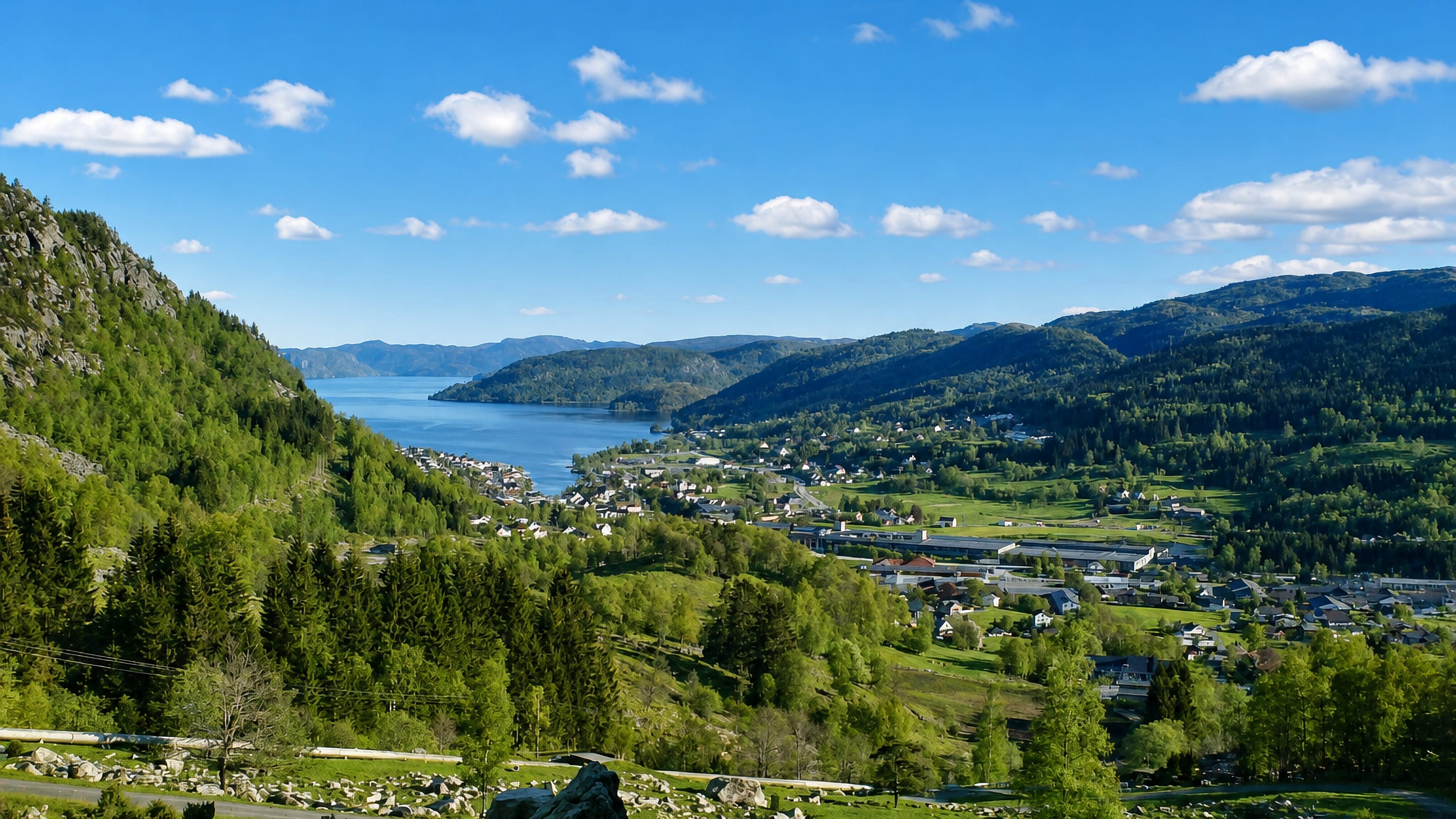
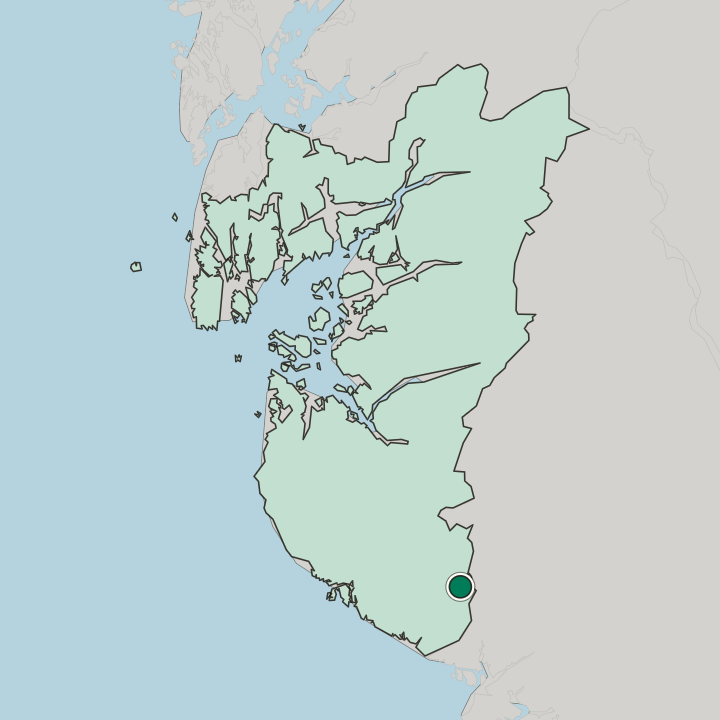
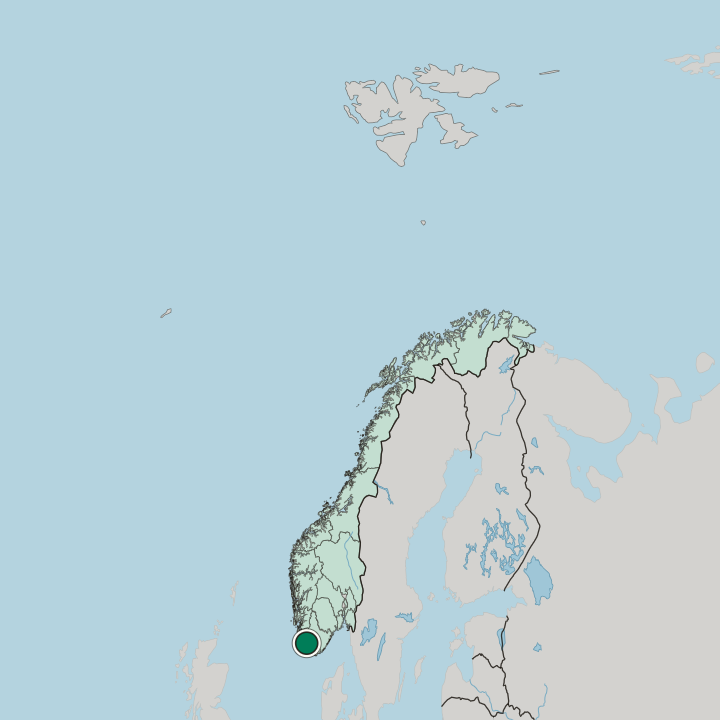
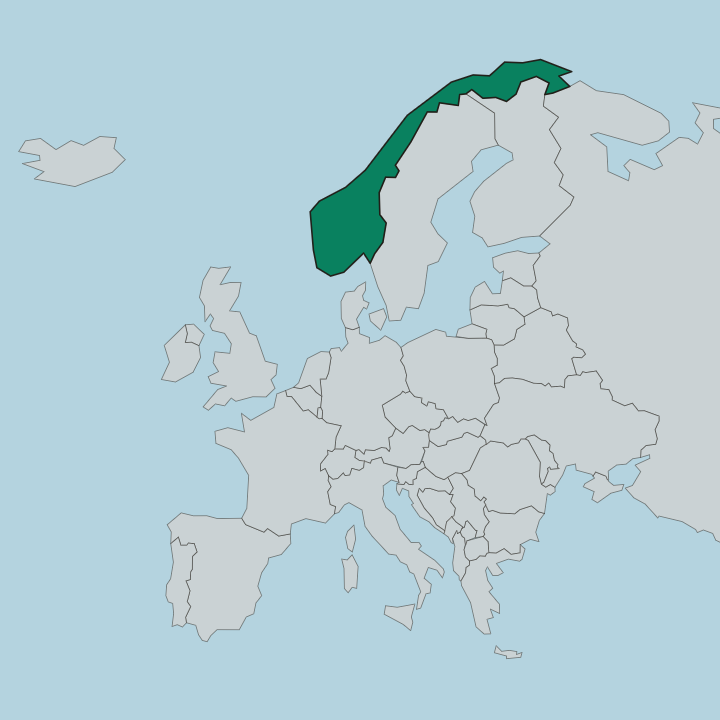
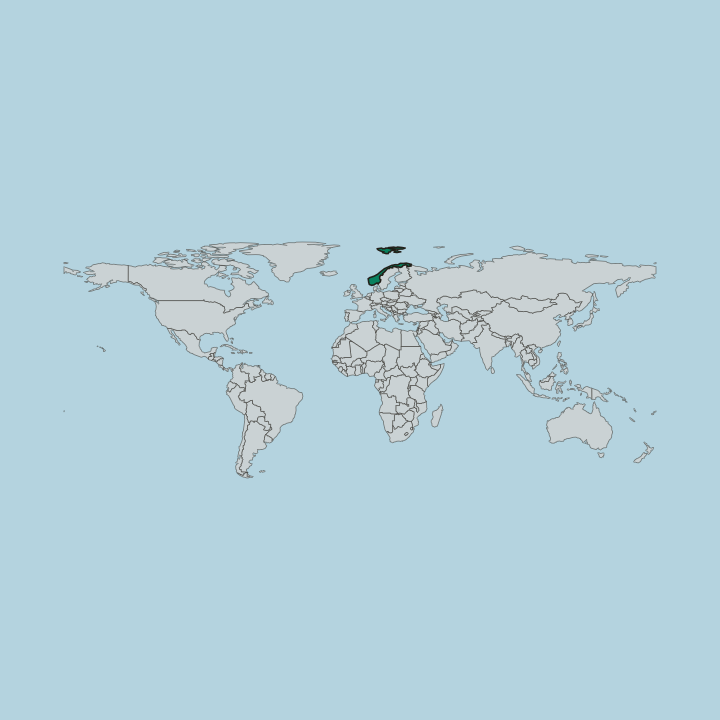
Moi is the centre of Lund municipality in the south-eastern part of Rogaland, western Norway (Vestlandet).
Hotel links are affiliate links: booking through them may earn us a commission, at no extra cost to you. It never affects how places are ranked. How this works


Where to stay in Moi
Where the beds are, and what that means for the visit.
The Moi village centre is the practical base. It draws together the shops, the station and Lund kirke by the lakeshore, with the wooded ridges of the Dalane district rising behind and the rest of Lund spreading out across the inland parishes. Staying here keeps you central in this quiet south-eastern reach of Rogaland, close to the water and the railway.
Further out the upland parish of Heskestad offers a rural alternative. Its heritage Heskestad kirke stands among the farms and forest away from the lake, a scattered countryside setting rather than a village one. Beds are few in either place.
Take a room in the Moi centre first. Choose a Heskestad farm stay if you want the quiet of the inland ridges over the lakeside village. Both suit a low-key stop in Lund.
Find hotels in Moi
Direct booking searches for these neighbourhoods.
Moi village centre
The shops, station and Lund kirke gather by the lakeshore, with the Dalane ridges rising behind and the railway running through the heart of Lund. Few places to stay nearby — book ahead.Find hotels in Moi village centreInland farm stays among the ridges by Heskestad kirkeHeskestad uplands
The upland parish of Heskestad carries its heritage Heskestad kirke among the farms and forest of inland Lund, away from the Moi lakeshore. Few places to stay nearby — book ahead.Find hotels in Heskestad uplandsHotel links are affiliate links: booking through them may earn us a commission, at no extra cost to you. It never affects how places are ranked. How this works
About Moi
What is Moi known for?
Moi is Lund's main village. It sits as the administrative seat of the municipality in the Dalane district, the gathering point for a scattered inland parish in the south-eastern part of Rogaland. Lund kirke marks the centre.
Out in the surrounding countryside the older Heskestad kirke serves the upland parish of Heskestad, and the lakes and wooded ridges of inland Rogaland press close around the village.
What are the main landmarks in Moi?
Two parish churches mark Lund. Lund kirke stands at Moi by the water, the focus of the main village in the Dalane district. The uplands keep their own church.
Out among the inland farms the heritage-listed Heskestad kirke serves the parish of Heskestad, the second of the municipality's old worship sites scattered across the wooded ridges of this south-eastern part of Rogaland.
What is the history of Moi?
Water and forest shaped Moi. The village grew on the lakeshore in the south-eastern part of Rogaland, where the inland routes of the Dalane district crossed, and it became the seat of the Lund parish that spread across the surrounding ridges. Lund kirke fixed the centre by the water, pulling the scattered upland farms toward a single market and church point.
Timber and small holdings carried the economy. The older parish of Heskestad kept its own life higher up, and its heritage Heskestad kirke served the farms set among the forest and rock away from the lake. When the railway came through, Moi gained a station and grew into the working centre of Lund, while Heskestad stayed rural.
The two churches still trace that division between the lakeside village and the upland parishes of this corner of western Norway.
Where is Moi?
Moi lies inland on a lakeshore in the south-eastern part of Rogaland, set deep among the wooded ridges of the Dalane district. The village gathers on the level ground by Lund kirke, with the water on one side and the forested slopes of Lund climbing behind. Land rises away from the lake.
Eastward the upland parish of Heskestad spreads across the ridges, a rougher, higher landscape than the sheltered shore in this corner of western Norway.
What is the climate of Moi?
Moi has a damp, sheltered inland climate. Folded among the ridges of the Dalane district, the village sees milder, wetter winters than its height suggests and cool, green summers across the south-eastern part of Rogaland. The lake softens the air.
Back from the open coast, the water by Lund kirke holds the warmth a little, while the wooded slopes of Heskestad catch the heavy rain that keeps this corner of western Norway lush.
How do you get to Moi?
Moi sits on the railway. Trains crossing the south-eastern part of Rogaland call at the village station, giving Lund a direct rail link through the inland ridges of the Dalane district. The road runs alongside.
It threads the valleys past Heskestad and the surrounding farms, and most visitors reach Moi by train or by car along this inland corridor.
Common questions
What is the best area to stay in Moi?
Moi village centre: Lakeside base by Lund kirke and the Moi station. Heskestad uplands: Inland farm stays among the ridges by Heskestad kirke.
Good for
More cities in Rogaland Fylke
Updated September 2026