Norway · Rogaland Fylke
Where to Stay in Hauge i Dalane, Rogaland Fylke
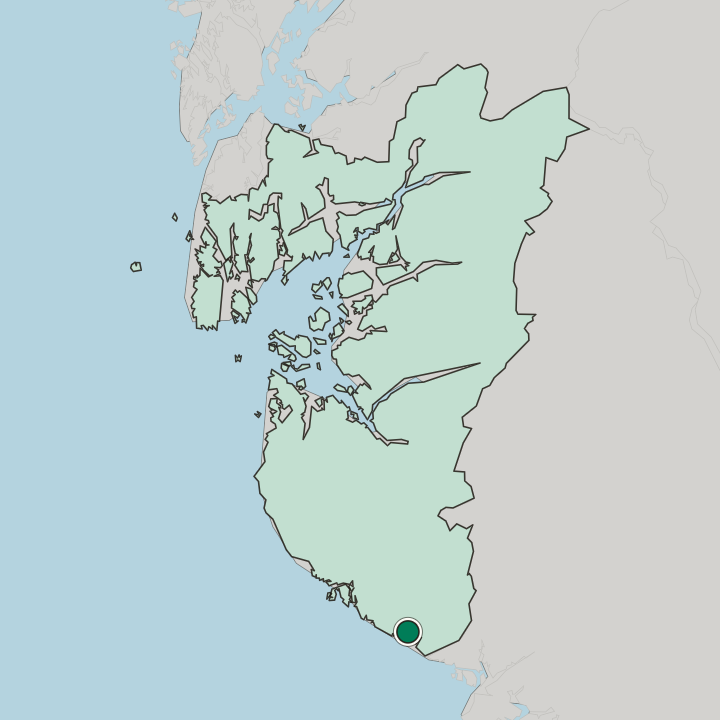
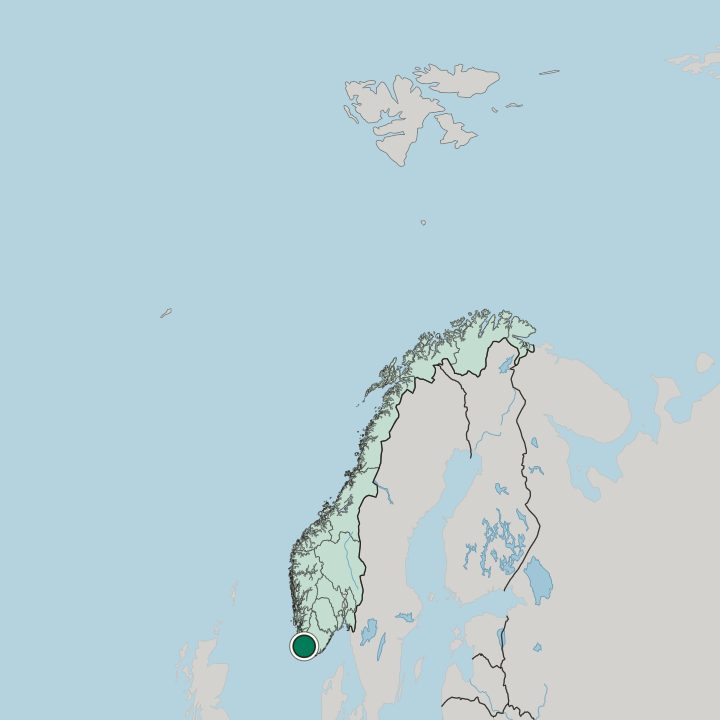
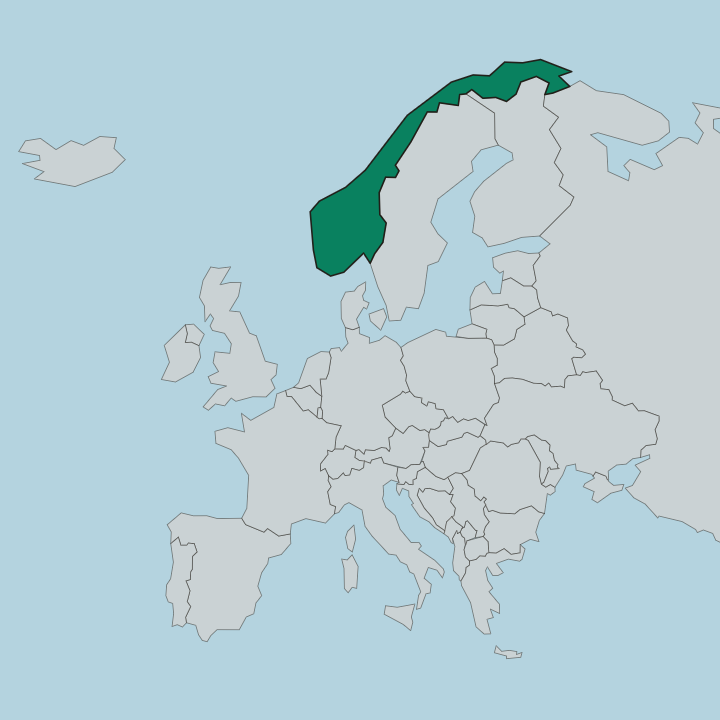
Hauge i Dalane is the small valley centre of Sokndal in the south-eastern part of Rogaland, western Norway (Vestlandet).
Hotel links are affiliate links: booking through them may earn us a commission, at no extra cost to you. It never affects how places are ranked. How this works


Where to stay in Hauge i Dalane
How the choice of base plays out on the ground.
The Hauge village centre is the obvious base. It holds the shops, the services and Sokndal kirke along the valley floor, with the steep sides of the Dalane district rising close on either hand and the rest of Sokndal spreading down toward the sea. Staying here keeps you central in this quiet south-eastern corner of Rogaland, within easy reach of the coast.
Out at the fjord mouth the hamlet of Åna-Sira offers a waterside alternative. Its heritage Åna-Sira kirke sits where the river meets the sea on the border of the region, a small coastal settlement away from the inland centre. Sokndal offers few rooms in either place.
Take a room in the Hauge centre first. Choose Åna-Sira if you want the water and the quiet of the fjord mouth over the valley village. Both make a low-key stop in Sokndal.
Find hotels in Hauge i Dalane
Direct booking searches for these neighbourhoods.
Hauge village centre
The shops and Sokndal kirke line the valley floor of Sokndal, with the steep Dalane hillsides close on either side and the coast a short run away. Rooms are few around here — worth securing early.Find hotels in Hauge village centreWaterside coastal stay by Åna-Sira kirke at the river mouthÅna-Sira fjord mouth
The hamlet of Åna-Sira sits where the river meets the sea by its heritage Åna-Sira kirke, a quiet fjord-mouth alternative to the inland Hauge centre. Lodging is scarce in this area; reserve in advance.Find hotels in Åna-Sira fjord mouthHotel links are affiliate links: booking through them may earn us a commission, at no extra cost to you. It never affects how places are ranked. How this works
About Hauge i Dalane
Hauge is the heart of Sokndal.
What is Hauge i Dalane known for?
The village serves as the administrative and church centre of the municipality, gathered along the valley floor of the Dalane district in the south-eastern part of Rogaland. Sokndal kirke marks the spot. Down at the fjord mouth the older Åna-Sira kirke serves the coastal settlement, and the steep wooded valleys of this far corner of Rogaland close in around both.
What are the main landmarks in Hauge i Dalane?
Two churches mark the parish of Sokndal. Sokndal kirke stands at the Hauge centre on the valley floor, the focus of the inland settlement of the Dalane district. The coast keeps its own church.
Down at the fjord mouth the heritage-listed Åna-Sira kirke serves the waterside hamlet of Åna-Sira on the southern edge of Rogaland, the second of the parish's old worship sites along this stretch of valley and shore.
What is the history of Hauge i Dalane?
The valley made Hauge. The settlement grew where the river runs down through the Dalane district to the sea, and the village became the gathering point of the Sokndal parish in this remote south-eastern part of Rogaland. Sokndal kirke fixed the centre on the valley floor, drawing the scattered farms of the steep-sided dales toward a single church and market point.
The land was hard and the holdings small. Down at the coast a second community took shape where the river meets the sea, and the heritage Åna-Sira kirke came to serve the fjord-mouth hamlet on the border of the region. Sokndal stayed a quiet rural municipality, its life split between the inland village at Hauge and the waterside settlement at Åna-Sira.
The two churches still mark that old division between valley and shore that shaped this far corner of western Norway.
Where is Hauge i Dalane?
Hauge lies on the floor of a steep river valley in the south-eastern part of Rogaland, deep in the Dalane district. The village strings along the level ground around Sokndal kirke, hemmed by wooded slopes, while the rest of Sokndal runs down the valley to the sea. The river points the way to the coast.
At its mouth the hamlet of Åna-Sira sits on the regional border, where the freshwater meets the fjord in this rugged corner of western Norway.
What is the climate of Hauge i Dalane?
Hauge has a wet coastal climate. Open to the sea down the valley, the Dalane district catches heavy rain off the water, giving the village mild, damp winters and cool, changeable summers along the south-eastern part of Rogaland. The valley funnels the weather.
Cloud and shower run up the dale past Sokndal kirke from the coast at Åna-Sira, keeping this corner of western Norway green and well watered.
How do you get to Hauge i Dalane?
Hauge sits off the main lines. The village is reached by the coast road that threads the Dalane district in the south-eastern part of Rogaland, linking Sokndal to the larger towns along the shore. The valley road runs to the sea.
It carries on down to Åna-Sira at the fjord mouth, and most visitors arrive by car along this winding coastal route rather than by rail.
Common questions
What is the best area to stay in Hauge i Dalane?
Hauge village centre: Valley-floor base by Sokndal kirke in the Dalane district. Åna-Sira fjord mouth: Waterside coastal stay by Åna-Sira kirke at the river mouth.
Good for
More cities in Rogaland Fylke
Updated September 2026