Norway · Rogaland Fylke
Where to Stay in Haugesund, Rogaland Fylke
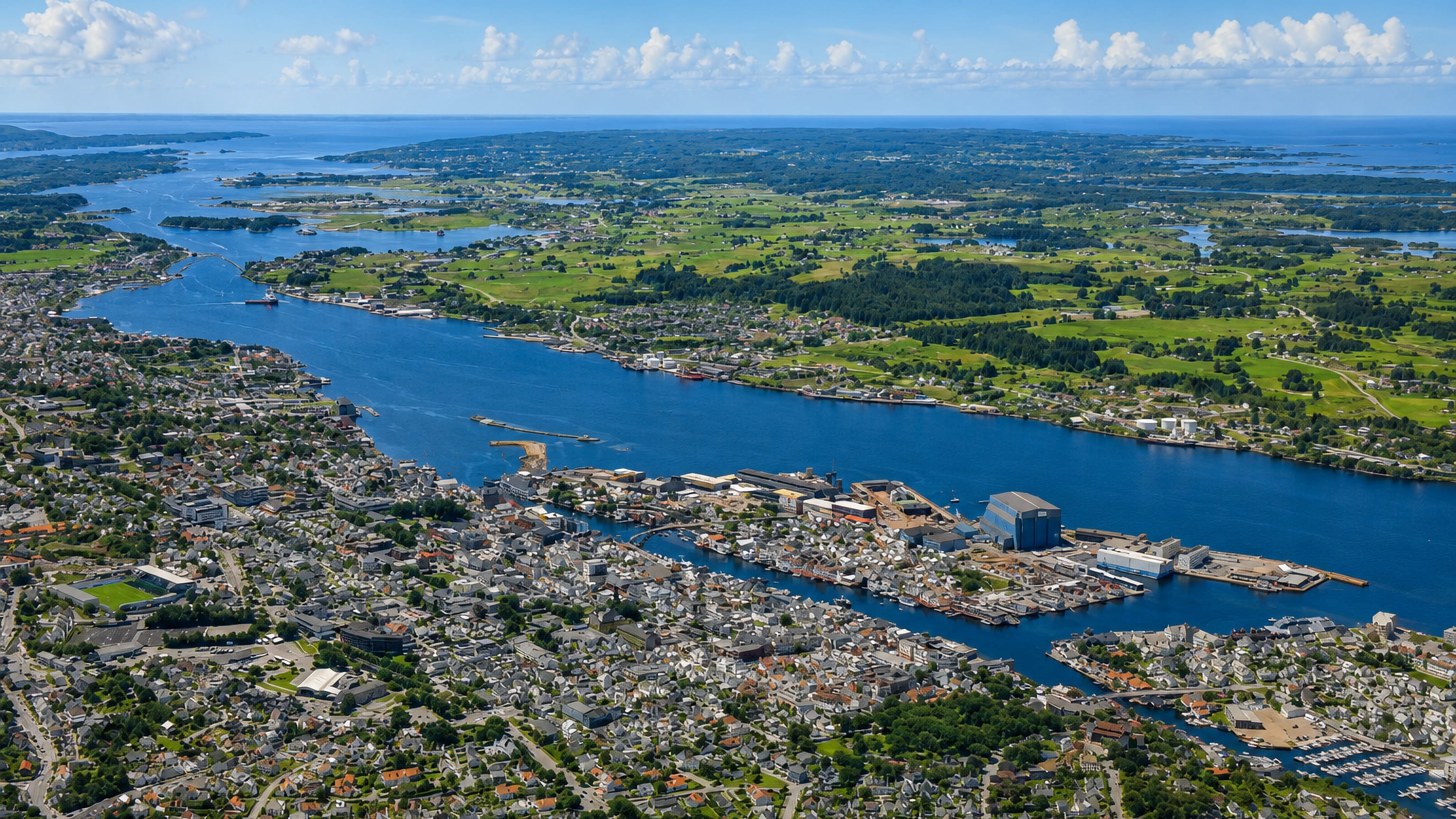
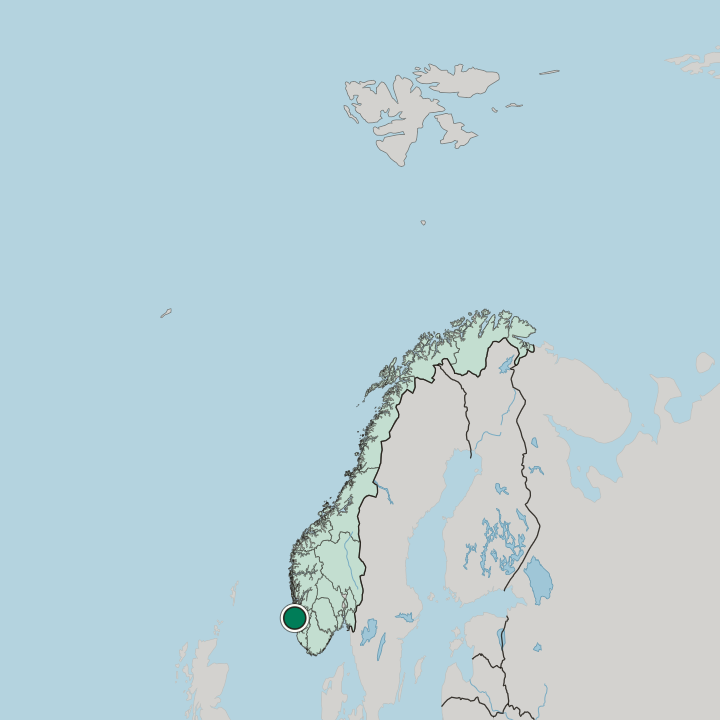
Haugesund is a coastal port city in the north-western part of Rogaland, western Norway, set on the Karmsund strait.
Hotel links are affiliate links: booking through them may earn us a commission, at no extra cost to you. It never affects how places are ranked. How this works


Where to stay in Haugesund
Where the beds are, and what that means for the visit.
The quayside centre is the obvious base. It packs the hotels, the Haugesund Billedgalleri and the Karmsund folkemuseum along the Skåregata waterfront on the Karmsund strait, with Vår Frelsers kirke a short walk from the harbour. Staying central keeps you in the heart of the north-western part of Rogaland, close to the express boats that run out along the coast and the cafés that line the quay.
The districts behind it spread the choice. Rossabø, around Rossabø kirke, and the older Skåre quarter by Skåre kirke hold quieter rooms back from the water. Beds cluster at the harbour.
Pick the quayside centre first if you want the waterfront, the galleries and the express boats within a short stroll of your door. Rossabø or Skåre suit calm. Both work for a coastal base in western Norway.
Find hotels in Haugesund
Direct booking searches for these neighbourhoods.
Haugesund quayside centre
The Skåregata quayside packs the hotels, the Haugesund Billedgalleri and the Karmsund folkemuseum along the Karmsund strait, with Vår Frelsers kirke a short walk inland.Find hotels in Haugesund quayside centreQuiet inland rooms around Rossabø kirke east of the harbourRossabø
The Rossabø district around Rossabø kirke spreads back from the Karmsund waterfront, a calmer base east of the busy quay with lower rates.Find hotels in RossabøOld-parish calm by the heritage Skåre kirkeSkåre
The older Skåre quarter around the heritage Skåre kirke lies north of the centre, a quiet residential base away from the Haugesund harbour front.Find hotels in SkåreHotel links are affiliate links: booking through them may earn us a commission, at no extra cost to you. It never affects how places are ranked. How this works
Things to do in Haugesund
Ranked by global recognition; descriptions from Wikidata (CC0).
Museums & Galleries
2- Haugesund Art Gallery
- Karmsund Folkemuseum
Churches & Religious Sites
3- Skåre Church Heritage
- Rossabø Church Heritage
- Vår Frelsers Church
worth knowingacross 2 categories in Haugesund
About Haugesund
Haugesund is a herring and shipping port.
What is Haugesund known for?
The city on the Karmsund strait in the north-western part of Rogaland grew rich on the fishing fleet, and its quayside still shapes the centre. Culture fills the calendar too. The Haugesund Billedgalleri art gallery and the Karmsund folkemuseum hold the town's art and maritime story.
What are the main landmarks in Haugesund?
The harbour sets the scene. The Skåregata quay along the Karmsund strait carries the Haugesund Billedgalleri and the Karmsund folkemuseum, with Vår Frelsers kirke rising over the centre of the north-western part of Rogaland. Churches mark the districts.
The heritage Skåre kirke and Rossabø kirke serve the quarters back from the water, the white houses of worship of the port city.
What is the history of Haugesund?
Herring made Haugesund. The town grew on the Karmsund strait in the north-western part of Rogaland as a fishing and shipping port, where the great herring runs drew the boats and the money that built the quayside streets along the water. The sea was everything.
Vår Frelsers kirke rose over the growing harbour town, and the Karmsund folkemuseum now keeps the record of the fishing and seafaring life that filled the strait. The quarters spread back from the quay. Skåre, with its heritage Skåre kirke, and Rossabø grew around the centre as the port town expanded inland from the water.
Then the herring left. The fishing fleet thinned over time, and the city turned toward shipping, film and culture, with the Haugesund Billedgalleri holding its art. Haugesund kept its grip on the strait, settling into its role as the regional centre of north-western Rogaland in western Norway.
Where is Haugesund?
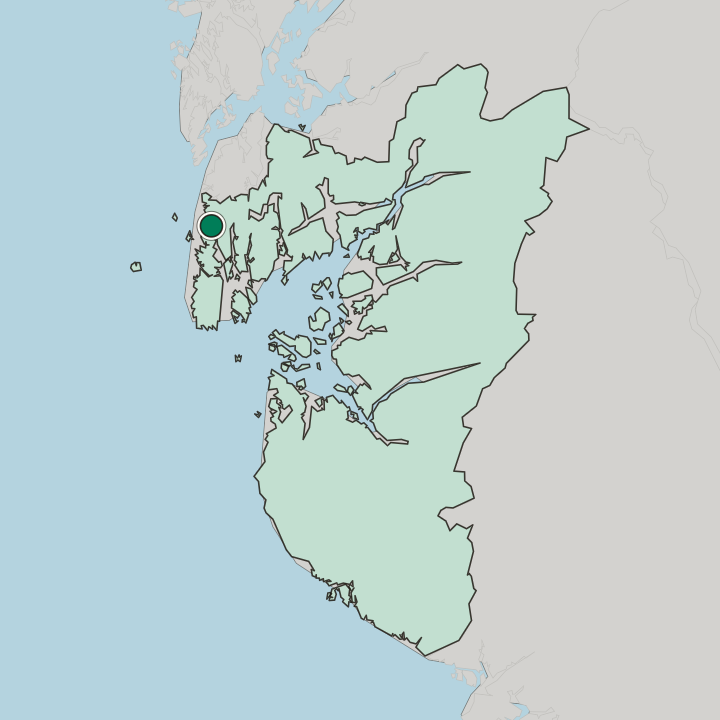
Haugesund sits on the Karmsund strait in the north-western part of Rogaland, where the mainland faces the island of Karmøy across the narrow water of western Norway. A compact centre runs along the quay, while Rossabø spreads inland and the older Skåre quarter lies to the north. The strait is the keynote.
Its sheltered Karmsund channel and the low coastal shore give the city its harbour shape.
What is the climate of Haugesund?
The open sea keeps Haugesund mild. On the exposed coast of the north-western part of Rogaland, the city has gentle winters and cool, damp summers shaped by the Atlantic that funnels in along the Karmsund strait. Wind and rain set the weather.
The steady ocean breeze and frequent showers sweeping the strait give Haugesund its mild, blustery maritime seasons in western Norway.
How do you get to Haugesund?
Haugesund has its own coastal airport. The city in the north-western part of Rogaland is reached by air, by road up the coast and by the express boats that run along the strait of western Norway. Boats serve the harbour.
Many travellers fly in or drive up the coast road, then cross the Karmsund strait to the island of Karmøy by bridge from the city.
Common questions
What is the best area to stay in Haugesund?
Haugesund quayside centre: Waterfront base on Skåregata by the Haugesund Billedgalleri. Rossabø: Quiet inland rooms around Rossabø kirke east of the harbour. Skåre: Old-parish calm by the heritage Skåre kirke.
Good for
More cities in Rogaland Fylke
Updated October 2026