Norway · Rogaland Fylke
Where to Stay in Jørpeland, Rogaland Fylke
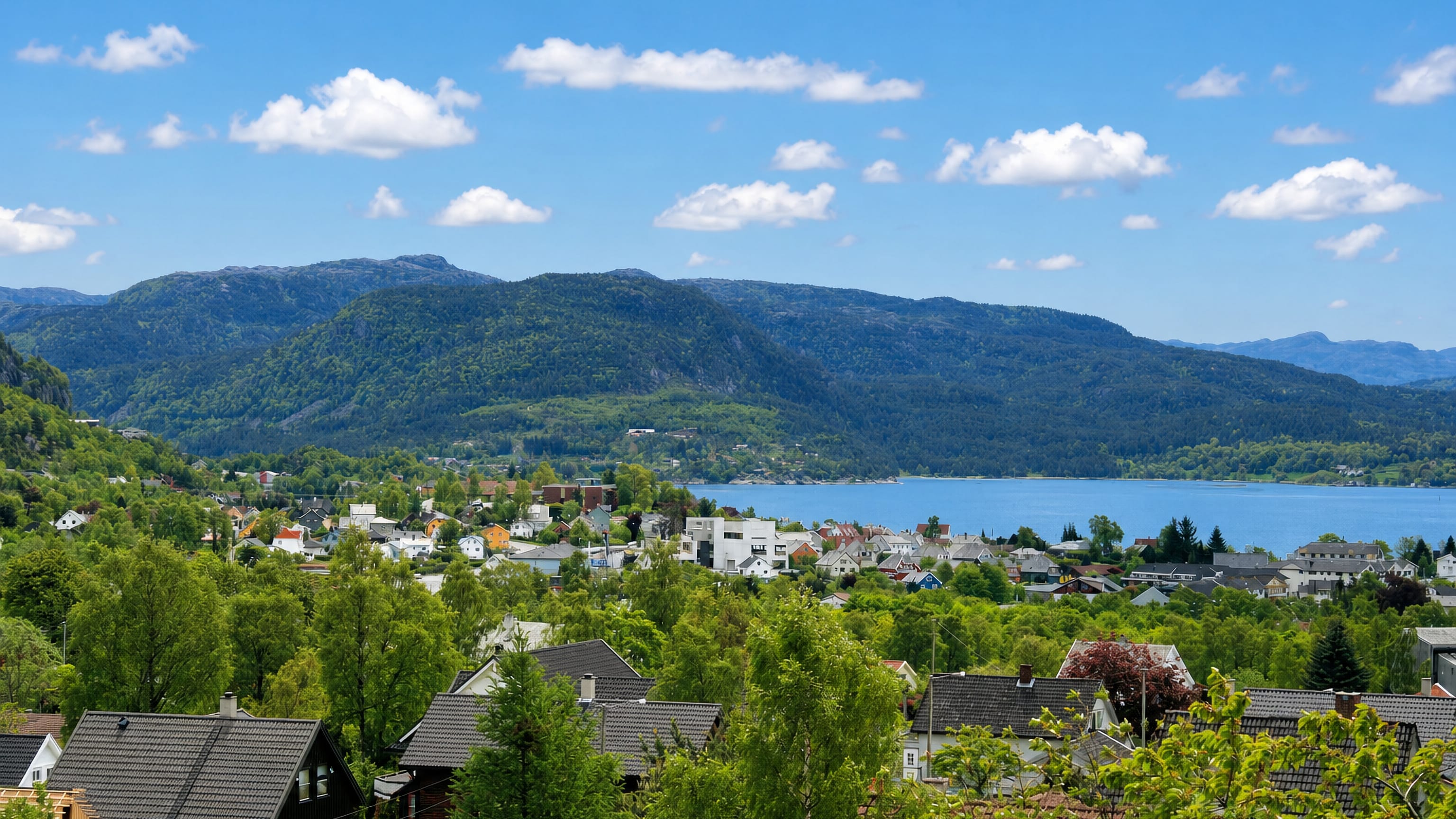
Jørpeland is a fjord-side town in the eastern part of Rogaland, western Norway, and the centre of Strand Municipality.
Hotel links are affiliate links: booking through them may earn us a commission, at no extra cost to you. It never affects how places are ranked. How this works


Where to stay in Jørpeland
How the choice of base plays out on the ground.
Most beds in Jørpeland gather in the small centre, where rooms sit near the harbour and Jørpeland kirke that marks the town. The centre suits you if you want the quay, the shops and the ferry within a short walk. Most arrivals settle here.
Along the fjord shore toward Strand kirke and the older parish ground, quieter lodging spreads for travellers who come for the steep hills and the water by car or by boat. Up the slopes behind the town, scattered cabins open among the heights that rise from the fjord, handy for walkers heading into the hills of eastern Rogaland. Beds run modest here rather than plentiful, so book ahead through the summer walking season.
With its harbour rooms and quiet fjord roads, Jørpeland works as a working sea-town base in Strand Municipality for travellers who spend their days between the water, the surrounding heights and the fjord crossings of this corner of Rogaland.
Find hotels in Jørpeland
Direct booking searches for these neighbourhoods.
Jørpeland centre
harbour rooms beside Jørpeland kirke and the ferryFind hotels in Jørpeland centrevisitors touring the fjord by carStrand kirke shore
quiet lodging along the shore by the old Strand kirke. Few places to stay nearby — book ahead.Find hotels in Strand kirke shorewalkers heading into the hillsJørpeland heights
scattered cabins up the slopes above Jørpeland on the fjord. Rooms are few around here — worth securing early.Find hotels in Jørpeland heightsHotel links are affiliate links: booking through them may earn us a commission, at no extra cost to you. It never affects how places are ranked. How this works
About Jørpeland
Jørpeland is the main town of Strand Municipality.
What is Jørpeland known for?
It sits on the shore of a fjord in the eastern part of Rogaland, hemmed by steep hills that climb sharply from the water's edge. An industrial sea town. Jørpeland kirke marks the centre of the streets, while the older parish church of Strand kirke stands a short way off above the same fjord shore.
What are the main landmarks in Jørpeland?
Jørpeland kirke stands at the centre of the town by the fjord. A short way off, the older parish church of Strand kirke rises above the same shore as the historic seat of the district. Games and matches take up the rest of Jørpeland's life.
Local matches and meets draw crowds at Jørpeland stadion, the playing ground that sits below the steep hills rising from the water in this eastern corner of Rogaland.
What is the history of Jørpeland?
Jørpeland grew on a fjord shore in the eastern part of Rogaland. The older parish church of Strand kirke held the district long before a town gathered, standing above the water as the historic centre of the farms along the shore. The church led the way at Jørpeland.
Steep hills boxed the settlement against the fjord, leaving little flat ground, and the early life of the place turned on farming and the sea between the heights. Industry remade the town. Waterpower from the streams off the hills drew works to the fjord, and a mill and ironworks pulled people in around what became Jørpeland kirke and the new centre.
The town overtook the old parish seat at Strand kirke as the heart of Strand Municipality. Roads and ferries tied the shore to the wider county, and the once-rural settlement spread into the working sea town that now anchors this eastern corner of Rogaland for travellers who cross the fjord.
Where is Jørpeland?
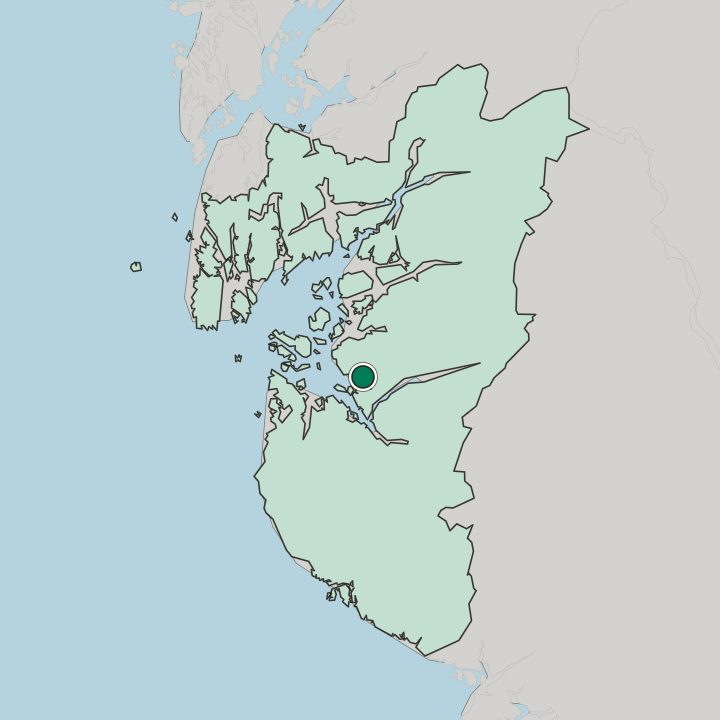
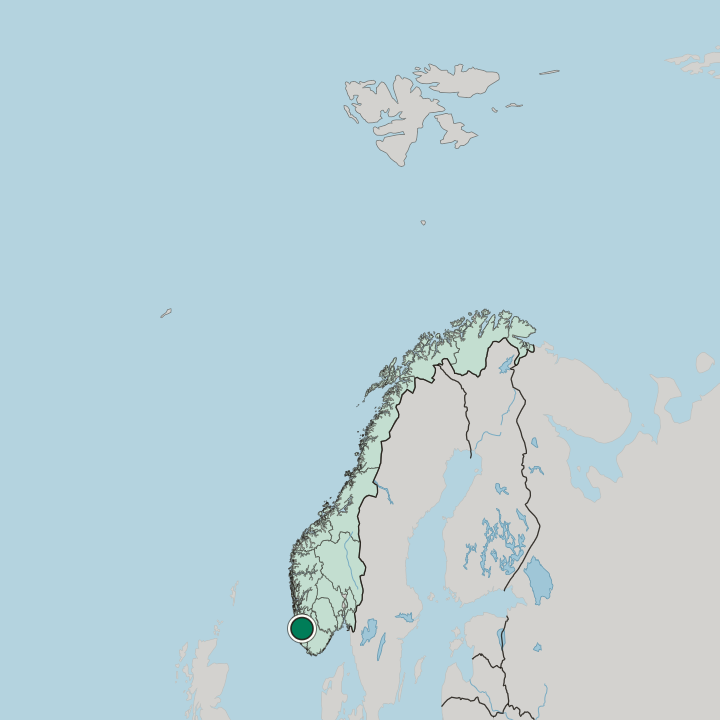
Jørpeland sits on a fjord shore in the eastern part of Rogaland, in western Norway. Steep hills wall it in. The town runs along a narrow shelf between the water and the heights that climb sharply behind the streets, with the fjord opening west toward the wider crossings and the rugged ground of eastern Rogaland rising to the east.
What is the climate of Jørpeland?
The fjord gives Jørpeland a mild, wet coastal climate. Damp air off the sea funnels up the water between the steep hills, bringing frequent rain and few hard frosts to the town through the cooler months. Even the summers stay mild.
The maritime weather that wraps this part of Rogaland holds the seasons even rather than sharp.
How do you get to Jørpeland?
Jørpeland is reached by road and by ferry across the fjord from the Stavanger side. Tunnels now ease the crossing. Drivers come in along the shore through Strand Municipality, and the nearest air gateway sits at Stavanger for travellers arriving from farther afield across Rogaland.
Common questions
What is the best area to stay in Jørpeland?
Jørpeland centre: travellers basing by the quay under Jørpeland kirke. Strand kirke shore: visitors touring the fjord by car. Jørpeland heights: walkers heading into the hills.
Good for
More cities in Rogaland Fylke
Updated September 2026