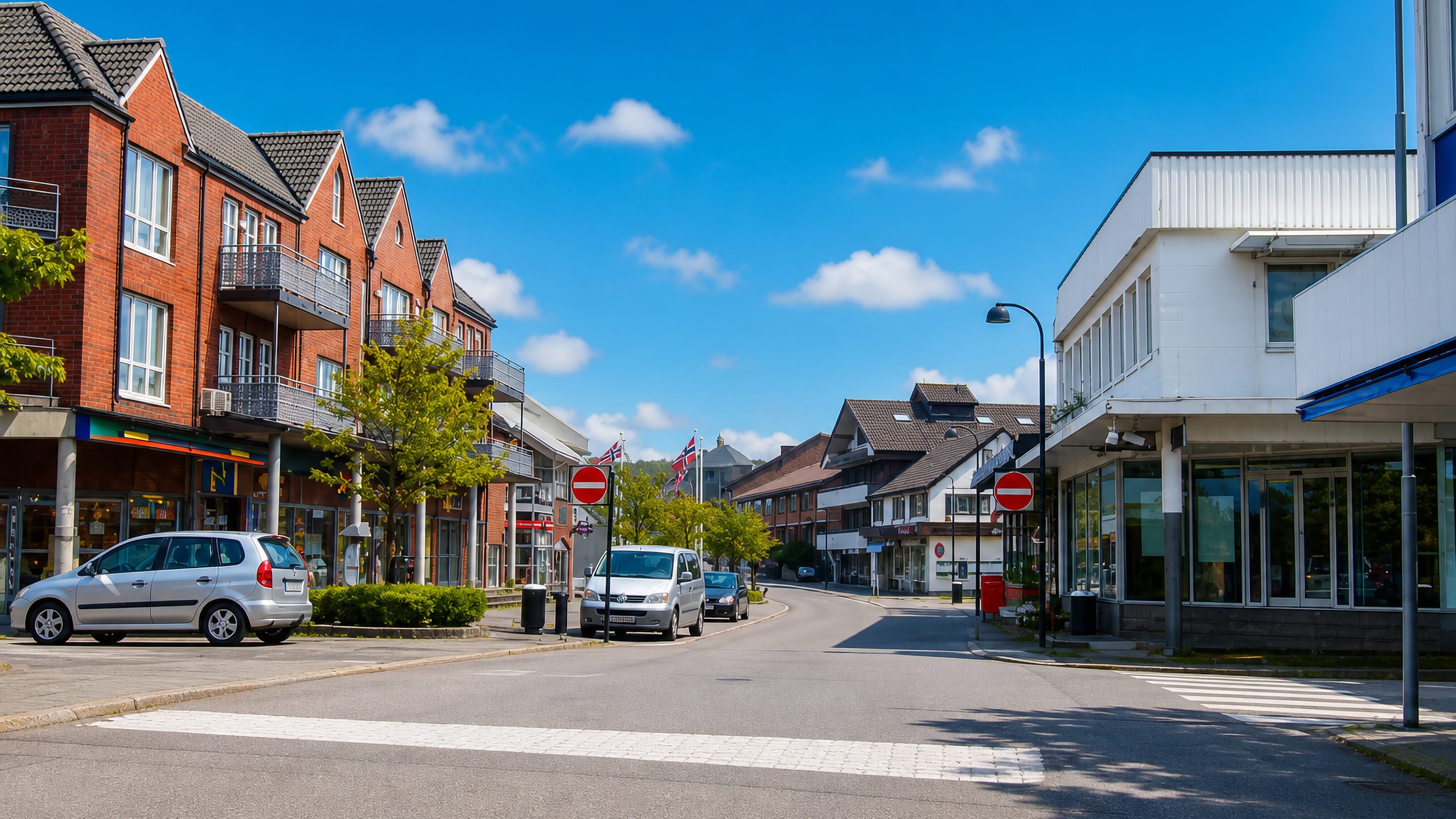
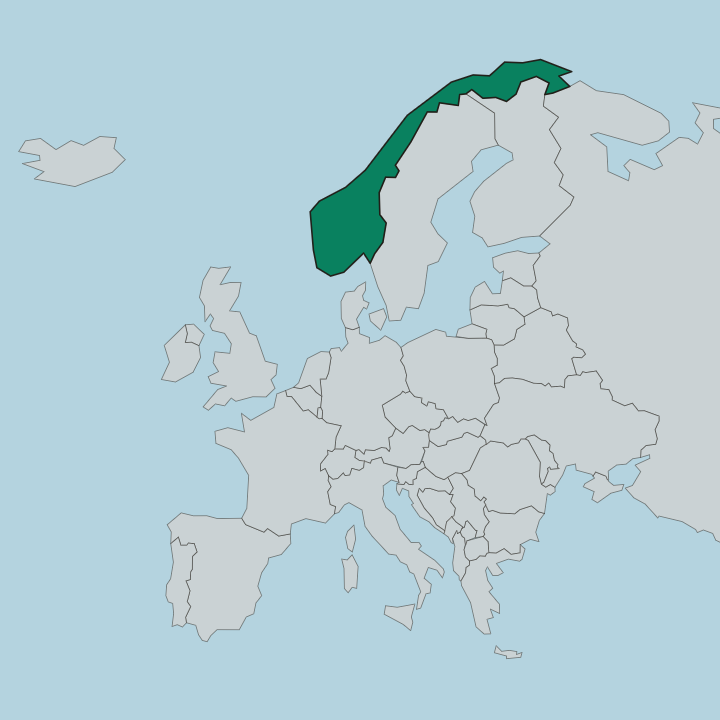
Norway · Rogaland Fylke
Where to Stay in Sola, Rogaland Fylke
Sola is a coastal town in the central part of Rogaland, western Norway, centred on Solakrossen amid ancient burial mounds.
Hotel links are affiliate links: booking through them may earn us a commission, at no extra cost to you. It never affects how places are ranked. How this works


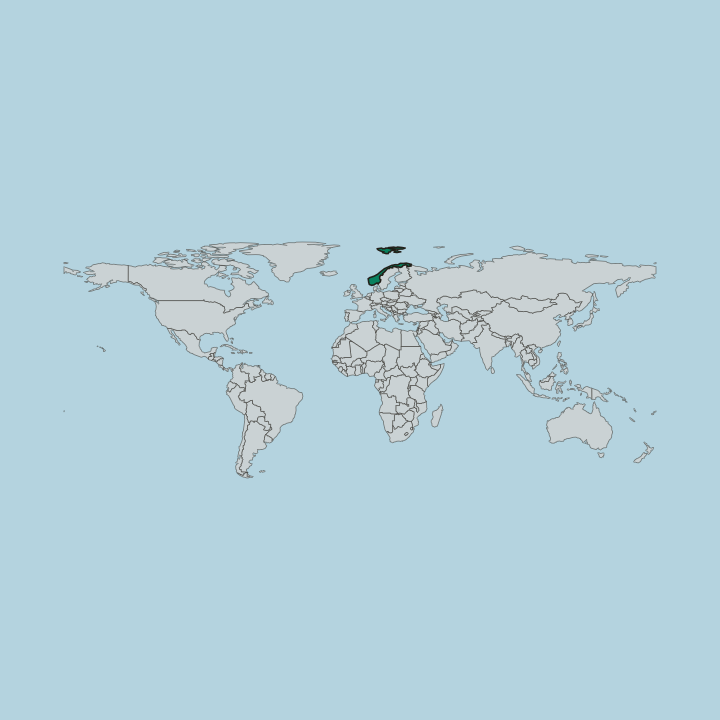
Where to stay in Sola
Where the beds are, and what that means for the visit.
The centre at Solakrossen is the obvious base. It gathers the hotels and services of the central part of Rogaland at the road crossing, with Sola kirke and Sørnes kirke close by and the Flyhistorisk Museum out toward the airfield. Staying here puts you near the coast road and the flights of western Norway, a short hop from the beaches that run down the open shore.
The shore and the older edges widen the choice. Out by the sea the dunes back long sandy beaches, while the medieval Sola kapell and the burial ground at Domsteinane sit among the farmland inland. Beds gather at the crossing.
Pick Solakrossen first if you want services and the airfield within easy reach. Choose the coast for the beaches and the quiet. Both suit a base on the Rogaland shore.
Find hotels in Sola
Direct booking searches for these neighbourhoods.
Solakrossen
The Solakrossen centre gathers the hotels and services at the road crossing, with Sola kirke and Sørnes kirke close by and the Flyhistorisk Museum out toward the airfield.Find hotels in SolakrossenDune-backed beach stays west of SolakrossenSola beaches and coast
The open shore west of Solakrossen backs long sandy beaches with the medieval Sola kapell on the dunes, a quiet base away from the airfield road. Few places to stay nearby — book ahead.Find hotels in Sola beaches and coastHotel links are affiliate links: booking through them may earn us a commission, at no extra cost to you. It never affects how places are ranked. How this works
Things to do in Sola
Ranked by global recognition; descriptions from Wikidata (CC0).
Museums & Galleries
2- Rogaland Krigshistoriske Museum war museum
- Torpedoverkstedet
Churches & Religious Sites
3- Sola Chapel Heritage
- Sola Church church in Solakrossen
- Sørnes Church
Castles & Historic Sites
2- Domsteinane Heritage archaeological site
- Rægehaugene
worth knowingacross 3 categories in Sola
About Sola
Sola is aviation country.
What is Sola known for?
The coastal town in the central part of Rogaland holds the Flyhistorisk Museum and a deep flying history, with the Rogaland Krigshistoriske Museum recalling the wartime years. Older roots run deeper still. The medieval Sola kapell and the burial mounds at Gravhaugene på Rege mark a settlement older than any runway.
What are the main landmarks in Sola?
Flight is the headline draw. The Flyhistorisk Museum and the Rogaland Krigshistoriske Museum hold Sola's aviation and wartime story out by the airfield of the central part of Rogaland. Older marks lie inland.
The medieval Sola kapell, the burial mounds at Gravhaugene på Rege and the stone setting of Domsteinane carry the ancient past, with Sola kirke and Sørnes kirke serving the modern town.
What is the history of Sola?
The shore was settled long before flight. Burial mounds at Gravhaugene på Rege and the stone setting of Domsteinane mark the iron-age farming on the open coast of the central part of Rogaland, and the medieval Sola kapell rose later among the same fields. Faith and farming held the land.
Generations worked the flat seaboard around Solakrossen, building the chapel and the churches that still serve the parish. The twentieth century brought the aircraft. An airfield was laid out on the level coastal ground, and Sola became a centre of Norwegian aviation that the Flyhistorisk Museum and the wartime record at the Rogaland Krigshistoriske Museum now keep.
The town grew around the crossing. New churches like Sola kirke and Sørnes kirke filled in beside the older chapel, and Sola settled into its role as the aviation town of the Rogaland coast in western Norway.
Where is Sola?
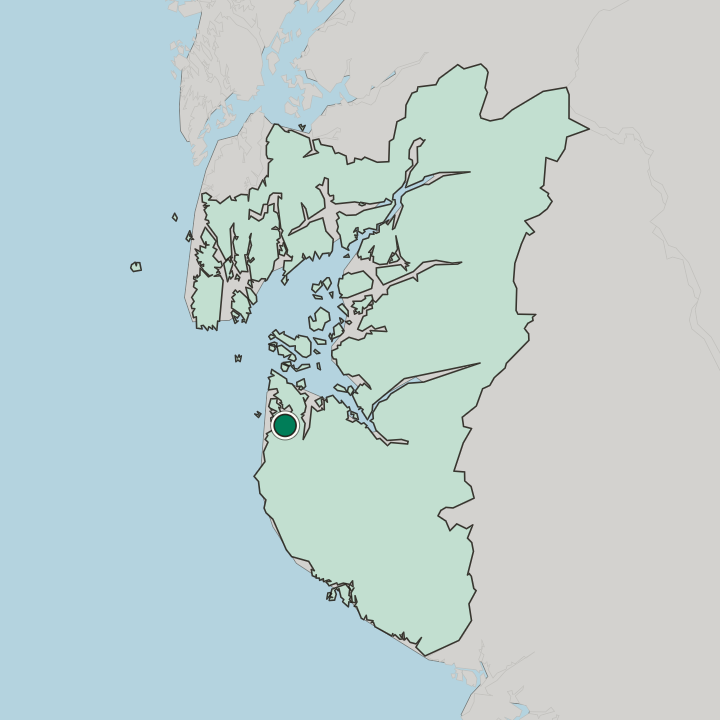
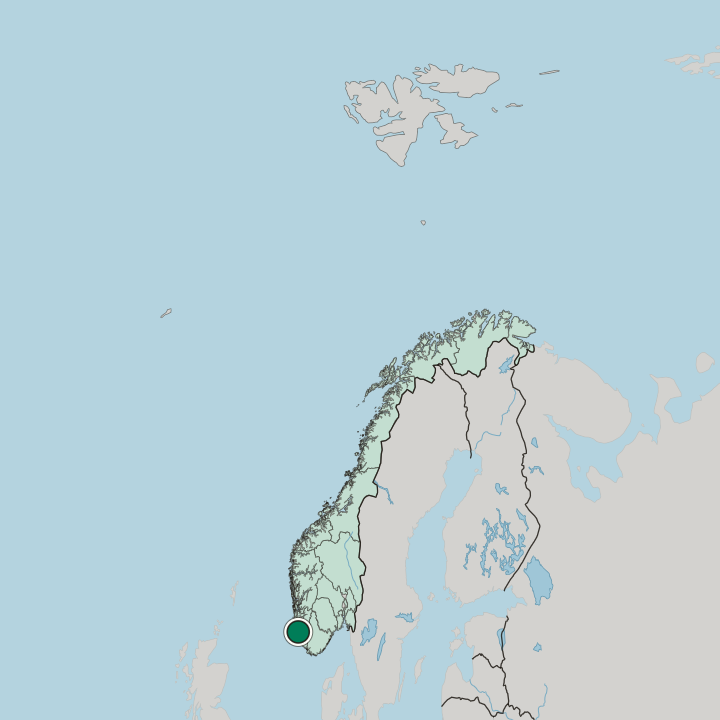
Sola lies on the flat open coast in the central part of Rogaland, where the level seaboard of western Norway runs to long sandy beaches and dunes. Its centre gathers at Solakrossen inland, while the airfield spreads across the level ground and the shore stretches west to the sea. Around Sola the ground barely rises.
Open coastal plain, dunes and a wide beach give Sola its broad, level setting on the Rogaland shore.
What is the climate of Sola?
The open sea keeps Sola mild. On the exposed coast of the central part of Rogaland, the town has gentle winters and cool, damp summers shaped by the Atlantic that washes the western Norway shore. Wind rules the flat land.
The steady ocean breeze and frequent showers sweeping the open beaches around Solakrossen give Sola its mild, blustery maritime seasons.
How do you get to Sola?
Sola is the gateway by air. The town in the central part of Rogaland holds the region's main airfield, with the coast road and bus lines linking Solakrossen to the wider towns of western Norway. Most arrivals come by plane.
Travellers fly in to the airfield or drive the coast road into Solakrossen, with the beaches and the Flyhistorisk Museum a short way out.
Common questions
What is the best area to stay in Sola?
Solakrossen: Road-crossing base near Sola kirke and the Flyhistorisk Museum. Sola beaches and coast: Dune-backed beach stays west of Solakrossen.
Good for
More cities in Rogaland Fylke
Updated October 2026