Philippines
Central Luzon, Philippines — Towns & Travel Guide
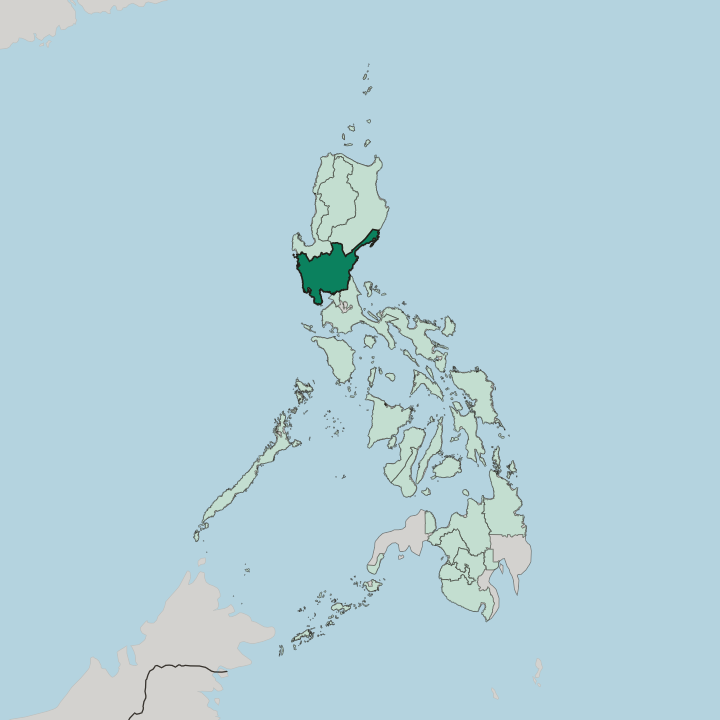
Central Luzon, Region III, is the rice country of the Philippines: the largest plain in the land, seven provinces, two highly urbanized cities.
Hotel links are affiliate links: booking through them may earn us a commission, at no extra cost to you. It never affects how places are ranked. How this works


Towns & cities in Central Luzon
Pick a town or city — each links to where to stay.

 Philippines
Angeles City
Angeles City is a highly urbanized city of Pampanga in Central Luzon, founded in 1796 and known for its casinos and heritage houses.Where to stay →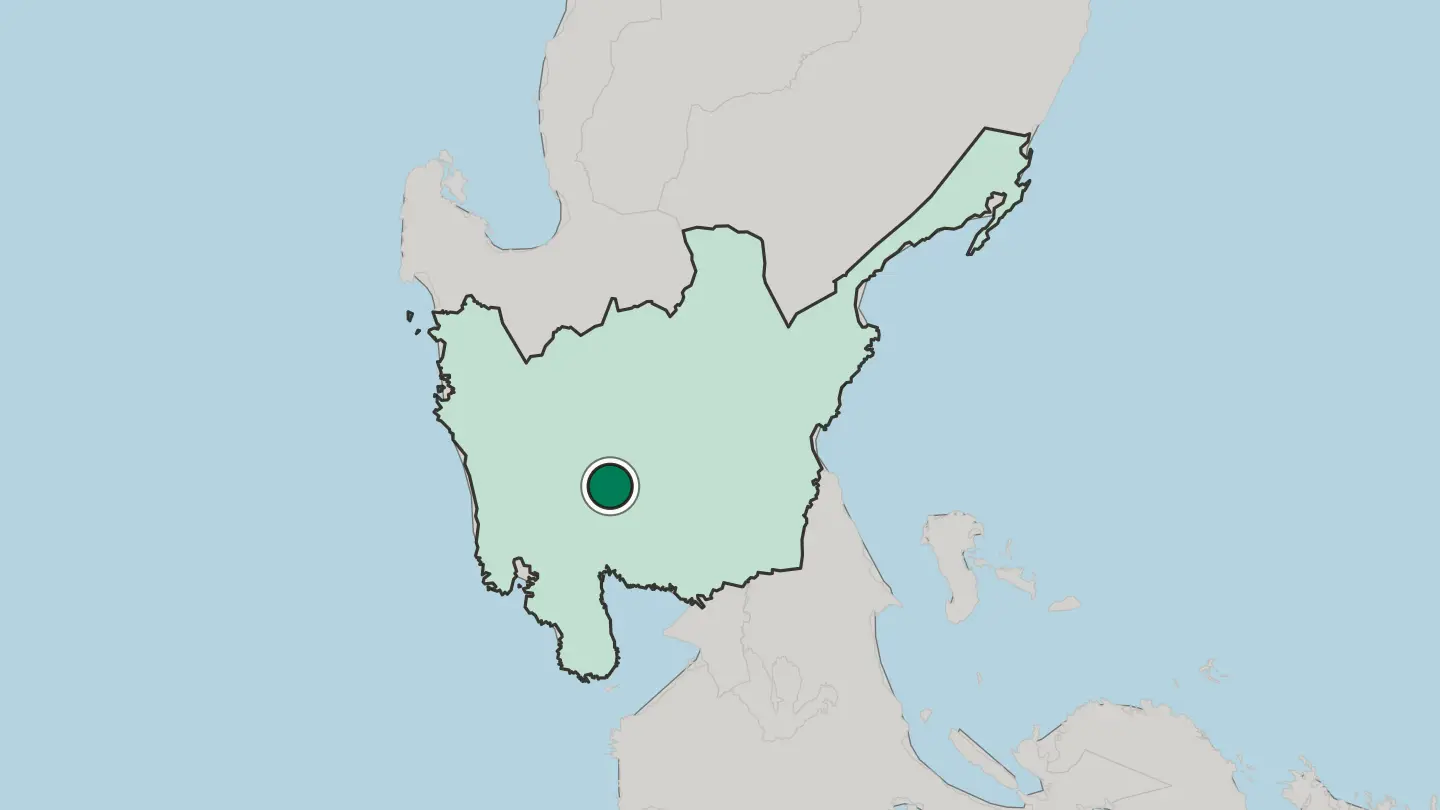 Philippines
Tarlac City
Tarlac City is the capital of the province of Tarlac, a working provincial centre on the long-distance routes through Central Luzon.Where to stay →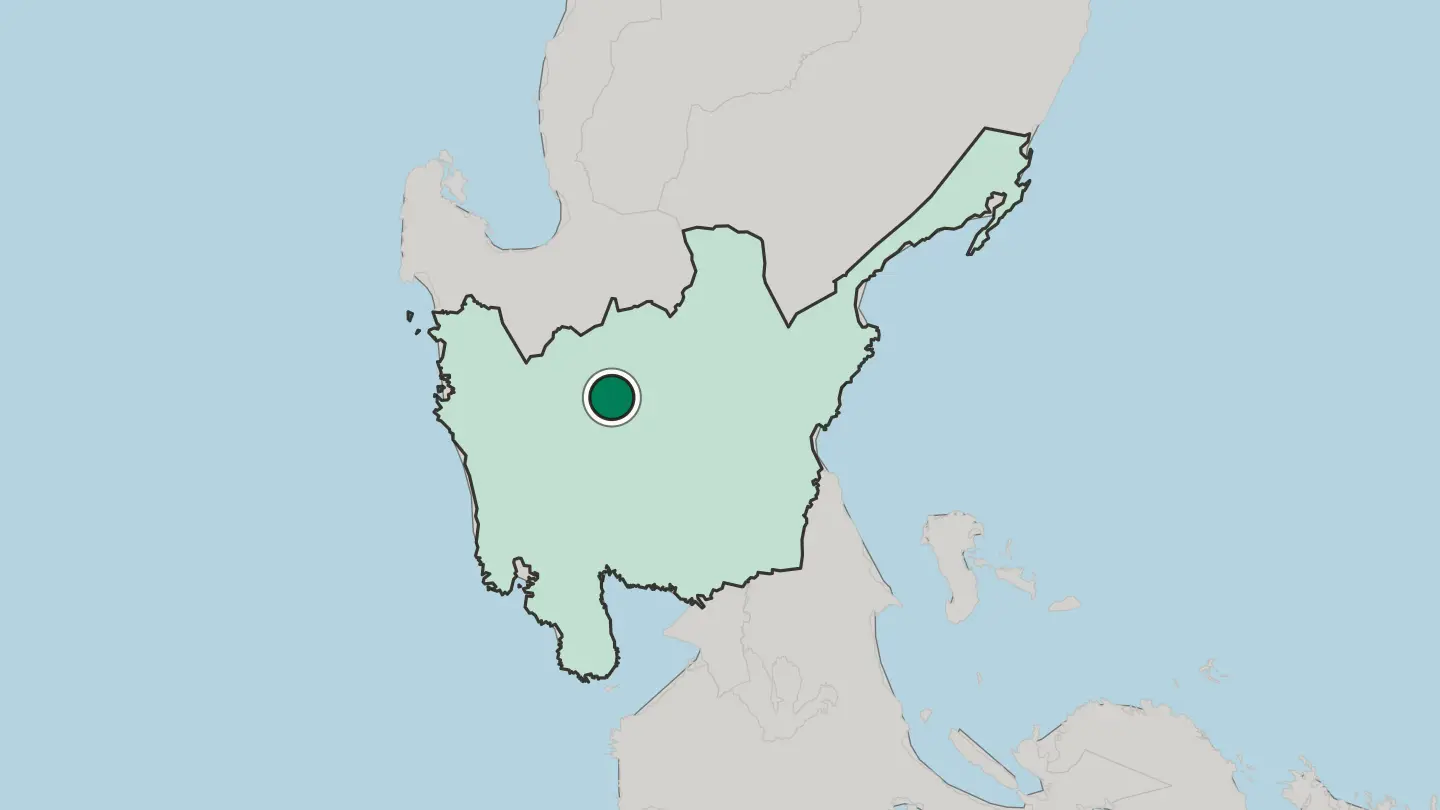 Philippines
San Jose del Monte
San Jose del Monte is a component city of Bulacan on the Metro Manila edge, known for the National Shrine of the Divine Mercy.Where to stay →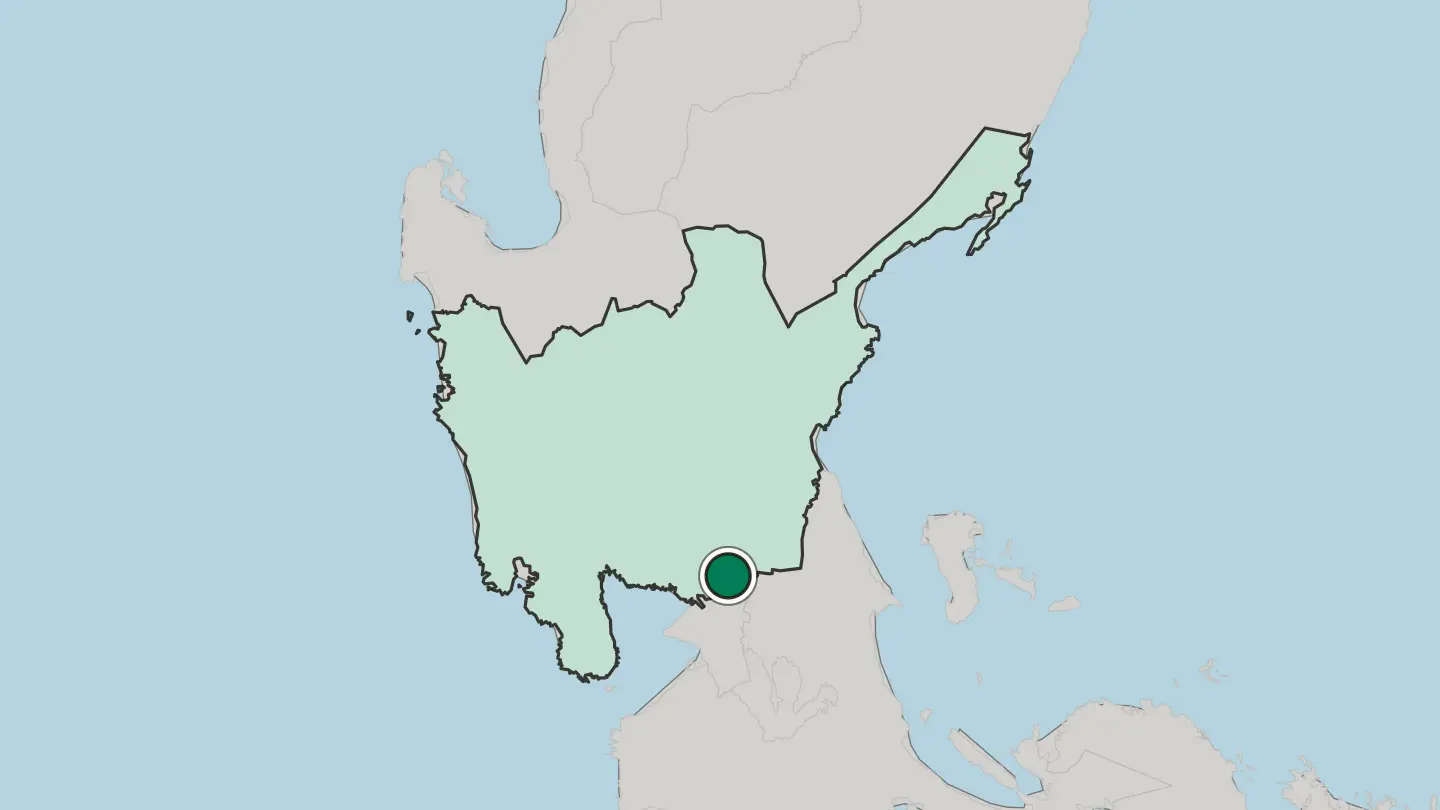
 Philippines
Cabanatuan City
Cabanatuan City is a commercial centre of Nueva Ecija in Central Luzon, founded in 1750 in the rice country of the Philippines.Where to stay →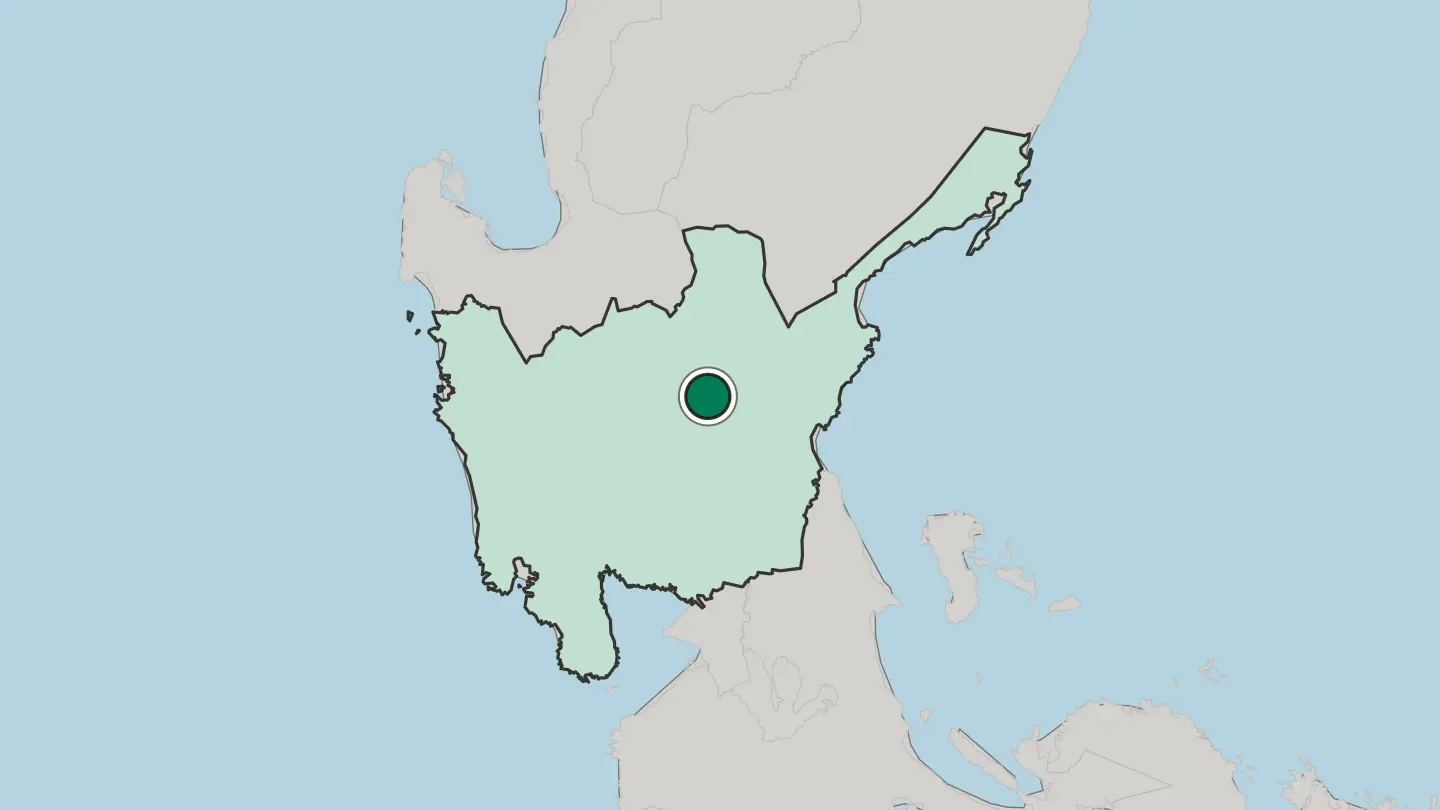 Philippines
Malolos
Malolos is the capital of Bulacan in Central Luzon, the city of Barasoain Church and the Museum of Philippine Political History.Where to stay →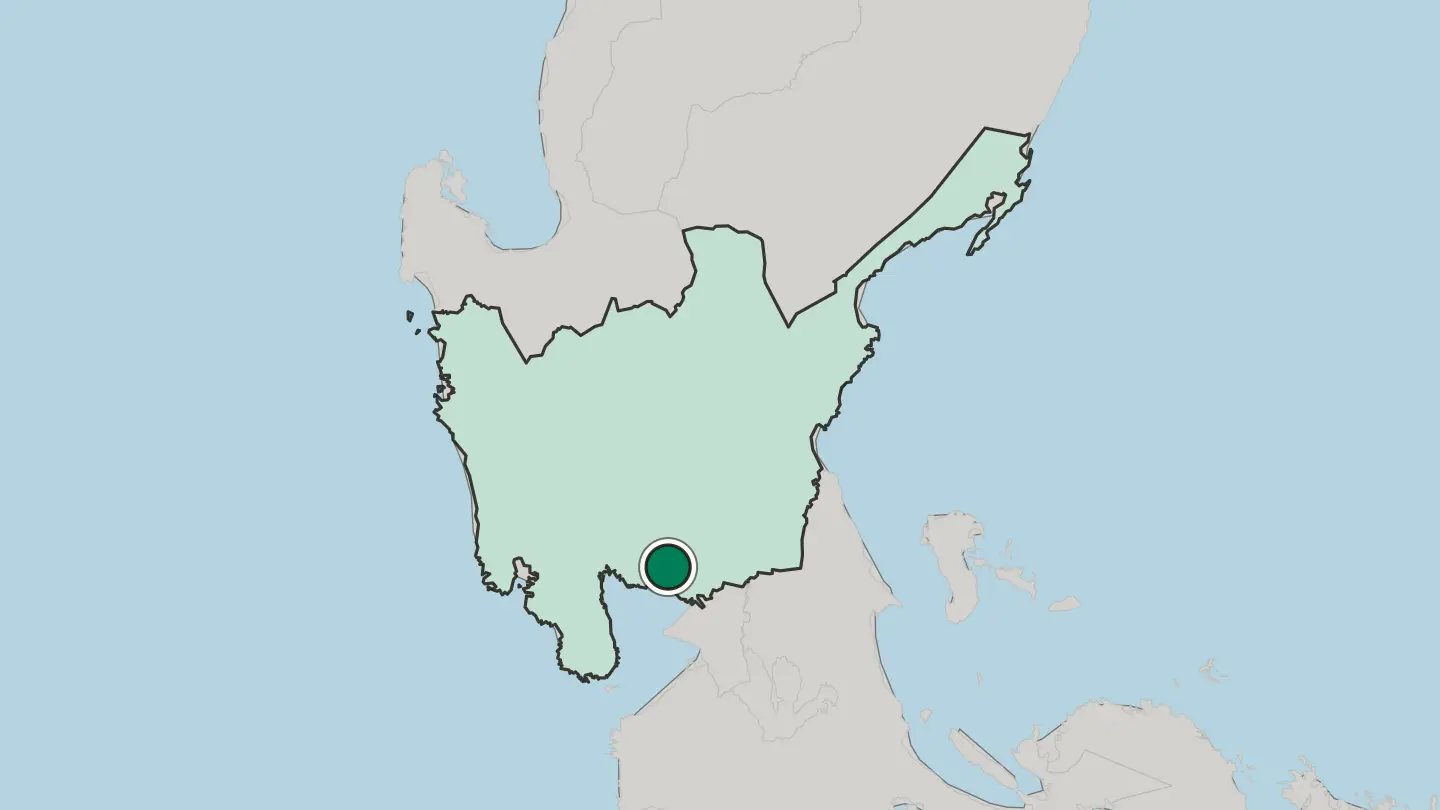 Philippines
San Fernando
San Fernando is the capital of Pampanga, known as the Christmas Capital of the Philippines and holding a run of ancestral houses.Where to stay →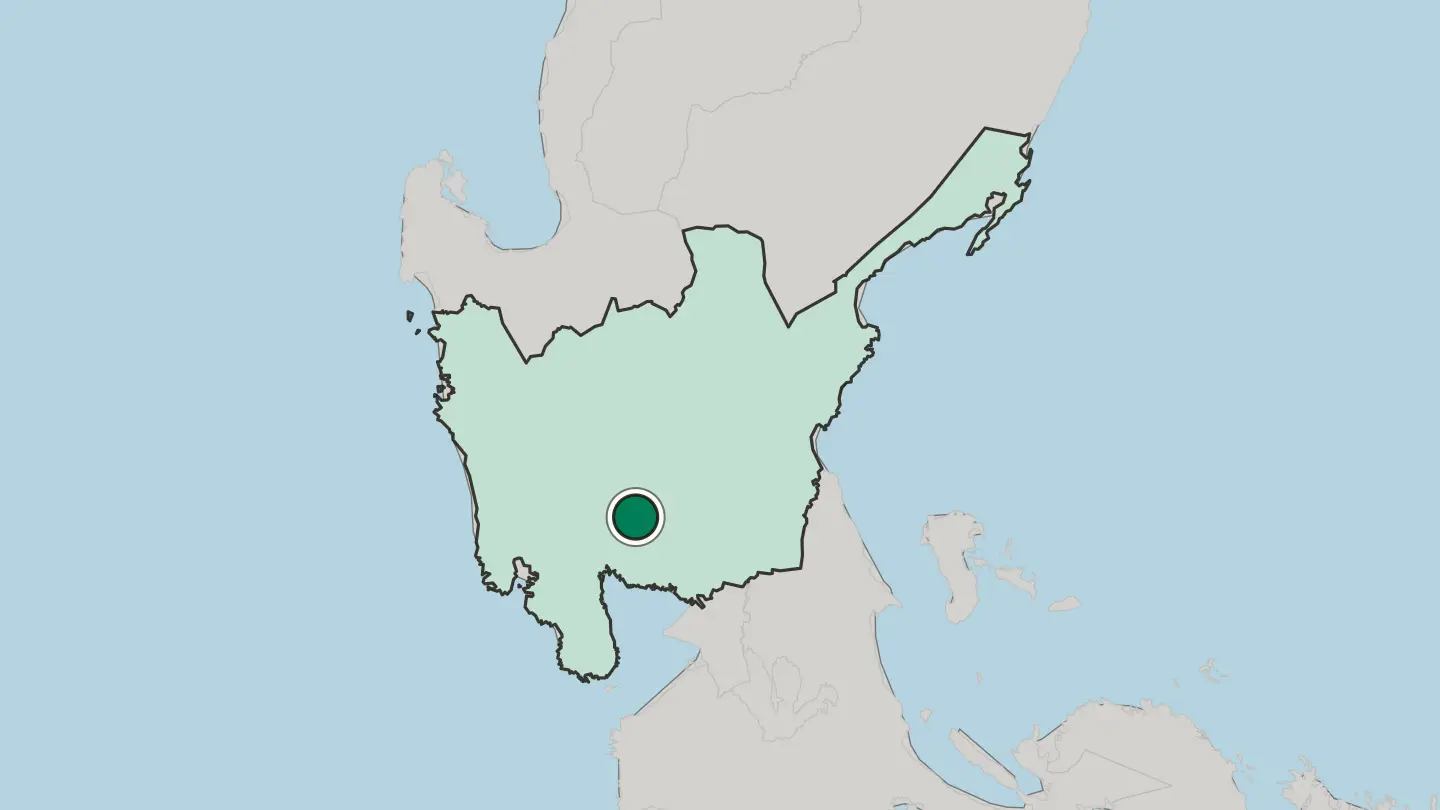
 Philippines
Meycauayan
Meycauayan is a component city of Bulacan in Central Luzon, sitting just outside the limits of Metro Manila.Where to stay →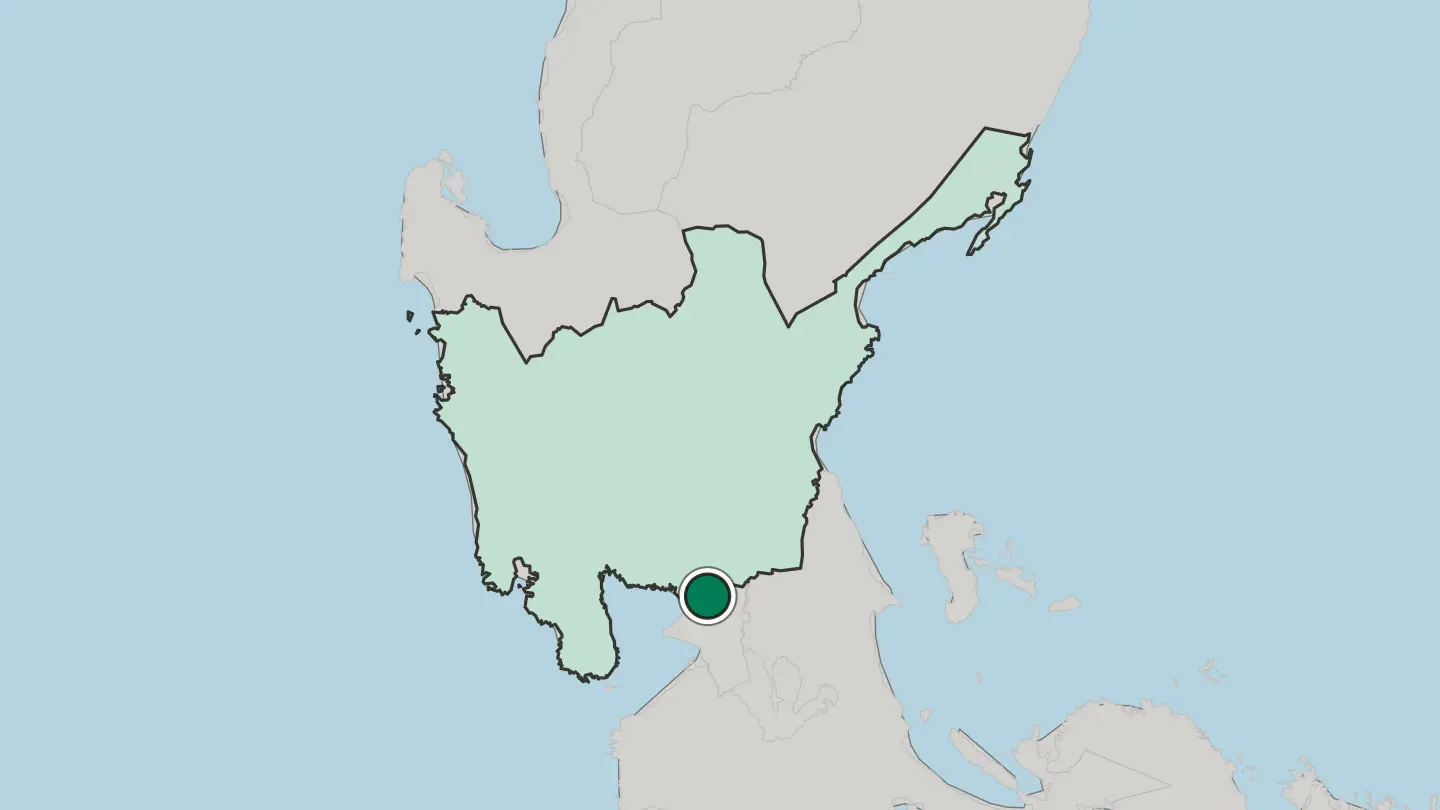
 Philippines
Olongapo
Olongapo is a city in Zambales, in Central Luzon, and the Subic Bay Freeport beside it shapes the working life here.Where to stay →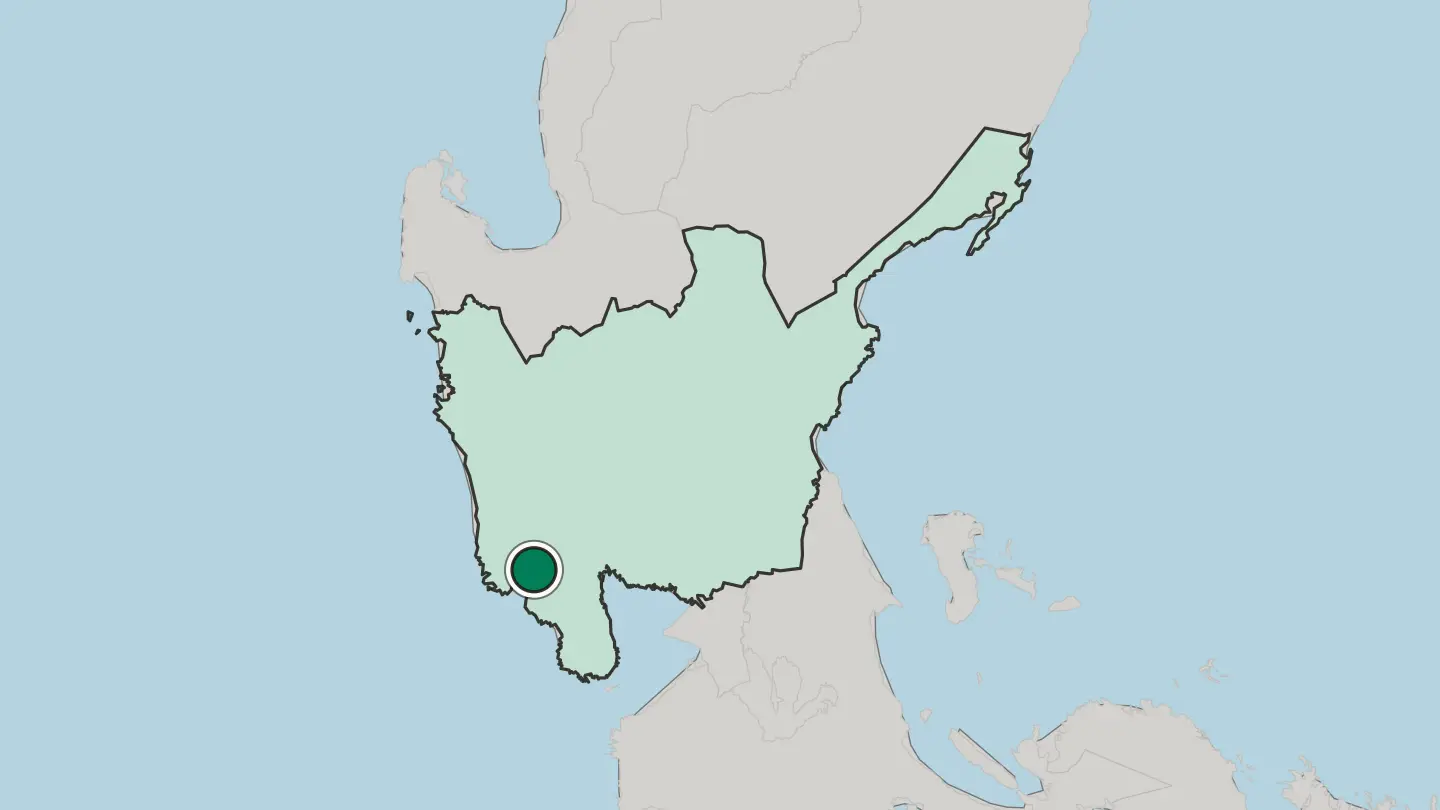
All towns & cities (16)
 Philippines
Mabalacat City
Mabalacat City is a component city of Pampanga in Central Luzon, dating from 1712 and holding Nayong Pilipino Clark on its ground.Where to stay →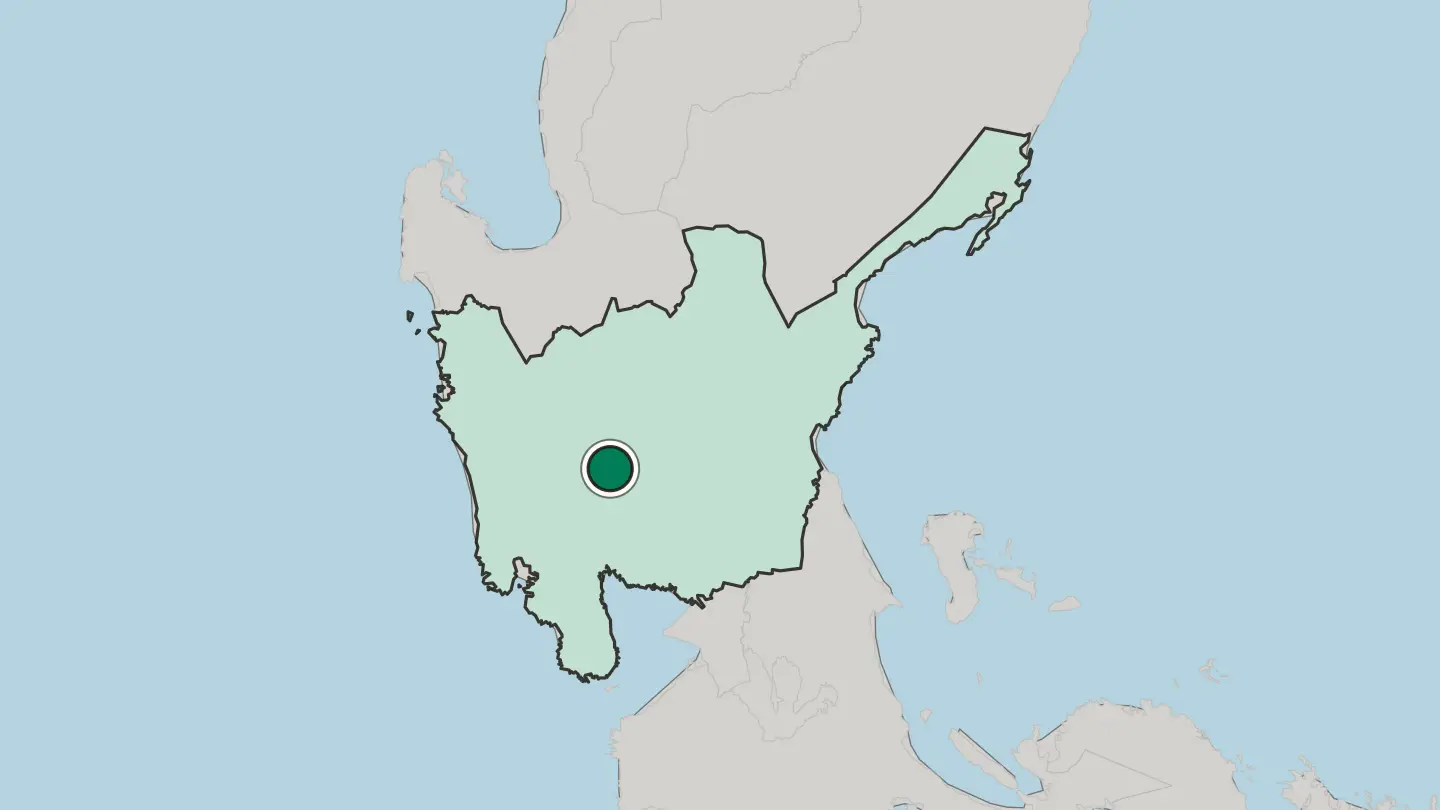
 Philippines
Gapan
Cabanatuan takes the attention. Gapan, a component city in Nueva Ecija, keeps the heritage sites and the trade of the province's southern half.Where to stay →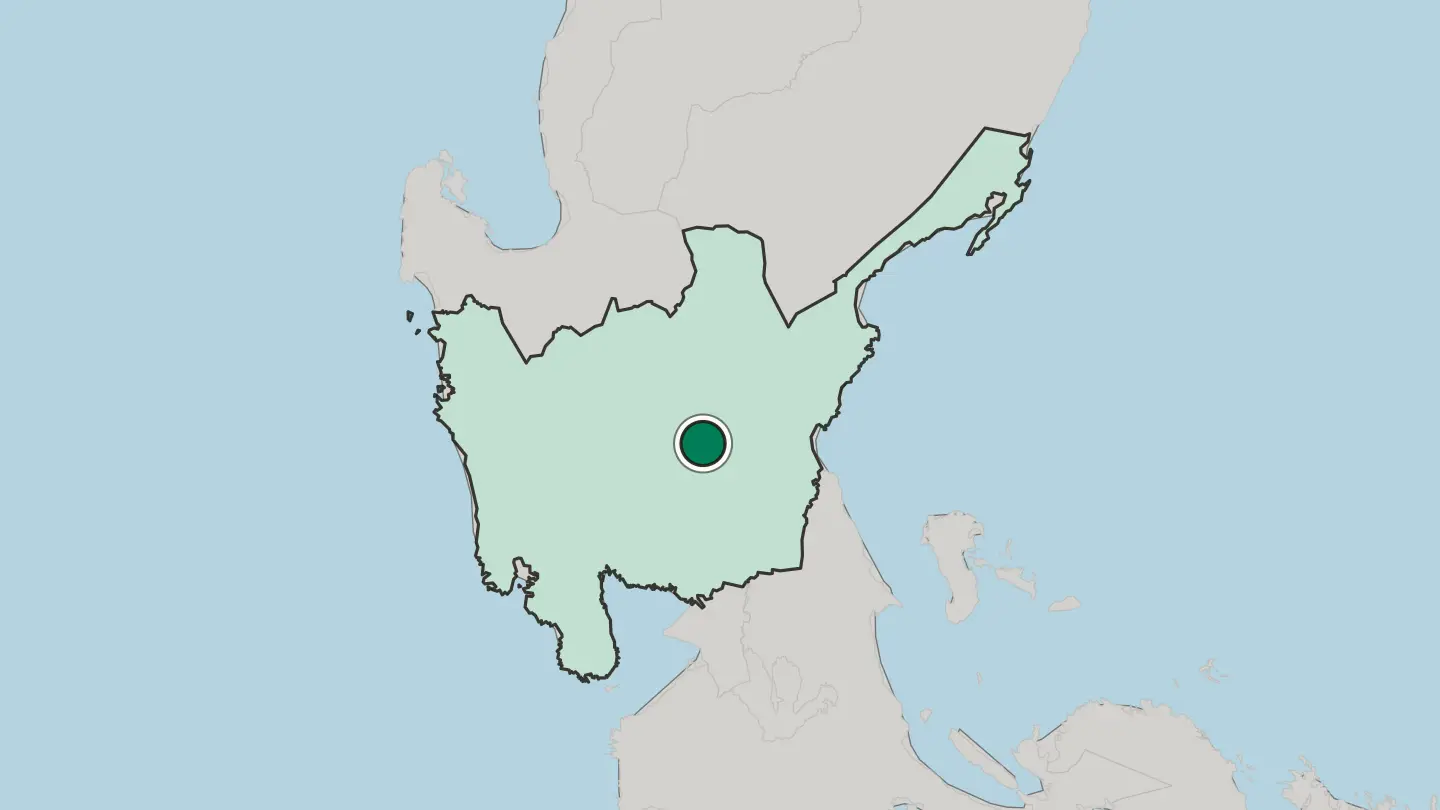
 Philippines
Bocaue
Fireworks made the name. Bocaue is a municipality in Bulacan, in the Central Luzon region of the Philippines.Where to stay →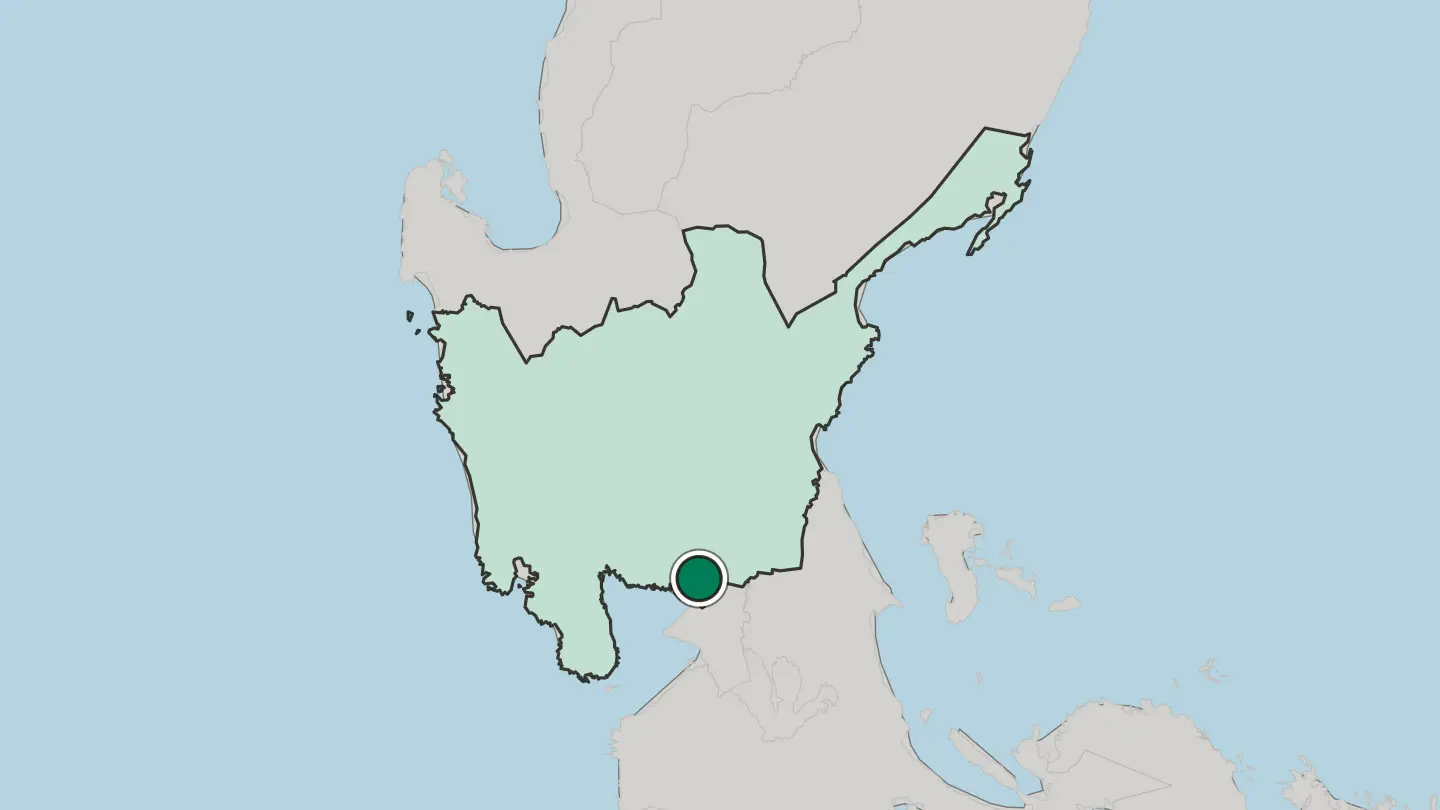
 Philippines
Marilao
Marilao is a Bulacan municipality running together with Meycauayan in the suburban belt north of Metro Manila.Where to stay →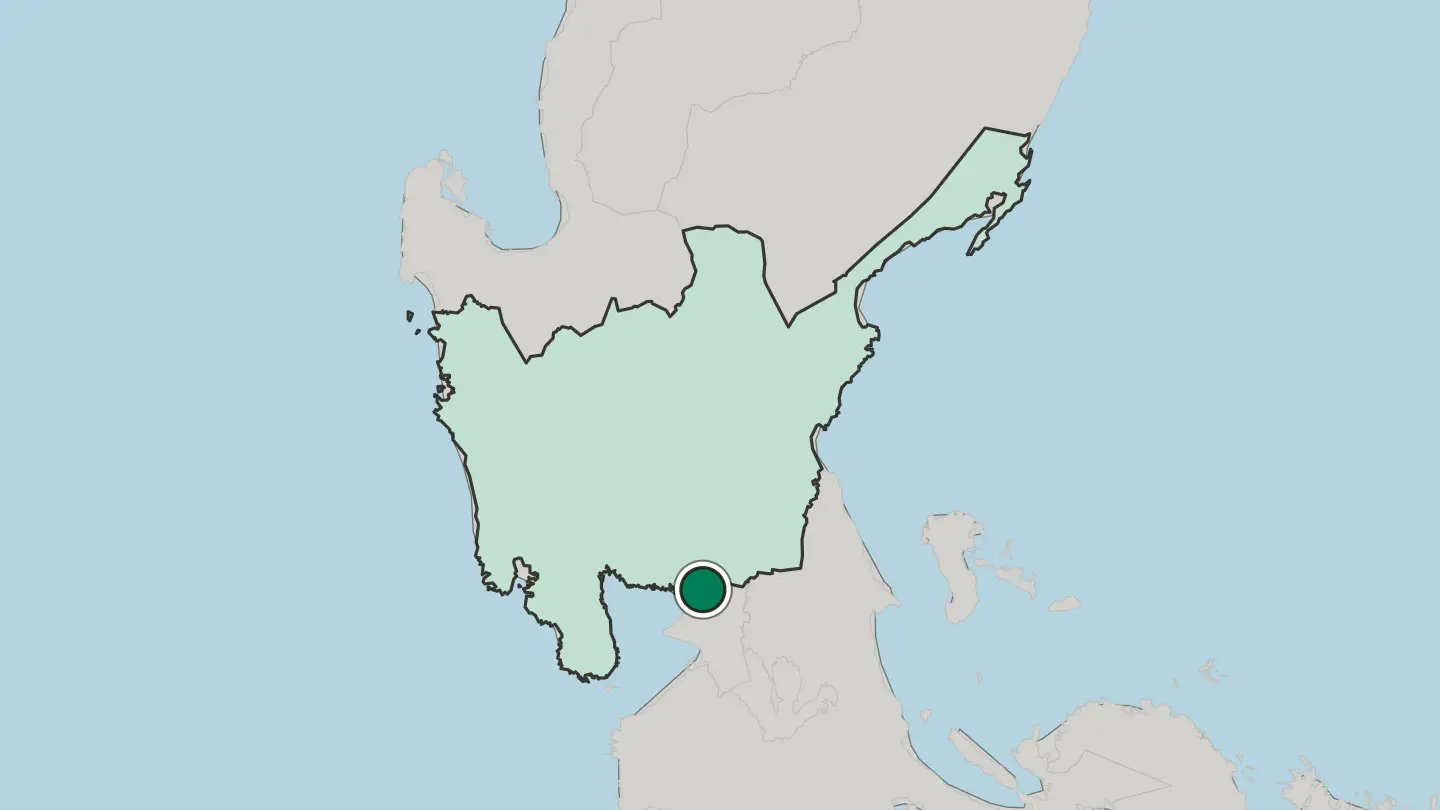 Philippines
Bulacan
Bulacan the town, Bulacan the province. The municipality of Bulakan shares a name with the province around it and was once its capital.Where to stay →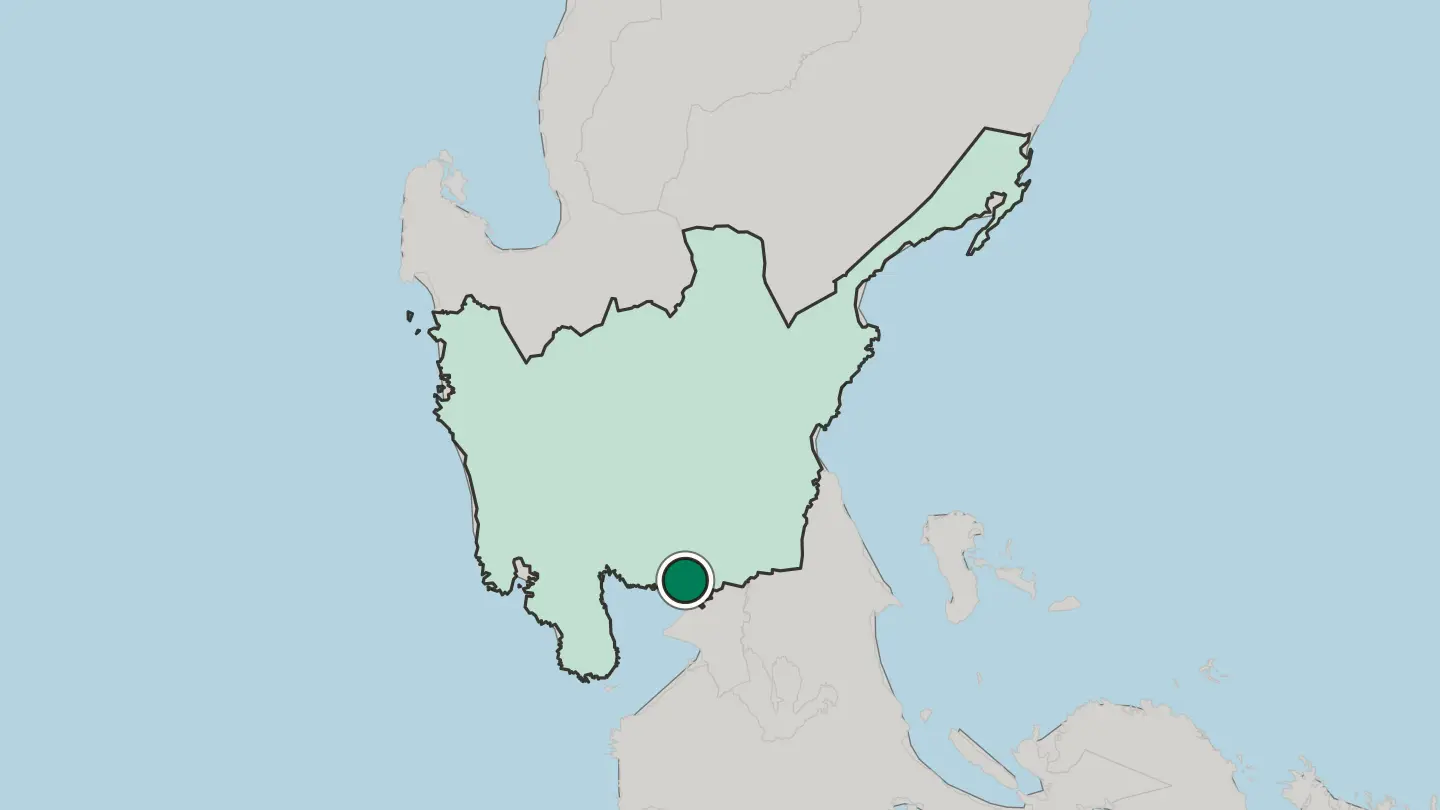
 Philippines
Balanga
Bataan has one city. Balanga holds that status and the provincial capital with it, in the Central Luzon region of the Philippines.Where to stay →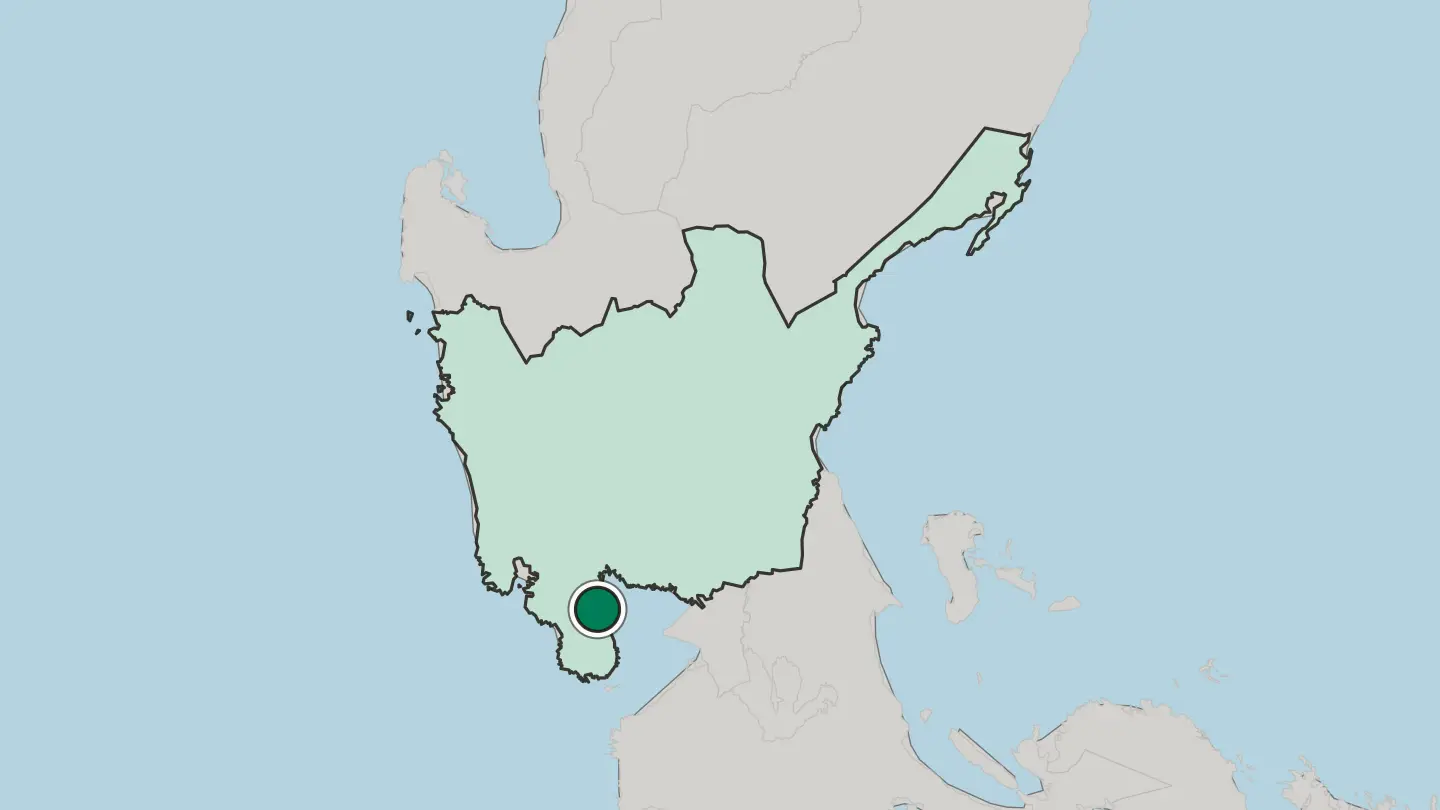 Philippines
Subic
Subic is a municipality in Zambales Province, sharing its name and its bay with the larger neighbour Olongapo.Where to stay →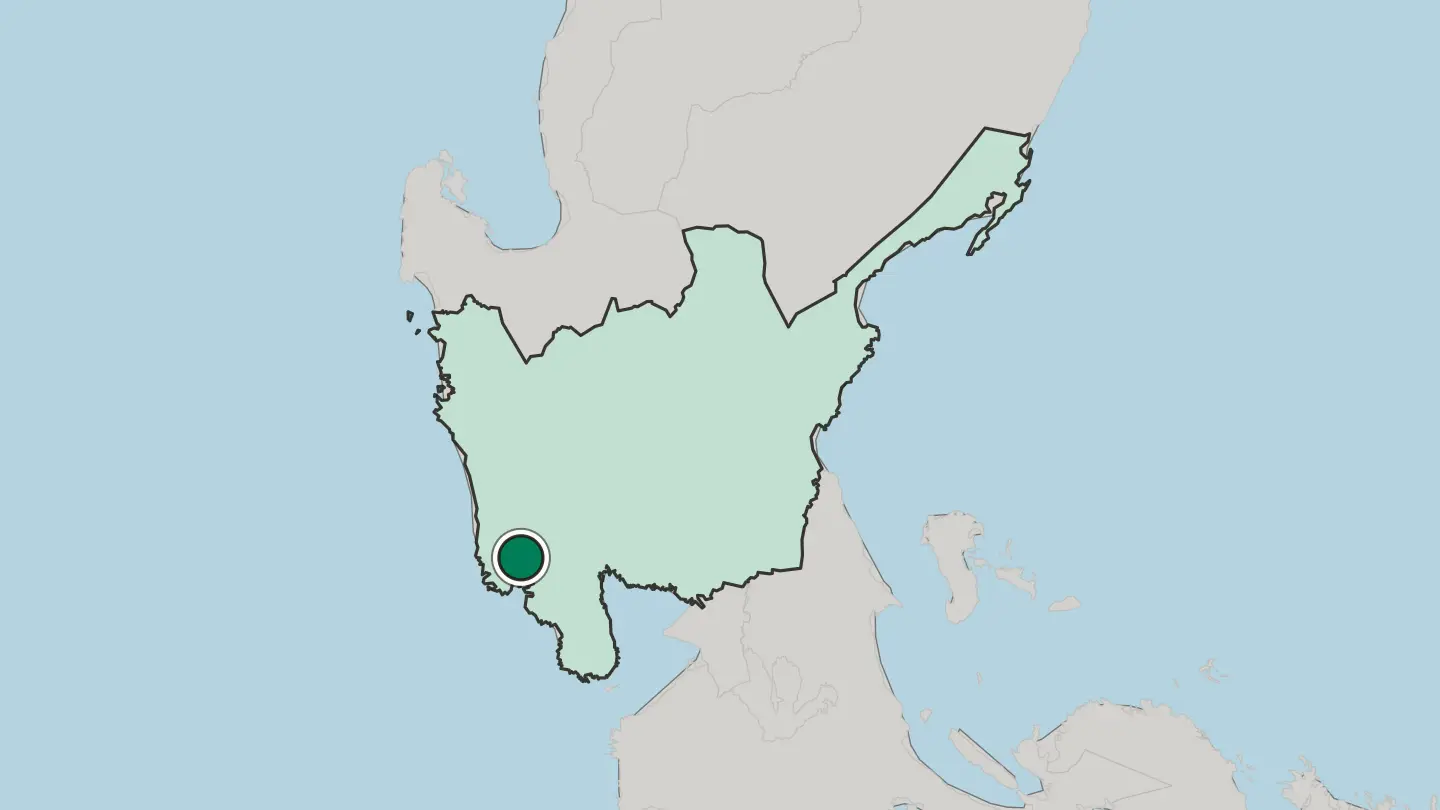 Philippines
San Miguel
San Miguel is a rural Bulacan municipality of 1725, spread over roughly 231 square kilometres in the middle of the Central Luzon plains.Where to stay →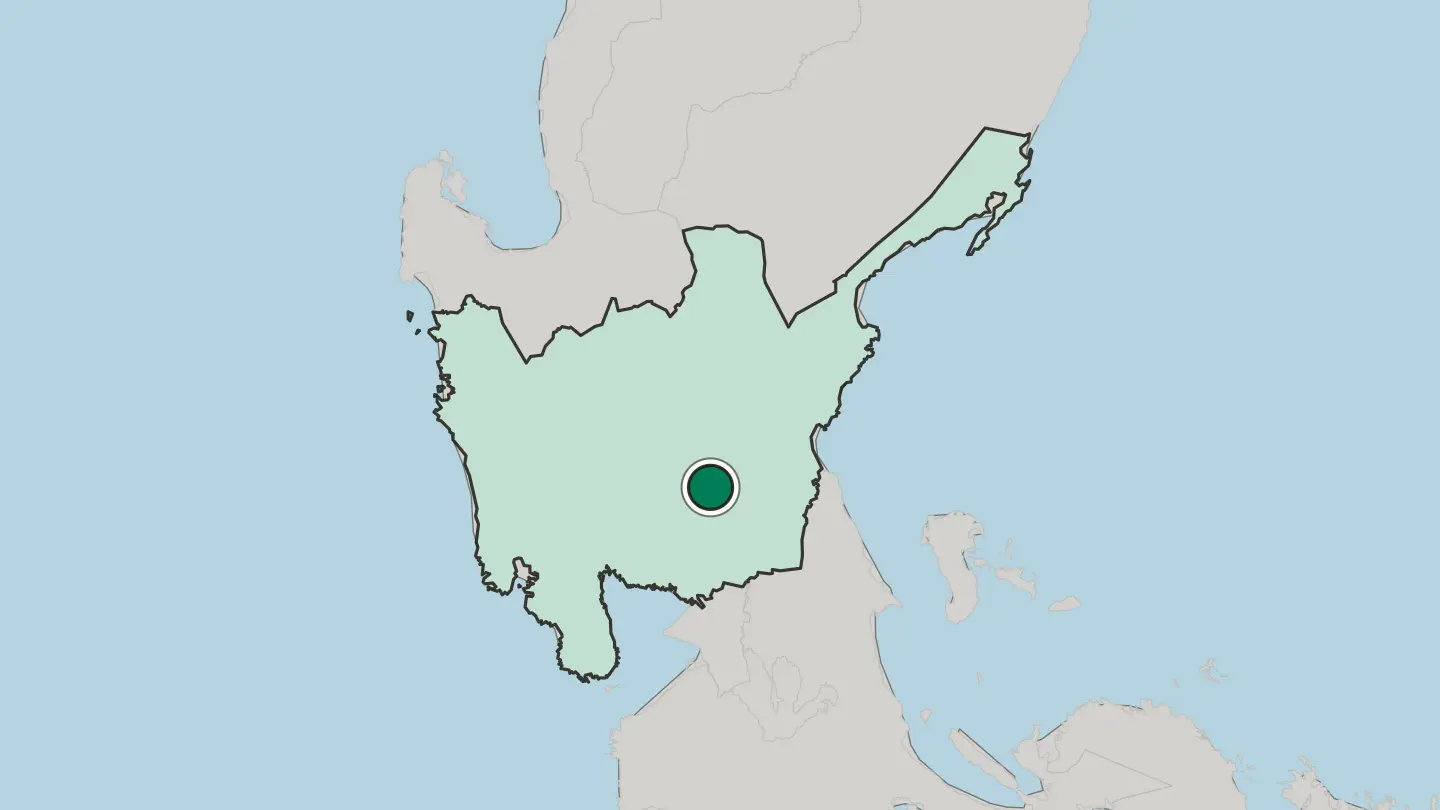
Hotel links are affiliate links: booking through them may earn us a commission, at no extra cost to you. It never affects how places are ranked. How this works
About Central Luzon
Rice, and the plain that grows it.
What is Central Luzon known for?
Central Luzon holds the largest plain in the country and produces most of its rice, which is how the region came by the name Rice Granary of the Philippines. Seven provinces is a national record. Aurora, Bataan, Bulacan, Nueva Ecija, Pampanga, Tarlac, and Zambales give it more than any other region, with Angeles and Olongapo standing outside them as highly urbanized cities.
Where is Central Luzon?
The plain is the fact everything else follows. Central Luzon contains the largest plain in the Philippines, and that flat ground is why the region grows most of the country's rice and answers to the name Rice Granary of the Philippines. Seven provinces sit on it.
Aurora, Bataan, Bulacan, Nueva Ecija, Pampanga, Tarlac, and Zambales together give the region more provinces than any other in the country, and the plain is what makes that many divisions workable on ground this continuous. Flat country divides easily. Two cities stand outside the provincial structure.
Angeles and Olongapo hold highly urbanized status, so both are administered apart from the provinces around them rather than under a provincial government. San Jose del Monte is larger than either. It is the biggest city the region contains, which puts the region's scale and its administrative independence in different places on the map.
Farmland fills the space between. Rice is the crop that matters across the plain, and the region's output is large enough that the country's supply gets discussed in terms of what Central Luzon produces in a given season.
What is Central Luzon like?
The nickname does the work of an identity. Rice Granary of the Philippines is not a tourism slogan but a description of output, and it attaches to a region whose flat ground turns out most of the country's rice. Seven provinces answer to it.
Aurora, Bataan, Bulacan, Nueva Ecija, Pampanga, Tarlac, and Zambales each keep their own government, which makes Central Luzon the most subdivided of the eighteen regions the Philippines counts. Angeles and Olongapo pull the other way. Both are highly urbanized cities sitting outside provincial administration, so the region carries an urban layer that does not report through the same channels as the farmland around it.
English works across all of it. A traveller leaving Angeles for the rice country of Tarlac is not switching working language even where the setting changes completely. San Jose del Monte adds the weight of size to that picture.
It is the largest city in a region better known for what it grows than for what it builds. That contrast, between farmland counted out in provinces and cities counted on their own terms, is as close as Central Luzon comes to a single cultural through-line.
What is the history of Central Luzon?
The record here is administrative rather than dated. Central Luzon carries the Region III designation and holds seven provinces, Aurora, Bataan, Bulacan, Nueva Ecija, Pampanga, Tarlac, and Zambales, which is more than any other region in the Philippines. The plain outranks the paperwork.
Rice grown across the largest plain in the country is what the region is identified by, and the provincial boundaries are lines drawn over one continuous expanse of flat ground.
What is the climate of Central Luzon?
The plain gives weather nothing to break against. Central Luzon lies flat across its widest extent, and open ground of that kind takes what arrives over it without the shelter that higher country would give. Rice sets the calendar.
What counts on the largest plain in the country is the timing of water rather than the reading on a thermometer, and the same timing decides whether the fields of Nueva Ecija and Tarlac look green or bare when a visitor crosses them.
How do you get to Central Luzon?
Flat ground keeps the routes simple. Movement across Central Luzon runs over the largest plain in the country, so the gap between one province and the next is a question of kilometres rather than of terrain. Angeles and Olongapo are the urban anchors.
Both are highly urbanized cities within the region, which makes them the two names most likely to turn up on a plan that involves reaching Pampanga, Zambales, or the rice country past them.
Common questions
What is the best area to stay in Central Luzon?
Angeles: A city base outside provincial administration in Central Luzon. Olongapo: The second highly urbanized city of Region III. San Jose del Monte: The largest city Central Luzon contains.
More regions in Philippines
Updated October 2026