Philippines
National Capital Region, Philippines — Towns & Travel Guide
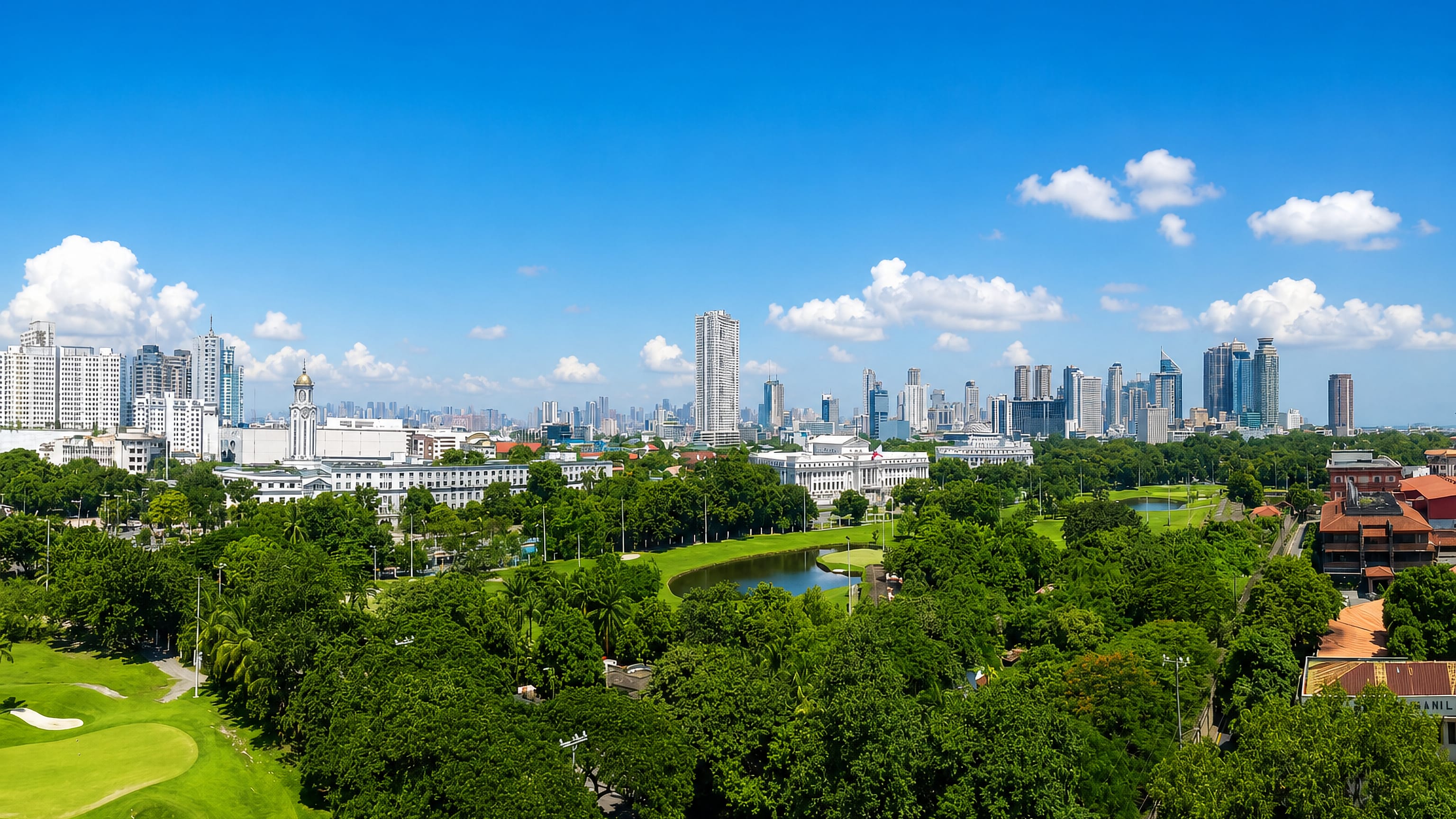
The National Capital Region gathers the cities around Manila Bay into Metro Manila, the capital region of the Philippines.
Hotel links are affiliate links: booking through them may earn us a commission, at no extra cost to you. It never affects how places are ranked. How this works


Towns & cities in National Capital Region
Pick a town or city — each links to where to stay.
 Philippines
Quezon City
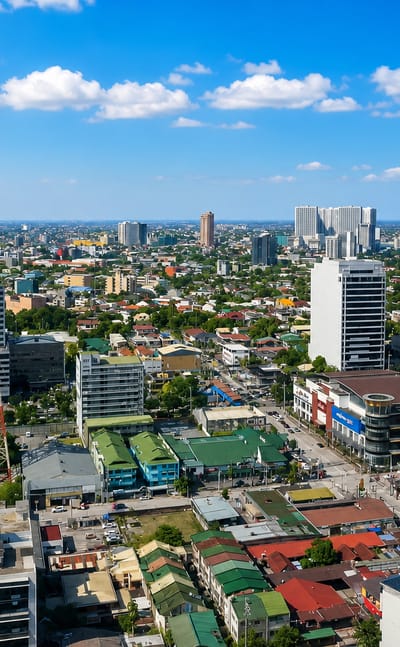
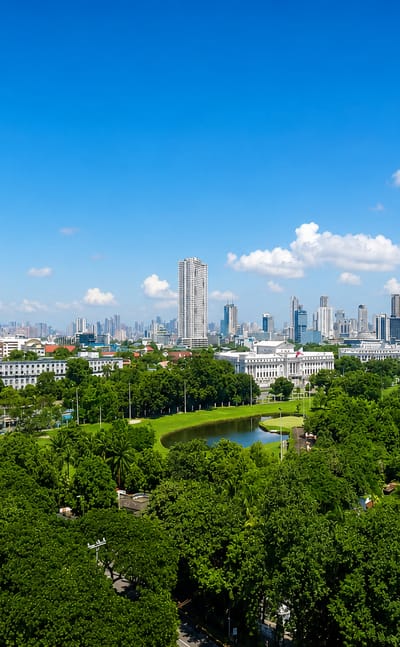
Quezon City rises around the tower of the Quezon Memorial Shrine, the largest city of Metro Manila and once the capital of the Philippines.Where to stay →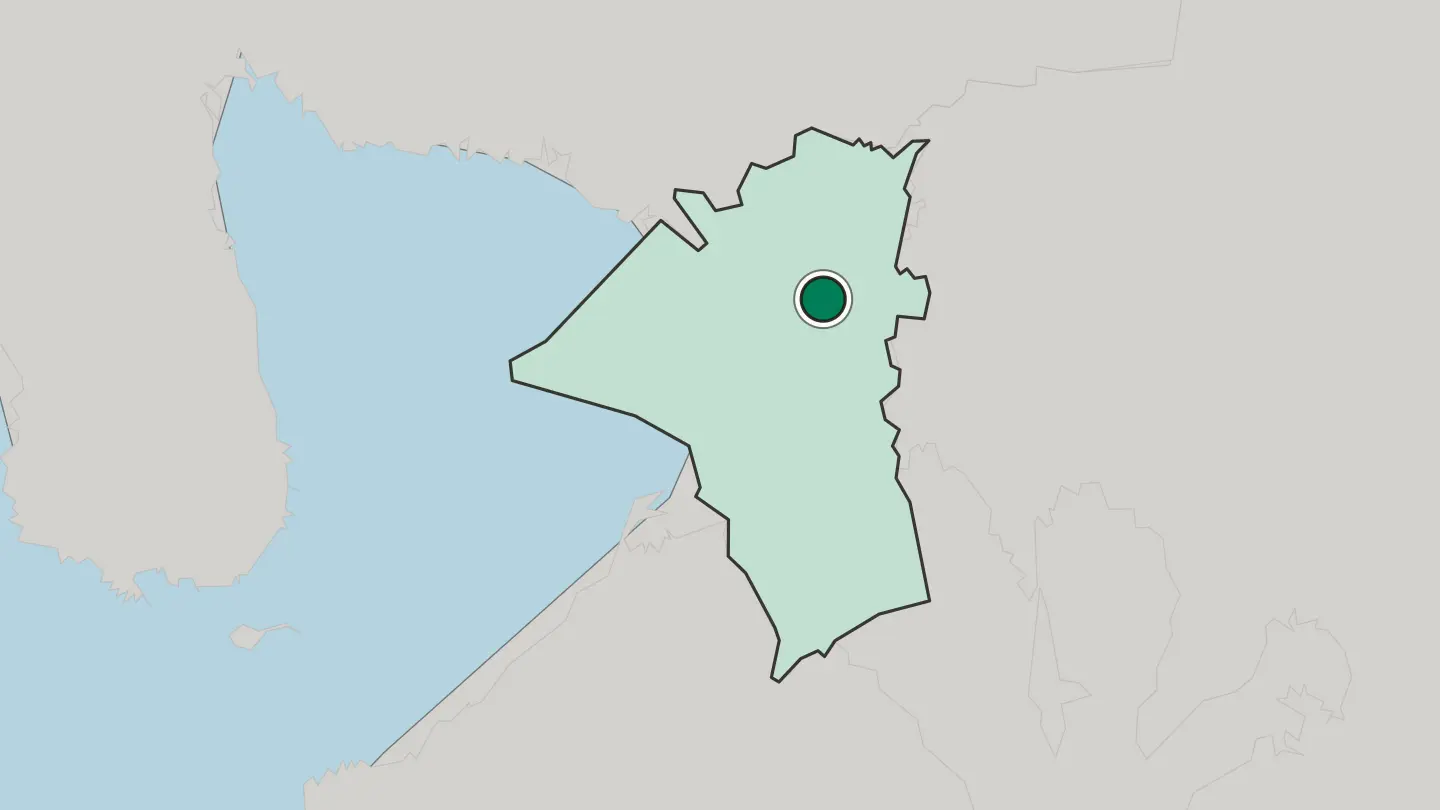 Philippines
Caloocan
Caloocan is a highly urbanized city in northern Metro Manila, part of the National Capital Region of the Philippines.Where to stay →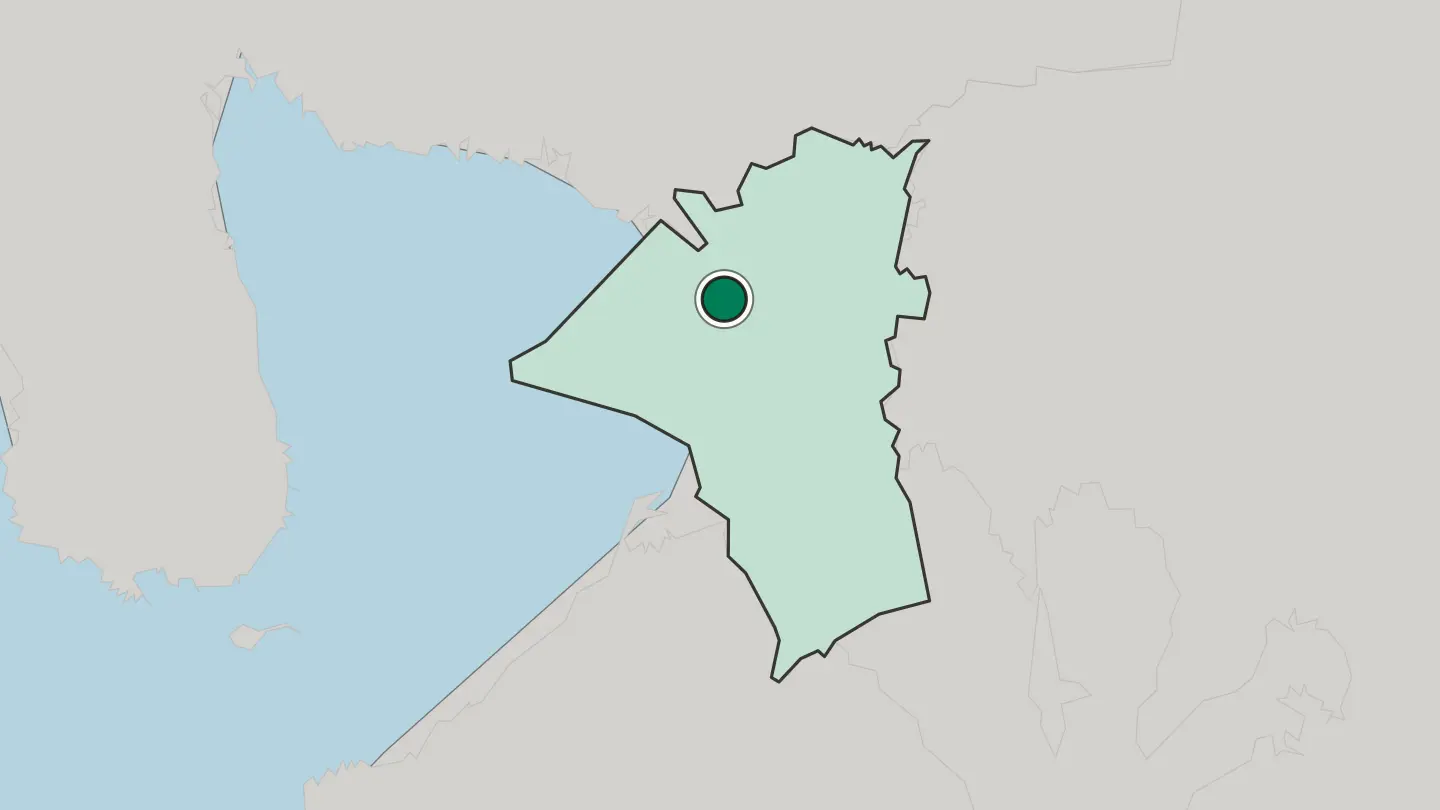
 Philippines
Manila
Manila lines the eastern shore of Manila Bay on Luzon, the capital of the Philippines and the walled old city of Intramuros.Where to stay →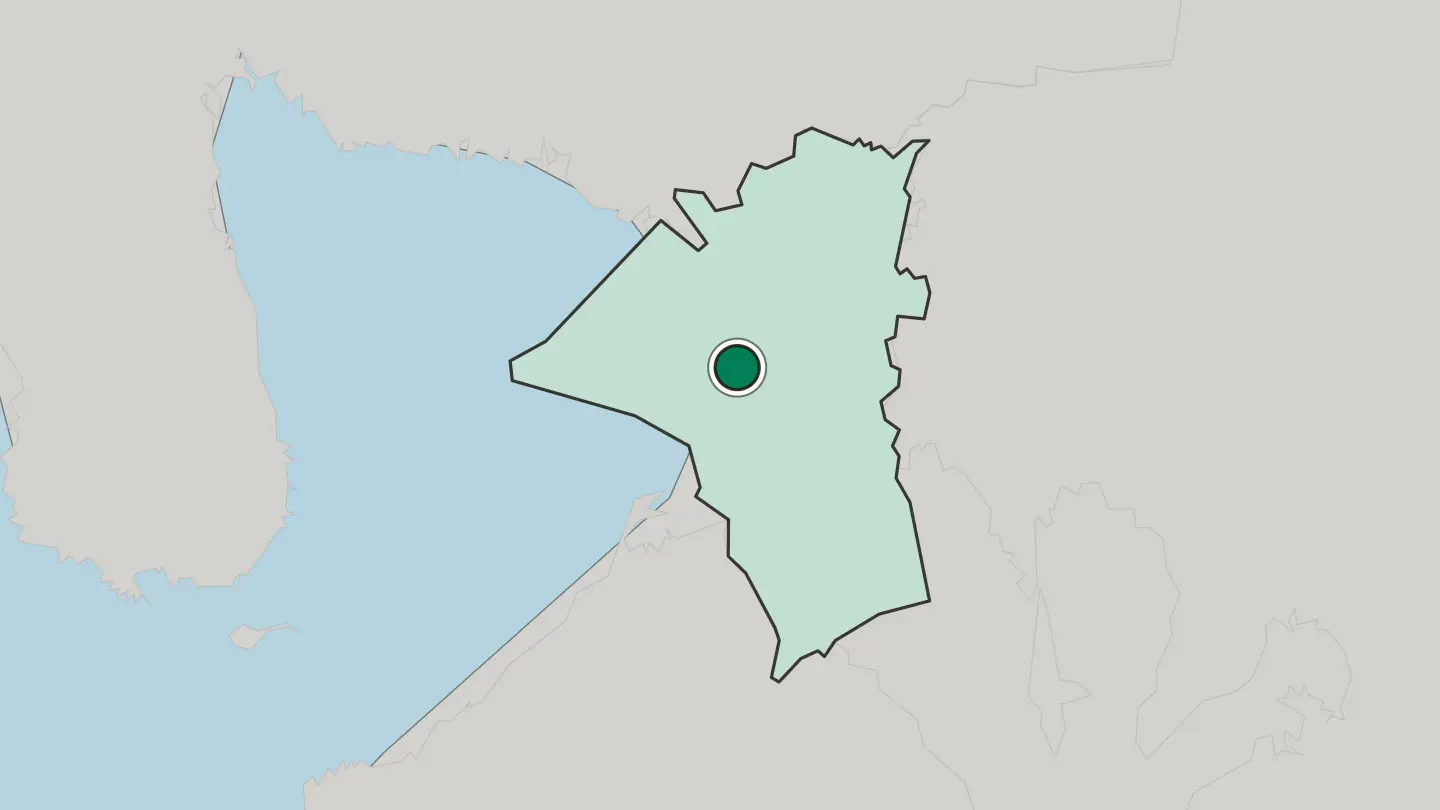 Philippines
Taguig
Taguig holds Bonifacio Global City, the tower district of Metro Manila, along with McKinley Hill and the green ground of the Manila American Cemetery.Where to stay →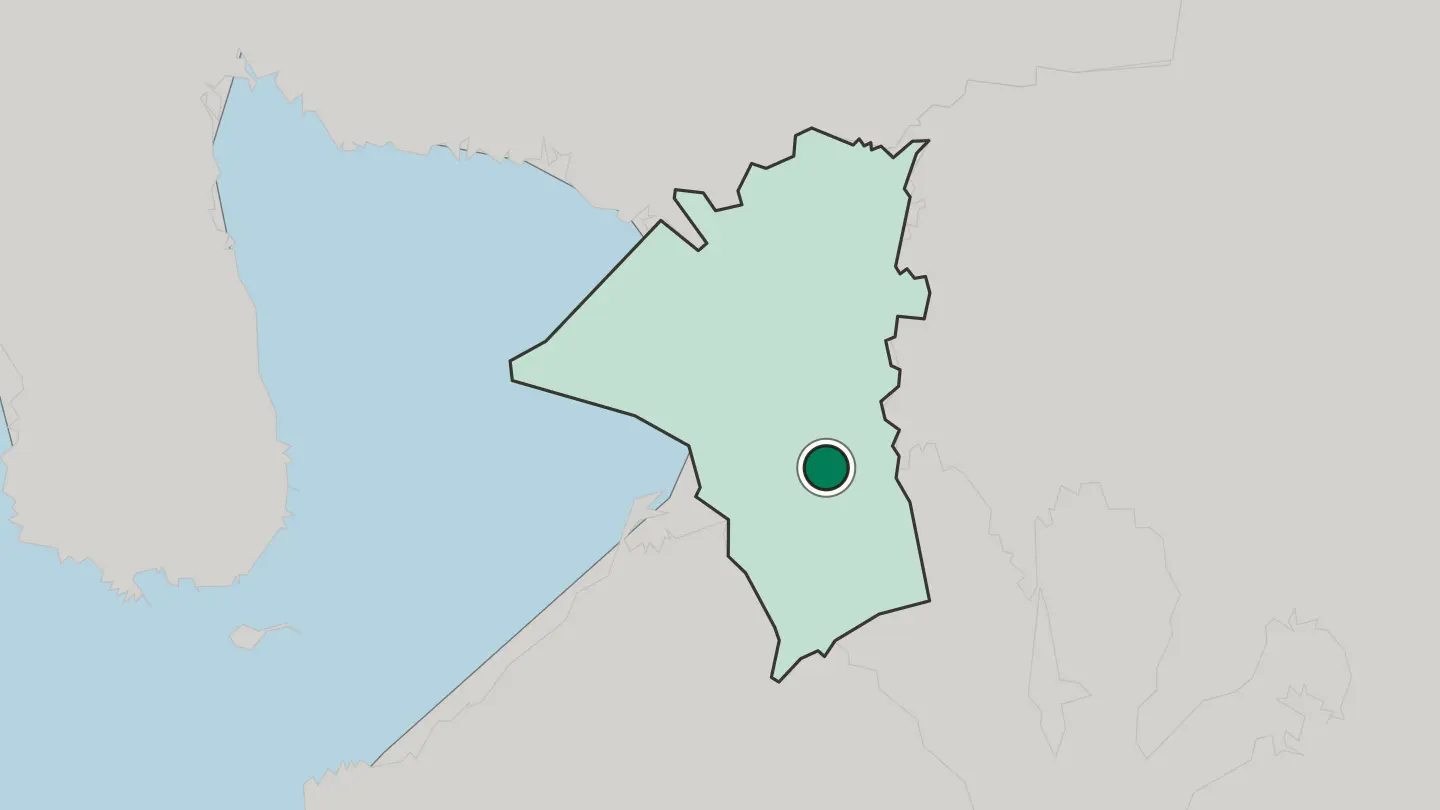
 Philippines
Pasig City
Pasig takes its name from the river and sets the office towers of Ortigas Center against an older downtown around Santo Rosario de Pasig Church.Where to stay →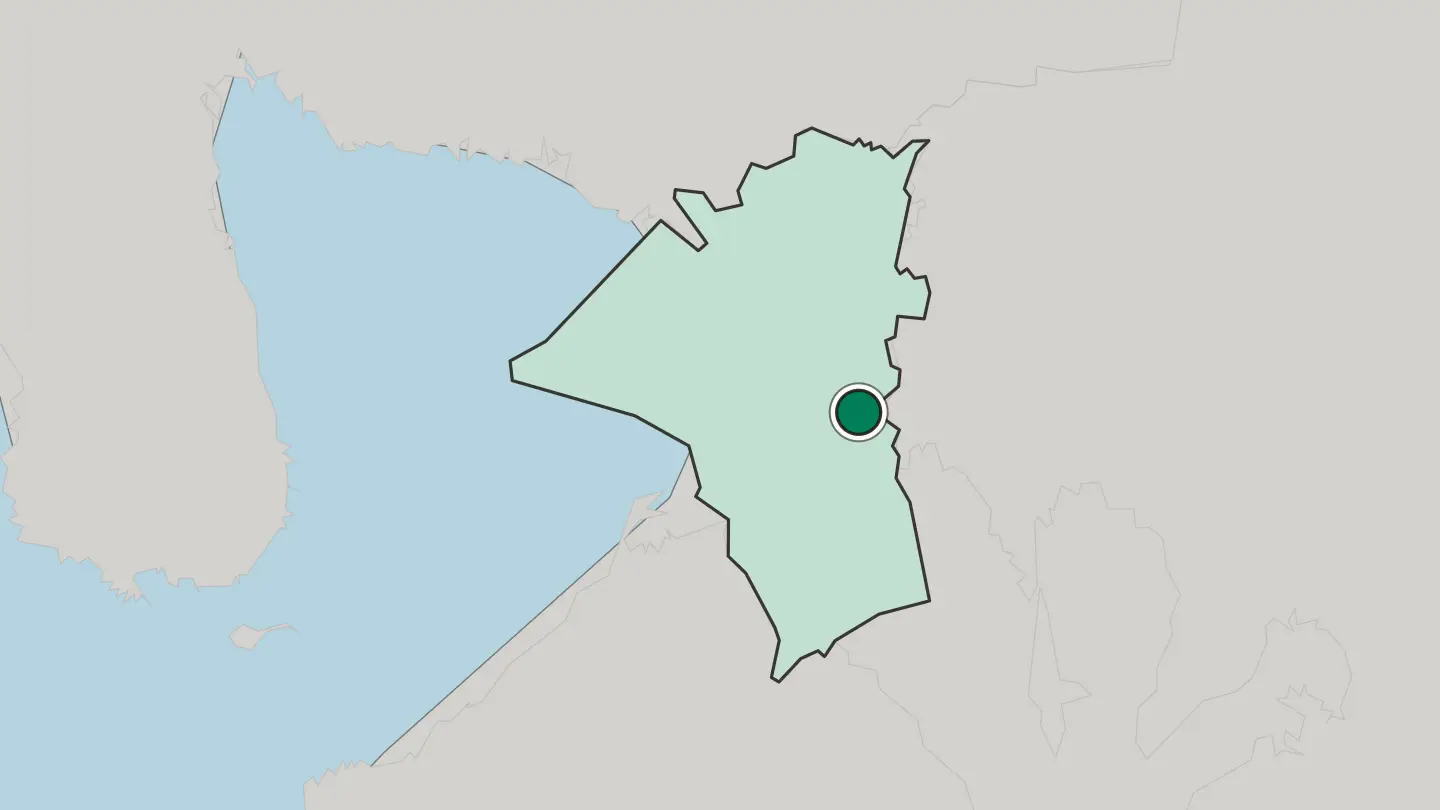 Philippines
Valenzuela
Valenzuela is a dense industrial and residential city of the Camanava Area in Metro Manila, dating to 1623 and keeping its record in Museo Valenzuela.Where to stay →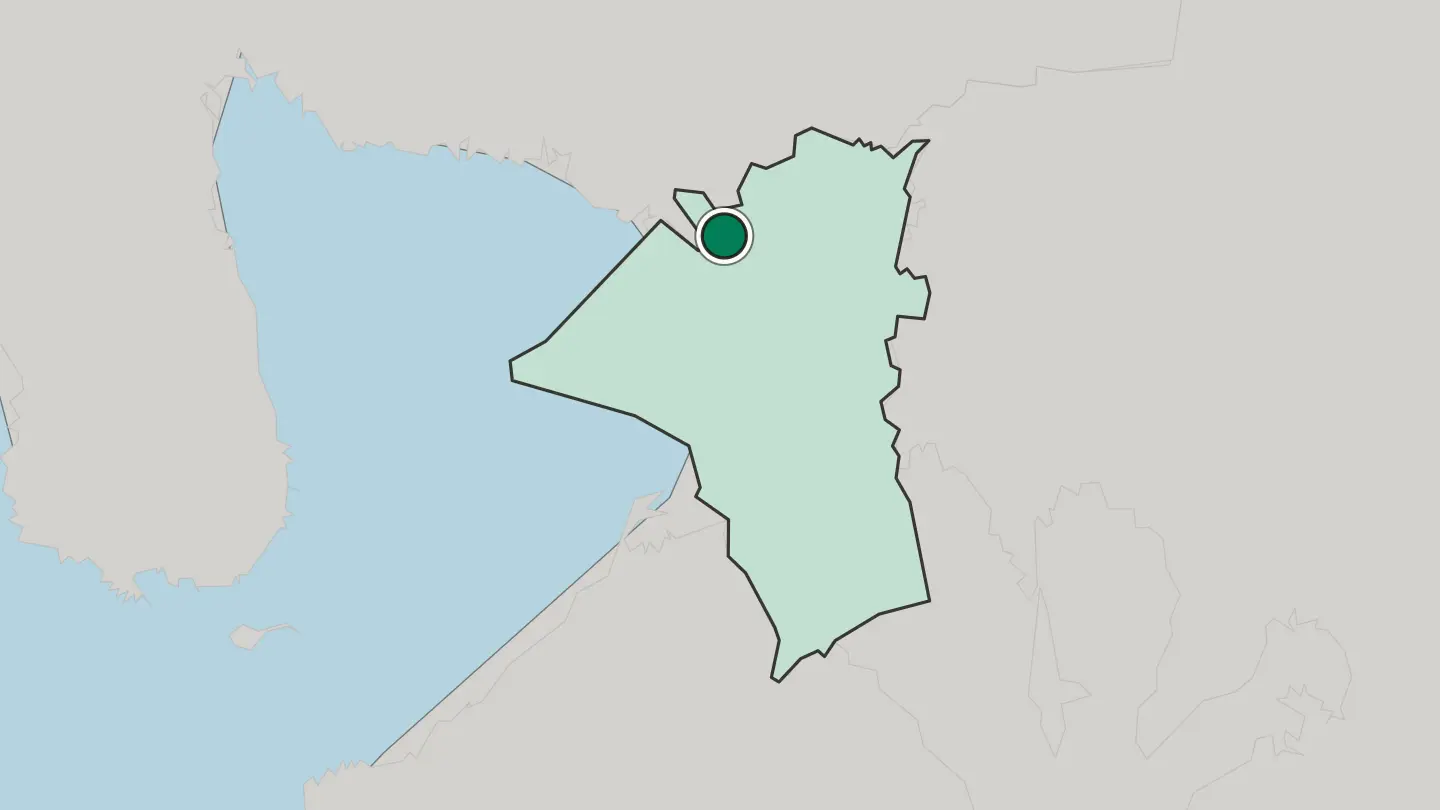
 Philippines
Paranaque City
Parañaque is a highly urbanized city of the National Capital Region, holding the casinos of Entertainment City and the flea markets of Baclaran.Where to stay →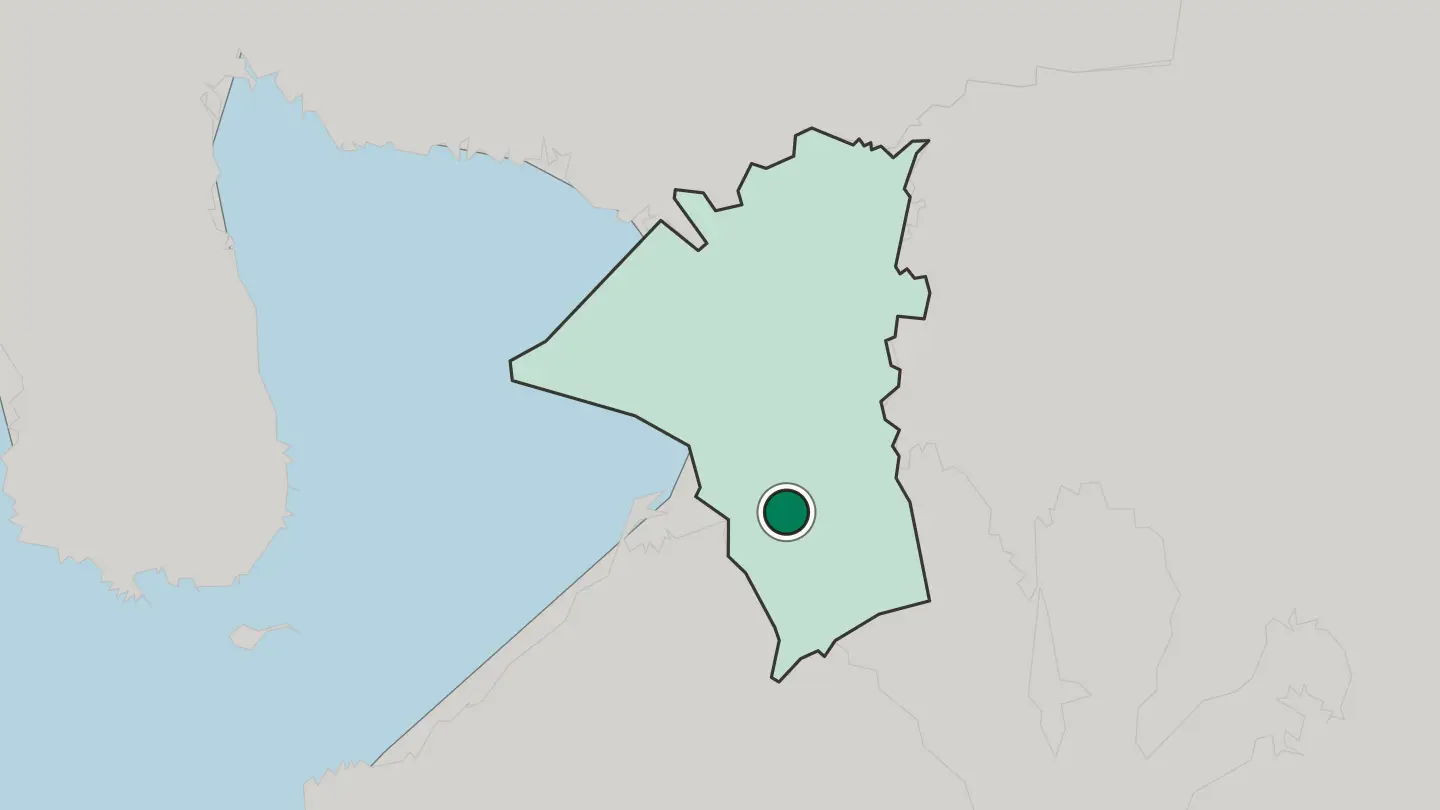 Philippines
Las Piñas
Las Piñas is a suburban city of southern Metro Manila, in the National Capital Region of the Philippines, known for its bamboo organ.Where to stay →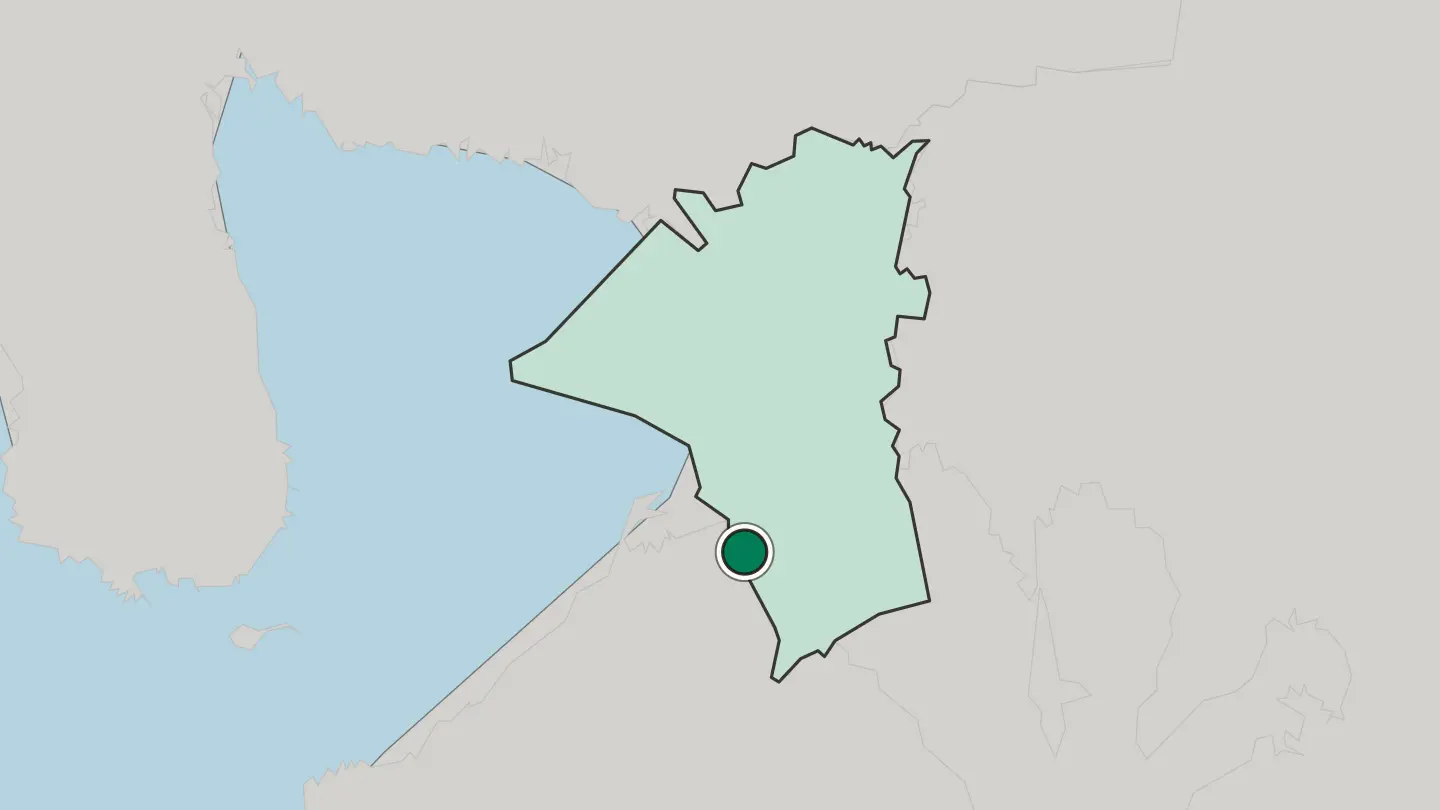
All towns & cities (16)
 Philippines
Makati City
Makati is the leading centre for finance, commerce and diplomacy in the Philippines, and it carries the country's largest skyline.Where to stay →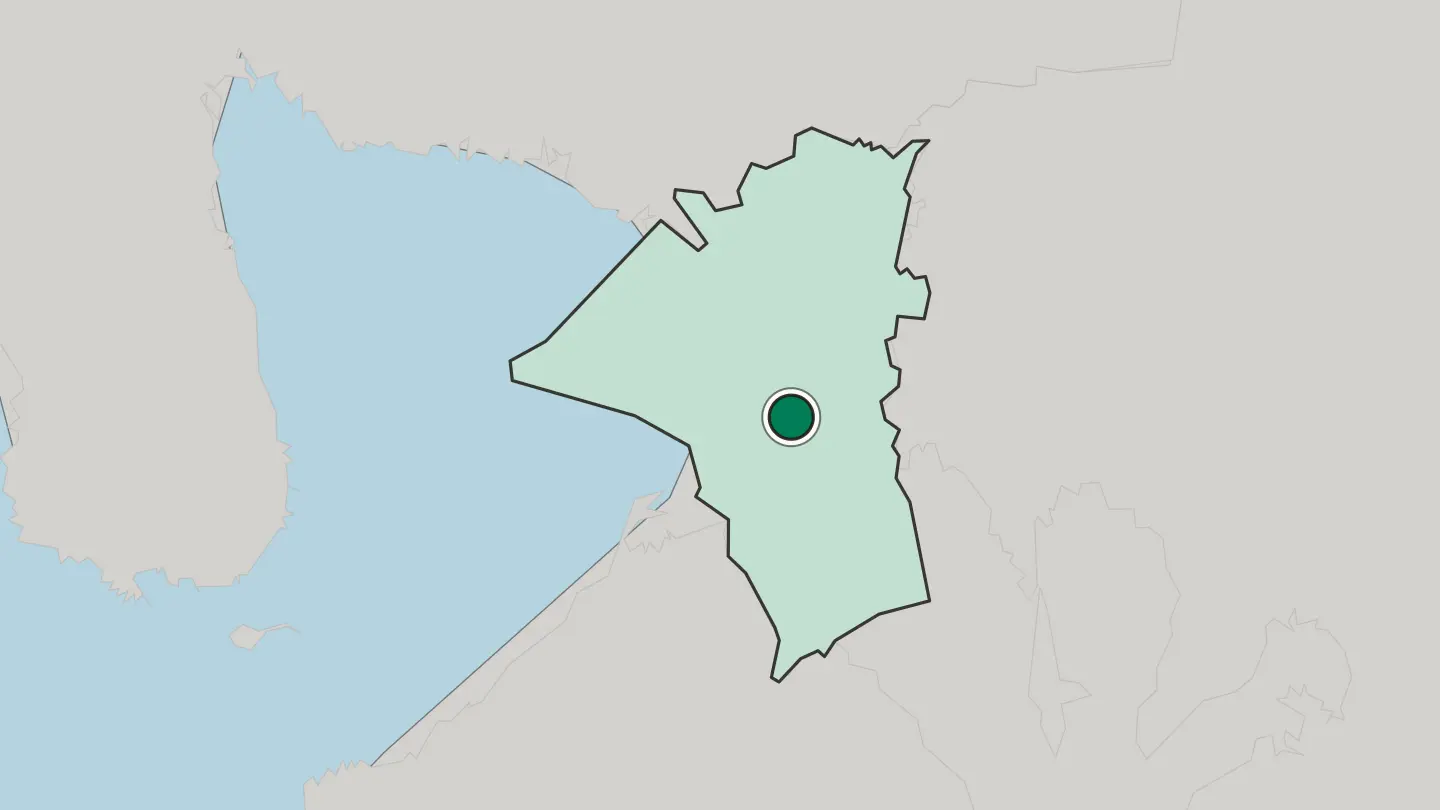
 Philippines
Marikina City
Marikina is a highly urbanized city of the National Capital Region, known across the Philippines for shoemaking and for the Marikina Shoe Museum.Where to stay →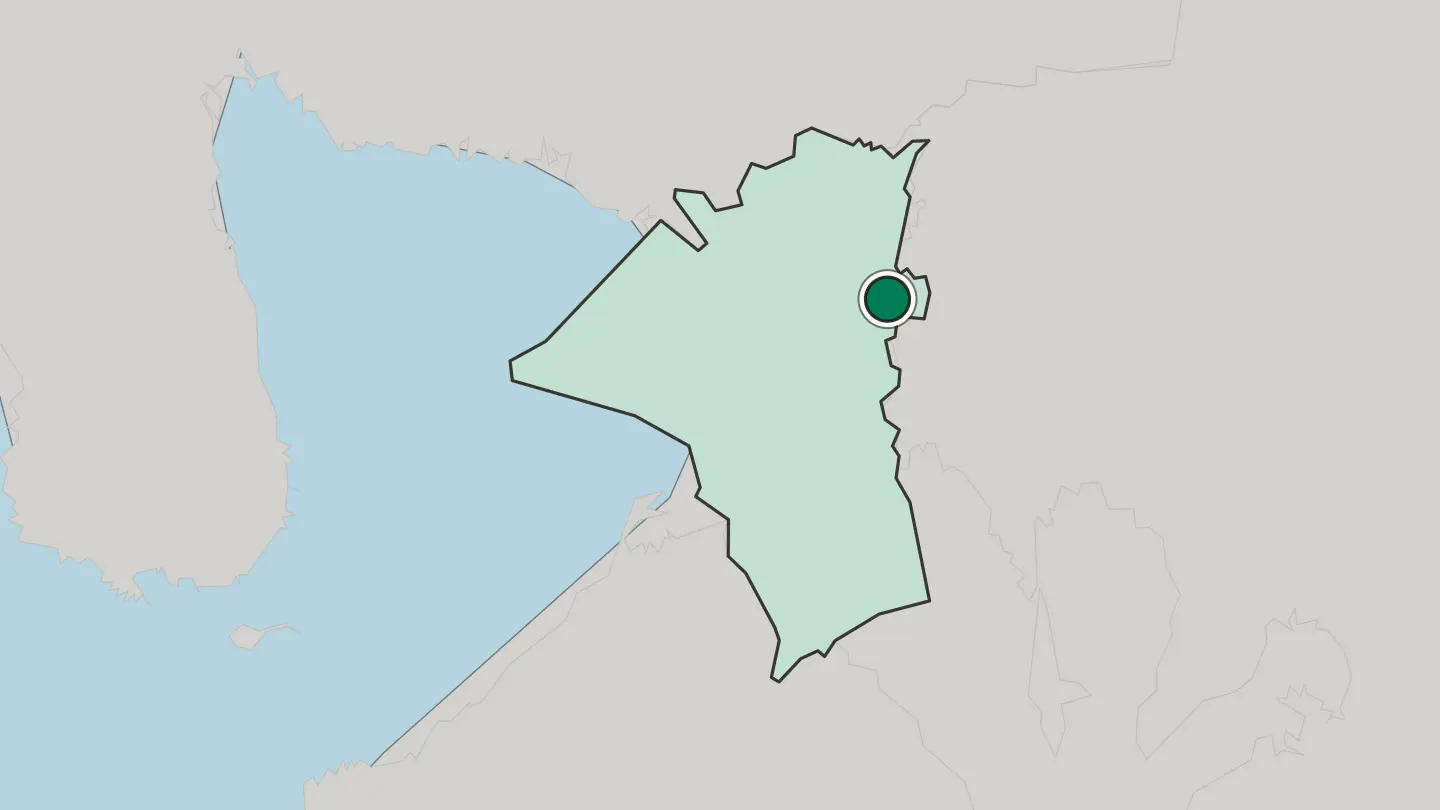
 Philippines
Mandaluyong City
Mandaluyong is a highly urbanized city of the National Capital Region, hemmed in by Makati, Pasig, San Juan and Quezon City, and known for shopping.Where to stay →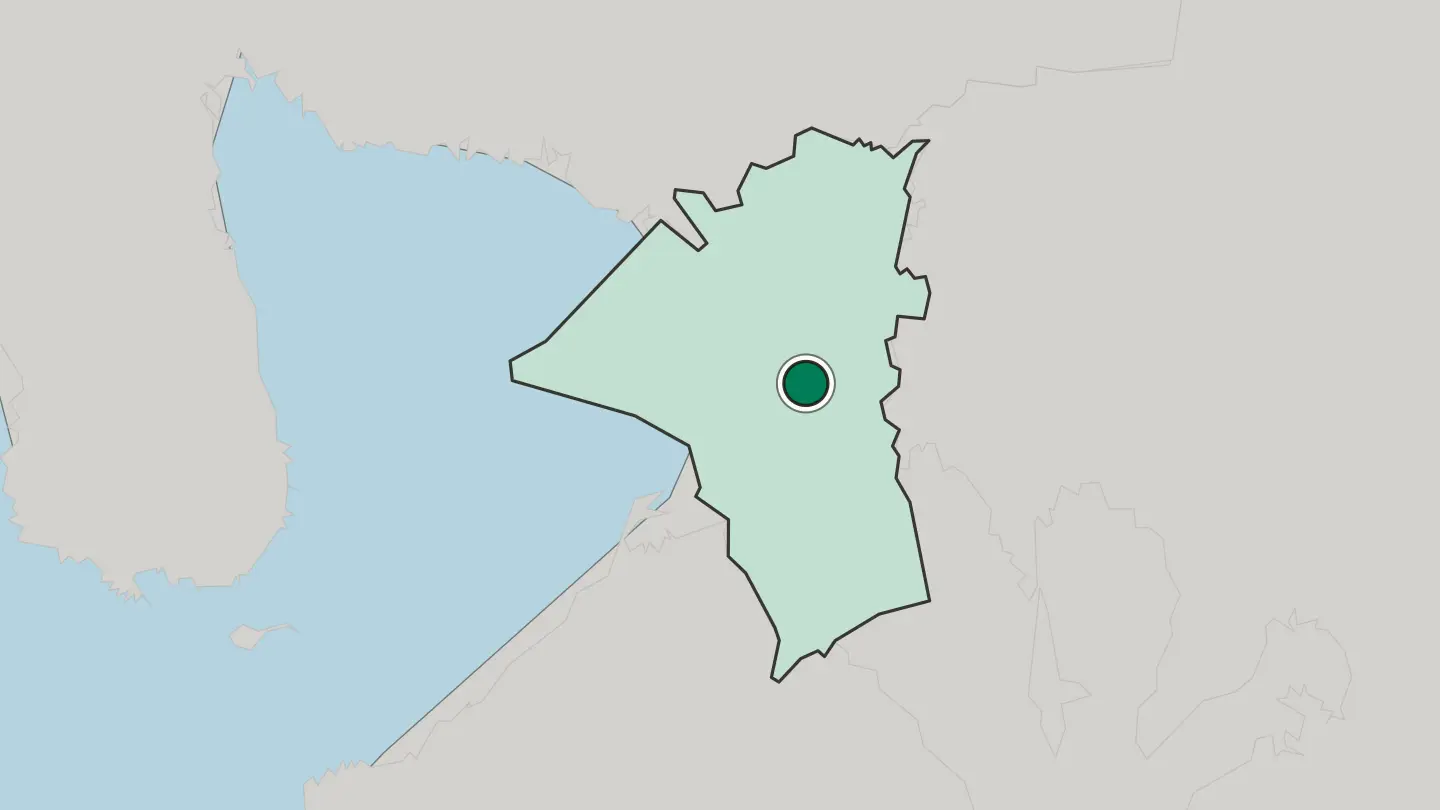 Philippines
Pasay
Pasay, a city just south of Manila, holds Ninoy Aquino International Airport and the reclaimed Bay City ground behind SM Mall of Asia.Where to stay →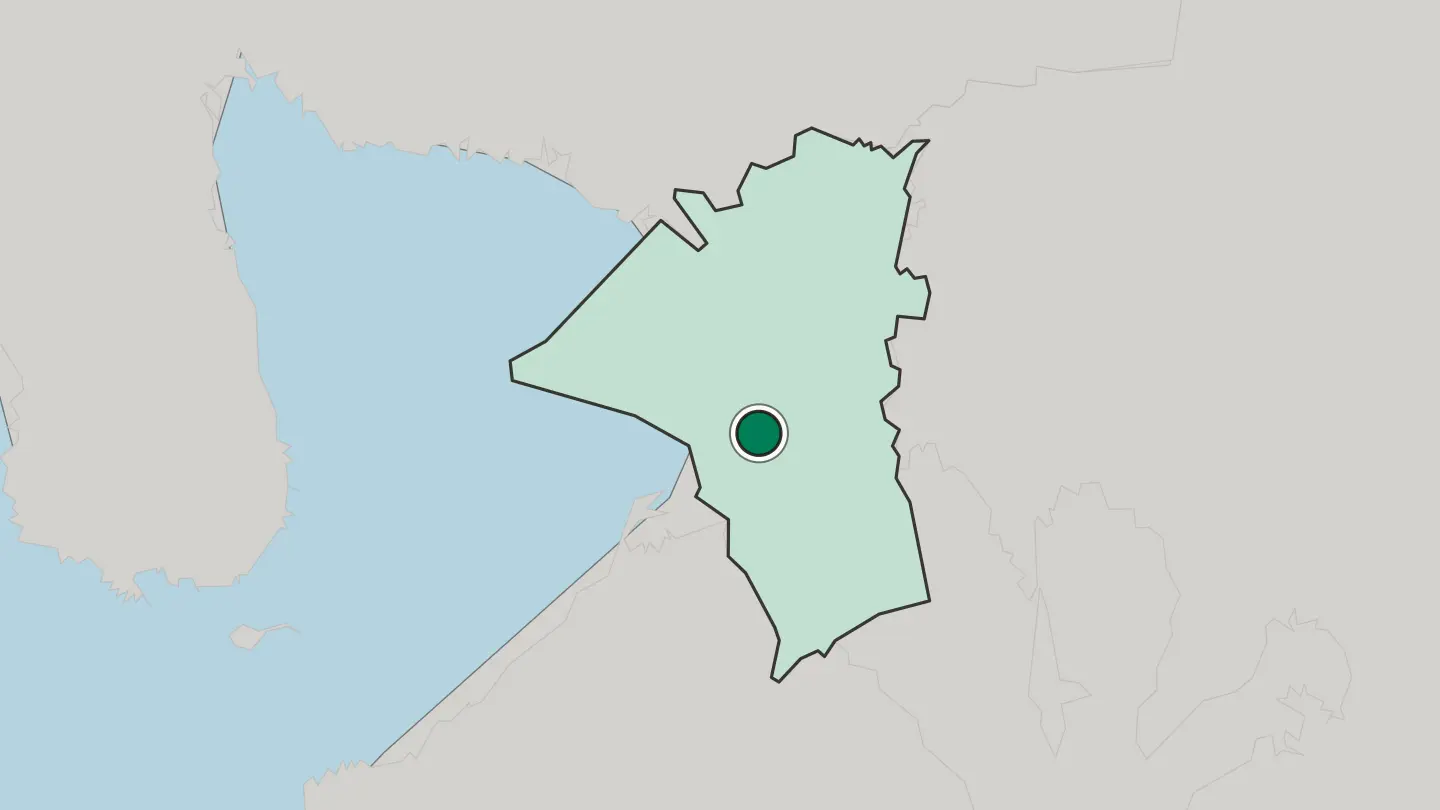 Philippines
Malabon
Malabon is one of the smaller cities of the National Capital Region in the Philippines, and Malabon Zoo carries its name.Where to stay →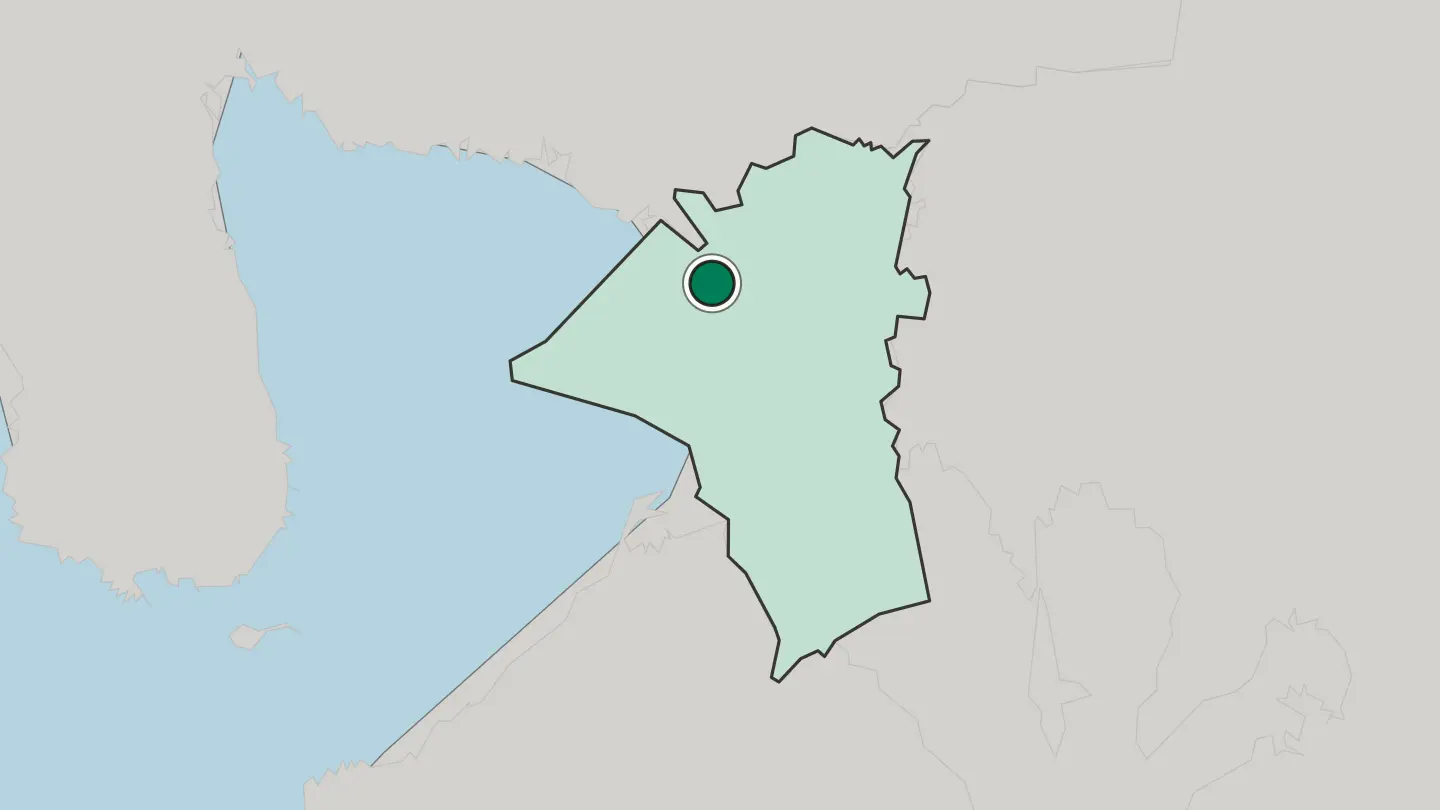
 Philippines
Navotas
Navotas works the water. Officially the City of Navotas, this highly urbanized city of the National Capital Region is known for its seafood markets.Where to stay →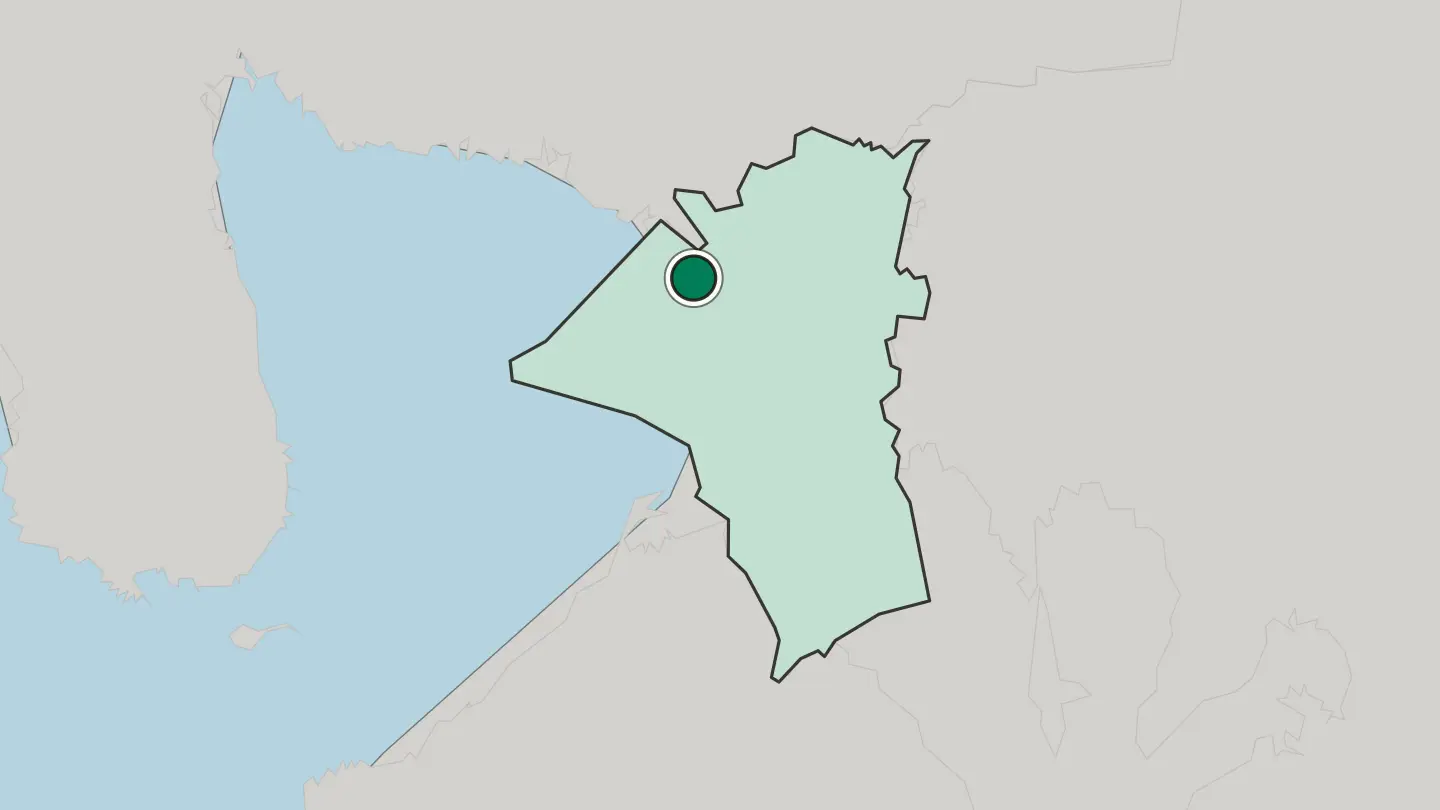 Philippines
San Juan
San Juan is the smallest city by land area in the Philippines, ringed by Manila, Mandaluyong and Quezon City at the centre of Metro Manila.Where to stay →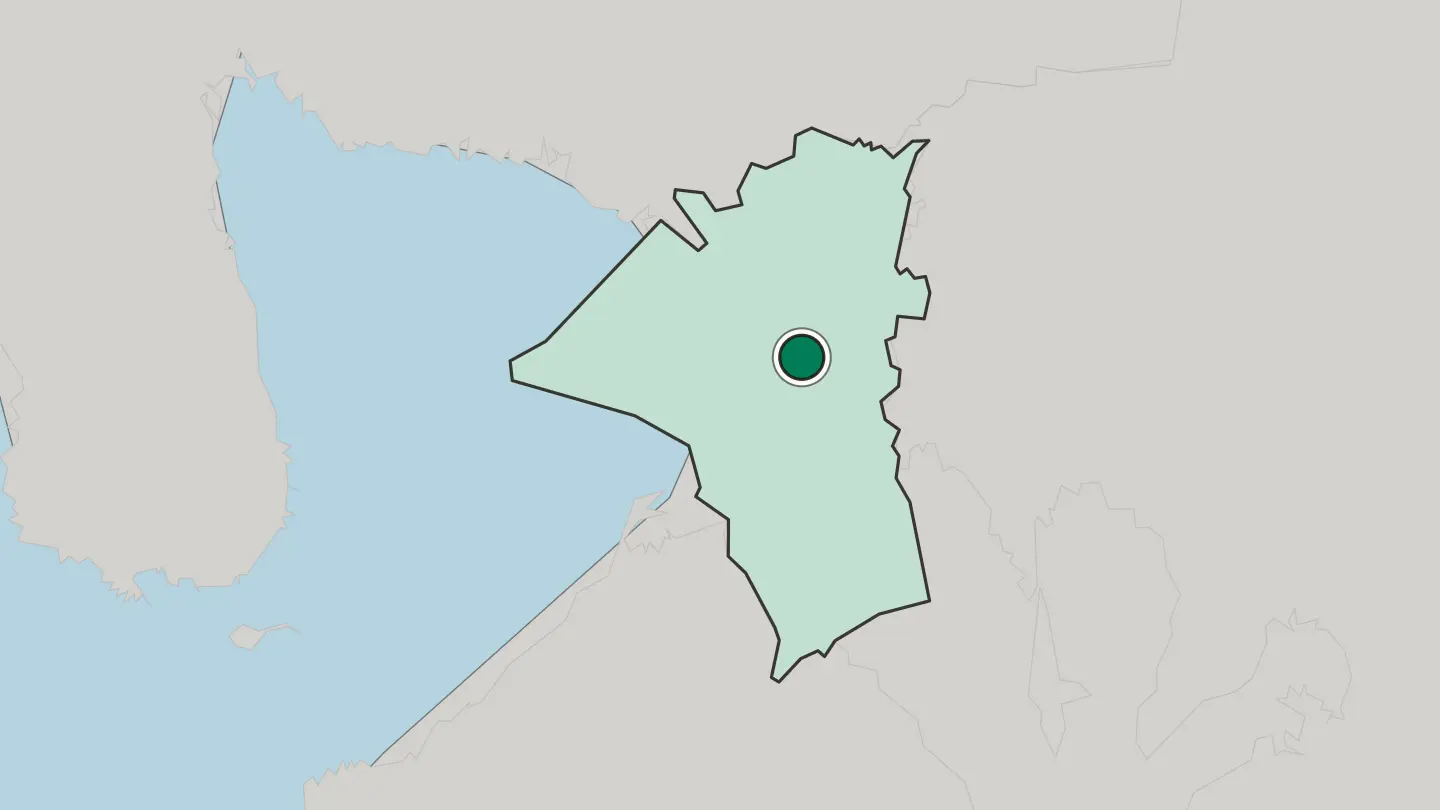
 Philippines
Pateros
Pateros is the sole municipality of Metro Manila, a town of under two square kilometres known across the Philippines for balut and duck eggs.Where to stay →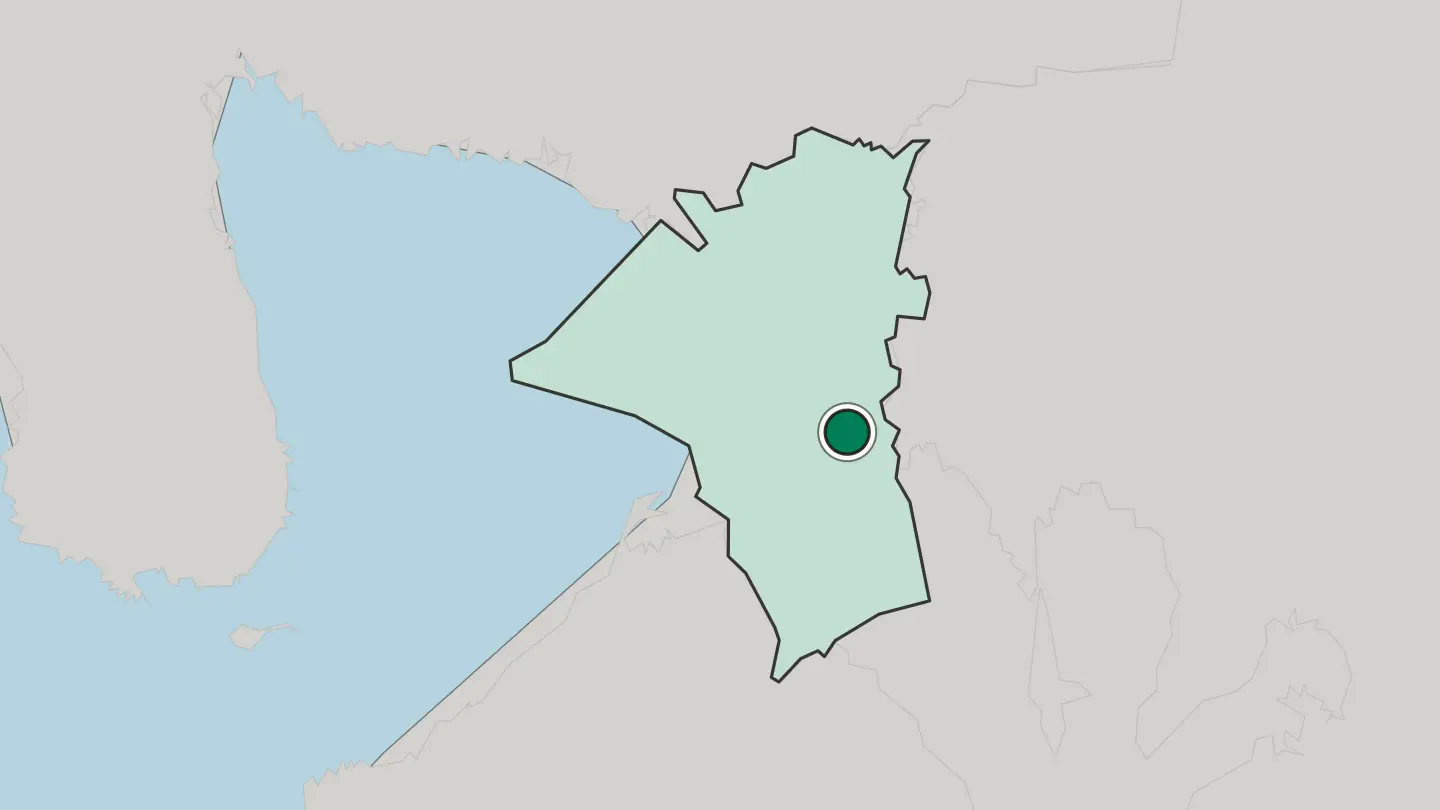
Hotel links are affiliate links: booking through them may earn us a commission, at no extra cost to you. It never affects how places are ranked. How this works
About National Capital Region
What is National Capital Region known for?
The National Capital Region is known for the tight cluster of cities that form Metro Manila around the shore of Manila Bay. It holds the seat of national government. Manila carries the historic capital and its Spanish walls, Quezon City spreads across the largest urban footprint of the group, and the two anchor a dense belt of neighbouring cities on the island of Luzon.
Everything national concentrates here.
Where is National Capital Region?
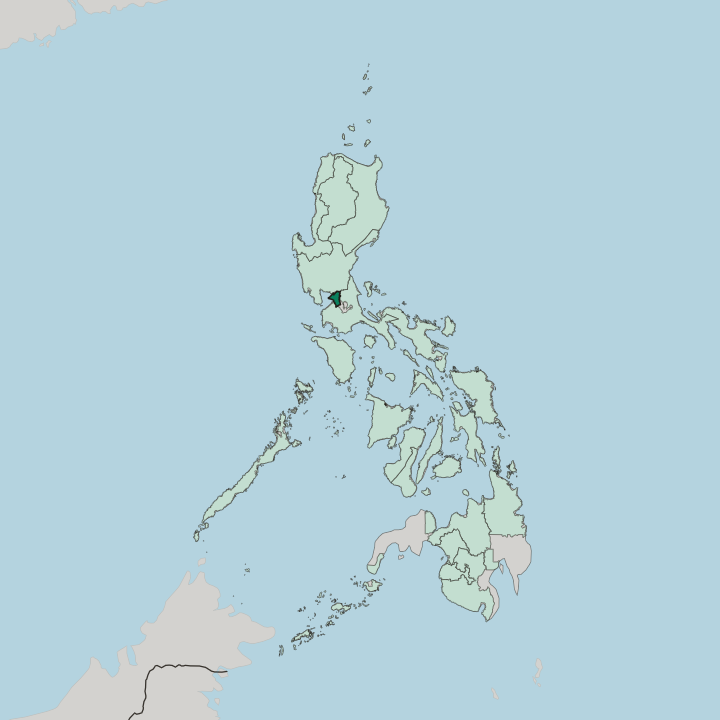
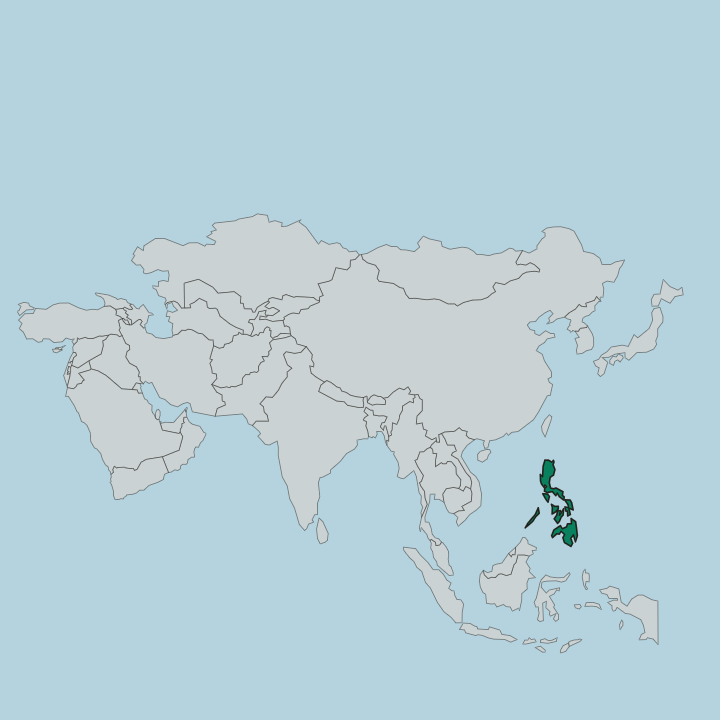
The National Capital Region occupies a compact stretch of coast and inland plain around the eastern shore of Manila Bay on the island of Luzon. Its cities run together without a break. The built-up ground of Metro Manila spreads from the flat deltaic land at the water's edge back onto rising plateaus and gentle hills, so that Manila sits barely above the tide while Quezon City climbs onto higher ground north-east of the bay.
A river system threads the whole basin. The lowland along Manila Bay drains through channels and creeks that cross the region toward the open water in the west. Reclaimed land now edges the shore.
Beyond the coastal strip the plateaus carry the newer and more spacious districts, and the whole region sits enclosed by neighbouring provinces of Luzon on its landward sides. The bay defines every western view.
What is National Capital Region like?
The National Capital Region carries the national culture of the Philippines at its most concentrated, shaped by centuries of layered history around Manila Bay. Two cities set the tone. Manila keeps the Spanish colonial heritage of its walled old town and the memory of revolution, while Quezon City, planned as a modern capital, gathered government, universities, and the film and broadcast industry of the country.
Both speak Filipino and English. The everyday life of Metro Manila runs on markets, churches, malls, and public arenas that draw crowds from across the island of Luzon. Festivals fill the calendar.
Colonial churches and civic monuments stand a short ride from concert halls and campuses, national museums keep the art and history of the archipelago, and the daily rhythm mixes the old capital by the water with the newer inland city. It is the cultural hub of the whole country.
What is the history of National Capital Region?
The National Capital Region grew around Manila, the Spanish colonial capital founded on Manila Bay in the sixteenth century. The seat of power stayed by the water. Quezon City was later laid out inland as a planned capital and held that role for part of the twentieth century, before the two and their neighbours were grouped together as Metro Manila.
The region has framed the capital of the Philippines ever since.
What is the climate of National Capital Region?
The National Capital Region has a tropical climate of dry and wet seasons, hot all year around Manila Bay. Clear, blazing days fill the dry stretch. From the middle of the year the monsoon brings its rains and typhoons can sweep in off the sea, flooding the low ground before the drier, slightly cooler months settle back over Metro Manila.
The bay tempers the coastal air.
How do you get to National Capital Region?
The National Capital Region is reached through the international airport near the bay and the roads and rail lines that converge on Metro Manila. Ships call at the harbour. Vessels dock along Manila Bay, elevated trains cross between Manila and Quezon City, and expressways run in from the wider island of Luzon.
The bay has been the region's gateway for centuries.
Common questions
What is the best area to stay in National Capital Region?
Manila: history, museums, and the bayfront. Quezon City: arenas, campuses, and greener civic ground.
Good for
More regions in Philippines
Updated September 2026