Philippines · Calabarzon
Where to Stay in Angono, Calabarzon
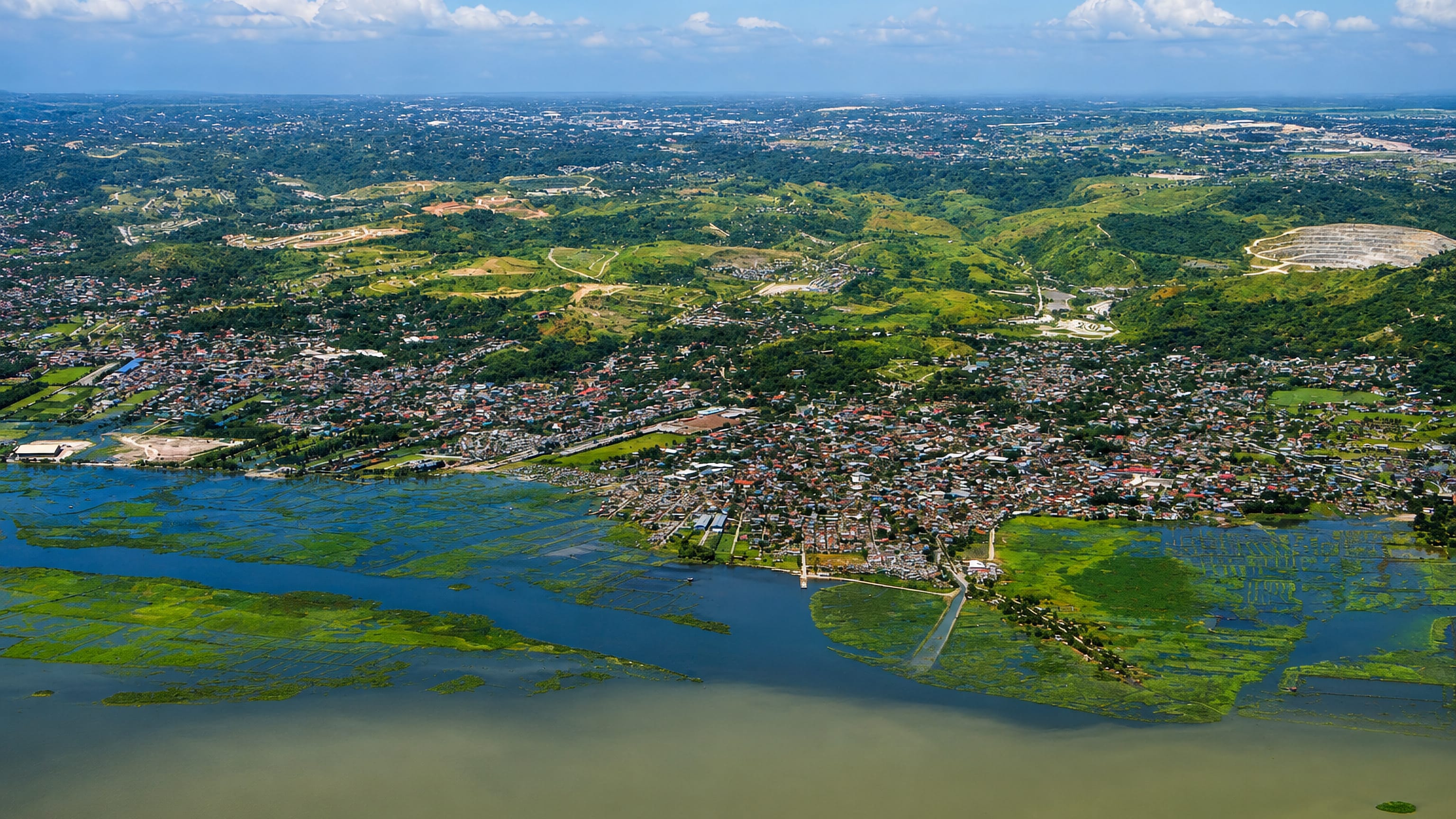
Angono is a municipality of Rizal inside the spread of Manila, promoted as the Art Capital of the Philippines and holding the Angono Petroglyphs.
Hotel links are affiliate links: booking through them may earn us a commission, at no extra cost to you. It never affects how places are ranked. How this works


Where to stay in Angono
Where visitors usually base themselves, and why.
Angono keeps a small-town core inside a very large conurbation. Rooms in the town itself are few, and they suit a visitor who wants the galleries and the parade route within walking distance rather than a choice of hotel brands, which matters most in the week of the Higantes Festival when the streets fill and the beds do not multiply. Book far ahead for that week.
Any other time of year the town is quiet enough that a bed among its narrow streets buys an uninterrupted night and a short walk to everything worth seeing. Manila is the practical alternative. Pasig lies close enough that the Pasig City Museum, the PhilSports Complex and a full range of hotels are all a short run from Rizal, and travellers who need capacity rather than atmosphere usually start there and come out for the day.
The trade-off is traffic. The same stretch of road can swallow a good part of the morning and then repeat itself at dusk. If you have come for the Angono Petroglyphs and the galleries, sleeping in the town saves a slow crawl through the sprawl each morning and leaves the parade route directly outside the door.
Find hotels in Angono
Direct booking searches for these neighbourhoods.
Angono town centre
The small-town core the papier-mâché giants are paraded through, with the galleries of the Art Capital of the Philippines a few streets from the few rooms. Rooms are few around here — worth securing early.Find hotels in Angono town centrehotel capacity within a short run of the Angono galleriesPasig
The nearest fully built stretch of the conurbation, where the Pasig City Museum and the PhilSports Complex mark the ground that carries the rooms Angono cannot.Find hotels in PasigHotel links are affiliate links: booking through them may earn us a commission, at no extra cost to you. It never affects how places are ranked. How this works
About Angono
Papier-mâché giants set the calendar.
What is Angono known for?
The Higantes Festival parades those effigies through Angono once a year, and the town trades on the same artistic standing for the other fifty-one weeks, promoted as the Art Capital of the Philippines on the strength of two Filipino artists who worked here. That claim has older roots. The Angono Petroglyphs sit at the far end of the same tradition, rock carvings that predate every museum and gallery now standing in this part of Rizal.
What are the main landmarks in Angono?
The Angono Petroglyphs are the entry that matters. Cut into rock and older than anything else on the roll, they anchor a list that otherwise runs to collections: the Pintô Art Museum, the Lopez Museum, Casa Santa Museum and the Philippine Army Museum all fall within reach of the town. Sport claims the rest.
The PhilSports Arena and the Ynares Center draw crowds that have nothing to do with art, while the Felix Y. Manalo National Historical Landmark and Santo Rosario de Pasig Church mark the older civic ground nearby.
What is the history of Angono?
The founding year on record is 1766. That gives Angono a formal existence in the second half of the eighteenth century, though the ground it occupies carries marks far older than any charter, because the Angono Petroglyphs were cut into rock long before a municipality existed to list them. Two histories overlap here.
The documented one begins with an eighteenth-century foundation in what is now Rizal, the undocumented one with those carvings, and the reputation the town lives on now rests at least as much on the second as on the first. Art made the name. Two Filipino artists working from Angono gave the town the standing it advertises as the Art Capital of the Philippines, and the Higantes Festival, whose papier-mâché effigies are carried through the streets each year, turned that standing into something visitors can watch rather than merely read about.
Manila then arrived. The conurbation spreading out of the capital reached across Rizal and folded the town into its edge, which is why a place of narrow streets now sits a short run from the Pasig City Museum, KidZania Manila and the Pasig World War II Memorial Monument, and why its own scale is the thing longtime visitors remark on first.
Where is Angono?
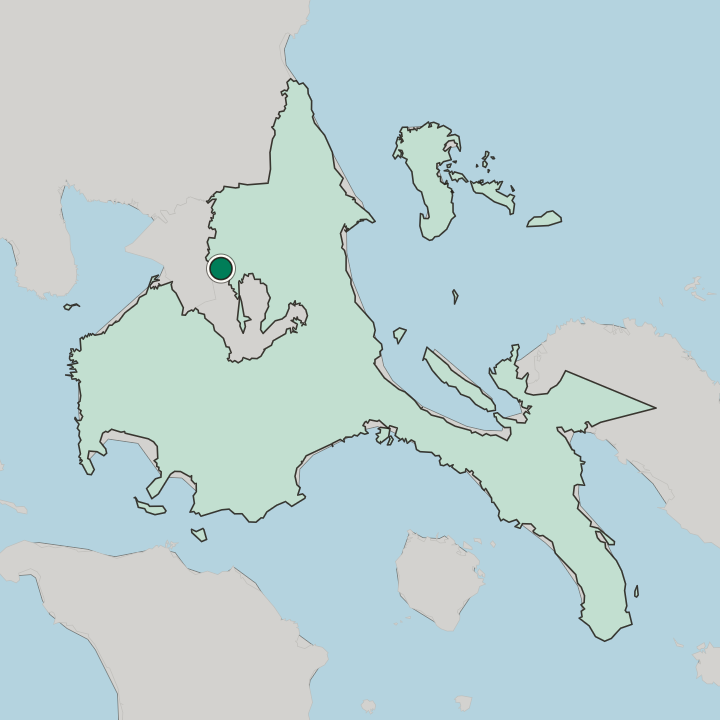
Angono is small, about 26 square kilometres of Rizal. Calabarzon frames the province around it, and the built-up area of Manila has grown out far enough to meet the town, so the line between the two reads as signage rather than as open country. Streets stay narrow here.
What keeps the place distinct is the scale of those streets and the fact that a parade of giants still fits along them, not any belt of farmland between the town and the capital.
What is the climate of Angono?
Angono shares the weather of Manila with no way out of it. Heat holds across the whole year in this corner of Rizal, and the wet months bring downpours heavy enough to empty the very streets the Higantes Festival otherwise fills, which puts the parade and the rain in direct competition. Shade is short in town.
Anyone walking between the galleries and the Angono Petroglyphs is better off treating the early hours as the working ones and letting the afternoon storm pass indoors.
How do you get to Angono?
Roads out of Manila bring everyone here. The Municipality of Angono lies inside the conurbation spreading from the capital, so arrivals come through Pasig and the built-up stretch of Rizal rather than through any terminal of its own, and the distance counts for far less than the traffic sitting on it. No airport serves the town.
Once inside Angono the streets are short enough to walk, which is the whole argument for sleeping here instead of commuting in on the morning of the parade.
Common questions
What is the best area to stay in Angono?
Angono town centre: Higantes Festival week and a walk to the Angono Petroglyphs. Pasig: hotel capacity within a short run of the Angono galleries.
Good for
More cities in Calabarzon
Updated October 2026