Philippines · Calabarzon
Where to Stay in Kawit, Calabarzon
Independence was proclaimed here. Kawit, a municipality in Cavite, is the hometown of Emilio Aguinaldo, first president of the Philippines.
Hotel links are affiliate links: booking through them may earn us a commission, at no extra cost to you. It never affects how places are ranked. How this works


Where to stay in Kawit
How the choice of base plays out on the ground.
Kawit fits into a small corner of Cavite. Roughly 25 square kilometres hold the whole municipality, so the practical question is not which quarter of a large city to pick but whether to sleep beside the Aguinaldo Shrine or out along the Binakayan side, and the two are a short run apart. Rooms cluster near the shrine.
Binakayan carries its own parish church. The Cathedral of Saint Michael the Archangel and the Shrine of the Five Wounds of Our Lord Jesus Christ appear on the same register as the Aguinaldo Shrine, which gives a short stay in Kawit more than one address to walk to. Tejeros is the other name on that list. Imus lies next door.
A traveller working through the revolutionary sites of Cavite will find the Imus Historical Museum and the Battle of Imus Monument recorded a short distance away, and basing there instead makes sense for anyone treating Kawit as one stop among several rather than as the destination. The Shrine of the National Flag stands on the same municipal ground, which puts three of the register's entries within one short circuit of each other. Kawit itself dates to 1587, which is old enough that the municipality was long established before any of the events that made its name.
Find hotels in Kawit
Direct booking searches for these neighbourhoods.
The Aguinaldo Shrine quarter
The Aguinaldo Shrine and the Shrine of the National Flag stand on this ground, which makes it the shortest walk to what Kawit is known for.Find hotels in The Aguinaldo Shrine quarterA quieter Kawit address away from the Aguinaldo Shrine trafficBinakayan
Binakayan keeps its own parish church at the far end of Kawit, and a room here sits among ordinary municipal streets rather than beside the shrines. Few places to stay nearby — book ahead.Find hotels in BinakayanTouring the Imus Historical Museum and the Battle of Imus Monument as wellImus, the neighbouring town
The Imus Historical Museum and the Battle of Imus Monument are recorded next door to Kawit, so basing in Imus suits a route through several Cavite sites.Find hotels in Imus, the neighbouring townHotel links are affiliate links: booking through them may earn us a commission, at no extra cost to you. It never affects how places are ranked. How this works
Things to do in Kawit
Ranked by global recognition; descriptions from Wikidata (CC0).
Museums & Galleries
3- Aguinaldo Shrine Heritage
- Baldomero Aguinaldo Shrine Heritage
- Casa Hacienda de Tejeros
Churches & Religious Sites
2- Shrine of the Five Wounds of Our Lord Jesus Christ
- St.Michael the Archangel Parish of Binakayan
worth knowingacross 2 categories in Kawit
About Kawit
The proclamation of 1898 happened here.
What is Kawit known for?
Emilio Aguinaldo, the first president of the Philippines, came from this municipality, and the Aguinaldo Shrine on the landmark register is the reason a great many visitors make the trip out into Cavite. The Shrine of the National Flag stands nearby. Baldomero Aguinaldo Shrine records a second name from the same family, and Casa Hacienda de Tejeros carries the name of Tejeros into the list alongside it.
What are the main landmarks in Kawit?
Eleven entries make the list. The Aguinaldo Shrine leads it, and behind that come the Baldomero Aguinaldo Shrine, the Shrine of the National Flag and the Shrine of the Five Wounds of Our Lord Jesus Christ, all clustered in the same corner of Cavite. Casa Hacienda de Tejeros is the other name that recurs.
Further out, the Diocesan Shrine of Our Lady of Solitude of Porta Vaga, San Roque Parish Church and the Ladislao Diwa Shrine belong to the same provincial register.
What is the history of Kawit?
The date on the record is 1587. Kawit was already three centuries old when the events that gave it a national name arrived, and that long stretch of ordinary municipal existence is why churches and shrines account for most of what stands on its landmark register. Then came 1898.
Philippine independence was proclaimed in Kawit that year, and Emilio Aguinaldo, who came from this municipality, became the first president of the Philippines. Aguinaldo is not the only name. Baldomero Aguinaldo has a shrine of his own in Kawit, the Ladislao Diwa Shrine records another figure from the same period, and the Battle of Imus Monument carries the name of the neighbouring town of Imus.
Casa Hacienda de Tejeros brings Tejeros onto the list. The Shrine of the National Flag belongs to the same commemorative group, and the Aguinaldo Shrine remains the building most closely tied to what happened in Kawit in 1898. Cavite frames all of it.
The province holds the Imus Historical Museum and the Porta Vaga church at San Roque alongside Kawit's own shrines, and Calabarzon is the region that contains the whole group, which is why a historical route through this area rarely stops at one municipality.
Where is Kawit?
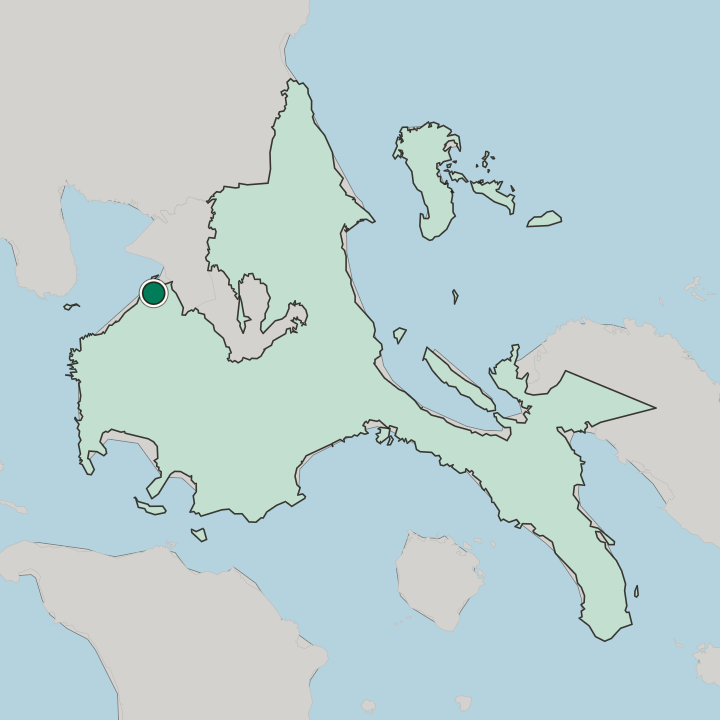
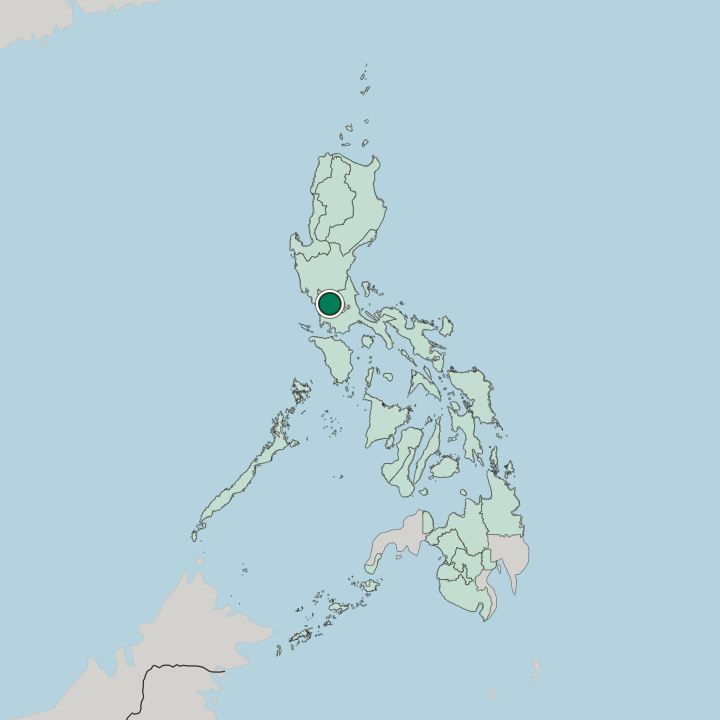
Roughly 25 square kilometres make up Kawit. That is a compact footprint for a municipality carrying eleven entries on its landmark register, and Binakayan together with the ground around the Aguinaldo Shrine takes up a fair share of it. Cavite is the province.
Calabarzon frames the province in turn, and the whole municipal area falls inside the tropics, where the year divides into wet and dry rather than into warm and cold.
What is the climate of Kawit?
Rainfall sets the calendar here. Kawit sits in the tropical band of the northern hemisphere, which keeps the thermometer steady enough that the year is measured by how wet a month turns out rather than by how warm it is. Dry stretches favour the shrines.
Walking between the Aguinaldo Shrine, Binakayan and Casa Hacienda de Tejeros is easier outside the wet months, and the same holds across Cavite and the rest of Calabarzon.
How do you get to Kawit?
Arrival is a matter of driving. Nothing in the record gives Kawit an airport, a railway station or a ferry berth, which leaves the provincial road network of Cavite as the means of arrival for anyone coming to see the Aguinaldo Shrine. Imus is close by.
A journey that takes in the Imus Historical Museum and the Battle of Imus Monument can reach Binakayan and the rest of Kawit inside the same province.
Common questions
What is the best area to stay in Kawit?
The Aguinaldo Shrine quarter: Visitors whose reason for coming is the Aguinaldo Shrine itself. Binakayan: A quieter Kawit address away from the Aguinaldo Shrine traffic. Imus, the neighbouring town: Touring the Imus Historical Museum and the Battle of Imus Monument as well.
Good for
More cities in Calabarzon
Updated October 2026