Philippines · Calabarzon
Where to Stay in Lipa City, Calabarzon
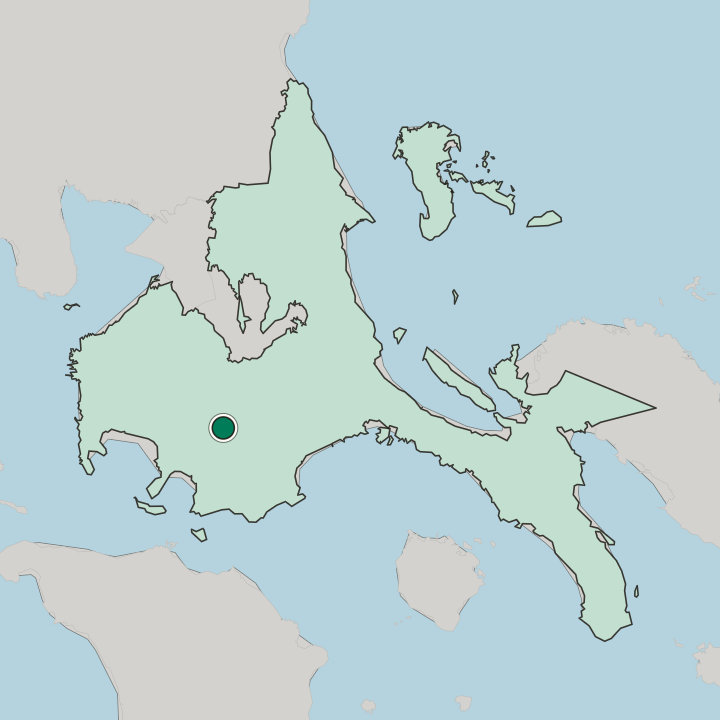
Lipa City sits in the middle of Batangas, second largest in the province by land area, with Taal Lake off to its west.
Hotel links are affiliate links: booking through them may earn us a commission, at no extra cost to you. It never affects how places are ranked. How this works


Where to stay in Lipa City
Where the beds are, and what that means for the visit.
Distance decides here first. Lipa City takes in two hundred and nine square kilometres, the second largest area in Batangas, so a bed at one edge sits a long way from the centre where the provincial trade actually happens. Casa de Segunda marks the old core.
Rooms near it put the heritage house and the churches that give the city its religious standing within walking reach of each other, which is rare on ground this wide. The ring of neighbours matters more than it looks. Malvar sits on the northern boundary, Ibaan and San Jose to the south, and a stay in Lipa City puts each of them within a day's driving.
Taal Lake is the draw of the western side. A base kept toward Cuenca or Mataasnakahoy trades the convenience of the centre for the shorter run out to the water, which suits a trip built around the lake. Book central for business.
Anyone in Batangas for meetings, church errands or the trade that the province routes through the city will lose the least time in the streets around Casa de Segunda.
Find hotels in Lipa City
Direct booking searches for these neighbourhoods.
The streets around Casa de Segunda
Casa de Segunda and the provincial trade of Lipa City share the same few streetsFind hotels in The streets around Casa de SegundaTrips out to Taal Lake by way of Cuenca and MataasnakahoyThe western side toward Taal Lake
The shortest run from Lipa City to the water, paid for in distance from the centre. Beds are limited here, so book early.Find hotels in The western side toward Taal LakeStays that break the drive between Lipa City and MalvarThe Malvar edge
The northern boundary of the city, quieter than the centre and pointed at the road to Malvar. Beds are limited here, so book early.Find hotels in The Malvar edgeHotel links are affiliate links: booking through them may earn us a commission, at no extra cost to you. It never affects how places are ranked. How this works
About Lipa City
Trade and churches.
What is Lipa City known for?
Lipa City works as the economic and religious centre of Batangas, a role that fills its streets with provincial business rather than with visitors. Casa de Segunda survives from the older town. Around it the city runs out across two hundred and nine square kilometres, the second largest area in the province, reaching west towards Taal Lake and north to the boundary with Malvar.
What are the main landmarks in Lipa City?
Casa de Segunda is the one named house. The city's landmark record holds that single heritage property, which puts the interest of Lipa City in its standing as the religious centre of Batangas rather than in a list of monuments. Everything else here is church ground.
Provincial worship concentrates here, and the ground around the old core is where that role shows, with Taal Lake and the towns of Cuenca and Mataasnakahoy lying beyond the western edge.
What is the history of Lipa City?
The date on file is 1702. Lipa City has carried that founding year through every change in the province since, and the City of Lipa is the formal style the record uses. Batangas gave it a role early.
The city grew into the economic and religious centre of the province, a double function that still explains what stands in its streets. Casa de Segunda is what the older town left standing. The house survives as the city's single listed heritage property, which says as much about how thoroughly Lipa City has been rebuilt as it does about the house.
Land came before buildings. Two hundred and nine square kilometres make this the second largest city in Batangas by area, ground that the city has never filled in full. The neighbours fix its position.
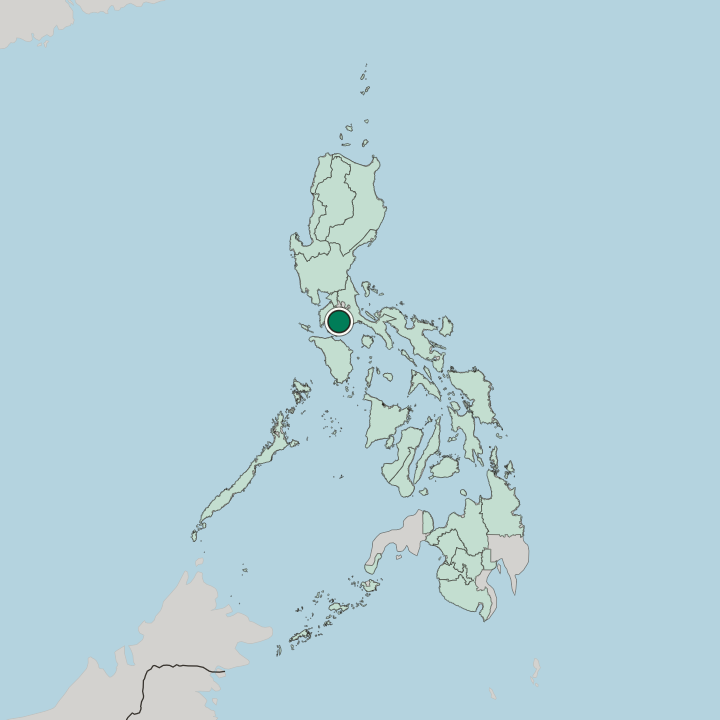
Malvar to the north, San Pablo, Alaminos and San Antonio to the east, Padre Garcia, San Jose and Ibaan to the south, and Cuenca, Mataasnakahoy and Taal Lake to the west, the ring of names is how the province has always located Lipa. The region above them is Calabarzon. Batangas sits inside it alongside the provinces around it, and Lipa keeps its place there as one of the larger component cities of the Philippines.
Where is Lipa City?
Two hundred and nine square kilometres of Batangas. Lipa City lies about the middle of the province, with Malvar on the northern side, San Pablo, Alaminos and San Antonio east, Padre Garcia, San Jose and Ibaan south, and Cuenca, Mataasnakahoy and Taal Lake west. Water lies to one side only.
The tropical band covers the whole of it, so the year divides by rain rather than by temperature across every one of those boundaries.
What is the climate of Lipa City?
Rain runs the year here. Taal Lake lies west of Lipa City, and the wet stretch that crosses Batangas fills the months when travel out to that side of the province gets slowest. Dry months are the practical ones.
Heat sits on the city through both halves of the cycle, so what changes between one part of the year and the next is rainfall alone.
How do you get to Lipa City?
The neighbours set the approach. Lipa City is reached from Malvar in the north, from Ibaan and San Jose in the south, and from Cuenca and Mataasnakahoy on the western side, so the route in depends on which part of Batangas the trip starts in. Nothing inside is far.
The provincial roads converge on the centre near Casa de Segunda, and the rest of the two hundred and nine square kilometres runs off from there.
Common questions
What is the best area to stay in Lipa City?
The streets around Casa de Segunda: Business at the economic centre of Batangas. The western side toward Taal Lake: Trips out to Taal Lake by way of Cuenca and Mataasnakahoy. The Malvar edge: Stays that break the drive between Lipa City and Malvar.
Good for
More cities in Calabarzon
Updated September 2026