Philippines · Calabarzon
Where to Stay in San Mateo, Calabarzon
San Mateo is a Rizal town known for the Diocesan Shrine and Parish of Nuestra Señora de Aranzazu.
Hotel links are affiliate links: booking through them may earn us a commission, at no extra cost to you. It never affects how places are ranked. How this works


Where to stay in San Mateo
Where visitors usually base themselves, and why.
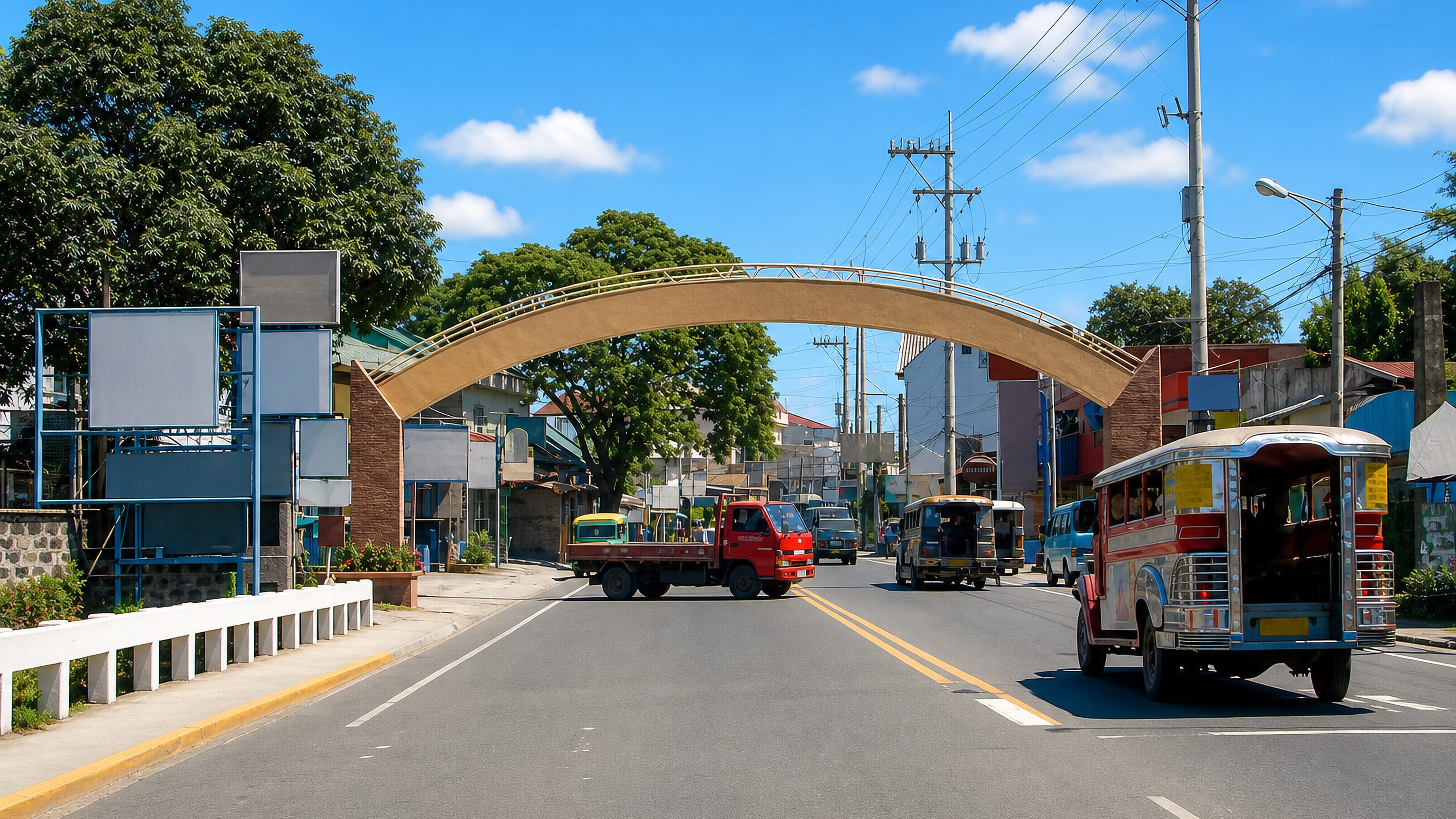
Three considerations shape a stay in San Mateo, and none of them is a view. The first is the church. Rooms near the Diocesan Shrine and Parish of Nuestra Señora de Aranzazu put a traveller in the oldest and most walkable part of the town, where the shops, the market trade and the parish life are all within a few streets of each other.
The second is the through-road. Beds along it are aimed at people breaking a journey into the northern part of Rizal rather than at anyone lingering, which makes them easy to book and dull to occupy. Nothing about that stretch is memorable, though it is the simplest way to be moving again early.
The third is Marikina. Basing on that side, near the Marikina Sports Complex or the Marikina Shoe Museum, buys a much wider choice of rooms and turns San Mateo into a morning rather than a base. Day trips work well here.
Avilon Zoo, Santo Tomas de Villanueva Church and the Armed Forces of the Philippines Museum all sit within the same radius, so a room on the urban side rarely costs much time.
Find hotels in San Mateo
Direct booking searches for these neighbourhoods.
Around the Aranzazu shrine
The Diocesan Shrine and Parish of Nuestra Señora de Aranzazu anchors the oldest San Mateo streets, with the shops and the market trade a few doors away.Find hotels in Around the Aranzazu shrineBreaking a drive toward the northern part of Rizal provinceThe through-road
Rooms along the San Mateo through-road are built for travellers restarting a journey early, and offer nothing to anyone planning to stay put.Find hotels in The through-roadA wider room choice near the Marikina Shoe Museum, an outing from San MateoThe Marikina side
The built-up ground around the Marikina Sports Complex and the Marikina Shoe Museum carries far more beds than San Mateo itself, and sits within easy reach of it.Find hotels in The Marikina sideHotel links are affiliate links: booking through them may earn us a commission, at no extra cost to you. It never affects how places are ranked. How this works
Things to do in San Mateo
Ranked by global recognition; descriptions from Wikidata (CC0).
Museums & Galleries
3- Marikina Shoe Museum
- Armed Forces of the Philippines Museum
- Ateneo Art Gallery
Churches & Religious Sites
1- Diocesan Shrine and Parish of Nuestra Señora de Aranzazu Heritage
Stadiums & Sports
1- Blue Eagle Gym
worth knowingacross 3 categories in San Mateo
About San Mateo
Position is what San Mateo trades on.
What is San Mateo known for?
Traffic heading for the northern part of the province of Rizal passes through the town, and that has made it a place of movement more than a destination, known chiefly by the church at its heart. That church is the Diocesan Shrine and Parish of Nuestra Señora de Aranzazu. The Marikina Sports Complex lies within a short outing.
What are the main landmarks in San Mateo?
The Diocesan Shrine and Parish of Nuestra Señora de Aranzazu is San Mateo's own landmark, and the one that gives the town its calendar. Everything else is an outing. Within the surrounding radius stand the Smart Araneta Coliseum, the Quezon Memorial Shrine, the Bantayog ng mga Bayani and the Ninoy Aquino Parks & Wildlife Center, while Avilon Zoo and the Real Monasterio de Santa Clara lie in the other direction.
Museums are thick on that side. The Ateneo Art Gallery, the PAGASA Planetarium and the Armed Forces of the Philippines Museum are all reachable from a San Mateo base.
What is the history of San Mateo?
San Mateo was established in 1908, and the shape of the town predates the paperwork. Church life ran ahead of that date. The Diocesan Shrine and Parish of Nuestra Señora de Aranzazu carries its dedication in Spanish, a name that reaches back well beyond the founding of the modern municipality, and the streets nearest it remain the oldest ground in the town.
Traffic settled the rest. Movement toward the northern part of the province of Rizal has passed this way for as long as there have been roads to take, and San Mateo grew along that line rather than around a square. The pattern still shows.
Newer building has thickened the town on the side facing the urban area, with Marikina and its neighbours pressing up against the municipal boundary, while the older lanes behind the shrine keep their scale. Two San Mateos exist at once. One belongs to the parish and the market, the other to the traffic that has always been on its way somewhere else in the Philippines.
Where is San Mateo?
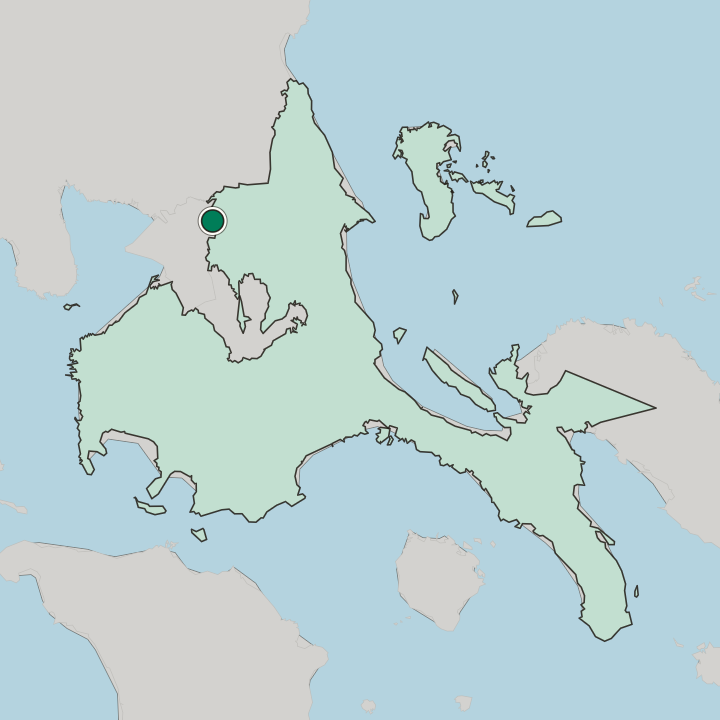
San Mateo occupies a middle-sized stretch of Rizal, neither a city block nor open country. Crossing it does not take long. The built-up part gathers along the routes running toward the northern part of the province, with the older lanes clustered behind the Diocesan Shrine and Parish of Nuestra Señora de Aranzazu and the newer growth pushing out toward the boundary it shares with the wider urban area.
What is the climate of San Mateo?
Wet and dry cover the whole year. San Mateo runs warm right through the year, and it is the monsoon rain rather than the temperature that separates one half of the calendar from the other across this part of Rizal. The wet months are heavy.
Streets around the Diocesan Shrine and Parish of Nuestra Señora de Aranzazu take the downpours in short bursts, and the drier stretch that follows is when the town is easiest to cross on foot.
How do you get to San Mateo?
San Mateo is reached by road and by road only. Everything arrives that way. Traffic bound for the northern part of Rizal runs through the town, so the services working that corridor stop here as a matter of course, and the journey in from the urban side is short in distance and unpredictable in time.
Common questions
What is the best area to stay in San Mateo?
Around the Aranzazu shrine: The oldest San Mateo streets, beside the Nuestra Señora de Aranzazu shrine. The through-road: Breaking a drive toward the northern part of Rizal province. The Marikina side: A wider room choice near the Marikina Shoe Museum, an outing from San Mateo.
Good for
More cities in Calabarzon
Updated October 2026