Philippines · Calabarzon
Where to Stay in Santo Tomas, Calabarzon
Santo Tomas is a city in Batangas province, founded in 1666, and it carries shrines to Apolinario Mabini, Paciano Rizal and Padre Pio.
Hotel links are affiliate links: booking through them may earn us a commission, at no extra cost to you. It never affects how places are ranked. How this works


Where to stay in Santo Tomas
How the choice of base plays out on the ground.
Beds here follow the shrine circuit. The Apolinario Mabini Shrine and the General Paciano Rizal Shrine are the two memorial addresses most visitors pair, and a room within reach of both turns the visit into a single walking morning rather than a sequence of separate drives. The Malvar Shrine belongs to that same circuit, so a base chosen for one of the three usually serves all of them.
Santo Tomas covers roughly ninety-five square kilometres, which is wide enough that the choice of side matters. Pilgrims book differently. The Padre Pio Shrine is a devotional destination rather than a museum stop, so a bed near it suits you if the shrine itself, and not the memorial houses, is the reason for the trip.
The UPLB Museum of Natural History is the one collection rather than a memorial, and rooms taken with it in mind sit on that side of Santo Tomas. Batangas has larger towns. Anyone unable to find a room in Santo Tomas itself can work the city as a day trip from elsewhere in Batangas or the wider Calabarzon region, since the shrines and the museum together fill less than a full day.
The founding year is 1666.
Find hotels in Santo Tomas
Direct booking searches for these neighbourhoods.
Mabini and Paciano Rizal shrine side
The memorial quarter holding the Apolinario Mabini Shrine and the General Paciano Rizal Shrine.Find hotels in Mabini and Paciano Rizal shrine sideA devotional stay built around the Padre Pio ShrinePadre Pio Shrine surrounds
The ground immediately around the Padre Pio Shrine, the devotional destination of Santo Tomas.Find hotels in Padre Pio Shrine surroundsReaching the Malvar Shrine first on the memorial runMalvar Shrine side
The side of Santo Tomas that puts the Malvar Shrine ahead of the other two shrines.Find hotels in Malvar Shrine sideCollections at the UPLB Museum of Natural HistoryUPLB museum side
The part of the city nearest the UPLB Museum of Natural History and its collections.Find hotels in UPLB museum sideHotel links are affiliate links: booking through them may earn us a commission, at no extra cost to you. It never affects how places are ranked. How this works
About Santo Tomas
Shrines define the visitor map.
What is Santo Tomas known for?
Santo Tomas holds the General Paciano Rizal Shrine, the Apolinario Mabini Shrine and the Malvar Shrine, three memorial sites within one city of roughly ninety-five square kilometres, and the Padre Pio Shrine adds a devotional destination alongside them. The UPLB Museum of Natural History rounds out the list. Batangas province supplies the wider setting, the city sits within Calabarzon, and the founding year on record is 1666.
What are the main landmarks in Santo Tomas?
Four of the five named sites are shrines. The General Paciano Rizal Shrine, the Apolinario Mabini Shrine and the Malvar Shrine commemorate figures whose names the buildings keep, and the Padre Pio Shrine stands apart from them as a place of devotion rather than remembrance. One is a museum.
The UPLB Museum of Natural History holds the city's one collection, which gives Santo Tomas a natural-history stop to set against its memorial ones.
What is the history of Santo Tomas?
The founding on record falls in 1666. That date puts the city's origin in the seventeenth century, and it is the one firm anchor the record supplies for how Santo Tomas began, with no earlier marker and little between it and the memorial sites standing in the city. Batangas frames the rest.
The province and the wider Calabarzon region carry the administrative story, while the city's own record narrows to a founding year and a short list of named buildings. Those buildings do the remembering. Three of them are memorial shrines.
The General Paciano Rizal Shrine, the Apolinario Mabini Shrine and the Malvar Shrine each keep the name of the figure they commemorate, and together they make Santo Tomas a place read through the people it marks rather than through events dated to it. Devotion accounts for the fourth. The Padre Pio Shrine belongs to a different tradition from the memorial houses, and its presence gives the city a religious draw that sits alongside the historical one instead of replacing it.
The UPLB Museum of Natural History is the one institution on the list that is a collection rather than a commemoration, and it points the city's public life toward study as well as memory. Beyond that, the record goes quiet.
Where is Santo Tomas?
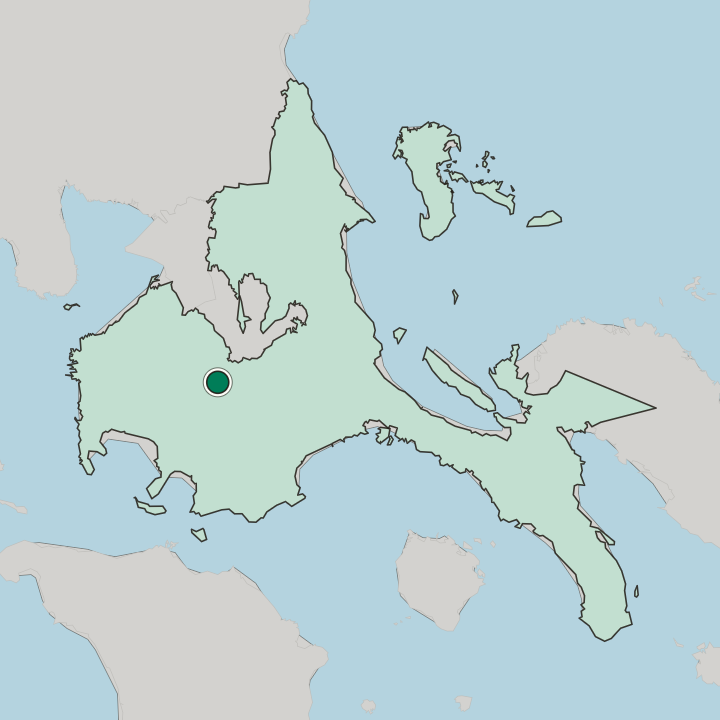
Santo Tomas covers roughly ninety-five square kilometres. That is a large footprint for one city, and it means the boundary takes in far more ground than the shrines and the museum that give Santo Tomas its public face. Batangas province holds it.
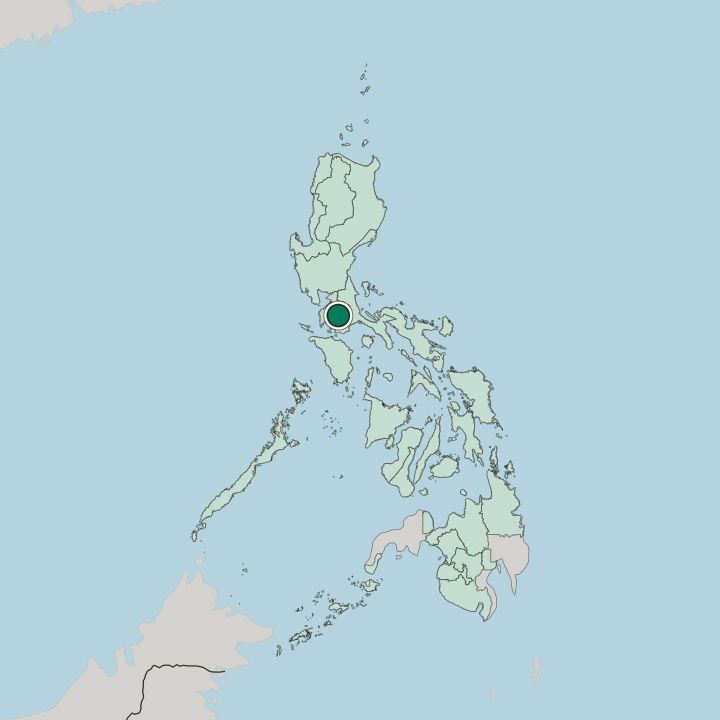
Calabarzon is the region above that, and the record carries no river, coast or upland inside the city boundary, so Santo Tomas has no single natural feature standing as its landmark.
What is the climate of Santo Tomas?
No weather record accompanies this city. Nothing in the file for Santo Tomas fixes a rainfall total, a season length or a temperature range, so any claim about its climate would be borrowed from Batangas at large rather than measured here. Shade still governs the walking.
Between the Malvar Shrine, the Apolinario Mabini Shrine and the Padre Pio Shrine there is ground to cross on foot or by car, and the UPLB Museum of Natural History supplies the one indoor hour when the middle of the day turns uncomfortable.
How do you get to Santo Tomas?
The record names no terminal here. Santo Tomas sits inside Batangas and within the Calabarzon region, so arrivals come overland from elsewhere in the province rather than through any airport or port belonging to the city itself. Distances are provincial, not national.
Visitors usually reach the Apolinario Mabini Shrine and the General Paciano Rizal Shrine as part of a wider Batangas run, and the UPLB Museum of Natural History and the Padre Pio Shrine fall on the same day's driving.
Common questions
What is the best area to stay in Santo Tomas?
Mabini and Paciano Rizal shrine side: Pairing the Apolinario Mabini Shrine with the General Paciano Rizal Shrine on foot. Padre Pio Shrine surrounds: A devotional stay built around the Padre Pio Shrine. Malvar Shrine side: Reaching the Malvar Shrine first on the memorial run. UPLB museum side: Collections at the UPLB Museum of Natural History.
Good for
More cities in Calabarzon
Updated October 2026