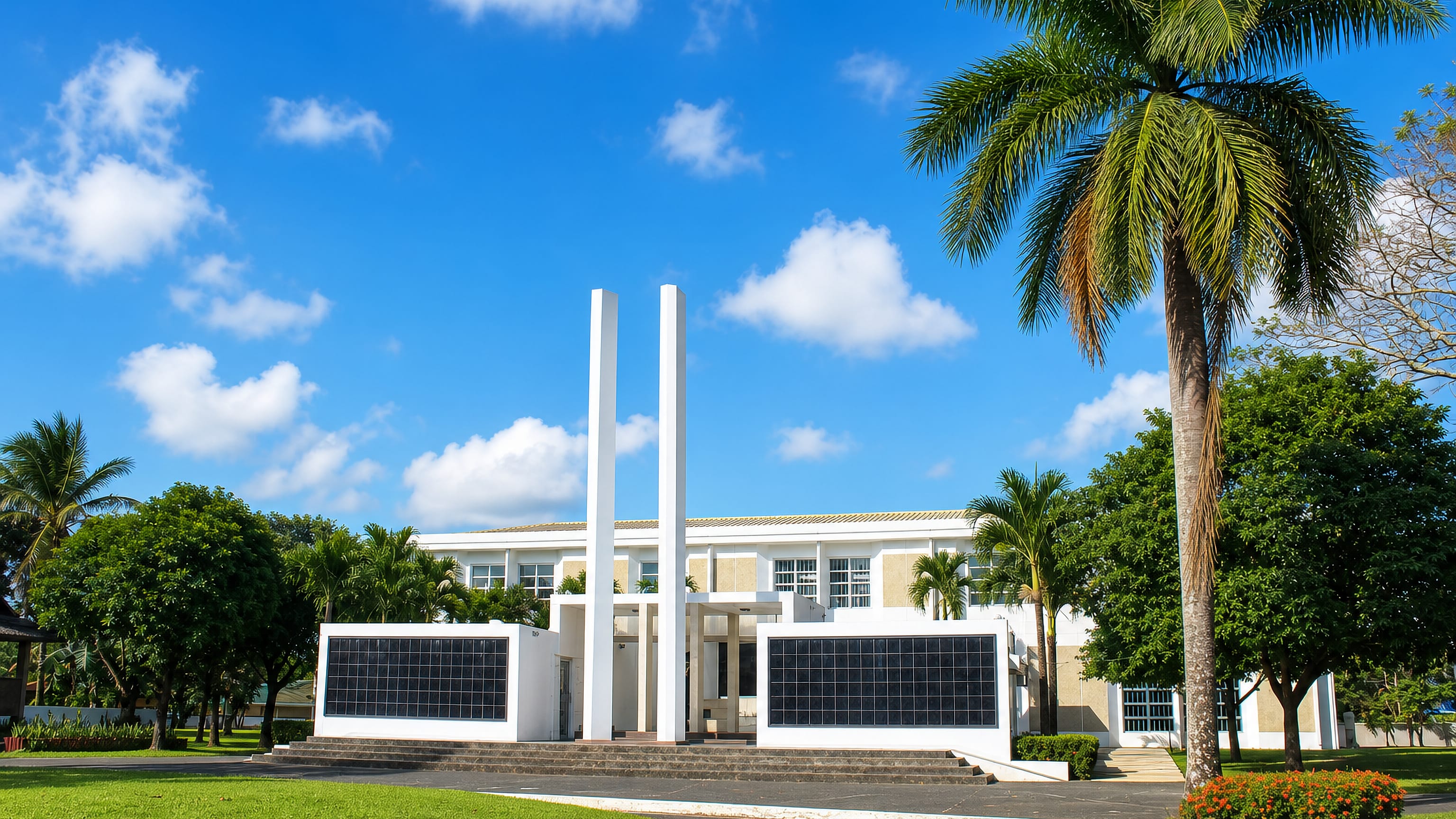
Philippines · Calabarzon
Where to Stay in Tanauan, Calabarzon
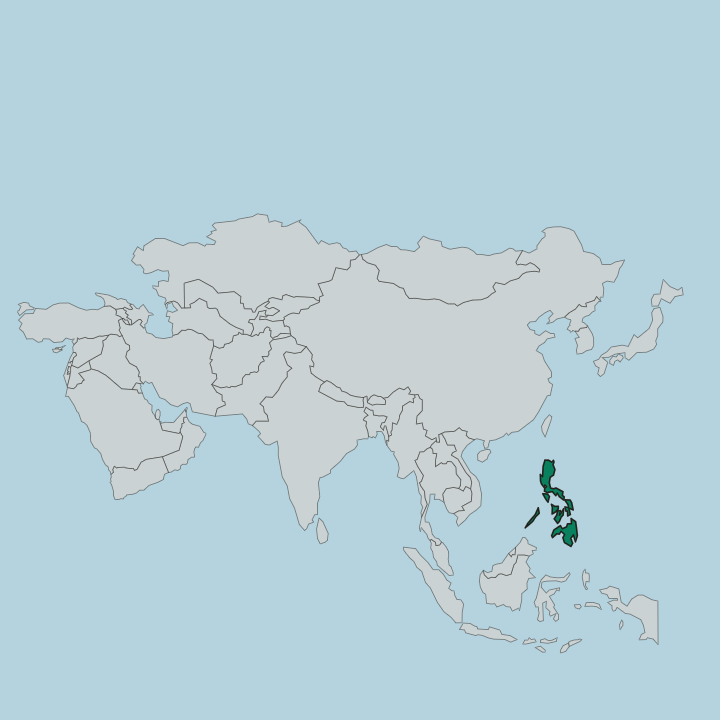
Shrines outnumber everything else. Tanauan is a component city in Batangas, part of the Calabarzon region of the Philippines.
Hotel links are affiliate links: booking through them may earn us a commission, at no extra cost to you. It never affects how places are ranked. How this works


Where to stay in Tanauan
How the choice of base plays out on the ground.
The city's footprint is broad. Roughly 107 square kilometres sit under the city name, which is a lot of ground for a place whose recorded attractions come down to three shrines, so the choice of a room is really a choice of which shrine to be near. The Padre Pio Shrine draws one kind of visit.
Apolinario Mabini draws another. The shrine that carries his name and the Malvar Shrine both sit inside the same city boundary, and a stay arranged around them is an errand of a day rather than a week, which is worth knowing before booking several nights. Batangas has other towns within reach.
The City of Tanauan works best as a base for the province rather than as a destination on its own, since a traveller who wants more than the three shrines will be looking outward into Batangas and the wider Calabarzon region for the rest of the trip. Founding dates back to 1754. That depth does not show in the landmark record, which holds nothing older than the shrines themselves, so the appeal of a night here is convenience within Batangas rather than a historic quarter to walk.
Find hotels in Tanauan
Direct booking searches for these neighbourhoods.
Near the Apolinario Mabini Shrine
The Apolinario Mabini Shrine is the entry most visitors to Tanauan come for, and a room on this side of the city keeps that visit to a short walk.Find hotels in Near the Apolinario Mabini ShrineSecond-day visits taking in the Malvar ShrineThe Malvar Shrine side
The Malvar Shrine sits within the same Tanauan boundary but away from the busier ground, which suits a traveller pairing it with the rest of Batangas. Rooms are few around here — worth securing early.Find hotels in The Malvar Shrine sidePilgrimage stays centred on the Padre Pio ShrineAround the Padre Pio Shrine
The Padre Pio Shrine brings a different kind of visitor to Tanauan than the two commemorative shrines do, and this is the corner of the City of Tanauan such a visit is arranged around. Beds are limited here, so book early.Find hotels in Around the Padre Pio ShrineHotel links are affiliate links: booking through them may earn us a commission, at no extra cost to you. It never affects how places are ranked. How this works
About Tanauan
Three shrines carry the record.
What is Tanauan known for?
The Apolinario Mabini Shrine, the Malvar Shrine and the Padre Pio Shrine are the three entries held for Tanauan, which makes commemoration rather than commerce the thing the city is registered for. Apolinario Mabini gives the first its name. The founding year on record is 1754, and the City of Tanauan takes in roughly 107 square kilometres of Batangas.
What are the main landmarks in Tanauan?
Three names, and no more. The Apolinario Mabini Shrine and the Malvar Shrine account for the commemorative side of the register, while the Padre Pio Shrine covers the devotional one. Past those three shrines the record closes.
A city of roughly 107 square kilometres in Batangas with only three listed entries is thinner on monuments than its size would suggest, and the shrines rather than any old street plan are what the record preserves.
What is the history of Tanauan?
The founding year is 1754. That places the beginnings of Tanauan in the middle of the eighteenth century, and the settlement has carried the same name through the centuries that followed without adopting another. Earlier layers are missing from the record.
The shrines on the register carry names rather than dates, which leaves the eighteenth-century town without a monument of its own. Apolinario Mabini is the name that travels furthest. A shrine in Tanauan carries it, and the Malvar Shrine stands beside it on the same short list, so the city's public memory is built around individuals rather than around battles or buildings.
The Padre Pio Shrine belongs to a different tradition. Devotion rather than history put it there, and its presence gives the City of Tanauan two distinct reasons for people to arrive, one of them owing nothing at all to the eighteenth century. Batangas frames the account.
The province sits inside Calabarzon, and Tanauan's status as a component city places it under provincial government rather than apart from it, which is the arrangement that has held since city status arrived. Roughly 107 square kilometres came with it.
Where is Tanauan?
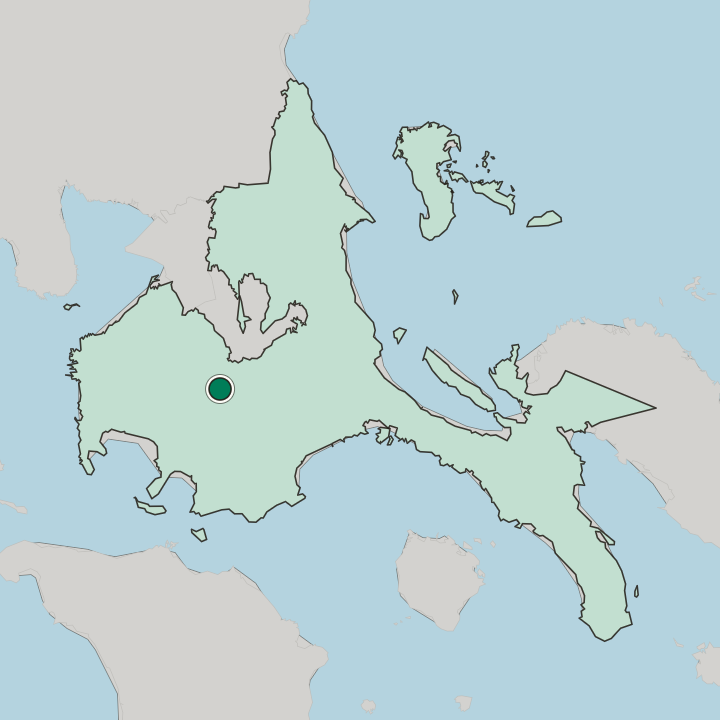
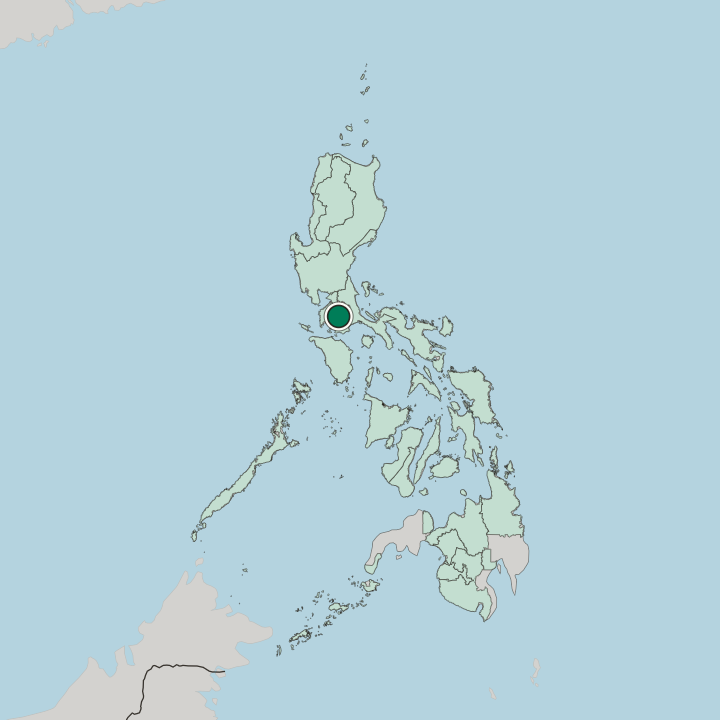
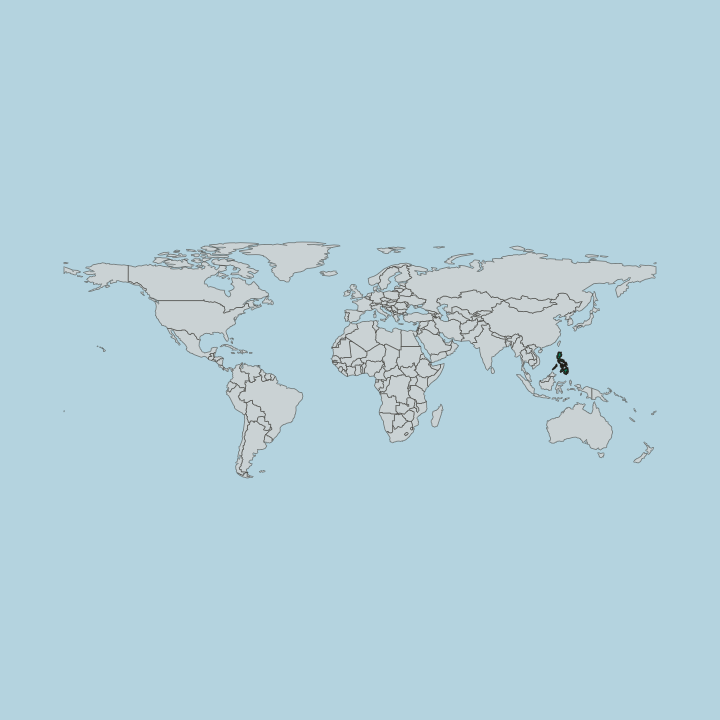
Batangas province holds Tanauan inside it, and the city boundary encloses roughly 107 square kilometres, which is a wide envelope for a component city. Calabarzon is the region above. Land here sits in the tropical band north of the equator.
Nothing in the record marks a mountain, a river or a coast inside the boundary, so the shape of the place is administrative more than it is physical.
What is the climate of Tanauan?
Seasons come as rain. Batangas lies inside the tropics, so the year in Tanauan is sorted into wetter and drier stretches instead of into the four seasons that shape travel further north, and the temperature moves within a narrow band throughout. Shrine visits favour the drier months.
A pilgrimage to the Padre Pio Shrine reads differently in a downpour than under a dry sky, and the wet calendar rather than the heat is what shapes the timing of a visit.
How do you get to Tanauan?
Every arrival here comes by road. The record for Tanauan lists no station, airport or harbour, which leaves the provincial roads of Batangas doing the whole job of connecting the city to Calabarzon and beyond. Distances inside the boundary are not short.
A traveller heading for the Apolinario Mabini Shrine and then the Padre Pio Shrine crosses a fair part of roughly 107 square kilometres to do both in one day.
Common questions
What is the best area to stay in Tanauan?
Near the Apolinario Mabini Shrine: A stay built around the Apolinario Mabini Shrine. The Malvar Shrine side: Second-day visits taking in the Malvar Shrine. Around the Padre Pio Shrine: Pilgrimage stays centred on the Padre Pio Shrine.
Good for
More cities in Calabarzon
Updated September 2026