Poland · Lower Silesian Voivodeship
Where to Stay in Głogów, Lower Silesian Voivodeship
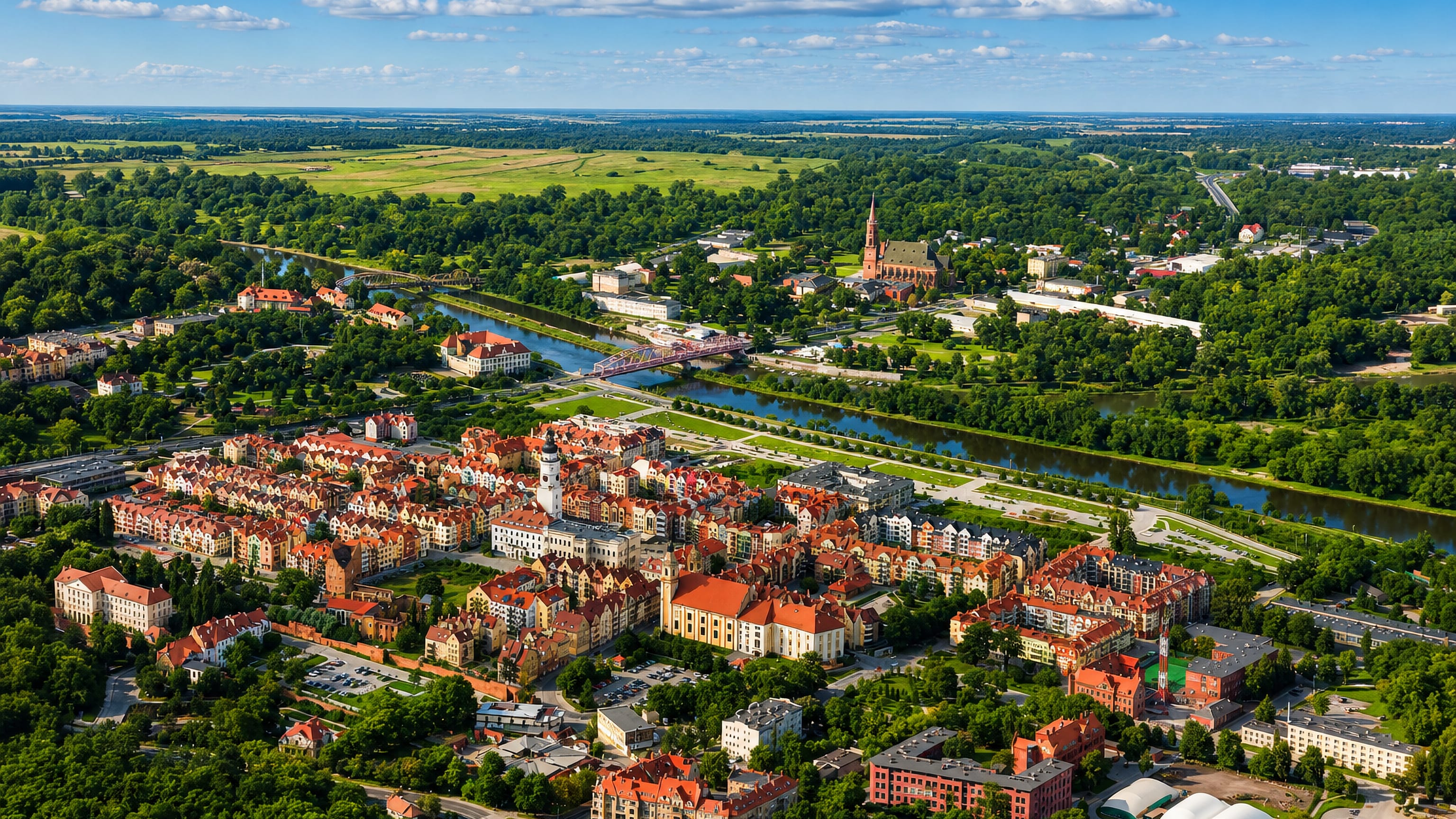
Głogów, seat of Głogów County in the Lower Silesian Voivodeship, is a copper town rebuilt around the Castle of the Dukes of Głogów.
Hotel links are affiliate links: booking through them may earn us a commission, at no extra cost to you. It never affects how places are ranked. How this works


Where to stay in Głogów
How the choice of base plays out on the ground.
Two anchors set the choice in Głogów: the Castle of the Dukes of Głogów on one side and the Collegiate Church in Głogów on the other. Between them is the rebuilt centre. Rooms in that stretch put the Town hall in Głogów, the Museum of Archeology and History in Głogów and the shortest of the walks on the doorstep, which is the arrangement that suits a stay of one or two nights.
The centre also keeps the food. Work brings as many people here as sightseeing does. The copper district accounts for a good share of the beds, and stays tied to it tend to sit away from the old streets, closer to the roads out through Głogów County than to the Church of St. Nicholas in Głogów.
Quiet comes cheaply out there. Anyone with a car can take a room on the outer roads and lose little, since the distance back to the Defensive walls in Głogów is small and parking is easier past the last of the rebuilt frontages. Rapocin and the villages around it hold very few rooms of any kind, so plan on the city itself unless you have arranged something in advance.
Find hotels in Głogów
Direct booking searches for these neighbourhoods.
The rebuilt centre by the castle
Głogów's reconstructed streets put the castle, the town hall and the museums in one blockFind hotels in The rebuilt centre by the castleEvenings around the Collegiate Church in Głogów and the old wall lineBeside the Collegiate Church
The church end of Głogów keeps the copper-district traffic on the far side of townFind hotels in Beside the Collegiate ChurchDrivers working the copper district and the villages of Głogów CountyThe county roads out of Głogów
Parking is straightforward past the Defensive walls in Głogów, with Rapocin on the same run. Lodging is scarce in this area; reserve in advance.Find hotels in The county roads out of GłogówHotel links are affiliate links: booking through them may earn us a commission, at no extra cost to you. It never affects how places are ranked. How this works
Things to do in Głogów
Ranked by global recognition; descriptions from Wikidata (CC0).
Museums & Galleries
1- Museum of Archeology and History in Głogów
Churches & Religious Sites
7- Collegiate Church in Głogów Heritage
- Church of St. Nicholas in Głogów Heritage
- Corpus Christi church in Głogów Heritage
- Saint Lawrence church in Rapocin Heritage
- Saint Lawrence church in Głogów Heritage
Show 2 more →
- kościół Apostołów Szymona i Judy Tadeusza w Jaczowie Heritage
- kaplica morowa w Słonem Heritage
Castles & Historic Sites
3- Castle of the Dukes of Głogów Heritage
- Children of Głogów Monument
- Monument of the Anti-Hitler coalition in Głogów
Landmarks & Notable Places
3- Parish House with chapel in Głogów Heritage
- Dom parafialny, Staromiejska 17 w Głogowie Heritage
- Dom, XVIII/XIX Heritage
worth knowingacross 4 categories in Głogów
About Głogów
Copper runs under the district.
What is Głogów known for?
Mining that ore is what Głogów is known for beyond the Lower Silesian Voivodeship, and it sits oddly beside the city's other claim, which is age: few towns in Poland go back further. The Second World War ended the old town. Almost nothing came through intact, so the Castle of the Dukes of Głogów, the Collegiate Church in Głogów and the Defensive walls in Głogów stand as survivals and reconstructions rather than an unbroken street.
What are the main landmarks in Głogów?
Start at the castle. The Castle of the Dukes of Głogów and the Town hall in Głogów anchor the rebuilt centre, while the Collegiate Church in Głogów, the Church of St. Nicholas in Głogów and the Głogów Monastery give the older religious fabric. Defensive walls in Głogów mark the former limits.
The Museum of Archeology and History in Głogów and Muzeum Chrobrego Głogów hold what was recovered, and the Children of Głogów Monument sits among the rebuilt frontages of the centre.
What is the history of Głogów?
Few Polish cities are older. Głogów belongs to the first rank of settlements in Poland by age, and the Castle of the Dukes of Głogów records the period when the place had its own ducal line rather than a county administration. Churches followed the dukes.
The Collegiate Church in Głogów, the Church of St. Nicholas in Głogów, the Corpus Christi church in Głogów and the Saint Lawrence church in Głogów were all raised inside the same walled town, and the Głogów Monastery added a religious house to the count. Defensive walls in Głogów closed the circuit around them. The Children of Głogów Monument commemorates the episode the city has told about itself ever since.
The Second World War undid nearly all of it. Głogów was destroyed almost in full, and what a visitor walks through is therefore a rebuilt town rather than a surviving one, with the Town hall in Głogów and the churches returned to plans drawn from what was lost. Copper changed the terms of the recovery.
Mining brought work to the district and gave the rebuilt city an industrial base that the ducal town never had, which is why the modern place is known first for the ore and only afterwards for its age. Two museums hold the record: the Museum of Archeology and History in Głogów and Muzeum Chrobrego Głogów. The Monument of the Anti-Hitler coalition in Głogów belongs to the same accounting.
Where is Głogów?
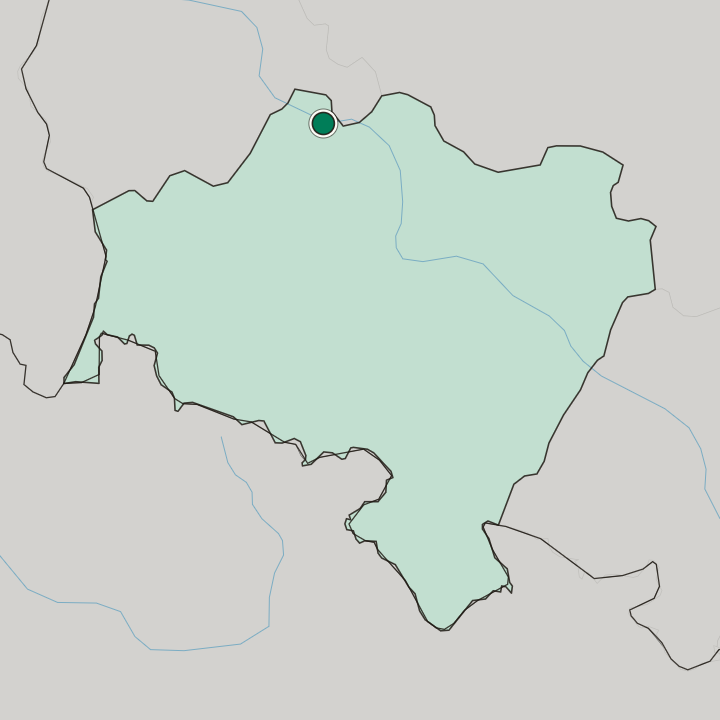
Some 35 square kilometres carry the whole of it. Głogów holds the seat of Głogów County and ranks sixth among the towns of the Lower Silesian Voivodeship, which gives the place more administrative weight than its footprint would suggest. Copper ground surrounds it.
Rapocin and the other villages of the county lie past the built edge, close enough that the Saint Lawrence church in Rapocin turns up on the same heritage list as the churches inside the city.
What is the climate of Głogów?
Winter shows on the brickwork. Głogów lies inside the temperate band, and the cold season holds over the Lower Silesian Voivodeship long enough that the mortar of the Defensive walls in Głogów takes its share of the damage each year. Summers run warm.
The shoulder months are the easiest for the walk between the Castle of the Dukes of Głogów and the Collegiate Church in Głogów, when neither cold nor heat gets in the way of it.
How do you get to Głogów?
Trains still set the pattern. The railway water tower listed as kolejowa wieża ciśnień w Głogowie marks that side of the city, and the line it served is the reason the copper district and the town grew together rather than apart. County roads do the rest.
Głogów County spreads around the city, so the villages on it, Rapocin among them, are reached from Głogów rather than from anywhere else in the Lower Silesian Voivodeship.
Common questions
What is the best area to stay in Głogów?
The rebuilt centre by the castle: Short stays walking from the Castle of the Dukes of Głogów to the Town hall in Głogów. Beside the Collegiate Church: Evenings around the Collegiate Church in Głogów and the old wall line. The county roads out of Głogów: Drivers working the copper district and the villages of Głogów County.
Good for
More cities in Lower Silesian Voivodeship
Updated October 2026