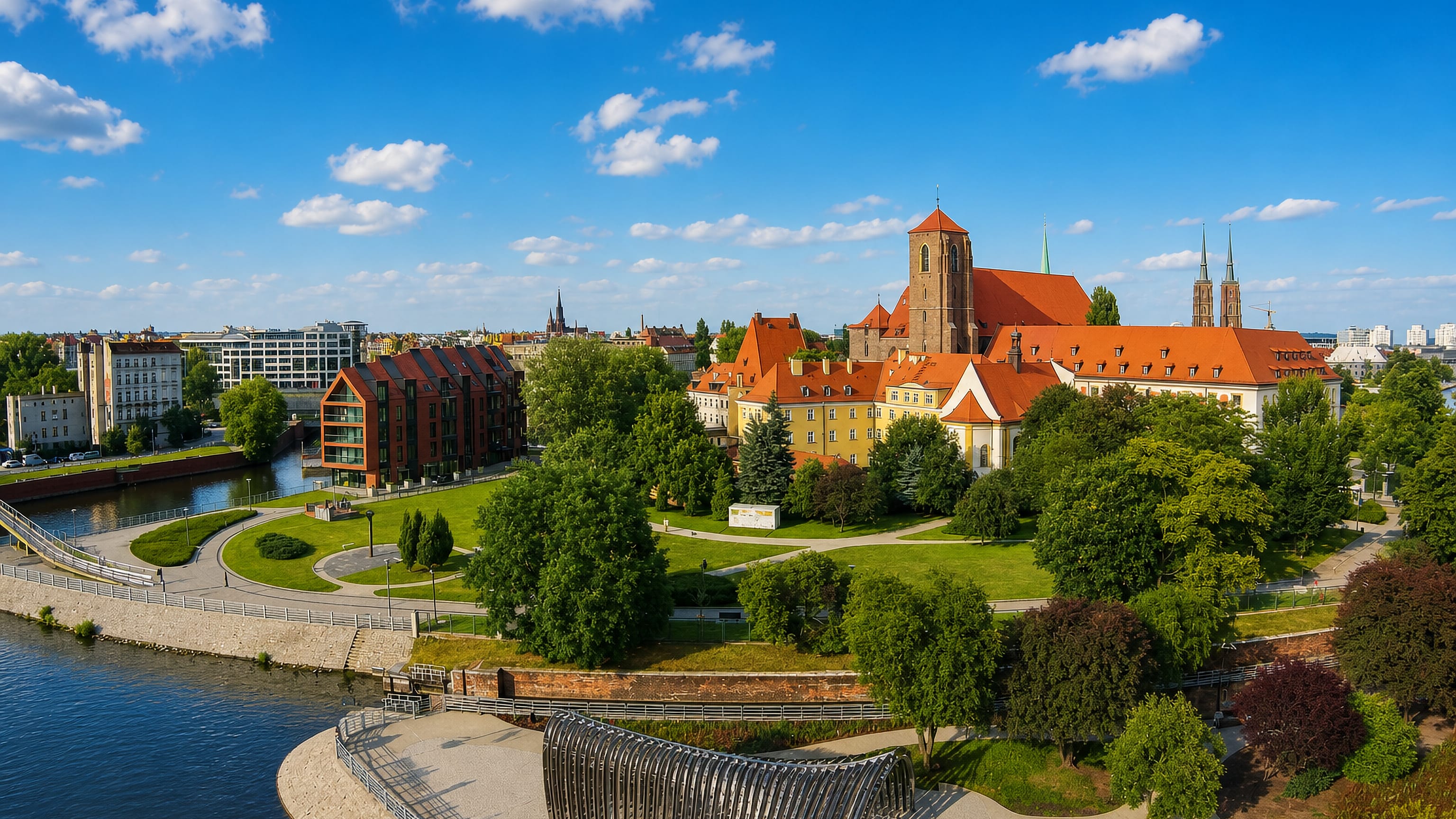
Poland · Lower Silesian Voivodeship
Where to Stay in Wrocław, Lower Silesian Voivodeship
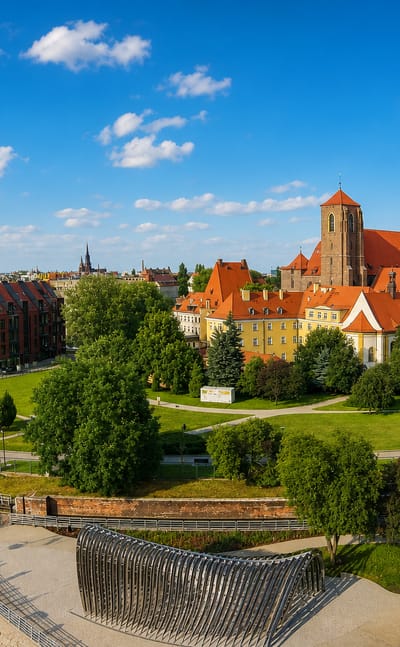
Wrocław sits on the Oder in southwestern Poland, the historic capital of Silesia, built around a great market square and its Town Hall.
Hotel links are affiliate links: booking through them may earn us a commission, at no extra cost to you. It never affects how places are ranked. How this works


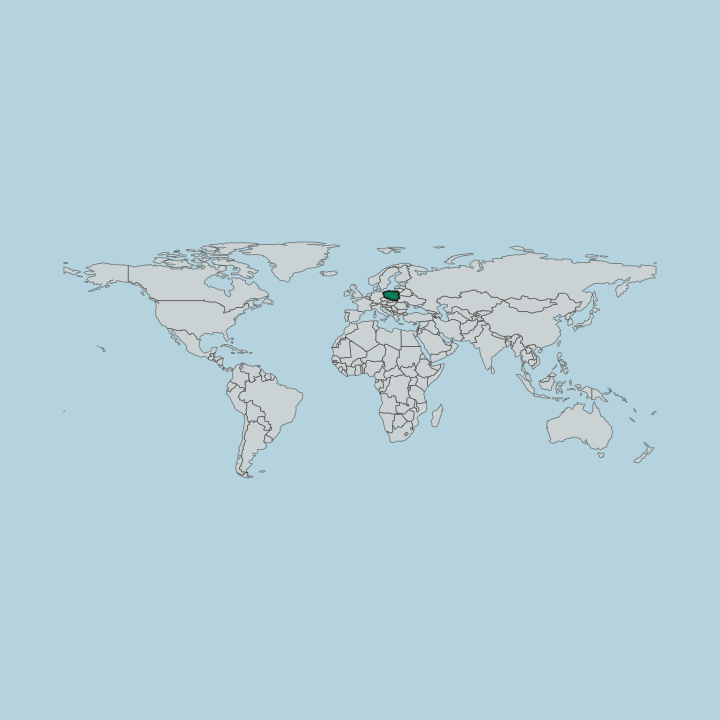
Where to stay in Wrocław
Where you base yourself shapes the visit — here's the character of each area.
 WrocławPoland
Śródmieście
Śródmieście is the central district of Wrocław, east of the Old Town, with the National Museum in Wrocław, the Racławice Panorama and the Oder halls.Śródmieście →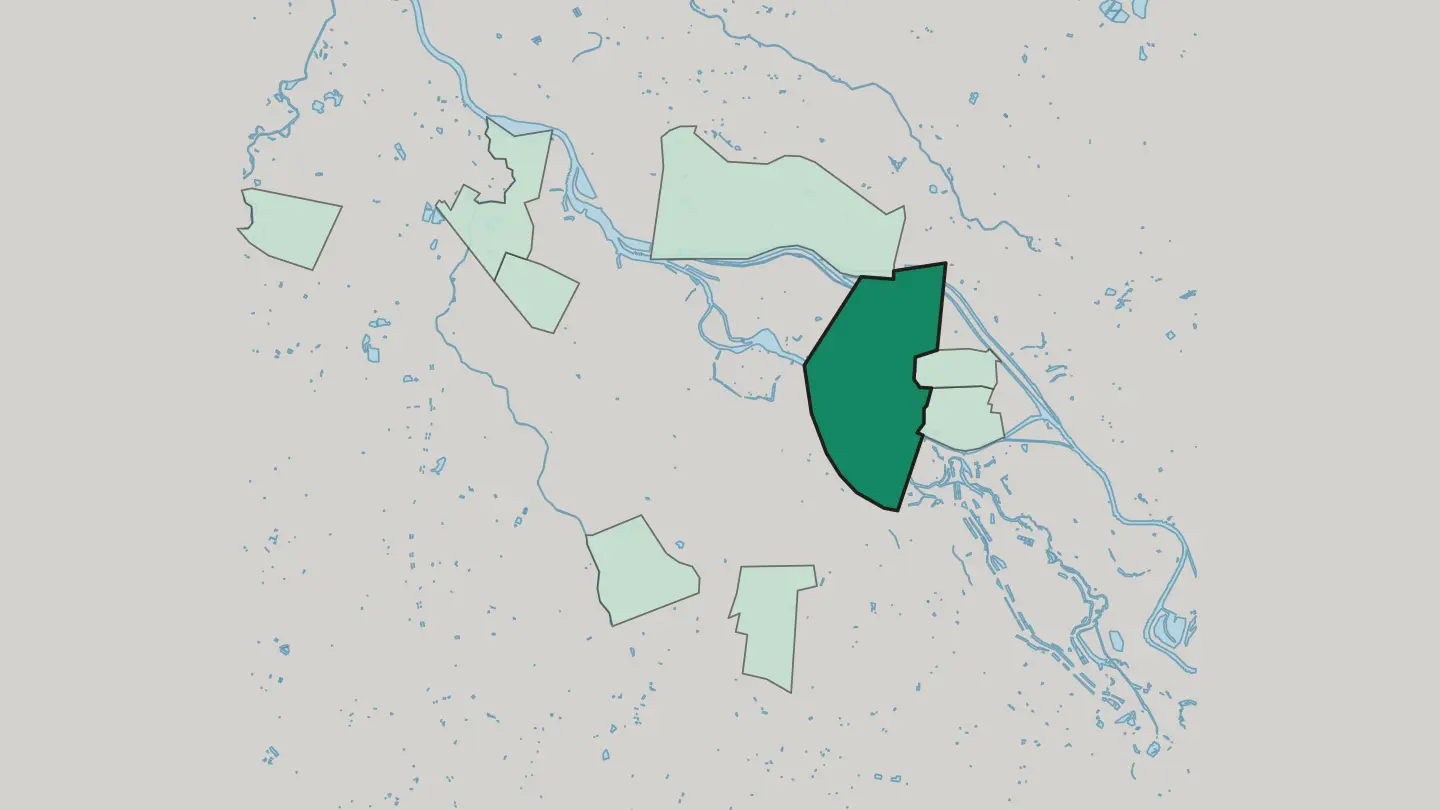
 WrocławPoland
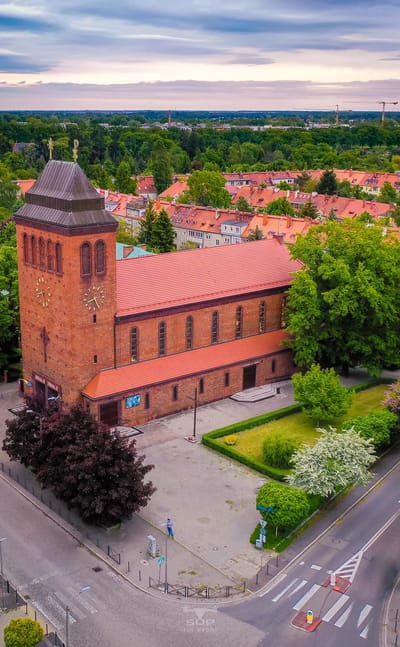
Popowice
Popowice sits in Wrocław and carries two churches, Saint George church in Wrocław Popowice and Saint Thérèse of Lisieux church in Wrocław.Popowice →WrocławPolandRóżanka-Polanka
Różanka-Polanka is a district of Wrocław in Lower Silesian Voivodeship, its hyphenated name joining Różanka and Polanka in one unit.Różanka-Polanka →WrocławPoland
Karłowice
Karłowice is a district of Wrocław, one of the built-up quarters within the city. It sits inside Wrocław.Karłowice →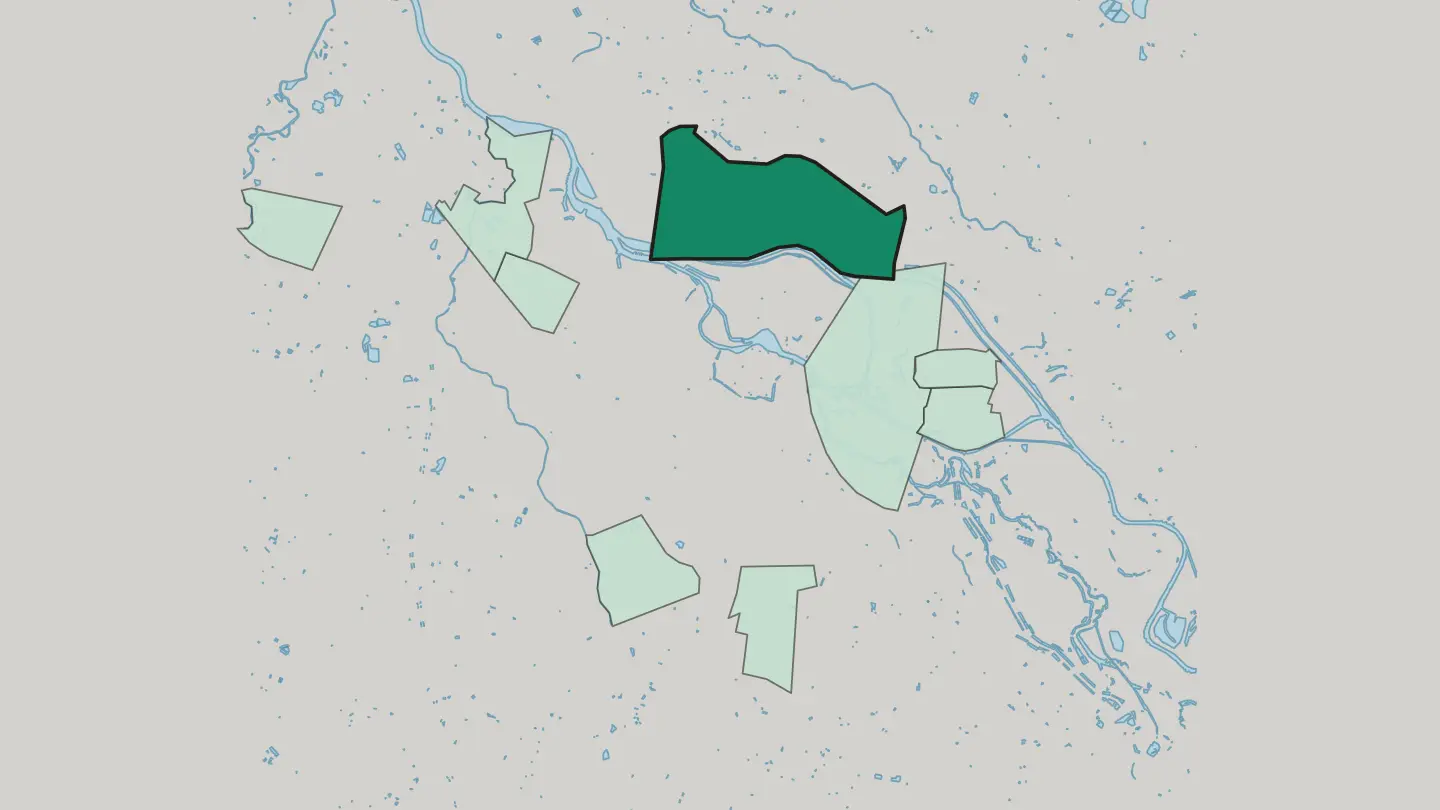 WrocławPoland
Krzyki
Krzyki is a large residential district of southern Wrocław, taking in Borek and the parkland that holds the city's Chopin monument.Krzyki →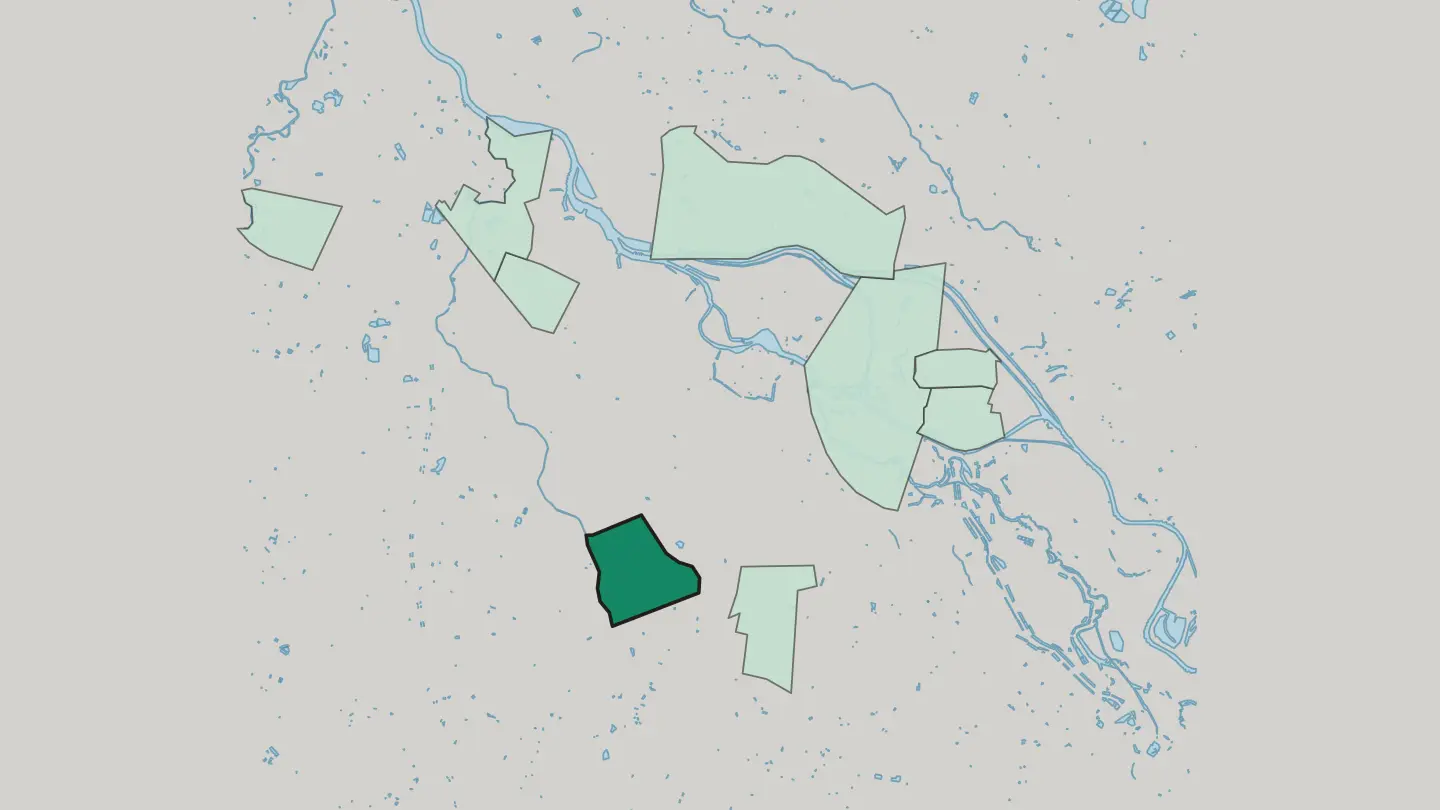
 WrocławPoland
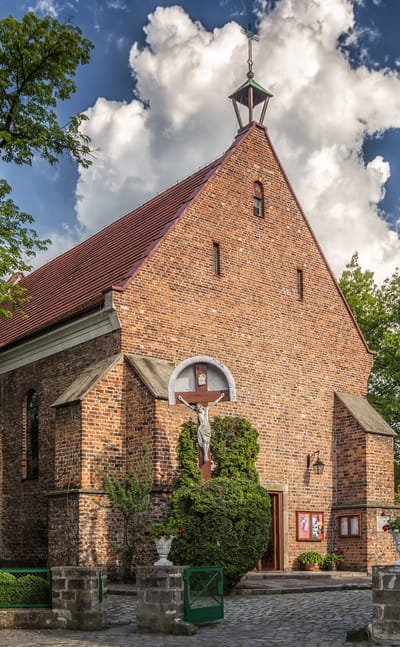
Sępolno
Sępolno is a residential district of Wrocław, in Poland, a planned garden estate laid out in the 1920s on the city's eastern side.Sępolno →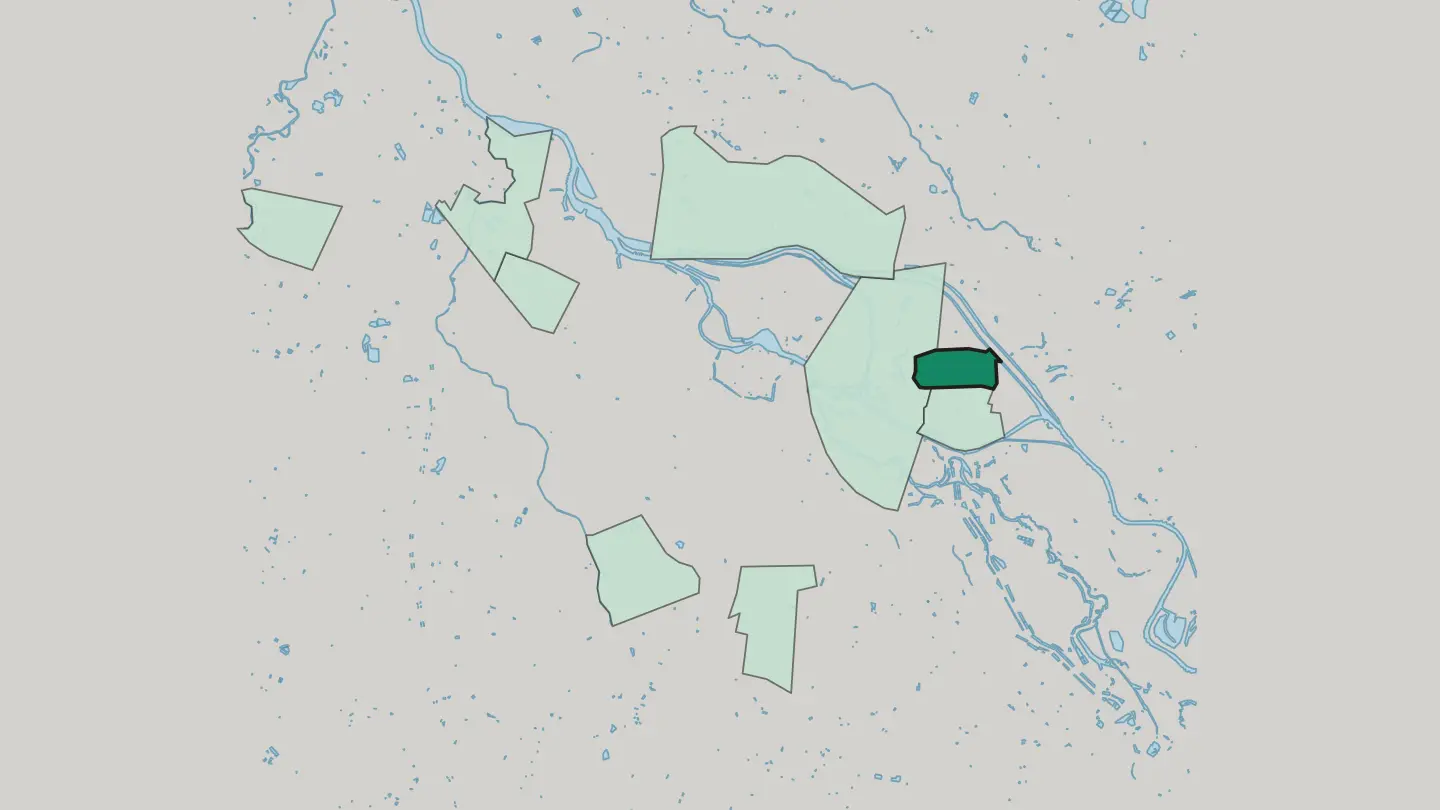
 WrocławPoland
Psie Pole
Psie Pole is a district in the north-eastern part of Wrocław, Poland, a name that translates as Dog Field.Psie Pole →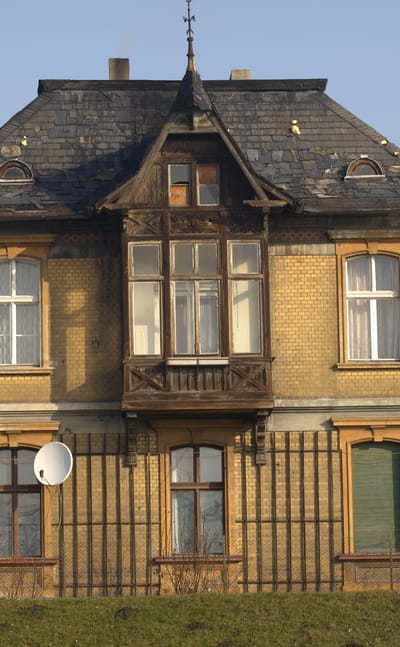 WrocławPoland
Biskupin
Biskupin is a residential district of east Wrocław on the Wielka Wyspa, where the Oder braids and the Wrocław Zoological Garden and Centennial Hall stand.Biskupin →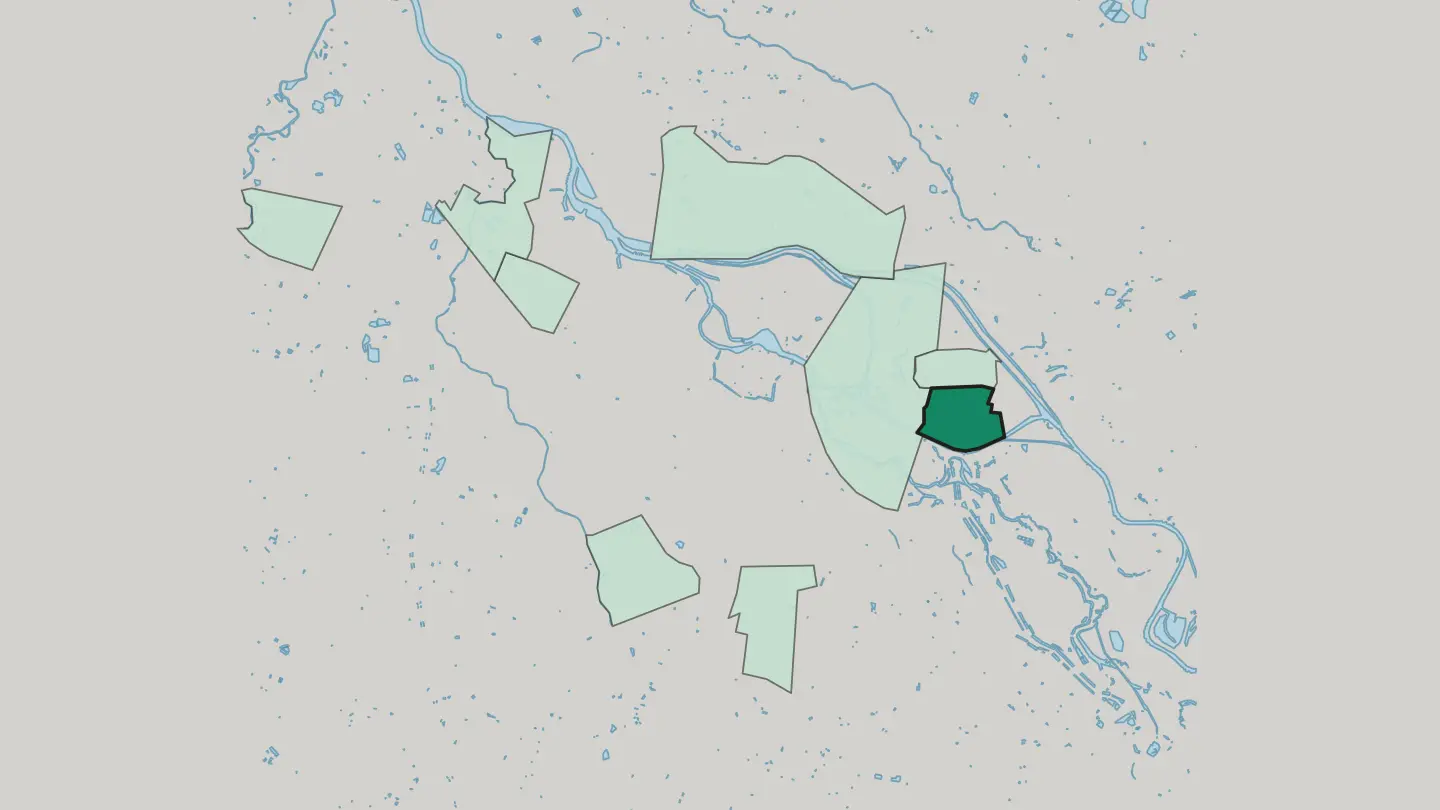
 WrocławPoland
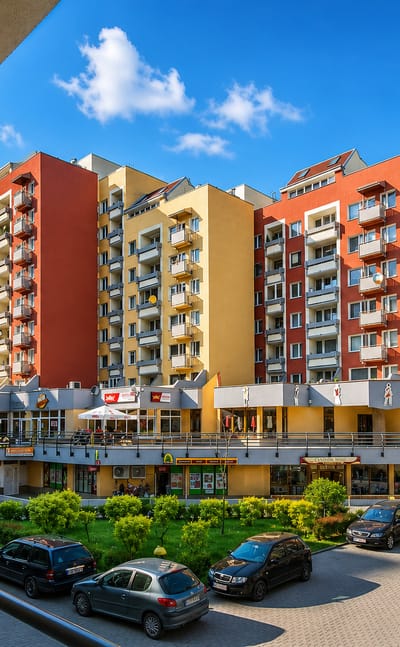
Gądów Mały
Gądów Mały is a residential district of Wrocław, known for a former airfield and the Wrocław New Jewish Cemetery.Gądów Mały →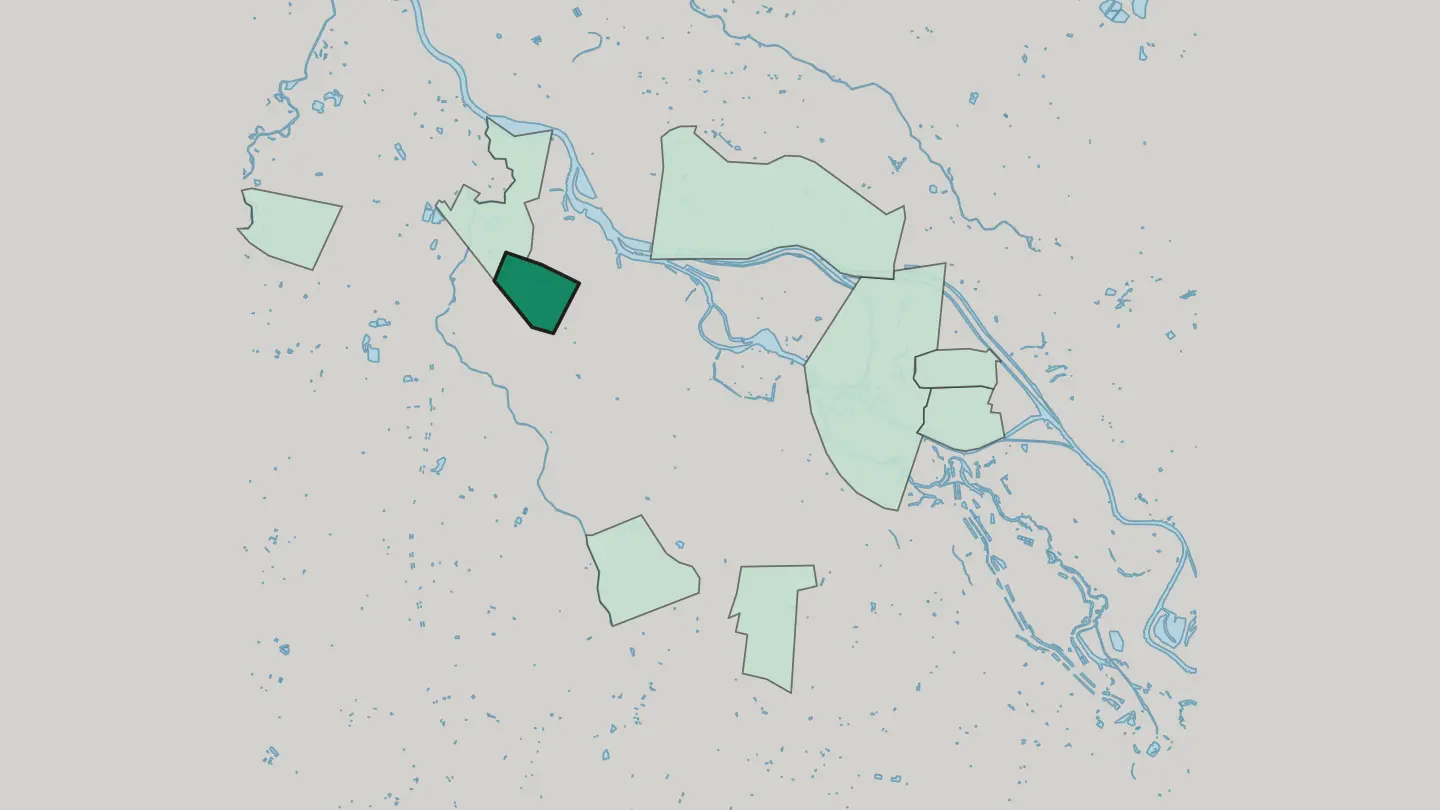
 WrocławPoland
Wojszyce
Wojszyce is a residential district in southern Wrocław, Poland, set in the former Krzyki area beside Ołtaszyn and its Church of the Assumption.Wojszyce →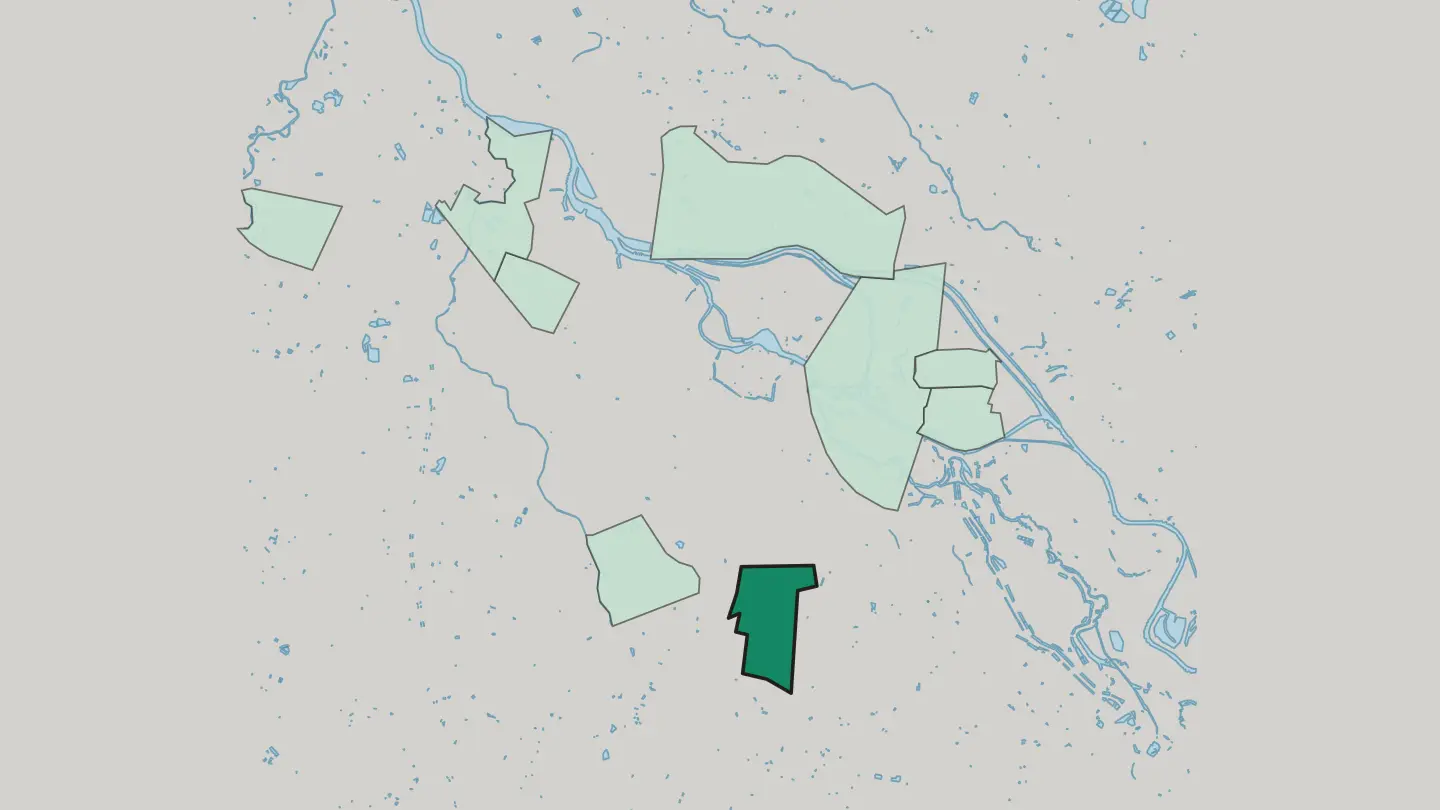
 WrocławPoland
Pilczyce
Pilczyce is a district of Wrocław, Poland, holding the Wrocław New Jewish Cemetery and the airfield of Port lotniczy Gądów Mały.Pilczyce →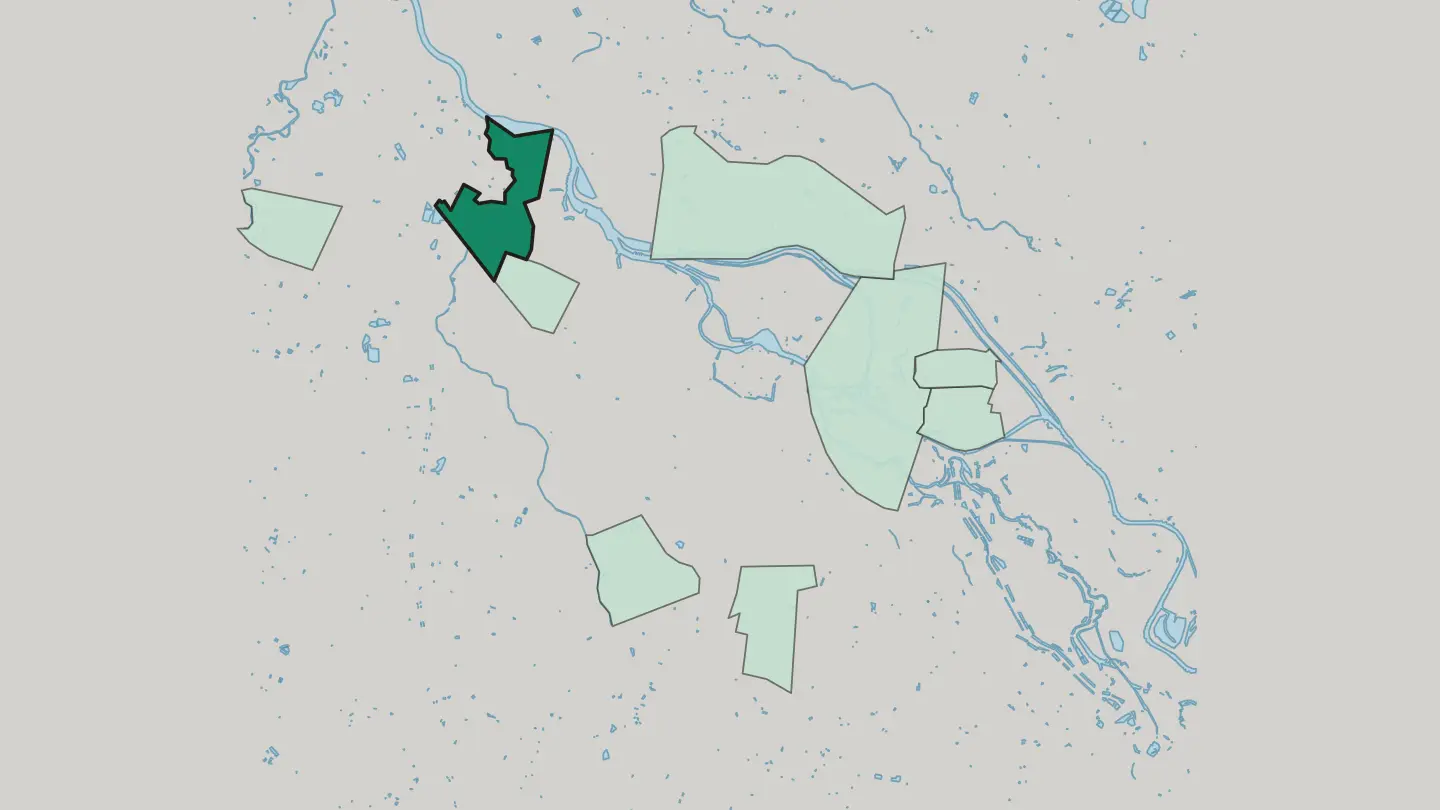 WrocławPoland
Zakrzów
Zakrzów is a district in north-eastern Wrocław, Poland, in the Psie Pole area, with the MCS Zakrzów Stadium and a forester's house on Widawska.Zakrzów →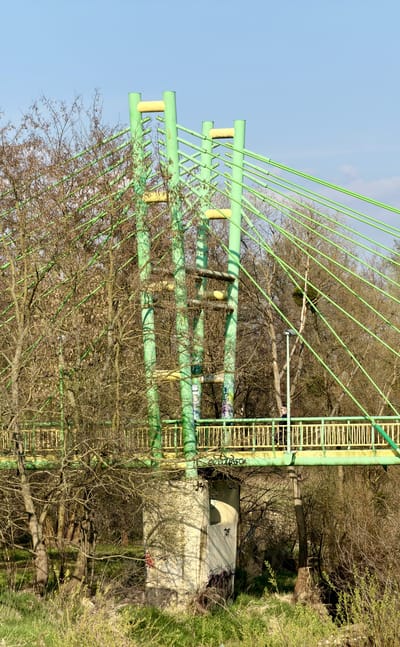 WrocławPoland
Złotniki
Złotniki is a district of Wrocław, Poland, one of the local areas that together make up the city.Złotniki →Hotel links are affiliate links: booking through them may earn us a commission, at no extra cost to you. It never affects how places are ranked. How this works
Things to do in Wrocław
Ranked by global recognition; descriptions from Wikidata (CC0).
Museums & Galleries
3- Wrocław Town Hall Heritage
- Old Jewish Cemetery Heritage
- Four Domes Pavilion, Wrocław Heritage
Churches & Religious Sites
8- Wrocław Cathedral Heritage
- St. Elizabeth’s Church Wrocław Heritage
- St. Mary Magdalene Church, Wrocław Heritage
- White Stork Synagogue Heritage
- Collegiate Church of the Holy Cross and St. Bartholomew in Wrocław Heritage
Show 3 more →
- Church of Our Lady on the Sand in Wrocław Heritage
- University Church of the Blessed Name of Jesus in Wrocław Heritage
- Church of St. Vincent Heritage
Castles & Historic Sites
3- Leśnica Castle Heritage
- Monument of John of Nepomuk and church of the Holy Cross in Wrocław Heritage
- Aleksander Fredro Monument in Wrocław
Stadiums & Sports
2- Olympic Stadium in Wrocław Heritage
- MCS Zakrzów Stadium
Landmarks & Notable Places
8- Centennial Hall UNESCO
- Grunwald Bridge Heritage
- Piłsudski Square 2-4 in Wrocław Heritage
- Racławicka 27, Wrocław Heritage
- Piłsudski Square 3 in Wrocław Heritage
Show 3 more →
- Piłsudski Square 5 in Wrocław Heritage
- Piłsudski Square 7 in Wrocław Heritage
- Dom przedpogrzebowy z galerią Heritage
worth knowingacross 5 categories in Wrocław
About Wrocław
What is Wrocław known for?
Wrocław is known as the capital of Lower Silesian Voivodeship, the historic seat of Silesia on the Oder in southwestern Poland. The river braids through it. Around the great market square stand the Wrocław Town Hall and St. Elizabeth's Church, while Centennial Hall rises to the east and the Oder winds through the heart of the city.
Wrocław is the third-largest city in Poland.
What are the main landmarks in Wrocław?
Wrocław gathers its landmarks around the market square and along the Oder. The great sights stand close. The Wrocław Town Hall and St. Elizabeth's Church rise over the market square, the Racławice Panorama and Centennial Hall stand to the east, and Wrocław Cathedral rises above the Oder.
What is the history of Wrocław?
Wrocław grew on the Oder in southwestern Poland, a Silesian city that took its charter in 1214. The river carried its trade for centuries. Standing where routes crossed the Oder in the Silesian Lowlands, the town rose as the chief place of Silesia, its market square and churches marking the wealth that the river brought.
Merchants and clergy filled the market square and raised the churches of the growing city. It became the historic capital of Silesia. Over the centuries the city passed between powers, changing hands more than once.
The borders moved around it. Held in turn by the rulers of a shifting Central Europe, Wrocław kept its place on the Oder through each change, its cathedral, its market square, and its old churches standing through the years. War later scarred the city.
Rebuilt afterwards, Wrocław rose again on the Oder as the capital of Lower Silesian Voivodeship, its churches and old streets restored at the heart of Silesia. The old market square was raised again in its historic form, and the Wrocław Town Hall still stands at its centre.
Where is Wrocław?
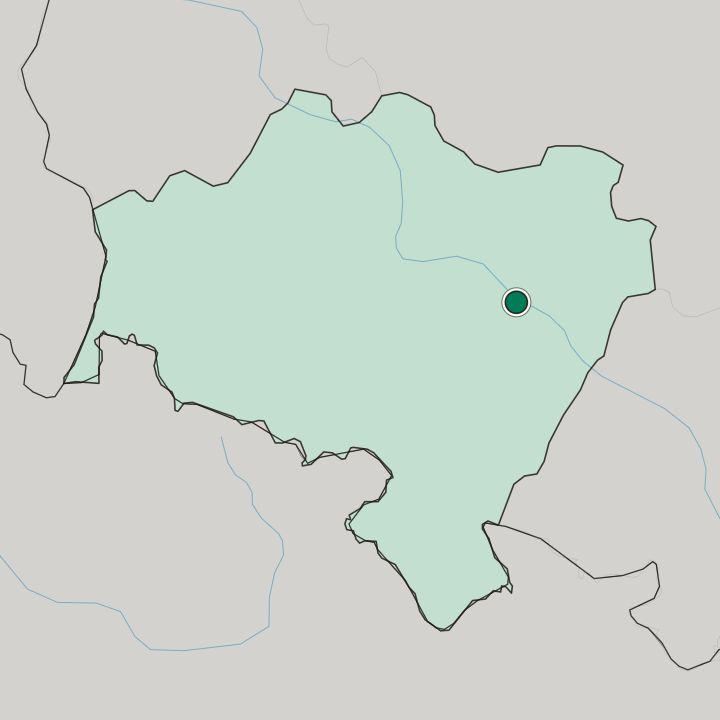
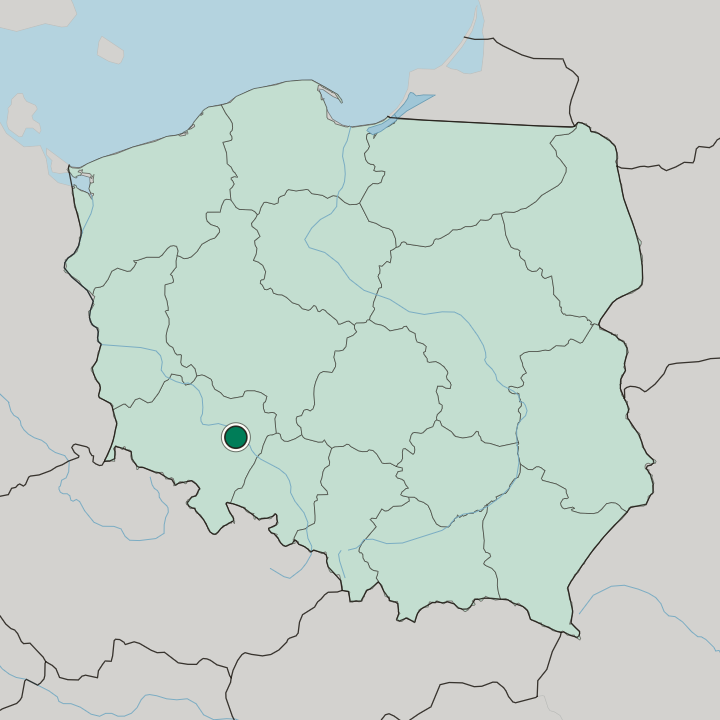
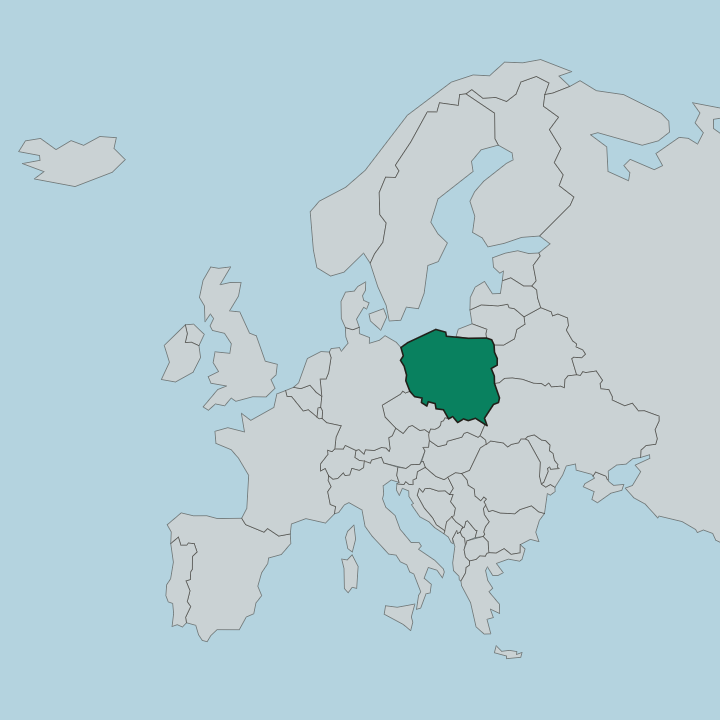
Wrocław lies on the Oder in Lower Silesian Voivodeship, in southwestern Poland. The river shapes the city. Lying in the Silesian Lowlands, Wrocław spreads across the banks of the Oder, its market square on one side and its cathedral quarter across the water, the whole city low over the plains of southwestern Poland.
What is the climate of Wrocław?
Wrocław has a temperate climate, set low on the Oder in the Silesian Lowlands. The seasons stay moderate. Damp grey winters give way to warm summers over the river, and the low ground of southwestern Poland keeps the milder weather over the city and its market square for much of the year.
How do you get to Wrocław?
Wrocław is reached by air, by rail, and by road from across Poland. The lines meet at the river. Trains run into the Wrocław Main Railway Station near the centre, flights land to the west, and roads lead in through Lower Silesian Voivodeship toward the Oder and the market square at the heart of Wrocław.
Good for
More cities in Lower Silesian Voivodeship
Updated October 2026