Poland · Lower Silesian Voivodeship
Where to Stay in Legnica, Lower Silesian Voivodeship
Legnica is a historic Silesian city in southwest Poland, an old seat of the Piast dukes on the Kaczawa river.
Hotel links are affiliate links: booking through them may earn us a commission, at no extra cost to you. It never affects how places are ranked. How this works


Where to stay in Legnica
Where visitors usually base themselves, and why.
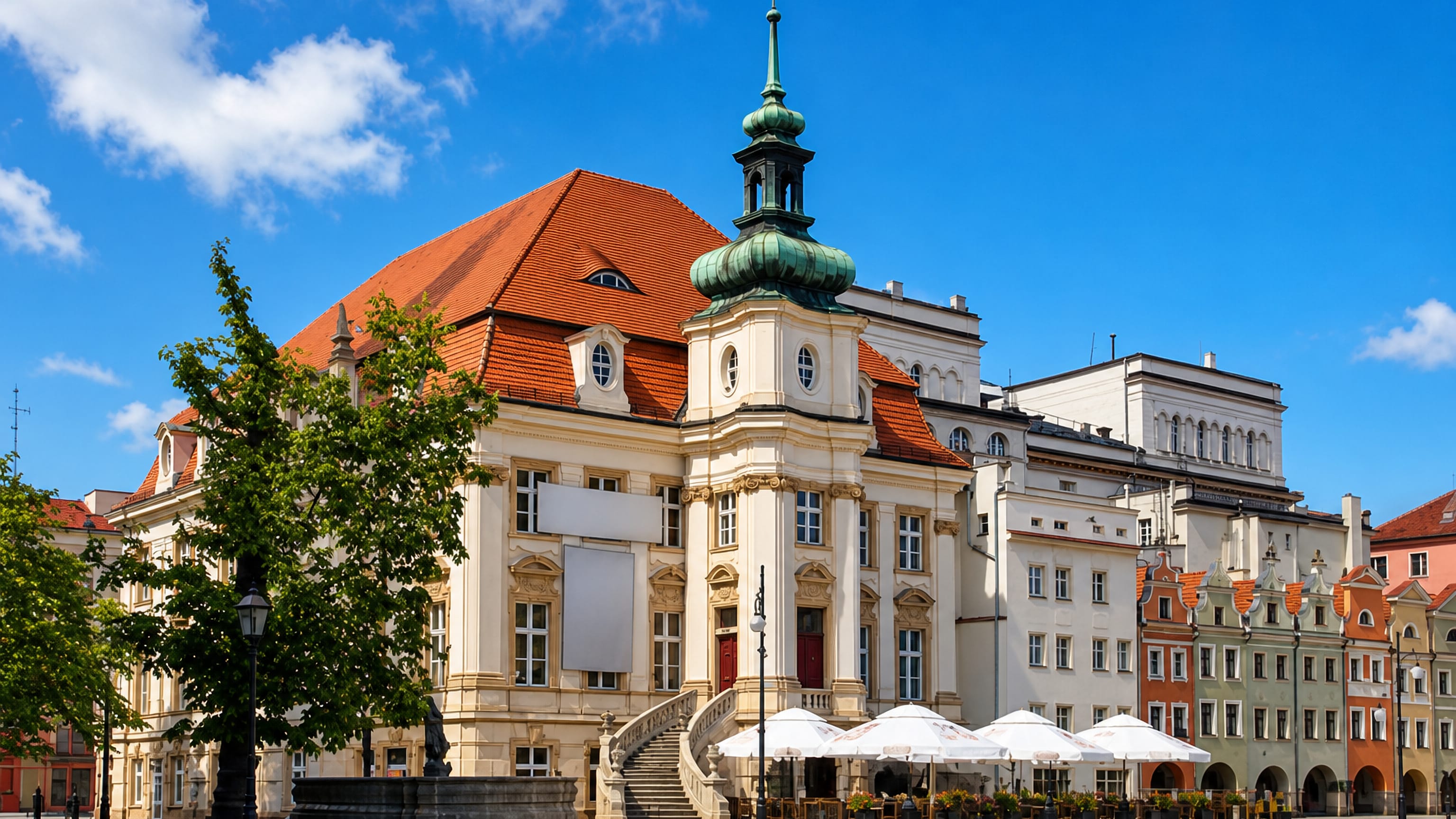
In Legnica it is the old town that sets where to sleep. The streets around the market square and the castle keep the churches, the museum, and the shops within a walk, and staying downtown suits anyone here for the history. The old square fills in the evening.
Rooms sit near the castle. Out toward the newer districts and the ring road, the town spreads onto the plain. A room away from the centre trades the old square for space, the parks, and an easy way out to the motorway.
The flat country opens past the edge. If you want the castle and the churches, stay downtown; if you want space, take a room outside. Either base keeps the market square and Piast Castle within easy reach.
Find hotels in Legnica
Direct booking searches for these neighbourhoods.
The old town
Around the market square within a walk of the castleFind hotels in The old townStays wanting space beyond the KaczawaThe newer districts
Toward the ring road on the plain at the edge of townFind hotels in The newer districtsHotel links are affiliate links: booking through them may earn us a commission, at no extra cost to you. It never affects how places are ranked. How this works
Things to do in Legnica
Ranked by global recognition; descriptions from Wikidata (CC0).
Museums & Galleries
1- Muzeum Miedzi w Legnicy
Churches & Religious Sites
8- Legnica Cathedral Heritage
- Saint Mary Lutheran church in Legnica Heritage
- Saint John the Baptist church in Legnica Heritage
- Saint Hyacinth church in Legnica Heritage
- Holy Trinity church in Legnica Heritage
Show 3 more →
- 7 Klasztorny Square in Legnica Heritage
- Orthodox church of the Resurrection of Christ in Legnica Heritage
- Kościół ewangelicki, ob. zbór zielonoświątkowców ANASTASIS Heritage
Castles & Historic Sites
2- Piast Castle (Legnica) Heritage
- Pomnik Zesłańcom Sybiru w Legnicy
Landmarks & Notable Places
3- 38 Market Square in Legnica Heritage
- Chojnowska 46a Heritage
- Zespół domu Heritage
worth knowingacross 4 categories in Legnica
About Legnica
Legnica is an old Piast capital of Lower Silesia.
What is Legnica known for?
On the Kaczawa river in the copper country of the southwest, it kept a castle of the Silesian Piast dukes and a ring of Gothic churches, and its name is written in history for the great battle of 1241, when the Mongols broke a Christian army on the plain nearby. The flat country rings the town. Castle and battle mark the city.
What are the main landmarks in Legnica?
Piast Castle rises above the old town of Legnica. The brick stronghold of the Silesian dukes, with its round towers and gate, stands by the Kaczawa, the emblem of the city, above the water. A copper museum tells the region's tale.
The Copper Museum keeps the story of the metal that made the land rich, while the cathedral, Saint John's church, and the old walls mark the streets of Legnica.
What is the history of Legnica?
Legnica rose as a seat of the Silesian Piasts. In the middle ages the dukes of the Piast line held their court here, walled the town, and raised a castle of brick above the Kaczawa, one of the oldest in the land. Then the Mongols came west.
In 1241 a great horde swept into Silesia, and on the fields near the town it destroyed the army of Duke Henry the Pious, though the death of their own khan soon turned the riders back east. The town lived on under many rulers. Silesia passed from the Piasts to the crown of Bohemia, to the Habsburgs, and later to Prussia and Germany, and Legnica grew as a town of weavers, churches, and later copper.
In the last century the borders shifted again. After the war the town returned to Poland and its people changed, but its castle, its churches, and its copper trade remained. The old castle still stands by the river.
Legnica keeps its castle and its churches in Silesia.
Where is Legnica?
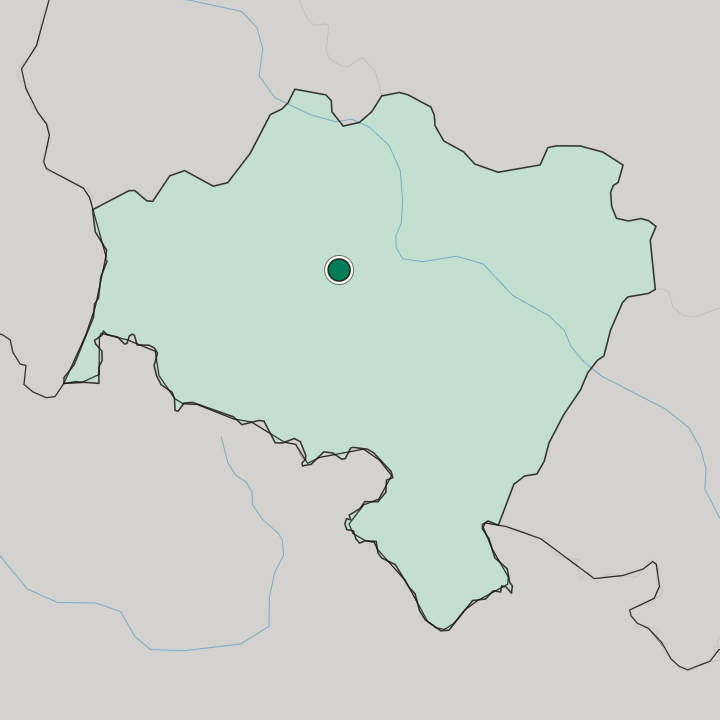
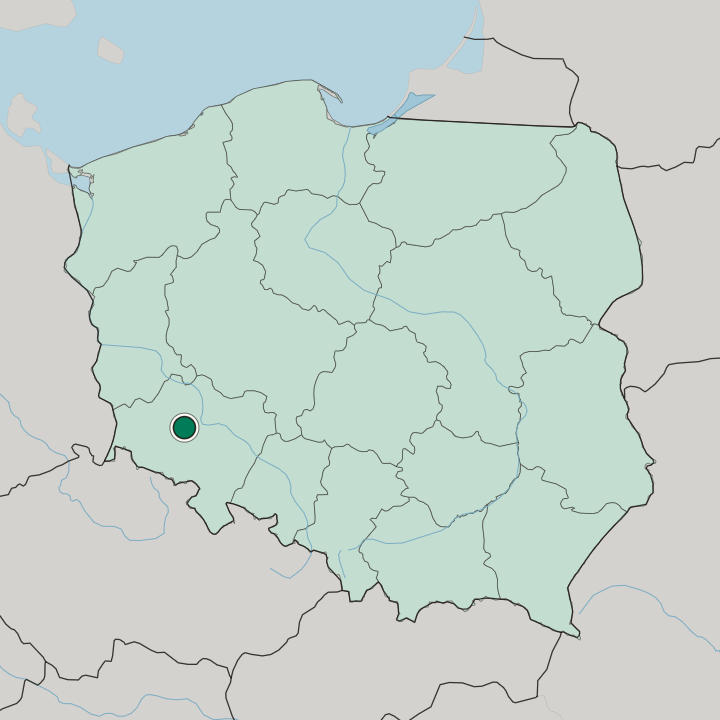
Legnica lies on the Kaczawa river in Lower Silesia, southwest Poland. The city sits on a flat and fertile plain between the Oder and the Sudeten foothills, in the old copper country, west of Wrocław. Low farmland spreads around.
The river runs on to the Oder.
What is the climate of Legnica?
Legnica sits in a belt of temperate continental weather. Warm summers and cold, damp winters cross the plain, and rain falls through the year, with snow and frost in the cold months and mild breaks between. Fog settles on the river in autumn.
The fields turn green in the spring.
How do you get to Legnica?
Legnica lies in Lower Silesia, west of Wrocław. The motorway and rail line run to it from Wrocław and toward Germany across the plain, and roads climb south to the Sudeten mountains. Buses reach the copper towns around.
Most arrive by road from Wrocław.
Common questions
What is the best area to stay in Legnica?
The old town: Visitors here for the castle, churches, and museum. The newer districts: Stays wanting space beyond the Kaczawa.
Good for
More cities in Lower Silesian Voivodeship
Updated September 2026