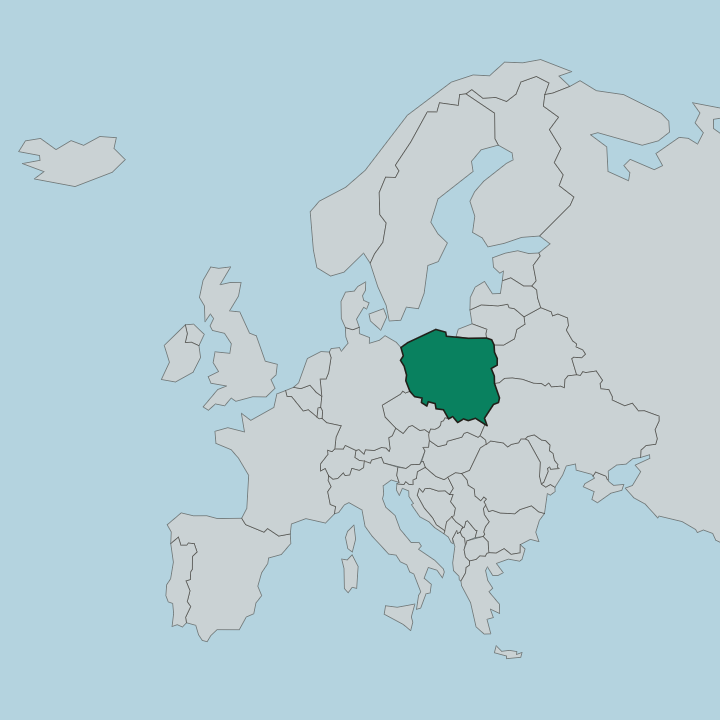
Poland · Lower Silesian Voivodeship
Where to Stay in Lubin, Lower Silesian Voivodeship
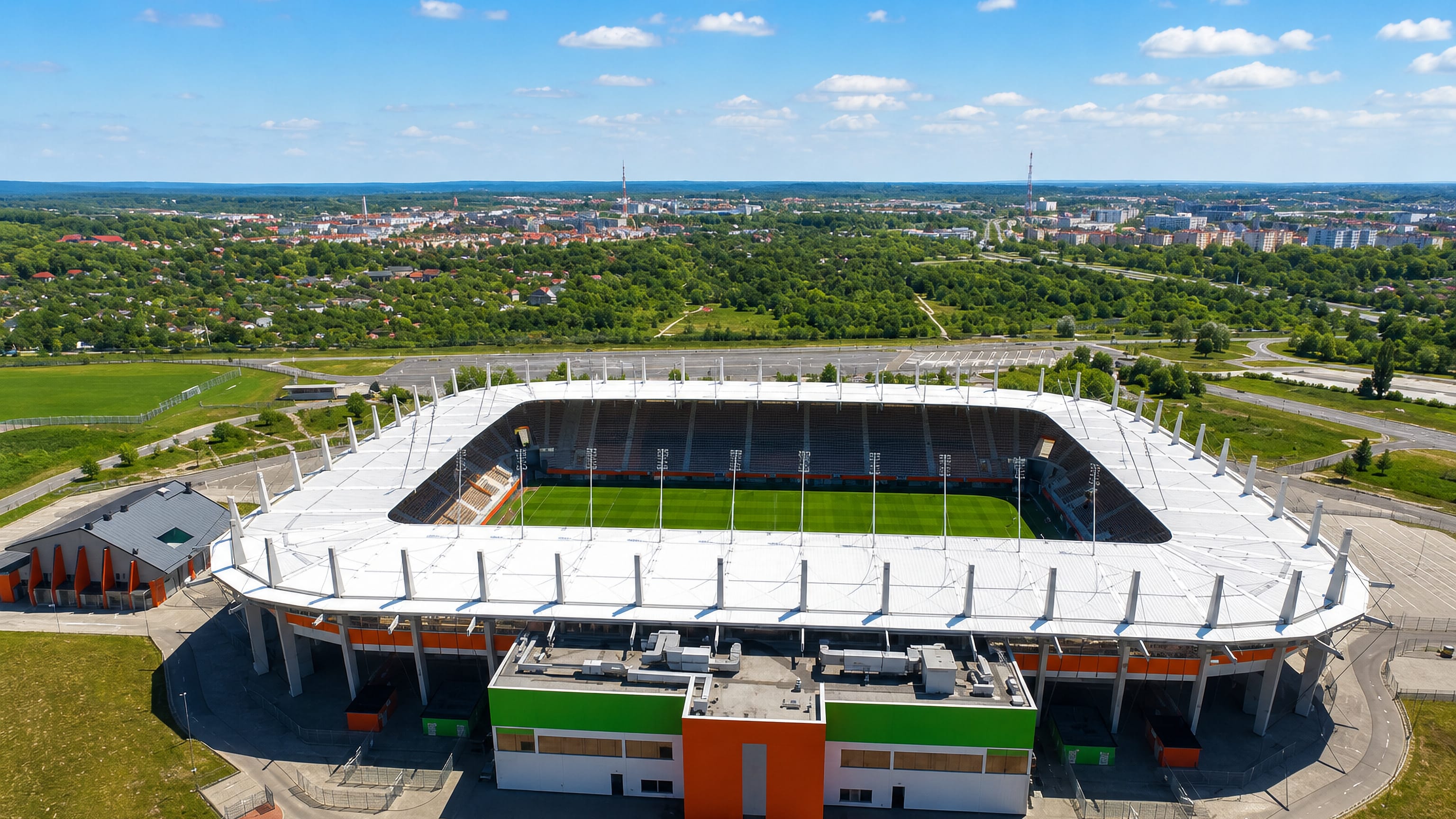
Lubin dates from 1280 and runs the affairs of Lubin County in the Lower Silesian Voivodeship, with Lubin Castle at one end and its stadium at the other.
Hotel links are affiliate links: booking through them may earn us a commission, at no extra cost to you. It never affects how places are ranked. How this works


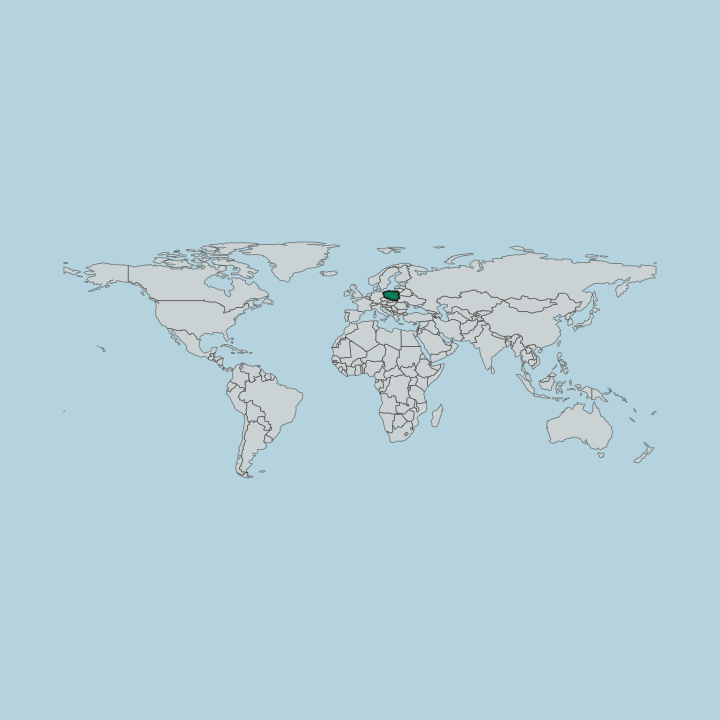
Where to stay in Lubin
Where the beds are, and what that means for the visit.
Lubin Castle and Stadion Zagłębia Lubin pull a stay in opposite directions, and the market square around Rynek 11 w Lubinie sits between the two. Most beds are in that middle. A room there leaves the Lubin Historical Museum, the Głogów Tower in Lubin and the Church of the Nativity of the Virgin Mary in Lubin inside a short circuit, which is as much walking as the old part of the city asks for.
Evenings are quiet by the square. The stadium end works differently. Rooms out that way are aimed at match traffic and at anyone driving, since the roads of Gmina Lubin meet the city on that side and parking stops being a question.
Sacred Heart church in Lubin marks the change of character. Families with an afternoon to fill often take a place near the Ogród zoologiczny w Lubinie, close to the zoo gates and away from the centre entirely, which suits you if the trip is built around children rather than around the castle. Beds are thin in the villages of Lubin County, so the city itself is the practical base for the whole district.
Find hotels in Lubin
Direct booking searches for these neighbourhoods.
The market square at Rynek 11
Lubin's listed addresses on the square sit between the castle rise and the museumFind hotels in The market square at Rynek 11Match nights at Stadion Zagłębia Lubin and drivers coming off the county roadsThe stadium side
Lubin's football ground and its parking sit where Gmina Lubin's roads reach the cityFind hotels in The stadium sideFamily afternoons at the Ogród zoologiczny w LubinieBy the Lubin zoo
Ogród zoologiczny w Lubinie sets the pace of this side, a street or two from the Sacred Heart church in Lubin. Few places to stay nearby — book ahead.Find hotels in By the Lubin zooHotel links are affiliate links: booking through them may earn us a commission, at no extra cost to you. It never affects how places are ranked. How this works
Things to do in Lubin
Ranked by global recognition; descriptions from Wikidata (CC0).
Museums & Galleries
2- Lubin Historical Museum
- Muzeum Ziemi Lubińskiej w Lubinie
Churches & Religious Sites
5- Our Lady of Częstochowa church in Lubin Heritage
- Church of the Nativity of the Virgin Mary in Lubin Heritage
- Sacred Heart church in Lubin Heritage
- Orthodox church in Lubin Heritage
- Kościół św. Marii Dominiki Mazzarello w Lubinie Heritage
Castles & Historic Sites
1- Lubin Castle Heritage
Stadiums & Sports
3- Stadion Zagłębia Lubin
- Community Centre "Wzgorze Zamkowe"
- Hala Sportowa II Liceum Ogólnokształcące
Landmarks & Notable Places
3- 9 Pruzi Street in Lubin Heritage
- Dom towarowy Heritage
- Rynek 11 w Lubinie Heritage
worth knowingacross 5 categories in Lubin
About Lubin
Football carries the name furthest.
What is Lubin known for?
Stadion Zagłębia Lubin gives the city a profile well beyond the Lower Silesian Voivodeship, while the older claim rests on a foundation dated to 1280 and on Lubin Castle above the centre. Two museums divide the rest. Lubin Historical Museum and Muzeum Ziemi Lubińskiej w Lubinie hold the local record between them, and the Monument to the Memory of the Victims of Lubin '82 stands for what the city lost in 1982.
What are the main landmarks in Lubin?
Six names cover most visits. Lubin Castle and the Głogów Tower in Lubin hold the medieval end, the Church of the Nativity of the Virgin Mary in Lubin and the Sacred Heart church in Lubin the religious one, and Lubin Historical Museum the documentary one. Rynek 11 w Lubinie is a listed address.
Families tend to spend their afternoon at the Ogród zoologiczny w Lubinie instead, and match crowds go straight out to Stadion Zagłębia Lubin without seeing much of the centre at all.
What is the history of Lubin?
The year 1280 opens the record. Lubin was established then, and Lubin Castle belongs to the centuries when a fortified seat mattered more than an administrative one, standing on the rise that the modern centre still climbs toward. A tower kept the northern name.
The Głogów Tower in Lubin carries the name of the neighbouring city in its own, which is the sort of detail that survives longer than the wall it once belonged to. Churches accumulated slowly after that, the Church of the Nativity of the Virgin Mary in Lubin among the earliest of them, with the Our Lady of Częstochowa church in Lubin and the Sacred Heart church in Lubin added later, and the Orthodox church in Lubin bringing a second rite into the same streets. The twentieth century left the heaviest mark.
The Monument to the Memory of the Victims of Lubin '82 commemorates those the city lost in 1982, and it stands in the centre rather than at its edge, which is a decision about memory as much as about siting. Two museums took up the same work. Lubin Historical Museum and Muzeum Ziemi Lubińskiej w Lubinie keep the archaeology, the documents and the photographs of the district, while Rynek 11 w Lubinie and 9 Pruzi Street in Lubin are listed for the buildings themselves.
Stadion Zagłębia Lubin and the Ogród zoologiczny w Lubinie came out of the later decades, and both now pull more weekend traffic than anything medieval in the town.
Where is Lubin?
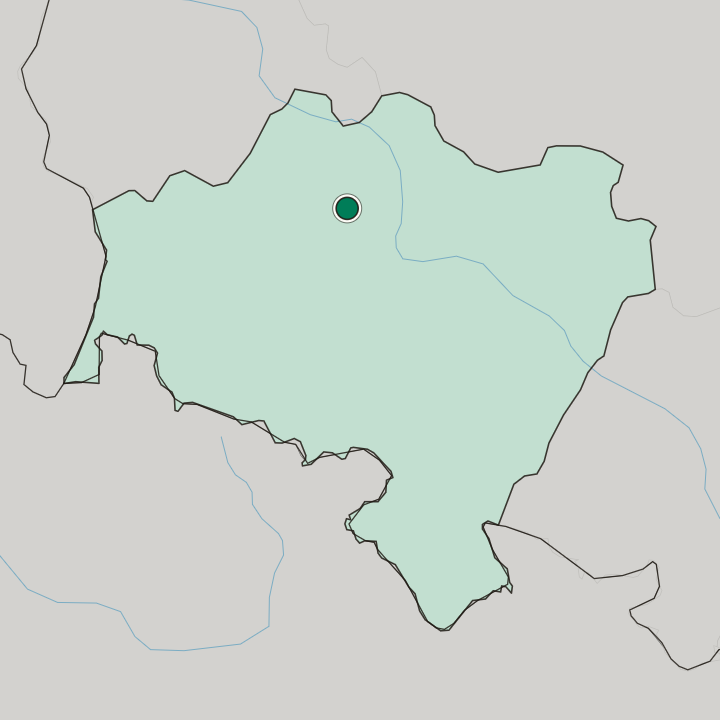
About 41 square kilometres make up the urban gmina. Lubin is the administrative seat both of Lubin County and of Gmina Lubin, the rural district wrapped around it, even though the city stands outside that district's own territory. The two are governed apart.
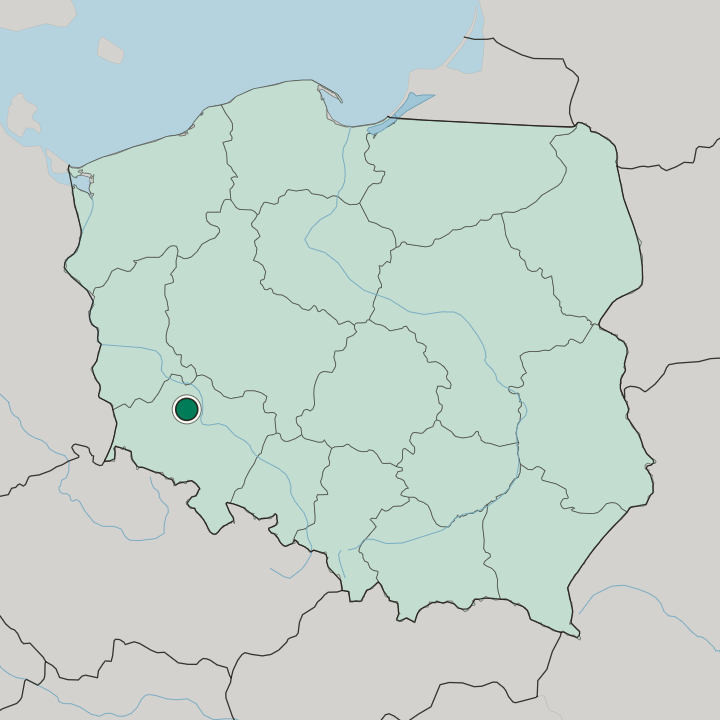
Lower Silesian Voivodeship takes in the pair of them, and the fields of Gmina Lubin start where the streets past the Orthodox church in Lubin run out of frontages.
What is the climate of Lubin?
Match days run through the cold. Lubin sits within the temperate band, so winter takes a firm hold on the terraces of Stadion Zagłębia Lubin, while the warm weeks bring the Ogród zoologiczny w Lubinie its longest queues of the year. Spring is the balance.
Neither end of the year turns extreme by the measure of the Lower Silesian Voivodeship, and the walk from Lubin Castle to the Church of the Nativity of the Virgin Mary in Lubin stays comfortable through most months.
How do you get to Lubin?
Plan on a car for the trip into Lubin. Lubin is the seat of Lubin County, so the routes of the surrounding Gmina Lubin converge on the city instead of skirting it, and arrivals from the rest of the Lower Silesian Voivodeship come in the same way. A short walk covers the old town.
Once inside it, Rynek 11 w Lubinie and the addresses off the market square leave Lubin Castle, the Lubin Historical Museum and the Głogów Tower in Lubin a few minutes apart from one another.
Common questions
What is the best area to stay in Lubin?
The market square at Rynek 11: Walking circuits taking in Lubin Castle and the Głogów Tower in Lubin. The stadium side: Match nights at Stadion Zagłębia Lubin and drivers coming off the county roads. By the Lubin zoo: Family afternoons at the Ogród zoologiczny w Lubinie.
Good for
More cities in Lower Silesian Voivodeship
Updated September 2026