Poland
Lower Silesian Voivodeship, Poland — Towns & Travel Guide
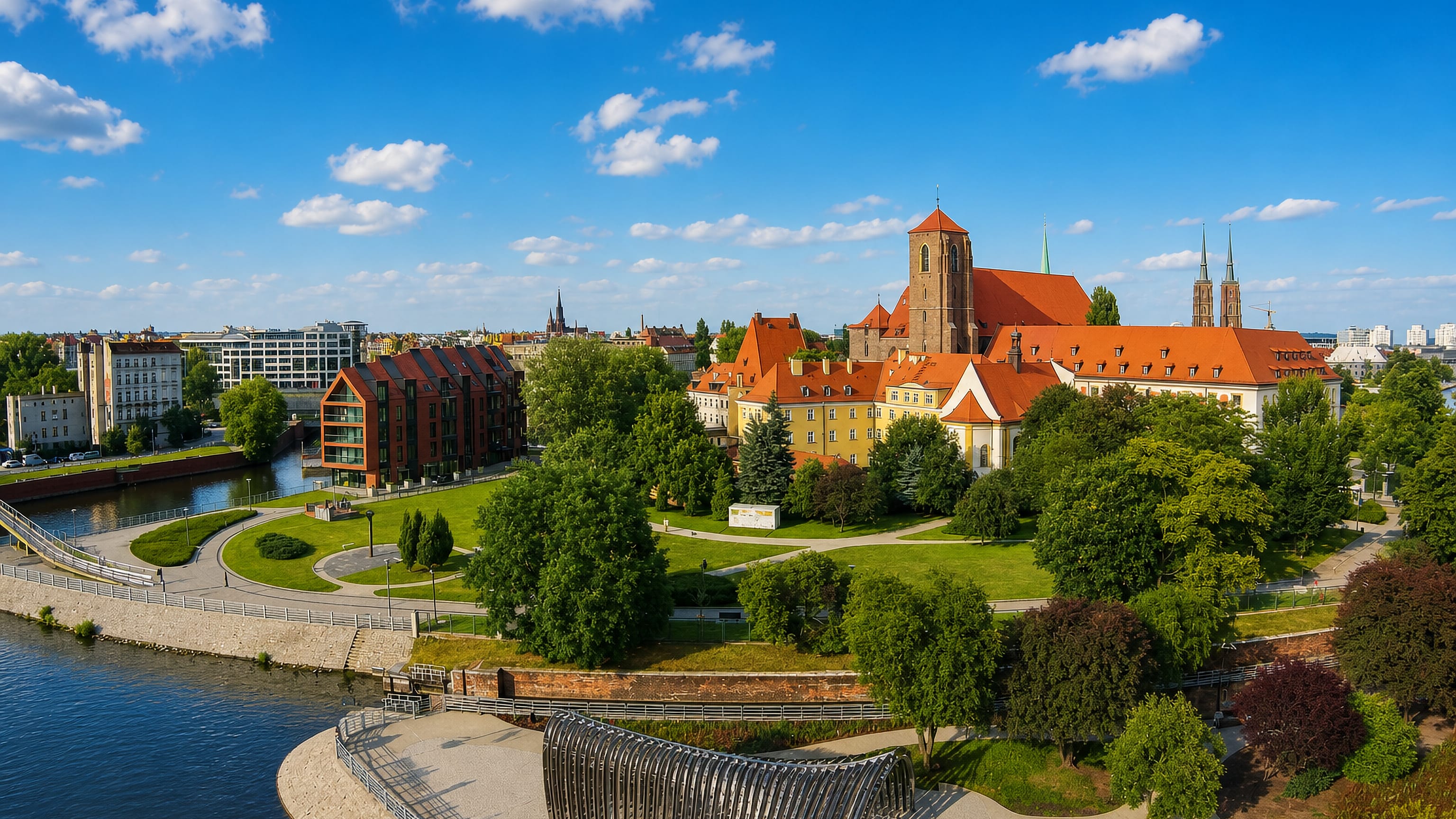
The Oder river winds through the Lower Silesian Voivodeship, a voivodeship of Poland set in the historic region of Silesia, long worked for its ore.
Hotel links are affiliate links: booking through them may earn us a commission, at no extra cost to you. It never affects how places are ranked. How this works


Towns & cities in Lower Silesian Voivodeship
Pick a town or city — each links to where to stay.
 Poland
Wrocław
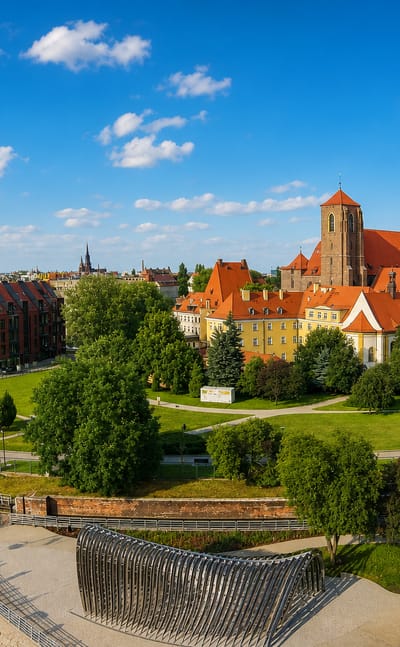
Wrocław sits on the Oder in southwestern Poland, the historic capital of Silesia, built around a great market square and its Town Hall.Where to stay →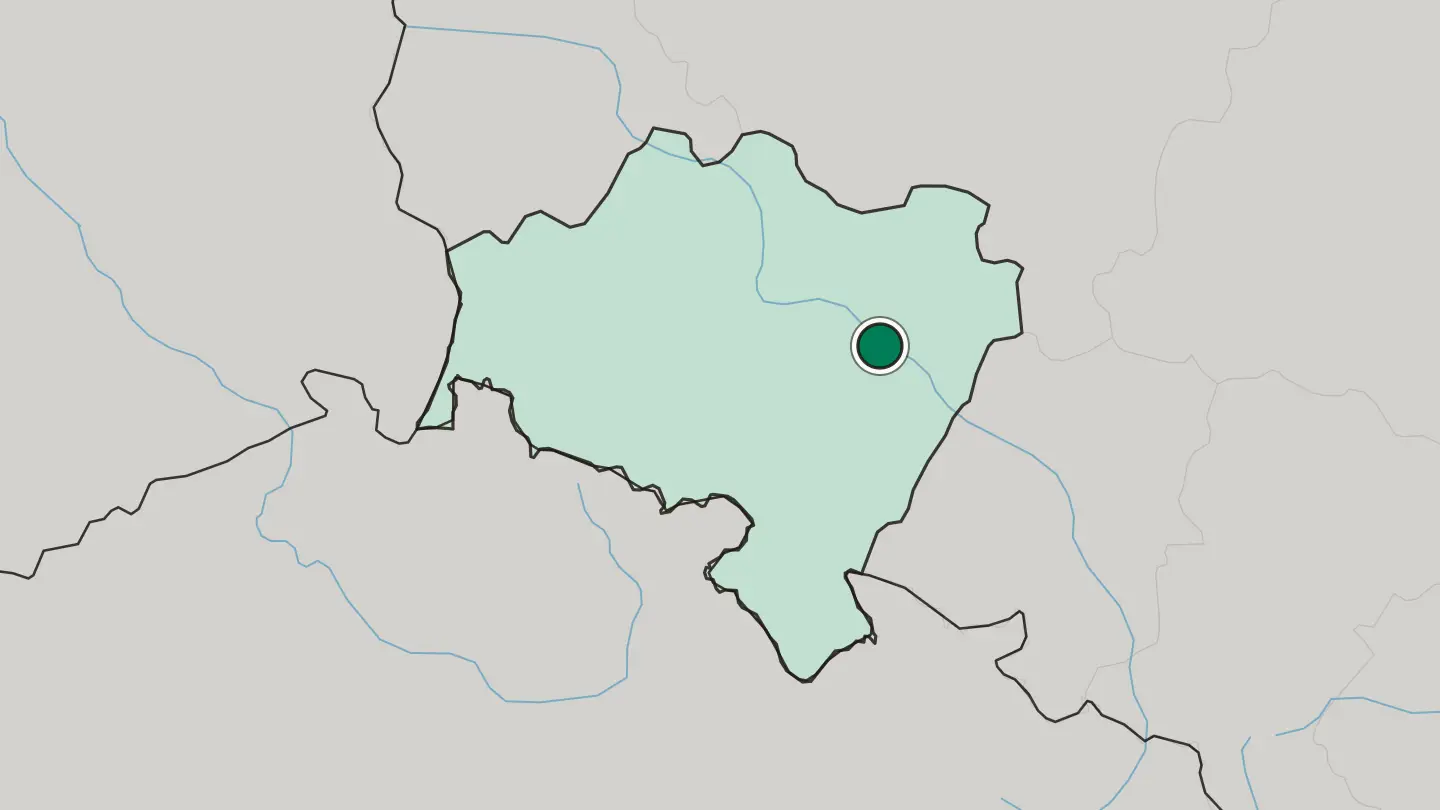
 Poland
Wałbrzych
Wałbrzych is a former coal-mining city in the Sudeten mountains of southwest Poland, guarded by the great castle of Książ.Where to stay →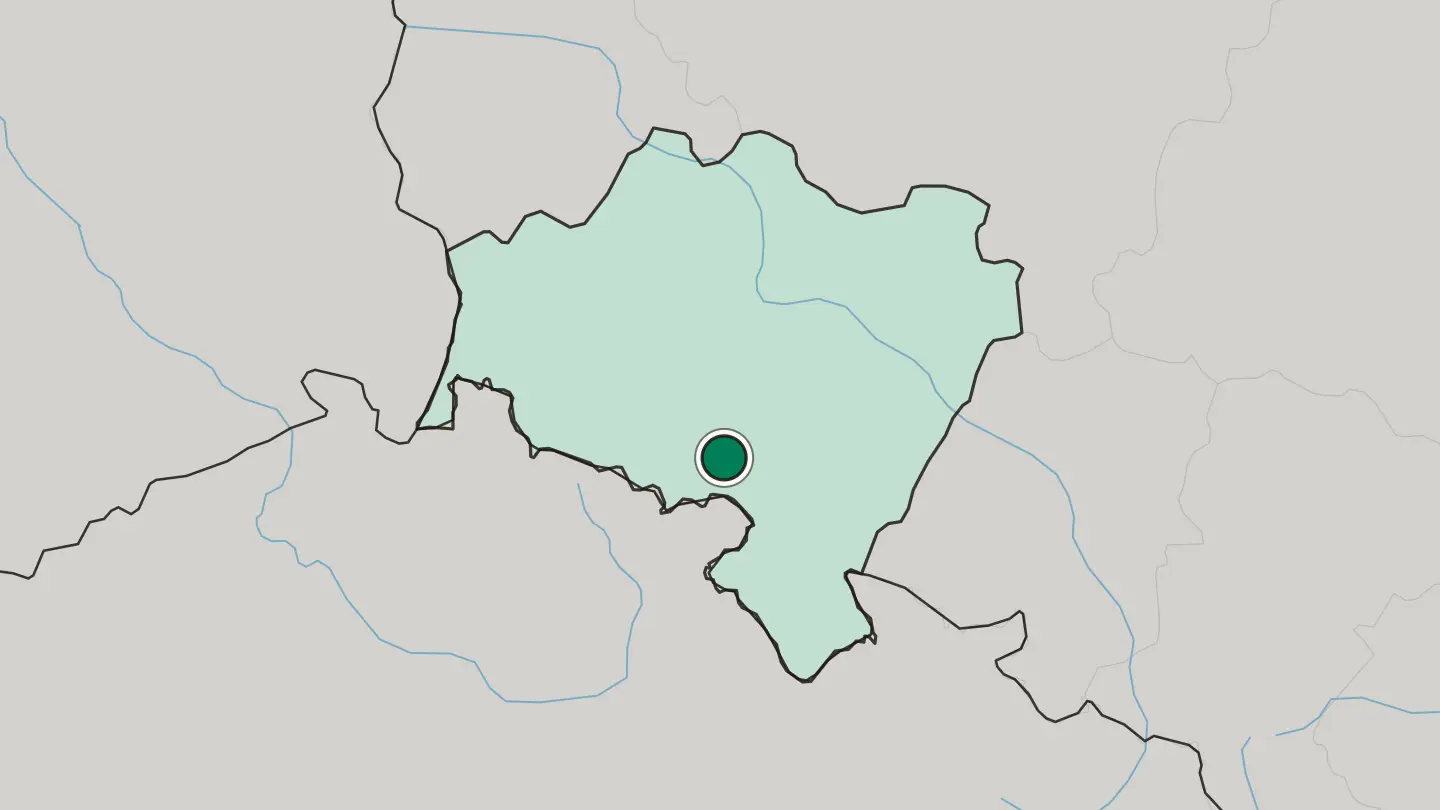
 Poland
Legnica
Legnica is a historic Silesian city in southwest Poland, an old seat of the Piast dukes on the Kaczawa river.Where to stay →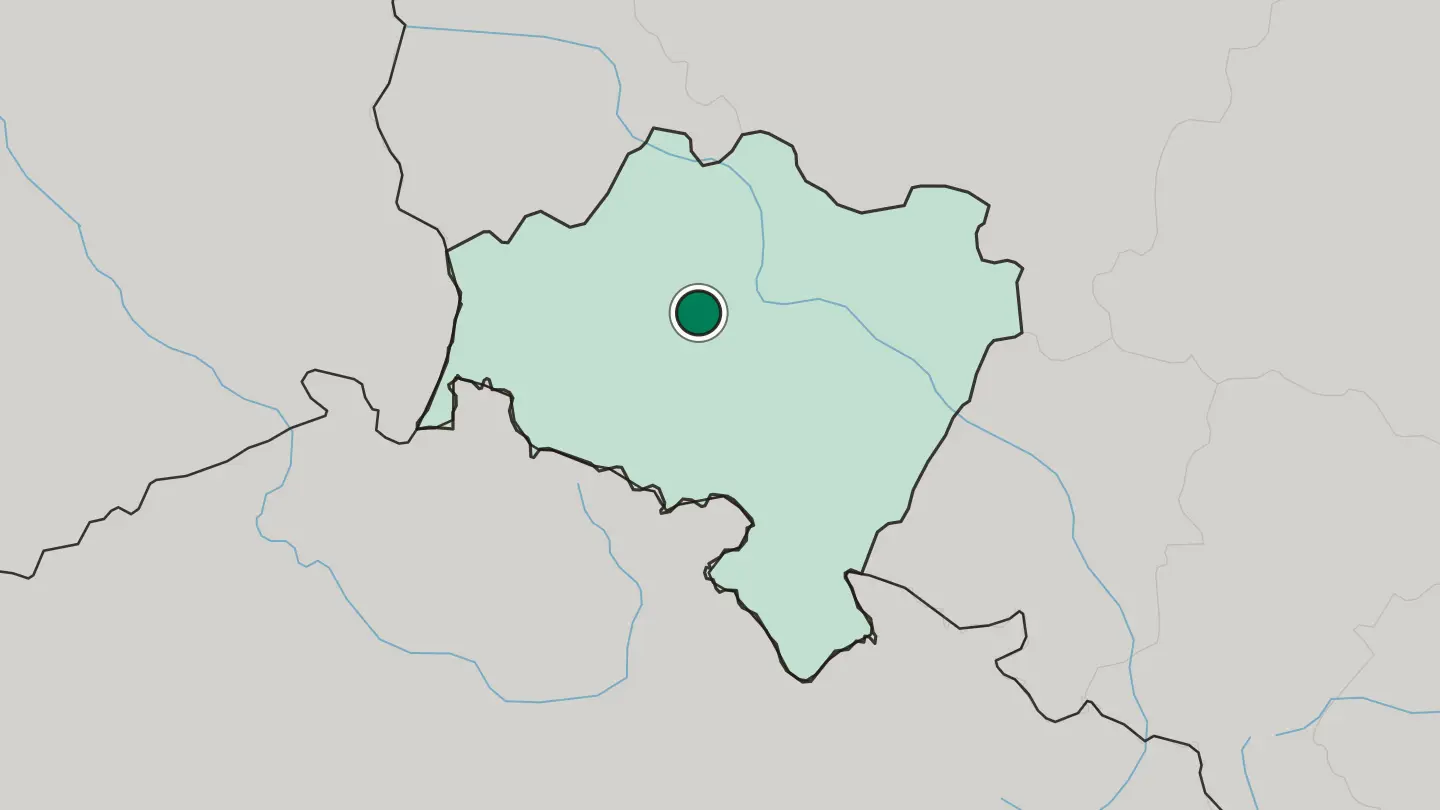
 Poland
Lubin
Lubin dates from 1280 and runs the affairs of Lubin County in the Lower Silesian Voivodeship, with Lubin Castle at one end and its stadium at the other.Where to stay →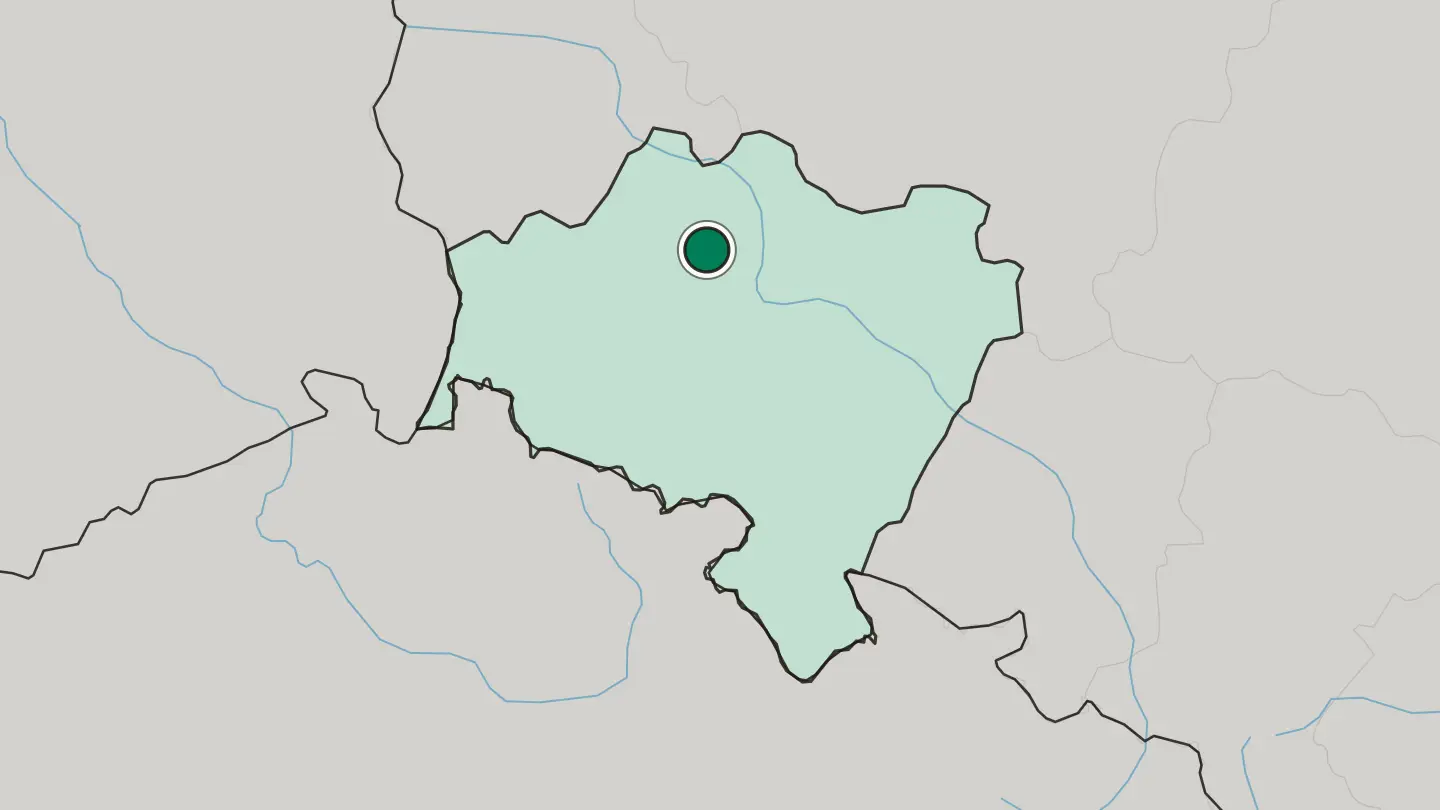
 Poland
Jelenia Góra
Jelenia Góra is a historic city in Lower Silesia, southwestern Poland, set below the Karkonosze mountains and rich in old churches and towers.Where to stay →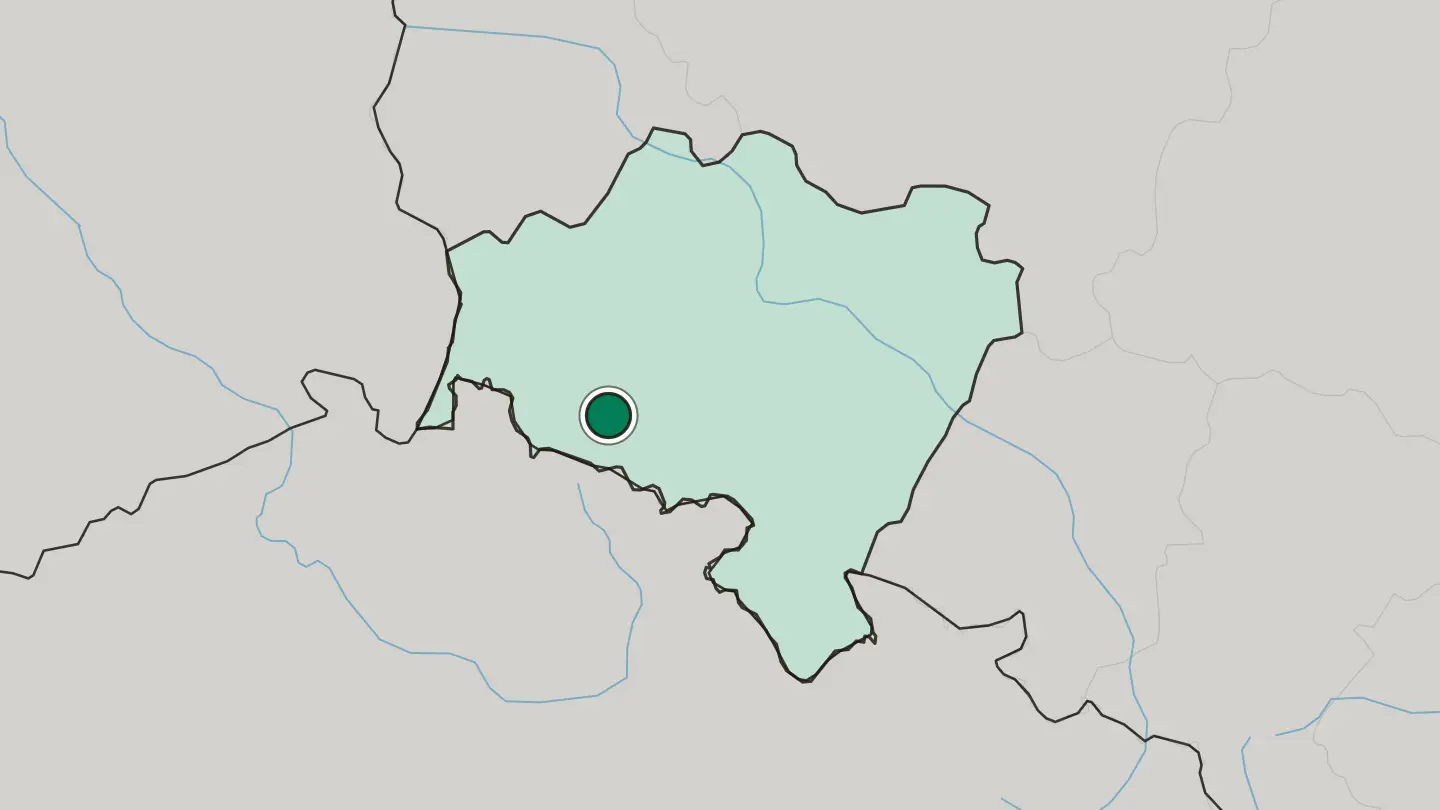
 Poland
Głogów
Głogów, seat of Głogów County in the Lower Silesian Voivodeship, is a copper town rebuilt around the Castle of the Dukes of Głogów.Where to stay →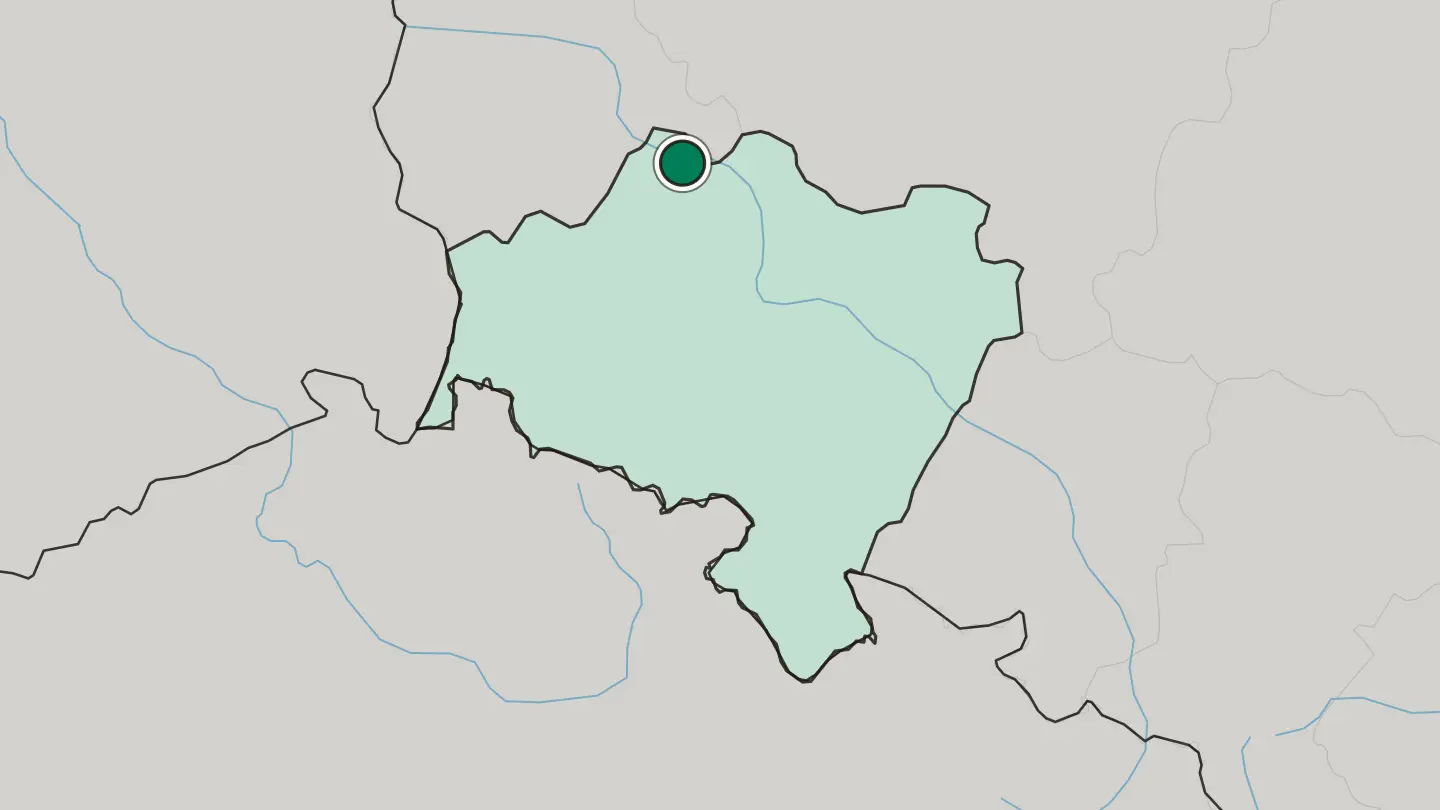
 Poland
Świdnica
Świdnica is a historic town in Lower Silesia, southwest Poland, famed for its great timber-framed Church of Peace.Where to stay →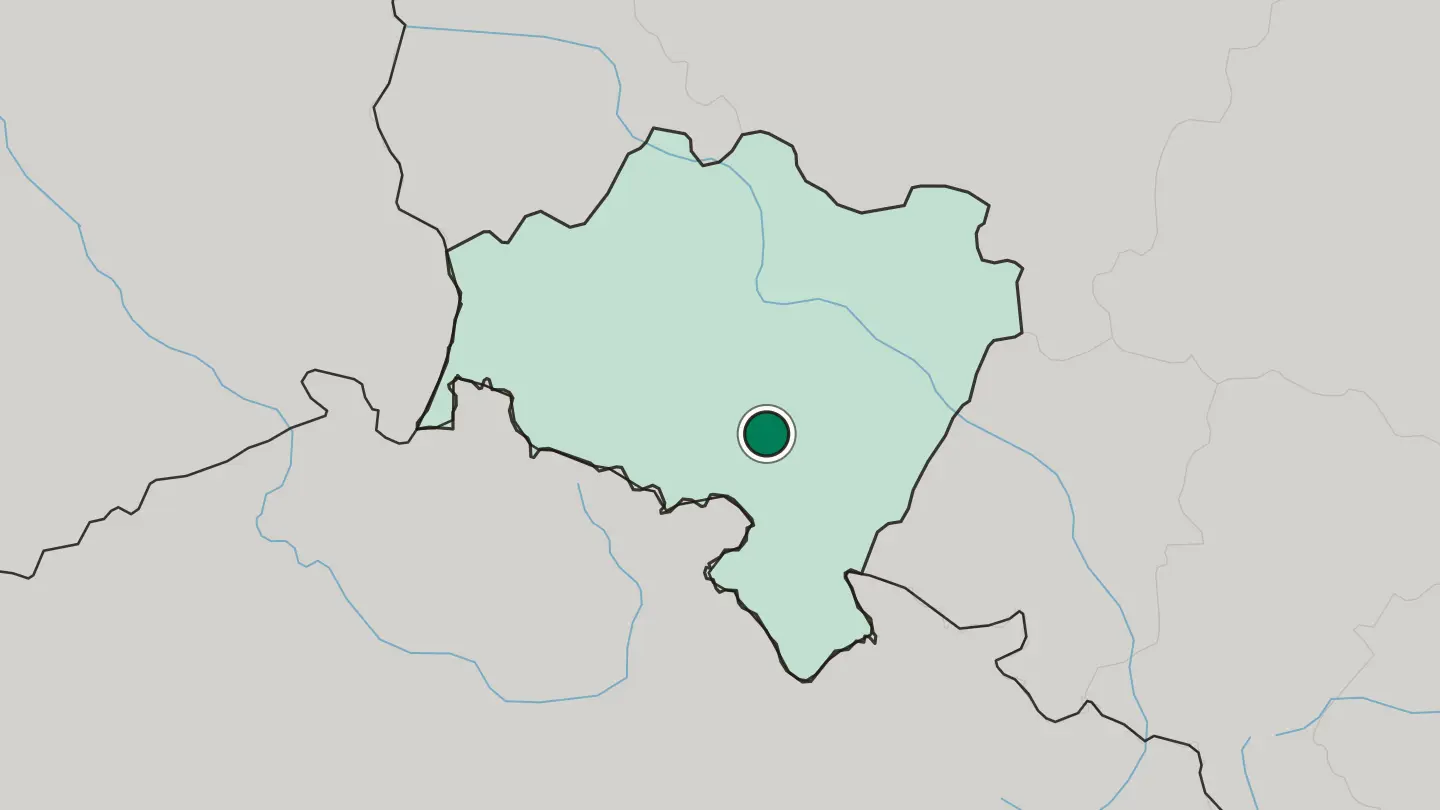
Hotel links are affiliate links: booking through them may earn us a commission, at no extra cost to you. It never affects how places are ranked. How this works
About Lower Silesian Voivodeship
What is Lower Silesian Voivodeship known for?
The Lower Silesian Voivodeship is known as a voivodeship of Poland in the historic region of Silesia, along the lower reaches of the Oder river. Its ground holds ore. Old gold, silver, and copper mines mark the region, and its towns carry a blend of Polish, German, and Czech influences drawn from the long past of Silesia.
Where is Lower Silesian Voivodeship?
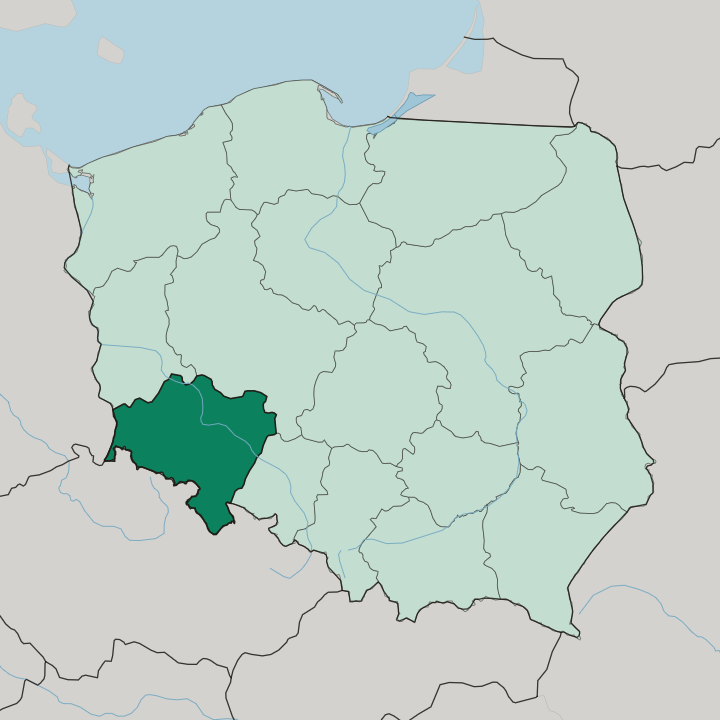
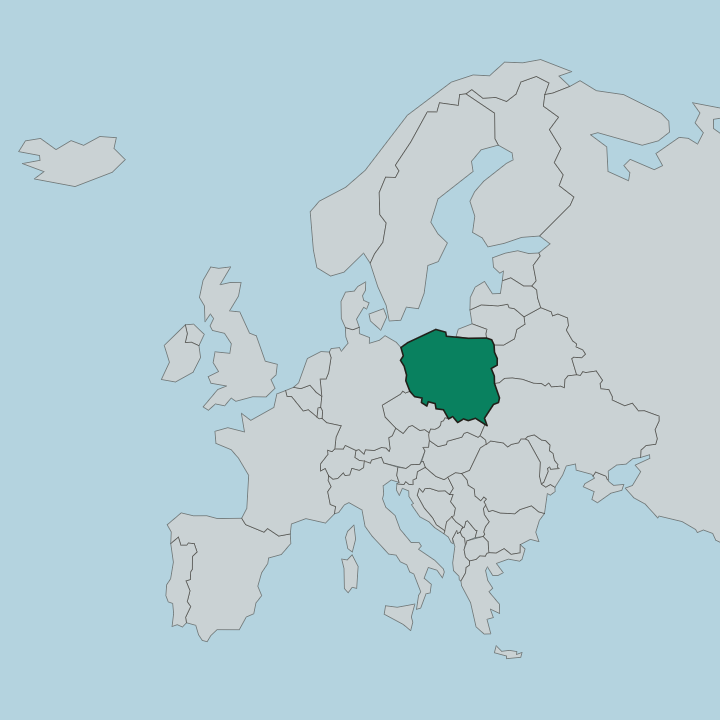
The Lower Silesian Voivodeship lies in the historic region of Silesia, spread across the land along the lower reaches of the Oder river. The Oder threads through it. From the river valley the ground rises to low hills and uplands at the far edge of the voivodeship, where Poland gives way to the German and Czech lands beyond.
The land is old mining country. Beneath its hills lie the gold, silver, and copper mines that gave Silesia its wealth, worked long before the region took its modern shape. The voivodeship sits well inland, away from any coast.
No sea reaches Silesia, landlocked within Poland and bounded on its far side by the German and Czech lands. Rivers feed the Oder. Smaller streams run down from the hills and gather into the Oder river as it crosses the region, carrying the drainage of Silesia through the country.
Water shaped the region. Along its banks the towns of the Lower Silesian Voivodeship line the water, a broad valley region set between the hills and the plains of Poland.
What is Lower Silesian Voivodeship like?
The Lower Silesian Voivodeship carries a culture layered from many hands across the historic region of Silesia. Three influences meet here. The towns of Silesia blend Polish, German, and Czech custom, a mix laid down over centuries as the region changed hands along the Oder river.
The past sits close to the surface. Old churches, market squares, and mining towns across the voivodeship of Poland still show the marks of the peoples who shaped Silesia. That mingling runs through the whole region.
Under Prussia in the eighteenth century Silesia took on a German cast, layered over its Polish and Czech roots, and the borders around it shifted more than once. The ground never forgot. From the gold, silver, and copper mines to the towns along the Oder river, the wealth of Silesia drew settlers of many tongues into the region, and each wave left its trace on the streets and churches.
One country holds it. Across the Lower Silesian Voivodeship the Polish language carries the daily life of Silesia, over a heritage still marked by the German and Czech hands that shaped the region.
What is the history of Lower Silesian Voivodeship?
The Lower Silesian Voivodeship took its modern form in 1999, drawn from the historic region of Silesia. Silesia is far older. For centuries the gold, silver, and copper mines of the region drew wealth and settlers along the Oder river, and the land was politically fractured, changing ownership more than once before its annexation by Prussia in the eighteenth century.
Many hands held it. Out of that long past the Lower Silesian Voivodeship emerged within Poland, a region of Silesia marked by Polish, German, and Czech influences alike.
What is the climate of Lower Silesian Voivodeship?
The Lower Silesian Voivodeship lies in the temperate band, its weather shaped by the inland position of Silesia and the valley of the Oder river. The seasons are moderate. Warm summers cross the lowlands, cold winters settle over the hills, and the region sees a gentler, wetter climate than the far interior of Poland, tempered by the westerly weather that reaches Silesia.
How do you get to Lower Silesian Voivodeship?
The Lower Silesian Voivodeship is reached from across Poland and its neighbours, by road and rail through the historic region of Silesia. The Oder valley opens the way. Routes follow the Oder river and the old trade roads into Silesia, linking the region to the rest of Poland and to the German and Czech lands along its far edge.
More regions in Poland
Updated September 2026