Poland · Lower Silesian Voivodeship
Where to Stay in Wałbrzych, Lower Silesian Voivodeship
Wałbrzych is a former coal-mining city in the Sudeten mountains of southwest Poland, guarded by the great castle of Książ.
Hotel links are affiliate links: booking through them may earn us a commission, at no extra cost to you. It never affects how places are ranked. How this works


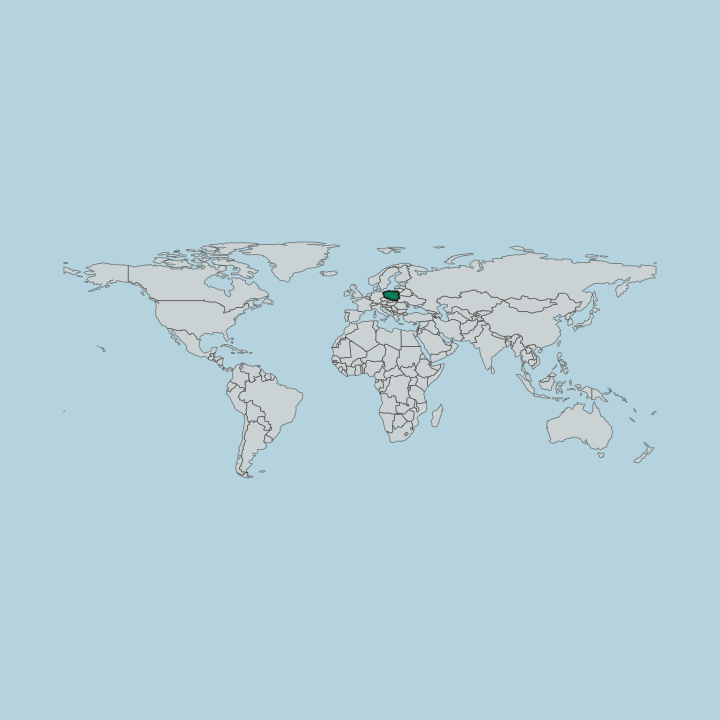
Where to stay in Wałbrzych
Where you base yourself shapes the visit — here's the character of each area.

 WałbrzychPoland
Stary Zdrój
Mining shaped this quarter. A medieval street plan and the headframe of Szyb Chwalibóg I both stand listed in Stary Zdrój, a district of Wałbrzych.Where to stay → WałbrzychPoland
Biały Kamień
Biały Kamień, once an independent city, is a residential district of Wałbrzych with the region's oldest record of coal mining, dated 1561.Where to stay →Hotel links are affiliate links: booking through them may earn us a commission, at no extra cost to you. It never affects how places are ranked. How this works
Find hotels in Wałbrzych
Direct booking searches for these neighbourhoods.
The town centre
Around the old centre within a walk of Stara KopalniaFind hotels in The town centreStays wanting the castle and the woodsKsiąż and the hills
Toward Książ Castle among the parks and slopesFind hotels in Książ and the hillsHotel links are affiliate links: booking through them may earn us a commission, at no extra cost to you. It never affects how places are ranked. How this works
Things to do in Wałbrzych
Ranked by global recognition; descriptions from Wikidata (CC0).
Museums & Galleries
2- Old Mine Science and Art Centre in Wałbrzych
- Porcelain Museum in Wałbrzych
Churches & Religious Sites
8- Holy Guardian Angels church in Wałbrzych Heritage
- Lutheran church in Wałbrzych Heritage
- Our Lady of Sorrows church in Wałbrzych Heritage
- Saint Joseph church in Wałbrzych Heritage
- Sacred Heart church in Wałbrzych Heritage
Show 3 more →
- Church of “Resurrection of Lord” in Wałbrzych Heritage
- Church of Pentecost in Wałbrzych Heritage
- Saint George and Our Lady of the Rosary church in Wałbrzych Heritage
Castles & Historic Sites
3- Nowy Dwór Castle in Wałbrzych Heritage
- Alberti Palace in Wałbrzych Heritage
- Pomnik Ofiar Oświęcimskich w Wałbrzychu
Landmarks & Notable Places
8- 1 Dmowskiego Street in Wałbrzych Heritage
- 9 Pocztowa Street in Wałbrzych Heritage
- 10 Gdańska Street in Wałbrzych Heritage
- 7 Limanowskiego Street in Wałbrzych Heritage
- 3 Dmowskiego Street in Wałbrzych Heritage
Show 3 more →
- 8 Gdańska Street in Wałbrzych Heritage
- 3 Gdańska Street in Wałbrzych Heritage
- 4 Gdańska Street in Wałbrzych Heritage
worth knowingacross 4 categories in Wałbrzych
About Wałbrzych
Wałbrzych is the old coal city of the Sudeten foothills.
What is Wałbrzych known for?
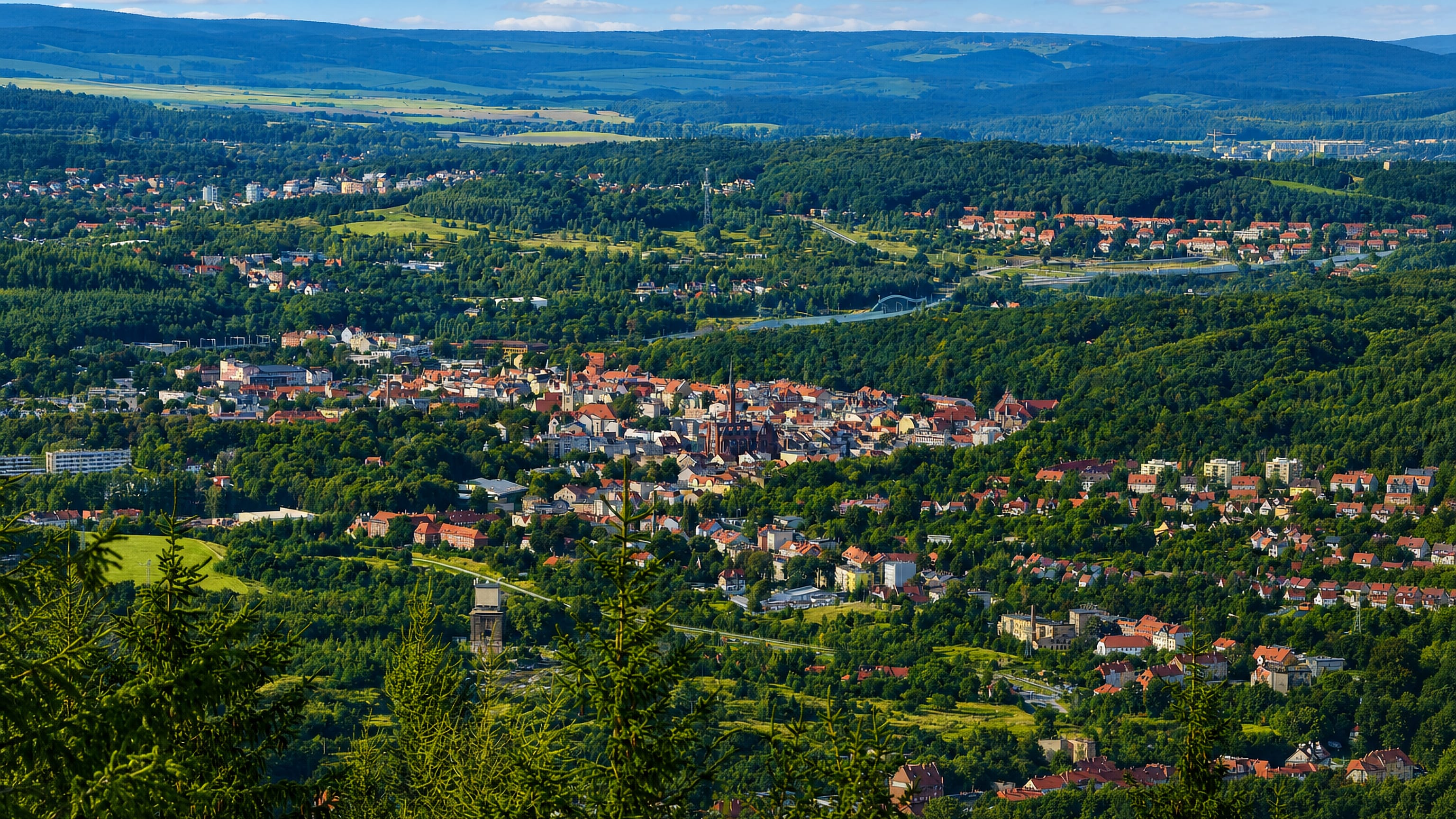
In a bowl of wooded hills in Lower Silesia, it dug black coal for centuries and made fine porcelain, and above the town rises Książ, the third-largest castle in Poland, wrapped in tales of hidden Nazi tunnels and a lost gold train. The green hills ring the valley. Książ crowns its wooded spur.
What are the main landmarks in Wałbrzych?
Książ Castle crowns a wooded spur above Wałbrzych. The great castle, the third-largest in Poland, rises over the river gorge with its terraces and towers, the emblem of the city, in the hills. An old coal mine lies in the valley.
The Stara Kopalnia, once a working pit, now holds a museum of coal and art, while the Porcelain Museum and the palm house mark the old streets of Wałbrzych.
What is the history of Wałbrzych?
Wałbrzych rose and fell with its coal. A small town in the Silesian hills, it grew huge in the age of coal, when deep mines were sunk under the valley and the town filled with pits, works, and porcelain kilns, first under German and then under Polish rule. A great castle watched from above.
The mighty castle of Książ, raised by a Silesian duke and rebuilt by rich noble families, crowned a spur over the river through it all. War left dark secrets in the hills. In the last war the Germans drove tunnels into the rock beneath Książ and the nearby mountains for some hidden purpose, and legends of a buried gold train still draw seekers to the valley.
Then the mines closed for good. In our own age the last pits shut down, and Wałbrzych turned its old mine into a museum and its castle into a draw for visitors. The old headframes still stand by the shafts.
Wałbrzych keeps its castle and its mine in the Sudeten hills.
Where is Wałbrzych?
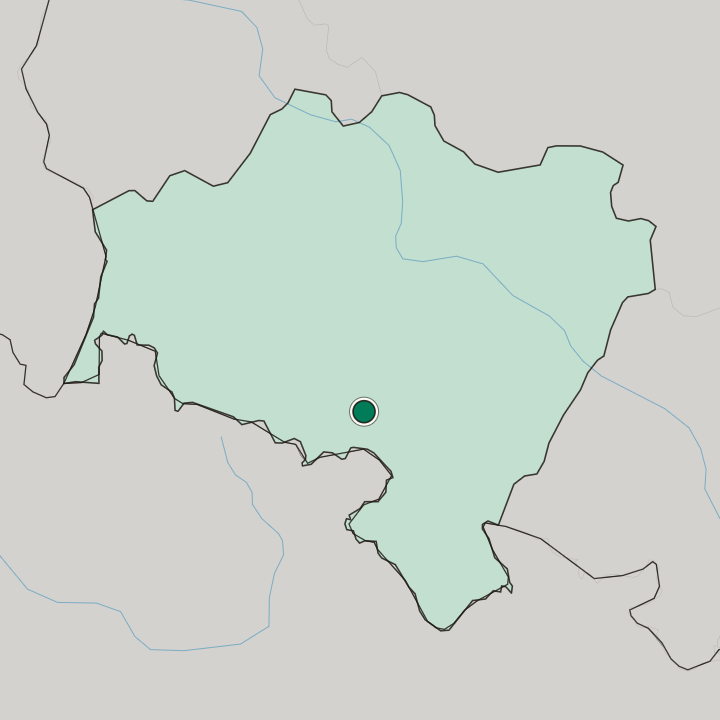
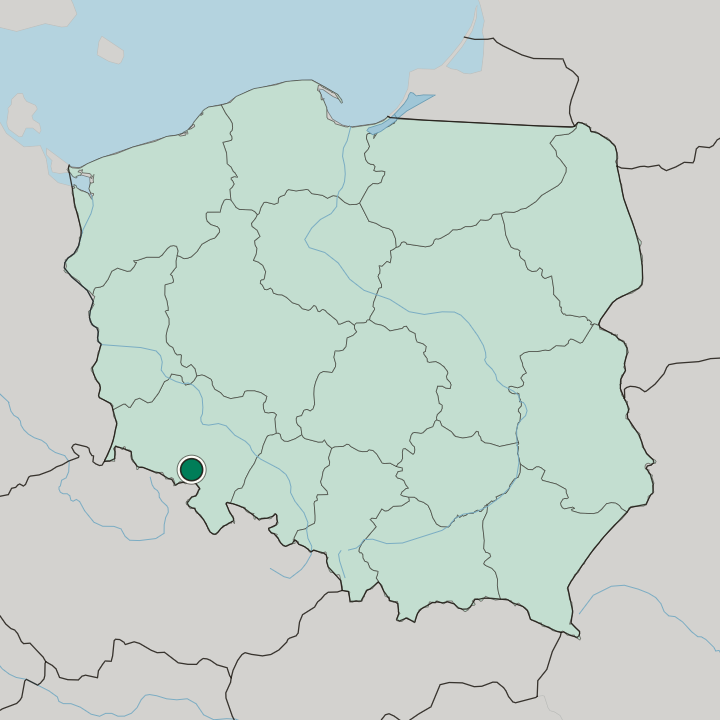
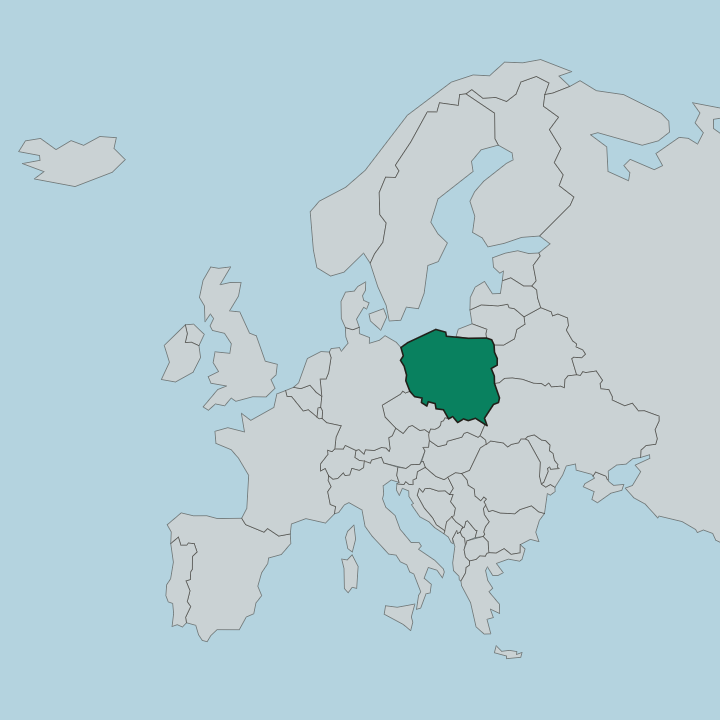
Wałbrzych lies in the Sudeten mountains of Lower Silesia, southwest Poland, near the Czech border. The city sits in a hollow among wooded ranges, on the streams that drain the coal hills, below the Owl and Table mountains. Forested slopes rise around.
Wooded ridges climb toward the border.
What is the climate of Wałbrzych?
Wałbrzych has a cool, damp mountain climate. Mild summers and cold winters cross the hills, and the ranges wring rain and snow from the clouds through the year, with mist common in the wooded valleys. Snow lies long on the higher slopes.
Cloud hangs low on the Owl mountains.
How do you get to Wałbrzych?
Wałbrzych lies in the Sudeten mountains, southwest of Wrocław. Trains and roads run to it from Wrocław and toward the Czech border over the hills, and the mountain resorts lie close to the south. Local roads climb to the castle and the ranges.
Wrocław lies about an hour to the northeast.
Common questions
What is the best area to stay in Wałbrzych?
The town centre: Visitors here for the mine museum, porcelain, and market. Książ and the hills: Stays wanting the castle and the woods.
Good for
More cities in Lower Silesian Voivodeship
Updated October 2026