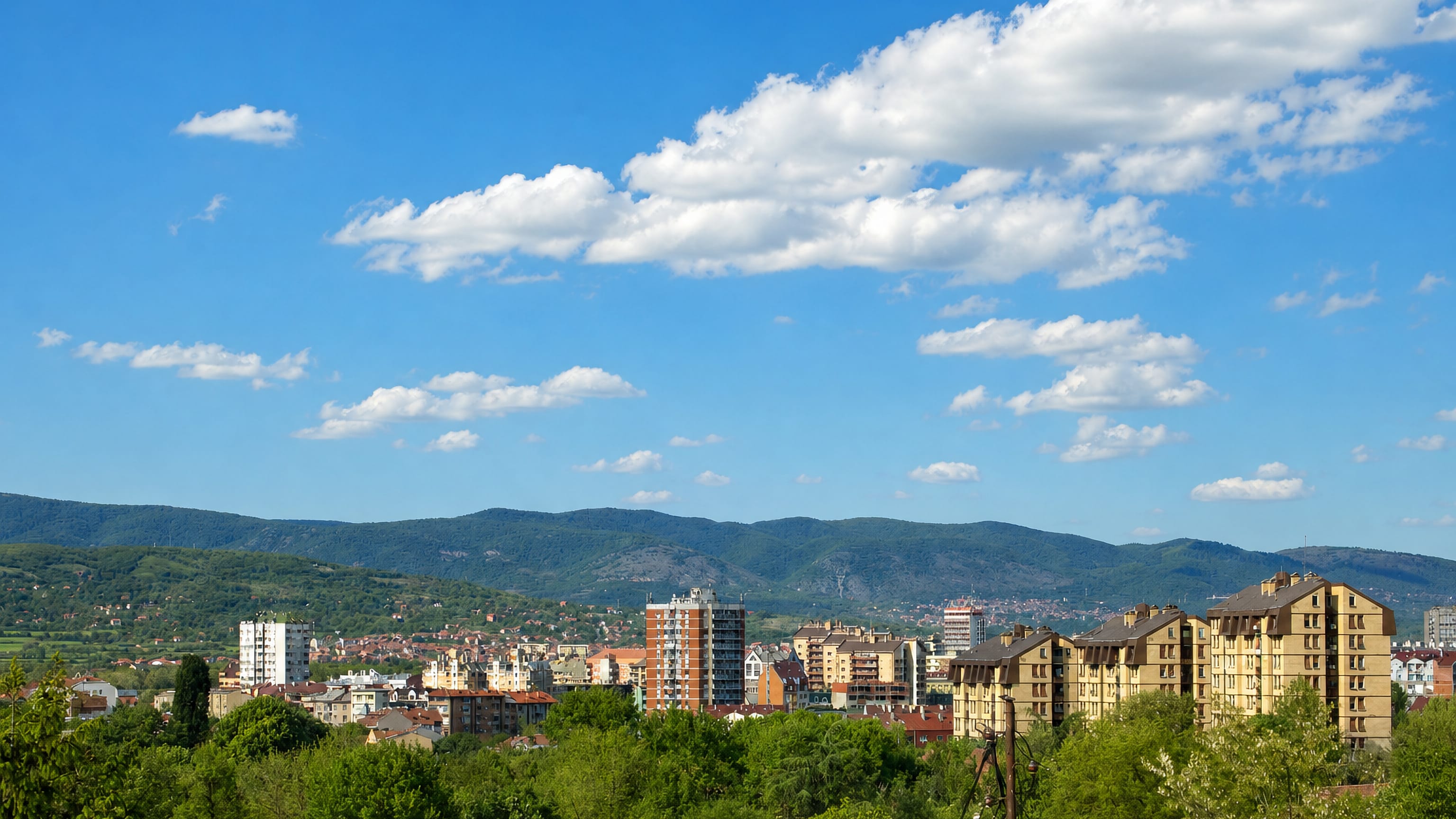
Serbia · Central Serbia
Where to Stay in Niš, Central Serbia
Niš is the third-largest city in Serbia, the administrative centre of the Nišava District, known for the Niš Fortress and the National Museum of Niš.
Hotel links are affiliate links: booking through them may earn us a commission, at no extra cost to you. It never affects how places are ranked. How this works


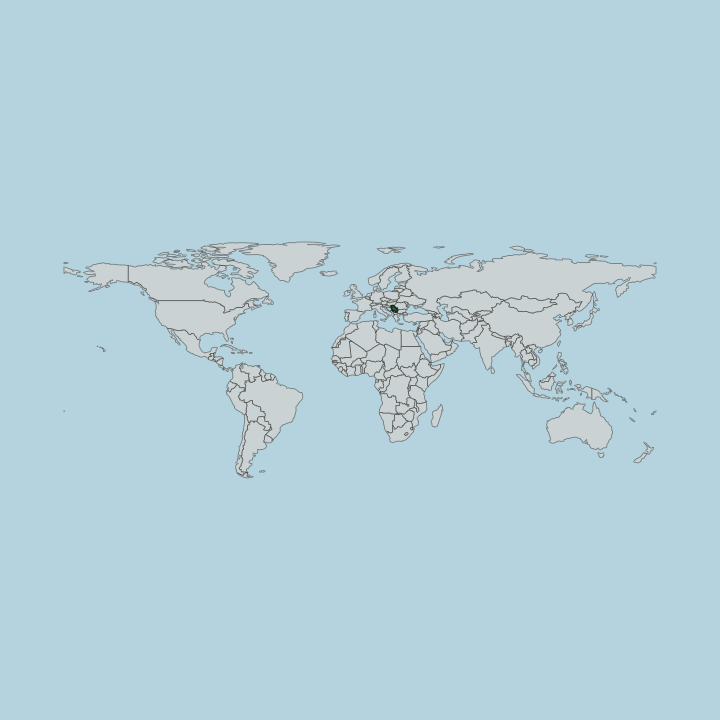
Where to stay in Niš
The practical side of choosing where to sleep.
Niš gathers most of its beds around the Niš Fortress and the streets that run out from it into the centre of the city. The fortress quarter puts you within reach of the Byzantine street inside the walls, the lapidarium, and the riverside promenade that skirts the ramparts. It is the natural first base.
Around the fortress bridge, the pedestrian core holds cafés, the National Museum of Niš, and the Octagon Palace, an easy walk from most central rooms. Quieter lodging spreads out toward St. Nicholas Church and St. Pantaleon Church, where the streets thin into older residential blocks. The southern approaches, closer to the road toward Greece and the Middle East, carry the more workaday motels used by drivers breaking a long haul.
Base yourself by the fortress if the walls, the National Museum, and the Nisville Jazz Museum are your reason to visit. Choose the pedestrian centre for cafés, the Octagon Palace, and the shortest walks to everything. The church quarters around St. Pantaleon Church suit a calmer stay away from the evening crowds.
Each side of Niš keeps its own pace.
Find hotels in Niš
Direct booking searches for these neighbourhoods.
Niš Fortress quarter
The walled quarter keeps the Byzantine street, the lapidarium, and the National Museum of Niš within a short walk.Find hotels in Niš Fortress quarterCafés and the walk to the Octagon PalacePedestrian centre
The pedestrian core spreads from the fortress bridge past cafés and the Octagon Palace toward every central sight.Find hotels in Pedestrian centreA calmer stay around St. Pantaleon ChurchChurch quarters
Older residential blocks thin out around St. Nicholas Church and St. Pantaleon Church, away from the evening crowds.Find hotels in Church quartersDrivers breaking the haul toward GreeceSouthern approaches
Workaday motels line the southern roads used by travellers on the long route toward Greece and the Middle East.Find hotels in Southern approachesHotel links are affiliate links: booking through them may earn us a commission, at no extra cost to you. It never affects how places are ranked. How this works
Things to do in Niš
Ranked by global recognition; descriptions from Wikidata (CC0).
Museums & Galleries
3- National Museum of Niš
- Nisville Jazz Museum
- Digital Museum in Niš
Churches & Religious Sites
3- St. Nicholas Church, Niš Heritage
- Crkva Svetih arhanđela Mihaila i Gavrila u Nišu Heritage
- St. Pantaleon Church, Niš
Castles & Historic Sites
3- Monument to Liberators of Niš Heritage
- Античка улица са грађевином под сводовима и базиликом у Нишкој тврђави Heritage
- Memorial Chapel
Landmarks & Notable Places
2- Зграда Учитељског дома у Нишу Heritage
- Кућа Мишићевих у Нишу Heritage
worth knowingacross 4 categories in Niš
About Niš
Niš is the third-largest city in Serbia.
What is Niš known for?
Its seat governs the Nišava District, and its landmark is the Niš Fortress, whose walls enclose a Byzantine street, a lapidarium, and the older layers of the town below. The National Museum of Niš gathers the region's antiquities. The Nisville Jazz Museum records the festival that carries the city's name abroad, and travellers passing toward Greece or the Middle East have long broken their journey inside these ramparts.
What are the main landmarks in Niš?
The Niš Fortress anchors the city's sights. Its walls hold a Byzantine street, a lapidarium of carved stone, and centuries of layered building that reach from the Roman town up through the medieval and Ottoman ramparts above. Within reach are the National Museum of Niš and the Museum of Church Antiquities.
Churches mark the older quarters: St. Pantaleon Church, St. Nicholas Church, and the Church of the Holy Archangels Michael and Gabriel. The Monument to Liberators of Niš rises in the centre, and the Nisville Jazz Museum keeps the festival's story. Roman remains survive at the Octagon Palace.
What is the history of Niš?
Niš carries some of the deepest Roman layers in the southern part of Serbia, and the ground still gives them up. The Octagon Palace and the antique street preserved in the Niš Fortress show the Roman town that stood on the crossroads here, and a Byzantine street survives inside the same walls. Later the fortress was rebuilt in stone.
Its ramparts frame the medieval and Ottoman centuries that followed, when Niš held one of the great strongholds guarding the road east. Out from those walls grew the modern city. The National Museum of Niš gathers the finds of every period, from the Roman remains to the medieval necropolis around the old Church of St. Pantaleon and the Museum of Church Antiquities.
The Monument to Liberators of Niš in the centre records the city's passage out of Ottoman rule, and the Memorial Chapel stands among the sites of remembrance the town keeps. Through all of it Niš stayed a crossroads, the place travellers bound for Greece or the Middle East have paused before the long road south. The fortress still watches over the streets that climb away from it.
Where is Niš?
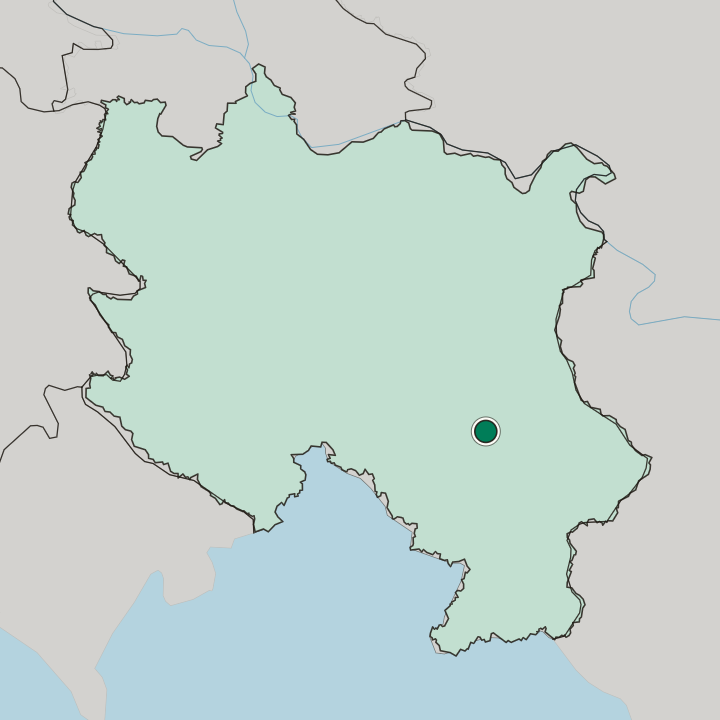
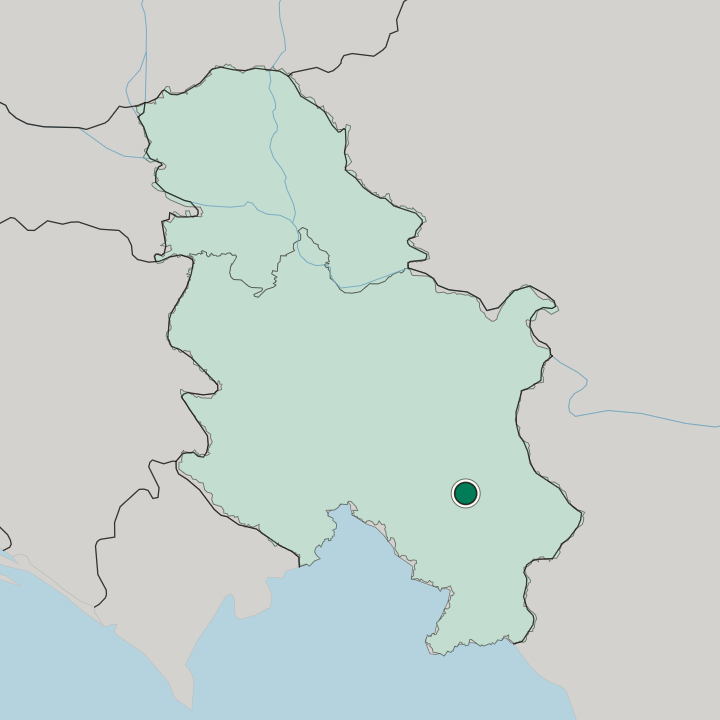
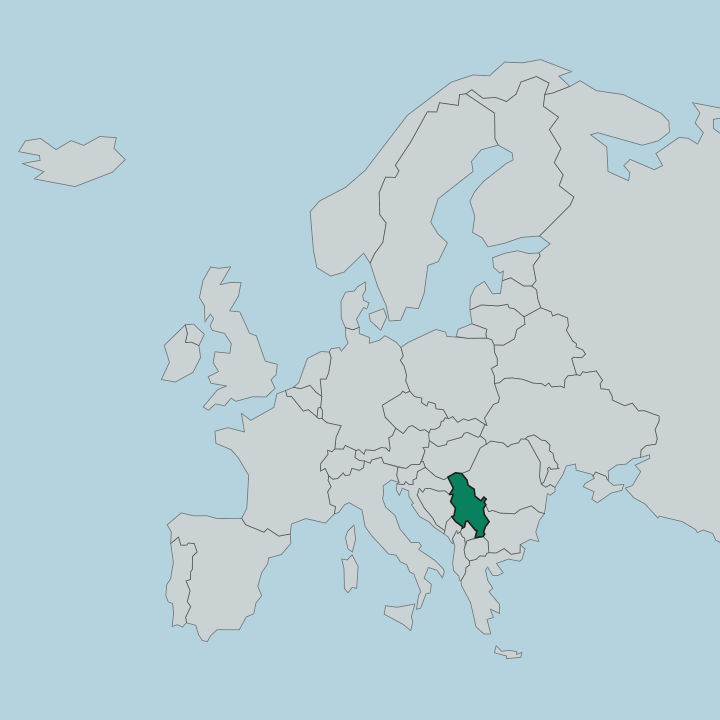
Niš lies in the southern part of Serbia, within Central Serbia and at the head of the Nišava District that takes its name from the town and gathers the settlements around it. It sits at a broad crossroads. The long road runs south toward Greece, while the way east carries traffic toward the Middle East.
The Niš Fortress commands the low ground at the centre, and the built-up streets spread out from it across a plain ringed by higher country.
What is the climate of Niš?
Niš has a temperate continental climate set by its inland position in the southern part of Serbia. Summers run warm. The plain around the Niš Fortress heats up under long, dry spells, while winters turn cold and can bring snow to the ramparts and the surrounding hills.
Spring and autumn are milder, the seasons that suit walking the fortress walls and the old streets below them. Rain falls through much of the year.
How do you get to Niš?
Niš sits on the main routes crossing the southern part of Serbia, and roads and rail run north toward Belgrade and south along the corridor toward Greece, with the way east carrying traffic on toward the Middle East. Buses link the city with towns across the Nišava District and beyond. Getting here is simple.
From the station the centre and the Niš Fortress are a short ride or walk away. The crossroads position keeps arrivals steady.
Common questions
What is the best area to stay in Niš?
Niš Fortress quarter: First-timers wanting the Byzantine street and the fortress ramparts. Pedestrian centre: Cafés and the walk to the Octagon Palace. Church quarters: A calmer stay around St. Pantaleon Church. Southern approaches: Drivers breaking the haul toward Greece.
Good for
More cities in Central Serbia
Updated October 2026