Serbia · Central Serbia
Where to Stay in Kragujevac, Central Serbia
Kragujevac is a city in the Šumadija hills of central Serbia, the first capital of the modern Serbian state.
Hotel links are affiliate links: booking through them may earn us a commission, at no extra cost to you. It never affects how places are ranked. How this works


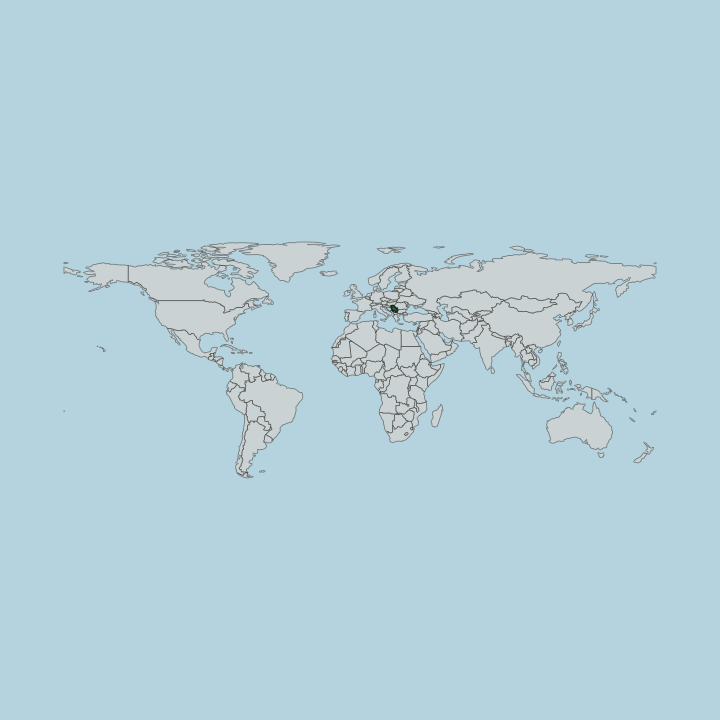
Where to stay in Kragujevac
How the choice of base plays out on the ground.
Where you stay in Kragujevac turns on the old centre. The streets around the old church and the museums keep the shops, the arsenal, and the river within a walk, and staying downtown suits anyone here for the city. The old town lines the Lepenica.
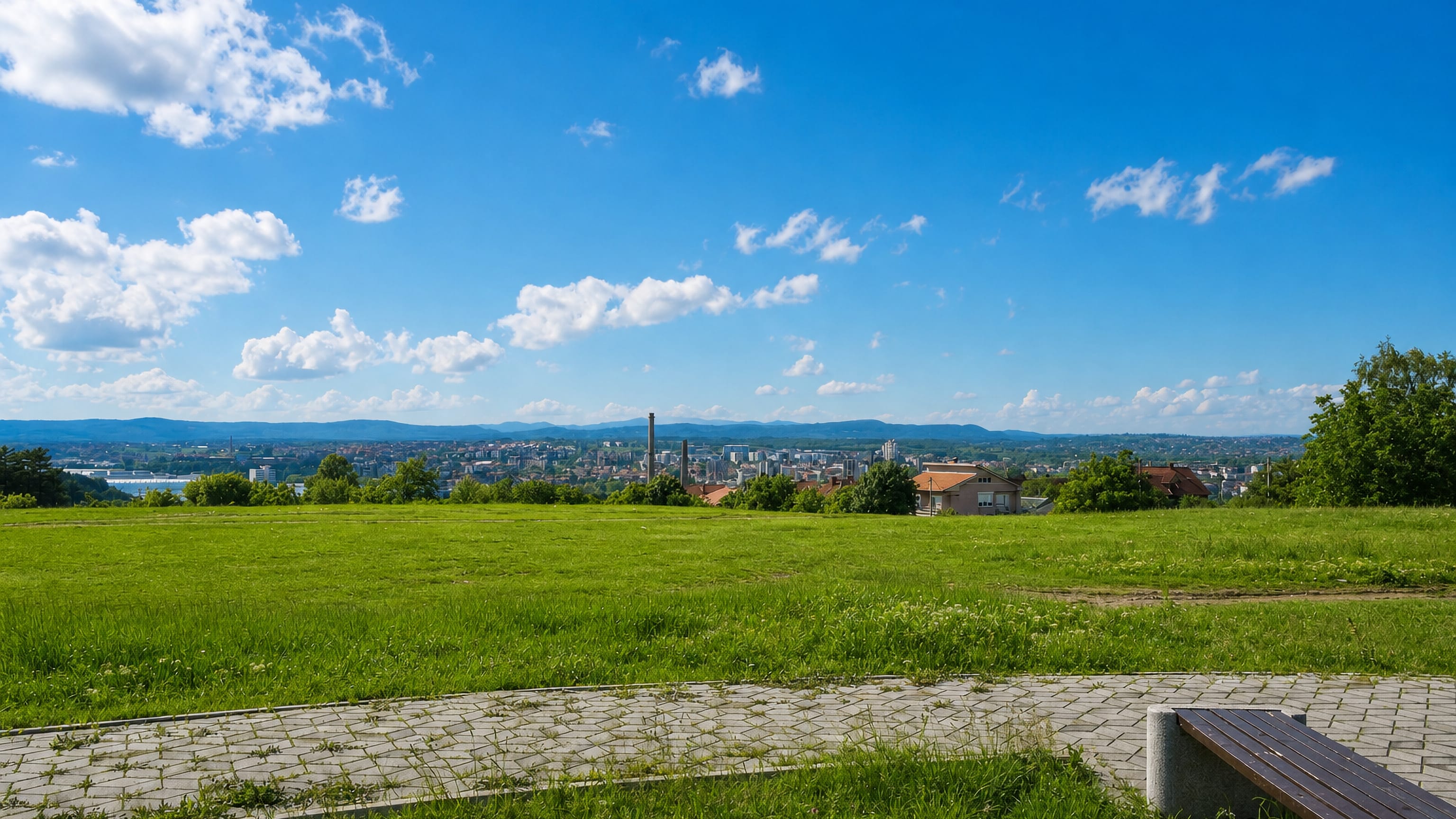
Rooms sit near the centre. Out toward Šumarice and the hills, the town gives way to green meadows and woods. A room by the park trades the centre for the memorial, the quiet, and the wooded hills of Šumadija.
Green slopes start at the last streets. If you want the shops and the museums, stay downtown; if you want the park, take a room by Šumarice. Both leave Stara crkva and the old quarter close by.
Find hotels in Kragujevac
Direct booking searches for these neighbourhoods.
The old centre
Around the old church and museums within a walk of the riverFind hotels in The old centreStays wanting the memorial park and the hillsBy Šumarice
Out toward the Šumarice park among the green Šumadija hillsFind hotels in By ŠumariceHotel links are affiliate links: booking through them may earn us a commission, at no extra cost to you. It never affects how places are ranked. How this works
Things to do in Kragujevac
Ranked by global recognition; descriptions from Wikidata (CC0).
Museums & Galleries
3- Memorial Museum "21. October” Kragujevac
- National Museum of Kragujevac
- Old Firearms Manufactury Museum in Kragujevac
Churches & Religious Sites
3- Stara crkva Heritage
- Crkva Sv. Save (Kragujevac)
- Црква Светог Јосипа у Крагујевцу
Castles & Historic Sites
3- Spomenik palim Šumadincima Heritage
- House-legacy of Ljubica Filipović Heritage
- "Monument of Pain and Defiance" by Ante Gržetić
Stadiums & Sports
1- Jezero Hall
worth knowingacross 4 categories in Kragujevac
About Kragujevac
Kragujevac is the old first capital of Serbia.
What is Kragujevac known for?
In the heart of Šumadija it became the seat of the young Serbian state two centuries ago, gaining the country's first school, printing press, and arsenal, and it keeps a great memorial park to the thousands shot here in the last war. The old arsenal still stands by the river. History and memory mark the city.
What are the main landmarks in Kragujevac?
The Šumarice memorial park spreads over the killing ground near Kragujevac. Among the meadows stand monuments to the thousands shot in 1941, the emblem of the city, and a museum of the dark day. The old arsenal stands by the river.
The nineteenth-century gun works, birthplace of Serbia's arms, keep the city's museums, while the old church and the first grammar school mark the heart of Kragujevac.
What is the history of Kragujevac?
Kragujevac was the cradle of modern Serbia. When the Serbs won their freedom from the Turks, Prince Miloš made the town his capital in 1818, and here rose the country's first constitution, first grammar school, first press, and first theatre. The state armed itself here.
A great arsenal was built to forge the guns of Serbia, and the town grew into the country's chief maker of arms, later of the Zastava cars. The war brought terrible days to the town. In October 1941, in reprisal for a rising, the occupiers shot thousands of the men and boys of Kragujevac in the meadows of Šumarice, among them whole classes of schoolboys with their teachers.
The dead were never forgotten. On the killing ground the people raised a great memorial park of monuments and a museum, so the meadows of Šumarice became a place of mourning and remembrance. The old arsenal still stands in the city.
Kragujevac keeps its history and its grief in Šumadija.
Where is Kragujevac?
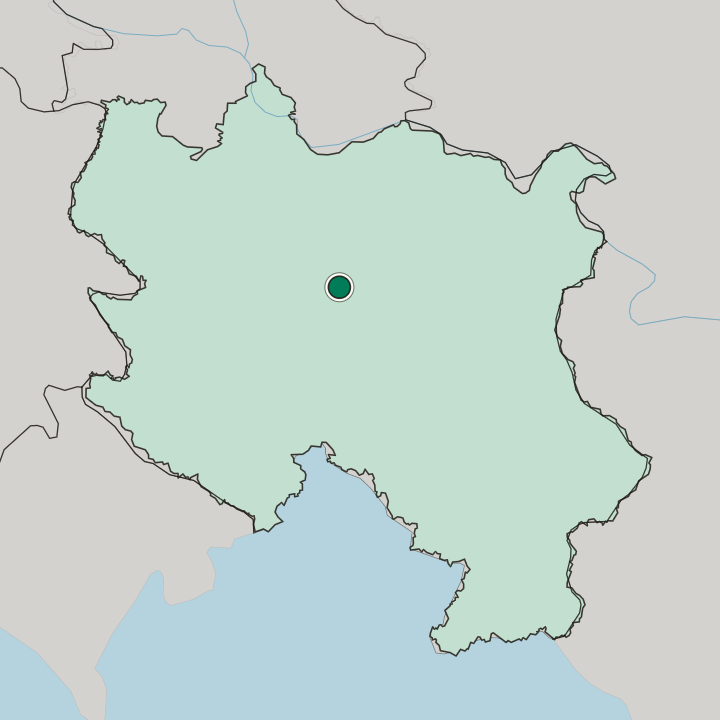
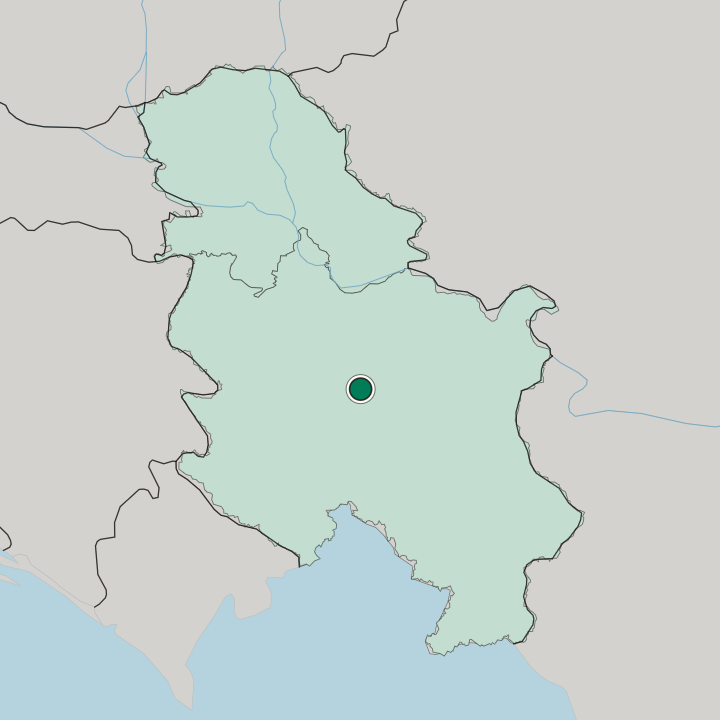
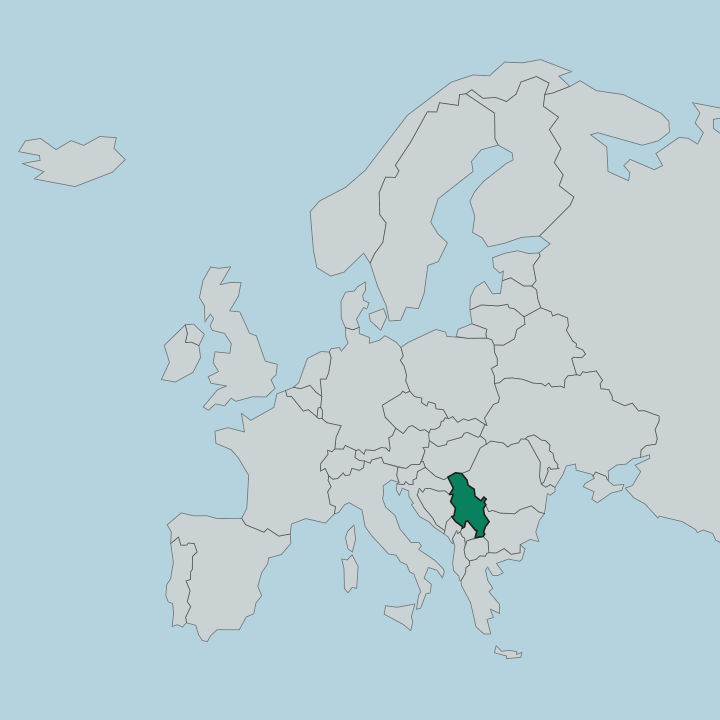
Kragujevac lies in the Šumadija hills of central Serbia, on the Lepenica river. The city sits in a green basin among the low wooded hills of the heartland, south of Belgrade, where the plains give way to the mountains. Rolling hills ring the town.
The river winds through the valley.
What is the climate of Kragujevac?
Kragujevac's weather follows the temperate continental pattern of the Šumadija interior. Warm summers and cold winters cross the hills, and rain falls through the year with snow in the cold months, hot and dry in the height of summer. Storms break over the hills in summer.
The basin stays green much of the year.
How do you get to Kragujevac?
Kragujevac lies in central Serbia, south of Belgrade. Roads and rail run to it through the Šumadija hills from Belgrade and the highway south, and roads cross to Kraljevo and the mountains. Buses reach the hill towns around.
Most arrive by road from Belgrade.
Common questions
What is the best area to stay in Kragujevac?
The old centre: Visitors here for the church, museums, and arsenal. By Šumarice: Stays wanting the memorial park and the hills.
Good for
More cities in Central Serbia
Updated October 2026