Serbia · Central Serbia
Where to Stay in Zemun, Central Serbia
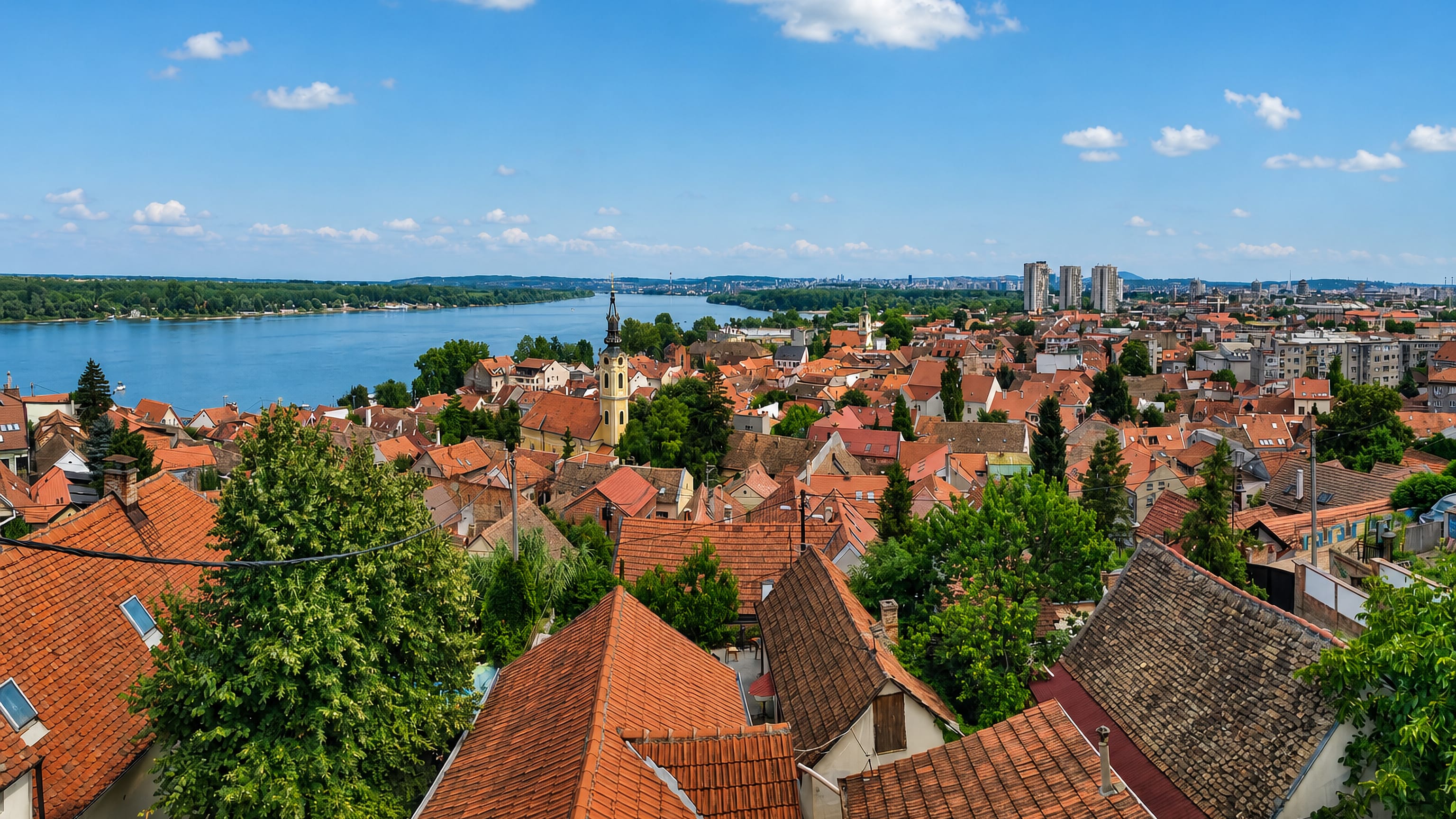
Zemun, a municipality of Belgrade on the right bank of the Danube, was a town in its own right until 1934, and Gardoš Tower still marks it.
Hotel links are affiliate links: booking through them may earn us a commission, at no extra cost to you. It never affects how places are ranked. How this works


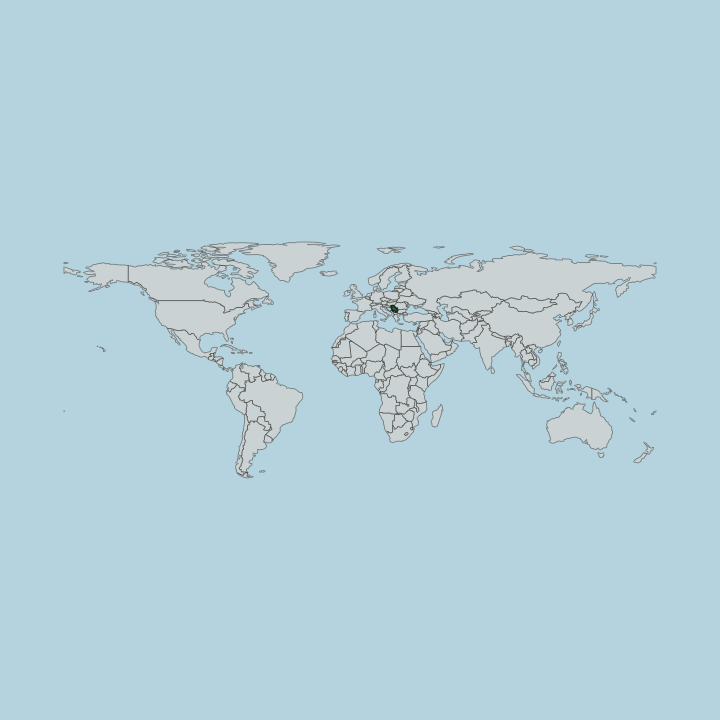
Where to stay in Zemun
How the choice of base plays out on the ground.
Gardoš Tower and the Danube bank decide the choice in Zemun, and the two sides of the municipality want different kinds of visitor. Rooms in the old streets under Gardoš keep Zemun Fortress, the Church of the Nativity of the Theotokos, and Ičko's House on foot, which suits you if the town-before-Belgrade is what you came for. That side is compact.
Toward New Belgrade the municipality turns modern, with Hala sportova, Pinki Hall, and the wide blocks that closed the gap between Zemun and downtown Belgrade. Transport is easier there. A room on that side puts the whole of Belgrade within the same urban fabric, and the Sava is no farther than the Danube from most of it.
The Magistrate in Zemun belongs to the older half. Season changes the balance. Fog settles along the Danube through the cold months, and a room facing the water reads very differently in January than it does under summer heat.
Either half stays inside Belgrade. Zemun has been part of the city since 1934, and the practical difference between its two sides is walking distance rather than travel time.
Find hotels in Zemun
Direct booking searches for these neighbourhoods.
Gardoš
The old streets under Gardoš Tower hold the Church of the Nativity of the Theotokos and the Magistrate in ZemunFind hotels in GardošStays that want the rest of Belgrade in the same urban fabricThe New Belgrade side
Hala sportova and Pinki Hall mark the modern blocks that closed the gap to downtown BelgradeFind hotels in The New Belgrade sideHotel links are affiliate links: booking through them may earn us a commission, at no extra cost to you. It never affects how places are ranked. How this works
Things to do in Zemun
Ranked by global recognition; descriptions from Wikidata (CC0).
Churches & Religious Sites
2- Church of the Nativity of the Theotokos Heritage
- Monastery of Saint Archangel Gabriel
Castles & Historic Sites
2- Gardoš Tower Heritage
- Zemun Fortress Heritage
Stadiums & Sports
2- Pinki Hall
- Stadion FK IMT
Landmarks & Notable Places
1- Burovac house in Gardoš Heritage
worth knowingacross 4 categories in Zemun
About Zemun
Gardoš Tower stands over the Danube.
What is Zemun known for?
Below it Zemun keeps the ground plan of the town it was before 1934, with Zemun Fortress, the Church of the Nativity of the Theotokos, and Ičko's House among the addresses it carries. Belgrade grew out to meet it. New Belgrade filled the ground between the two, so the boundary shows in the street pattern rather than in open land.
What are the main landmarks in Zemun?
Gardoš Tower is the marker everyone uses. Zemun Fortress shares the same ground, and the register runs on through the Church of the Nativity of the Theotokos, Ičko's House, the Spirta House, and the Magistrate in Zemun. Halls close the list.
Hala sportova and Pinki Hall carry the municipality's crowds, while the Franciscan monastery in Zemun and the Monastery of Saint Archangel Gabriel keep the quieter end of it.
What is the history of Zemun?
Zemun was a town before it was a part of Belgrade. The absorption came in 1934, and the Magistrate in Zemun is the plainest survival of the period when the place ran its own affairs from its own building. Defence came earlier.
Zemun Fortress and Gardoš Tower are the two defensive names on the register, and between them they account for most of what visitors come to see. Churches multiplied instead of consolidating. The Church of the Nativity of the Theotokos, the Church of Saint Demetrius, the Svetotroična church, an Evangelical church, the Franciscan monastery in Zemun, and the Monastery of Saint Archangel Gabriel all belong to the same municipality.
Houses carry the private half of the record. Ičko's House and the Spirta House stand among the named residences, together with the Kuća sa sunčanim satom and the Burovac house in Gardoš, and the birthplace of Dimitrije Davidović is preserved on the same list. Then Belgrade arrived.
New Belgrade went up on the ground between the two in the late twentieth century, and the continuous urban area closed the gap that had kept Zemun a separate place. Sport filled some of it. Hala sportova, Pinki Hall, the Vizura Sports Center, and Stadion FK IMT are the municipality's larger modern halls and grounds, and Queen Maria's Children's Home stands among its named institutions.
The Danube kept its bank throughout.
Where is Zemun?
Zemun sits on the right bank of the Danube, upstream from downtown Belgrade and north of the Sava, on flat ground that the two rivers frame. The Danube does the shaping. New Belgrade fills the space toward the Sava, and the continuous built-up area of Belgrade runs on from Zemun without a break in it.
Water sets every edge here.
What is the climate of Zemun?
The Danube runs through the weather as much as the ground, and fog gathers along the water in the cold months while the flat bank offers nothing to break the wind. Summers run hot. Belgrade's temperate seasons reach Zemun unchanged, with the heat sitting over the river plain and the winter drawing its cold down the open valley.
The Sava adds its own damp.
How do you get to Zemun?
Zemun is reached from Belgrade. The built-up area runs continuously through New Belgrade, so the approach from downtown Belgrade crosses no open country, only the streets that filled the gap in the late twentieth century. The Danube marks the far edge.
Anything arriving by water is arriving upstream of the city centre, and anything arriving by road is already inside Belgrade before it reaches Zemun.
Common questions
What is the best area to stay in Zemun?
Gardoš: Walkers heading for Zemun Fortress and Ičko's House. The New Belgrade side: Stays that want the rest of Belgrade in the same urban fabric.
Good for
More cities in Central Serbia
Updated October 2026