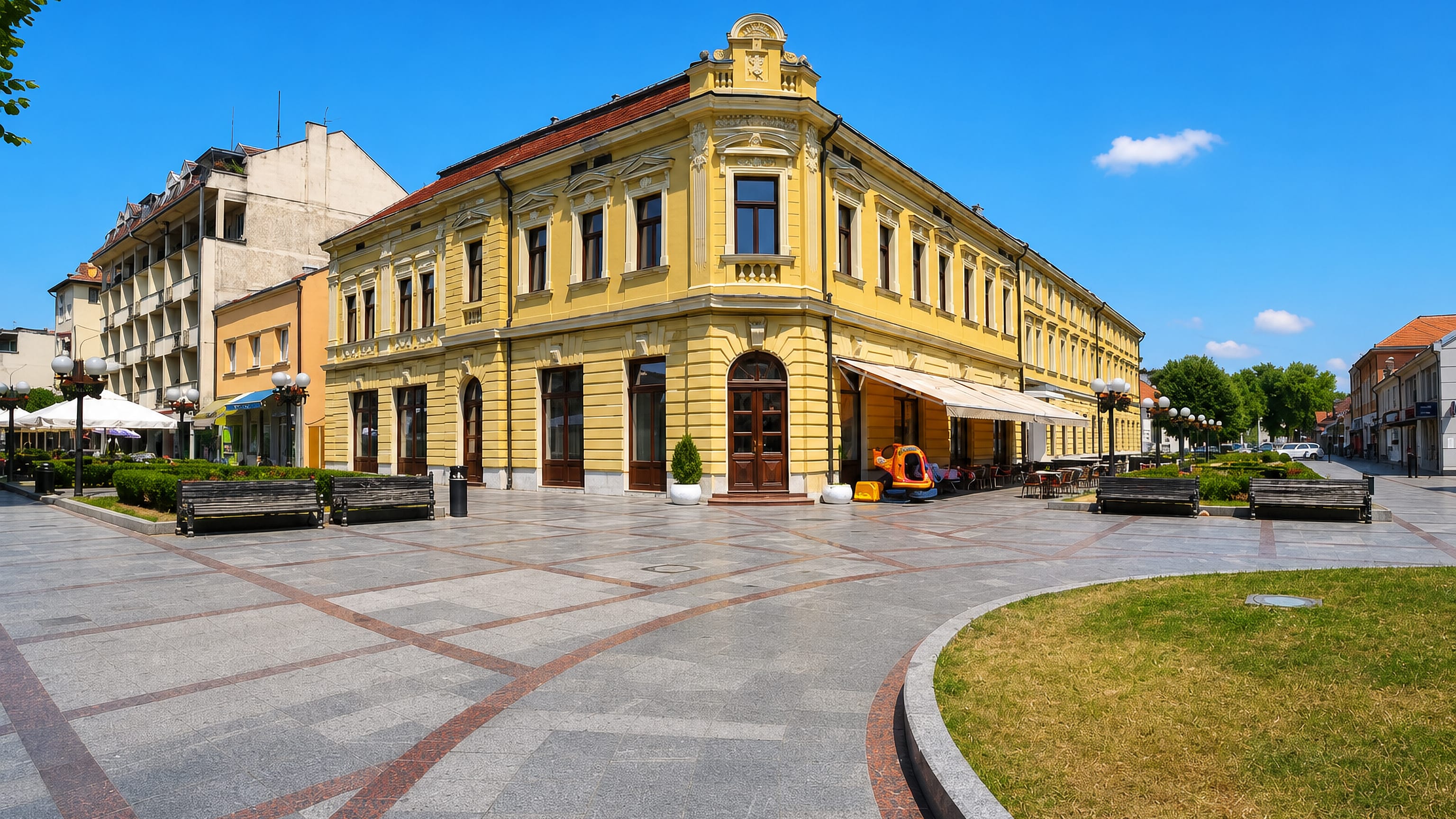
Serbia · Central Serbia
Where to Stay in Valjevo, Central Serbia
Valjevo is a town of western Serbia on the Kolubara river, an old market with a preserved Ottoman quarter where the first Serbian uprising began.
Hotel links are affiliate links: booking through them may earn us a commission, at no extra cost to you. It never affects how places are ranked. How this works


Where to stay in Valjevo
Where visitors usually base themselves, and why.
Where you stay in Valjevo turns on the old quarter or the gorge. The streets around Tešnjar keep the konak, the cathedral, and the market within a walk, and staying downtown suits anyone here for the town. The Kolubara runs past the streets.
Old shops line the cobbles. Out toward the Gradac gorge and the hills, the town gives way to woods, cliffs, and clear river water. A room by the gorge trades the old town for the swimming holes, the walks, and the quiet of the wild valley.
Green cliffs rise past the water. Stay downtown for the Tešnjar, or by the gorge for the river. The Tešnjar sits just up the river.
Find hotels in Valjevo
Direct booking searches for these neighbourhoods.
The old quarter
Around Tešnjar by the KolubaraFind hotels in The old quarterStays wanting the river and the walksThe Gradac gorge
Out toward the wild gorge and hillsFind hotels in The Gradac gorgeHotel links are affiliate links: booking through them may earn us a commission, at no extra cost to you. It never affects how places are ranked. How this works
Things to do in Valjevo
Ranked by global recognition; descriptions from Wikidata (CC0).
Museums & Galleries
2- The building of the National Museum in Valjevo Heritage
- Valjevo Museum
Churches & Religious Sites
3- Ćelije Monastery Heritage
- Crkva Pokrova Presvete Bogorodice (Valjevo) Heritage
- Cathedral Church of the Resurrection of the Lord in Valjevo
Castles & Historic Sites
2- Monument to Desanka Maksimović in Valjevo
- Споменик Миловану Глишићу
Nature & Outdoors
1- Degurić Cave
Stadiums & Sports
1- Valjevo Sports Hall
Landmarks & Notable Places
1- Officers' House Heritage
worth knowingacross 6 categories in Valjevo
About Valjevo
Valjevo is the uprising town of the Kolubara.
What is Valjevo known for?
On the river among the hills of western Serbia, it keeps the old quarter of Tešnjar with its Ottoman-era shops and cobbles, and it holds the konak where the Turks hanged the Serbian chiefs and sparked the first uprising, the town cathedral and museum, and the wild gorge of the Gradac nearby. Green hills ring the town. The river runs cold through the streets.
What are the main landmarks in Valjevo?
The old quarter of Tešnjar is the heart of Valjevo. The narrow street of low Ottoman-era shops and houses, running along the Kolubara, keeps the look of the old town, the emblem of the city, by the river. A Turkish konak stands nearby.
The old konak where the Serbian chiefs were killed still stands as a museum, while the cathedral, the iron bridge on the Gradac, and the wild river gorge mark the country around Valjevo.
What is the history of Valjevo?
Valjevo made its name in the fight for freedom. A market town under Ottoman rule, it stood on the Kolubara among the Serbian hills, and its old quarter of Tešnjar still keeps the look of those years. Then blood was spilled here.
In 1804 the Turks seized and killed the leading men of the district in the town, a massacre that drove the Serbs to rise in the first uprising against the sultan. The uprising grew into a nation. From that first revolt the Serbs won their freedom over the years that followed, and Valjevo grew as a free town on the river.
War returned in the last century. In the first winter of the Great War a great battle was fought on the Kolubara near Valjevo, and the town became a place of hospitals and grief, but it held. The Tešnjar still lines the river.
Valjevo keeps its old quarter and its gorge on the Kolubara.
Where is Valjevo?
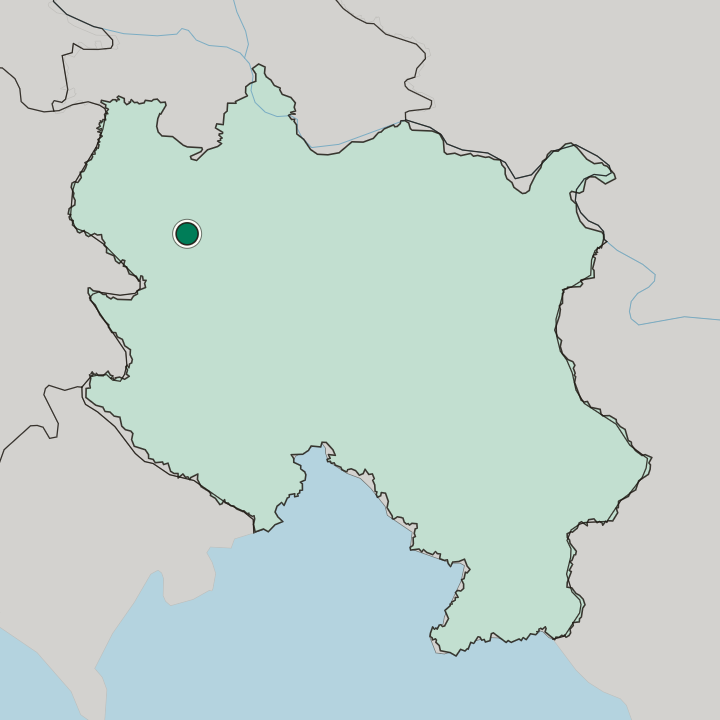
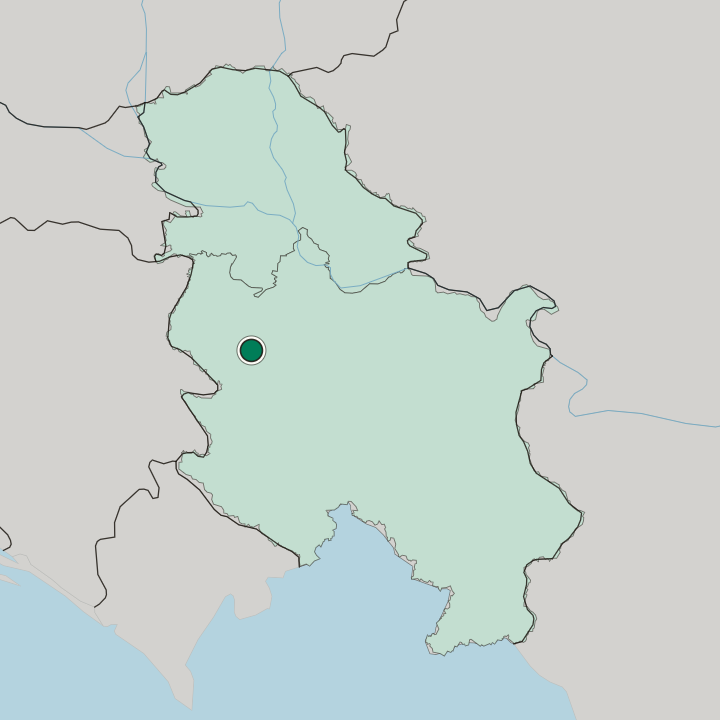
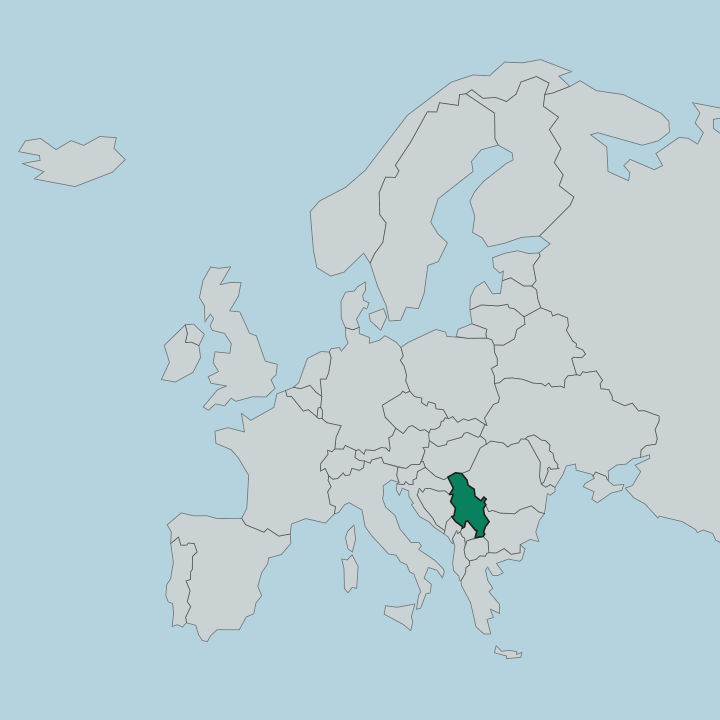
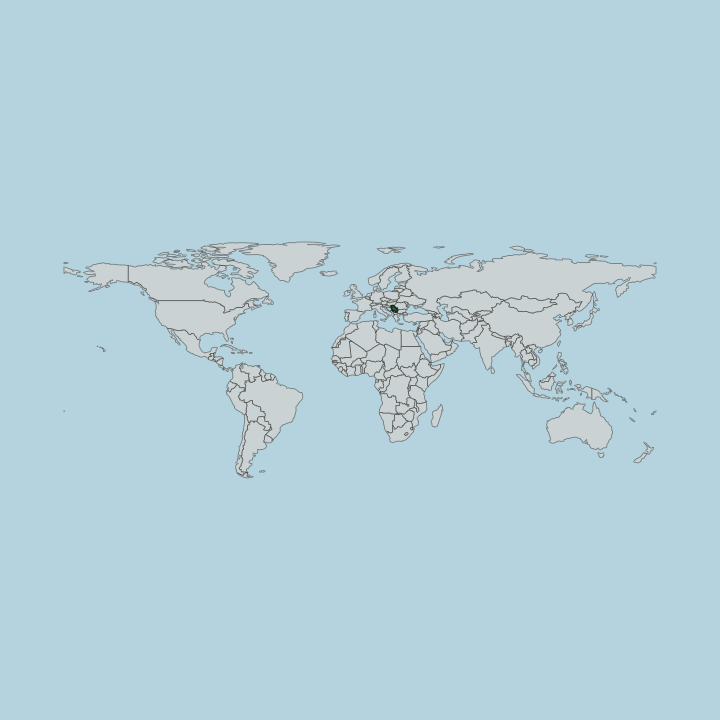
Valjevo lies in western Serbia, on the Kolubara river among the Valjevo hills. The town stands in a green basin where several small rivers come down from the wooded ranges, below the mountains of the west, with the deep gorge of the Gradac cutting in nearby. Wooded hills close the valley.
The rivers join in the town.
What is the climate of Valjevo?
Valjevo has a temperate continental climate. Warm summers and cold, snowy winters cross the hills, with rain spread through the year and cool air off the mountains. Mist fills the river valley at dawn.
Snow caps the heights in winter.
How do you get to Valjevo?
Valjevo lies in western Serbia, on the road and rail southwest of Belgrade. Trains and buses run to it up the Kolubara valley from the capital, and mountain roads climb west into the hills. Roads run out to the Gradac gorge.
Belgrade lies northeast on the plain.
Common questions
What is the best area to stay in Valjevo?
The old quarter: Visitors here for the Tešnjar, konak, and cathedral. The Gradac gorge: Stays wanting the river and the walks.
Good for
More cities in Central Serbia
Updated September 2026