Serbia
Central Serbia, Serbia — Towns & Travel Guide
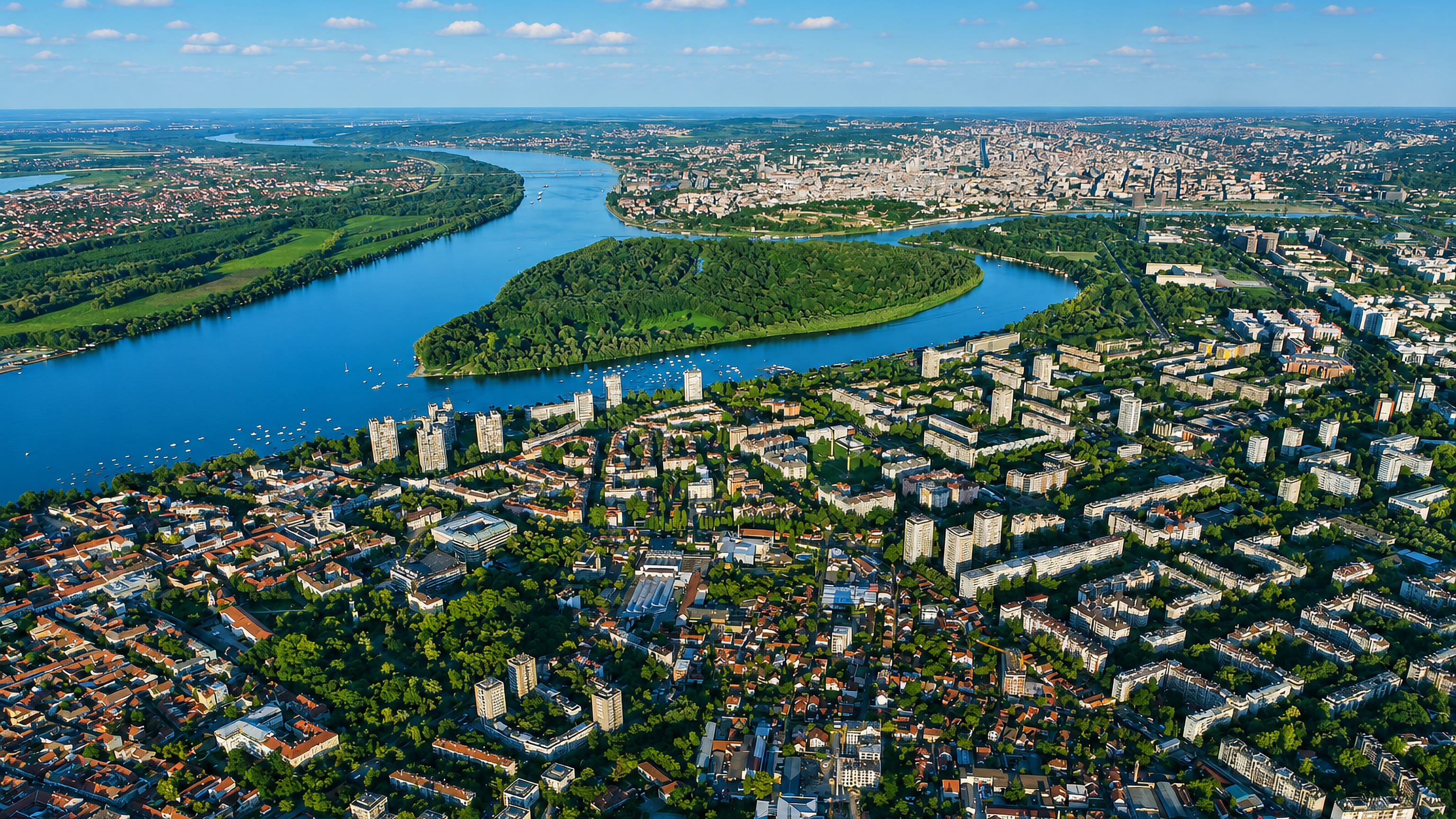
Belgrade rises at the heart of Central Serbia, the central part of Serbia between the Vojvodina plains and the Kopaonik mountains.
Hotel links are affiliate links: booking through them may earn us a commission, at no extra cost to you. It never affects how places are ranked. How this works


Towns & cities in Central Serbia
Pick a town or city — each links to where to stay.
 Serbia
Belgrade
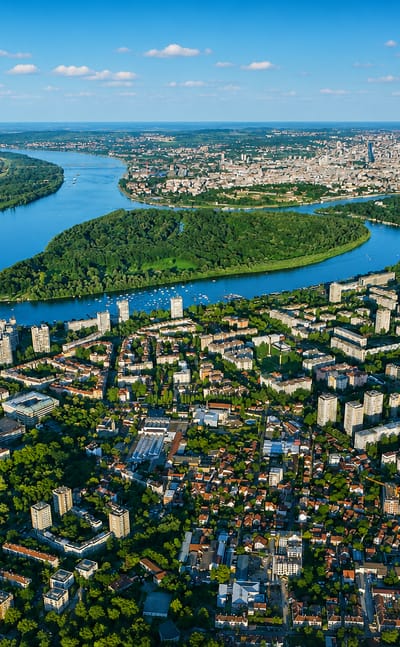
The Danube meets the Sava beneath the walls of Kalemegdan in Belgrade, the capital of Serbia where the plains give way to the Balkans.Where to stay →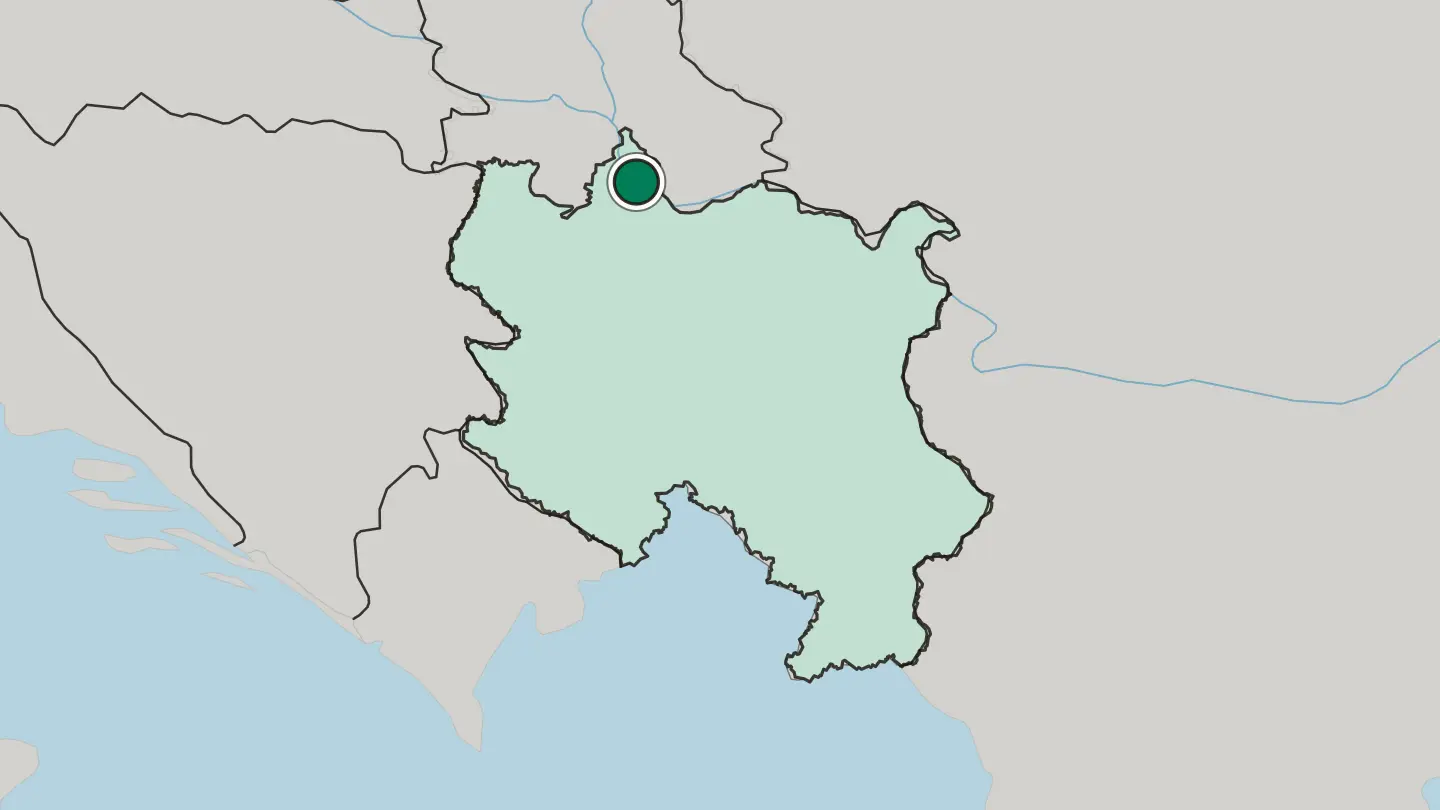
 Serbia
Niš
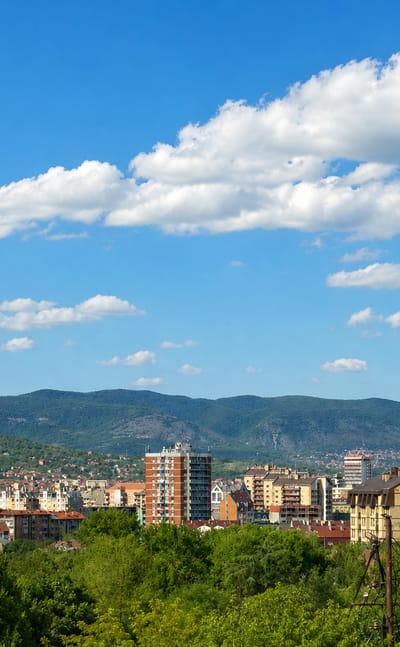
Niš is the third-largest city in Serbia, the administrative centre of the Nišava District, known for the Niš Fortress and the National Museum of Niš.Where to stay →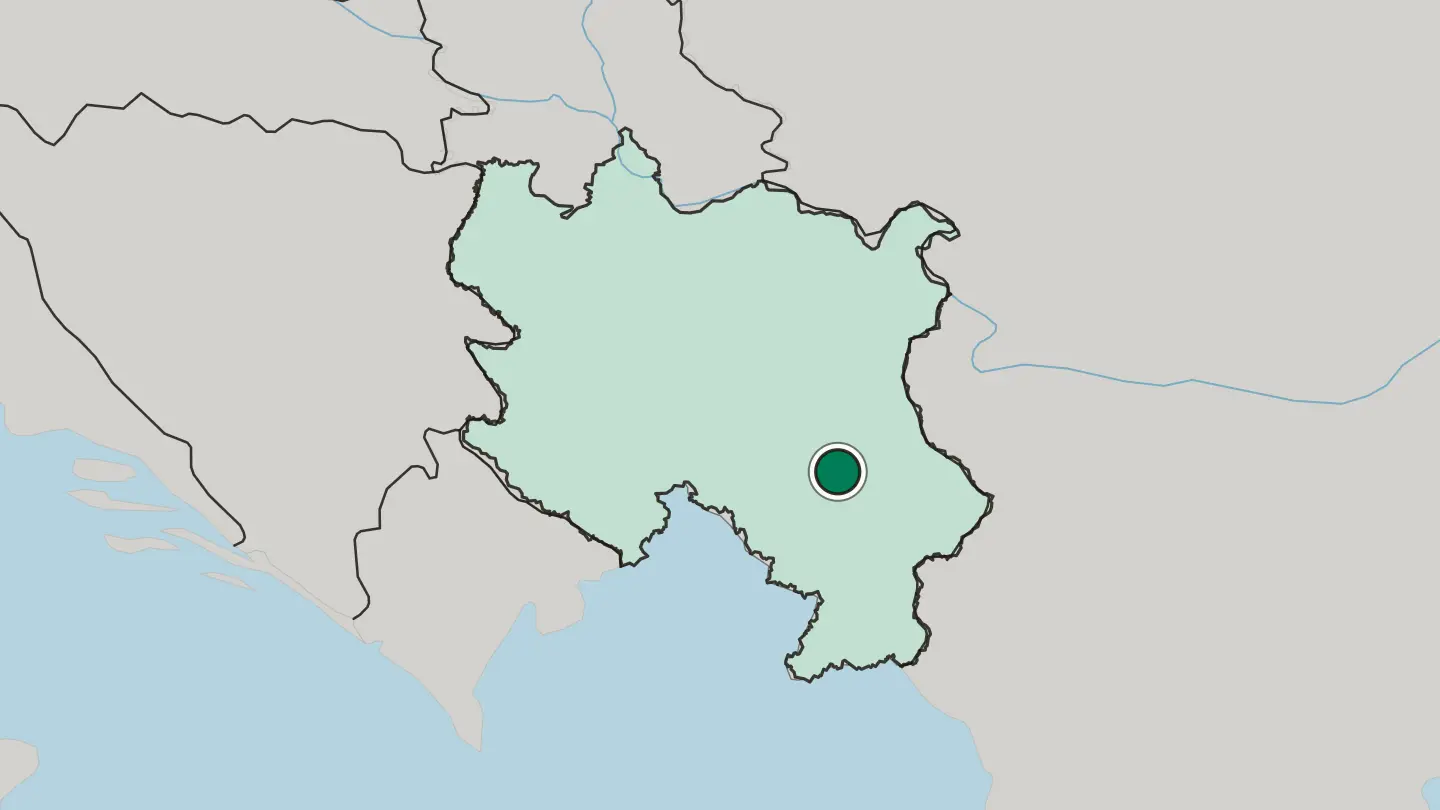
 Serbia
Zemun
Zemun, a municipality of Belgrade on the right bank of the Danube, was a town in its own right until 1934, and Gardoš Tower still marks it.Where to stay →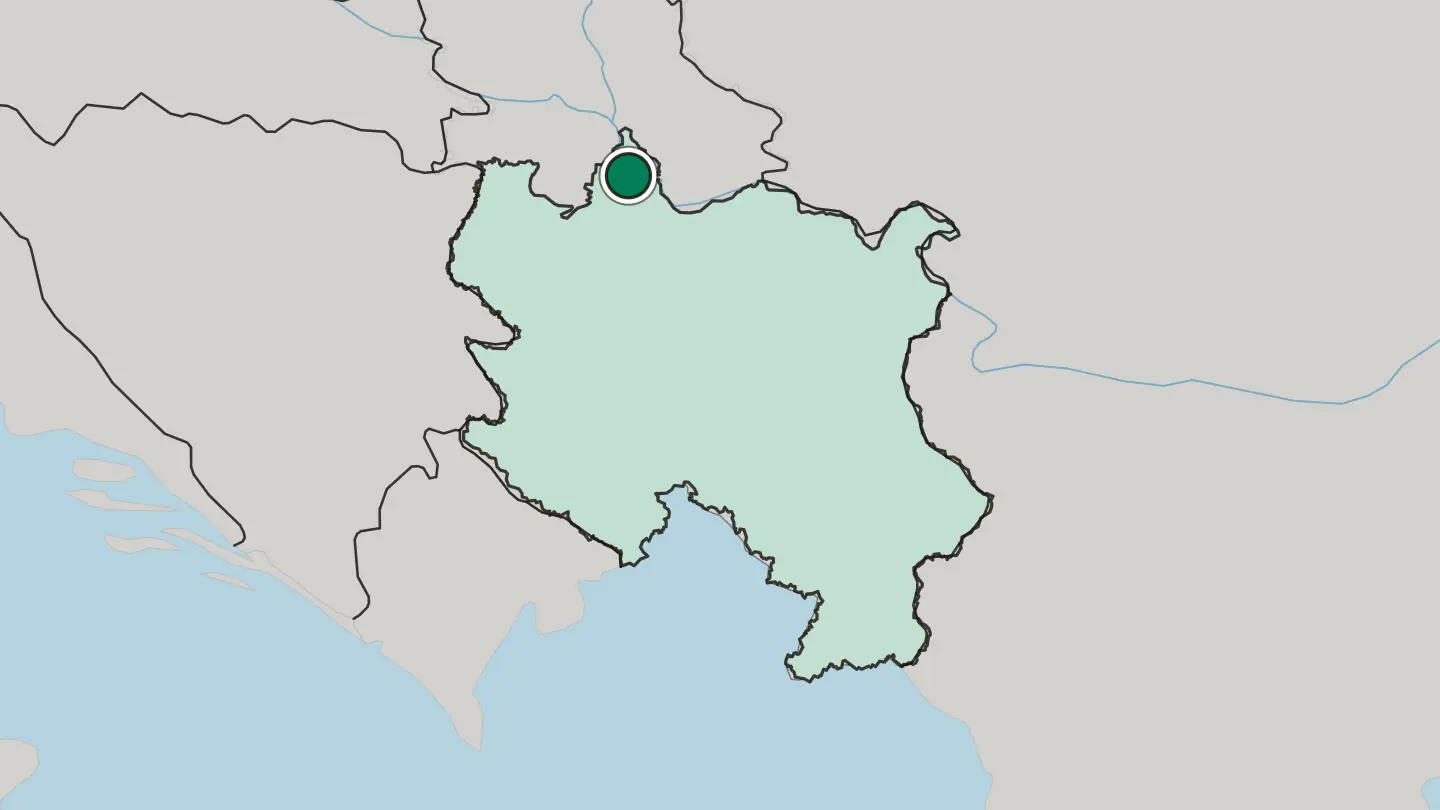
 Serbia
Kragujevac
Kragujevac is a city in the Šumadija hills of central Serbia, the first capital of the modern Serbian state.Where to stay →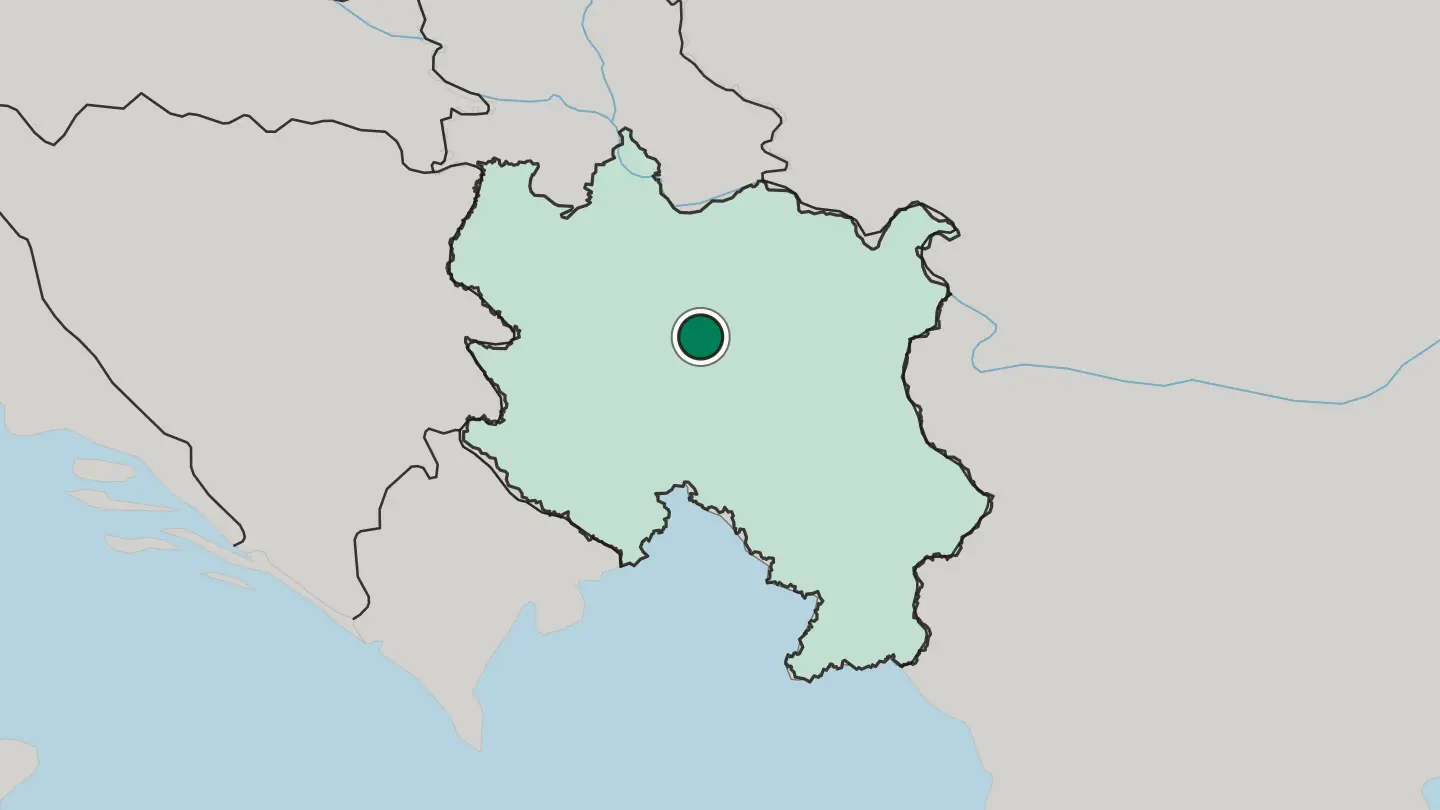
 Serbia
Čačak
Čačak is a city of central Serbia in the West Morava valley, an old market town near a river gorge full of cliff-side monasteries and warm springs.Where to stay →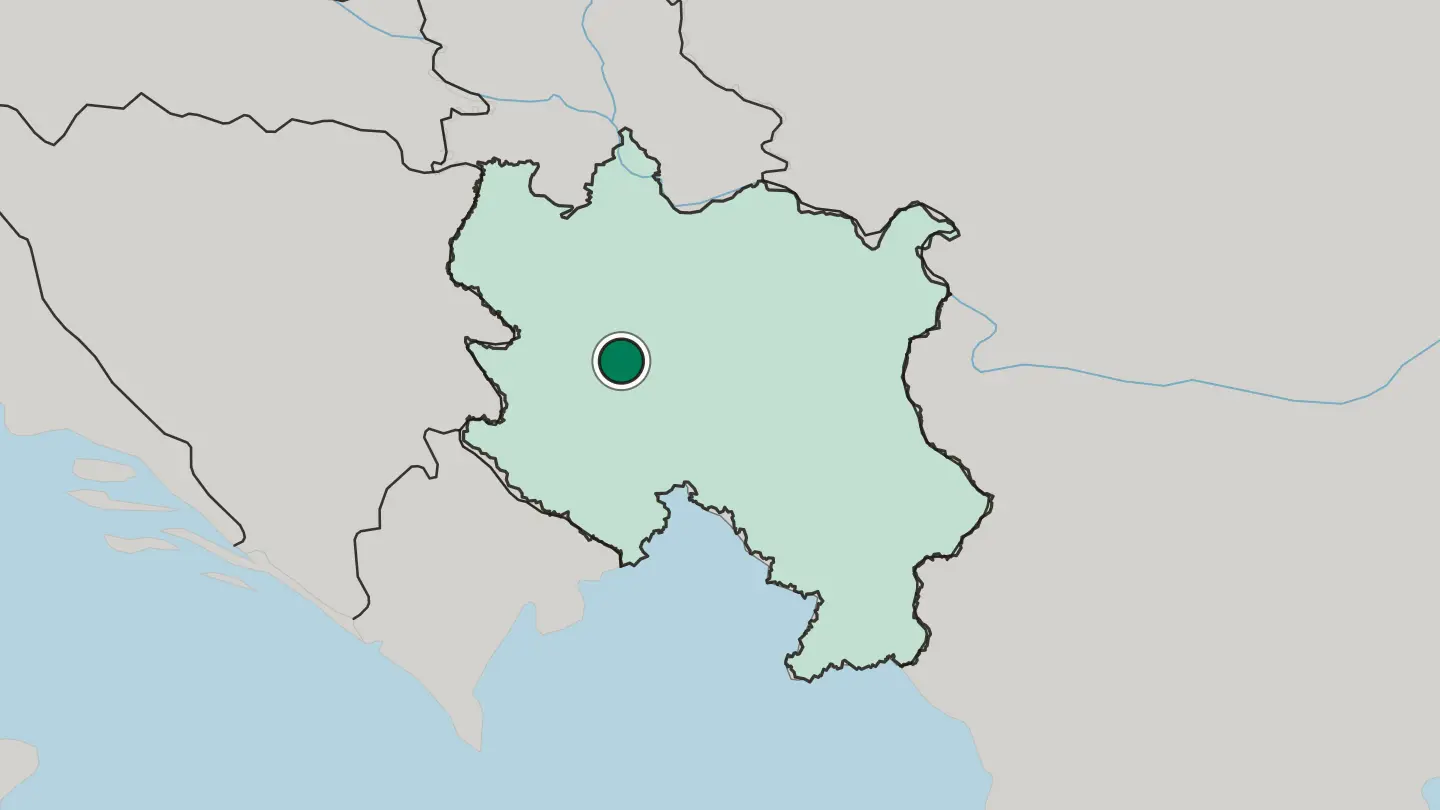
 Serbia
Leskovac
Leskovac, seat of the Jablanica District in southern Serbia, stands on the floor of the Leskovac Depression by the Veternica.Where to stay →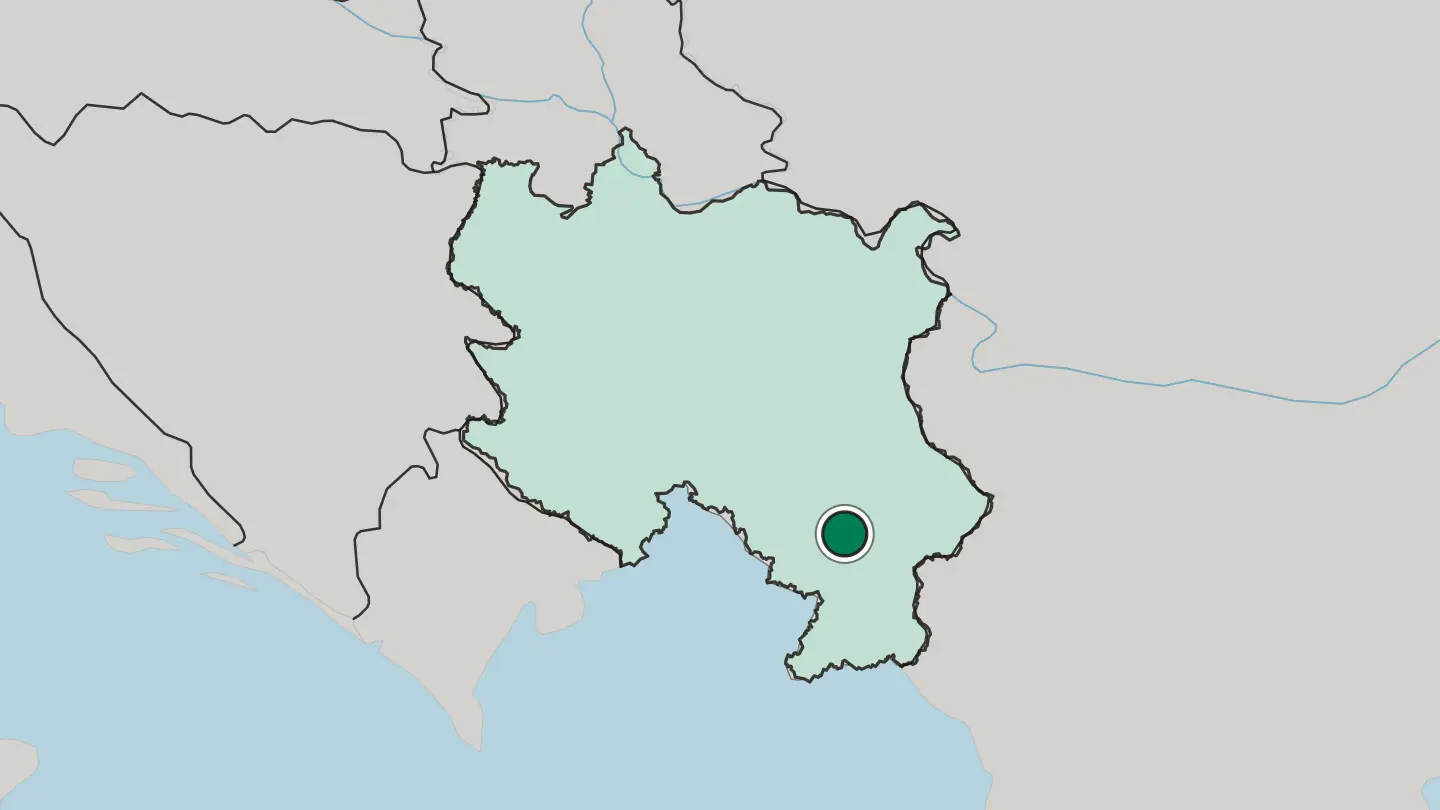
 Serbia
Novi Pazar
Novi Pazar is the chief city of the Sandžak region in southwestern Serbia, an old Ottoman town beside the ruins of medieval Ras.Where to stay →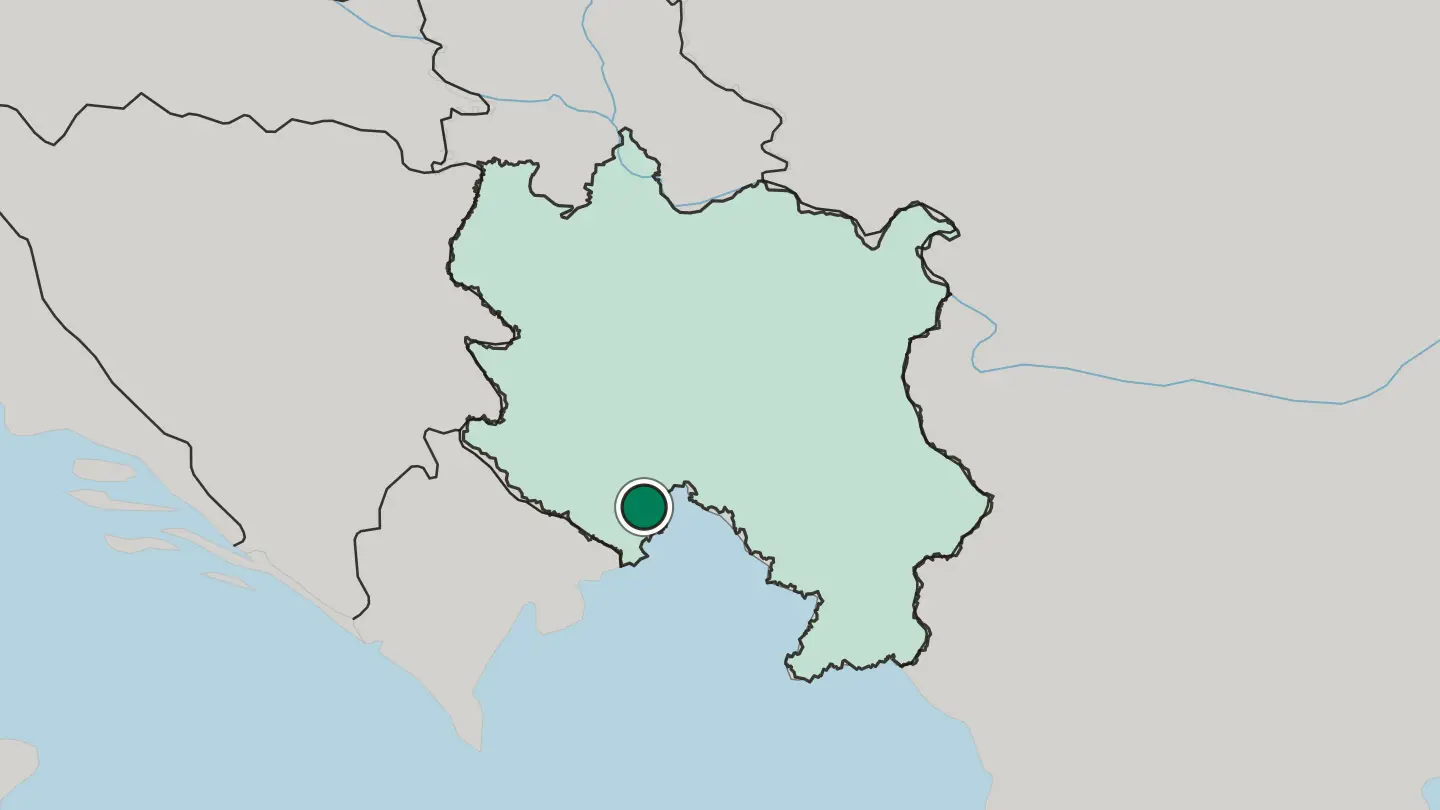
 Serbia
Kraljevo
Kraljevo is a city of central Serbia on the Ibar river, a town of kings named for the royal crownings at the great monastery of Žiča nearby.Where to stay →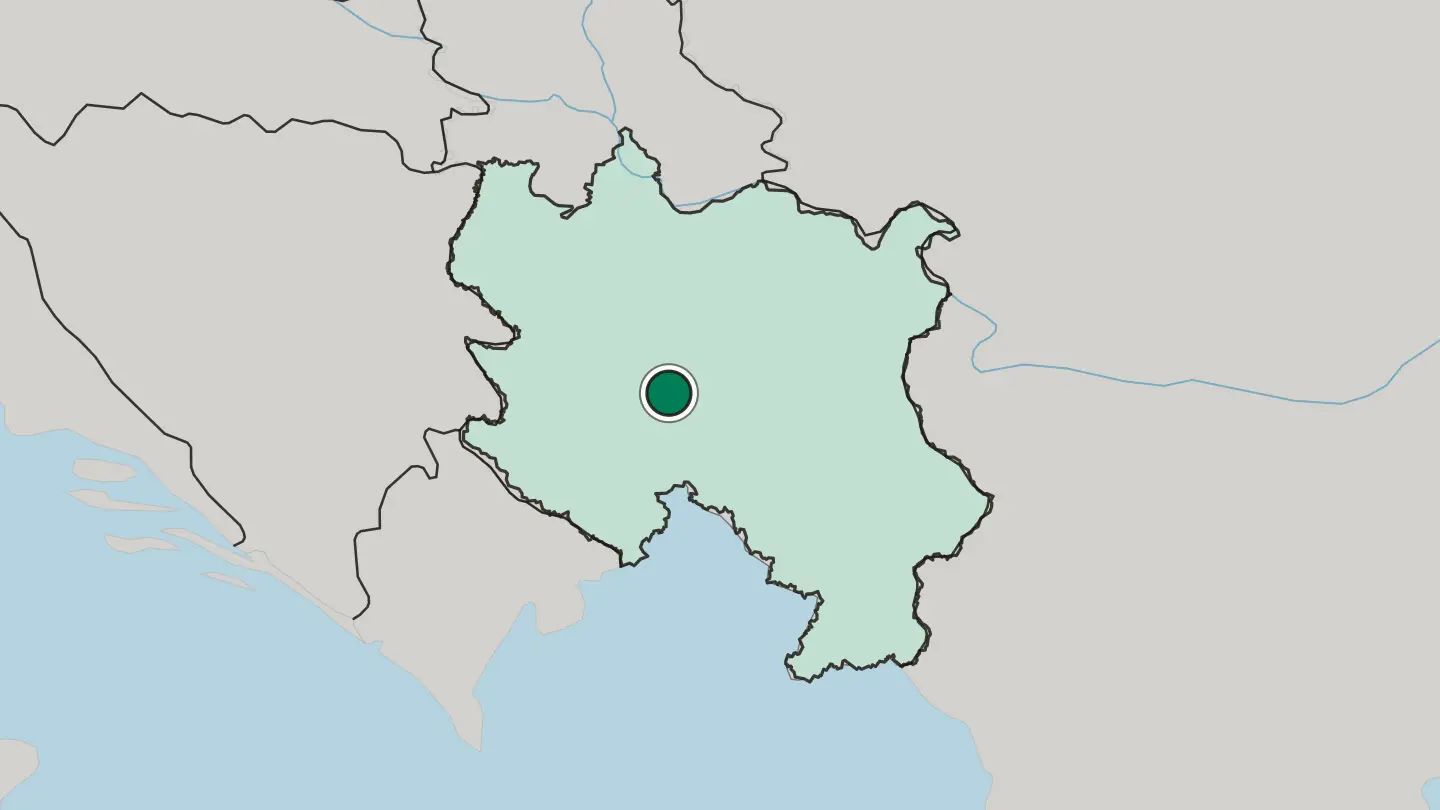
All towns & cities (14)
 Serbia
Kruševac
Kruševac, seat of the Rasina District in central Serbia, grew from a fortress founded in 1371 beside the Rasina river.Where to stay →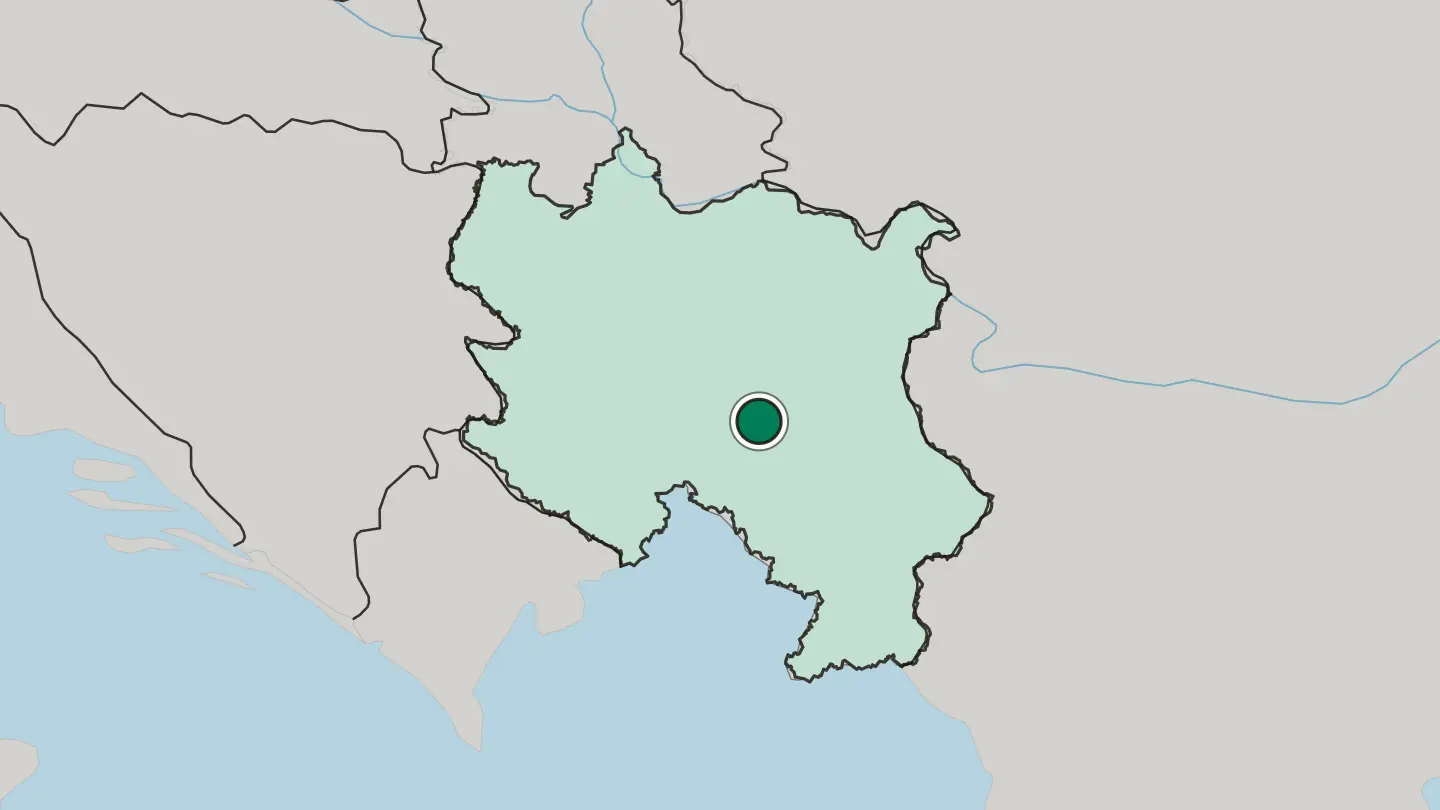
 Serbia
Užice
Užice is a city of western Serbia in a deep river gorge, an old mountain town crowned by a medieval fortress, near the wooded heights of Zlatibor.Where to stay →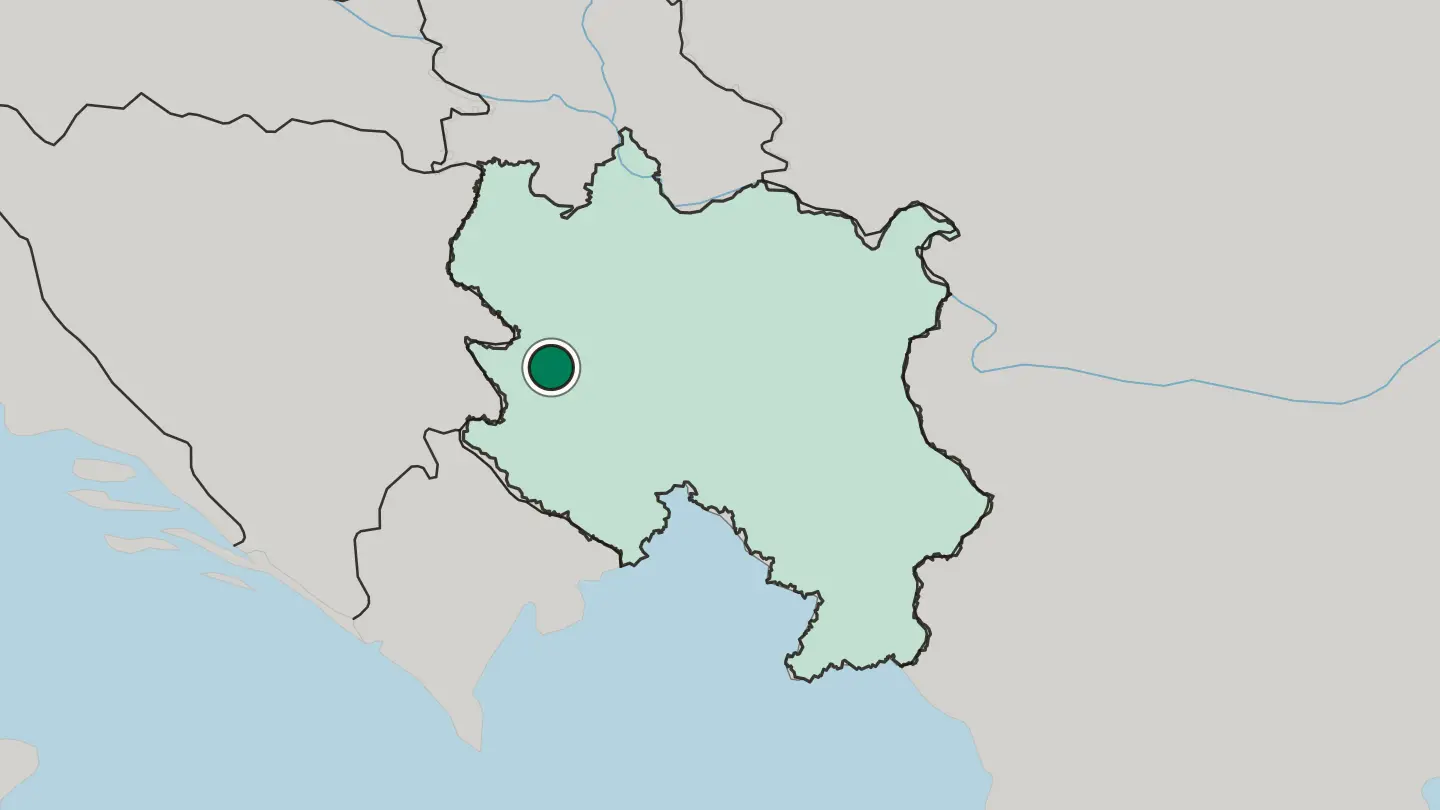
 Serbia
Smederevo
Smederevo is a city on the Danube in northern Serbia, last capital of the medieval Serbian state, guarded by one of Europe's greatest lowland fortresses.Where to stay →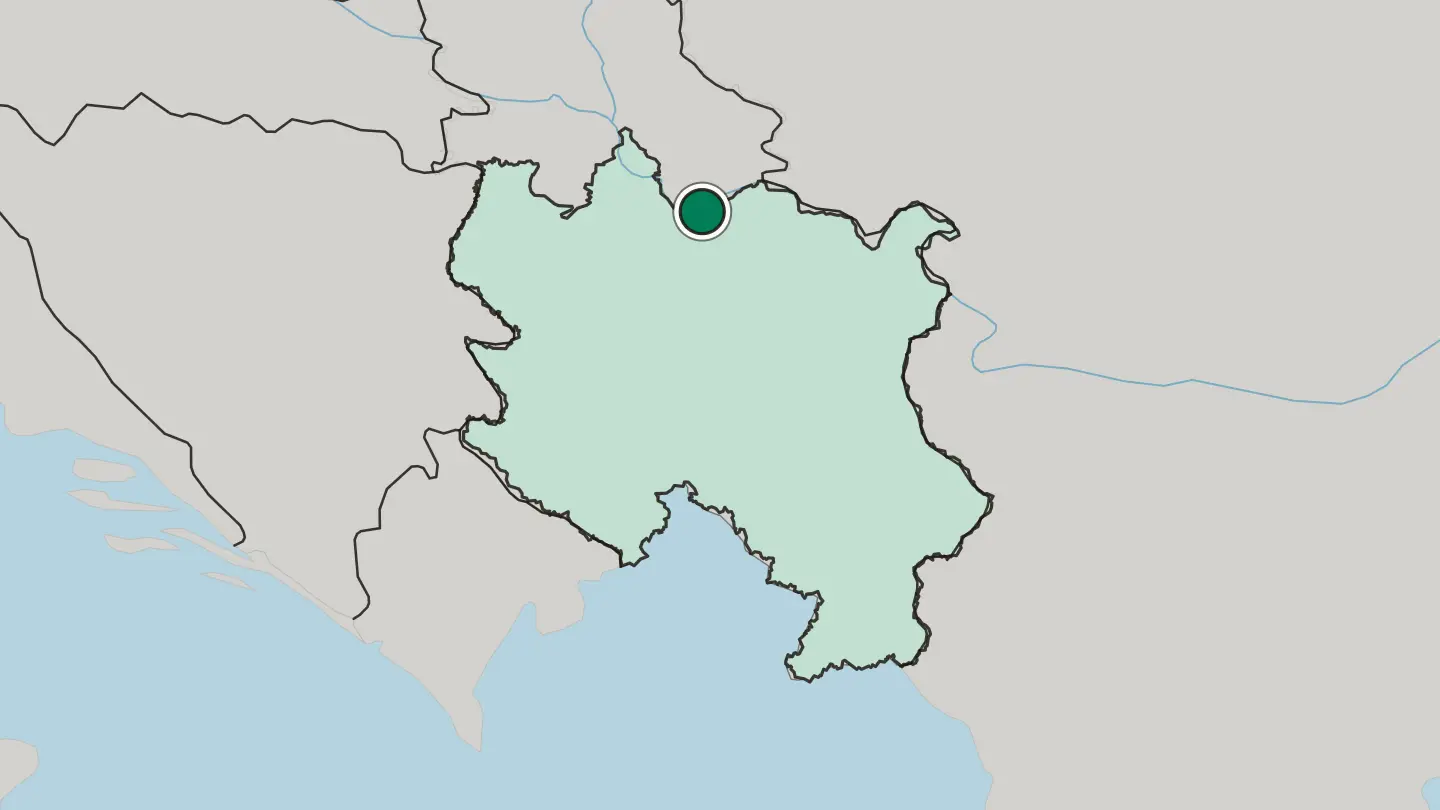
 Serbia
Valjevo
Valjevo is a town of western Serbia on the Kolubara river, an old market with a preserved Ottoman quarter where the first Serbian uprising began.Where to stay →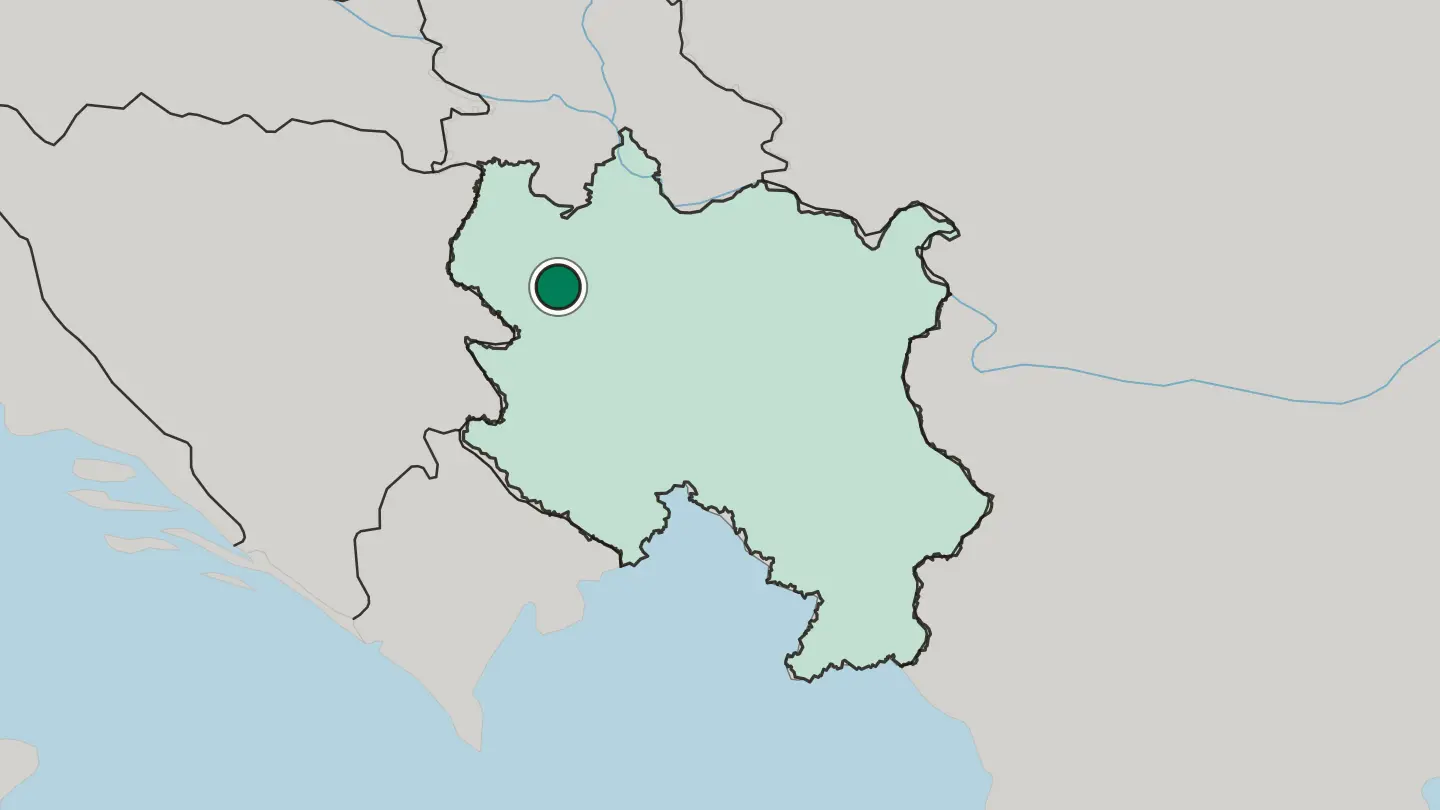
 Serbia
Vranje
Vranje, seat of the Pčinja District in Southern Serbia, dates from 1093 and keeps its record in three churches and a museum.Where to stay →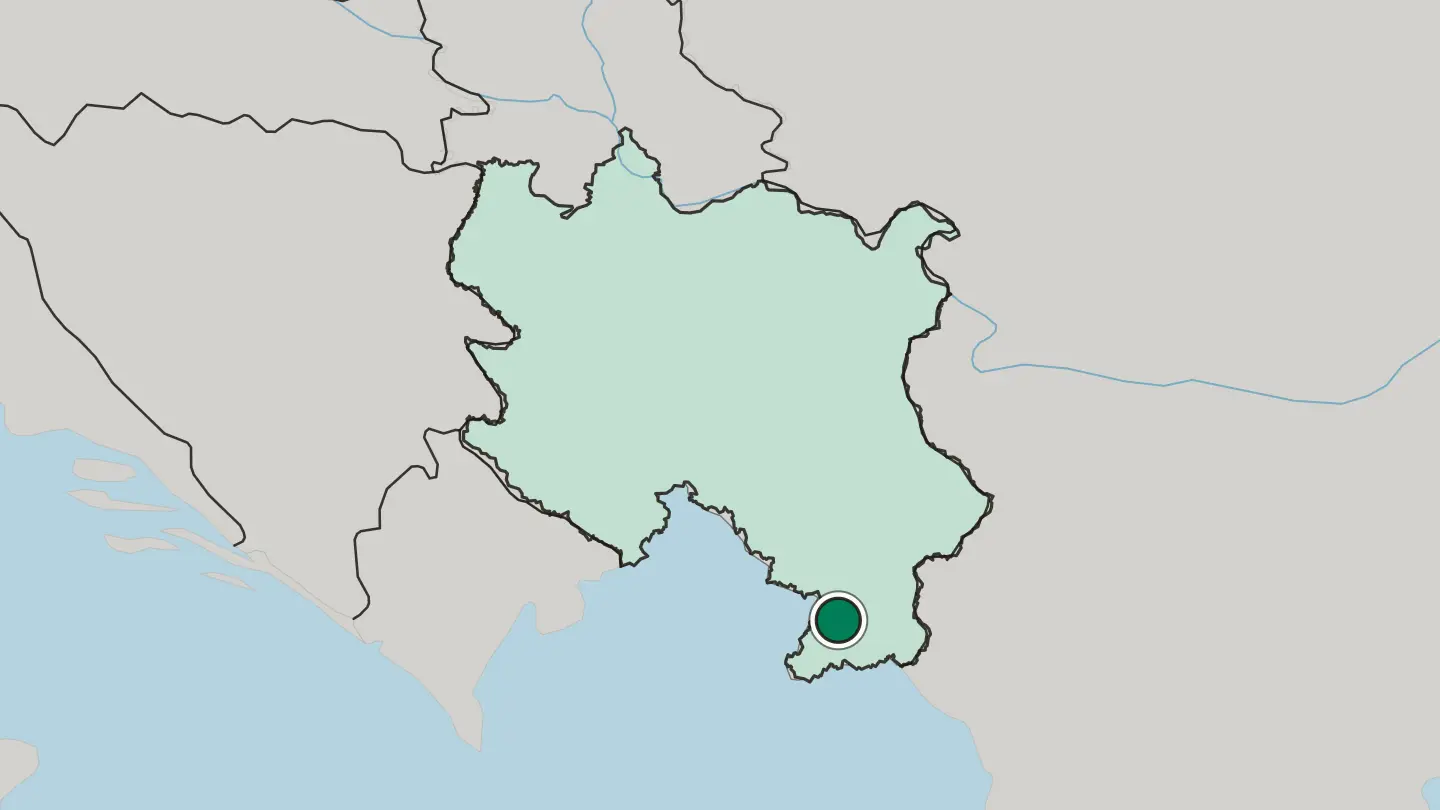
 Serbia
Šabac
Šabac, the traditional centre of the Mačva region in western Serbia, stands on the right bank of the Sava and keeps two museums.Where to stay →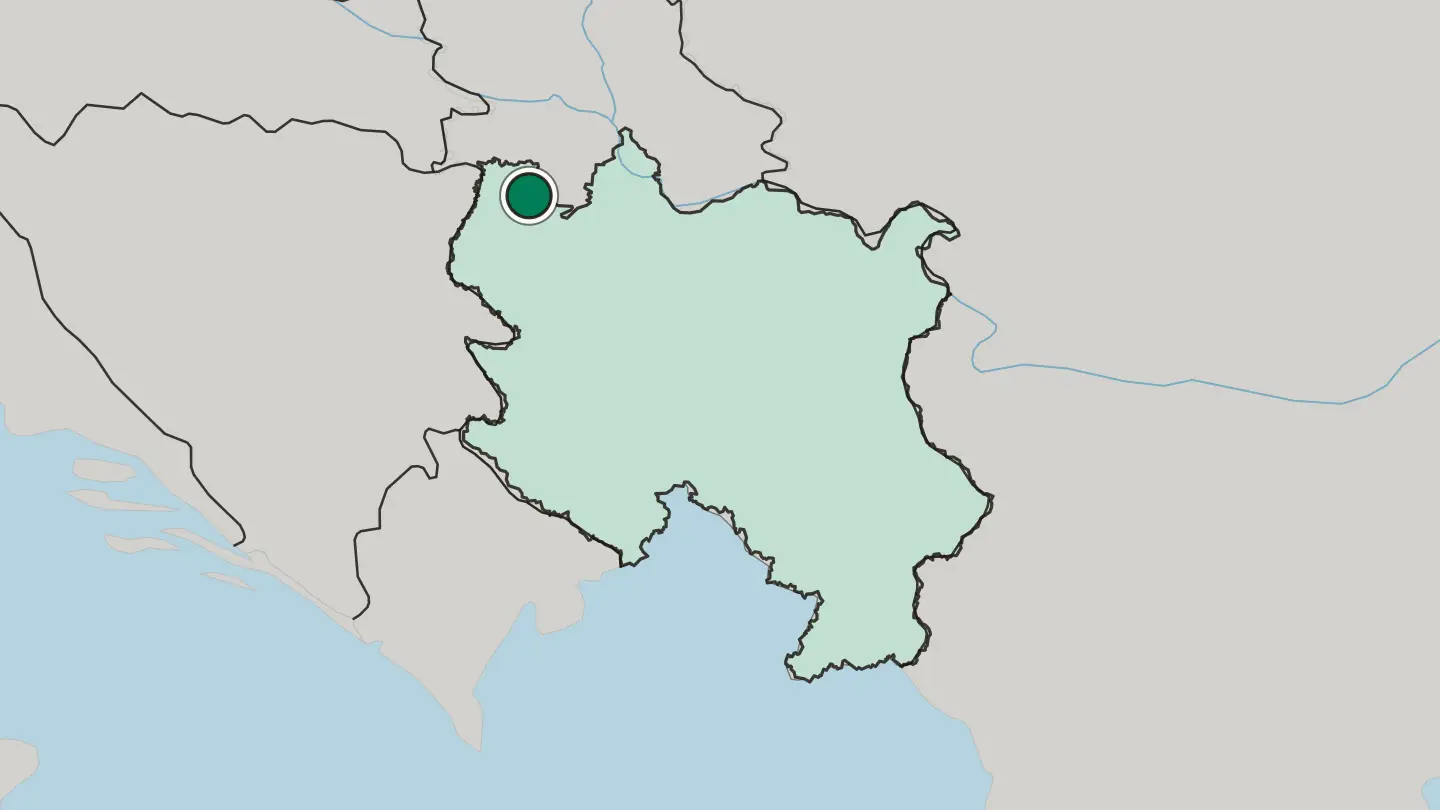
Hotel links are affiliate links: booking through them may earn us a commission, at no extra cost to you. It never affects how places are ranked. How this works
About Central Serbia
What is Central Serbia known for?
Central Serbia is known as Serbia proper, the core of the country that lies outside Vojvodina and the disputed Kosovo region. Belgrade anchors it. The capital of Serbia sits at its centre, while the land runs south to the mountains and the ski slopes of Kopaonik, the heart of the Serbian nation in the Balkans.
Where is Central Serbia?
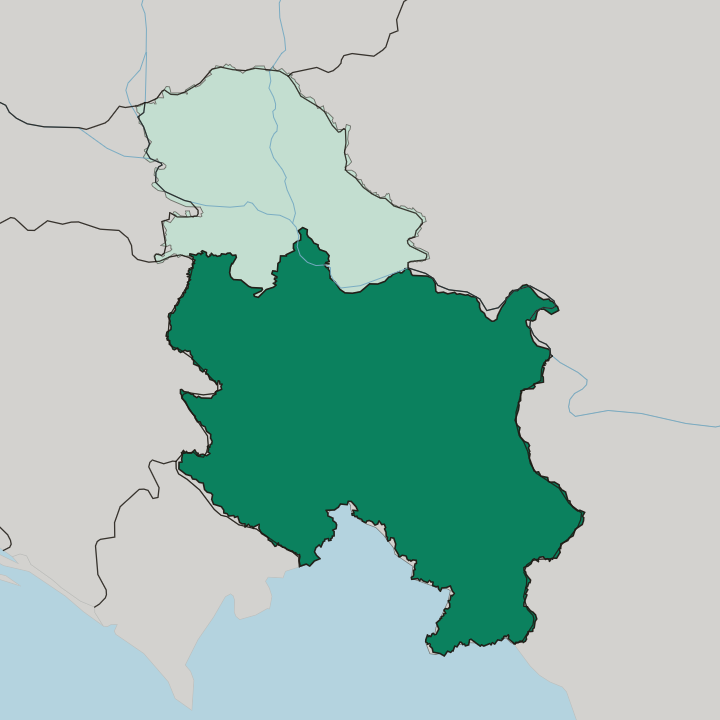
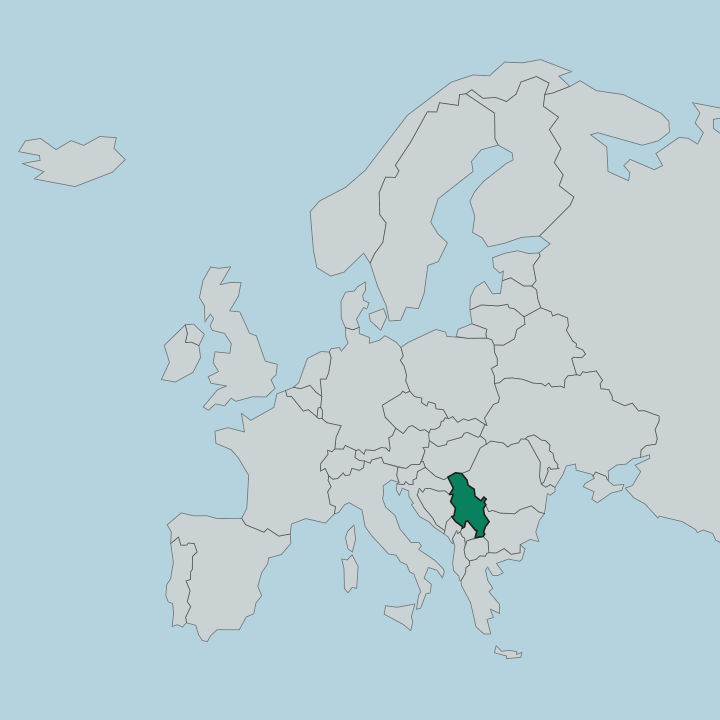
Central Serbia covers the middle of Serbia, set between the province of Vojvodina to the north and the disputed Kosovo region to the south. The country tilts upward here. Level farmland around Belgrade soon breaks into rolling hills, and beyond them the ground climbs into the wooded ranges that hold the centre of the Serbian lands.
Kopaonik tops it all. The mountain rises near the southern rim, its long ridge holding snow well into spring above the deep river valleys that cut through the region. Spa towns and lakes lie scattered among the hills, and national parks spread across the wooded south of the region.
Central Serbia is a matter of geography, not government, and keeps no boundary of its own. It runs no separate administration. The label gathers the core of Serbia beyond Vojvodina and the disputed Kosovo region, the inland heart of a Balkan country that meets no sea.
Vojvodina falls away to the north. Belgrade sits at its northern door. The capital stands where the plains fade into hill country, and the routes of central Serbia thread south from it through the valleys toward Kopaonik and the forests of the interior.
What is Central Serbia like?
Central Serbia carries the cultural heart of the Serbian nation, its life centred on Belgrade and the Serbian language. This is the old core. As Serbia proper, the region holds the churches, halls, and squares that grew up around the capital, and its identity runs through the folk music, dance, and cooking of the towns spread across the interior.
Belgrade leads the way. The capital fills with theatres, galleries, and cafes, the busiest stage of Serbian culture in the Balkans. Beyond the capital, the mountain country keeps an older rhythm.
Village custom holds firm. In the highlands around Kopaonik the seasons of farming, herding, and festival still shape the year, and the spa towns of central Serbia draw people to their warm springs as they have for generations. One tongue binds it together.
From Belgrade in the north to the ranges near the disputed Kosovo region in the south, the Serbian language carries the music, faith, and warmth that mark this heartland of Serbia.
What is the history of Central Serbia?
Central Serbia holds the historic core of Serbia, the ground on which the Serbian state first took shape. Belgrade sits at its centre. Long the seat of power in the Balkans, the capital anchored the region through the age of empires and later as the heart of Yugoslavia, while the mountains to the south sheltered the old towns and villages of Serbia proper.
The old crossroads still shows here, from Belgrade to Kopaonik.
What is the climate of Central Serbia?
Central Serbia has a temperate, continental climate that hardens with height. Across Central Serbia the year runs to extremes. Hot dry summers settle over the hills and the valleys around Belgrade, while winters turn cold and grey across the region, and deep snow blankets Kopaonik through the ski months high in the south.
How do you get to Central Serbia?
Central Serbia is reached through Belgrade, where the region's flights and trains arrive. The capital ties it together. Roads and railways run out from Belgrade across the interior of Serbia, threading south through the valleys toward Kopaonik and the mountains, and north to the edge of Vojvodina.
Good for
Another region in Serbia
Updated September 2026