Sweden · Skåne County
Where to Stay in Ängelholm, Skåne County
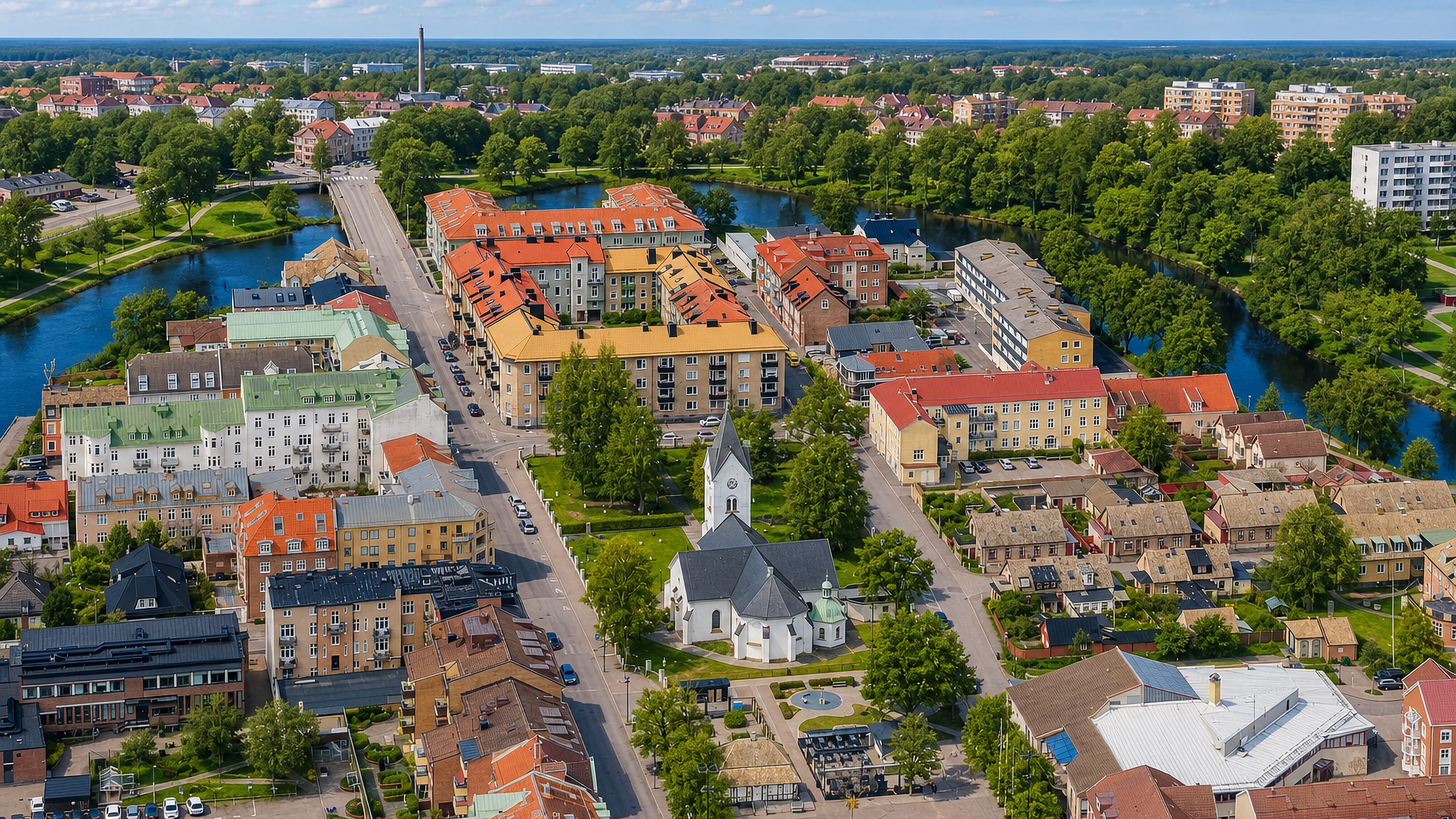
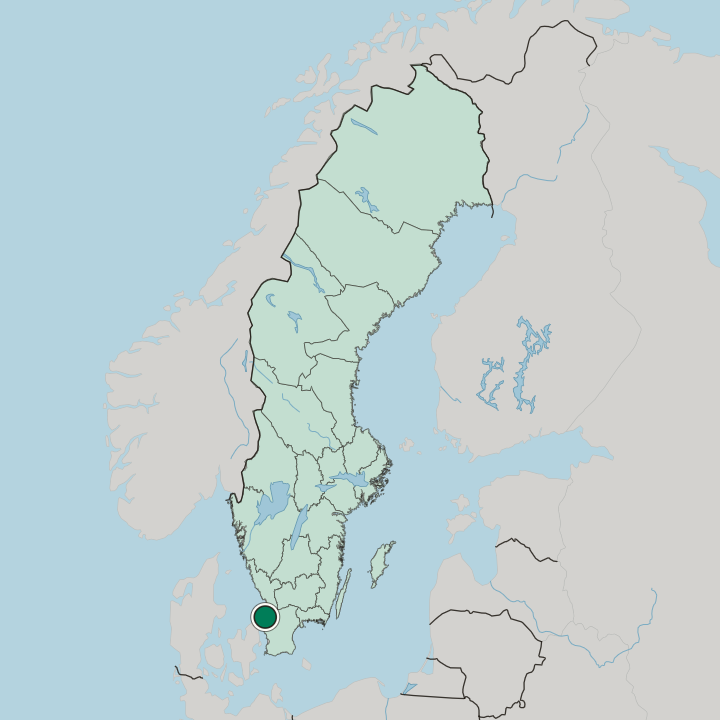
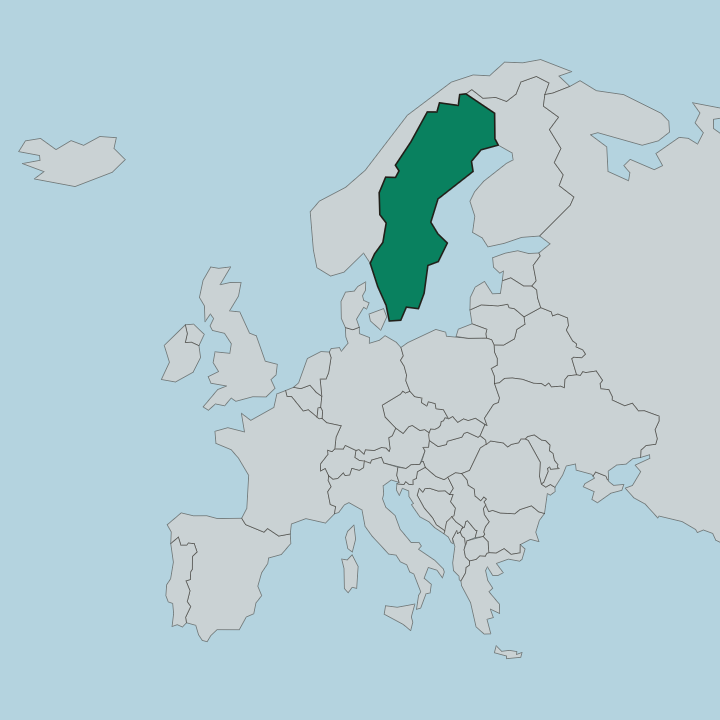
Ängelholm is a coastal town in the north-western part of Skåne County, in south-western Sweden, the seat of its municipality on the bay of Skälderviken.
Hotel links are affiliate links: booking through them may earn us a commission, at no extra cost to you. It never affects how places are ranked. How this works


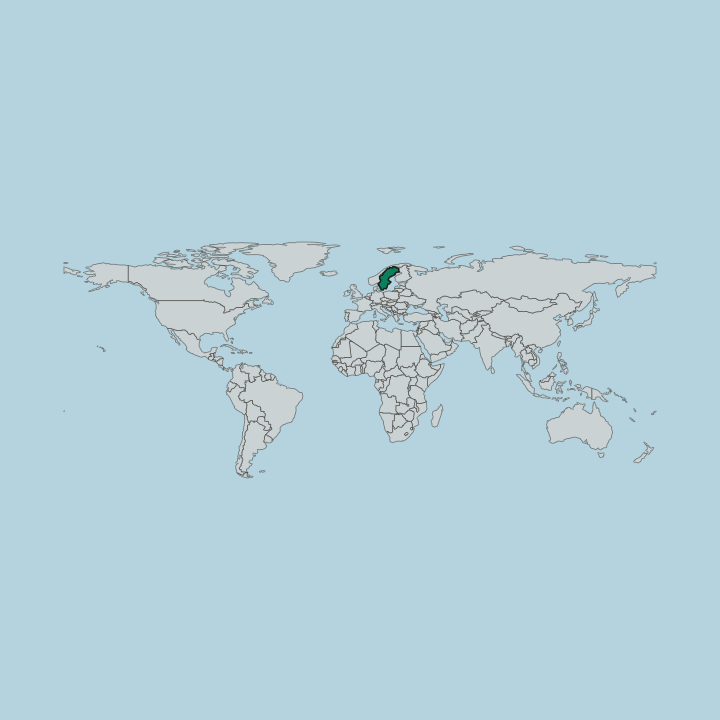
Where to stay in Ängelholm
Where the beds are, and what that means for the visit.
Most visitors stay in the town centre, where hotels and guesthouses sit along the Rönne å within an easy walk of the church, the square, the shops, and the station that runs trains up and down the west coast through the day. The centre suits travellers who want services close to hand and quick rail links along the coast. Beds book up in summer.
Out toward the shore at Skälderviken, hotels, cabins, and campsites open through the warm months near the long beach and the pine woods, drawing families and bathers who come for the sand and the bright coastal light. The Bjäre peninsula and the hills inland hold farm stays and cottages for those touring by car. Secure a room well ahead in high season.
The beach crowds press hard on coastal rooms then, while the town keeps a steadier choice across the rest of the year.
Find hotels in Ängelholm
Direct booking searches for these neighbourhoods.
Town centre
hotels by the river near the church, square and stationFind hotels in Town centresummer familiesSkälderviken shore
hotels, cabins and campsites by the long beach and pine woods. Beds are limited here, so book early.Find hotels in Skälderviken shoredrivers touring inlandBjäre and the hills
farm stays and cottages among the country. Rooms are few around here — worth securing early.Find hotels in Bjäre and the hillsHotel links are affiliate links: booking through them may earn us a commission, at no extra cost to you. It never affects how places are ranked. How this works
Things to do in Ängelholm
Ranked by global recognition; descriptions from Wikidata (CC0).
Museums & Galleries
3- Järnvägens Museum Ängelholm working life museum
- Hembygdspark Ängelholm
- Läder- och lokalhistoriskt museum
Churches & Religious Sites
4- Ängelholm Church Heritage Church of Sweden church-church building
- Rebbelberga Church Heritage
- Luntertuns kyrka Heritage
- Heliga korsets kapell Swedish church
Stadiums & Sports
1- Kungsgårdshallen
worth knowingacross 3 categories in Ängelholm
About Ängelholm
Ängelholm is a seaside town on Skälderviken.
What is Ängelholm known for?
It sits where the Rönne å river meets the bay, with a long sandy beach backed by pine woods and dunes that draws bathers and walkers through the warm months. The town is famous for its clay cuckoo. Many know Ängelholm for that painted whistle, the lergök, a local craft and emblem, and for being a relaxed coastal base between the hills of Hallandsåsen and Bjäre and the wider beaches of north-western Skåne.
What are the main landmarks in Ängelholm?
Ängelholms kyrka, also known as Sankt Mikaels kyrka, anchors the town centre with its tower above the streets and the river. The long beach at Klitterhus is the lasting draw. Sand, dunes, and pine woods run for miles along Skälderviken, pulling bathers and walkers out to the bay.
The country churches set the wider scene. Rebbelberga kyrka and the ruined medieval Luntertuns kyrka stand among the surrounding parishes, the Heliga korsets kapell and Kungsgårdshallen serve the town, while the painted clay cuckoo, the lergök, remains the local emblem seen across the place.
What is the history of Ängelholm?
The town has a medieval root. An earlier settlement grew at Luntertun on the coast nearby, whose ruined church still stands, and after that place declined the town of Ängelholm was chartered in the early sixteenth century under Danish rule, laid out where the Rönne å river runs down to the bay of Skälderviken. A market and a parish church gathered the new town behind its shore.
The sea and the river shaped its trades. When Skåne passed from Denmark to Sweden, Ängelholm held to its harbour and its crafts, and the making of the painted clay cuckoo, the lergök, grew into a local tradition that still marks the town. The railway brought new growth. Ängelholm became the seat of its surrounding municipality and a quiet coastal town along the west-coast line, its long beach at Skälderviken and the pine woods behind it drawing summer visitors to the shore through the warm season.
Where is Ängelholm?
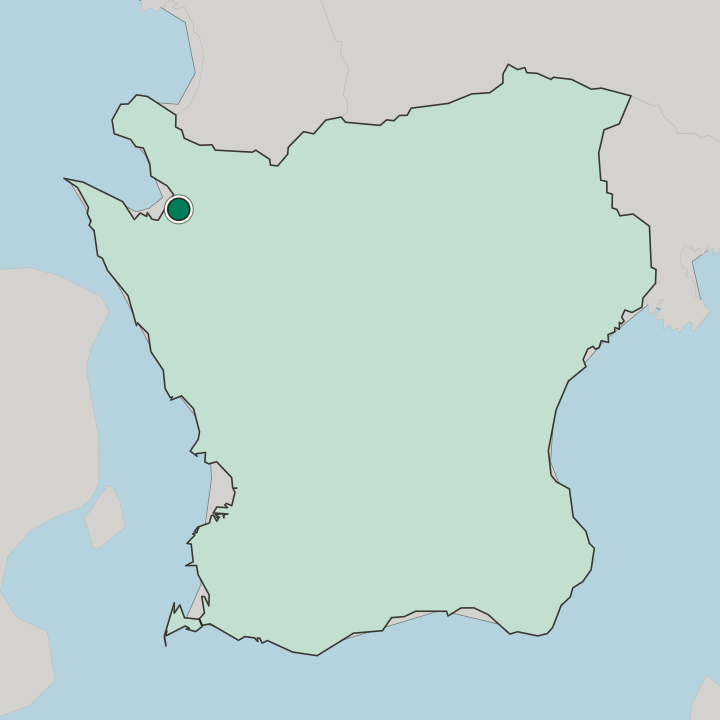
Ängelholm lies in the north-western part of Skåne County, on the bay of Skälderviken where the Rönne å river reaches the sea. A long sandy beach backed by pine woods and dunes runs along the shore, and the land rises gently inland toward the ridge of Hallandsåsen in the north and the rolling Bjäre peninsula to the west. The setting is coastal and green.
Roads and the west-coast railway tie the town to Helsingborg in the south and to Halland and the rest of the coast to the north.
What is the climate of Ängelholm?
Ängelholm, on Sweden's south-west coast, has one of the country's gentlest temperate climates. Winters are cool rather than harsh, with the sea off Skälderviken and the southern position holding back the deep cold and heavy snow that grip the country much further north through the dark half of the year. The summer weeks stay warm and bright.
The long, slow dusk and the warm shallow bay make the beach a draw, and the coast sees its busiest and sunniest weeks across high summer. Rain falls fairly evenly all year.
How do you get to Ängelholm?
Ängelholm sits on the west-coast railway, with regular trains linking it to Helsingborg, Malmö, and Göteborg along the line. A small regional airport lies just outside the town. Drivers come on the main motorway up the coast.
The larger international airports near Malmö and Göteborg lie further off but within an easy reach, while regional roads tie the town to Helsingborg in the south and the Bjäre peninsula and Hallandsåsen ridge close by.
Common questions
What is the best area to stay in Ängelholm?
Town centre: rail travellers. Skälderviken shore: summer families. Bjäre and the hills: drivers touring inland.
Good for
More cities in Skåne County
Updated October 2026