Sweden · Skåne County
Where to Stay in Kristianstad, Skåne County
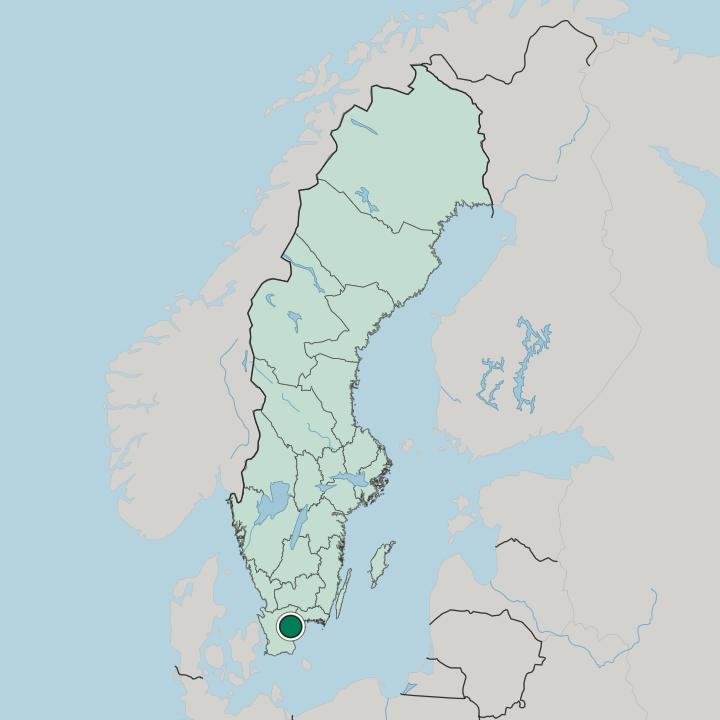
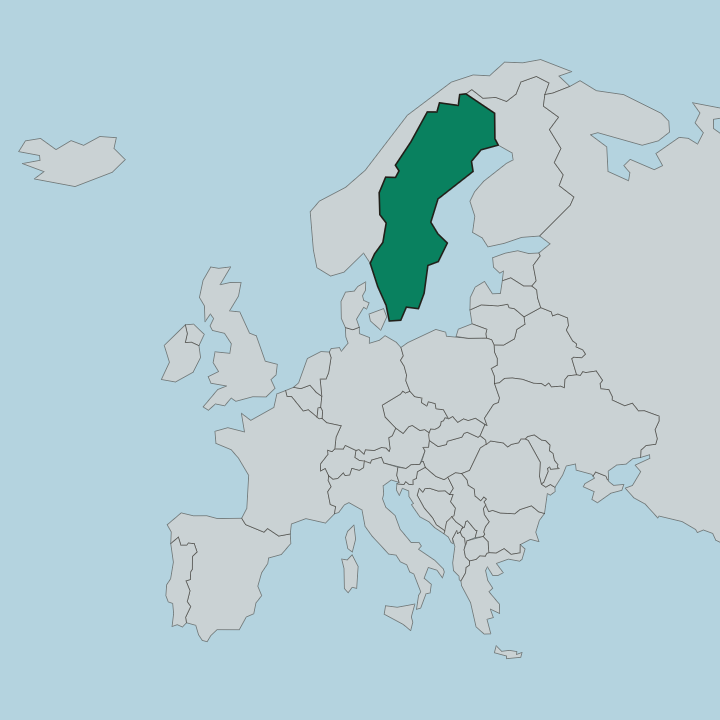
Kristianstad is a city in the eastern part of Skåne County, in southern Sweden, founded by the Danish king Christian IV as a fortified Renaissance town.
Hotel links are affiliate links: booking through them may earn us a commission, at no extra cost to you. It never affects how places are ranked. How this works


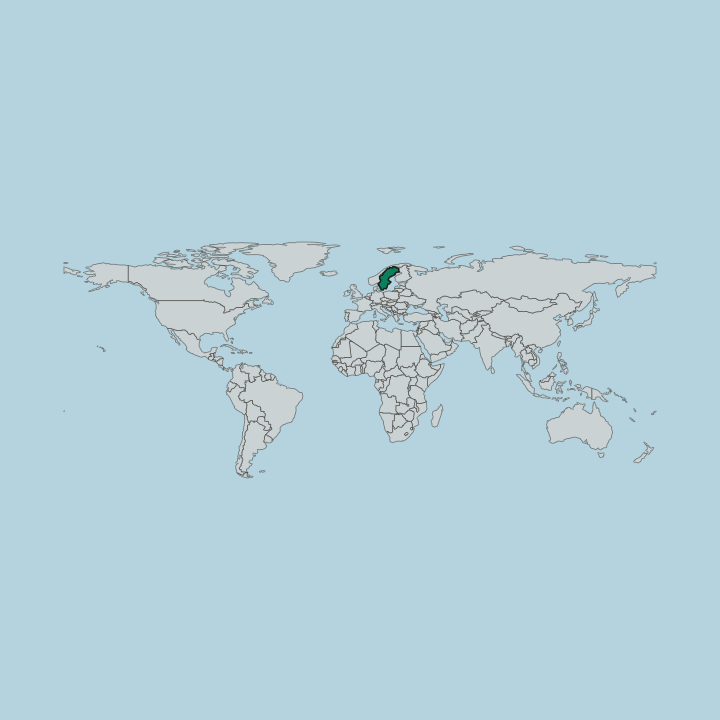
Where to stay in Kristianstad
How the choice of base plays out on the ground.
Most visitors stay in the old centre, where hotels sit on the straight Renaissance streets within an easy walk of the great church, the square, the station, and the shops, making the planned core the natural base for a first stay in the city. The centre keeps everything close. It suits first-timers well.
Quieter districts just beyond the old grid hold guesthouses and smaller hotels for those who prefer calm streets a short walk or ride from the busy heart of town. Out toward the Vattenriket wetlands and the surrounding countryside, farm stays, cottages, and cabins spread across the low watery land and the farms of eastern Skåne for visitors travelling by car who want green quiet and the marshes and birdlife at the door. Reserve well ahead for the warm weeks.
Beds in the city and around the reserve fill through the warm weeks, when the wetlands, the river, and the old streets of the centre draw walkers, birdwatchers, and families out from across the region for the season.
Find hotels in Kristianstad
Direct booking searches for these neighbourhoods.
Old centre
great church, square and station within a short walkFind hotels in Old centrequiet seekersDistricts beyond the grid
guesthouses and smaller hotels near the coreFind hotels in Districts beyond the gridnature loversVattenriket and countryside
farm stays and cottages by the wetlands. Few places to stay nearby — book ahead.Find hotels in Vattenriket and countrysideHotel links are affiliate links: booking through them may earn us a commission, at no extra cost to you. It never affects how places are ranked. How this works
Things to do in Kristianstad
Ranked by global recognition; descriptions from Wikidata (CC0).
Museums & Galleries
3- Östra Skånes Järnvägar working life museum
- Järnvägsmuseet Kristianstad
- Silversmedjan Kristianstad
Churches & Religious Sites
5- Trinity Church Heritage Church of Sweden church-church building
- Norra Åsum Church Heritage
- Näsby Church Heritage
- Skepparslöv Church Heritage
- Vilans kyrka Heritage
Castles & Historic Sites
2- Lillö Heritage
- Härlövs borg Heritage
Stadiums & Sports
2- Kristianstad Arena indoor arena in Kristianstad
- Kristianstad Idrottshall
worth knowingacross 4 categories in Kristianstad
About Kristianstad
Kristianstad is a Danish-built city.
What is Kristianstad known for?
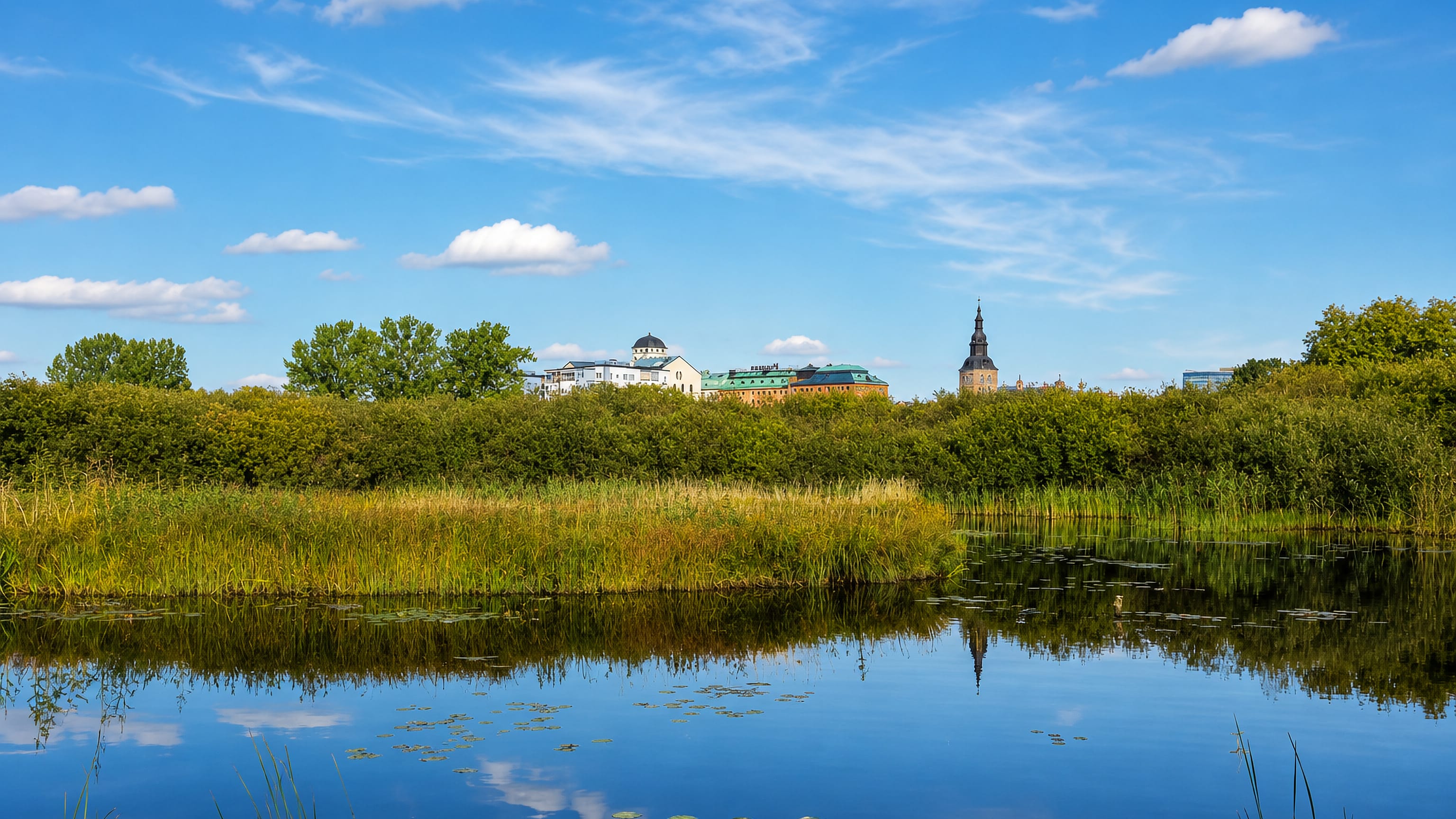
Laid out by Christian IV in the early seventeenth century as a fortress town on the Helge river, it keeps the straight streets and the great Renaissance church of its founding, the finest of its kind in the north. Heliga Trefaldighets kyrka crowns the centre. The city is also known for the Vattenriket wetlands that wrap its low, watery surroundings, a biosphere reserve of marshes and birdlife that draws nature lovers to the dominant town of north-eastern Skåne.
What are the main landmarks in Kristianstad?
Heliga Trefaldighets kyrka is the city's glory, a great Renaissance church raised under Christian IV and counted among the foremost of its age in the Nordic lands. Lillö borgruin lies out in the wetlands, the ruined castle of a medieval stronghold that the new fortress town replaced. The Vattenriket marshes spread all around.
Norra Åsums kyrka and the other parish churches mark the older villages, while Kristianstad Arena and the city's halls serve its sport and events. The river threads it all.
What is the history of Kristianstad?
Kristianstad is a royal foundation. The Danish king Christian IV laid out the city in 1614 on an island in the marshes of the Helge river, a planned fortress town of straight streets and bastions meant to guard the eastern borders of the Danish province of Skåne against Sweden. A defensive site was chosen.
This new town replaced the older settlement and the medieval castle of Lillö nearby, and its great Renaissance church rose at the heart of the grid as the crowning work of the king's design. Skåne passed to Sweden in the later seventeenth century, and Kristianstad became a Swedish border fortress in turn, its ramparts and garrison shaping the city for generations. The fortifications came down in time.
Kristianstad grew into a county seat and a garrison and market city, and the draining of the surrounding marshes opened land around the old island core. The military role faded through the modern era, and the city turned toward trade, food, and the protection of the Vattenriket wetlands, keeping the straight streets and the great church that have marked it since its founding.
Where is Kristianstad?
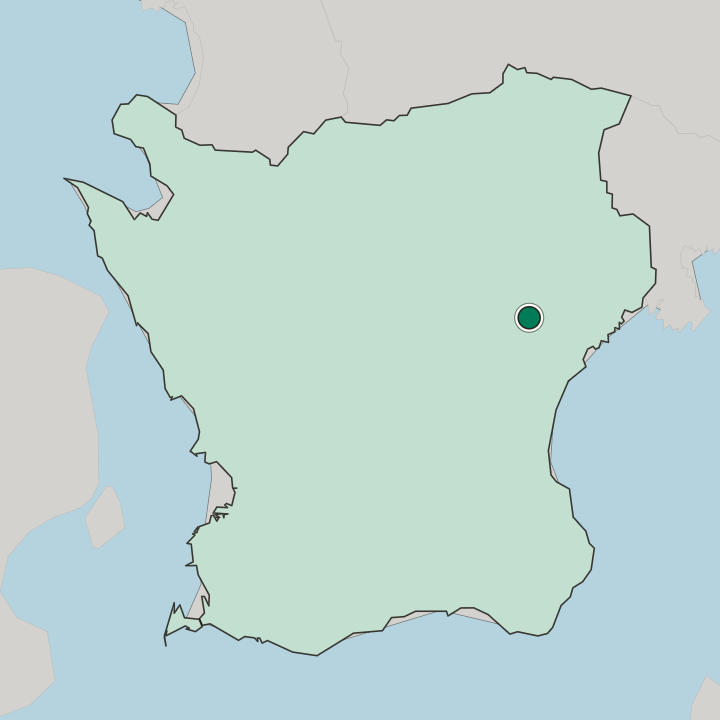
Kristianstad lies in the eastern part of Skåne County, on low ground beside the Helge river where it spreads into the wide wetlands of the Vattenriket before reaching the Baltic to the east. The land is famously low. Marshes, water meadows, and the slow river surround the old island core, some of the lowest ground in the whole of Sweden, kept dry by old drainage.
Farmland, lakes, and the coast spread beyond the wetlands, a flat and watery landscape that has defined the fortress city since Christian IV chose the spot.
What is the climate of Kristianstad?
Kristianstad has a mild temperate climate, its weather softened by the nearby Baltic and the low, watery land around. Winters are cool and damp, with frost, mist over the wetlands, and the occasional spell of snow, the marshes and the river lying open to the cold that settles on the low ground through the darker months. Green warmth fills the Vattenriket in summer.
Long northern daylight stretches the evenings late through midsummer, the season that draws visitors to the marshes, the river, and the old streets of the city. Rain reaches the low ground in every month.
How do you get to Kristianstad?
Kristianstad is the rail and road hub of eastern Skåne, with trains calling at its central station on the lines toward Malmö, Hässleholm, and the coast. Departures are frequent. Drivers come on the trunk roads that cross the province, linking the city to the motorways and the surrounding towns within an easy drive.
A small airport lies just outside the city, while the larger airports at Malmö and Copenhagen sit within reach to the south-west, so visitors arrive by air, rail, or road across the flat country around the wetlands.
Common questions
What is the best area to stay in Kristianstad?
Old centre: first-timers. Districts beyond the grid: quiet seekers. Vattenriket and countryside: nature lovers.
Good for
More cities in Skåne County
Updated October 2026