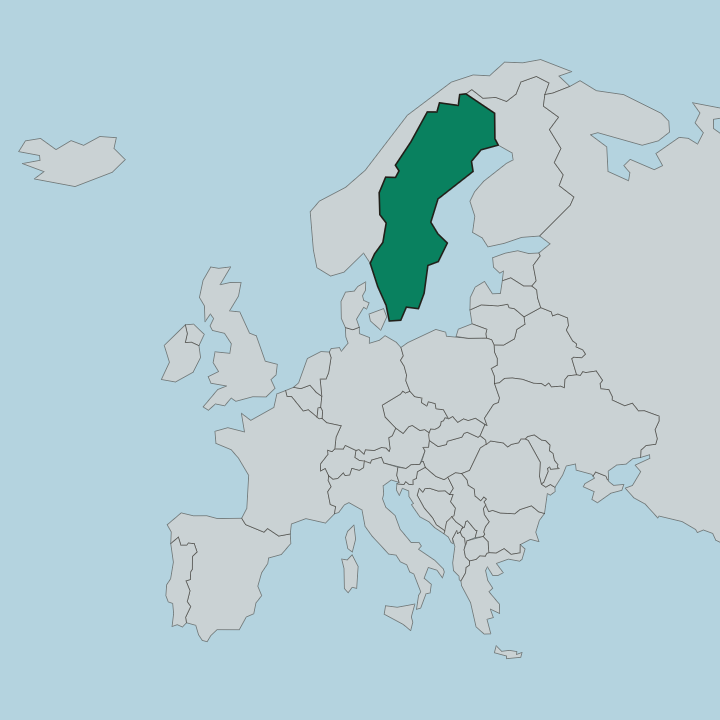
Sweden · Skåne County
Where to Stay in Lund, Skåne County
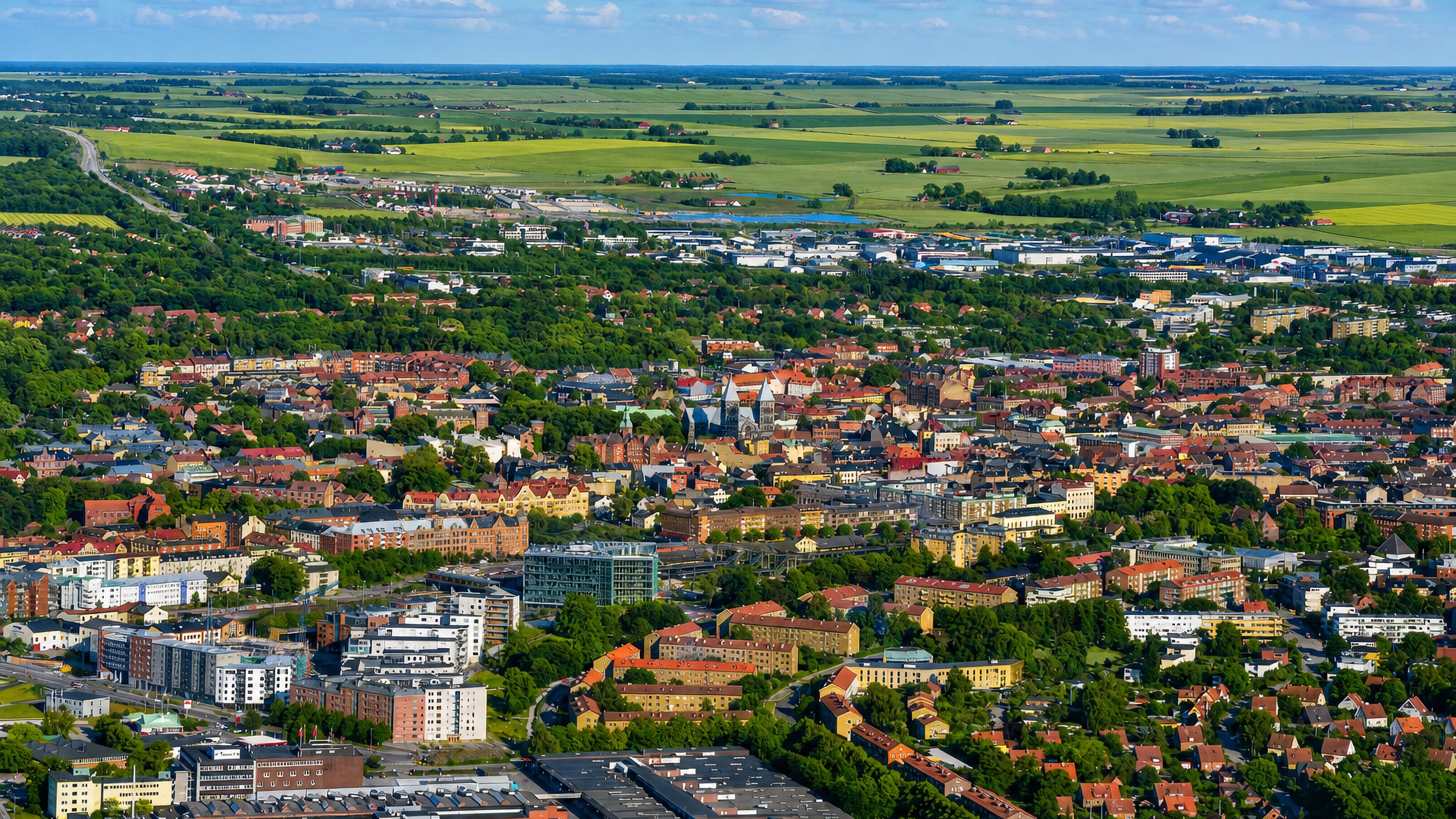
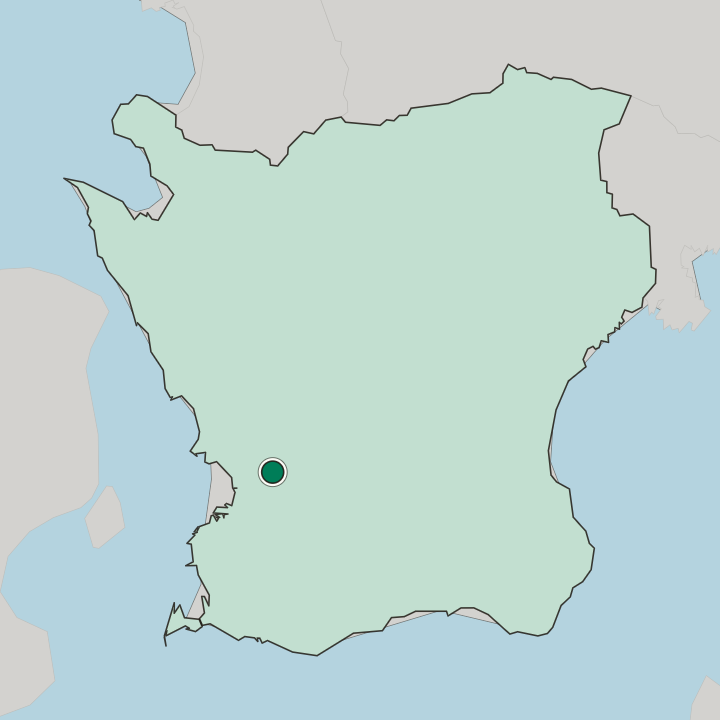
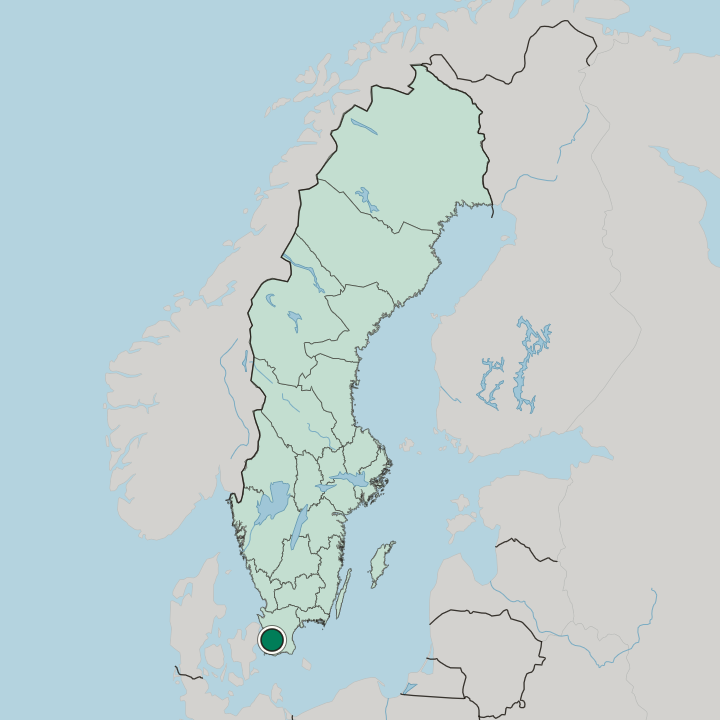
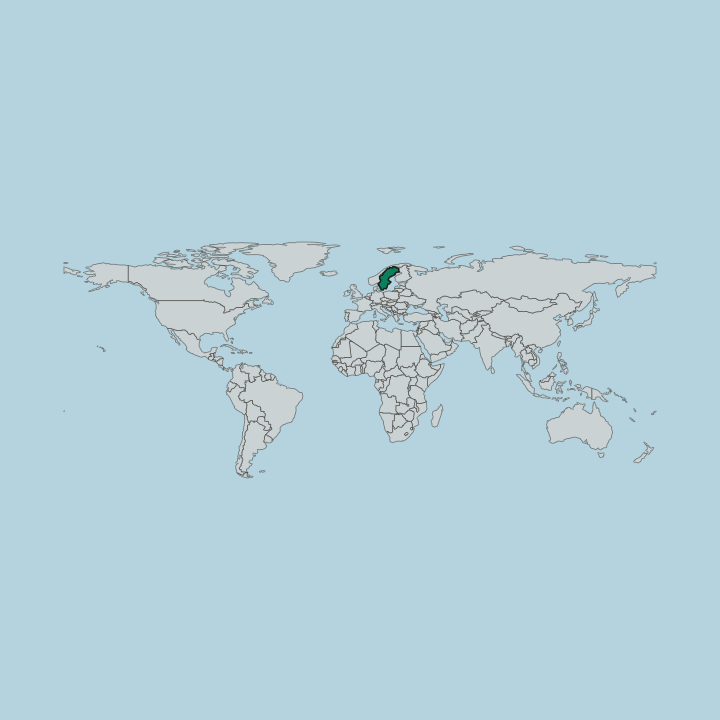
Lund is a historic university city in the south-western part of Skåne County, one of the oldest towns in Sweden, just inland from the Öresund coast.
Hotel links are affiliate links: booking through them may earn us a commission, at no extra cost to you. It never affects how places are ranked. How this works


Where to stay in Lund
Where the beds are, and what that means for the visit.
Most visitors stay in the old town, the medieval core around Lunds domkyrka and the main square where the university buildings, shops, cafes, and the station all sit within an easy walk. It suits travellers who want the cathedral, the cobbled lanes, and the student life together on foot. Rooms here run from grand old hotels by the station to smaller guesthouses tucked among the historic streets.
The station district just west offers the other central base. Around the railway and the modern quarter beyond, business hotels and newer rooms put fast trains to Malmö and Copenhagen right at hand, a draw for anyone arriving by rail or working in the city. Commuters favour this side.
For lower rates and easy parking, the residential edges and the science-park fringe near the ring roads lean practical, handy for drivers and for visitors to the research labs north of the centre. Stay central for the old town. Choose the station for the trains.
Find hotels in Lund
Direct booking searches for these neighbourhoods.
Old town
cathedral, university and square within a short walkFind hotels in Old townrail travellersStation district
business hotels by fast trains to Malmö and CopenhagenFind hotels in Station districtdrivers and lab visitorsOuter edges and science park
practical rooms with parking near the ring roadsFind hotels in Outer edges and science parkHotel links are affiliate links: booking through them may earn us a commission, at no extra cost to you. It never affects how places are ranked. How this works
Things to do in Lund
Ranked by global recognition; descriptions from Wikidata (CC0).
Museums & Galleries
5- Historical Museum at Lund University Heritage
- Tegnérmuseet Heritage
- Skissernas Museum – Museum of Artistic Process and Public Art
- Livets museum Medicine History Museum
- Archive and museum of the Academic Society in Lund working life museum and archive
Churches & Religious Sites
8- All Saints Church Heritage
- Sankt Peters Klosters kyrka Heritage
- Church of the Holy Spirit Heritage Church of Sweden church building
- Norra Nöbbelöv Church Heritage
- Sankt Hans kyrka Heritage
Show 3 more →
- Stora Råby Church Heritage
- Sankt Knuts kyrka Heritage
- Maria Magdalena kyrka Heritage
Stadiums & Sports
3- Bollhuset
- Victoriastadion
- Smörlyckans IP
worth knowingacross 3 categories in Lund
About Lund
Lund is known for its university.
What is Lund known for?
Lund University, among the oldest and largest in the country, fills the old town with students, libraries, and research institutes, and gives the city a young, academic character all year. The other great draw is the cathedral, the twin-towered Romanesque Lunds domkyrka that has stood at the heart of the town for nearly a thousand years. Science thrives here too.
The European Spallation Source and the MAX IV laboratory have made the city a hub of physics on the northern edge of the plain.
What are the main landmarks in Lund?
Lunds domkyrka dominates the city, a grey sandstone cathedral whose twin towers, ancient crypt, and astronomical clock have drawn pilgrims and visitors since the Romanesque age. Around it the old university quarter spreads through historic halls, while the open-air museum of Kulturen gathers old timber houses from across the south. Allhelgonakyrkan rises to the north.
Smaller medieval churches such as Sankt Peters Klosters kyrka and the parish churches of the outlying villages, together with museums like Skissernas Museum and the Lunds universitets historiska museum, fill the city with layers of art, faith, and learning.
What is the history of Lund?
Lund is among the oldest cities in Sweden. It was founded around the year 1000 under the Danish crown, and within a century it had become the seat of an archbishop whose authority reached across the whole of the Nordic north, making the town a centre of church power long before it was Swedish at all. The great cathedral rose in this age, and the city flourished as the religious heart of the medieval Danish realm.
Learning followed faith. When Skåne passed to Sweden in the seventeenth century, the new rulers founded a university here in 1666 to bind the province to the crown, and that university slowly came to define the city. Around its faculties grew a town of students, printers, and scholars, while the old farming and market trade carried on below the spires.
The modern age brought science institutes, hospitals, and high-tech firms to the same ground. That long descent from archbishopric to research city still shapes Lund, a place where a thousand-year cathedral and the laboratories of modern physics share one small plain-edge town.
Where is Lund?
Lund stands on a low ridge at the inland edge of the Skåne plain, in the south-western part of Skåne County, a short way from the Öresund coast. The land slopes gently here. Wide farm fields run west toward the strait and the cities of the shore, while to the east the ground rises into the wooded hills and lakes of central Skåne behind the town.
The old core sits compact on its rise. Malmö lies down on the coast to the south-west, with Copenhagen beyond it across the water.
What is the climate of Lund?
Lund has the mild maritime climate of south-western Skåne. Lying just inland from the Öresund, the city sees gentle winters with little lasting snow and mild, fairly long summers tempered by the sea air drifting in off the strait. Rain reaches Lund in every season, without one dominant wet spell.
On this open plain, spring comes early. The surrounding plain greens up well ahead of the forests of inland Sweden, and the open country to the west leaves the city exposed to steady coastal winds through much of the colder season.
How do you get to Lund?
Lund is very easy to reach. The city sits on the main southern railway, with frequent trains running to Malmö in minutes and on across the Öresund bridge to Copenhagen, and the central station stands at the edge of the old town. By road it lies on the E22, the main artery up the eastern side of the region.
Trains run constantly. Copenhagen Airport, reached directly by train over the bridge, is the nearest international gateway for travellers flying in.
Common questions
What is the best area to stay in Lund?
Old town: first-timers. Station district: rail travellers. Outer edges and science park: drivers and lab visitors.
Good for
More cities in Skåne County
Updated October 2026