Sweden · Skåne County
Where to Stay in Ystad, Skåne County
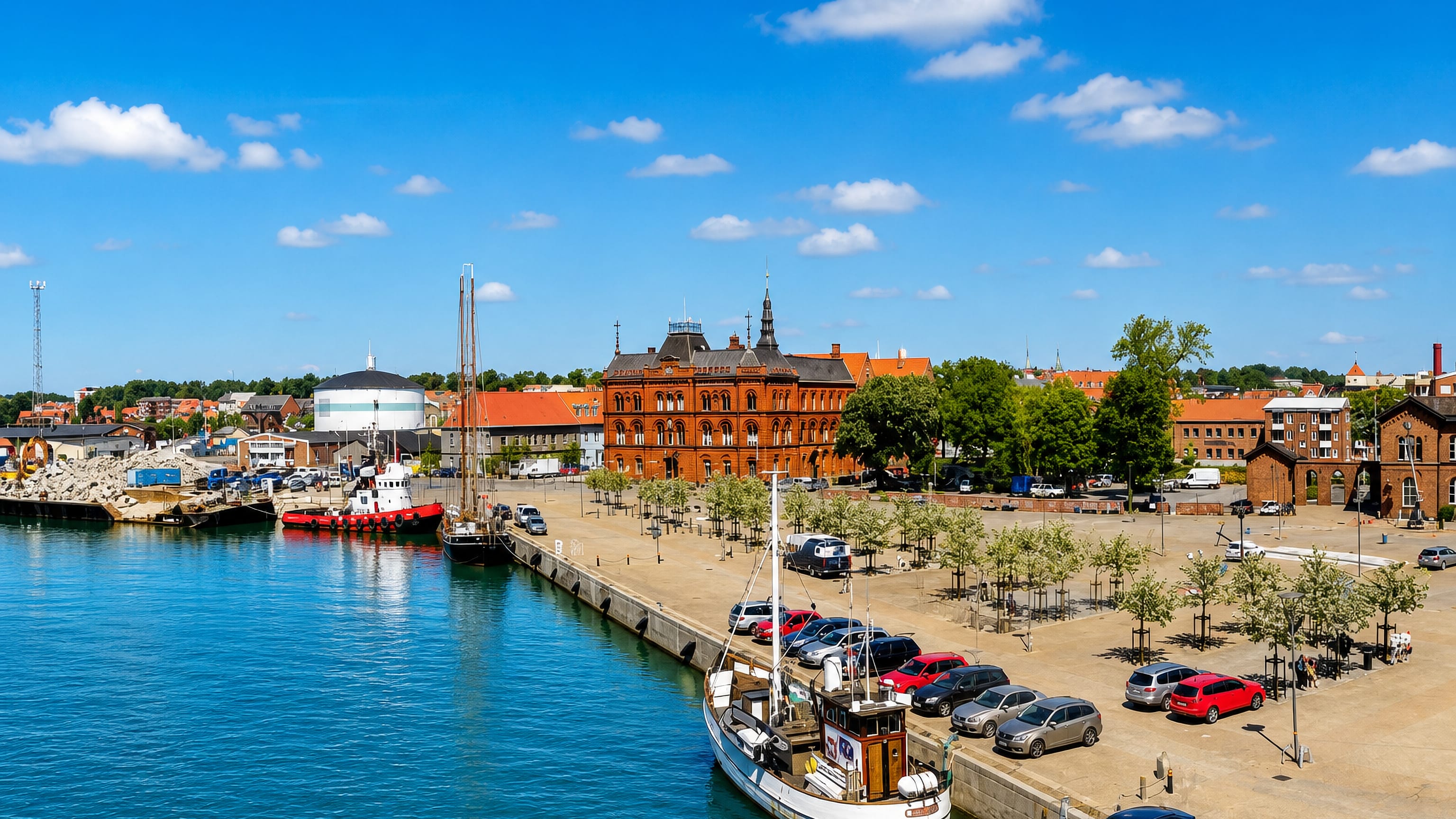
Ystad is a coastal town in south-eastern Skåne County, a medieval harbour on the Baltic shore.
Hotel links are affiliate links: booking through them may earn us a commission, at no extra cost to you. It never affects how places are ranked. How this works


Where to stay in Ystad
How the choice of base plays out on the ground.
Most visitors stay in the old town, where hotels and guesthouses sit among the cobbled lanes within an easy walk of Sankta Maria kyrka, the square, the museum, and the harbour where ferries leave for Bornholm and Poland. The old centre suits travellers who want history and services close at hand and a short step to the quays. Rooms fill quickly through the warm months.
Along the coast east and west of town, campsites, cabins, and holiday cottages open through the warm months near the long sandy beaches, drawing families and bathers who come for the water and the southern light. The Österlen countryside inland holds farm stays and self-catering houses for those touring by car. Book your stay early in the busy season.
Ferry traffic, the beach crowds, and the Wallander trail together press hard on rooms across the warmest weeks of the year.
Find hotels in Ystad
Direct booking searches for these neighbourhoods.
Old town
hotels among cobbled lanes near the church and harbour. Beds are limited here, so book early.Find hotels in Old townsummer familiesCoast and beaches
campsites and cottages by the long sandy shore. Rooms are few around here — worth securing early.Find hotels in Coast and beachesdrivers touring inlandÖsterlen countryside
farm stays and houses among the fields and orchards. Rooms are few around here — worth securing early.Find hotels in Österlen countrysideHotel links are affiliate links: booking through them may earn us a commission, at no extra cost to you. It never affects how places are ranked. How this works
Things to do in Ystad
Ranked by global recognition; descriptions from Wikidata (CC0).
Museums & Galleries
4- Gråbrödraklostret i Ystad Heritage medieval former friary
- Ystad Art Museum
- Ystad Military Museum military museum at Ystad
- Charlotte Berlins museum working life museum
Churches & Religious Sites
3- St. Mary's Church Heritage
- Öja Church Heritage
- Hedeskoga Church Heritage
Castles & Historic Sites
1- Slottsbacken Heritage
Stadiums & Sports
2- Ystad Arena
- Österporthallen
worth knowingacross 4 categories in Ystad
About Ystad
Ystad is a medieval port town.
What is Ystad known for?
Its old centre keeps a dense web of cobbled lanes and half-timbered houses around the great church of Sankta Maria, where a watchman still calls the hours through the night from the tower. The town is a busy ferryport. Many visitors also know Ystad as the setting of Henning Mankell's Wallander crime novels, filmed in and around the streets, and as a base for the wider Österlen coast and country.
What are the main landmarks in Ystad?
Sankta Maria kyrka rises over the old town, the great medieval church whose watchman still sounds the hours through the night from the tower. The Gråbrödraklostret, a former Greyfriars monastery, ranks among the best-preserved of its kind in the north. The cobbled lanes are a sight in themselves.
Half-timbered houses, the Ystads Konstmuseum, Sankt Petri kyrka, and the small Catholic Sankt Nikolai kyrka fill out the centre, while the country churches of Öja and Hedeskoga and the modern Ystad Arena lie among the surrounding parishes. The harbour and beach close the picture.
What is the history of Ystad?
The settlement dates from the eleventh century. Ystad grew on the southern coast as a fishing and trading place under Danish rule, and through the medieval age it rose into one of Skåne's busiest harbours, sending herring and goods across the Baltic and gathering the great church, the Greyfriars monastery, and a dense town of merchant houses behind its shore. The Gråbrödraklostret and Sankta Maria kyrka still stand from those centuries.
The sea kept the town alive. When Skåne passed from Denmark to Sweden, Ystad held to its harbour and its trade, and the half-timbered houses of its old quarters survived where many Swedish towns lost theirs to fire and rebuilding. The modern age brought ferries and rails.
Ystad became the seat of its surrounding municipality and a busy ferryport for Bornholm and the Continent, and in recent decades the Wallander novels and films drew a fresh stream of visitors to the medieval streets that gave the stories their backdrop.
Where is Ystad?
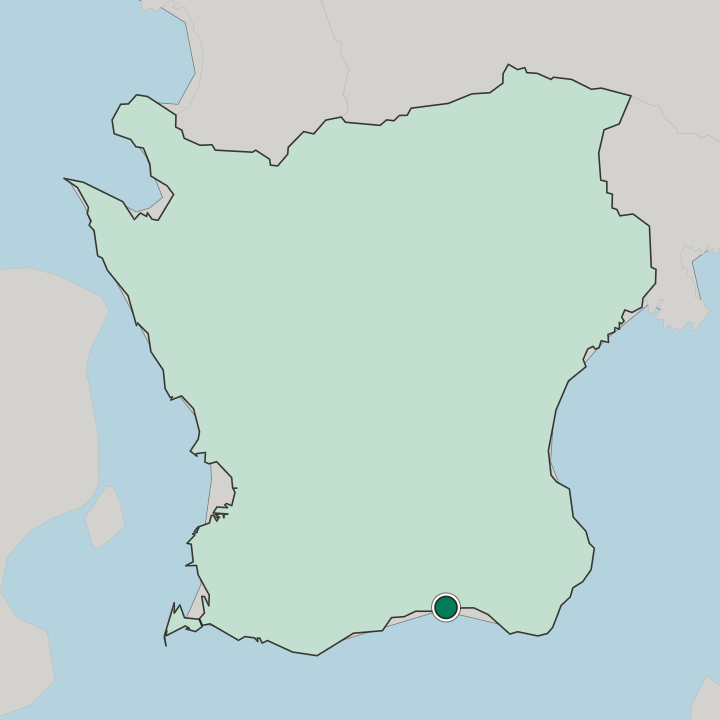
Ystad lies in the south-eastern part of Skåne County, on the Baltic coast where the open plain of southern Skåne meets the rolling Österlen country to the east. The town faces the sea, with a working harbour, long sandy beaches, and low farmland rising gently inland behind it toward the hills and orchards of the wider district. The setting is coastal and open.
Roads and the railway tie the town to Malmö in the west and to Simrishamn and the Österlen villages along the coast to the east.
What is the climate of Ystad?
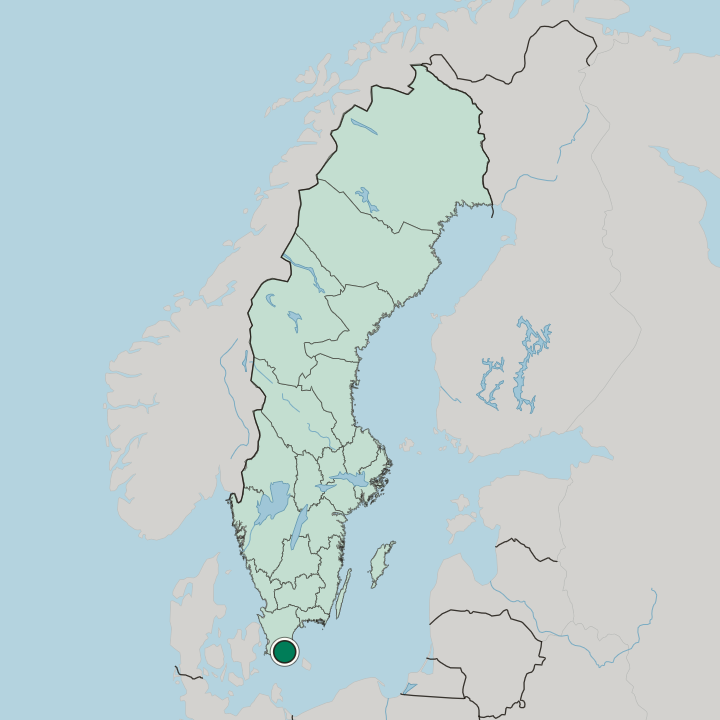
Ystad, at Sweden's far southern edge, has one of the country's mildest temperate climates. Winters are cool rather than harsh, with the surrounding Baltic and the far-southern position holding back the deep cold and heavy snow that grip the country much further north through the dark half of the year. The summer months stay warm and bright.
The long, slow dusk and the warm sea make the beaches a draw, and the coast sees its busiest and sunniest weeks across high summer. Wind off the open Baltic is common all year.
How do you get to Ystad?
Ystad sits at the end of the railway from Malmö, with regular trains running down to the coast through the day. Ferries leave the harbour for Bornholm and Poland across the Baltic. Drivers come on the road from Malmö and the south.
The nearest large airport lies near Malmö to the west, which serves as the main gateway, while regional roads and rail tie the town to Simrishamn and the Österlen villages along the coast to the east.
Common questions
What is the best area to stay in Ystad?
Old town: history lovers and ferry passengers. Coast and beaches: summer families. Österlen countryside: drivers touring inland.
Good for
More cities in Skåne County
Updated October 2026