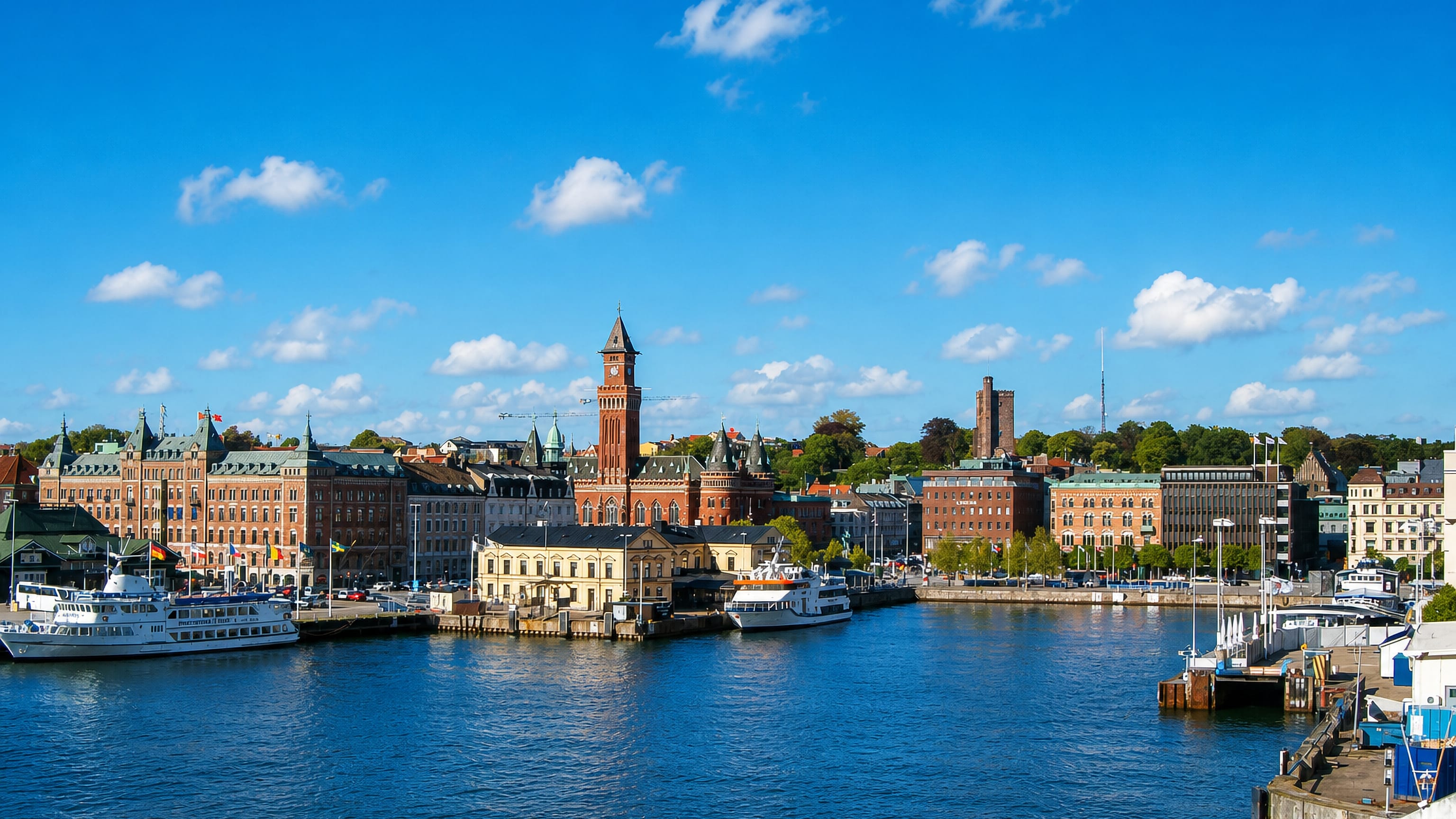
Sweden · Skåne County
Where to Stay in Helsingborg, Skåne County
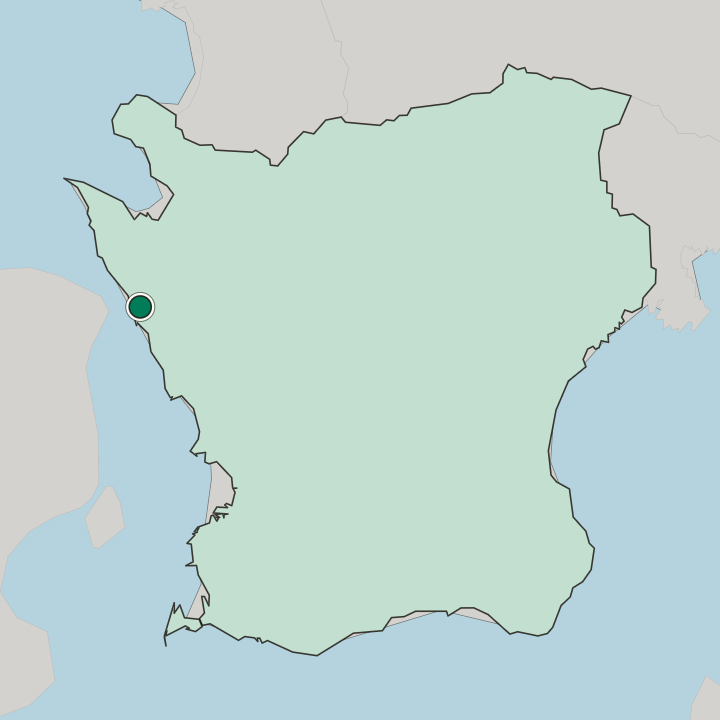
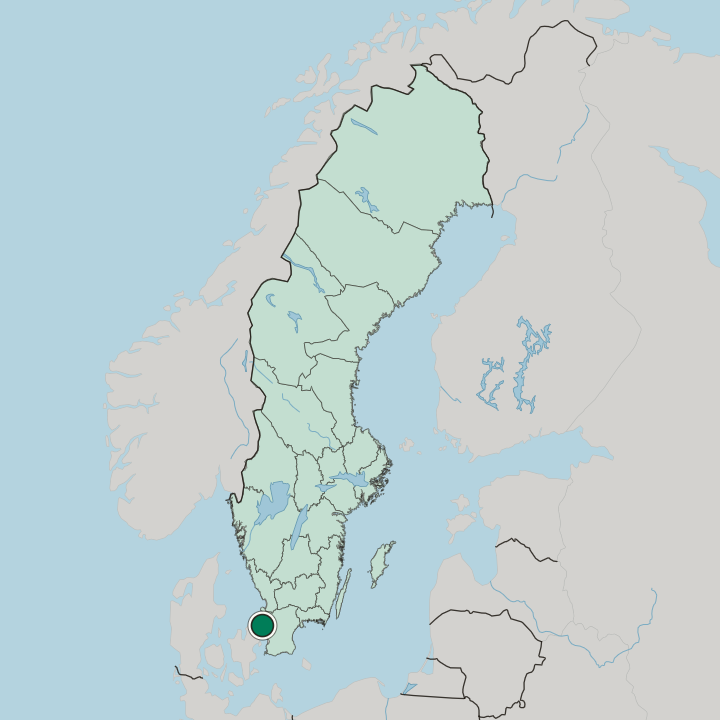
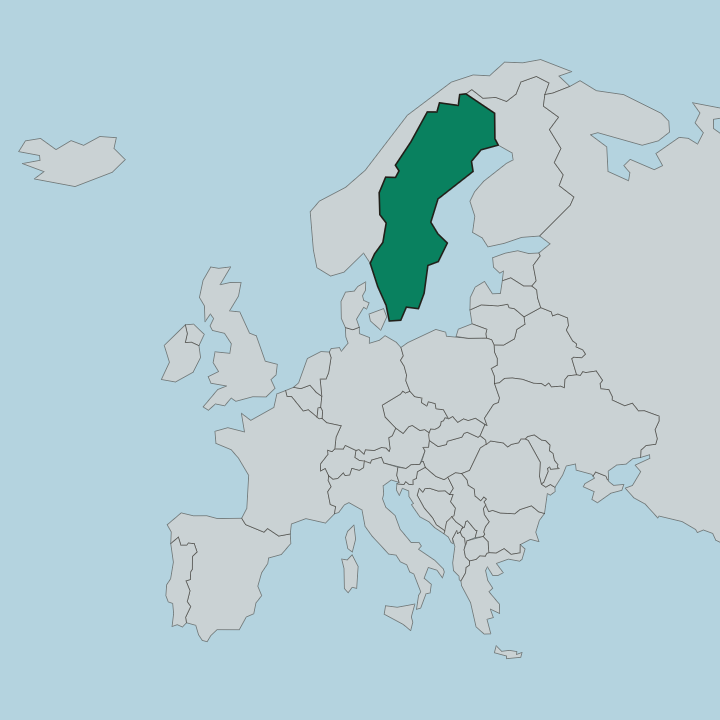
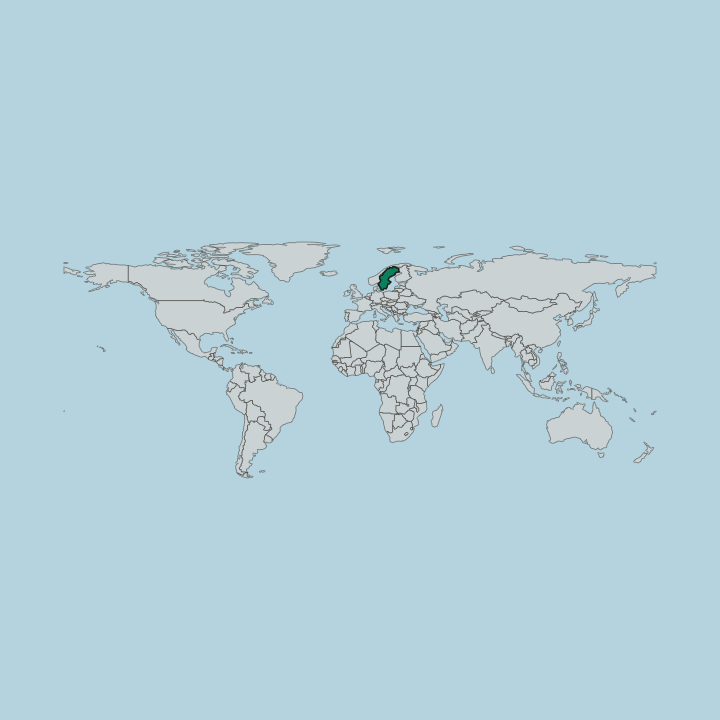
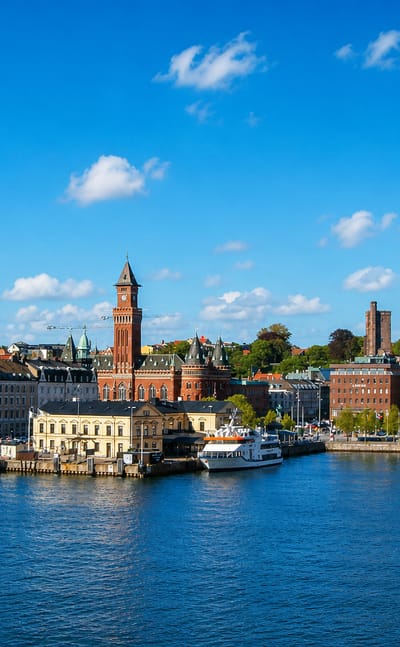
Helsingborg is a port city in the western part of Skåne County, facing Denmark across the narrowest neck of the Öresund in south-western Sweden.
Hotel links are affiliate links: booking through them may earn us a commission, at no extra cost to you. It never affects how places are ranked. How this works


Where to stay in Helsingborg
Each area has its own feel; here's who each one suits.
 HelsingborgSweden
Eskilsminne
Eskilsminne is a villa district in south-eastern Helsingborg, on the Skåne side of the Øresund in south-western Sweden.Where to stay →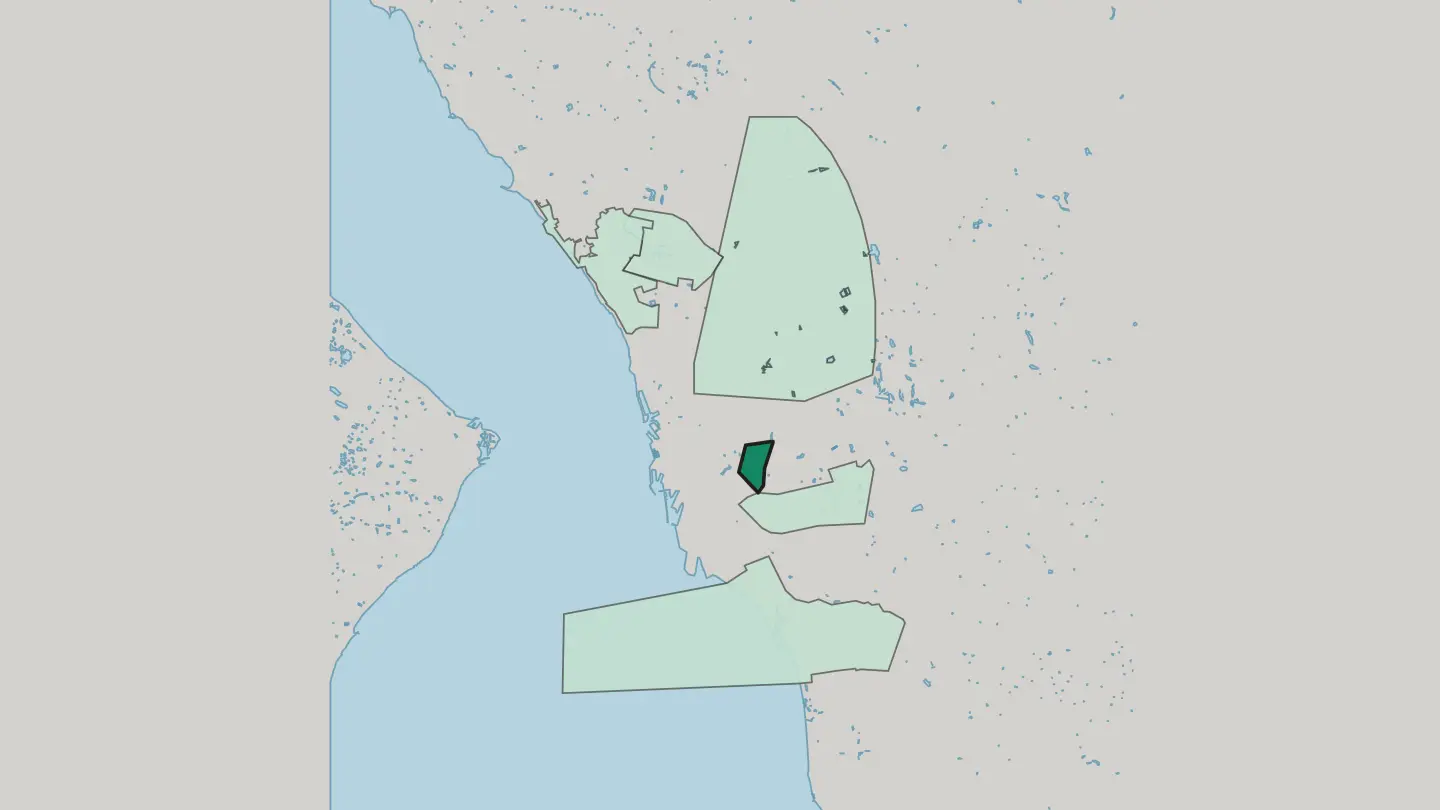 HelsingborgSweden
Ramlösa
Ramlösa is a spa quarter of south-eastern Helsingborg, in south-western Sweden, where a mineral spring has been tapped since 1707.Where to stay →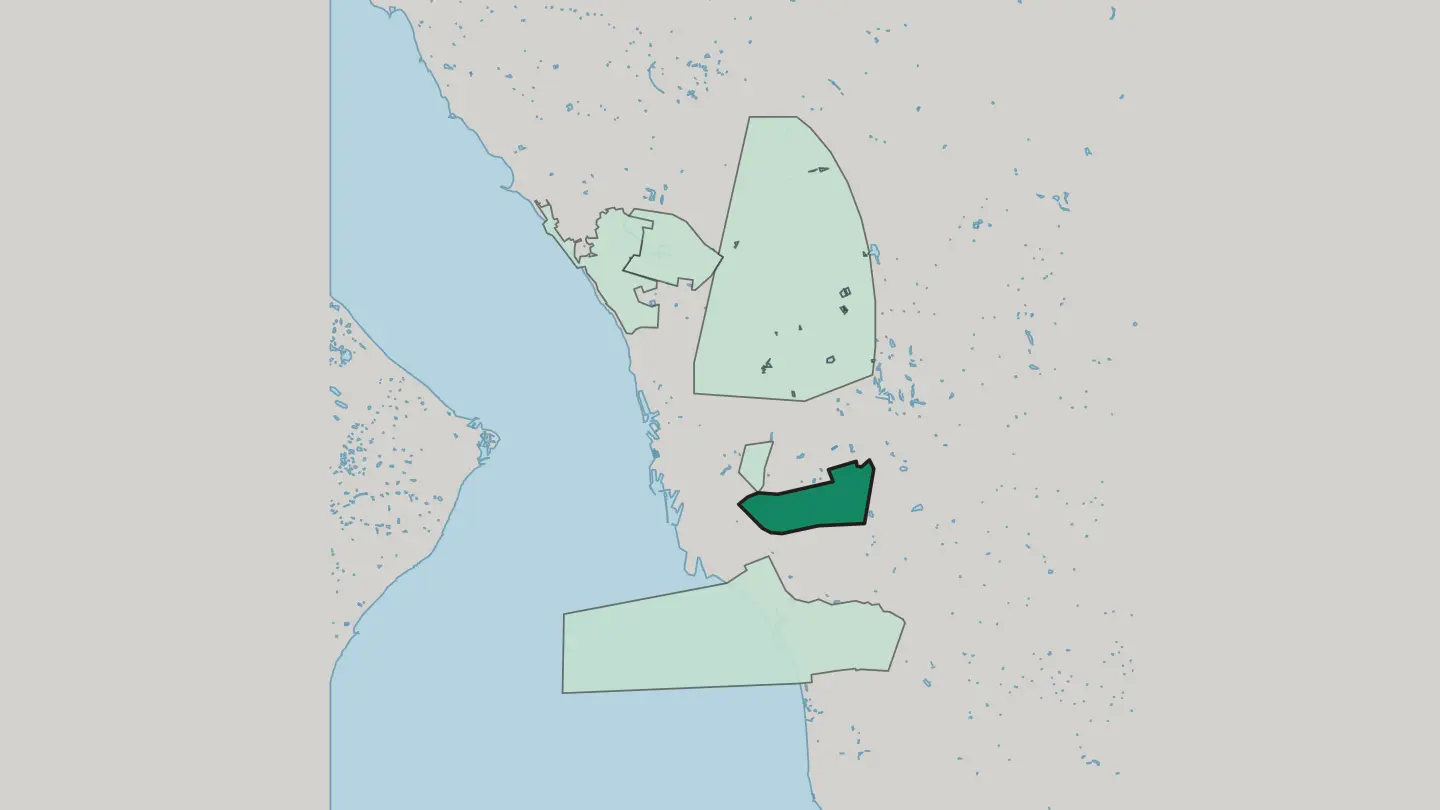 HelsingborgSweden
Filborna
Filborna is a district of Helsingborg Municipality, within the Helsingborg urban area in Skåne, south-western Sweden.Where to stay →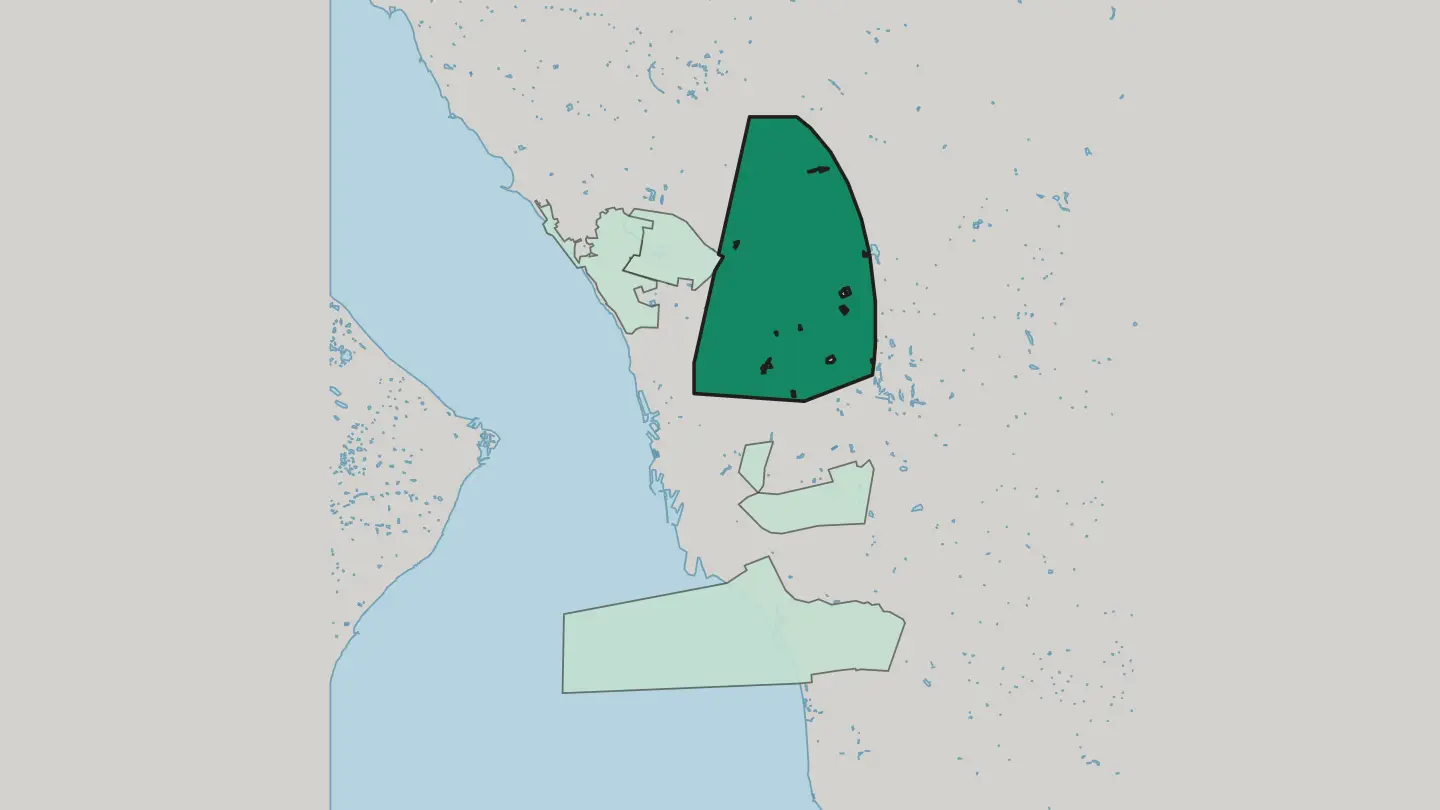
 HelsingborgSweden
Pålsjö
Pålsjö is a district of Helsingborg, lying in the western part of the city near the Øresund coast in south-western Sweden.Where to stay →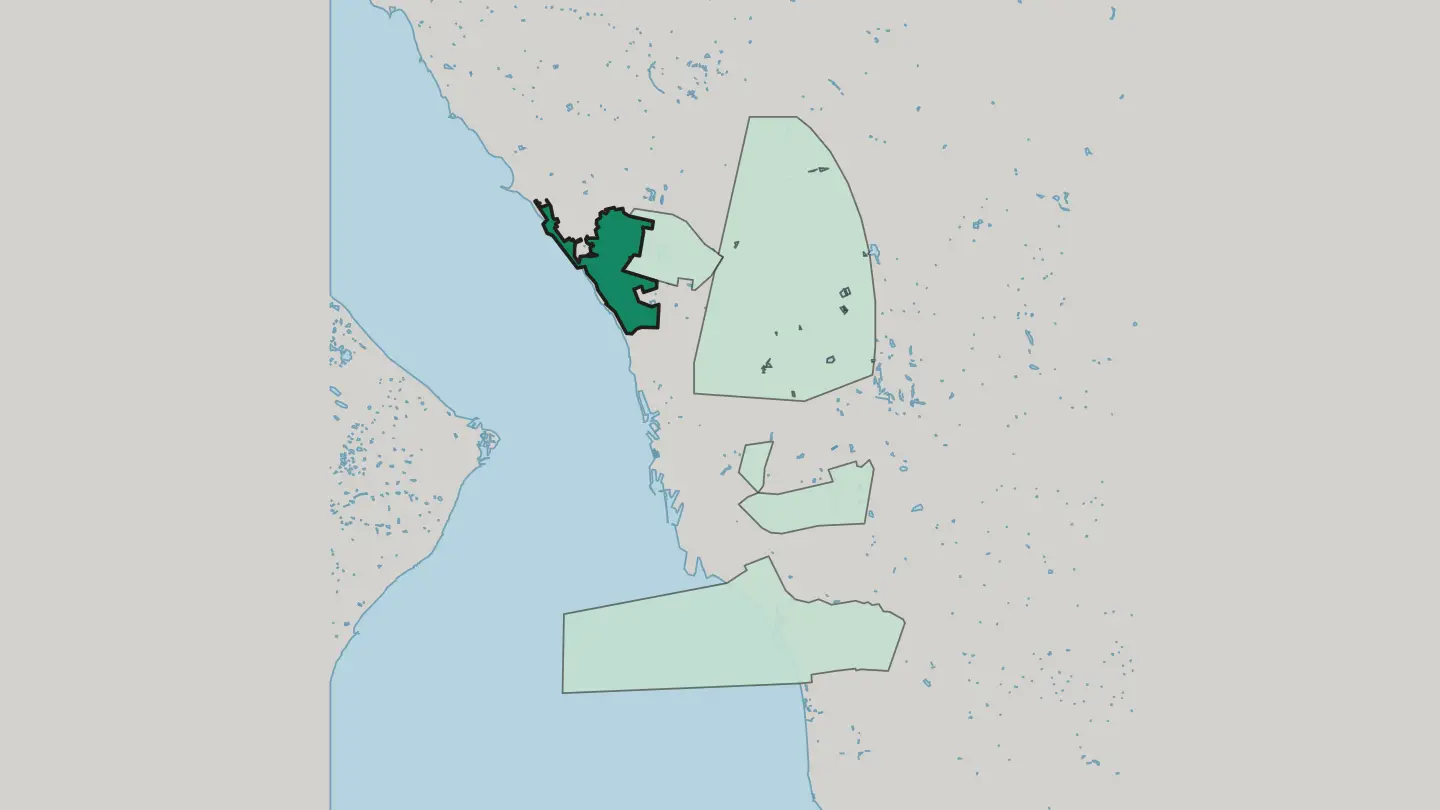 HelsingborgSweden
Mariastaden
Mariastaden is a district in northern Helsingborg, in south-western Sweden, built up since the late 1990s around the former S:ta Maria hospital.Where to stay →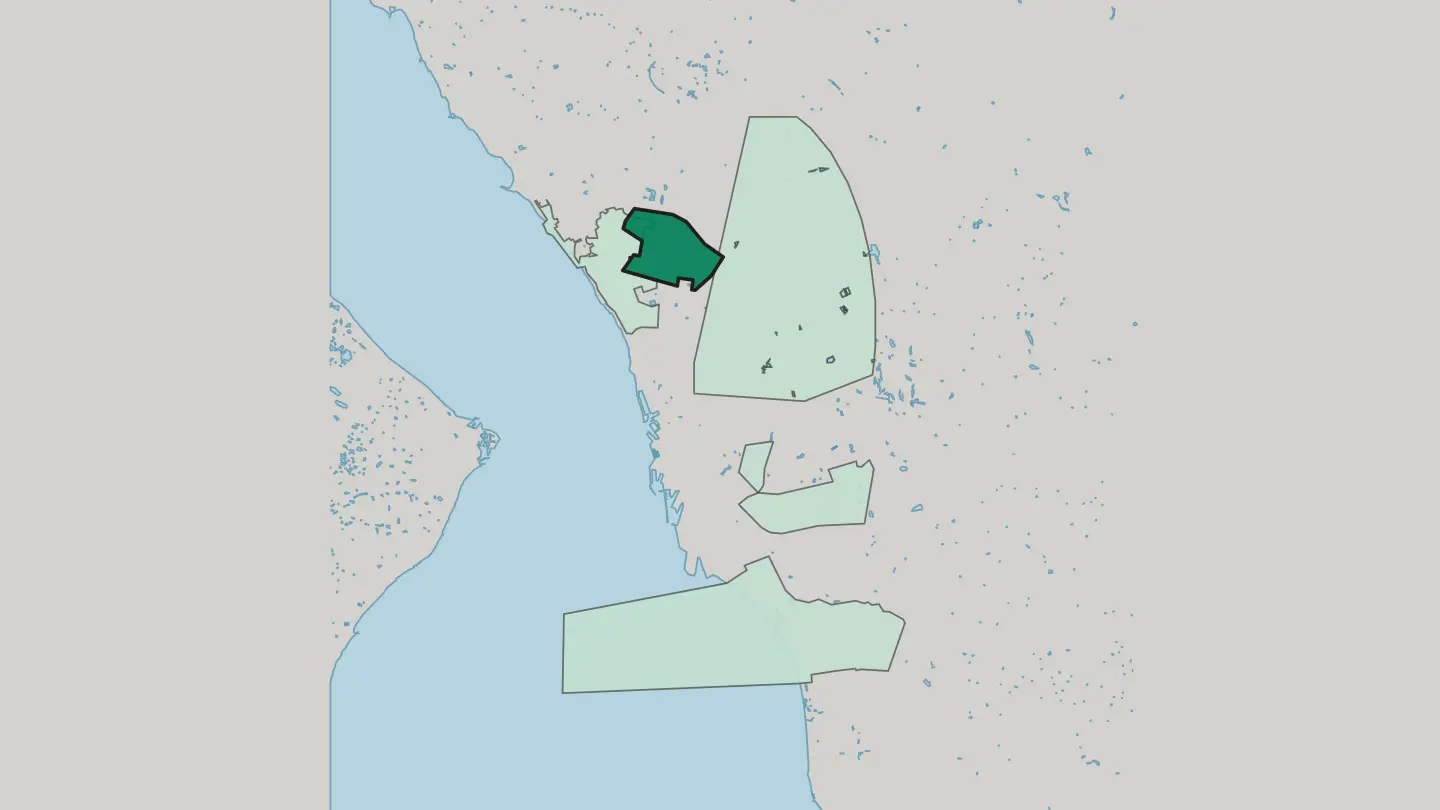
 HelsingborgSweden
Råå
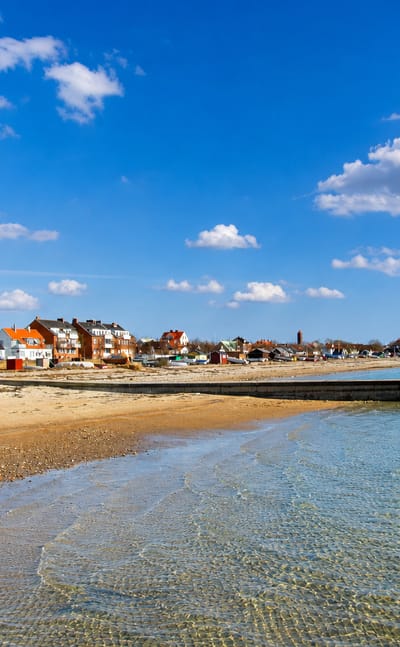
Råå is a coastal district of Helsingborg, set along the Øresund shore in the south-eastern part of the city in south-western Sweden.Where to stay →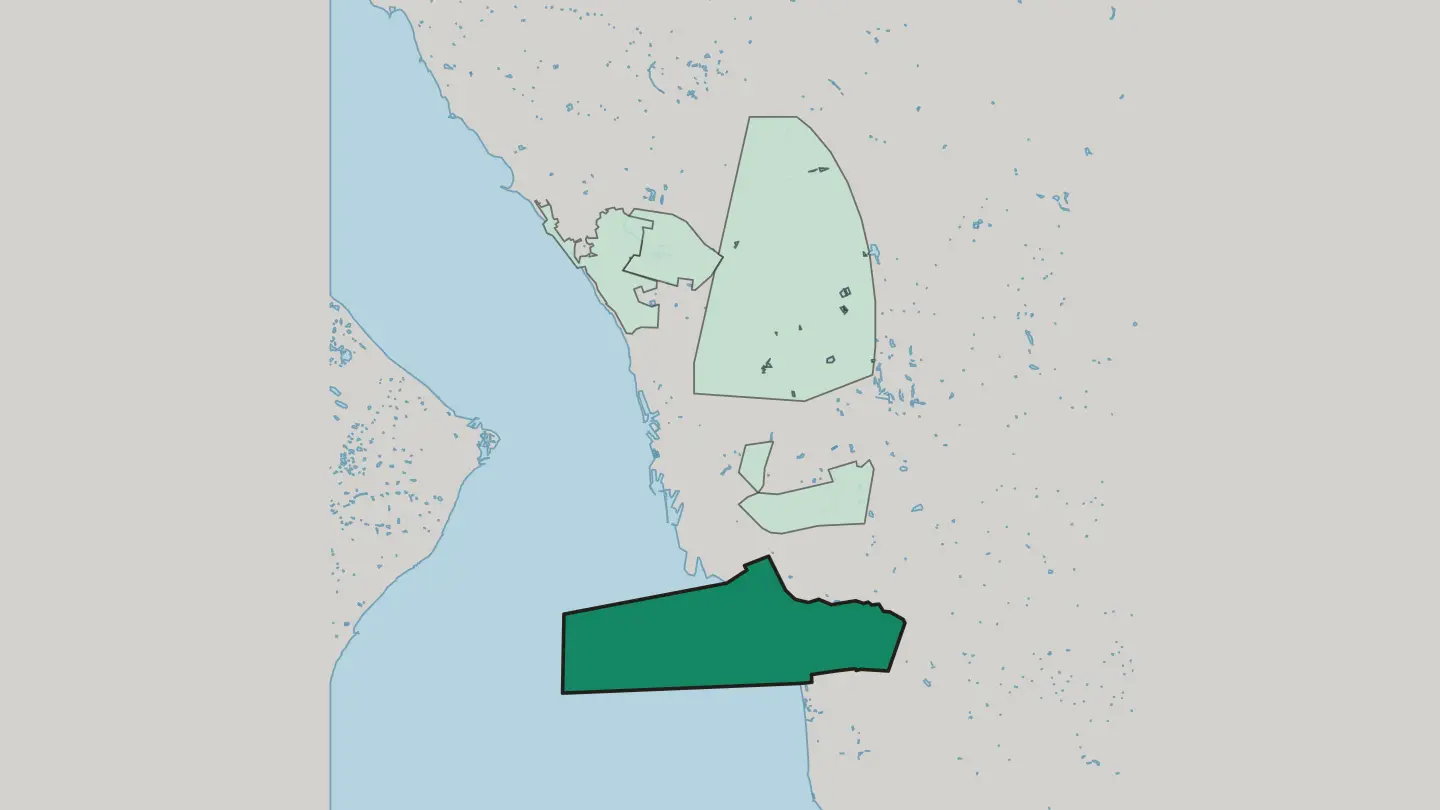
Hotel links are affiliate links: booking through them may earn us a commission, at no extra cost to you. It never affects how places are ranked. How this works
Find hotels in Helsingborg
Direct booking searches for these neighbourhoods.
City centre
ferry terminal, shops and harbour promenade within a short walkFind hotels in City centrecalm, longer staysNorthern beach districts
sea views and quiet streets along the coast toward PålsjöFind hotels in Northern beach districtsmotorists watching the costEastern approach districts
practical rooms with quick access to the main roadsFind hotels in Eastern approach districtsHotel links are affiliate links: booking through them may earn us a commission, at no extra cost to you. It never affects how places are ranked. How this works
Things to do in Helsingborg
Ranked by global recognition; descriptions from Wikidata (CC0).
Museums & Galleries
5- Kärnan Heritage
- Fredriksdal Museums and Gardens
- Teknik på farfars tid
- Helsingborgs idrottsmuseum working life museum
- Råå fishing and maritime museum Museum at Råå
Churches & Religious Sites
8- Saint Mary Church Heritage
- Gustav Adolf Church Heritage Church of Sweden church building
- Sankta Anna kyrka Heritage
- Allhelgonakyrkan Heritage
- Den gode herdens kyrka Heritage
Show 3 more →
- Adolfsbergskyrkan Heritage
- Sankt Olofs kyrka Heritage
- Elinebergskyrkan Heritage
Stadiums & Sports
1- Olympiarinken ice rink
worth knowingacross 3 categories in Helsingborg
About Helsingborg
The ferries define it.
What is Helsingborg known for?
Across one of the busiest short crossings in Europe, boats shuttle constantly between Helsingborg and Helsingør on the Danish shore, and that thread of traffic has shaped the city's whole character as a trading gate on the Sound. Kärnan, the squat medieval keep on the ridge, looks out over it all. The waterfront stays busy.
Visitors come for the harbour, the long beaches to the north, and a compact centre that climbs from quay to bluff in a few steep streets.
What are the main landmarks in Helsingborg?
Kärnan crowns the city. The brick tower is all that survives of the great medieval fortress that once guarded the Sound, and a climb up its stair gives the broadest view across the water to Denmark. Below it stands Sankta Maria kyrka, a Gothic brick church from the same medieval centuries.
Fredriksdal museer och trädgårdar spreads its open-air museum and botanical gardens on the city's edge. The keep endures. Together these places frame a port that has watched over the crossing for the better part of a thousand years.
What is the history of Helsingborg?
Few Swedish towns reach back as far as Helsingborg. Charters and church stones trace the town back to the eleventh century, when it rose as a Danish stronghold guarding the narrowest point of the Öresund alongside its twin fortress at Helsingør on the far shore. For most of the Middle Ages the town was Danish, and whoever held both castles controlled the toll and traffic of the Sound, which made this crossing one of the most fought-over patches of ground in the north.
The wars left their mark. Helsingborg passed to Sweden in the seventeenth century after long campaigns between the two crowns, and the old fortress was largely torn down, leaving only Kärnan standing on the ridge. Then trade and industry remade the place.
The harbour grew, railways arrived, and the port became a working city of shipping, manufacture, and ferries, and that twin inheritance of medieval border town and modern industrial port still shapes the streets that climb from quay to bluff.
Where is Helsingborg?
Helsingborg sits in the western part of Skåne County, on the Swedish shore of the Öresund where the strait pinches to just a few kilometres across. The land rises sharply. A steep escarpment, the Landborgen, runs behind the harbour and splits the city into a low town along the quay and an upper town on the bluff above.
North of the centre the coast gives way to long sand beaches, while the flat farmland of Skåne stretches inland to the east. The water is always near.
What is the climate of Helsingborg?
The climate by the Öresund stays mild. The Öresund moderates the seasons, so winters on this corner of Skåne stay softer and less snowbound than the Swedish inland, while summers turn warm enough to crowd the northern beaches through the long light evenings. No season here goes entirely dry.
Spring arrives early along the Sound. Autumn brings grey winds off the Sound and the steady drumbeat of ferries crossing through the haze toward the Danish shore.
How do you get to Helsingborg?
Helsingborg is well connected. Fast trains link it along the west coast to Malmö, Lund, and Göteborg, and the central station sits right beside the ferry terminal so transfers take only minutes. By boat the short crossing to Helsingør connects the city directly to the Danish rail network and on to Copenhagen.
The E4 and E6 motorways run past. Copenhagen Airport lies within reach to the south, giving the city a long-haul gateway across the Sound.
Common questions
What is the best area to stay in Helsingborg?
City centre: first-timers. Northern beach districts: calm, longer stays. Eastern approach districts: motorists watching the cost.
Good for
More cities in Skåne County
Updated October 2026