Sweden · Skåne County
Where to Stay in Trelleborg, Skåne County
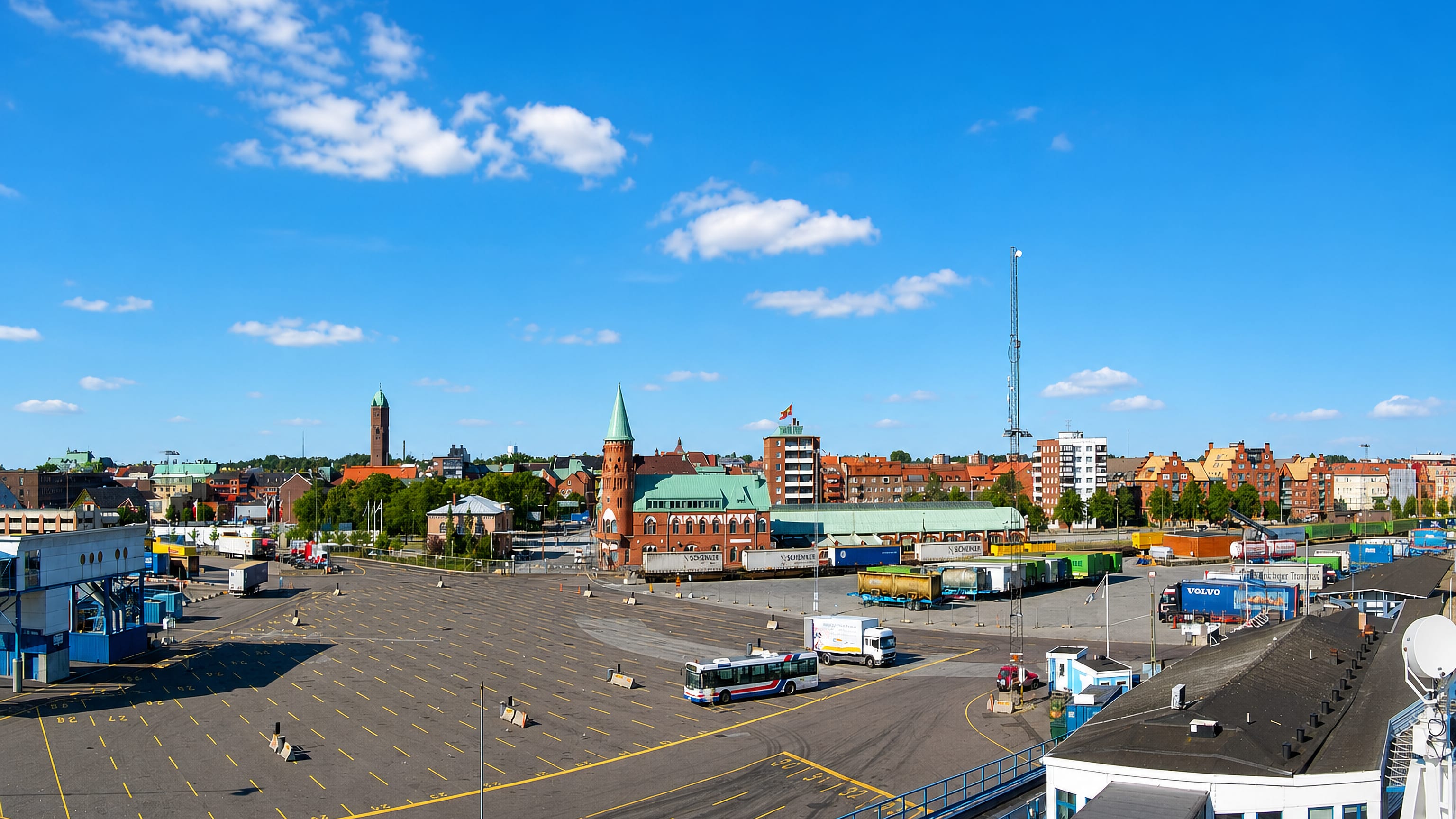
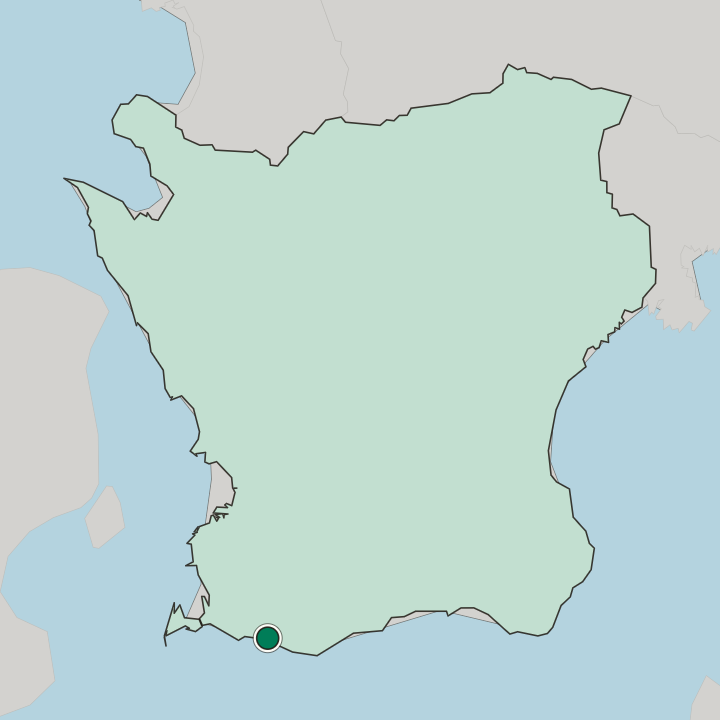
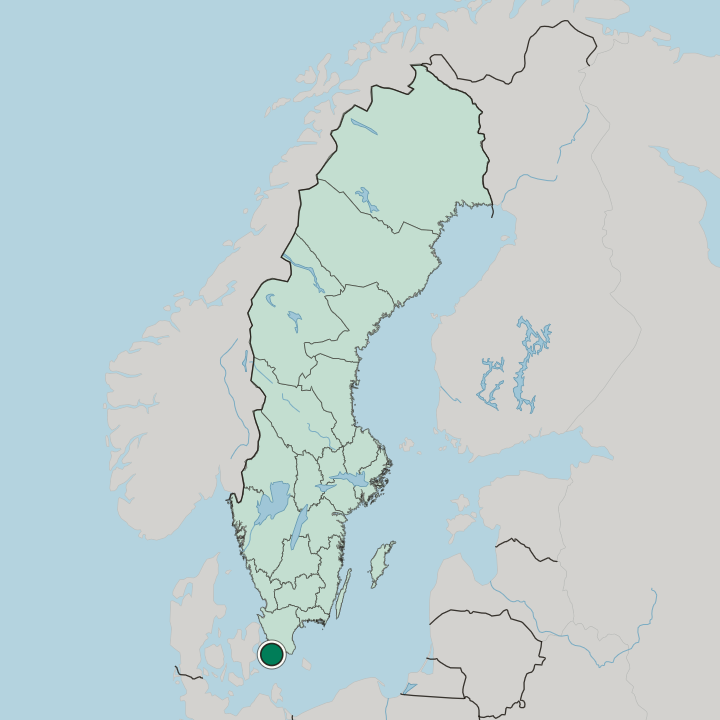
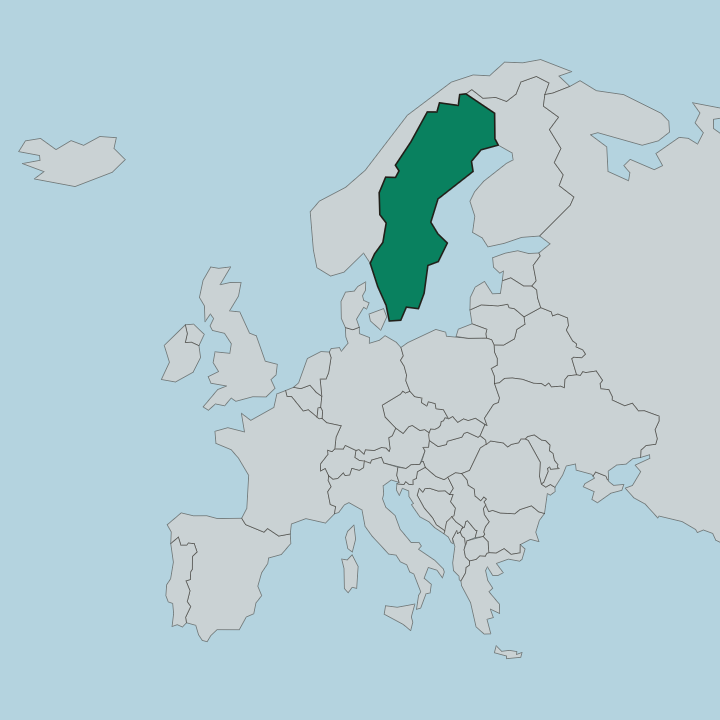
Trelleborg is a coastal town in south-western Skåne County, the southernmost town in Sweden, on the Baltic shore.
Hotel links are affiliate links: booking through them may earn us a commission, at no extra cost to you. It never affects how places are ranked. How this works


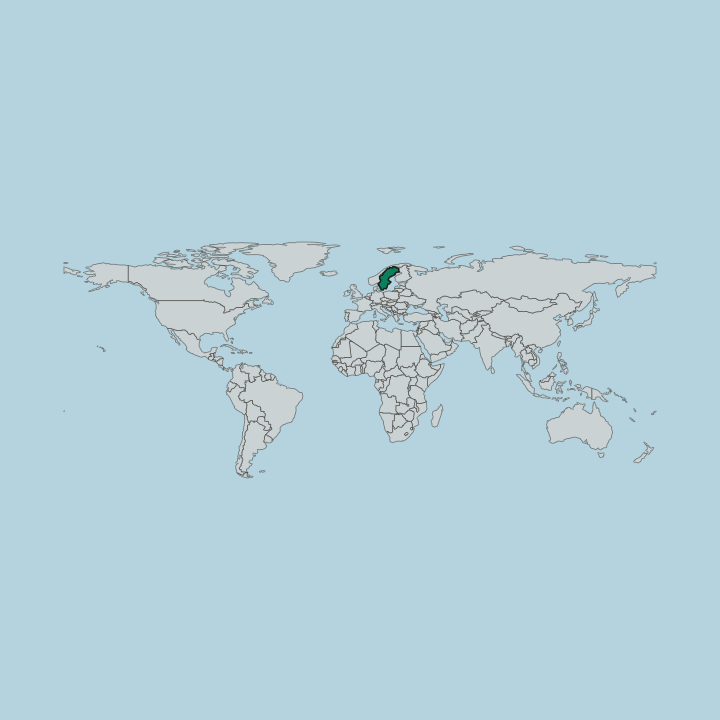
Where to stay in Trelleborg
How the choice of base plays out on the ground.
Most visitors stay in the town centre, where hotels and guesthouses sit within an easy walk of the harbour, the church, the museum, and the shops, handy for foot passengers and drivers timing an early or late ferry across the Baltic. The centre suits travellers who want services close to hand and a quick step to the quays. Beds book up around sailings.
Along the coast east and west of town, campsites, cabins, and holiday cottages open through the summer near the long sandy beaches, drawing families and bathers who come for the water and the warm southern light. The surrounding plain holds farm stays and country rooms for those touring Skåne by car. Trelleborg fills fast once summer arrives, so book early.
Ferry traffic and the beach season together press hard on rooms then, so an early reservation makes the difference in the warmest weeks.
Find hotels in Trelleborg
Direct booking searches for these neighbourhoods.
Town centre
hotels near the harbour, church, museum and shops. Lodging is scarce in this area; reserve in advance.Find hotels in Town centresummer familiesCoast and beaches
campsites and cottages on the Skåne sands. Lodging is scarce in this area; reserve in advance.Find hotels in Coast and beachesdrivers touring SkåneSurrounding plain
farm stays and country rooms among the fieldsFind hotels in Surrounding plainHotel links are affiliate links: booking through them may earn us a commission, at no extra cost to you. It never affects how places are ranked. How this works
Things to do in Trelleborg
Ranked by global recognition; descriptions from Wikidata (CC0).
Museums & Galleries
3- Trelleborg museum
- Axel Ebbe's art gallery
- Borgquistska Hattmuseet working life museum
Churches & Religious Sites
3- Sankt Nicolai kyrka Heritage
- Dalköpinge Church Heritage
- Kyrkoköpinge Church Heritage
Castles & Historic Sites
2- Invalidmonumentet Heritage
- Svenstorp's manor Heritage
worth knowingacross 3 categories in Trelleborg
About Trelleborg
Trelleborg is a Baltic ferry port.
What is Trelleborg known for?
Its harbour sends ships south across the sea to Germany and Poland, and the town has long served as one of Sweden's main southern gateways for freight and travellers crossing the water. A reconstructed Viking ring fortress stands here. Visitors know the place for that fortress, for the Axel Ebbes Konsthall and its sculpture, and for a long sandy coast that draws bathers through the warm southern summer.
What are the main landmarks in Trelleborg?
A reconstructed Viking ring fortress, Trelleborgen, gives the town its name and its best-known monument, a circular earth-and-timber rampart raised on the site of a real Viking-age stronghold. The Axel Ebbes Konsthall holds the sculptor's work in a hall of its own. Sankt Nicolai kyrka anchors the old centre.
The Invalidmonumentet, the Trelleborgs museum, and the country churches of Dalköpinge and Kyrkoköpinge round out the scene, while the long Baltic beach east of the harbour draws walkers and bathers in season. The shore is the lasting draw.
What is the history of Trelleborg?
The town is named for a Viking fortress. In the late tenth century a circular ring fort of the Trelleborg type rose on this shore, one of a small group of such strongholds built across the Danish realm, and its remains lie beneath the modern town that grew up around the trading place on the southern coast. A market and a church followed in the medieval age, and Trelleborg traded across the Baltic as one of Skåne's southern harbours.
The sea shaped everything that came after. Through the centuries when Skåne passed from Danish to Swedish hands, the town held to its harbour, and the coming of the railway and the steam ferry in the modern age turned it into a major crossing point for ships bound to Germany and the Continent. Trade and industry gathered at the port.
Trelleborg became the seat of its surrounding municipality and grew into the busy ferry town it remains, its Viking name and reconstructed fortress recalling the deep past beneath the working quays and the long Baltic beach.
Where is Trelleborg?
Trelleborg lies in the south-western part of Skåne County, on the flat Baltic coast at the southern tip of Sweden. The town faces the open sea, with a working harbour, a long sandy beach, and the broad farming plain of southern Skåne stretching inland behind it toward Malmö and the rolling country to the north. The setting is low and open.
Roads and the railway fan out from the port to Malmö, to Ystad along the coast, and to the villages of the surrounding plain.
What is the climate of Trelleborg?
Trelleborg has a mild temperate climate, the gentlest in Sweden. Winters are cool rather than cold, with the surrounding Baltic and the far-southern position holding back the deep frost and heavy snow that grip the country much further north through the dark half of the year. The summers here stay warm and bright.
The long, slow dusk and the warm sea make the coast a draw for bathers, and the beach sees its busiest and sunniest weeks across high summer. Wind off the open sea is common all year.
How do you get to Trelleborg?
Trelleborg is best reached by road from Malmö, a short drive north, on the motorway corridor that links the port to the wider region. Ferries arrive from Germany and Poland across the Baltic. Foot passengers and drivers alike use the harbour.
The railway and the international airport both lie near Malmö, which serves as the main gateway for travellers coming on to the town, while regional roads tie Trelleborg to Ystad and the villages of the southern plain.
Common questions
What is the best area to stay in Trelleborg?
Town centre: ferry passengers. Coast and beaches: summer families. Surrounding plain: drivers touring Skåne.
Good for
More cities in Skåne County
Updated October 2026