Sweden · Skåne County
Where to Stay in Höganäs, Skåne County
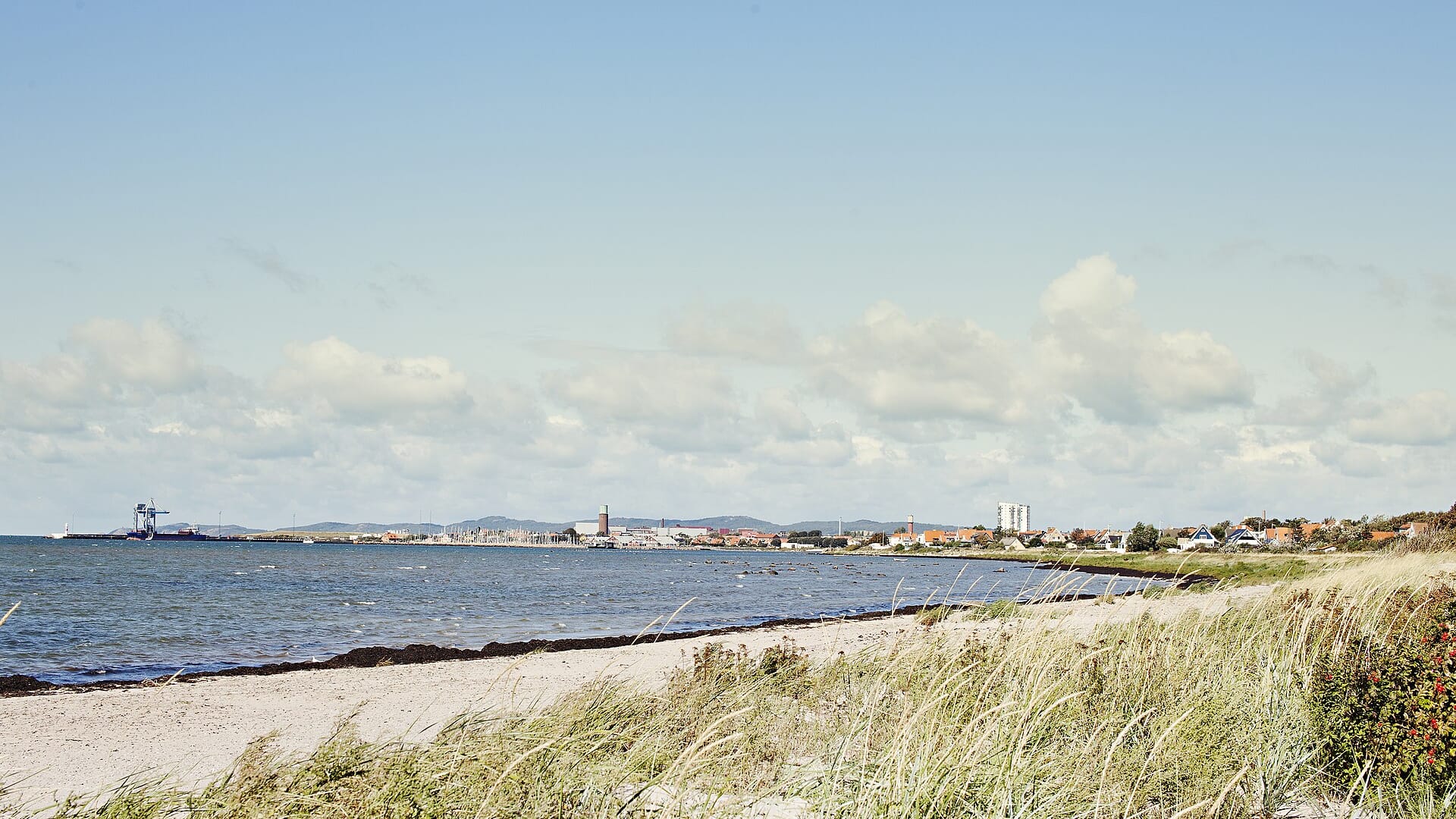
Höganäs is a coastal town in north-western Skåne County, long known for its stoneware and its old coal mines by the sea.
Hotel links are affiliate links: booking through them may earn us a commission, at no extra cost to you. It never affects how places are ranked. How this works


Where to stay in Höganäs
How the choice of base plays out on the ground.
Most visitors stay in the town centre near the harbour, where hotels and guesthouses sit within an easy walk of the quays, the pottery outlets, the shops, and the seafront, making it a natural base for anyone exploring the coast. The centre keeps the sea close. It suits first-time visitors well.
Along the shore toward the Kullen peninsula, smaller hotels, cottages, and beach lodgings draw travellers who want quiet sands and the wide views over the Öresund just beyond the town. Out in the countryside and the villages of the peninsula, farm stays, cabins, and rooms spread across the green hinterland for visitors travelling by car who want to roam the nature reserves and the rocky headlands of Kullaberg. Reserve a Höganäs bed months before summer.
Beds along this coast fill fast through the warm weeks, when the beaches, the harbour, and the cliffs at the tip of the peninsula draw crowds out from the cities for the season.
Find hotels in Höganäs
Direct booking searches for these neighbourhoods.
Town centre by the harbour
quays, pottery outlets and shops within a short walkFind hotels in Town centre by the harbourbeach loversCoast toward Kullen
small hotels and cottages by quiet sandsFind hotels in Coast toward KullendriversPeninsula countryside
farm stays and cabins near the Kullaberg reserves. Lodging is scarce in this area; reserve in advance.Find hotels in Peninsula countrysideHotel links are affiliate links: booking through them may earn us a commission, at no extra cost to you. It never affects how places are ranked. How this works
Things to do in Höganäs
Ranked by global recognition; descriptions from Wikidata (CC0).
Museums & Galleries
3- Höganäs Museum och Konsthall working life museum
- Sveriges Cirkusmuseum
- Galeasen Valkyrien af Höganäs
Churches & Religious Sites
3- Höganäs Church Heritage
- Väsby Church Heritage
- Lerberget Church Heritage
worth knowingacross 2 categories in Höganäs
About Höganäs
Ceramics define Höganäs.
What is Höganäs known for?
The town's name has stood for salt-glazed stoneware for generations, the brown jars and crocks of the Höganäs potteries that grew from the local clay and the coal once dug along this stretch of coast. Höganäs kyrka watches the centre. The old mining and pottery trade gave the town its working character, while the Öresund shore brings beaches, the harbour, and the wide sea light of the Kullen peninsula to a place that visitors come to for both its crafts and its coast.
What are the main landmarks in Höganäs?
Höganäs kyrka stands at the centre, the parish church above the streets that grew with the mining and pottery trade. Sveriges Cirkusmuseum surprises visitors, a museum of Swedish circus history kept in the town and one of its more unusual draws. Lerbergets kyrka and Väsby kyrka serve the outlying districts.
The potteries themselves remain the town's true signature, the old works and outlets where the famous brown stoneware is still shaped and sold. The Öresund is never far off.
What is the history of Höganäs?
Coal and clay made Höganäs. The town grew in the nineteenth century around the mines that worked the coal seams running beneath this corner of north-western Skåne, the only deep coal field in Sweden, and around the potteries that turned the local clay into the salt-glazed stoneware that carried the town's name across the country. A mining company shaped the early settlement.
Rows of workers' housing, a harbour, and the great kilns rose along the shore as the industry drew people to the coast. The mines closed in time, but the potteries endured, and ceramics became the lasting trade that kept the Höganäs name alive long after the last coal was raised. Höganäs kyrka and the outlying parish churches rose as the districts filled.
The town won its charter in the twentieth century and turned gradually toward the sea and its visitors. The old works, the harbour, and the beaches of the Kullen coast now frame a town whose industrial past still marks its streets and shapes its enduring identity.
Where is Höganäs?
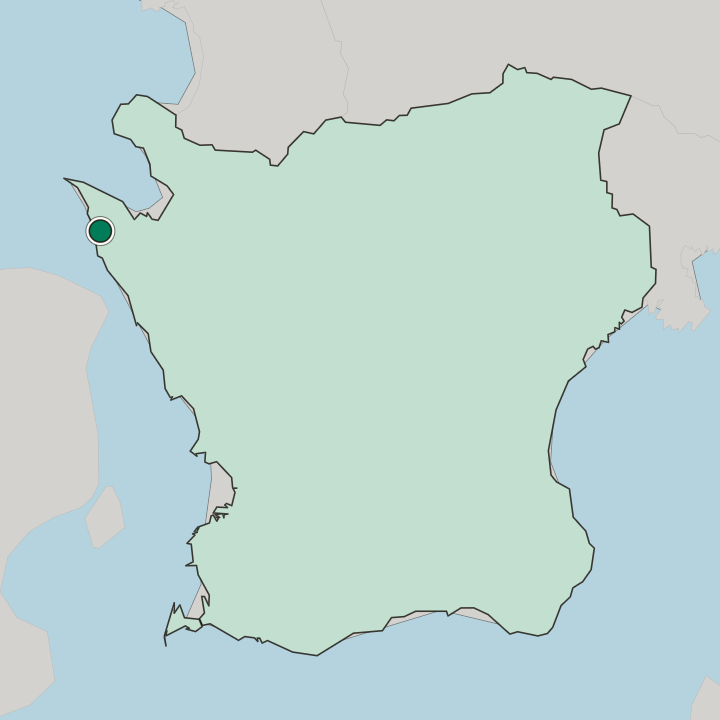
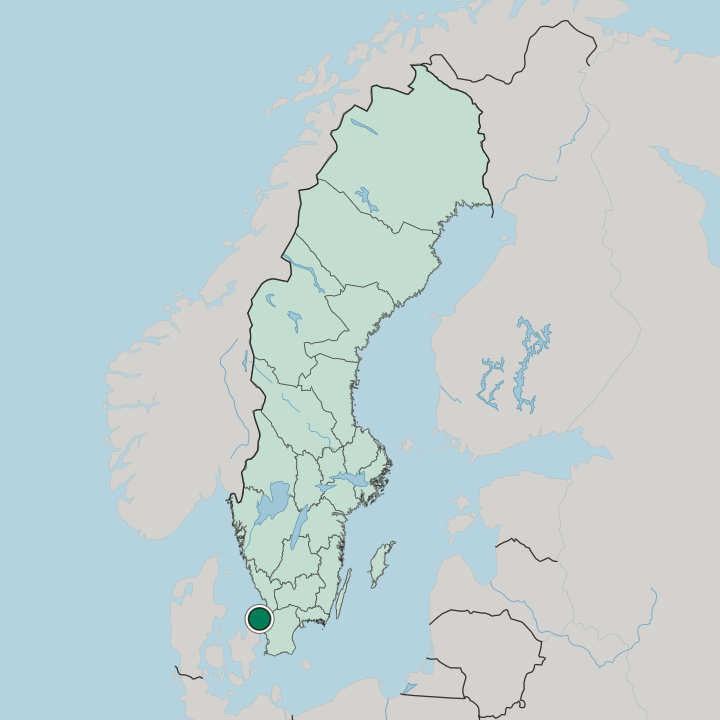
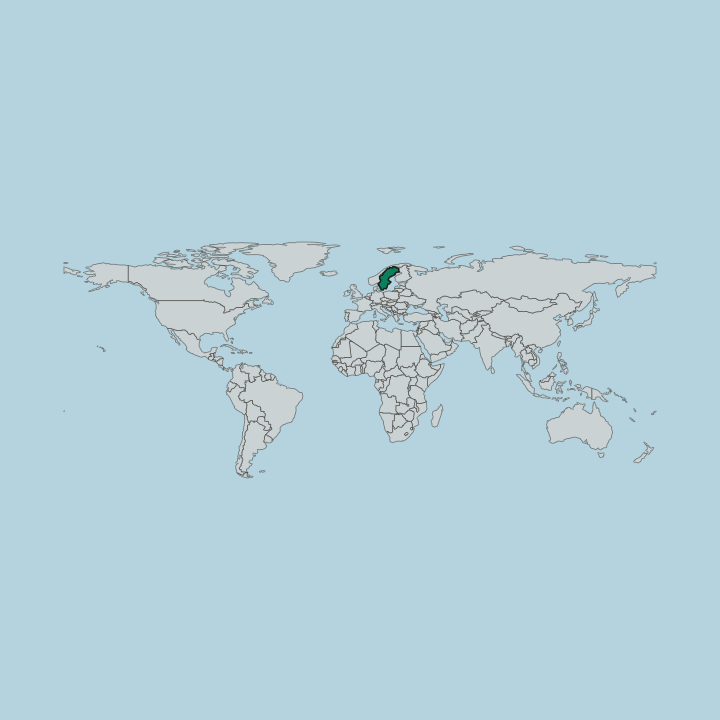
Höganäs lies in the north-western part of Skåne County, on the Öresund shore at the foot of the Kullen peninsula that juts west into the strait between Sweden and Denmark. The town faces the sea. Low farmland, beaches, and the rocky heights of Kullaberg spread around it, the headland rising in cliffs and heath toward its lighthouse at the western tip.
Fields, woods, and small coastal villages cover the green hinterland that runs back from the water toward the interior of the province.
What is the climate of Höganäs?
Höganäs has a mild maritime climate, its weather softened by the open water of the Öresund that wraps the peninsula on three sides. Winters are cool rather than cold, with frost and the occasional dusting of snow but rarely a hard freeze, the sea holding the worst of the cold at bay along this exposed western coast of Skåne. Summers run warm and breezy on the headland.
Long northern daylight and steady sea winds make the beaches and the headland of Kullaberg a draw through the warmest months. Rain comes with the westerlies.
How do you get to Höganäs?
Höganäs sits on the Kullen coast in the north-west of Skåne, reached mainly by road from the larger city of Helsingborg a short drive to the south. Buses run the route often. Drivers come on the regional roads that thread the peninsula and link the town to the motorways crossing the province.
The nearest railway station and the nearest large airport lie at Helsingborg and beyond, with Copenhagen's airport within reach to the south-west, so most visitors arrive by car or bus along the green coast road.
Common questions
What is the best area to stay in Höganäs?
Town centre by the harbour: first-timers. Coast toward Kullen: beach lovers. Peninsula countryside: drivers.
Good for
More cities in Skåne County
Updated October 2026