Sweden · Skåne County
Where to Stay in Malmö, Skåne County
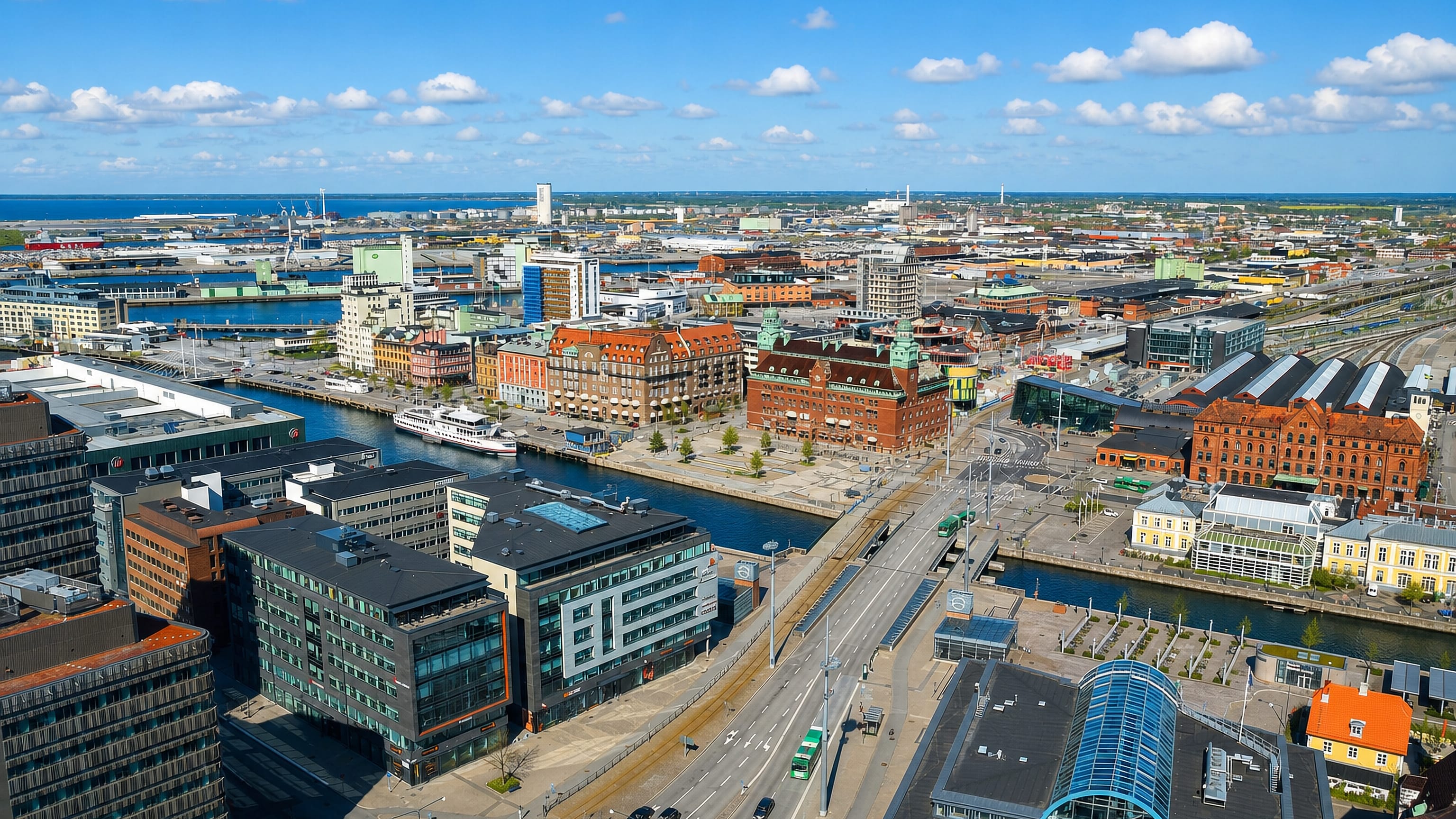
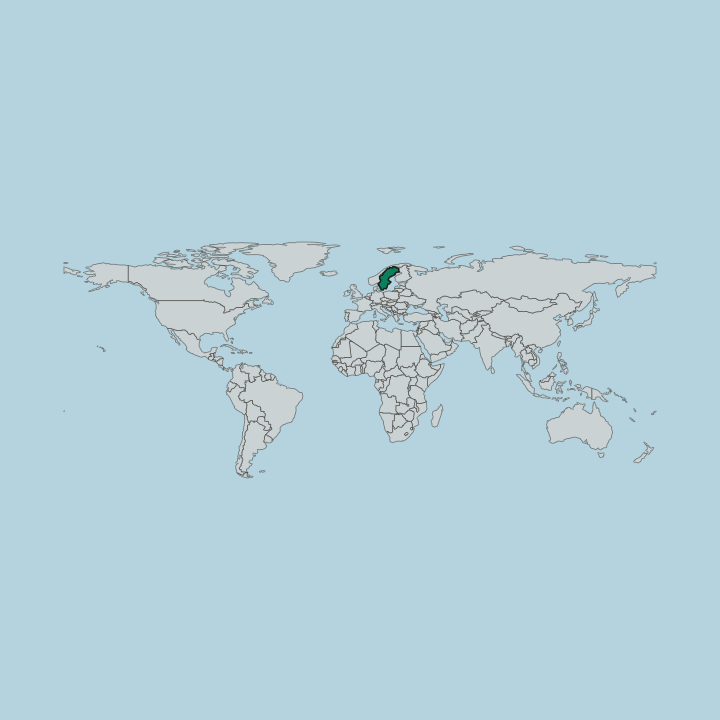
Malmö is the largest city in Skåne and the third-largest in Sweden, a port on the Öresund strait facing Copenhagen across the water.
Hotel links are affiliate links: booking through them may earn us a commission, at no extra cost to you. It never affects how places are ranked. How this works


Where to stay in Malmö
Each area has its own feel; here's who each one suits.

 MalmöSweden
Södervärn
Södervärn is an inner district on the south-eastern side of Malmö, within Malmö kommun in south-western Sweden.Where to stay →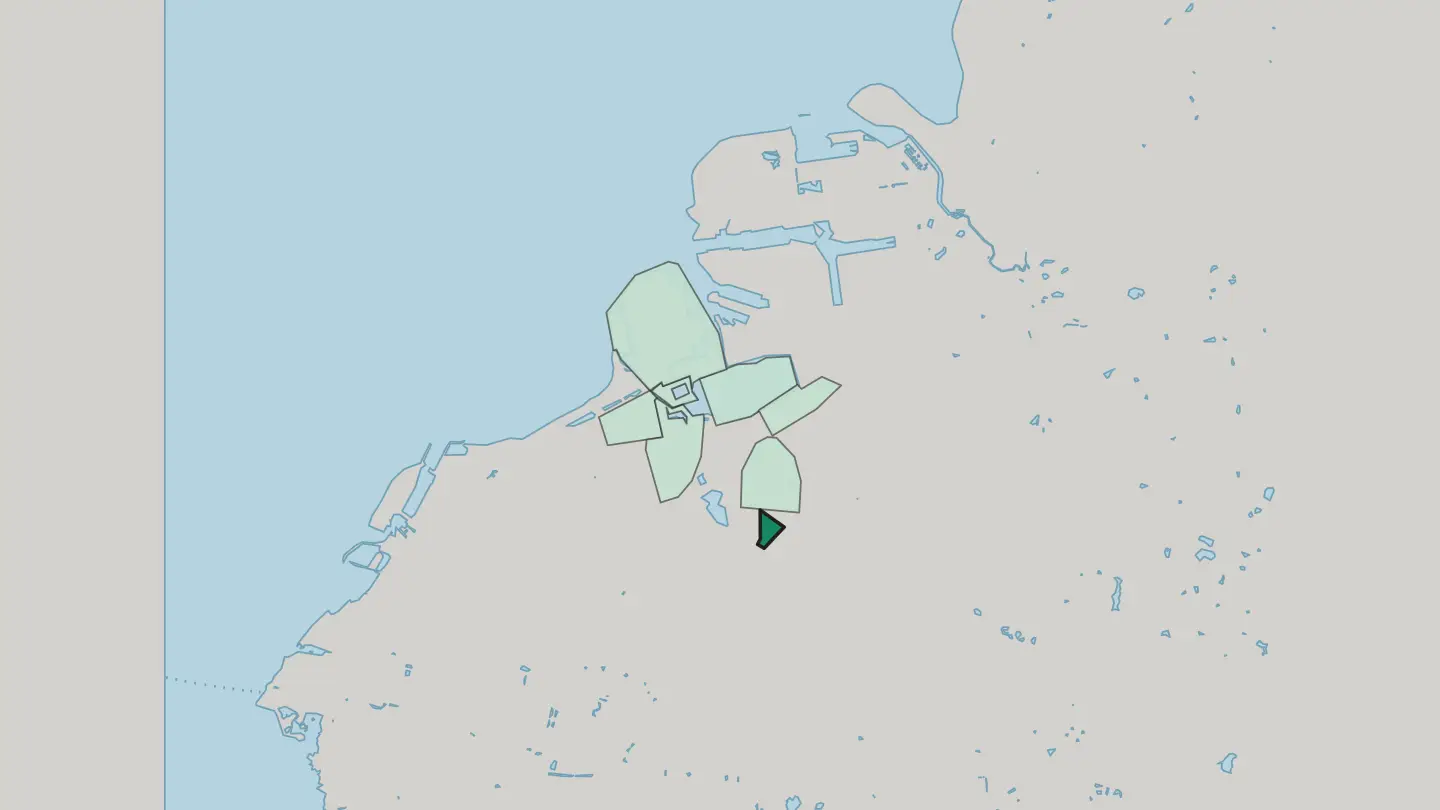
 MalmöSweden
Södra Innerstaden
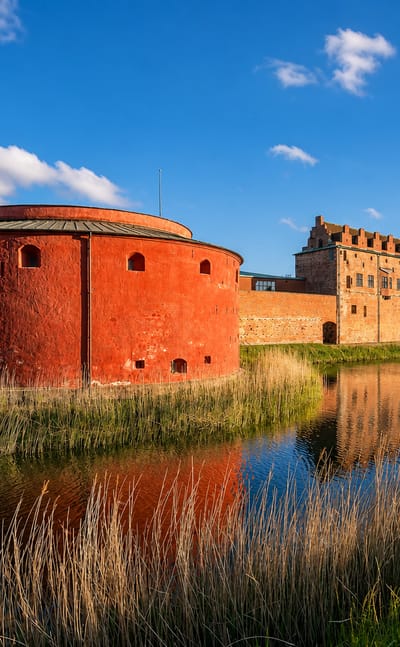
Södra Innerstaden is a former city district in central Malmö, merged with Västra Innerstaden in 2013 to form Innerstaden, in south-western Sweden.Where to stay →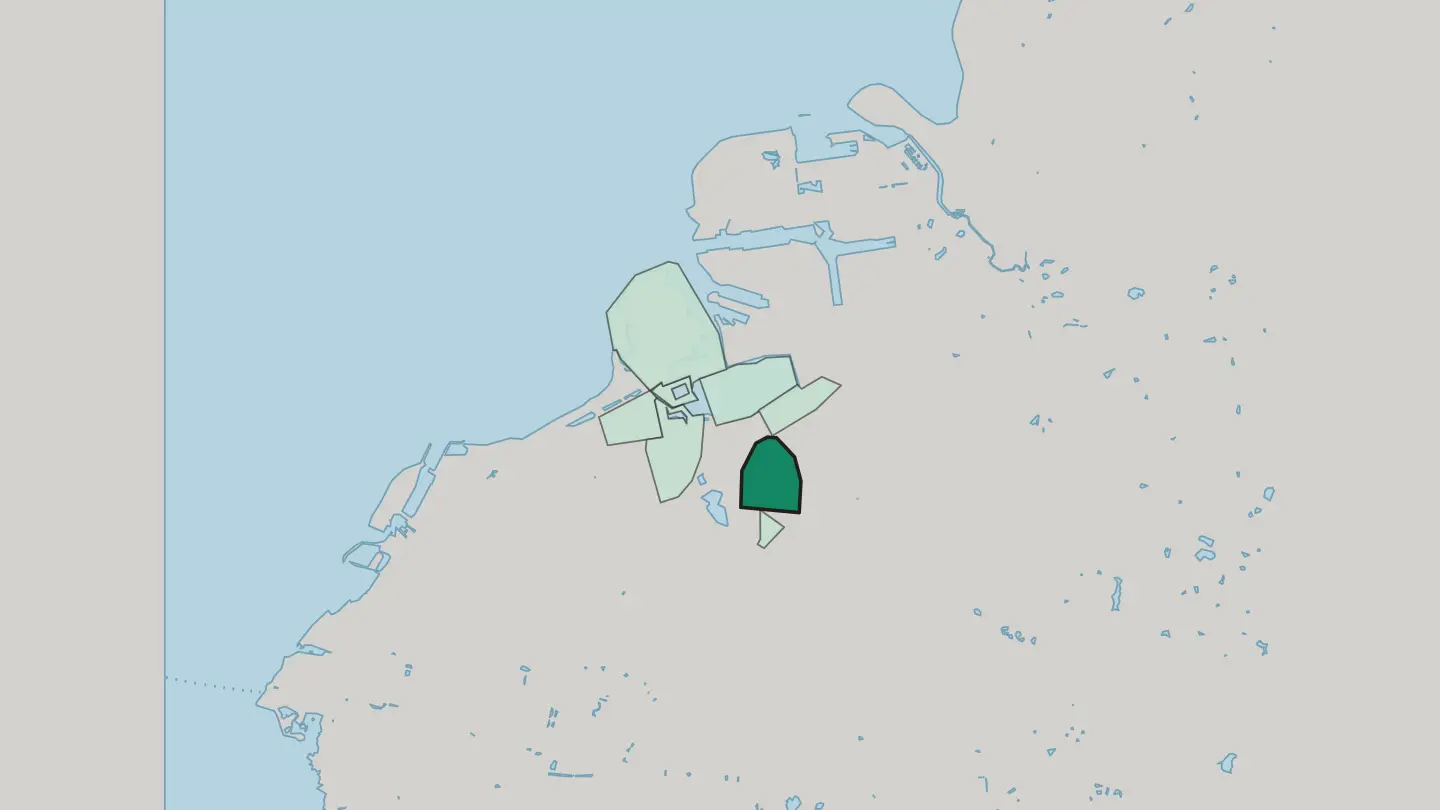
 MalmöSweden
Västra Innerstaden
Västra Innerstaden is a west-central district of Malmö, set within Malmö kommun in south-western Sweden.Where to stay →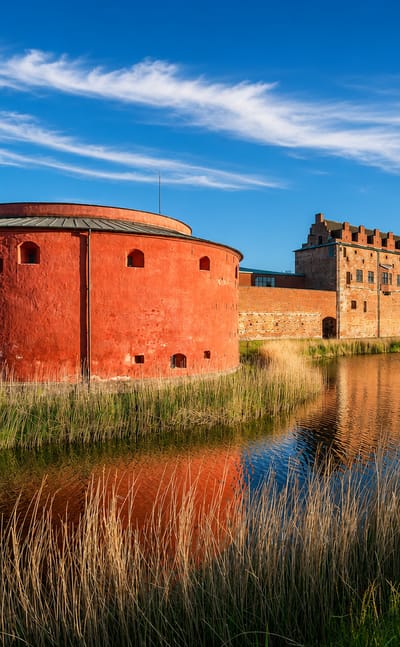 MalmöSweden
Slottsstaden
Slottsstaden is a residential quarter in the central part of Malmö, within Malmö kommun in south-western Sweden.Where to stay →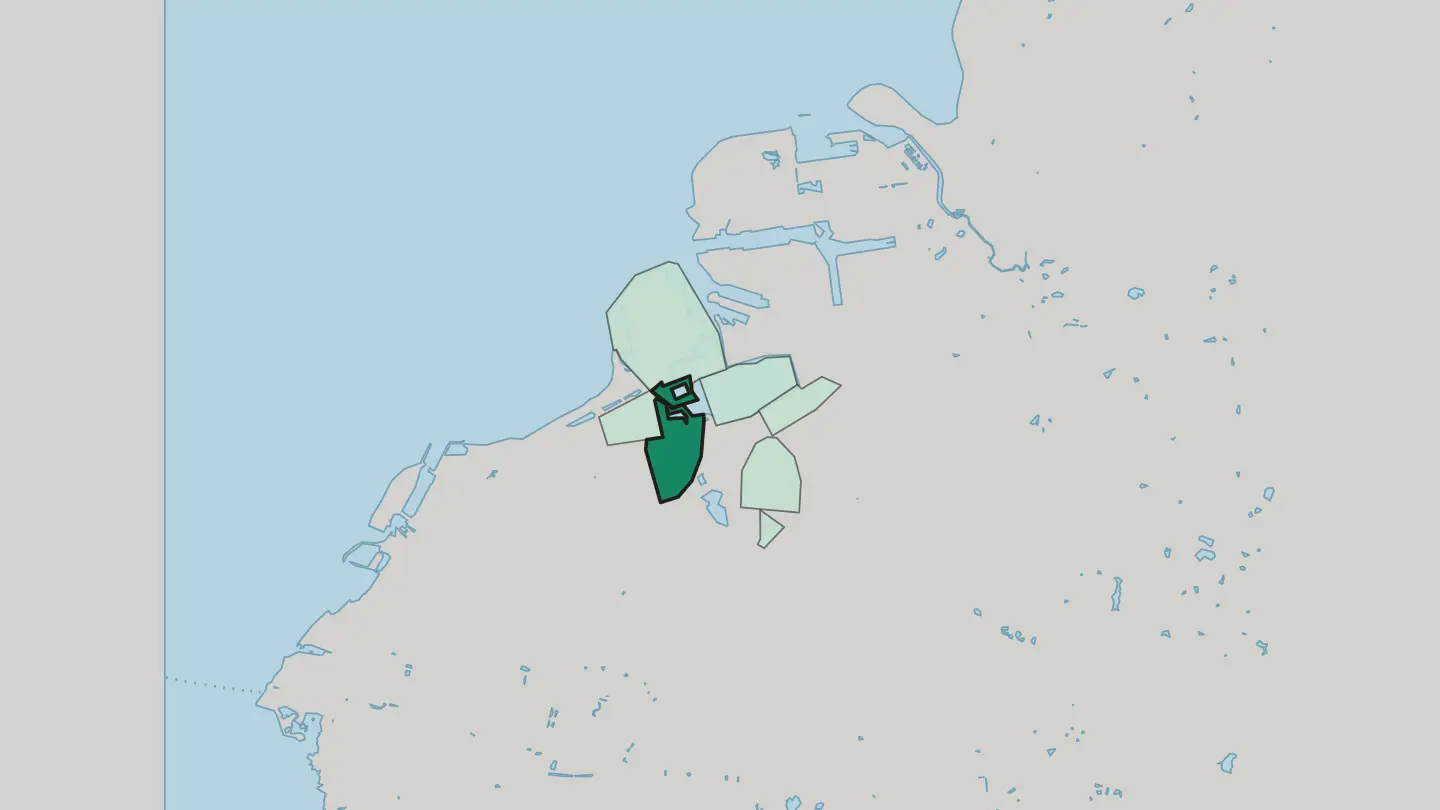
 MalmöSweden
Rörsjöstaden
Rörsjöstaden is an inner-city grid on the north-eastern side of Malmö, within Malmö kommun in south-western Sweden.Where to stay →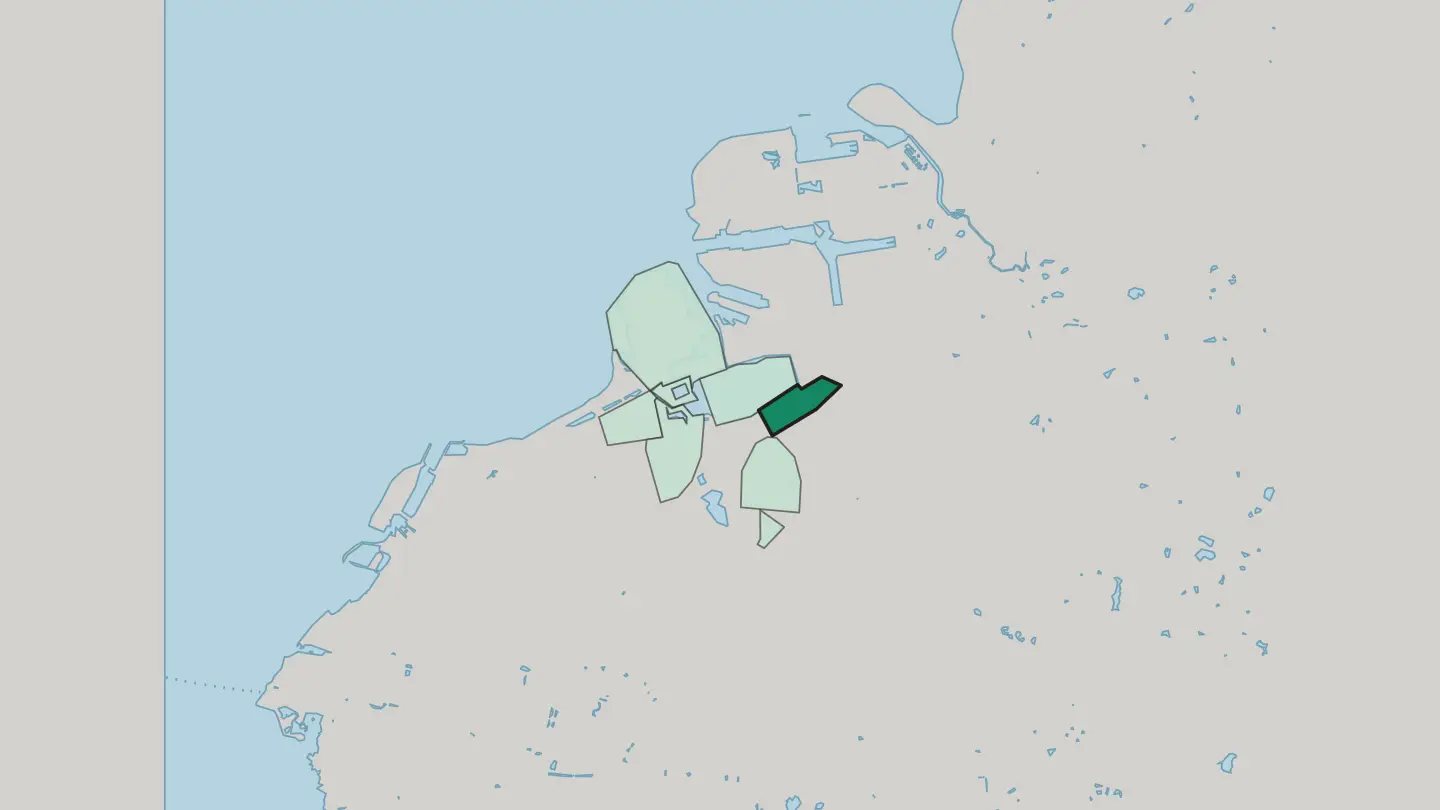
 MalmöSweden
Ribersborg
Ribersborg is a seafront quarter on the western side of Malmö, within Malmö kommun in south-western Sweden.Where to stay →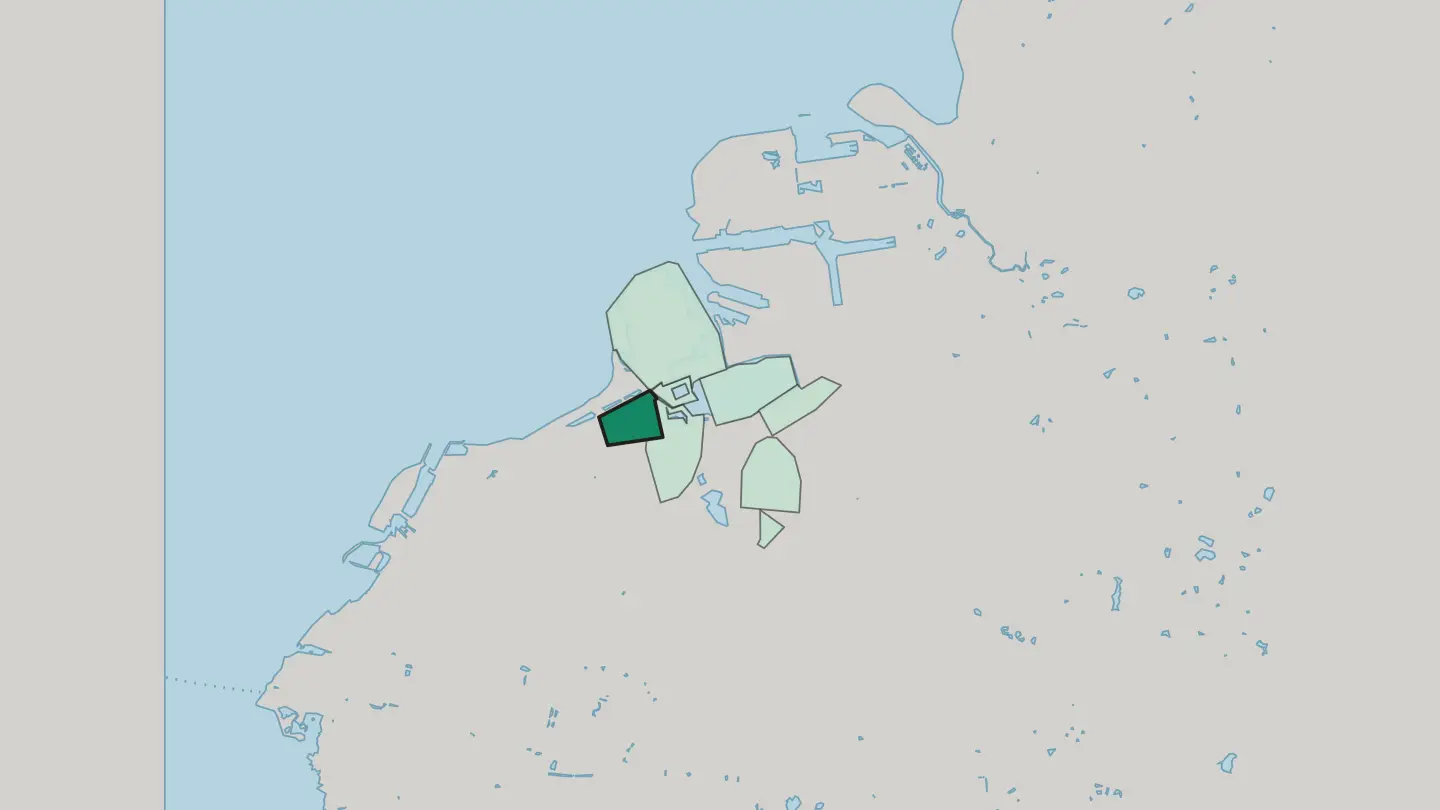
 MalmöSweden
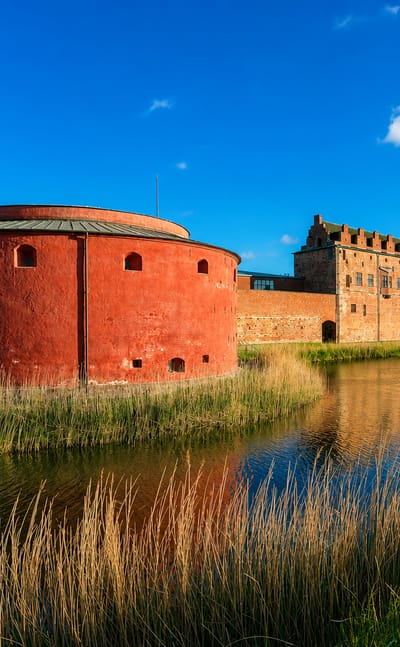
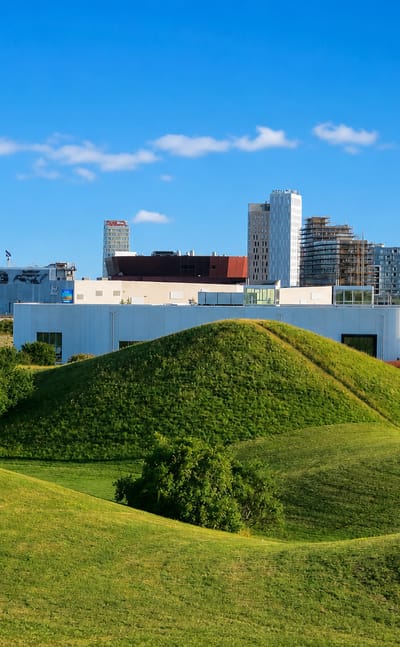
Gamla Staden
Gamla Staden is the old core of Malmö, the historic central island of the city in Malmö kommun, south-western Sweden.Where to stay →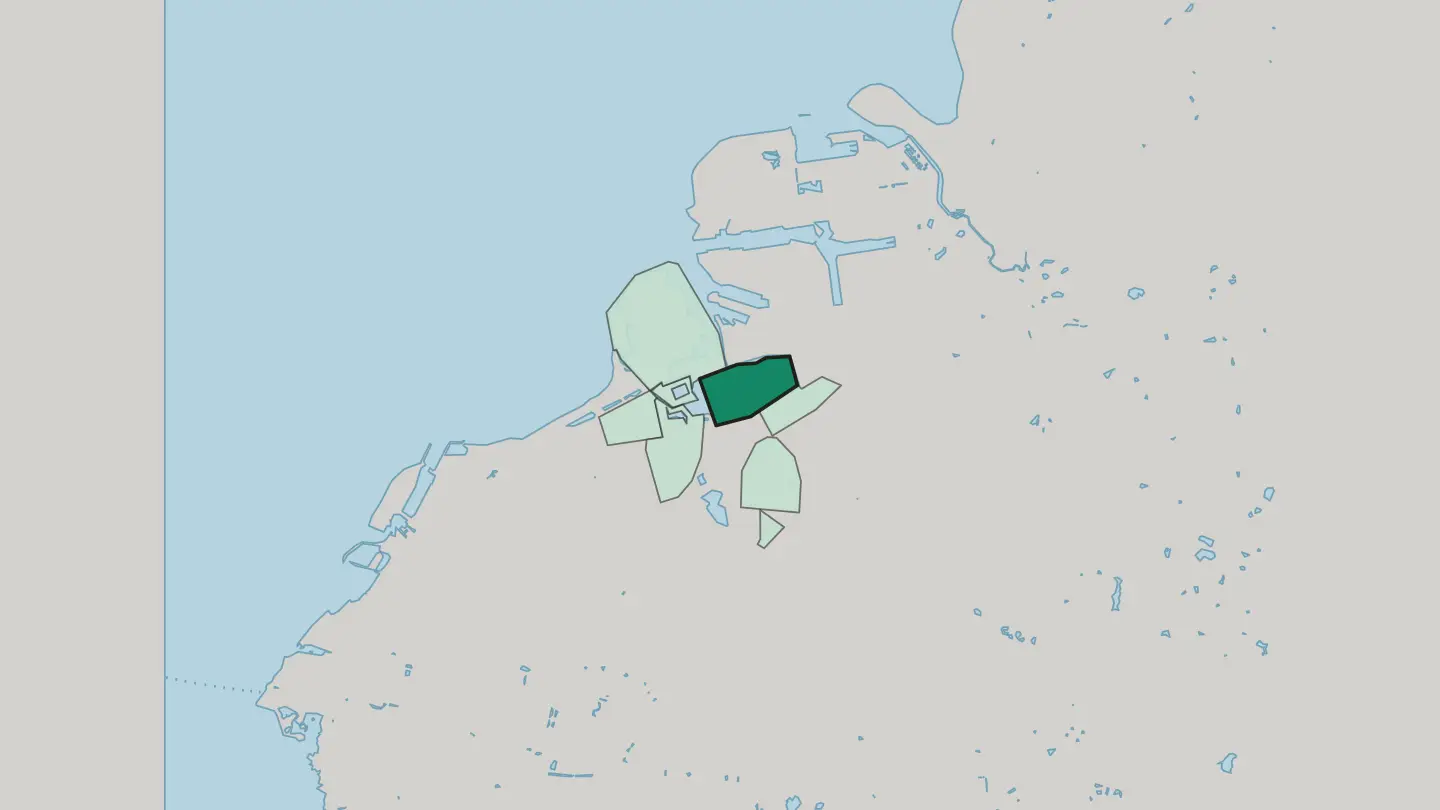
 MalmöSweden
Hyllie
Hyllie is a district on the south-western edge of Malmö, set within Malmö kommun in south-western Sweden.Where to stay →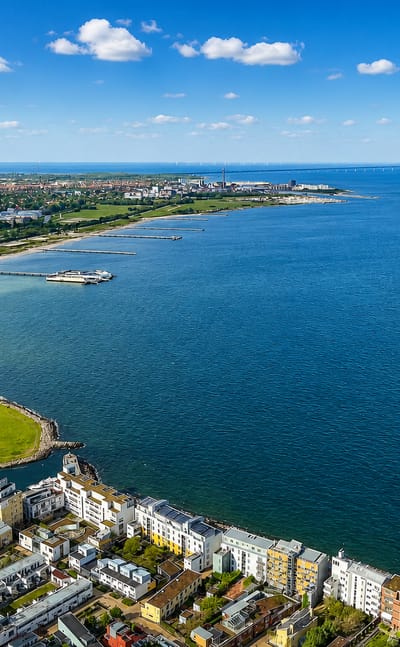 MalmöSweden
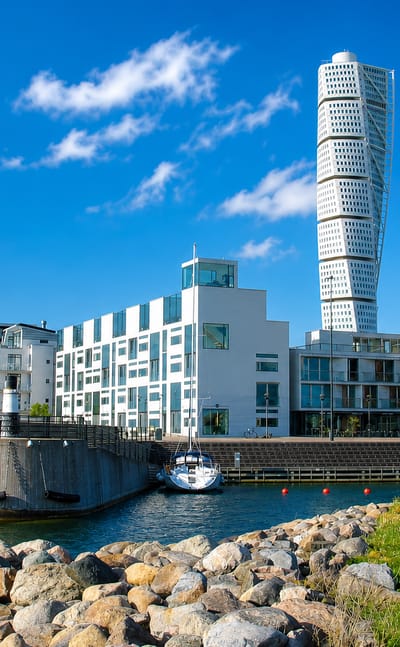
Västra Hamnen
Västra Hamnen is a waterfront district on the north-western edge of Malmö, in Malmö kommun, south-western Sweden.Where to stay →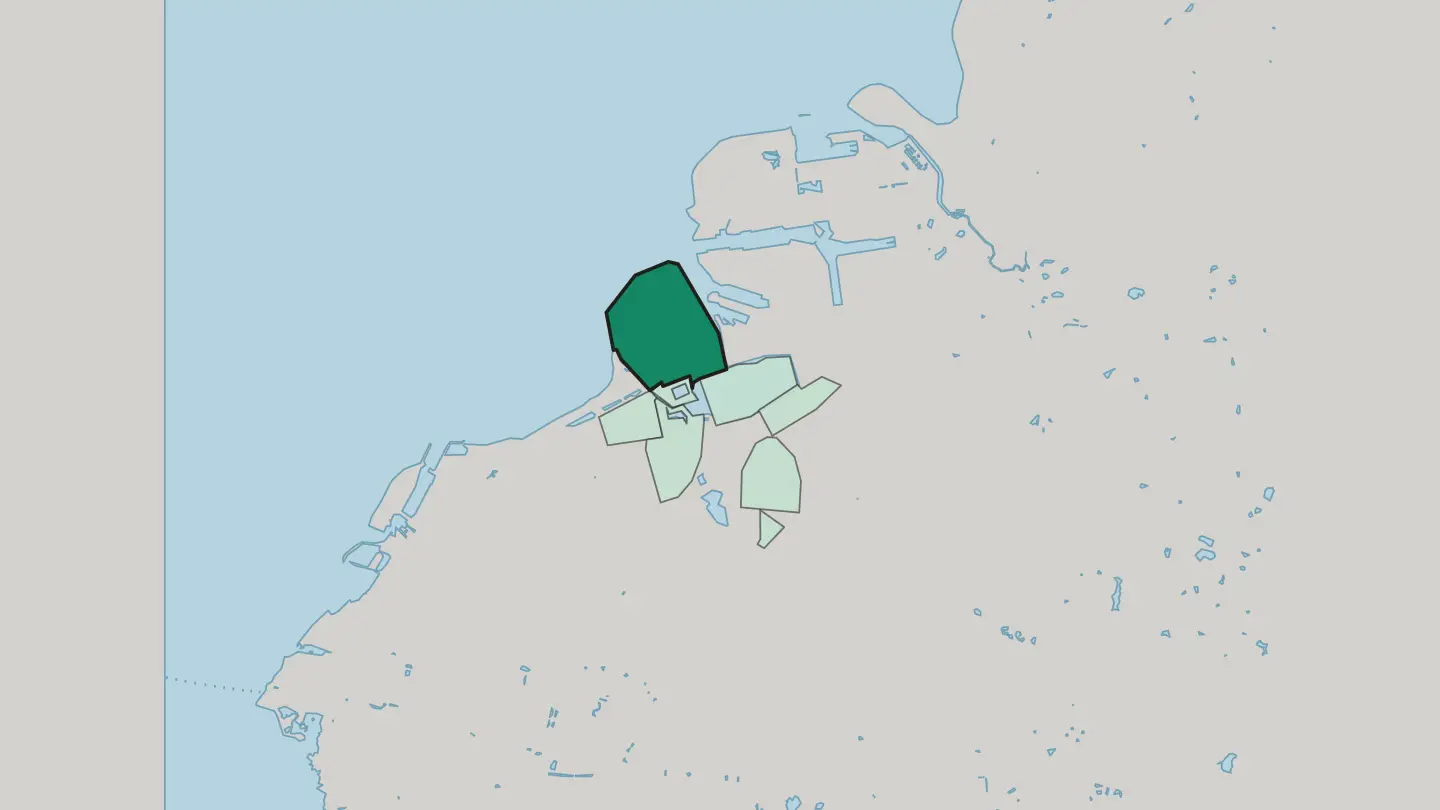
 MalmöSweden
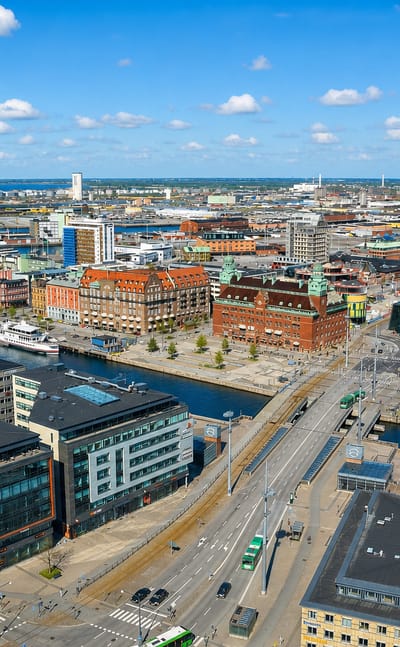
Kirseberg
Kirseberg is a hillside district in the north-eastern part of Malmö, within Malmö kommun in south-western Sweden.Where to stay →Hotel links are affiliate links: booking through them may earn us a commission, at no extra cost to you. It never affects how places are ranked. How this works
Find hotels in Malmö
Direct booking searches for these neighbourhoods.
Old town and central station
medieval squares and fast trains to Copenhagen on footFind hotels in Old town and central stationsea viewsWestern Harbour
modern rooms by the Turning Torso and the waterfrontFind hotels in Western Harbourbudget and nightlifeMöllevången and ring-road districts
lively, well-connected areas with cheaper roomsFind hotels in Möllevången and ring-road districtsHotel links are affiliate links: booking through them may earn us a commission, at no extra cost to you. It never affects how places are ranked. How this works
Things to do in Malmö
Ranked by global recognition; descriptions from Wikidata (CC0).
Museums & Galleries
4- Malmö Konsthall Swedish exhibition hall for contemporary art
- Malmö museum heritage institution and museum
- Moderna Museet Malmö art gallery and museum
- Ebba's House working life museum
Churches & Religious Sites
8- Sankt Petri kyrka Heritage
- Saint John's Church Heritage Church of Sweden church building
- St. Paul's Church Heritage
- Caroli Church Heritage
- Limhamn Church Heritage
Show 3 more →
- Sankt Andreas kyrka Heritage
- Fosie Church Heritage
- Västra Skrävlinge Church Heritage church building in Scania
Castles & Historic Sites
2- Malmö Castle Heritage
- Malmöhus Heritage
Stadiums & Sports
3- Zlatan Court football field
- Malmö Isstadion indoor ice hockey rink
- Simhallsbadet, Malmö swimming complex
Landmarks & Notable Places
1- Södervärnstornet
worth knowingacross 5 categories in Malmö
About Malmö
Malmö is known for the bridge.
What is Malmö known for?
The Öresund bridge, sweeping across the strait to Copenhagen, binds the city into a cross-border region and has reshaped its life and outlook. The skyline is marked by the Turning Torso, the twisting white tower that rises over the redeveloped Western Harbour. History sits close by.
The medieval castle of Malmöhus and the brick Sankt Petri kyrka anchor the old town, while a dense mix of cultures, a busy food scene, and the green parks of the centre give the port its modern, outward-looking feel.
What are the main landmarks in Malmö?
Malmöhus is the city's oldest monument, a moated Renaissance castle that the Danish kings raised to guard the port and that now holds the city's museums. The two great squares, Stortorget and Lilla torg, open at the centre beneath the brick tower of Sankt Petri kyrka, a soaring Gothic church in the Baltic style. The Turning Torso crowns the harbour.
Older parish churches such as Sankt Pauli kyrka and Sankt Johannes kyrka, the cog museum Koggmuseet, and the new district at Hyllie spread the city's landmarks from the medieval core out to the modern edge.
What is the history of Malmö?
Malmö grew up as a Danish port. It received its city privileges in 1353, and through the late Middle Ages it became one of the busiest towns in the Danish realm, its harbour fat with the herring trade and its market drawing merchants from across the Baltic and the Hanseatic world. The castle of Malmöhus and the great brick church rose in this prosperous age, when the town looked south to Copenhagen across the strait.
The crown changed in the seventeenth century. When Skåne passed to Sweden, Malmö became a Swedish border fortress facing its old capital, and for a time it slipped into the quiet of a provincial garrison town. Industry revived it.
Shipyards, factories, and a great commercial harbour turned the city into a working port through the nineteenth and twentieth centuries, until the yards too declined. The Öresund bridge and the rebuilt waterfront then opened a new chapter. That long arc, from Hanseatic harbour to industrial city to cross-border hub, still runs through a town shaped at every turn by the strait it stands on.
Where is Malmö?
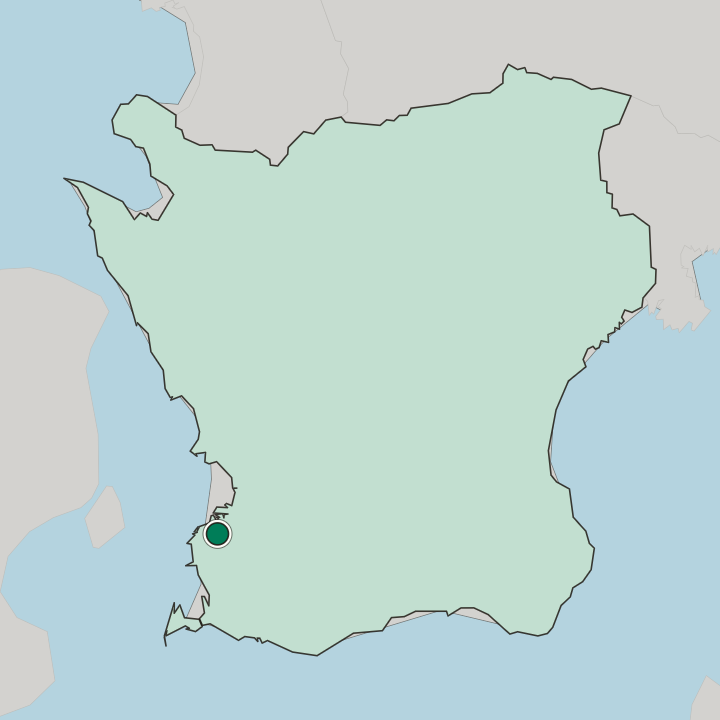
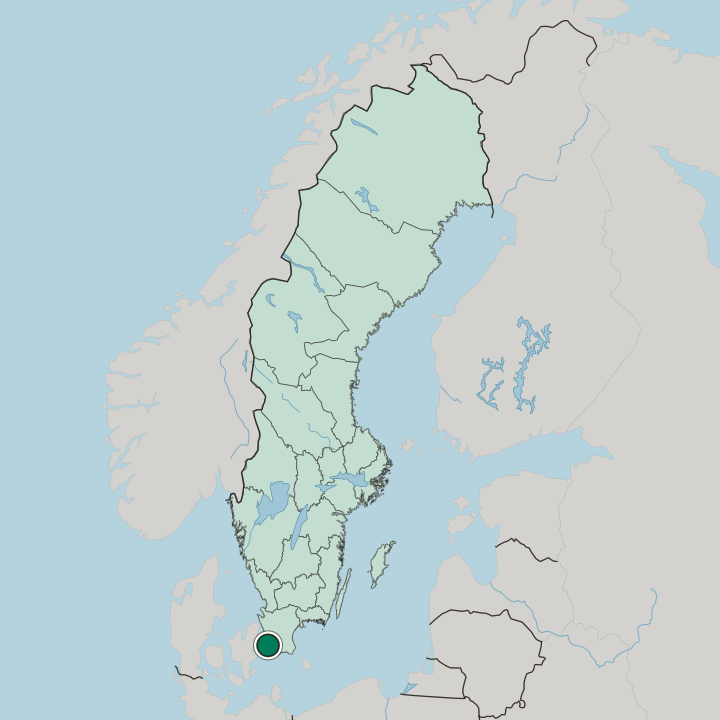
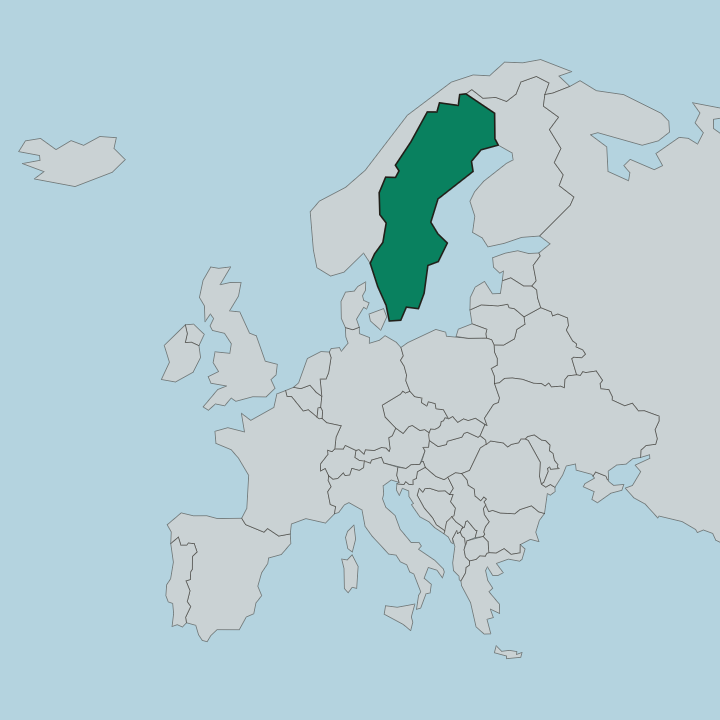
Malmö lies on the Öresund strait at the south-western tip of Sweden, in the south-western part of Skåne County. The setting is flat and coastal. Inland spreads the rich farm plain of Skåne, the most fertile in the country, running from a low shoreline of harbours, beaches, and reclaimed land along the strait.
The city faces Copenhagen across the water. A bridge runs south-west toward the Danish coast, while Lund rises on its ridge a short way inland to the north-east of the port.
What is the climate of Malmö?
Malmö has the mild maritime climate of the far south of Sweden. The Öresund water moderates the seasons, bringing some of the gentlest winters in the country, with little lasting snow, and mild summers cooled by sea breezes off the strait. Showers reach the Öresund coast in every month.
Spring arrives early here. The flat, open coast leaves the city exposed to steady winds from the water, and the surrounding plain greens up weeks ahead of the forests of inland and northern Sweden.
How do you get to Malmö?
Malmö is one of the best-connected cities in the north. The central station sits at the heart of a busy rail network, with frequent trains running over the Öresund bridge to Copenhagen and north through Sweden. By road the E6 and E20 meet here, and the bridge motorway carries traffic across the strait.
Trains run constantly. Copenhagen Airport lies just over the bridge, a short ride away, making it the main international gateway for travellers flying in.
Common questions
What is the best area to stay in Malmö?
Old town and central station: first-timers. Western Harbour: sea views. Möllevången and ring-road districts: budget and nightlife.
Good for
More cities in Skåne County
Updated October 2026