Sweden · Västerbotten County
Where to Stay in Åsele, Västerbotten County
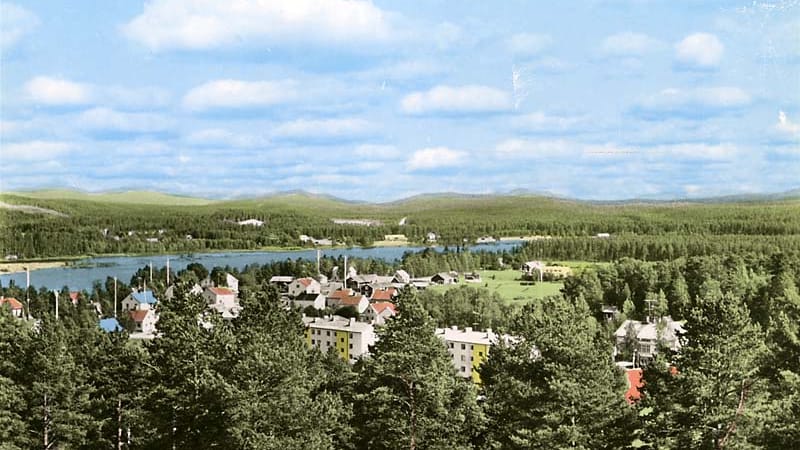
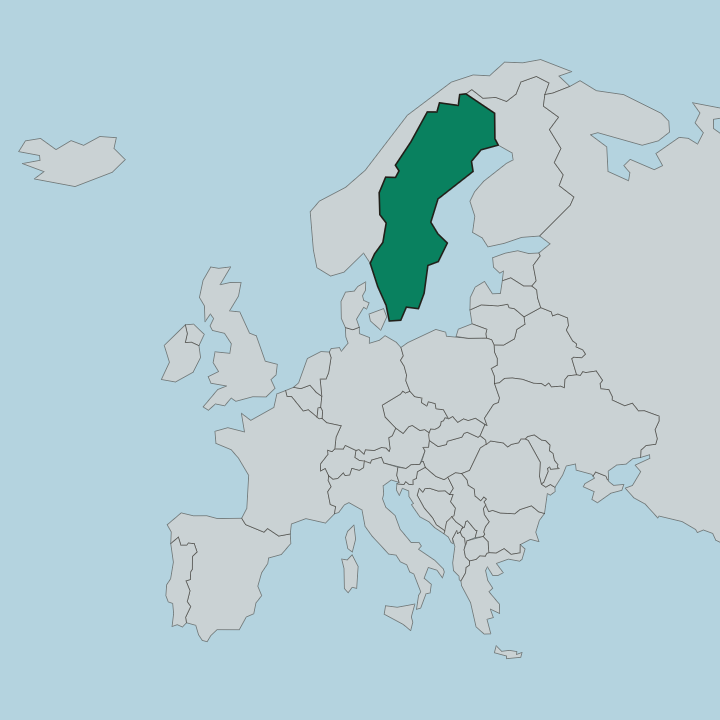
Åsele is a town in western Västerbotten County, set on the Ångerman River in the Lapland interior of northern Sweden.
Hotel links are affiliate links: booking through them may earn us a commission, at no extra cost to you. It never affects how places are ranked. How this works


Where to stay in Åsele
Where the beds are, and what that means for the visit.
Most visitors stay in the small town centre on the Ångerman River, where a hotel or guesthouse and the shops and services of the place gather within a short walk of the church and the old market ground. The centre suits travellers who want a quiet base with everything close at hand. Rooms in the riverside centre are few.
Out along the lakes and rivers of the municipality, cabins, campsites, and self-catering cottages open for those who come to fish, hunt, or walk, and a few country lodges stand among the forests of the wider district toward Fredrika. The waterside spots draw anglers and families through the warm season for the clear water and the long northern evenings. Book ahead for the fair and the summer.
Market-goers, anglers, and visitors heading on through the inland country together press on the modest stock of rooms across the busiest weeks of the year.
Find hotels in Åsele
Direct booking searches for these neighbourhoods.
Town centre
hotel and guesthouse near the church and market ground. Lodging is scarce in this area; reserve in advance.Find hotels in Town centreanglers and huntersLakes and rivers
cabins and campsites on the Lapland lakes. Few places to stay nearby — book ahead.Find hotels in Lakes and riverswalkers wanting quietForest country
forest cottages by the Ångermanälven. Few places to stay nearby — book ahead.Find hotels in Forest countryHotel links are affiliate links: booking through them may earn us a commission, at no extra cost to you. It never affects how places are ranked. How this works
About Åsele
Åsele is an old Lapland market town.
What is Åsele known for?
For centuries it served as the church and trading centre of a vast inland district, and its long-running Åsele marknad fair drew Sami, settlers, and traders from across the southern Lapland country. The fair endures. The town and its surrounding lakes, rivers, and forests also draw travellers north for fishing, hunting, and the wide quiet of the Ångerman River valley, far up among the woods and high ground of the interior.
Swedes call the river Ångermanälven.
What are the main landmarks in Åsele?
Åsele kyrka stands at the heart of the town on the Ångerman River, the parish church around which the old market and settlement grew. The market ground draws the crowds. Its long-running fair, one of the oldest in the north, still gathers stalls and visitors to the town and carries on a tradition that reaches back across the centuries of the Lapland district.
The river, the lakes, and the surrounding forests make their own plain landmarks of water and woodland. Beyond the town the high ground and wide bogs of southern Lapland spread away on every side.
What is the history of Åsele?
The district was long Sami land. For centuries the country around the upper Ångerman River belonged to the reindeer-herding Sami and to a scattering of hunters and fishers, before Swedish settlers worked their way up the river valleys into the southern Lapland interior and cleared farms among the lakes and forests. A church was raised by the water to serve the wide district, and around it grew a market where Sami, settlers, and traders met to barter furs, fish, and goods.
The market made the town. Åsele marknad became one of the great fairs of the north, drawing people across long distances to the church town on the river, and the place settled into its role as the centre of a vast inland parish and later the seat of its surrounding municipality. Forestry and the river shaped its working life through the long decades that followed. The church, the market ground, and the river still hold the town together, and travellers come for the fishing, the forests, and the fair that has gathered here since the early days of the settlement.
Where is Åsele?
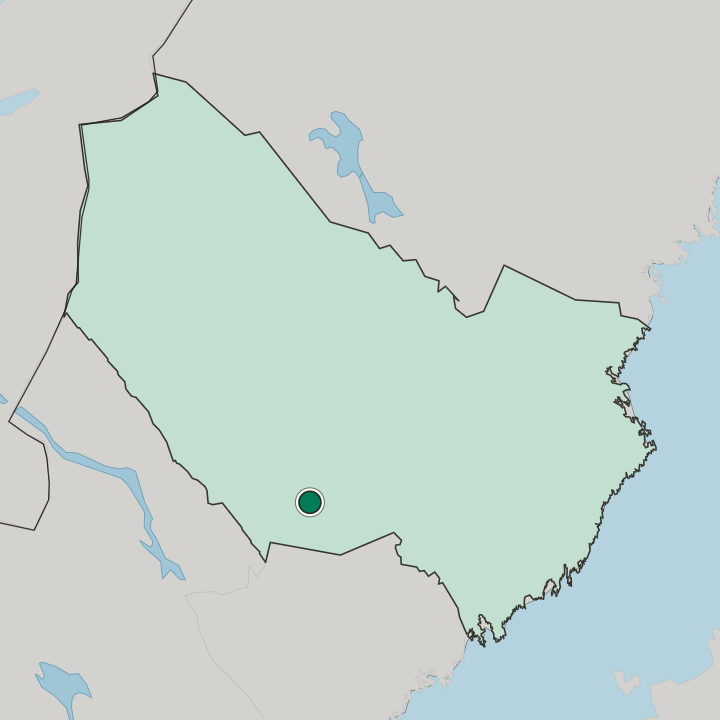
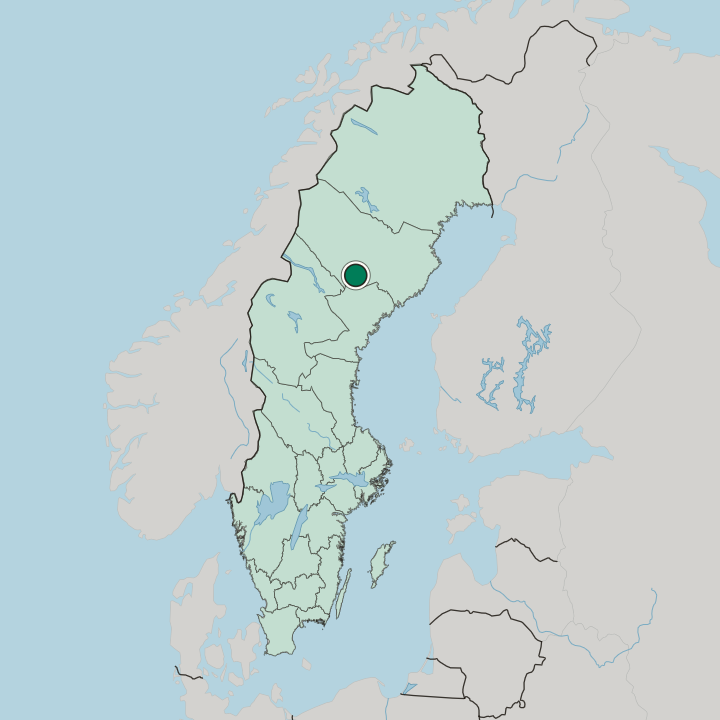
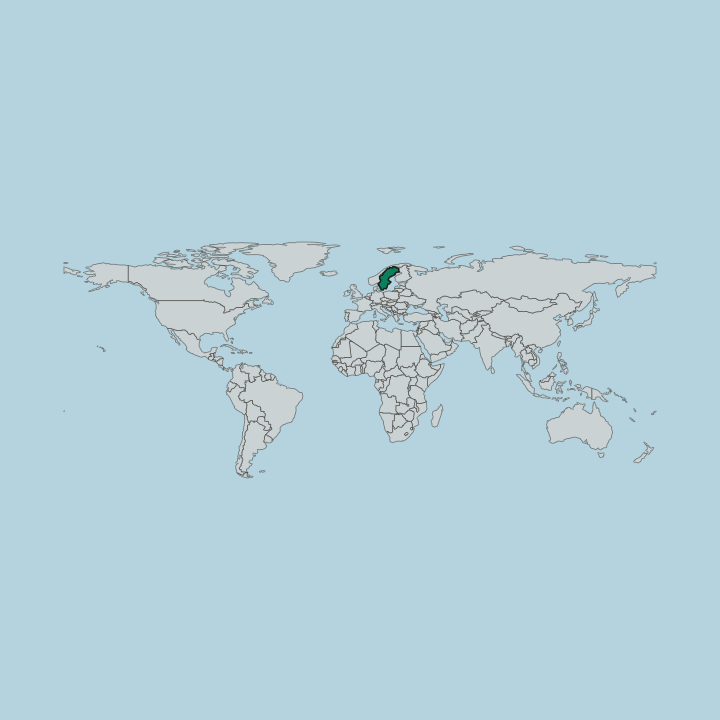
Åsele lies in the western part of Västerbotten County, deep in the southern Lapland interior, where the town sits on the upper Ångerman River among forest and high ground. The river broadens into lakes around the settlement, joined by smaller streams, while a vast sweep of forest, bog, and low fells spreads away on every side toward the wider inland country. The land is forested, raised, and remote.
Roads run west toward the mountains and the Norwegian border and east down the river valleys toward the Bothnian coast.
What is the climate of Åsele?
Åsele has a cold subarctic climate, sharpened by its raised inland position. Winters are long, dark, and snowy, with hard frost gripping the lakes and forests for many months while the sun rides low through the short days of the northern interior. Summers are brief but bright.
The far-north light stretches the warm days, melting the snow off the high ground and opening the lakes and river for fishing before the cold returns. Snow lies deep and reliable through the long winter, drawing skiers and snowmobilers to the inland country.
How do you get to Åsele?
Åsele sits on the inland route through southern Lapland, reached mainly by road from the coast and the south. Buses link the town to larger centres along the inland highway. Drivers come up the river valleys from the Bothnian coast.
The nearest airports lie at the larger towns to the east and south, which serve as the main gateways from afar, while the roads run west toward the fells and the Norwegian border and on through the wider inland country.
Common questions
What is the best area to stay in Åsele?
Town centre: first-time visitors and fair-goers. Lakes and rivers: anglers and hunters. Forest country: walkers wanting quiet.
Good for
More cities in Västerbotten County
Updated September 2026