Sweden · Västerbotten County
Where to Stay in Umeå, Västerbotten County
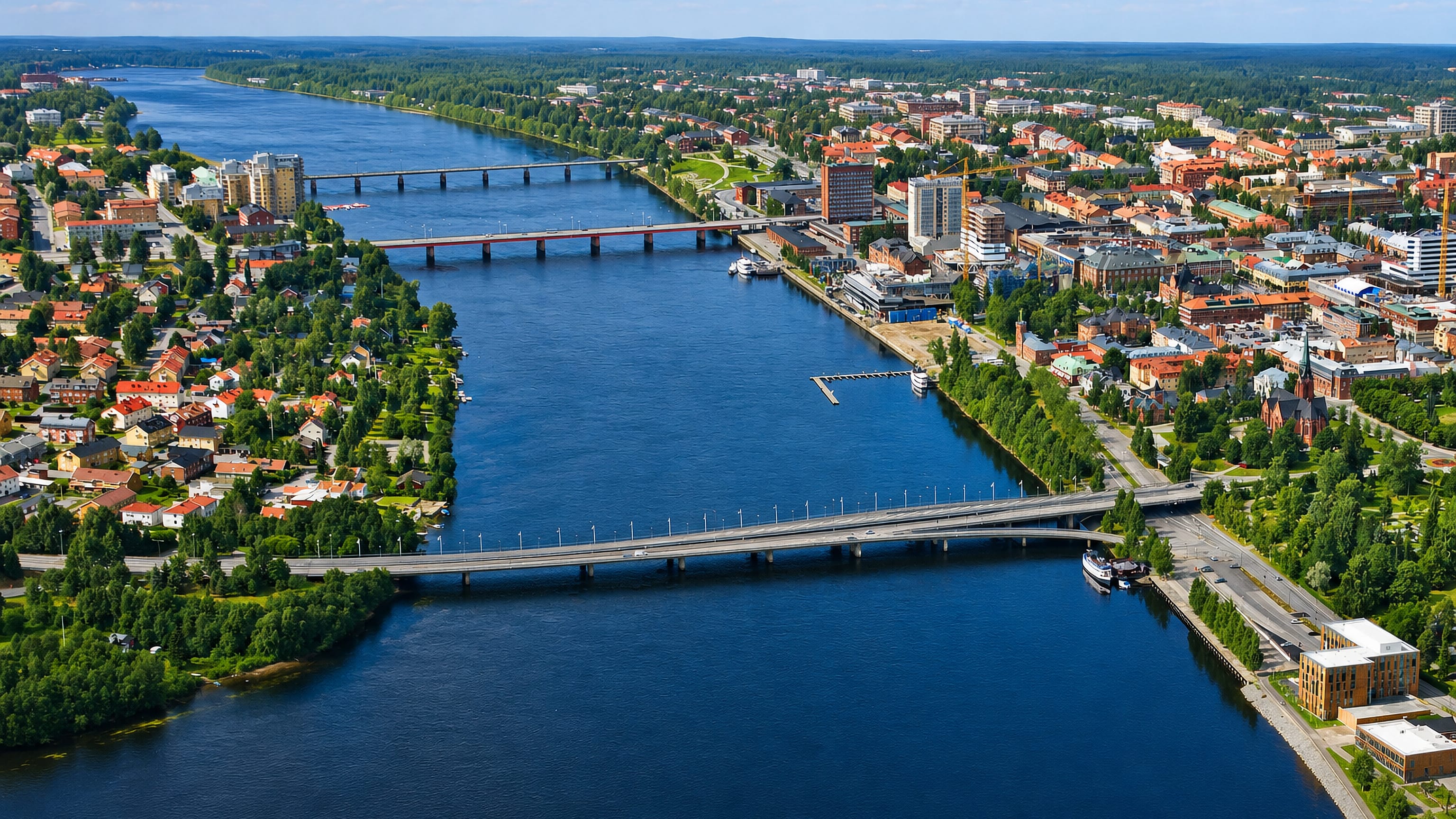
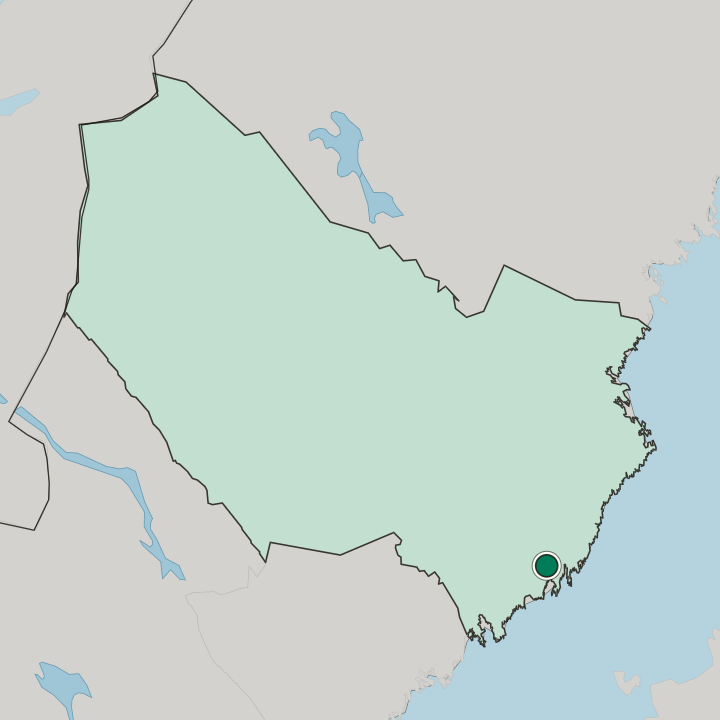
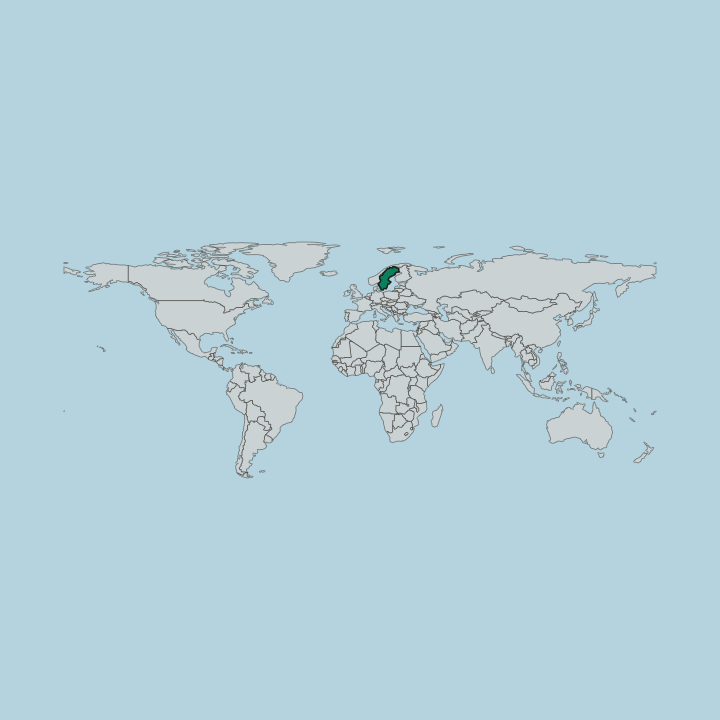
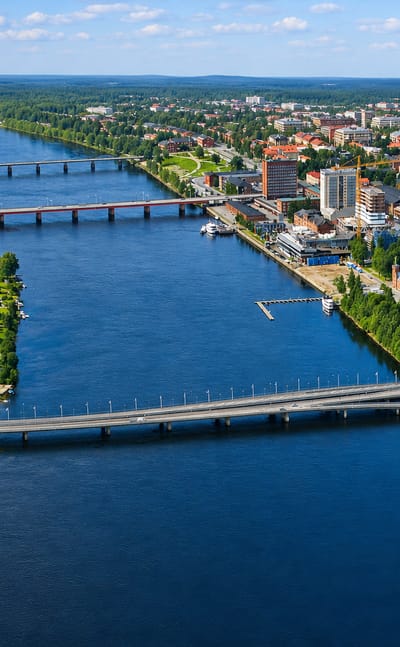
Umeå is a city in the south-eastern part of Västerbotten County, in northern Sweden, the county seat and a university town on the Umeälven river.
Hotel links are affiliate links: booking through them may earn us a commission, at no extra cost to you. It never affects how places are ranked. How this works


Where to stay in Umeå
Each area has its own feel; here's who each one suits.

 UmeåSweden
Öbacka
Öbacka is a residential area of Umeå, in north-eastern Sweden, stretching along the northern shore of the Umeälven within the Öst på stan district.Where to stay →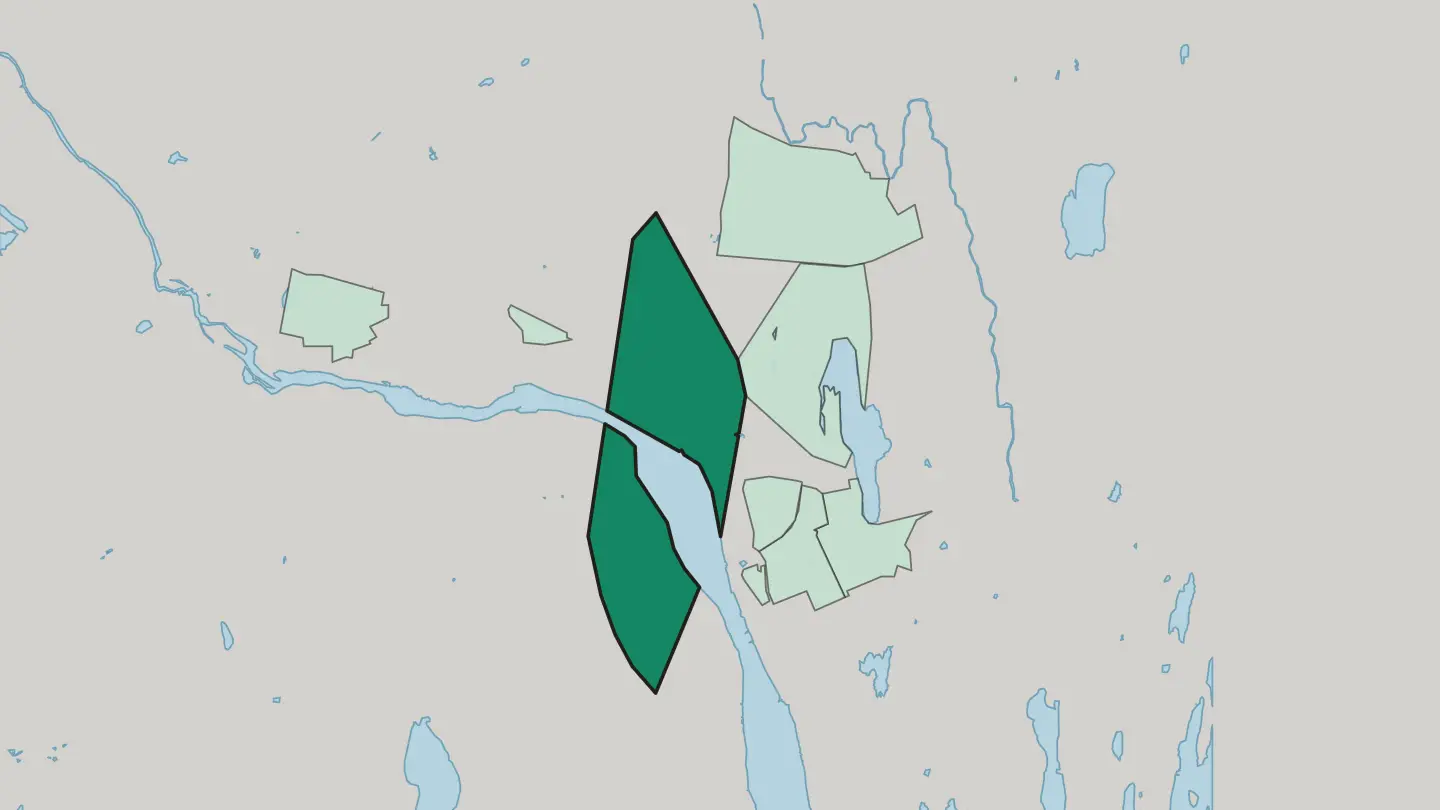
 UmeåSweden
Västerslätt
Västerslätt is a district in north-western Umeå, part of the city in north-eastern Sweden.Where to stay →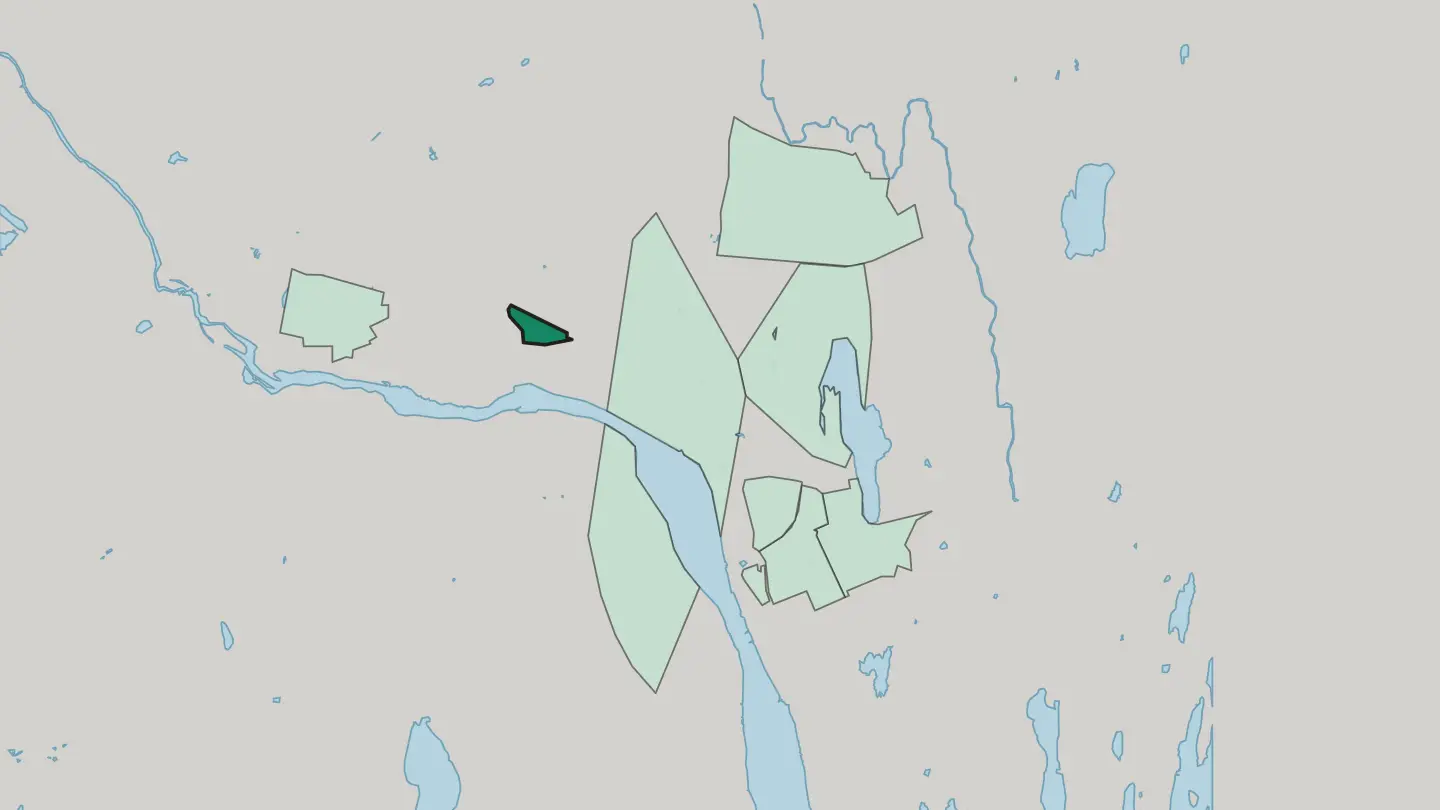
 UmeåSweden
Mariehem
Mariehem is a residential district in north-eastern Umeå, a city in north-eastern Sweden.Where to stay →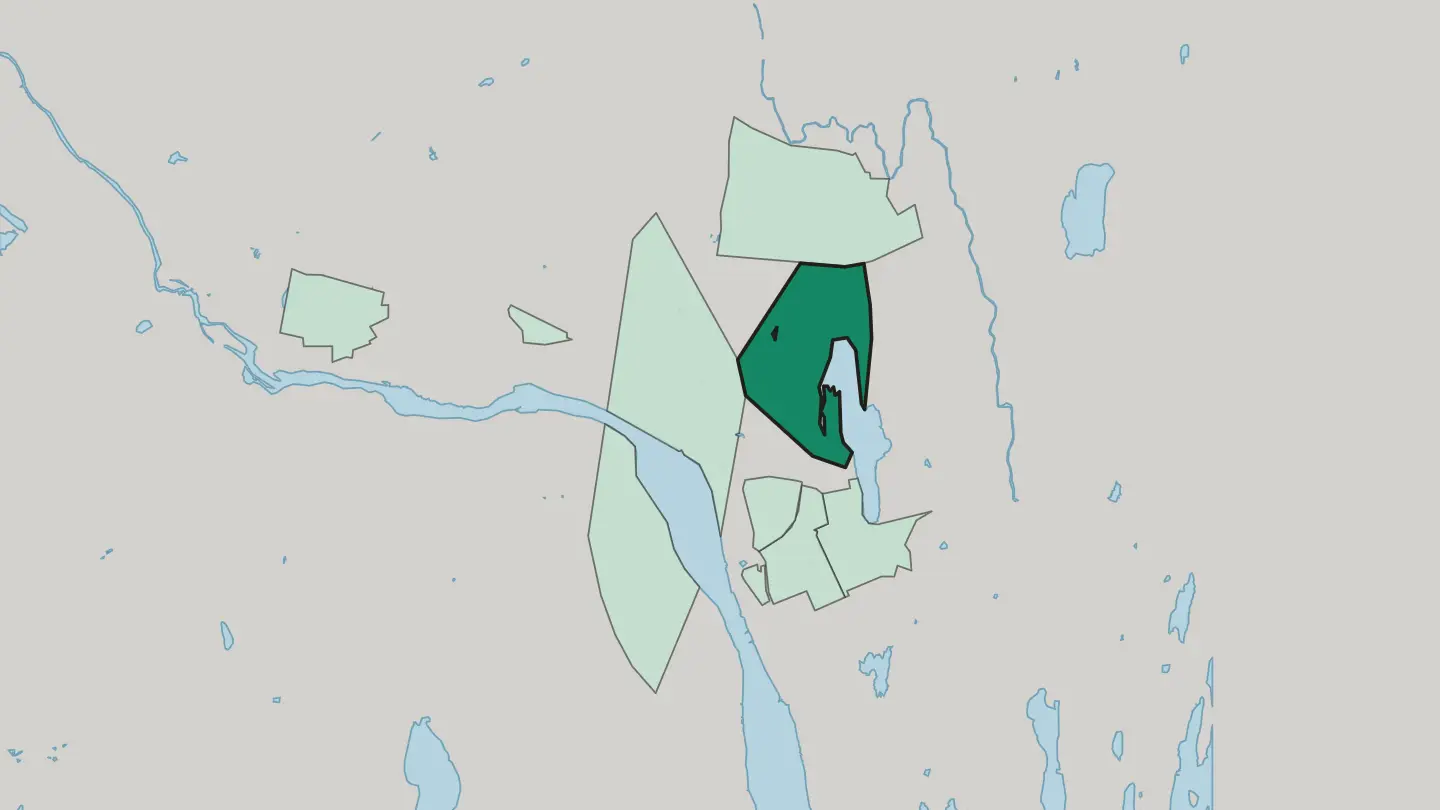
 UmeåSweden
Ålidhem
Ålidhem is a Million Programme residential area of Umeå, in north-eastern Sweden, close to the Umeå University campus.Where to stay →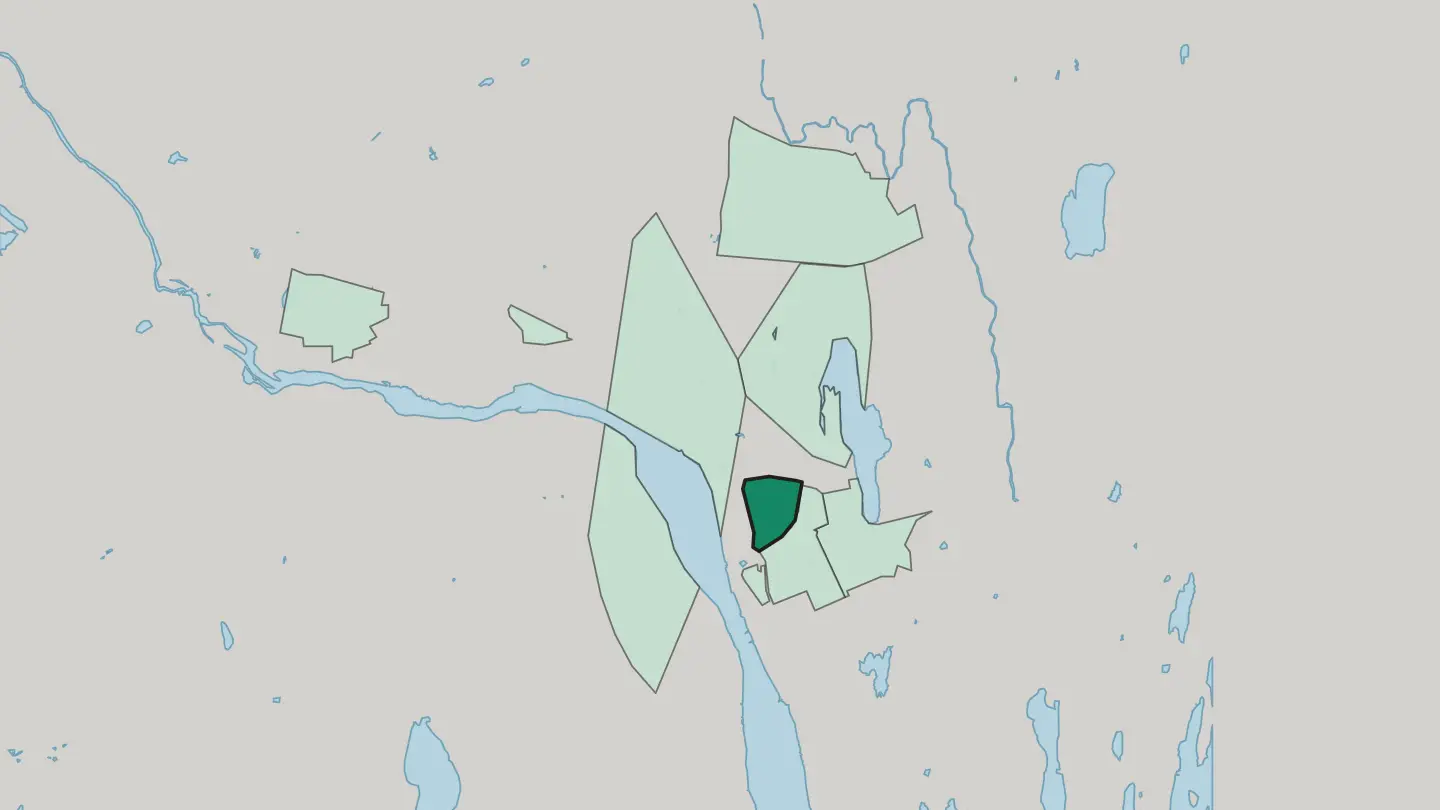
 UmeåSweden
Ersboda
Ersboda is a residential district in north-eastern Umeå, part of the city in north-eastern Sweden.Where to stay →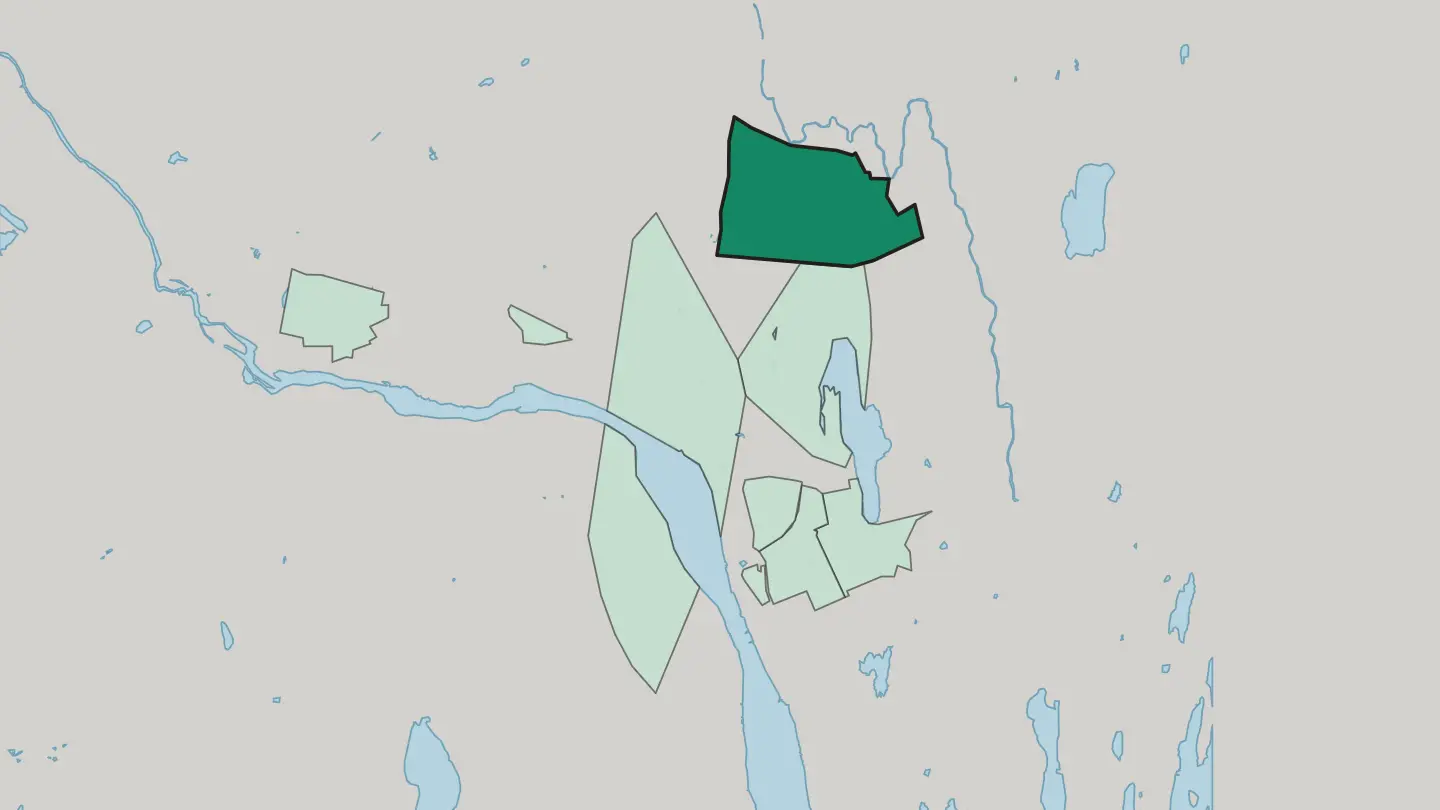
 UmeåSweden
Carlslid
Carlslid is a residential area of Umeå in Sweden, its one catalogued landmark the sports facility IKSU Sport.Where to stay →UmeåSweden
Carlshem
Carlshem is a residential district in south-eastern Umeå, a city in north-eastern Sweden.Where to stay →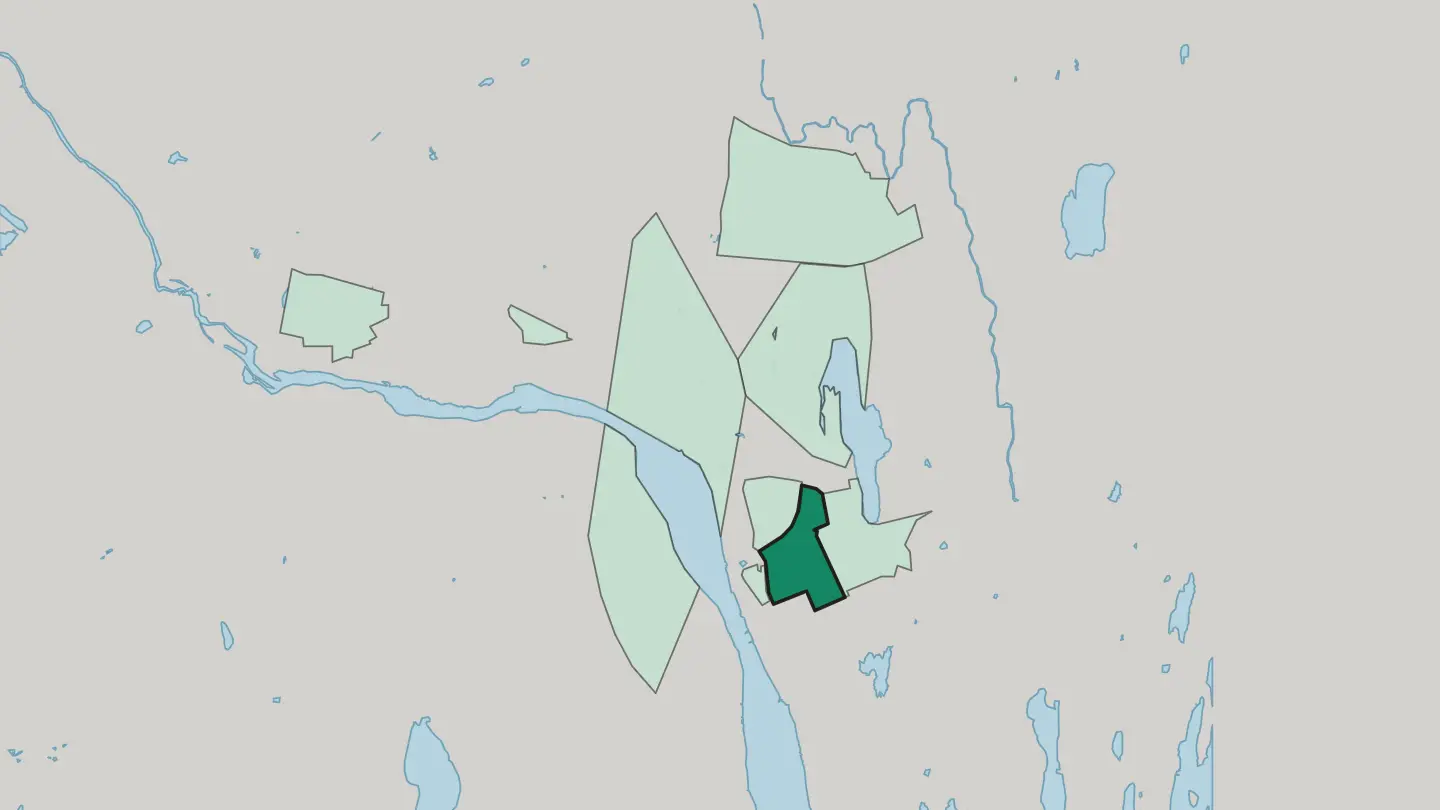 UmeåSweden
Gimonäs
Gimonäs is a residential district in southern Umeå, a city in north-eastern Sweden.Where to stay →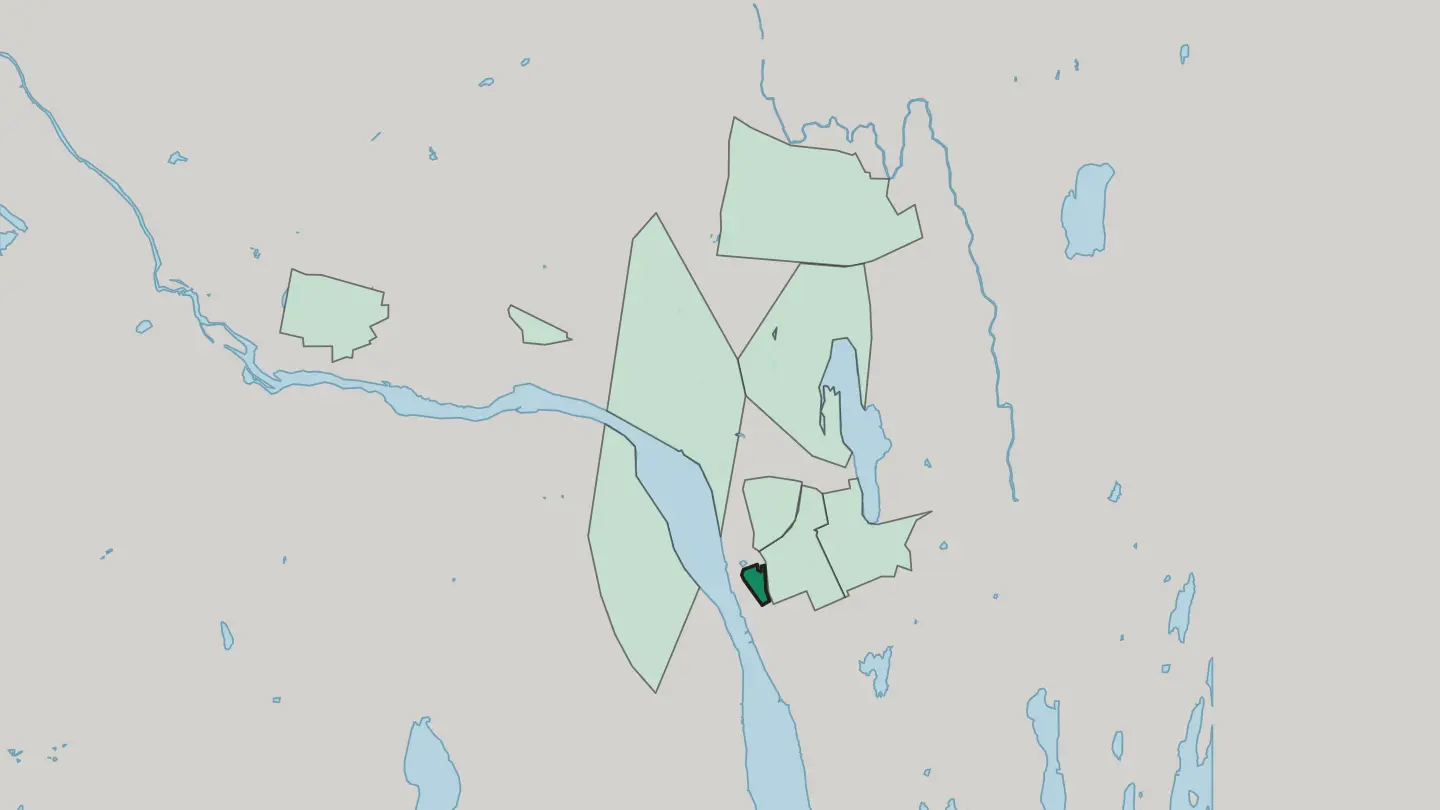
 UmeåSweden
Umedalen
Umedalen is a district on the north-western edge of Umeå, a city in north-eastern Sweden.Where to stay → UmeåSweden
Tomtebo
Tomtebo is a residential district in eastern Umeå, a city in north-eastern Sweden.Where to stay →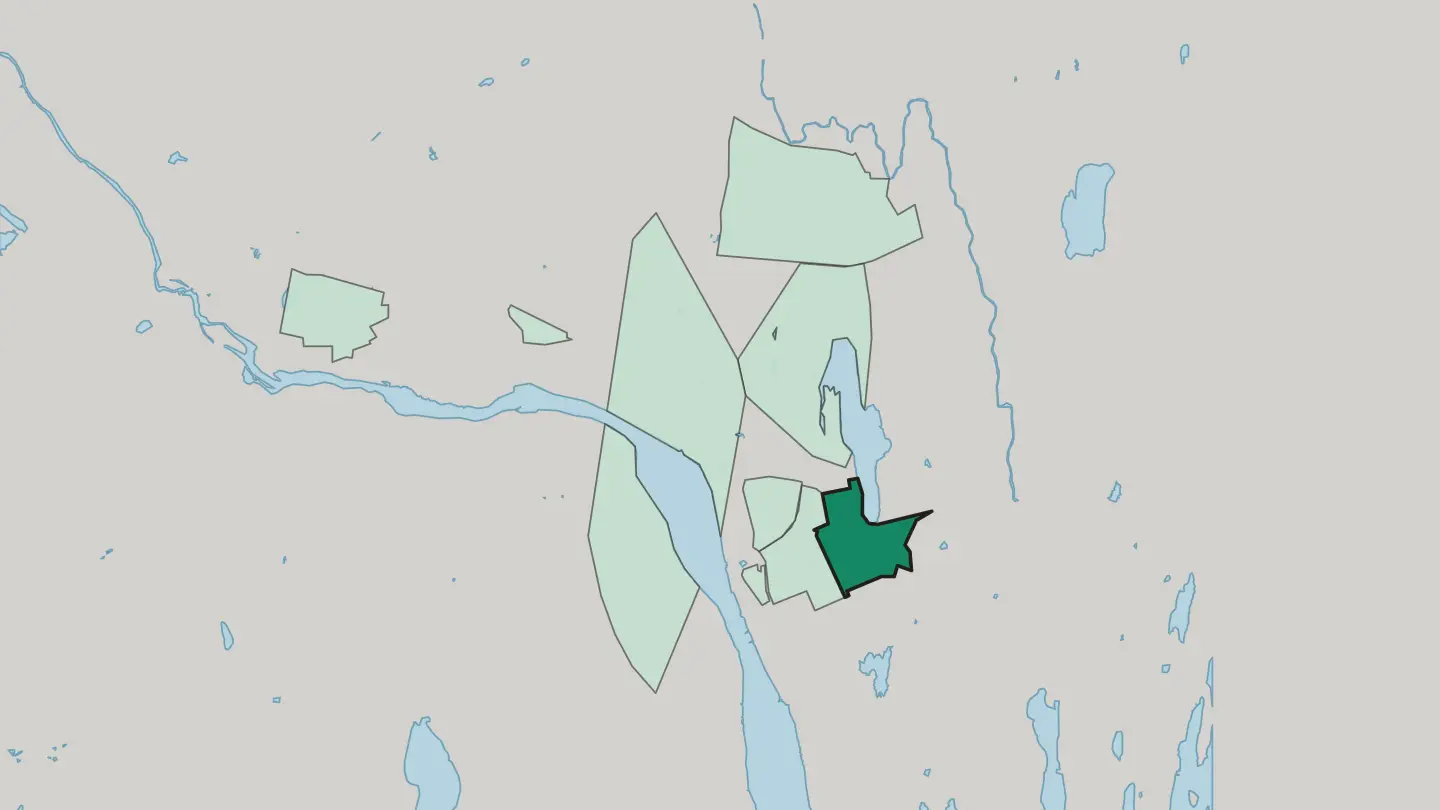
Hotel links are affiliate links: booking through them may earn us a commission, at no extra cost to you. It never affects how places are ranked. How this works
Find hotels in Umeå
Direct booking searches for these neighbourhoods.
City centre
hotels among the birch-lined streets near the river and square. Lodging is scarce in this area; reserve in advance.Find hotels in City centrestudents and hospital visitorsCampus and hospital
hotels and serviced rooms by the university and the wards. Beds are limited here, so book early.Find hotels in Campus and hospitalwarm-season families along the UmeälvenCoast and lakes
cabins and campsites by the Baltic shore and inland waterFind hotels in Coast and lakesHotel links are affiliate links: booking through them may earn us a commission, at no extra cost to you. It never affects how places are ranked. How this works
Things to do in Umeå
Ranked by global recognition; descriptions from Wikidata (CC0).
Museums & Galleries
4- Guitars – the Museum Guitars Museum
- Bildmuseet contemporary art museum
- Den förhistoriska världen
- Västerbottens medicinhistoriska museum working life museum
Churches & Religious Sites
5- Tegs kyrka Heritage
- Ersbodakyrkan Heritage
- Ålidhemskyrkan Heritage
- Västerslättskyrkan Heritage
- Backen Church Church of Sweden church building
Castles & Historic Sites
2- Old House of Bank Heritage
- Monumentet över Georg Carl Von Döbeln
Stadiums & Sports
3- Umeå Energi Arena Sports ground
- Gammliahallen sports hall
- IKSU Sport
Landmarks & Notable Places
1- Lieutenant Grahn's farm Heritage house
worth knowingacross 5 categories in Umeå
About Umeå
Umeå is the largest city of northern Sweden.
What is Umeå known for?
It is best known as a university town, drawing students from across the country and giving the place a young and lively character, and as the city of birches, named for the rows of trees planted along its streets after a great fire. Culture runs deep here. The riverside art museum Bildmuseet, the open-air Gammlia, the Guitars museum, and a held year as a European Capital of Culture mark it out, while the Umeälven runs through the heart of the city.
What are the main landmarks in Umeå?
The riverside arts quarter is the city's showpiece, where Bildmuseet rises over the Umeälven beside the school of architecture and design. Gammlia gathers the past of the north. This open-air museum and its halls hold old farms and the regional collections, while the Guitars museum and the Kvinnohistoriskt museum add their own draws nearby.
Among the streets stand the grand Mariakyrkan and the brick Carlskyrkan, the wooden Tegs kyrka and Vasakyrkan across the water, the old Scharinska villan, and the merchant houses spared by the great fire, with the Umeå Energi Arena and the broad birch-lined avenues filling out the city. The river ties it all together.
What is the history of Umeå?
The city was chartered in the seventeenth century. Founded in 1622 by royal decree on the lower Umeälven, the town was meant to anchor the crown's hold on the far north, and for two centuries it grew slowly as a small trading and administrative place on the river, gathering merchants, officials, and a market for the wide farming and forest country around it. War and fire marked its early life.
A great fire reshaped the modern city. When much of the wooden town burned in the nineteenth century, it was rebuilt on a wider plan with broad streets, and birches were planted in long rows as firebreaks, giving Umeå the leafy character and the name of the city of birches that it carries still. The university transformed everything.
When a northern university was founded in the city in the twentieth century, students and scholars poured in, and Umeå grew swiftly into the largest city of the north, a centre of learning, culture, and care that drew a young population and a wide cultural life to the banks of the Umeälven.
Where is Umeå?
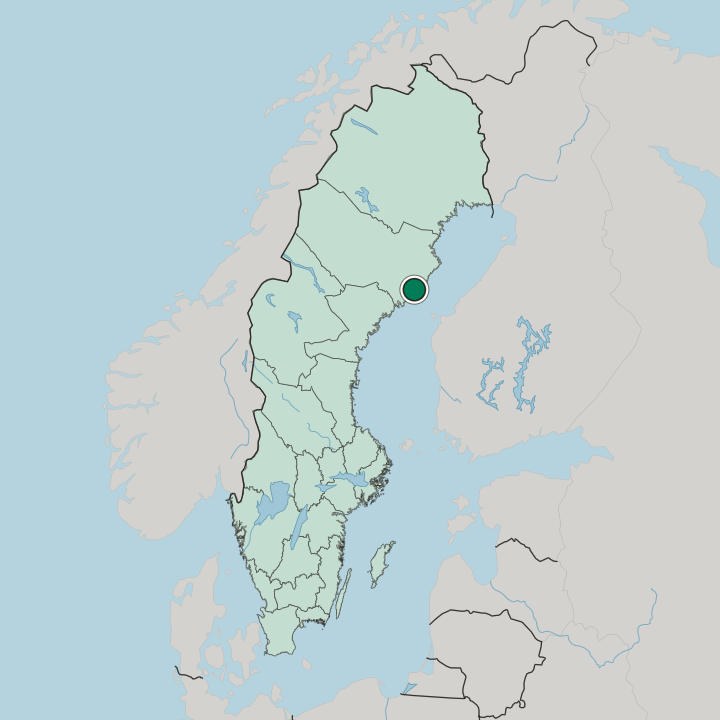
Umeå lies in the south-eastern part of Västerbotten County, near the Baltic coast where the Umeälven reaches the sea in northern Sweden. The city straddles the lower river, with the open coast and its islands a short way to the east and the forests, lakes, and farmland of the interior spreading inland to the west. The setting is river and coast.
Roads and rail tie the city north toward Skellefteå, south toward the Ångermanland coast, and west up the river valley into the interior of Lapland.
What is the climate of Umeå?
Umeå has a cold climate softened a little by the nearby Baltic. Winters are long and snowy, with hard frost and lasting snow lying over the city and the country around it for months while the sun stays low and the days run short through the darkest part of the year. The summer season runs short but bright.
The long days bring mild warmth, green birch and forest, and open water, drawing people to the river and the coast before the cold returns. Snow cover here holds reliably each winter.
How do you get to Umeå?
Umeå has a busy airport. It lies close to the city and links the north to Stockholm and other centres, serving as the main gateway for visitors from the south. Trains and buses reach the city along the Baltic route, and a ferry crosses the Gulf of Bothnia to Vaasa in Finland.
Drivers come on the coastal road from Skellefteå in the north and the Ångermanland towns in the south, while a long route runs west up the river valley into the interior.
Common questions
What is the best area to stay in Umeå?
City centre: business and city visitors. Campus and hospital: students and hospital visitors. Coast and lakes: warm-season families along the Umeälven.
Good for
More cities in Västerbotten County
Updated October 2026