Sweden · Västerbotten County
Where to Stay in Storuman, Västerbotten County
Storuman is an inland village in north-western Västerbotten County, a road and rail junction in the interior of northern Sweden.
Hotel links are affiliate links: booking through them may earn us a commission, at no extra cost to you. It never affects how places are ranked. How this works


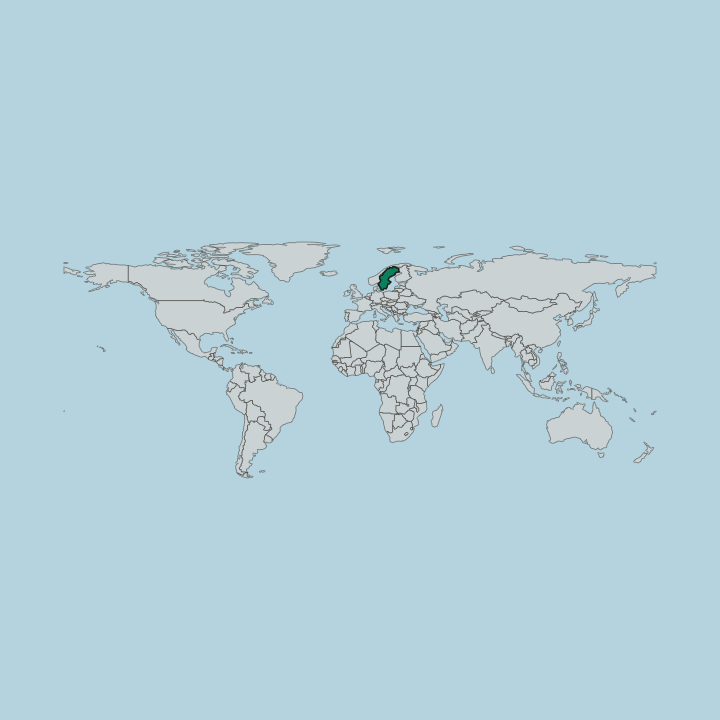
Where to stay in Storuman
Where visitors usually base themselves, and why.
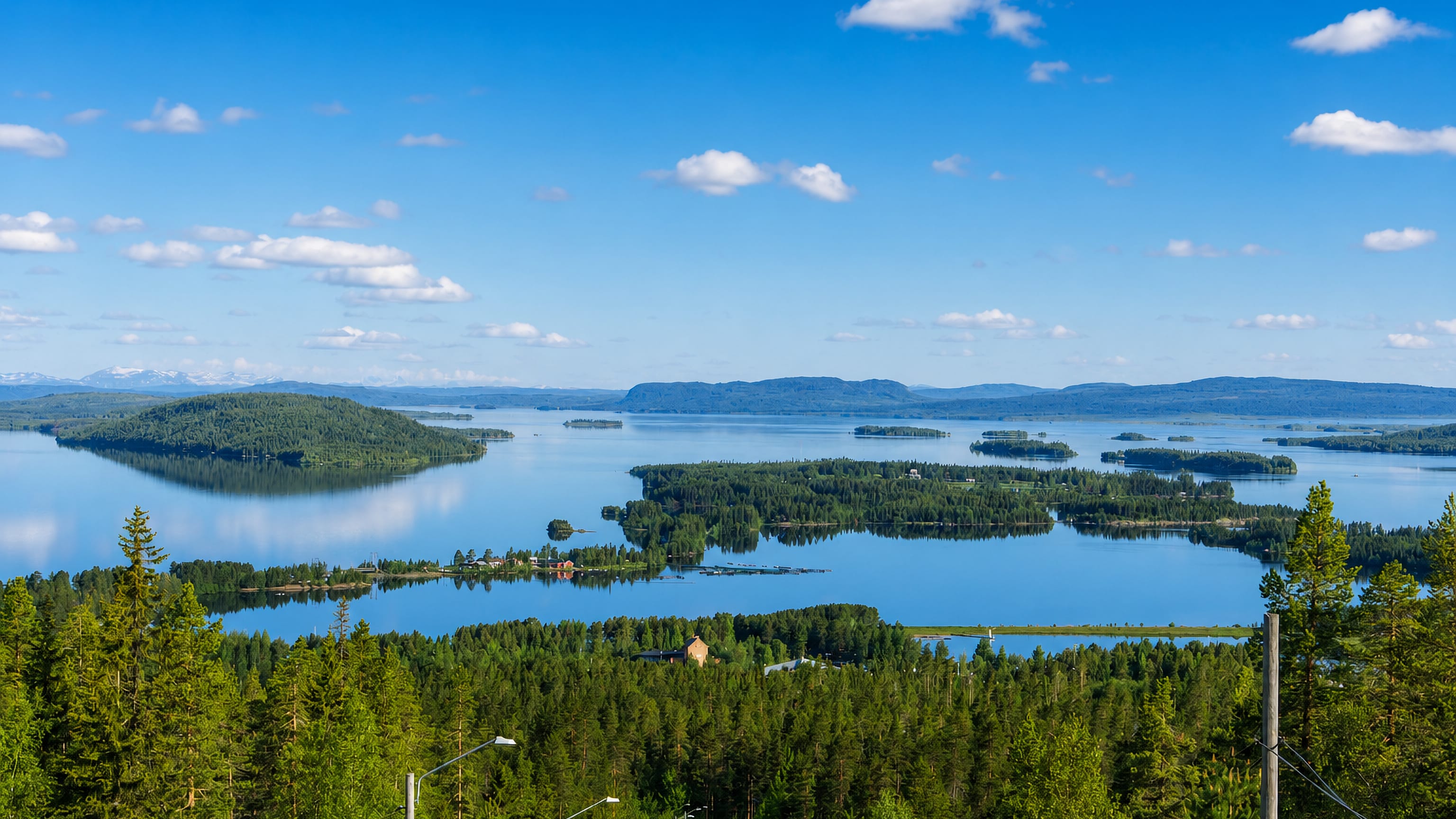
Most visitors stay in the village, where a hotel and a few guesthouses and rooms sit within an easy reach of the railway station, the shops, and the shore of the great lake that gives the place its name. The centre suits travellers passing through on the inland railway or the mountain highway, with services and the water close at hand. The village holds few rooms.
Out along the lake and the rivers, cabins, cottages, and small campsites open through the warm months for anglers, paddlers, and families who come for the open water and the long northern light. West toward the fells and the ski resorts, mountain lodges and cabins serve walkers and skiers across the seasons. Winter draws a steady crowd.
Snowmobilers, skiers, and aurora-watchers fill the cottages through the long cold months. Book ahead in both the summer and the ski season, because the village holds only a thin stock of rooms and the mountain beds fill fast.
Find hotels in Storuman
Direct booking searches for these neighbourhoods.
Village centre
a hotel and rooms near the station and the lakeshore. Beds are limited here, so book early.Find hotels in Village centresummer anglers and familiesLake and rivers
cabins and campsites along the great lake and rivers. Few places to stay nearby — book ahead.Find hotels in Lake and riversskiers and mountain walkersWestern fells
lodges and cabins toward the resorts and trails. Lodging is scarce in this area; reserve in advance.Find hotels in Western fellsHotel links are affiliate links: booking through them may earn us a commission, at no extra cost to you. It never affects how places are ranked. How this works
About Storuman
Storuman is a crossroads of the north.
What is Storuman known for?
The village grew where the long inland railway met the highway that runs west toward the Norwegian coast, and it serves as a gateway for travellers heading on to the lakes, fells, and ski country of the mountain interior. A long lake gives it its name. The surrounding land of forest, water, and rising fell draws anglers, walkers, and skiers through the seasons, while the old Stensele kyrka stands across the water as the historic church of the district.
What are the main landmarks in Storuman?
The great lake is the village's defining feature, a long stretch of water that gives Storuman its name and spreads among the forests and low fells of the interior. Stensele kyrka rises across the water, the old wooden church of the parish and one of the larger timber churches of the north. An old tourist hotel by the station, the inland railway, the lake itself, and the rivers and rapids of the district draw visitors, while the mountains, ski slopes, and wide forests of the interior open out to the west.
Water and fells define it.
What is the history of Storuman?
The district was long Sami and settler country. For ages the wide forests, lakes, and fells of the interior were home to reindeer-herding Sami, and slowly farmers pushed up the river and lake valleys to clear small holdings, gathering around the old parish of Stensele whose great wooden church rose by the water to serve the scattered people of the country. Storuman itself was a later place.
The railway made the village. When the long inland line was driven through the interior, a station settlement grew on the lake where the rails met the developing road west toward the Norwegian border, and the new village of Storuman drew traffic, trade, and travellers away from the older church village across the water. A tourist hotel rose by the station.
As the mountain country opened to skiers and walkers, Storuman became the seat of its wide municipality and a junction and gateway for the inland north, living from forestry, services, transport, and the visitors who pass through on their way to the fells.
Where is Storuman?
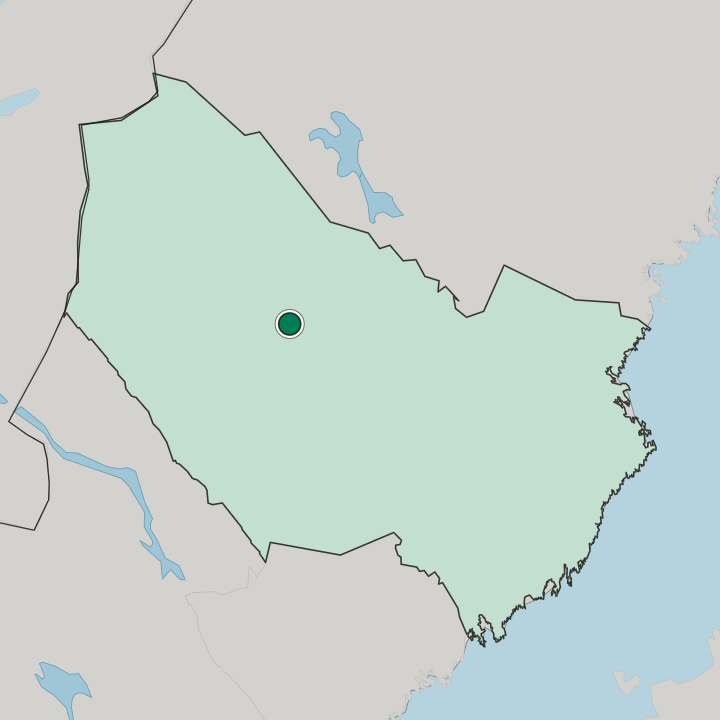
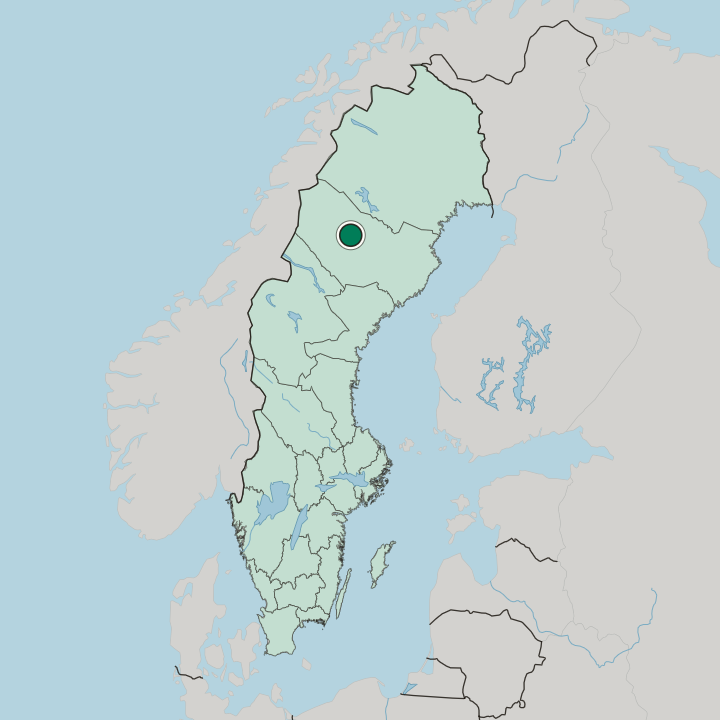
Storuman lies in the north-western part of Västerbotten County, deep in the interior of northern Sweden on the shore of the long lake that shares its name. The village sits among forests, lakes, and low fells, with the high mountains of the Scandinavian range rising to the west and the wide lowland woods spreading east toward the coast. The land is lake, forest, and mountain.
Roads and the inland railway tie the village along the interior, while the highway west climbs toward the fells and the Norwegian border.
What is the climate of Storuman?
Storuman sits in cold subarctic country. Winters are long, dark, and bitter, with hard frost and deep snow lying over the lake, the forests, and the fells around the village for many months as the sun stays low through the darkest part of the year. Summers are short but light.
The long days bring mild warmth, open water, and green forest, drawing anglers and walkers in the brief warm season before the cold returns. Snow lies deep and lasting through every winter here.
How do you get to Storuman?
Storuman is a junction of road and rail. Drivers reach it on the highway that runs west toward the Norwegian coast and on the forest roads of the interior, while the Inlandsbanan railway brings travellers down the long inland line. Buses serve the village along these routes.
A small airport lies near the village, and the larger airports on the Baltic coast serve as wider gateways, while local roads climb west to the fells and the ski resorts of the mountain country.
Common questions
What is the best area to stay in Storuman?
Village centre: travellers passing through. Lake and rivers: summer anglers and families. Western fells: skiers and mountain walkers.
Good for
More cities in Västerbotten County
Updated September 2026