Sweden · Västerbotten County
Where to Stay in Vilhelmina, Västerbotten County
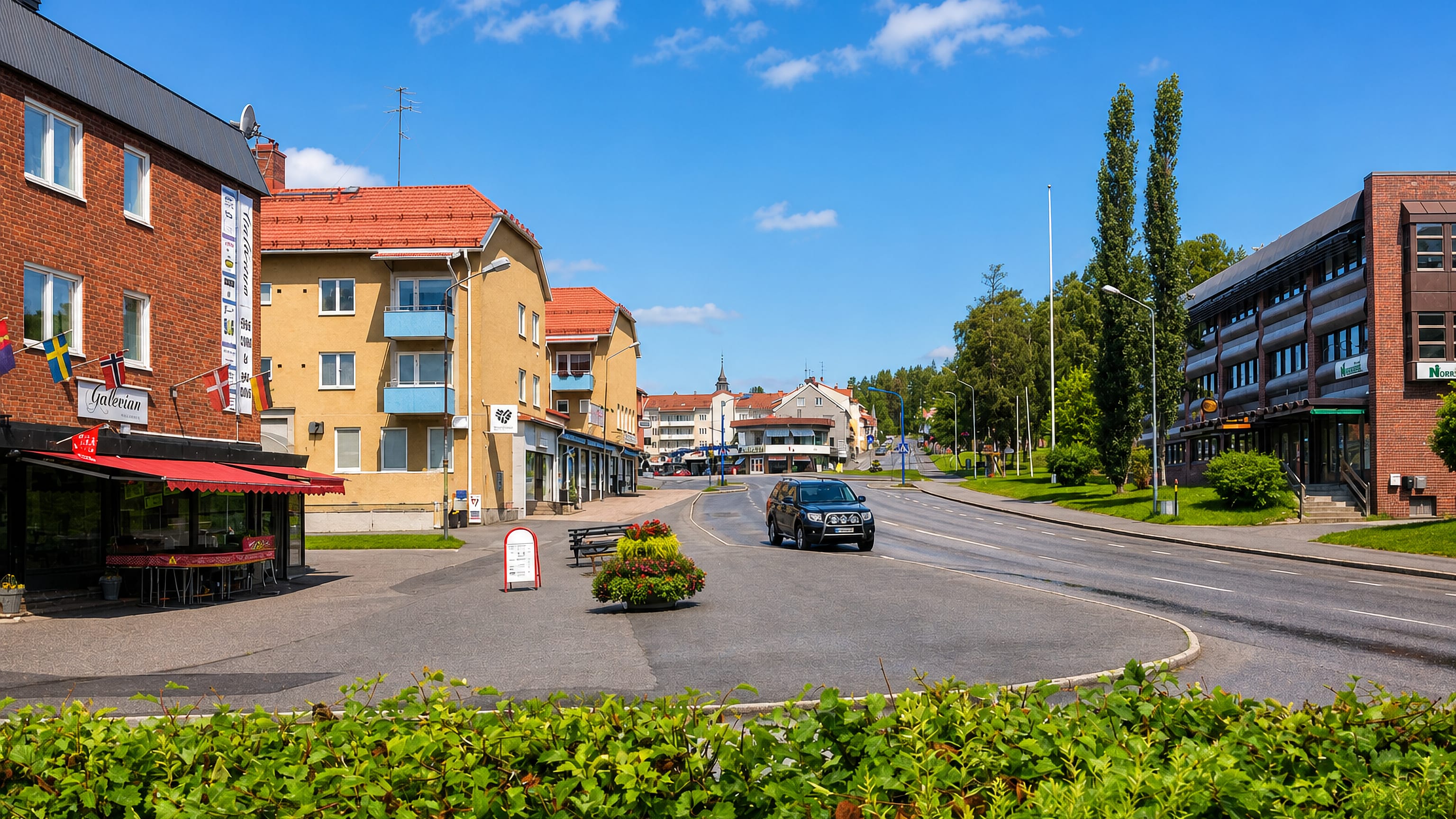
Vilhelmina is a town in north-western Västerbotten County, set by Lake Volgsjön in the Lapland interior of northern Sweden.
Hotel links are affiliate links: booking through them may earn us a commission, at no extra cost to you. It never affects how places are ranked. How this works


Where to stay in Vilhelmina
The practical side of choosing where to sleep.
Most visitors stay in the small town centre by Lake Volgsjön, where a handful of hotels and guesthouses sit within an easy walk of the church, the old kyrkstad cottages, and the shops and services that gather around the main street. The centre suits travellers who want a quiet base with everything close at hand. The centre holds only a handful of rooms.
Out along the lakes and rivers of the municipality, cabins, campsites, and self-catering cottages open for those who come to fish, paddle, or walk, and the fell country to the west holds mountain stations and simple lodges for hikers heading toward the high ground near the Norwegian border. The historic kyrkstad cottages themselves can be rented for a stay among the old church town. Book ahead for the warm season.
Anglers, hikers, and winter visitors chasing snow and the northern lights all press on the modest stock of rooms across the busiest weeks of the year.
Find hotels in Vilhelmina
Direct booking searches for these neighbourhoods.
Town centre
hotels and guesthouses near the church and old kyrkstad by Lake Volgsjön. Few places to stay nearby — book ahead.Find hotels in Town centrefishing and canoe tripsLakes and rivers
cabins, campsites, and cottages along the water. Lodging is scarce in this area; reserve in advance.Find hotels in Lakes and rivershikers and skiersWestern fell country
mountain stations and lodges toward the Norwegian border. Rooms are few around here — worth securing early.Find hotels in Western fell countryHotel links are affiliate links: booking through them may earn us a commission, at no extra cost to you. It never affects how places are ranked. How this works
About Vilhelmina
Vilhelmina is a Lapland church town.
What is Vilhelmina known for?
The settlement is known above all for its old kyrkstad, the cluster of small wooden church cottages where worshippers from far-flung farms and Sami camps once lodged when they came in to the church by Lake Volgsjön for services and markets. It carries a royal name. The town and its surrounding fells, lakes, and rivers also draw travellers north for fishing, hiking, and the wide quiet of the Ångerman River country, with the high mountains of southern Lapland rising to the west toward the Norwegian border.
What are the main landmarks in Vilhelmina?
Vilhelmina kyrka stands at the heart of the town by Lake Volgsjön, the church that gave the settlement its purpose and around which the old kyrkstad grew. That kyrkstad is the great sight. Its tight rows of small red wooden cottages, once lodgings for distant parishioners, count among the best-preserved church towns of the north and draw visitors through the year.
The Vilhelmina museum gathers the story of the district, its Sami and settler past, its forestry, and its mountain life. Beyond the town the fells, lakes, and rapids of southern Lapland make their own landmarks of water and high ground.
What is the history of Vilhelmina?
The district was long Sami land. For centuries the country around Lake Volgsjön belonged to the reindeer-herding Sami and to a scattering of hunters and fishers, before Swedish settlers pushed up the river valleys into the southern Lapland interior and cleared farms among the lakes and forests. A church was raised by the water to serve them, and around it grew the kyrkstad of small wooden cottages where parishioners from far-off homesteads lodged on their visits to worship and trade.
The place took a royal name. It was christened Vilhelmina after Queen Fredrika Dorothea Vilhelmina, wife of King Gustaf IV Adolf, when the parish was formed in the early nineteenth century. Forestry and the timber float down the Ångerman River later shaped the town's working life, drawing labour and building up the settlement as the seat of a wide mountain municipality.
The kyrkstad and the lake remain its heart, and travellers now come for the fishing, the fells, and the long northern light that the old church town has kept watch over for two centuries.
Where is Vilhelmina?
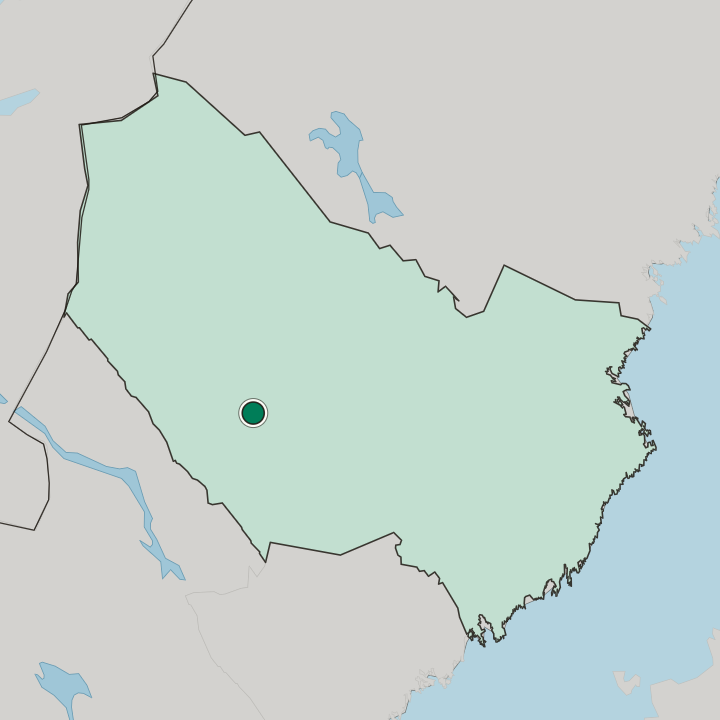
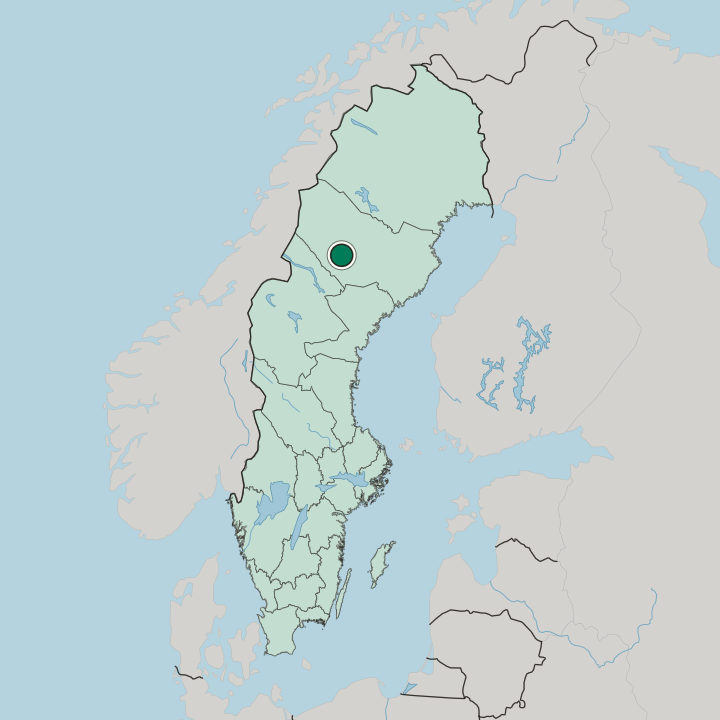
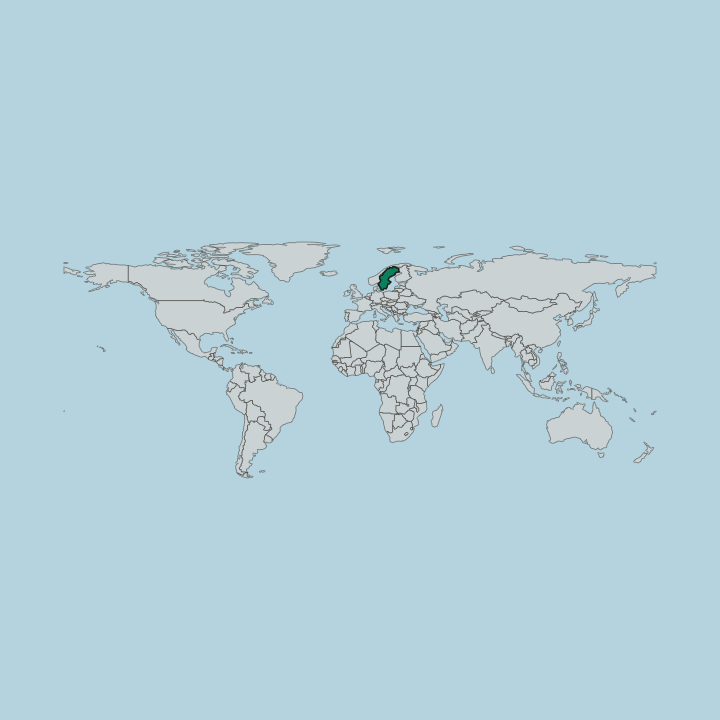
Vilhelmina lies in the north-western part of Västerbotten County, deep in the southern Lapland interior, where the town sits on the shore of Lake Volgsjön along the Ångerman River. The smaller Lake Baksjön lies just to the east, and the country around spreads into a vast sweep of forest, lake, and bog that climbs westward toward the high fells near the Norwegian border. The land is forested and remote.
Rivers and lakes thread the whole municipality, which counts among the largest in Sweden by area, with roads running west into the mountains and east toward the coast.
What is the climate of Vilhelmina?
The climate here is harsh and subarctic. Winters are long, dark, and snowy, with hard frost gripping the lakes and forests for many months and the sun riding low through the short days of the northern interior. Summers are brief but bright.
The far-north light stretches the warm days toward the midnight sun, melting the snow off the fells and opening the lakes and rivers for fishing and paddling before the cold returns. Snow lies deep and reliable through the long winter, drawing skiers and dog-sledders to the high country.
How do you get to Vilhelmina?
Vilhelmina sits on the inland route through southern Lapland, reached mainly by road from the coast and the south. The Inlandsbanan railway runs through the district in summer, carrying travellers along the old inland line. Buses link the town to larger centres.
A small airport nearby offers flights that shorten the long haul from the south, while the main roads run west into the fells toward the Norwegian border and east down the river valleys to the Bothnian coast.
Common questions
What is the best area to stay in Vilhelmina?
Town centre: first-time visitors between Volgsjön and the Inlandsbanan. Lakes and rivers: fishing and canoe trips. Western fell country: hikers and skiers.
Good for
More cities in Västerbotten County
Updated September 2026