Sweden · Västerbotten County
Where to Stay in Lycksele, Västerbotten County
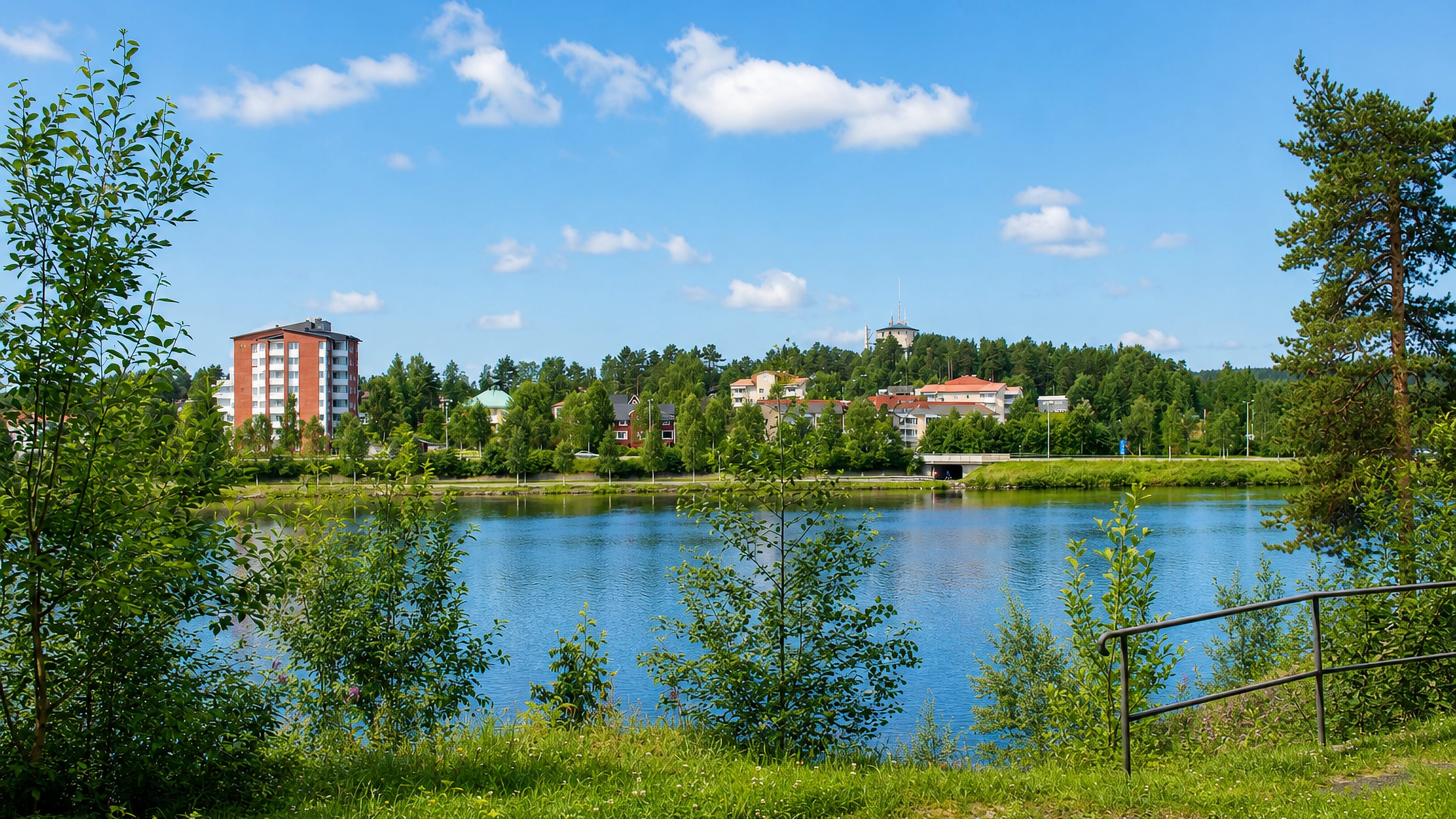
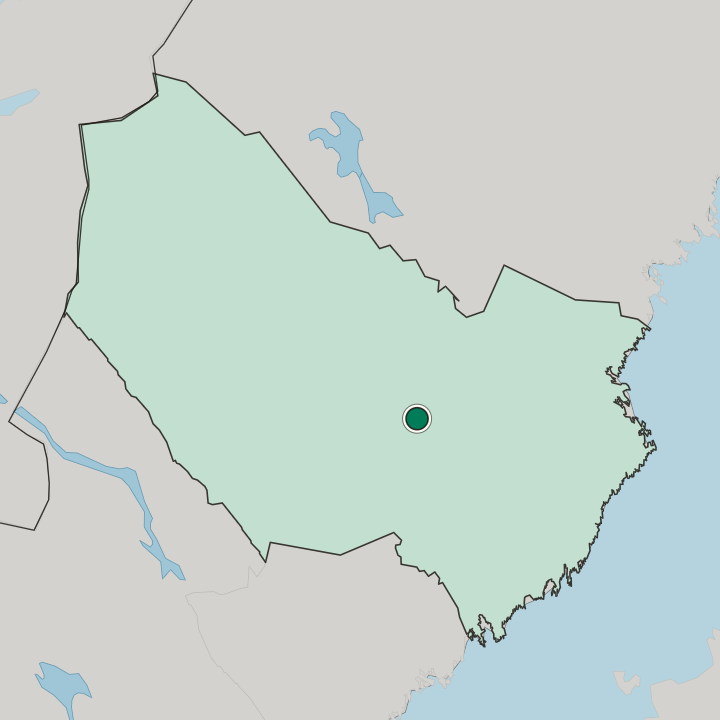
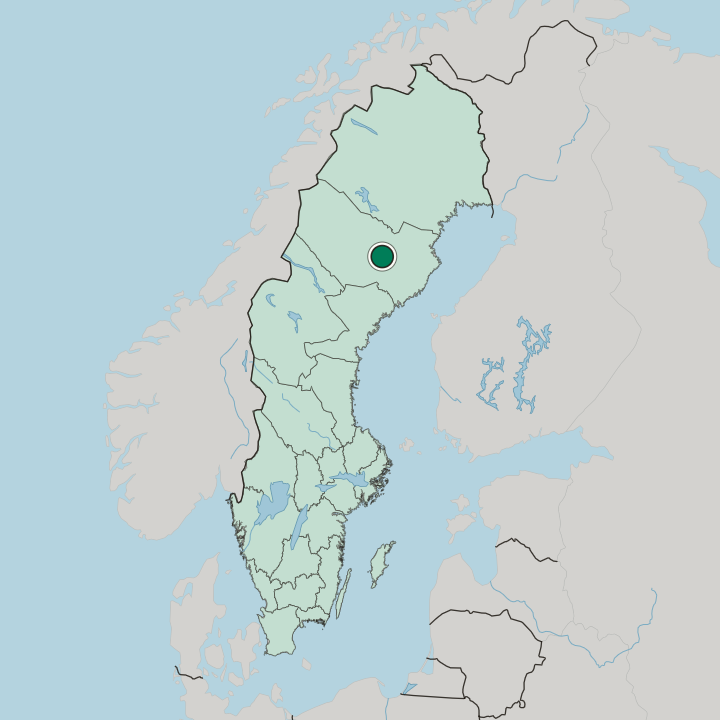
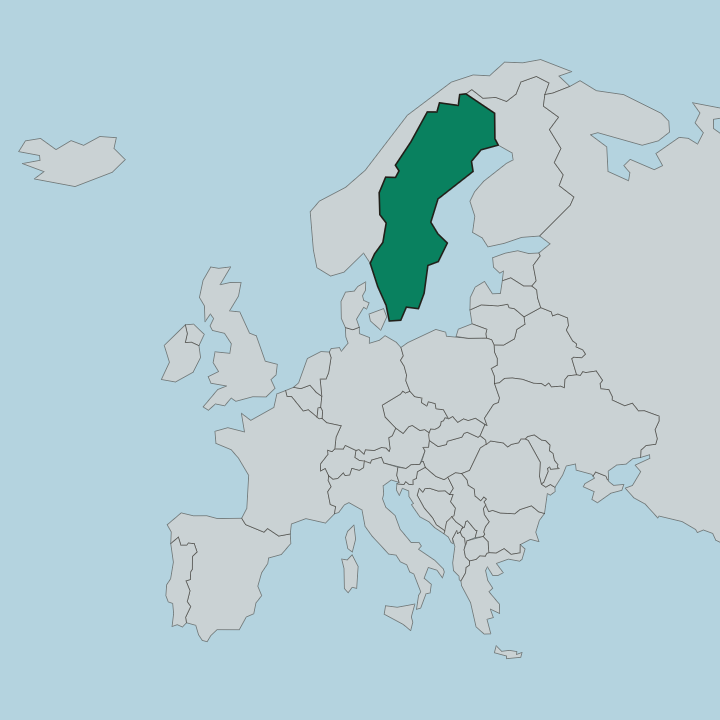
Lycksele is a town in the northern part of Västerbotten County, in the Lapland province of northern Sweden, the seat of its municipality on the Ume River.
Hotel links are affiliate links: booking through them may earn us a commission, at no extra cost to you. It never affects how places are ranked. How this works


Where to stay in Lycksele
Where the beds are, and what that means for the visit.
Most visitors stay in the town centre, where hotels and guesthouses sit within an easy walk of Lycksele kyrka, the shops, the river, and the bridges that cross the Ume River in the heart of the town. The centre suits travellers who want services close at hand and a short step to the water and the railway. Beds fill up in summer.
Around the river and the surrounding forest, cabins, campsites, and holiday cottages open through the warm months near Gammplatsen, the zoo, and the fishing waters, drawing families, anglers, and those after the calm of the inland north. The wider municipality holds lodges and self-catering houses for those touring the Lapland interior by car. Book ahead in peak weeks.
The short season, the inland traffic, and the pull of the old church town and the zoo together press on the rooms across the warmest part of the year.
Find hotels in Lycksele
Direct booking searches for these neighbourhoods.
Town centre
hotels by the river, the church, and the bridges. Rooms are few around here — worth securing early.Find hotels in Town centrefamilies and history-minded visitorsRiver and Gammplatsen
cabins and campsites near the old church town and the zoo. Rooms are few around here — worth securing early.Find hotels in River and Gammplatsenanglers and drivers touring LaplandForest interior
lodges and cottages among the woods and fishing watersFind hotels in Forest interiorHotel links are affiliate links: booking through them may earn us a commission, at no extra cost to you. It never affects how places are ranked. How this works
Things to do in Lycksele
Ranked by global recognition; descriptions from Wikidata (CC0).
Museums & Galleries
1- Lycksele Forest Museum
Churches & Religious Sites
4- Lycksele Church Heritage
- Margaretakyrkan Heritage
- Forsdalakyrkan Heritage
- Gammplatsen Heritage
worth knowingacross 2 categories in Lycksele
About Lycksele
Lycksele is the old heart of Lapland.
What is Lycksele known for?
The town sits on the Ume River in the forest interior of inland Västerbotten, and it holds Gammplatsen, the old church town where the first parish of Lapland gathered, along with Lycksele djurpark, a northern zoo known across the region. The river runs through the centre. Travellers also know Lycksele as a hub on the inland routes north, drawing those after wilderness, fishing, and a foothold in the Sami country and the southern reaches of Lapland.
What are the main landmarks in Lycksele?
Gammplatsen marks the old church town, the riverside site where the first parish of Lapland once gathered for worship and trade. Lycksele kyrka serves the modern centre. Its tower stands over the river.
The smaller churches of Forsdalakyrkan, Margaretakyrkan, and Norrängskyrkan, the Ume River with its bridges and banks, and Lycksele djurpark with its northern animals round out a town shaped by faith, water, and the long history of the inland north. The zoo draws visitors from far off.
What is the history of Lycksele?
Lapland's first parish began here. The church town at Gammplatsen rose on the bank of the Ume River as the earliest Christian gathering place of the Lapland interior, where the scattered Sami and settler families came together for worship, trade, and the great winter markets in the heart of a vast wilderness. The river tied the country together.
Both faith and the great seasonal markets drew the scattered families of the wilderness to this one riverside spot, year after year, across the long generations of the early north. A town grew across the centuries. Lycksele moved its centre and built new churches as the parish expanded, and it became the seat of its surrounding municipality and the chief market and administrative town of the southern Lapland interior.
The railway and roads opened the north. Through the modern age Lycksele held its place as a hub on the inland routes, gathering schools, services, and a noted northern zoo, while Gammplatsen and the old church town kept alive the memory of the place where the first parish of Lapland once stood.
Where is Lycksele?
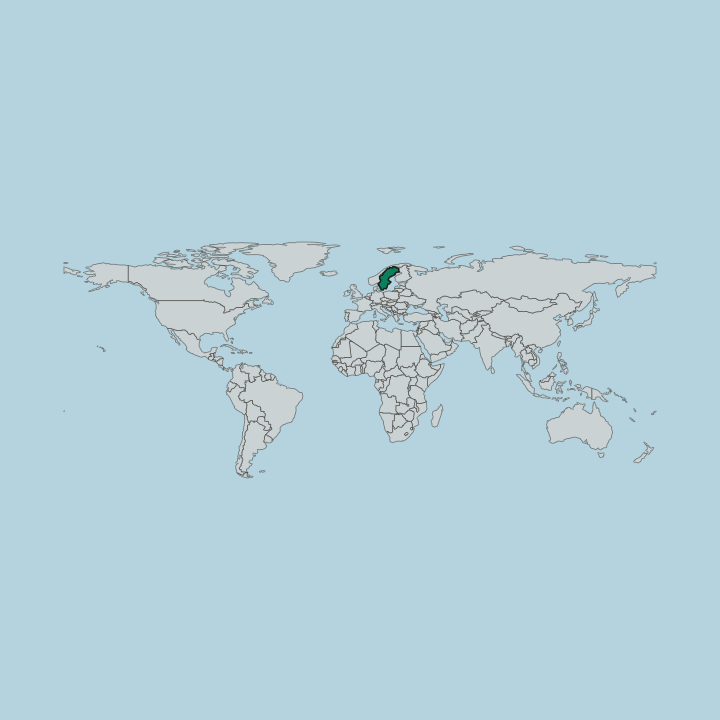
Lycksele lies in the northern part of Västerbotten County, in the forest and river country of the Lapland interior in northern Sweden. The town sits on the Ume River, with wooded ridges, scattered lakes, and the broad river valley running through the surrounding municipality toward the coast in the south-east. The land is forested and low.
Roads and the Inland Line tie the town south toward Umeå and the coast, and north and west toward the higher ground and the mountain country of inland Lapland.
What is the climate of Lycksele?
This far north, Lycksele keeps a cold subarctic climate. Winters are long and harsh, with deep snow over the forest and the Ume River frozen for months through the dark half of the year, a fierce cold that suits skiing, snowmobiling, and the still of the northern winter. Summers, by contrast, are short and warm.
The long daylight of high summer warms the river and the woods for a stretch of green weeks, drawing anglers, paddlers, and visitors before the cold returns. Frost reaches into spring and autumn.
How do you get to Lycksele?
Lycksele sits on the inland roads of northern Västerbotten, with the Inland Line railway running through the town. Drivers reach it from Umeå and the coast to the south-east. The town has its own small airfield.
The nearest large airport lies at Umeå on the coast, which serves as the main gateway, while regional roads and rail tie the town to the lakeside and forest villages of the surrounding district and the wider Lapland interior.
Common questions
What is the best area to stay in Lycksele?
Town centre: travellers wanting the town on the doorstep. River and Gammplatsen: families and history-minded visitors. Forest interior: anglers and drivers touring Lapland.
Good for
More cities in Västerbotten County
Updated October 2026