Sweden · Västerbotten County
Where to Stay in Norsjö, Västerbotten County
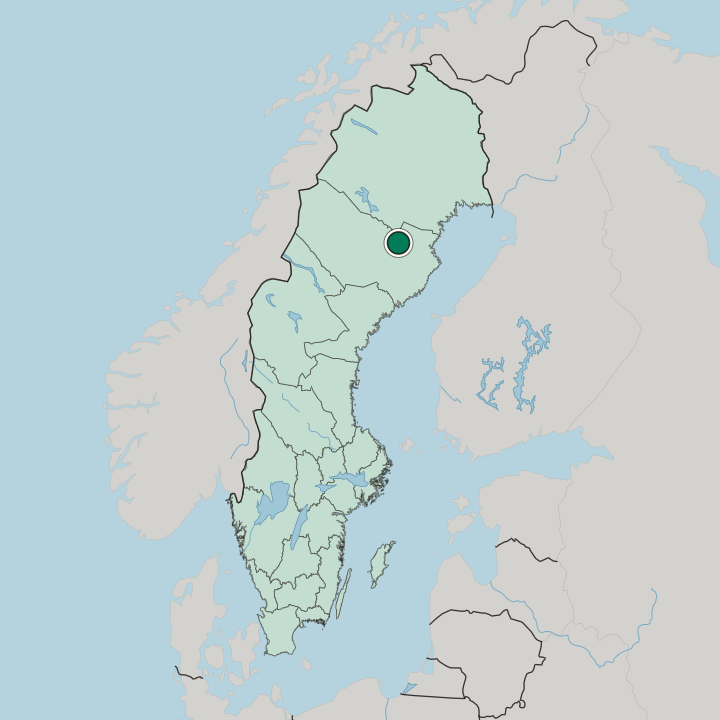
Norsjö is a forest-and-lake municipality in north-eastern Sweden, its seat gathered around Norsjö kyrka and known for cross-country skiing.
Hotel links are affiliate links: booking through them may earn us a commission, at no extra cost to you. It never affects how places are ranked. How this works


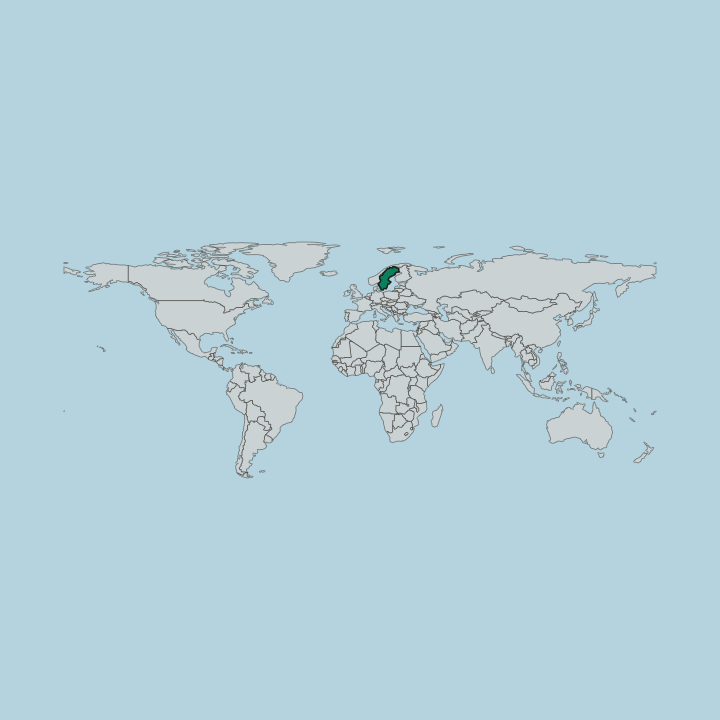
Where to stay in Norsjö
Where the beds are, and what that means for the visit.
Beds here are counted in handfuls. The village of Norsjö holds what services the municipality has, and a room near Norsjö kyrka puts the shops, the Norsjö skidlöparmuseum and the Jaktmuseum within a walk of the door, which matters in a place where the next settlement is a long drive through forest. Book ahead in winter.
Ski weeks and hunting season both pull on the same small stock of rooms, and a municipality this size has no reserve capacity to absorb a busy weekend. Bastuträsk is the alternative. The village sits apart from the seat with Bastuträsks kyrka at its centre, and it suits travellers who would rather be based away from the main settlement while still keeping a road out in both directions.
Elsewhere the choice is self-catering. Cabins and cottages stand around the lakes and forest tracks near Petiknäs, Kvammarnäs and Kvavisträsk, and they go by the week rather than the night, with transport assumed and supplies bought before leaving the village. Ristjälen and Kryddgrovan lie out in the same country.
A single road journey can separate one night's bed from the next, so most visitors settle on one base and drive out from it rather than moving each night through the municipality.
Find hotels in Norsjö
Direct booking searches for these neighbourhoods.
Norsjö
the small village stock beside Norsjö kyrka, with the skidlöparmuseum and the Jaktmuseum a walk away. Rooms are few around here — worth securing early.Find hotels in NorsjöA base away from the municipal seatBastuträsk
a separate village gathered around Bastuträsks kyrka with roads running both ways. Few places to stay nearby — book ahead.Find hotels in BastuträskWeek-long self-catering reached by carForest and lake country
cottages out towards Petiknäs, Kvammarnäs and Kvavisträsk, taken by the week. Lodging is scarce in this area; reserve in advance.Find hotels in Forest and lake countryHotel links are affiliate links: booking through them may earn us a commission, at no extra cost to you. It never affects how places are ranked. How this works
Things to do in Norsjö
Ranked by global recognition; descriptions from Wikidata (CC0).
Museums & Galleries
2- Jaktmuseum
- Norsjö skidlöparmuseum
Churches & Religious Sites
3- Norsjö Church Heritage
- Petiknäs Church Heritage
- Bastuträsks kyrka
Landmarks & Notable Places
2- Dahlbergsgården Heritage
- Rundloge i Kvammarnäs Heritage
worth knowingacross 3 categories in Norsjö
About Norsjö
What is Norsjö known for?
Skiing made Norsjö's name. Norsjö skidlöparmuseum records the local history of cross-country skiing, a tradition that took hold in a municipality where snow lies over the forest and the lake ice for a large part of the year. The rest of the draw is quieter.
Forest and lake country runs out in every direction from the main village, hunting has its own museum in the Jaktmuseum, and the parish churches at Petiknäs and Bastuträsk mark the older pattern of settlement.
What are the main landmarks in Norsjö?
Norsjö kyrka anchors the village that gives the municipality its name. Two smaller parish churches stand in the country around it, Petiknäs kyrka and Bastuträsks kyrka, each serving a village of its own well away from the main settlement. Norsjö skidlöparmuseum gathers the record of cross-country skiing, while a separate Jaktmuseum keeps the gear of the hunting tradition.
Dahlbergsgården survives as an older homestead. The Rundloge i Kvammarnäs, a round barn, stands apart from all of these.
What is the history of Norsjö?
Norsjö's recorded past sits in its churches and its farmsteads. Norsjö kyrka marks the point around which the main village grew, and the smaller parish churches at Petiknäs and Bastuträsk show how settlement in this part of Västerbotten County spread not as one town but as a scatter of separate communities, each far enough from the others to want a church of its own. The pattern was agrarian.
Dahlbergsgården survives from that older working landscape, and the Rundloge i Kvammarnäs, a round barn, belongs to the same order of buildings raised by farms cut out of the forest. Administratively, the municipality is young. Norsjö kommun took its present shape in 1971, drawing the surrounding parishes into a single unit within Västerbotten County and fixing the seat at Norsjö.
Older loyalties did not vanish. Bastuträsk, Petiknäs, Kvammarnäs and Kvavisträsk kept their names and their standing as places in their own right, and the municipal boundary drew a line around a group of communities that had grown up separately. The past is curated.
Norsjö skidlöparmuseum keeps the record of the skiing that these winters produced, and the Jaktmuseum does the same for hunting.
Where is Norsjö?
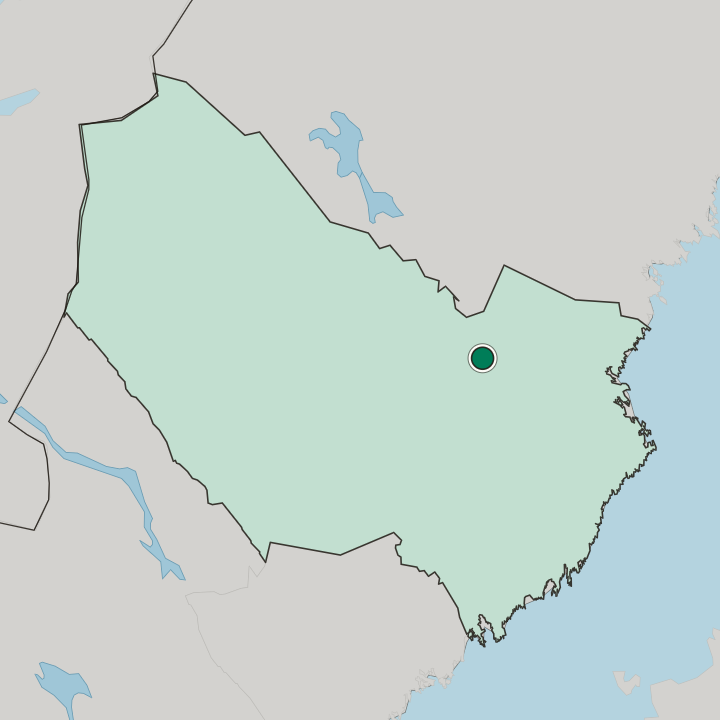
Norsjö spreads across a wide block of forest and lake country in the north-eastern part of Västerbotten County, a municipality whose ground is measured in woodland and water rather than in farmed plain. Settlement scatters. Bastuträsk and Petiknäs each hold a parish church, and Kvammarnäs is known for the Rundloge i Kvammarnäs, a round barn recorded among the municipality's heritage sites.
Kvavisträsk, Ristjälen and Kryddgrovan mark further points across the same ground.
What is the climate of Norsjö?
Winter runs long here. Snow settles over the forests and the frozen surfaces around Kvavisträsk from autumn through to a late spring, and the subpolar dark keeps the days short enough that outdoor life shifts to skis and the tracks that Norsjö skidlöparmuseum records. Summer arrives fast.
Light stretches deep into the night through June and July, when the lakes open and the forest roads dry out.
How do you get to Norsjö?
Roads do the work here. Norsjö sits well within Västerbotten County, and reaching it means a drive across forested country in which the settlements at Bastuträsk, Petiknäs and Kvammarnäs arrive at long intervals rather than in close succession. There is no shortcut.
Winter travel wants proper tyres, since snow lies over these roads for a long season and the daylight is short at the turn of the year.
Common questions
What is the best area to stay in Norsjö?
Norsjö: Ski-museum visitors and short-stay drivers. Bastuträsk: A base away from the municipal seat. Forest and lake country: Week-long self-catering reached by car.
Good for
More cities in Västerbotten County
Updated October 2026