Sweden · Västra Götaland County
Where to Stay in Falköping, Västra Götaland County
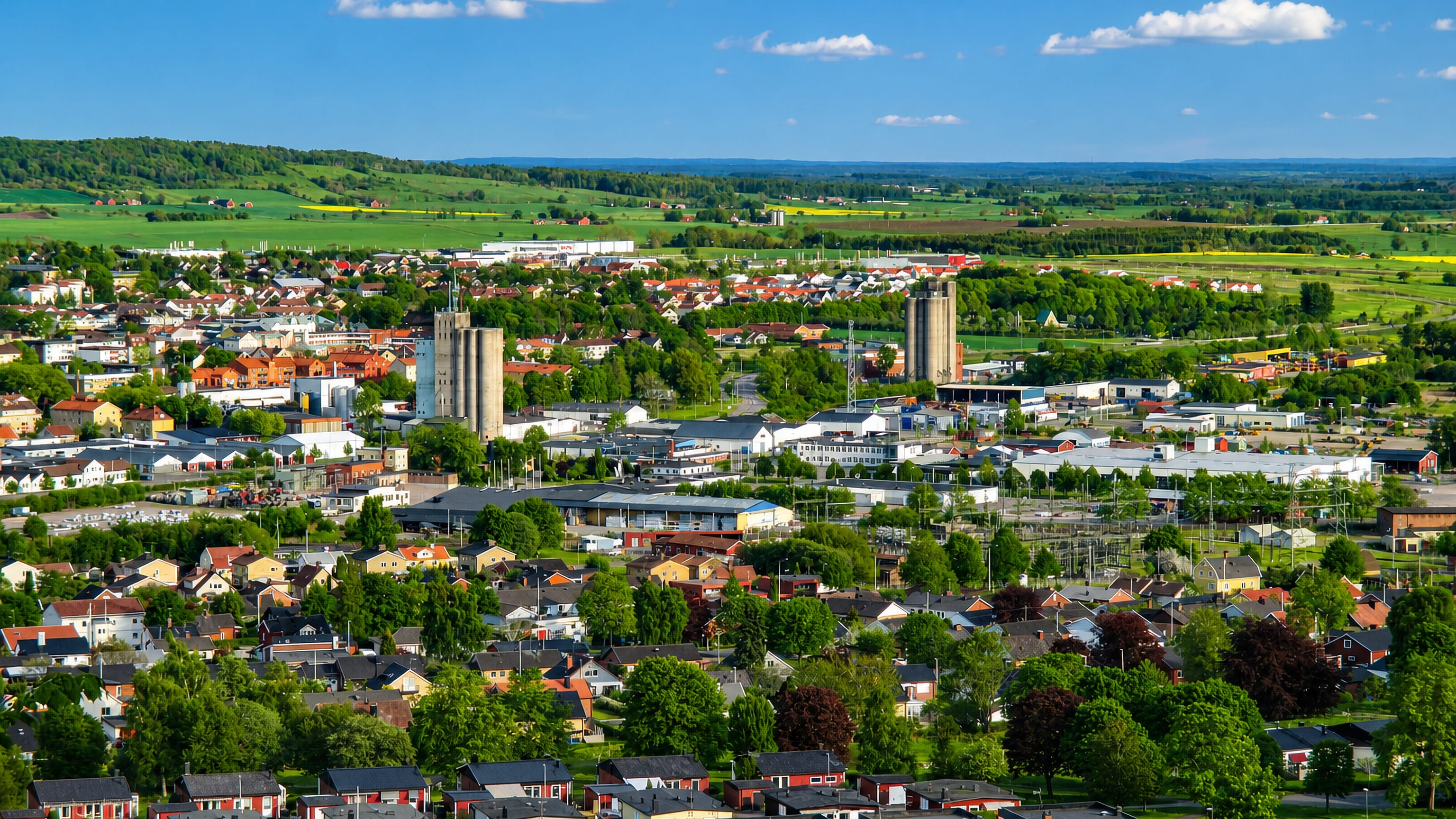
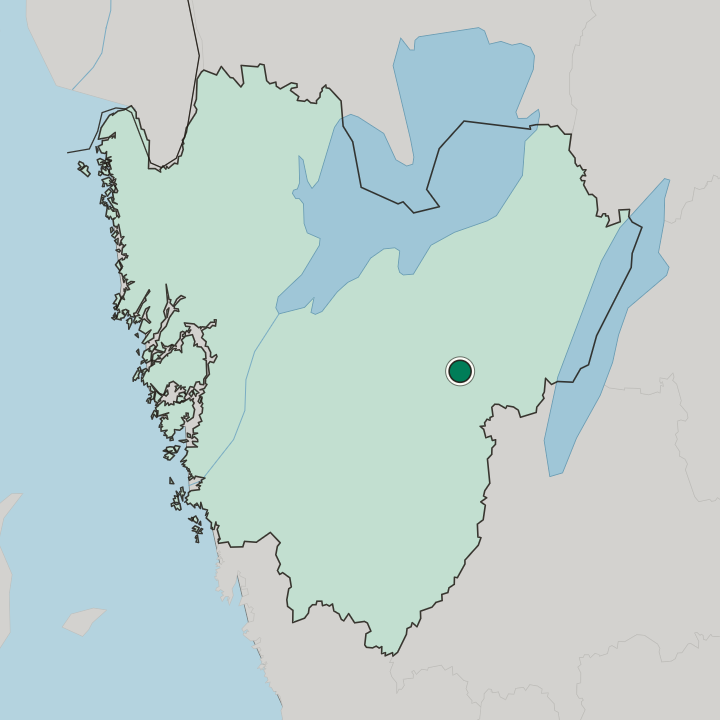
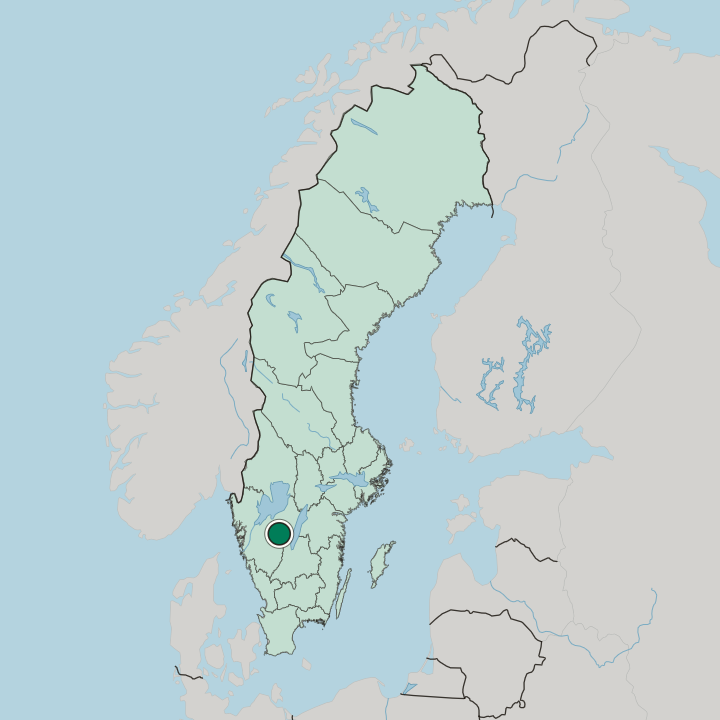
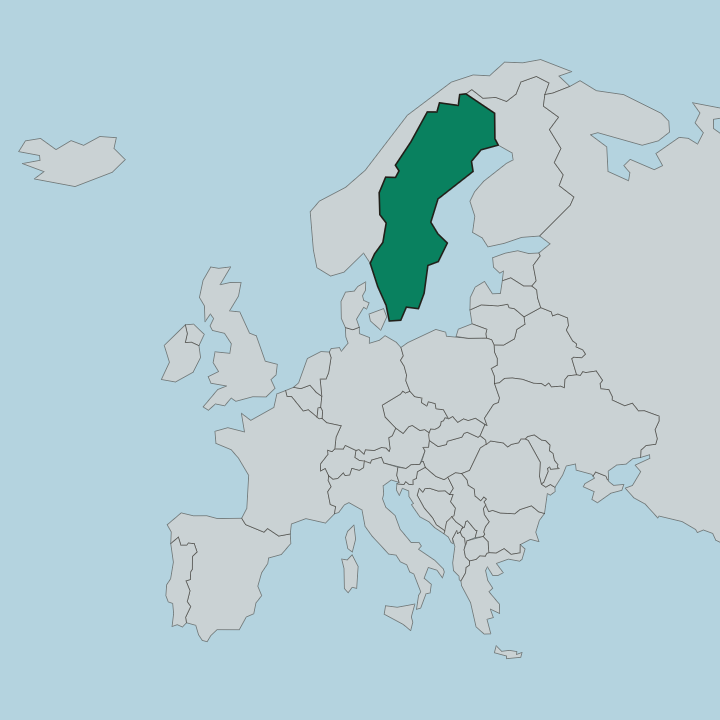
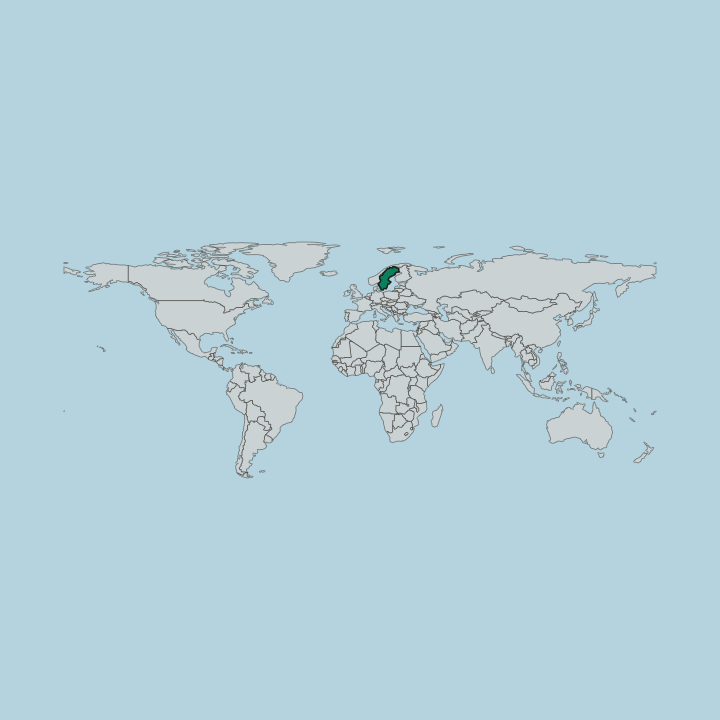
Falköping is a town in the eastern part of Västra Götaland County, in western Sweden, on the Falbygden plain in Västergötland.
Hotel links are affiliate links: booking through them may earn us a commission, at no extra cost to you. It never affects how places are ranked. How this works


Where to stay in Falköping
Where the beds are, and what that means for the visit.
Most visitors stay in the centre of Falköping, where hotels and guesthouses sit within an easy walk of the station, the shops, and Sankt Olofs kyrka. The centre suits first-timers who want a bed by the railway and a quick reach of the plain and its ancient tombs, and it makes a steady base for day trips across Västergötland. It works well for rail travellers.
Rooms here fill across the warmer weeks, when walkers come for the plateau hills and the Stone Age sites of the district. Beyond the centre the plain and the hills open out. Farm stays, cabins, and self-catering cottages stand among the fields and the plateau country around Mösseberg and Ålleberg, giving drivers a quiet setting close to the tombs and the trails.
Reserve early for the warmer weeks. Travellers wanting a wider choice of hotels can base themselves in the larger towns nearby and drive the short way to Falköping for the museum and the prehistoric plain.
Find hotels in Falköping
Direct booking searches for these neighbourhoods.
Town centre
station, shops and Sankt Olofs kyrka within a short walkFind hotels in Town centrewalkers and driversPlateau country
farm stays and cabins near Mösseberg and Ålleberg. Beds are limited here, so book early.Find hotels in Plateau countrythose seeking the tombsSurrounding plain
self-catering cottages among the fields and graves. Beds are limited here, so book early.Find hotels in Surrounding plainHotel links are affiliate links: booking through them may earn us a commission, at no extra cost to you. It never affects how places are ranked. How this works
Things to do in Falköping
Ranked by global recognition; descriptions from Wikidata (CC0).
Museums & Galleries
3- Falbygden museum municipal museum
- Fonus Begravningsmuseum
- Lennart Magnussons motorcykelmuseum working life museum
Churches & Religious Sites
5- Sankt Olofs kyrka Heritage
- Mösseberg church Heritage
- Friggeråkers kyrka Heritage
- Fredriksberg Church Heritage
- Bestorps kyrkplats Heritage
Stadiums & Sports
1- Frejahallen
worth knowingacross 3 categories in Falköping
About Falköping
Falköping is known for its prehistoric stone tombs.
What is Falköping known for?
The Falbygden plain around the town holds one of the densest groups of megalithic passage graves in northern Europe, raised by the farmers of the Stone Age and still standing in the fields. The land is layered with the past. Falbygdens museum gathers the finds and tells the story of those ancient builders, and the tombs, the plateau hills, and the deep Neolithic heritage give this plain town its lasting character.
What are the main landmarks in Falköping?
Sankt Olofs kyrka stands at the heart of Falköping, the old church marking the centre of the plain town. Stone graves dot the fields. The megalithic passage tombs of the Falbygden plain spread across the country around, while Falbygdens museum keeps their finds and their story, and the plateau hills of Mösseberg and Ålleberg rise above the cultivated land to frame the wider district of Västergötland.
What is the history of Falköping?
Falköping rests on some of the oldest farmed ground in Sweden. The passage graves of the Falbygden plain were raised by Neolithic farmers thousands of years ago, marking a settled land of fields and tombs long before the medieval town gathered around its church on the plain. People have farmed here for millennia.
The soil drew them early. The medieval town grew at a meeting of roads and parishes. Falköping served as a market and church centre for the rich farmland of Västergötland, and the coming of the railway in the nineteenth century made it a junction, drawing trade and small industry to the plain.
The station shaped the modern centre. Sankt Olofs kyrka, the museum, and the streets around the railway still tie the working town to the deep prehistoric story written across the fields of the Falbygden plain.
Where is Falköping?
Falköping lies in the eastern part of Västra Götaland County, set on the Falbygden plain in the old province of Västergötland in western Sweden. The land is a broad, fertile lowland of fields and farms, framed by the flat-topped plateau hills of Mösseberg and Ålleberg that rise like islands above the cultivated ground. The plain is open and wide.
Streams drain the country toward the great lakes of the province, and the tombs of the Stone Age stand scattered through the farmland around the town.
What is the climate of Falköping?
Falköping has a cool temperate climate with a moderate inland character. Winters bite. The open plain lies away from the full warming reach of the western sea, while the plateau hills draw their own weather above the fields and hold the snow late.
Summers stay mild and green over the fields. Long northern daylight stretches the evenings late around midsummer, the warmest season and the busiest weeks for walking the plain and visiting the Stone Age tombs around the town. Rain and snow visit the plain through every season.
How do you get to Falköping?
Falköping sits on the main line across Västergötland, easily reached by rail. Trains stop here on the route between Göteborg and Stockholm, and roads cross the plain to the town from across the province. Buses serve the centre too.
The nearest large airports lie at Göteborg and Landvetter to the west, so most visitors arrive by train or by car, the journey crossing the open farmland of the eastern county to reach the plain town.
Common questions
What is the best area to stay in Falköping?
Town centre: rail travellers. Plateau country: walkers and drivers. Surrounding plain: those seeking the tombs.
Good for
More cities in Västra Götaland County
Updated October 2026