Sweden
Västra Götaland County, Sweden — Towns & Travel Guide
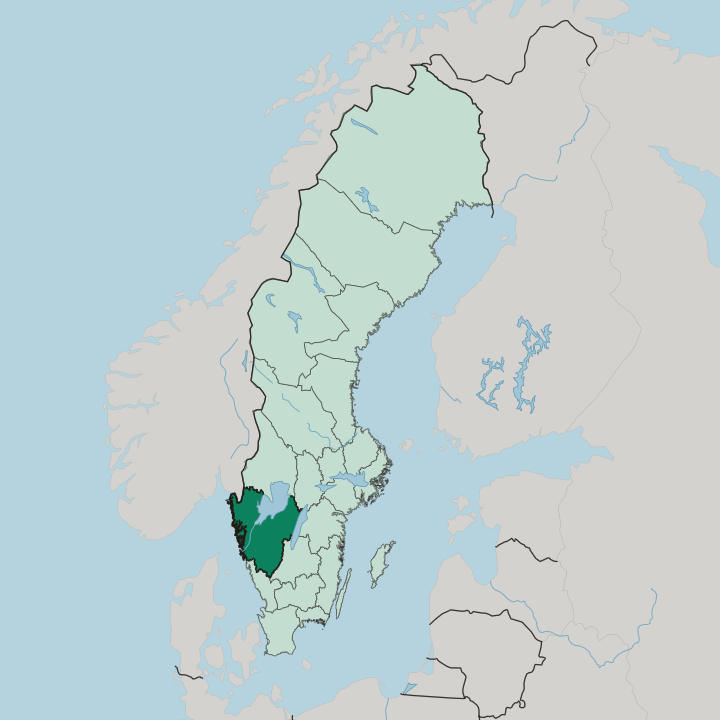
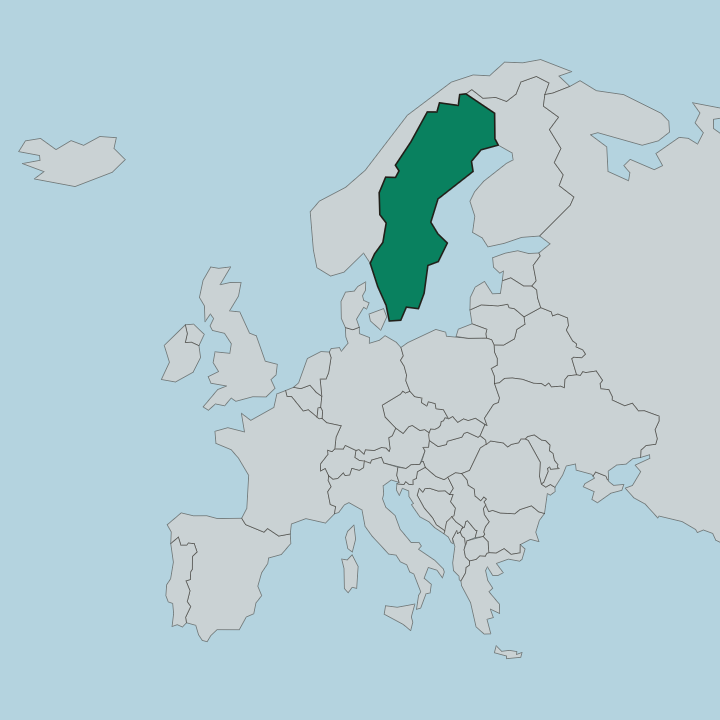
Västra Götaland County is a large coastal län in western Sweden, running from the Bohuslän archipelago across the plains to the shore of Lake Vänern.
Hotel links are affiliate links: booking through them may earn us a commission, at no extra cost to you. It never affects how places are ranked. How this works


Towns & cities in Västra Götaland County
Pick a town or city — each links to where to stay.
 Sweden
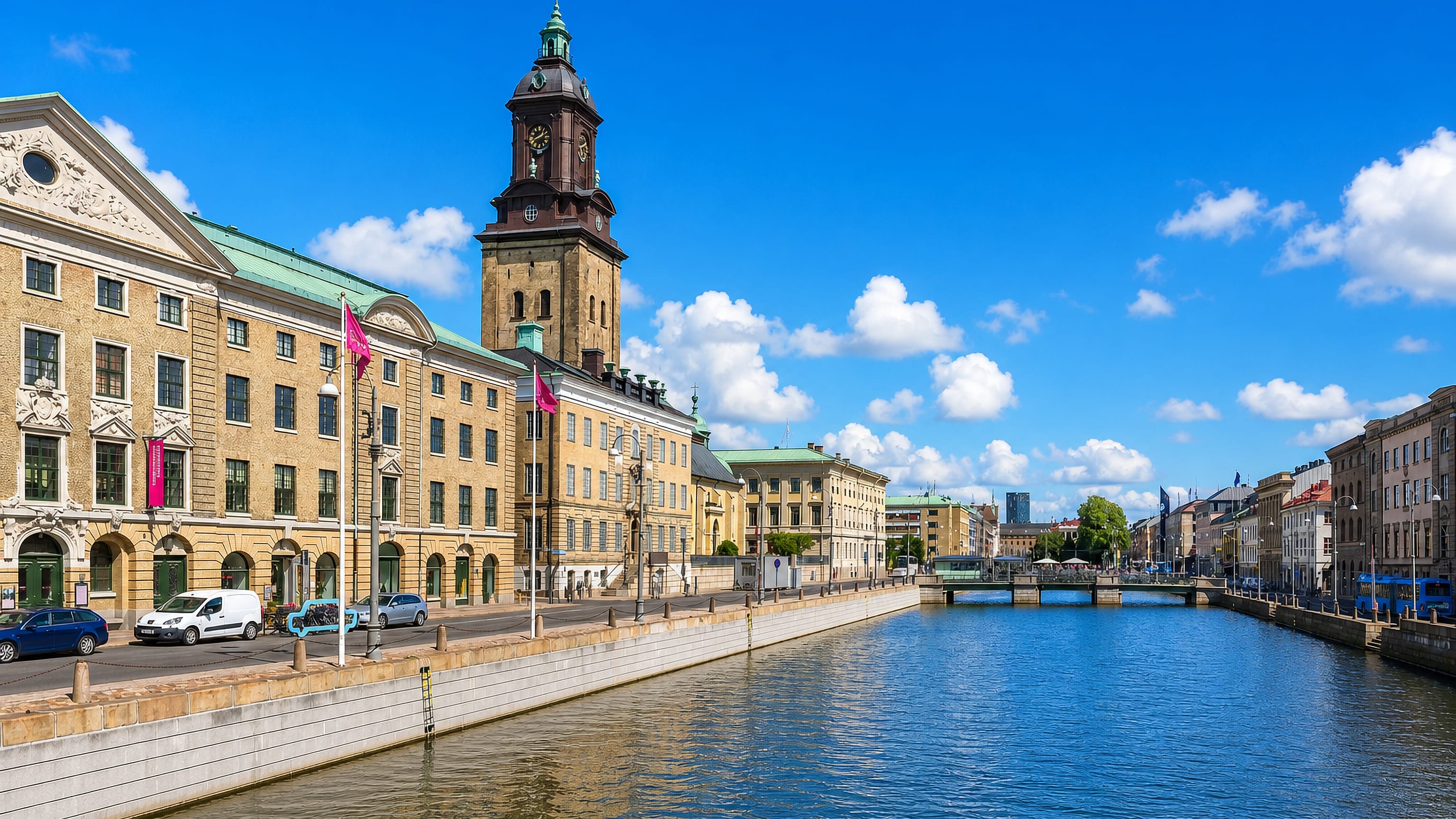
Gothenburg
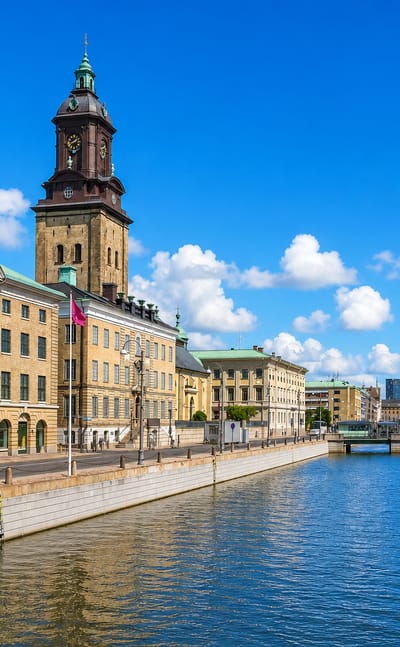
Göteborg is Sweden's second-largest city, a major port on the west coast where the Göta älv river meets the Kattegat.Where to stay →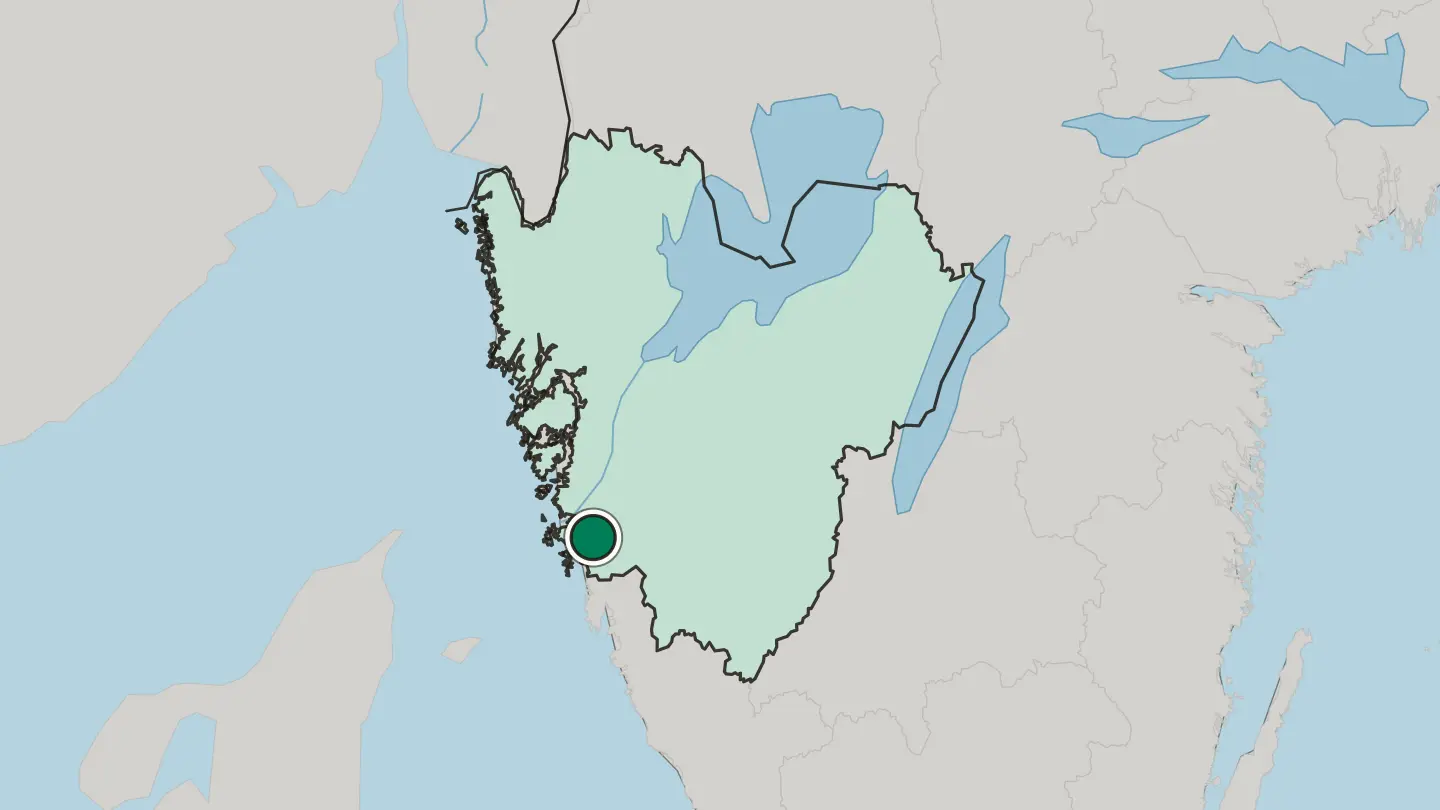
 Sweden
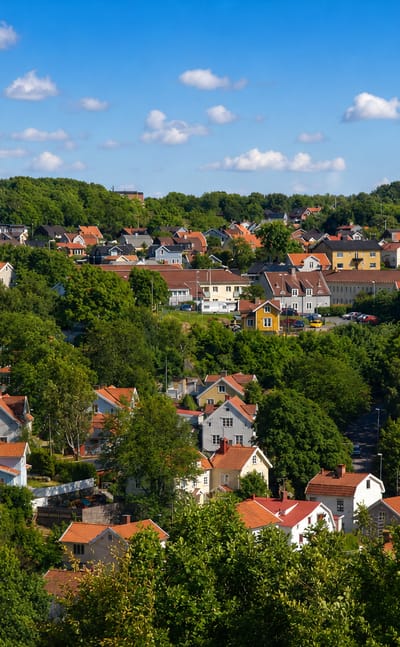
Borås
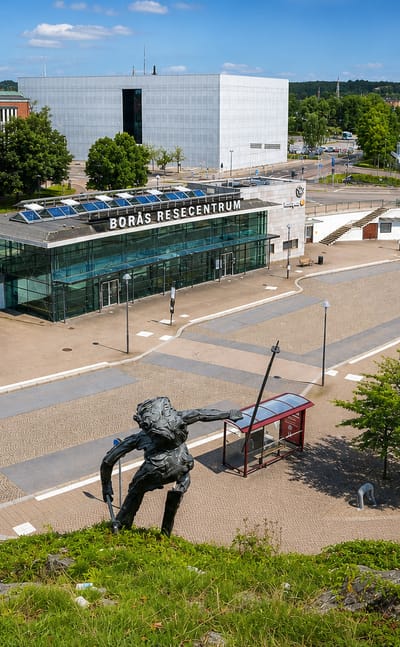
Borås is a city in the south-eastern part of Västra Götaland County, in south-western Sweden, on the Viskan river east of Göteborg.Where to stay →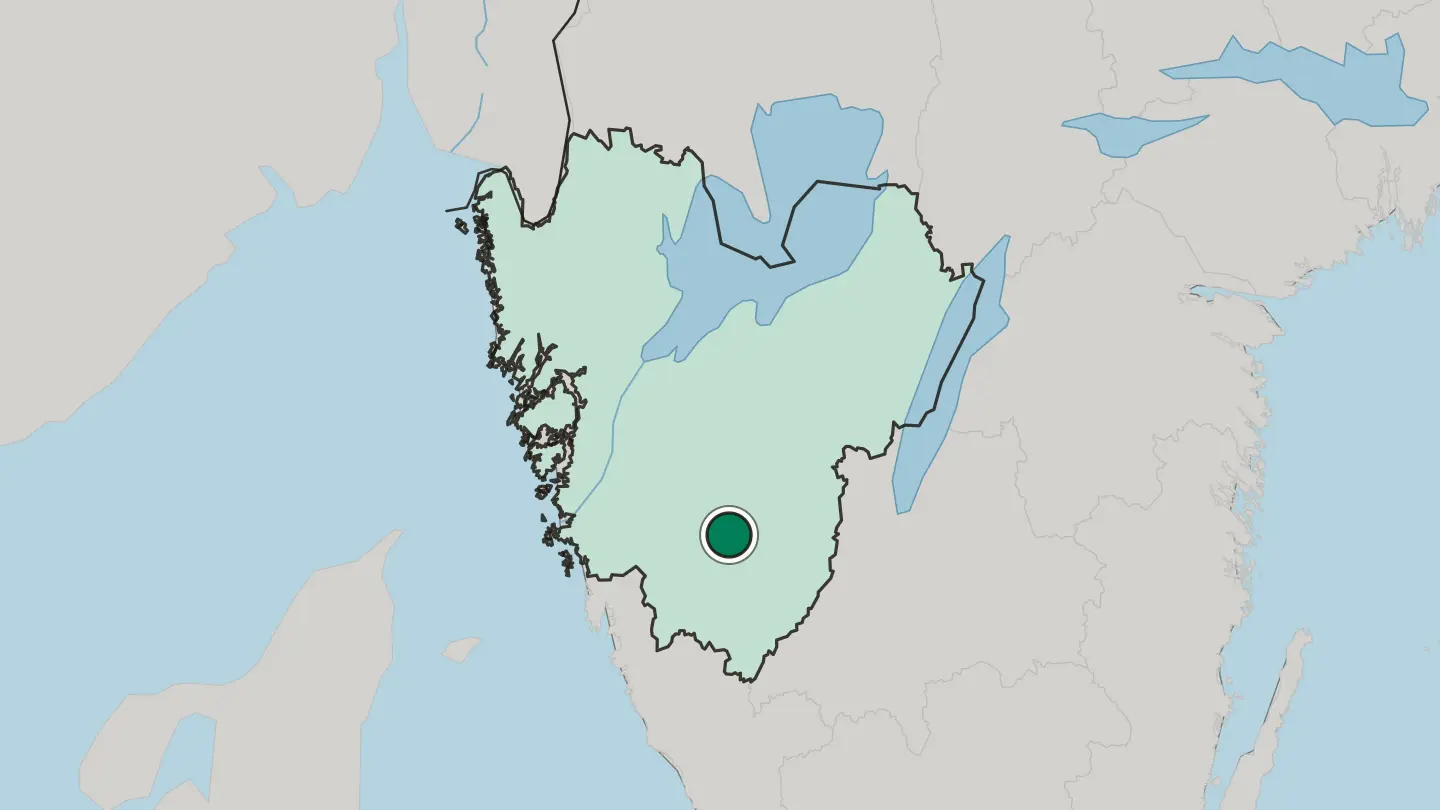
 Sweden
Mölndal
Mölndal is a city in southern Västra Götaland County, the seat of its municipality and part of the Göteborg urban area.Where to stay →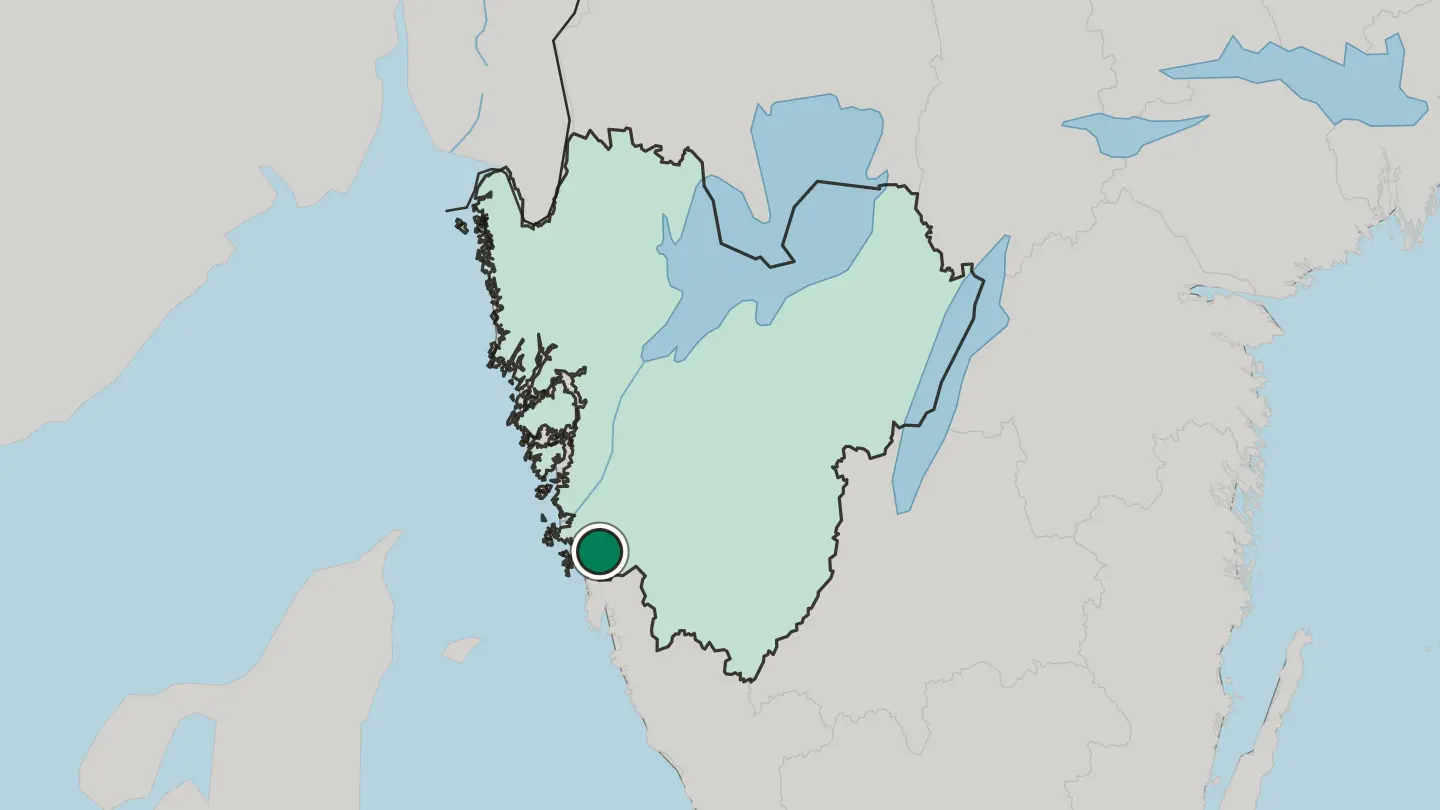
 Sweden
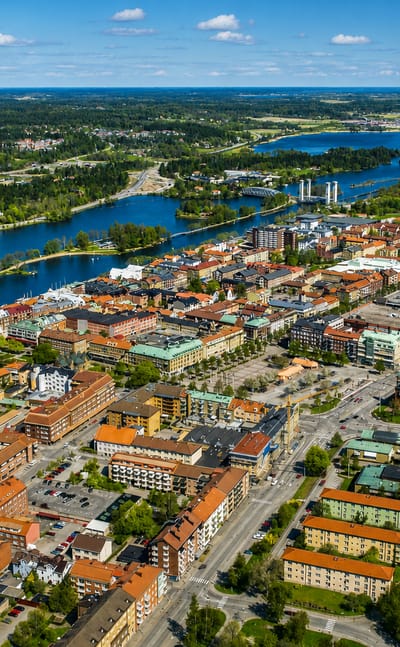
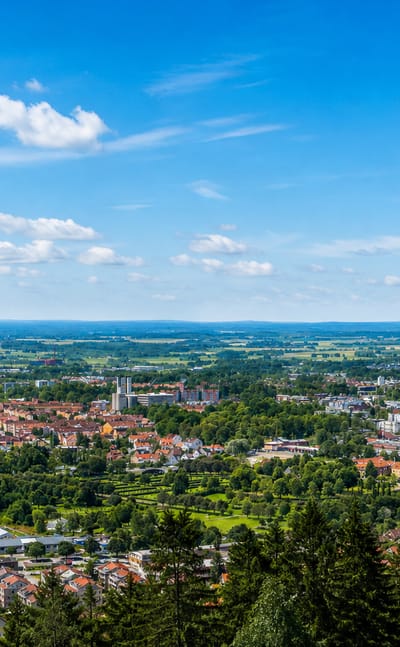
Trollhättan
Trollhättan is an industrial and falls town on the Göta älv in western Sweden, in the eastern part of Västra Götaland County.Where to stay →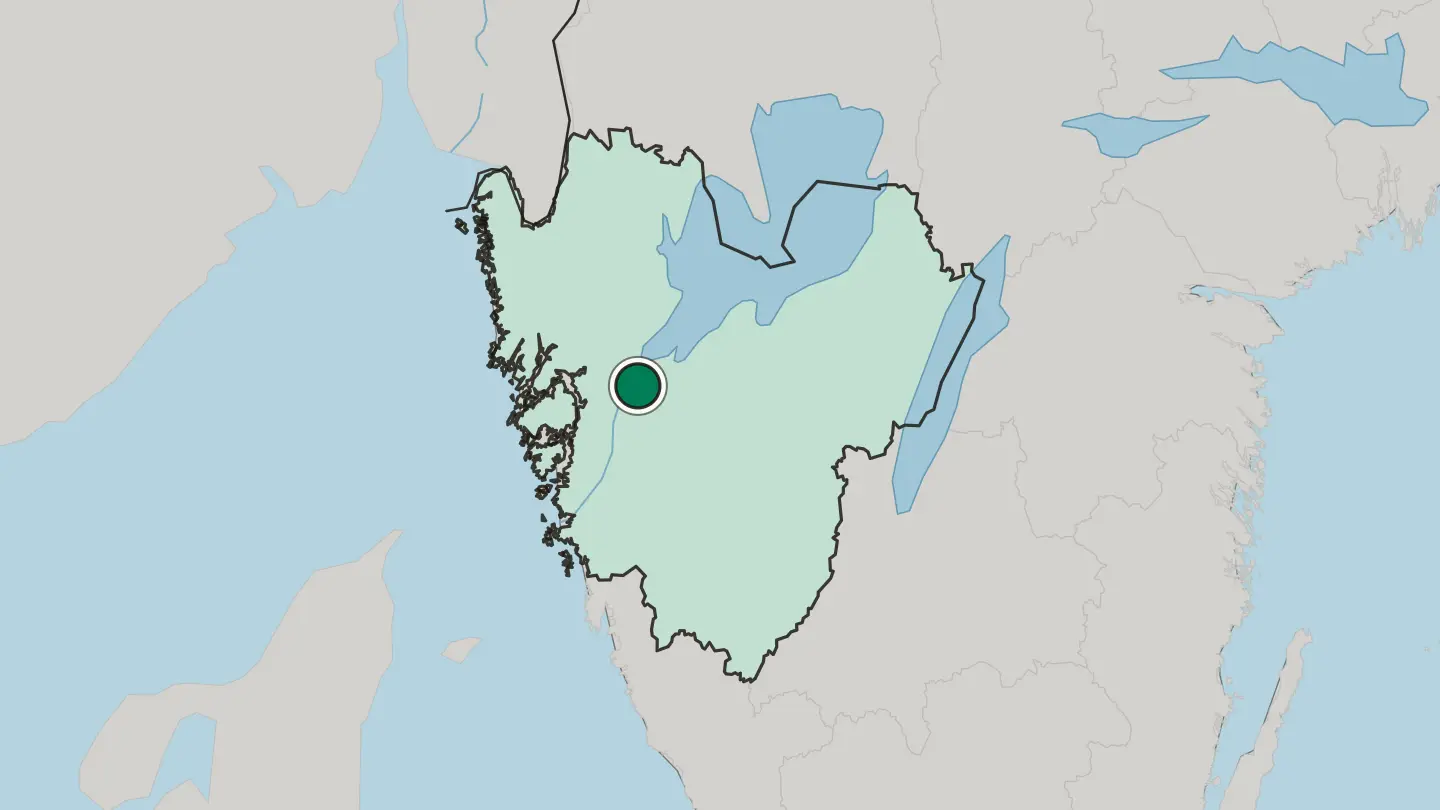
 Sweden
Skövde
Skövde is an inland city in north-eastern Västra Götaland County, below the wooded Billingen plateau between the lakes Vänern and Vättern.Where to stay →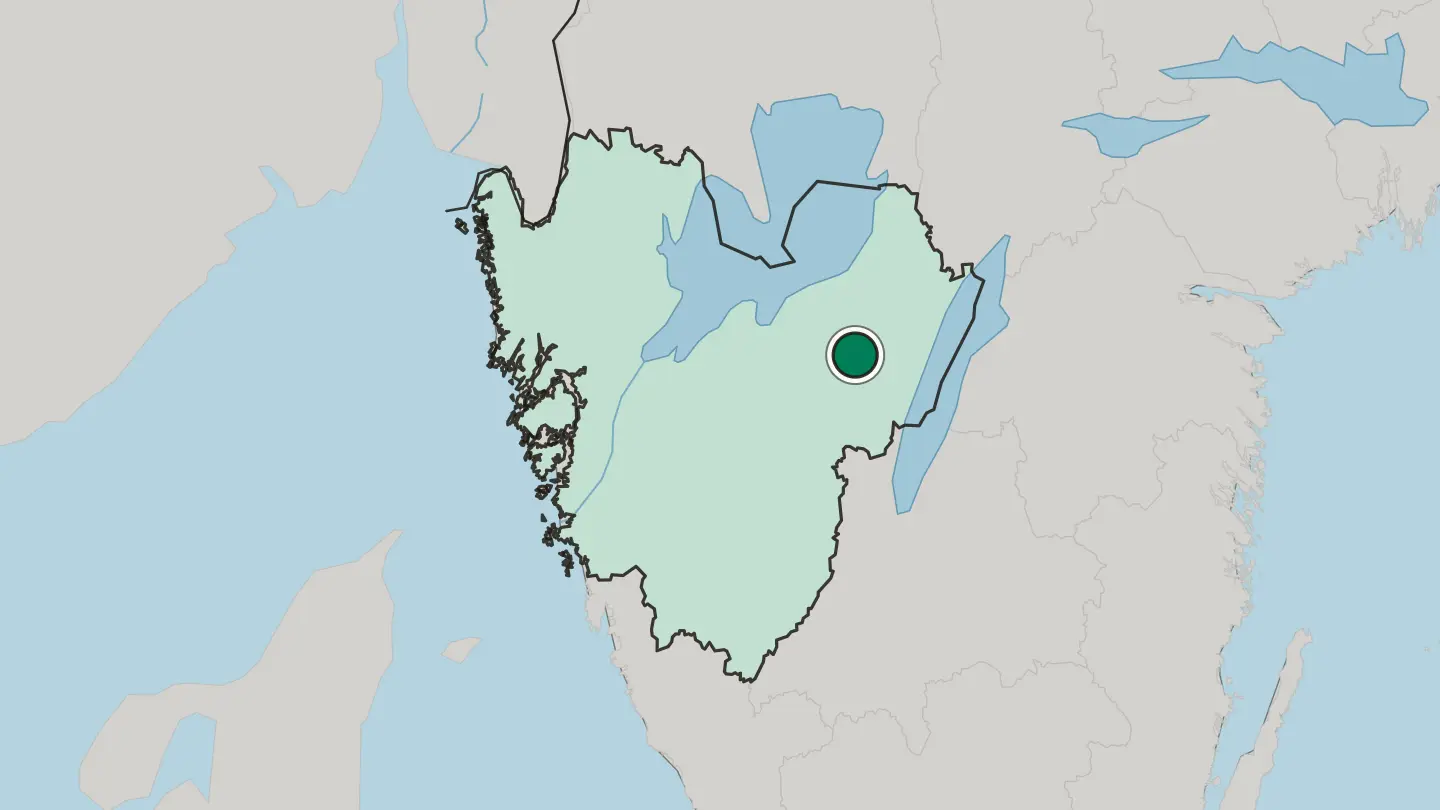
 Sweden
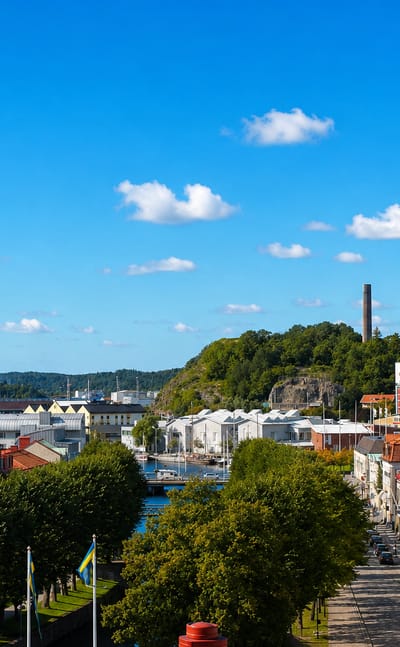
Uddevalla
Uddevalla is a coastal town in Bohuslän, set where the Bäveån opens into the Byfjorden on the west coast of Sweden.Where to stay →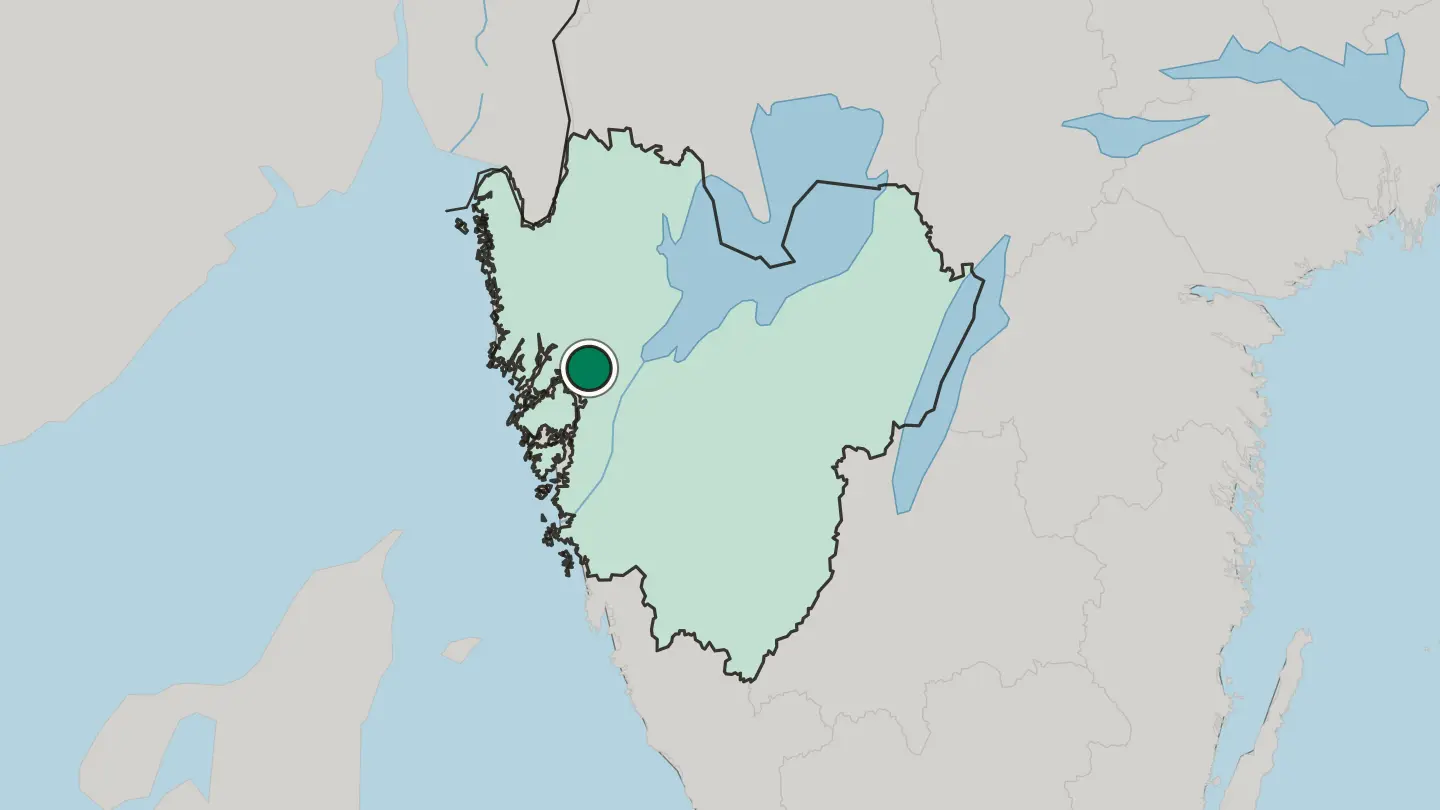
 Sweden
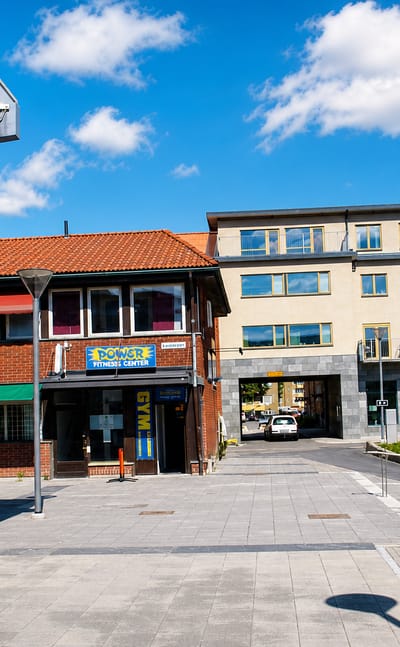
Partille
Partille is a city in south-eastern Västra Götaland County, the seat of its municipality and part of the Göteborg urban area.Where to stay →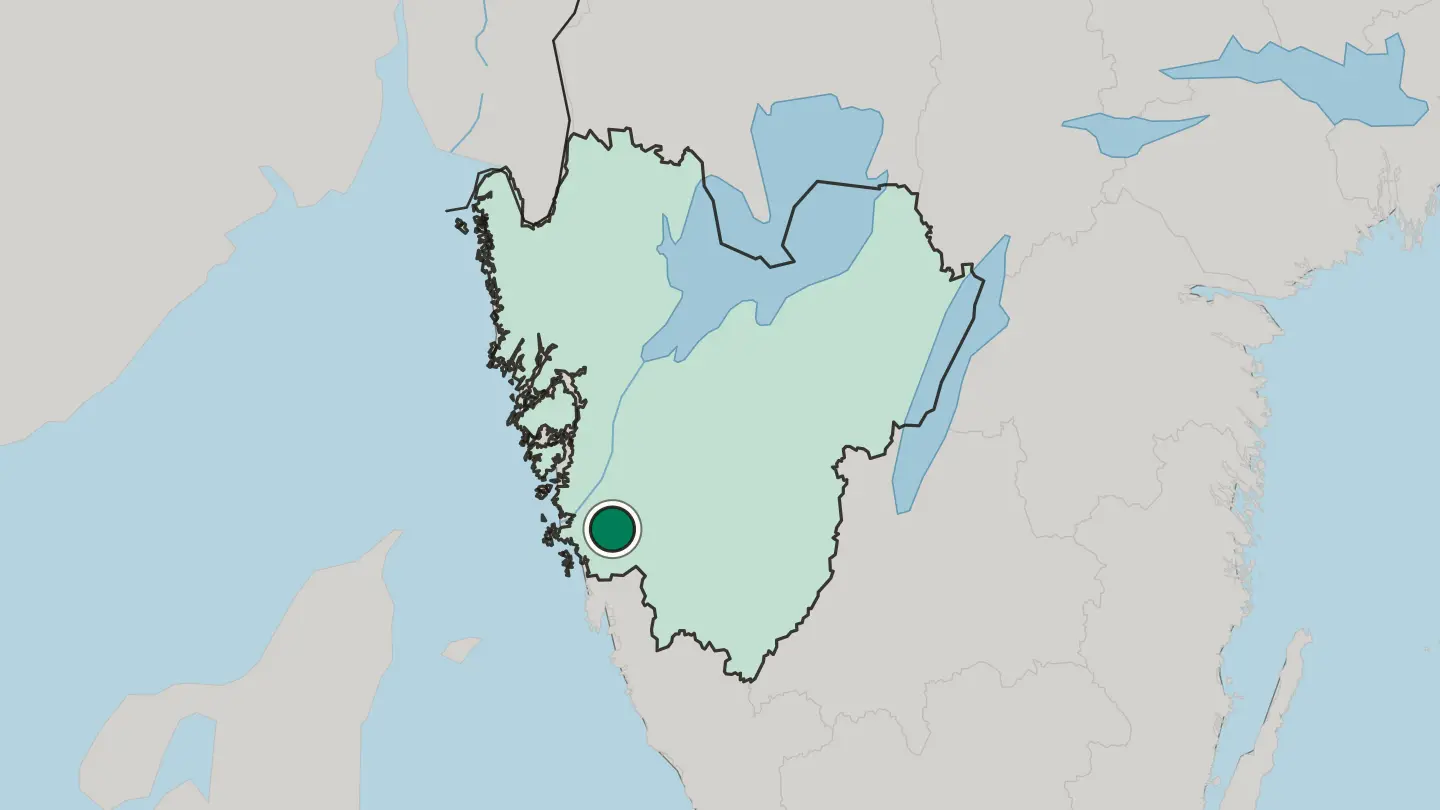
 Sweden
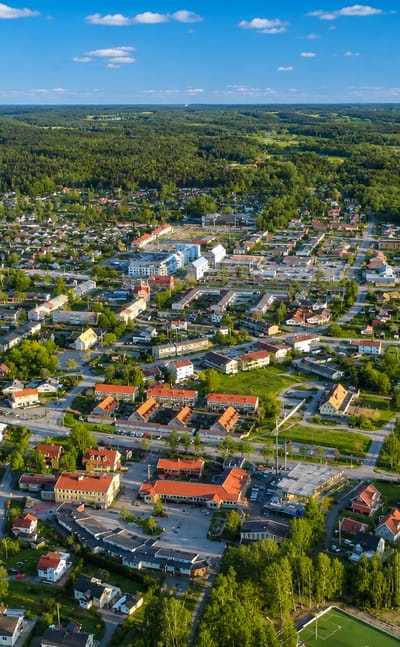
Lerum
Lerum is a town in south-eastern Västra Götaland County, the seat of its municipality in the Säveån valley east of Göteborg.Where to stay →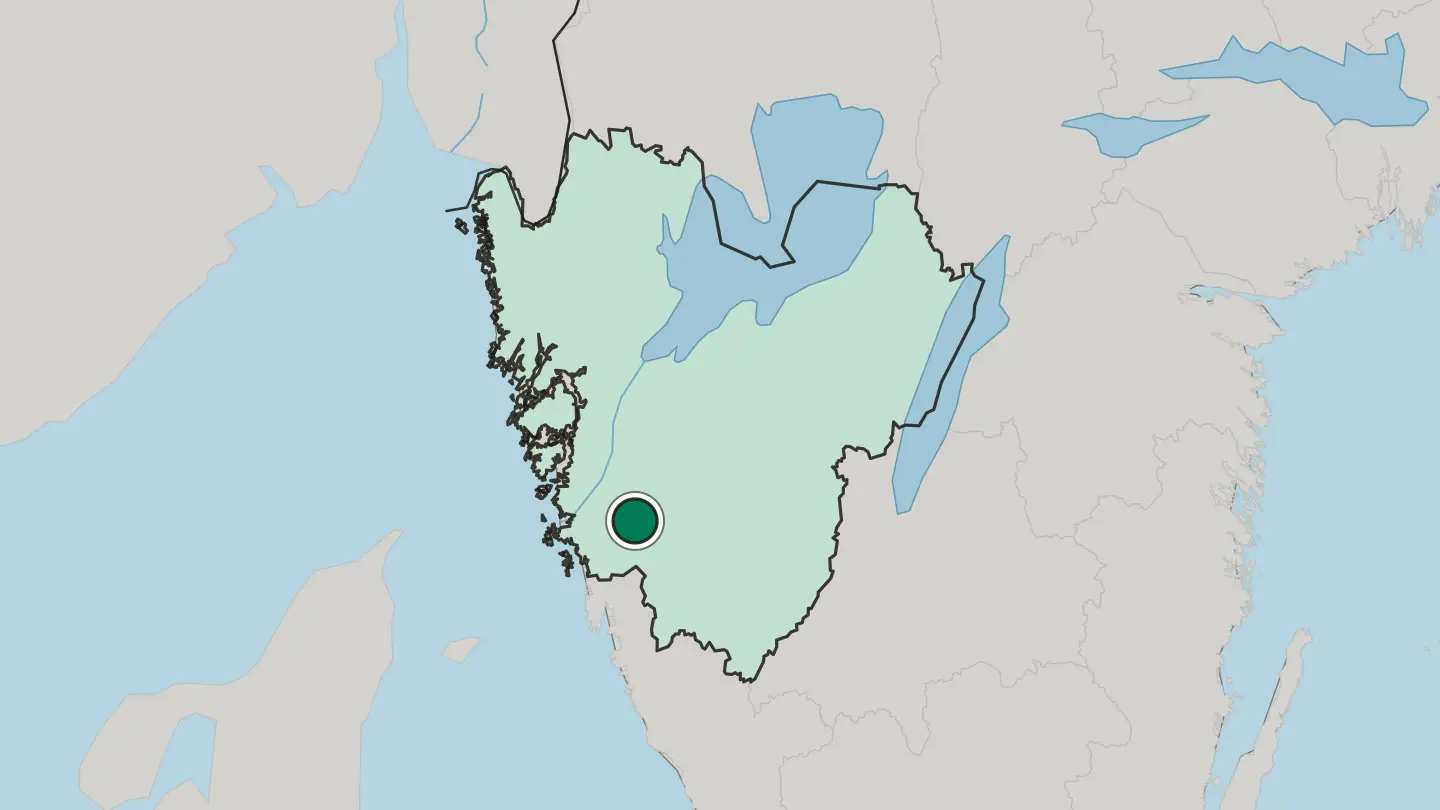
All towns & cities (50)
Sweden
Alingsås
Alingsås is a town in the south-eastern part of Västra Götaland County, in south-western Sweden, between Göteborg and Lake Mjörn.Where to stay →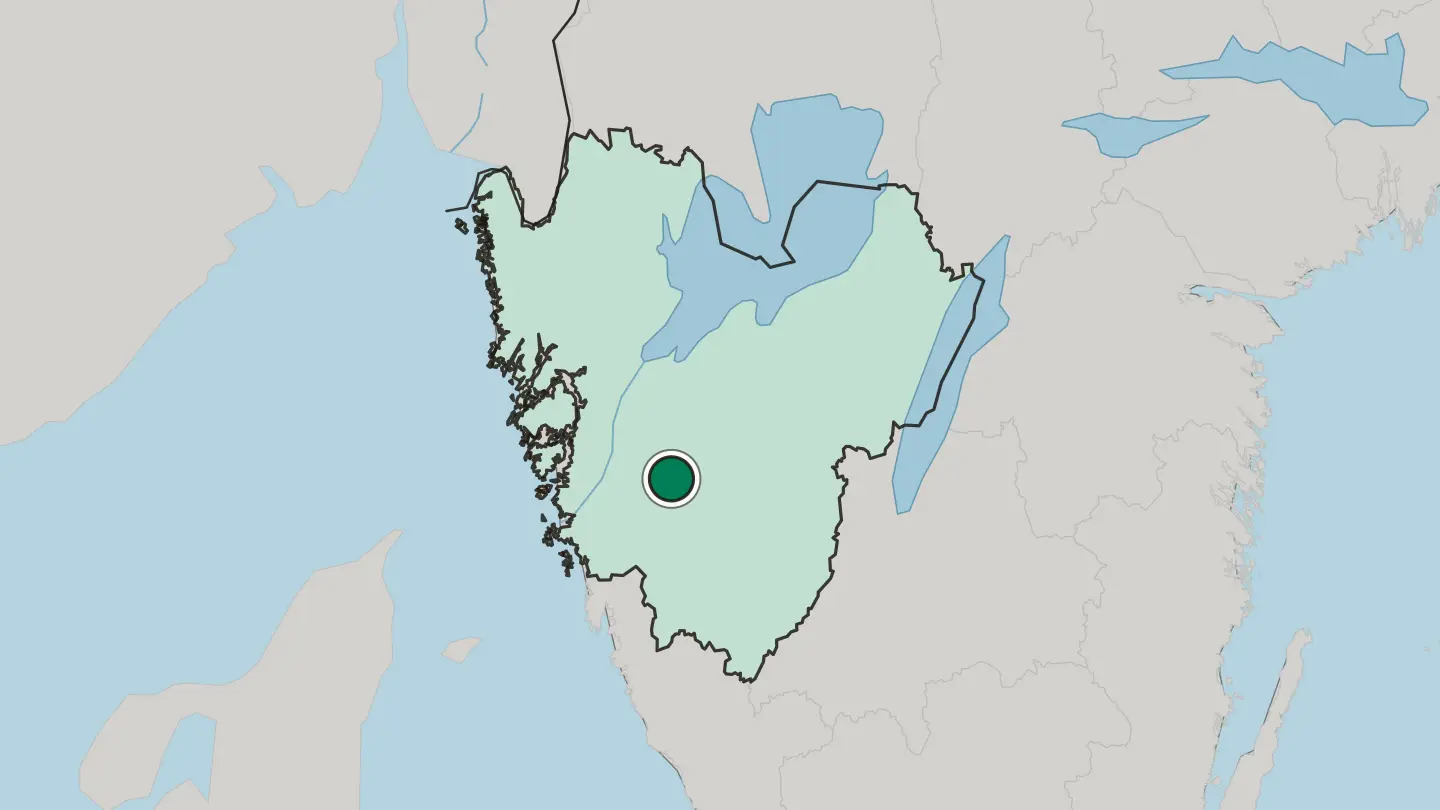
 Sweden
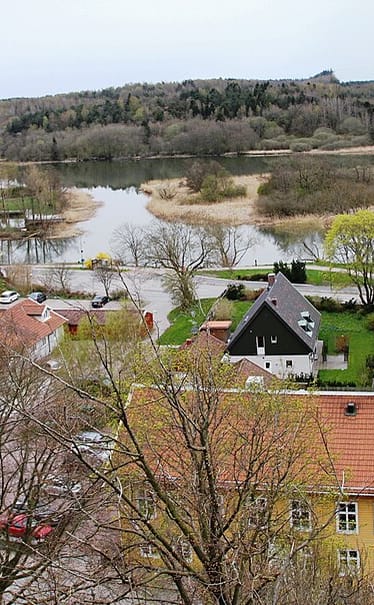
Kungälv
Kungälv is a historic town in southern Västra Götaland County, on the Göta älv just north of Göteborg.Where to stay →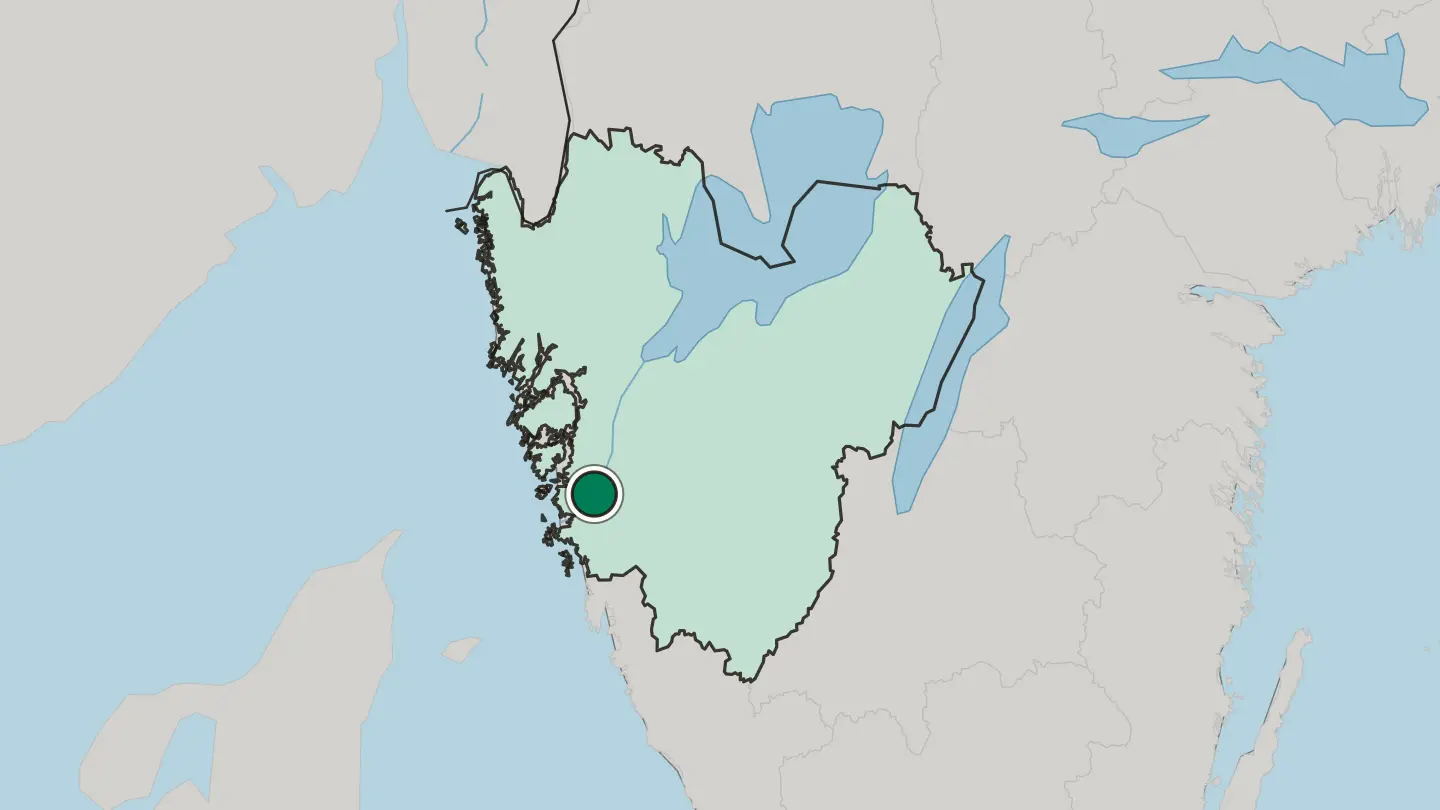
 Sweden
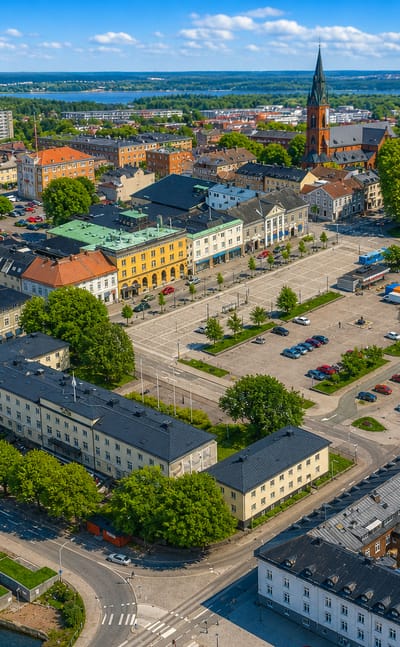
Vänersborg
Vänersborg is a lakeside city in the eastern part of Västra Götaland County, set where the Göta älv leaves Lake Vänern in western Sweden.Where to stay →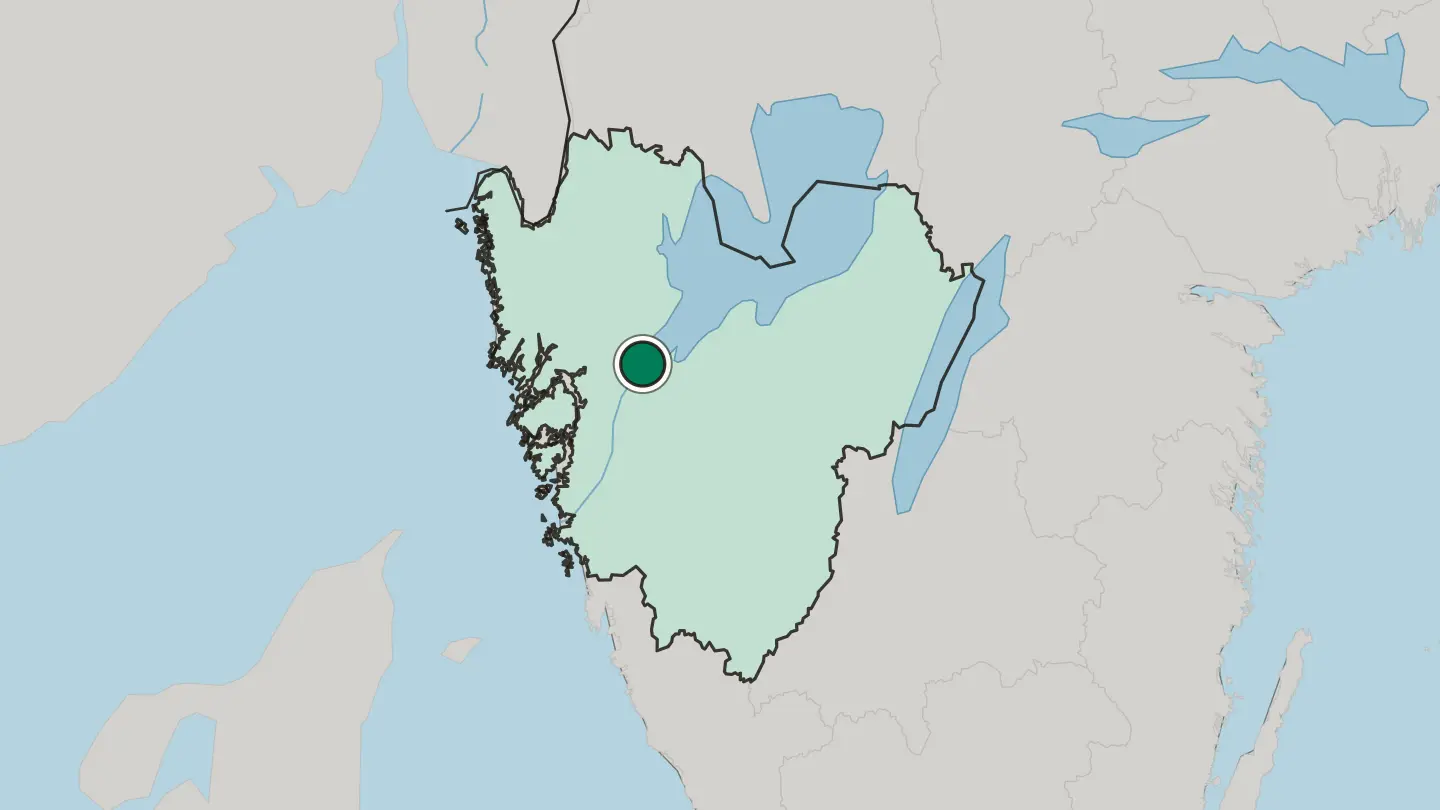
 Sweden
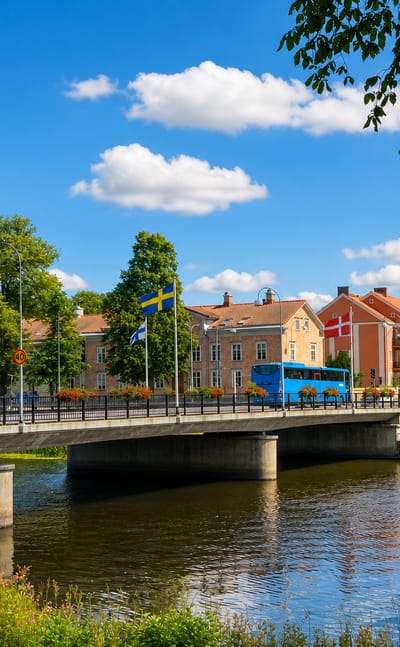
Lidköping
Lidköping is a town in north-eastern Västra Götaland County, where the Lidan river joins the southern shore of Lake Vänern.Where to stay →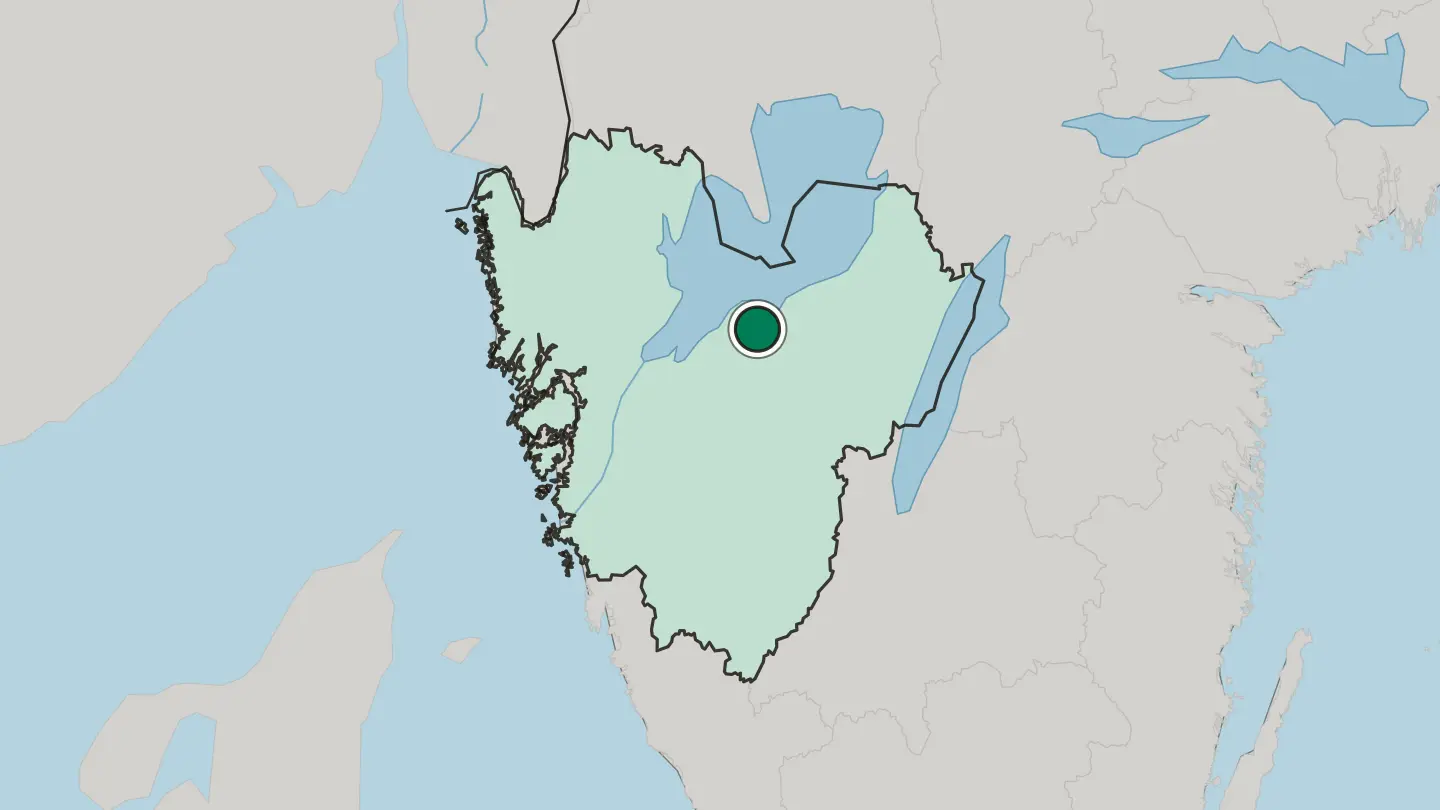
 Sweden
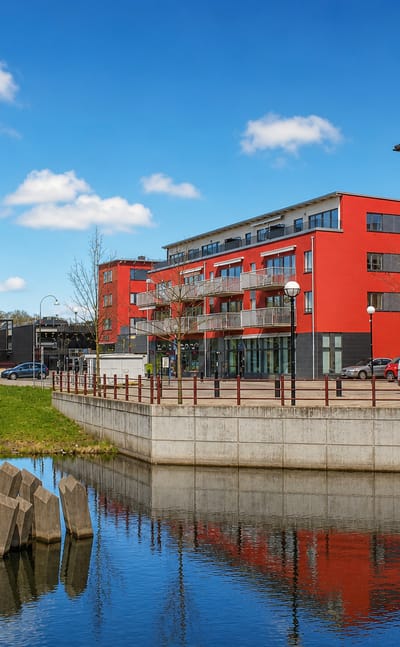
Mölnlycke
Mölnlycke is a small town in the south-eastern part of Västra Götaland County, in south-western Sweden, the seat of Härryda Municipality near Göteborg.Where to stay →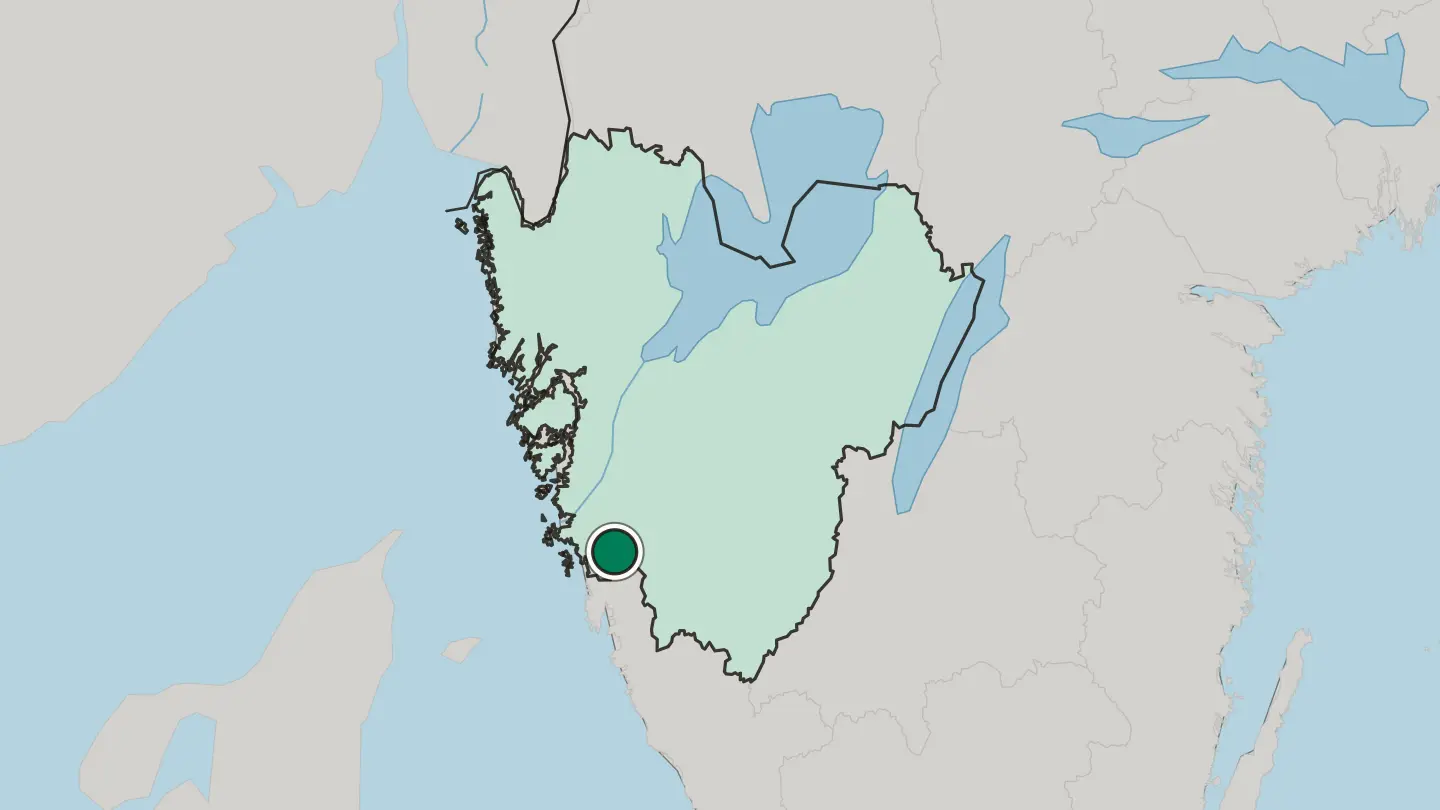
 Sweden
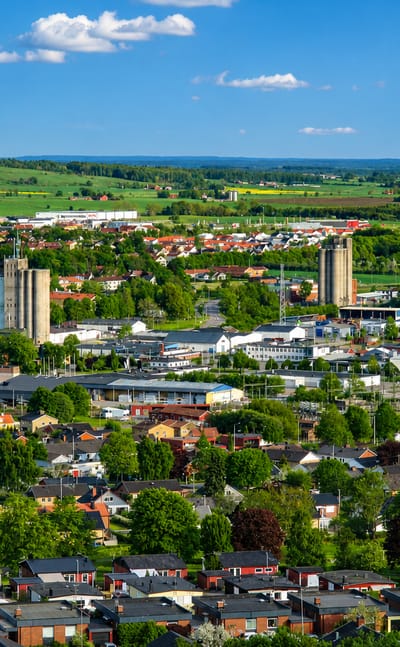
Falköping
Falköping is a town in the eastern part of Västra Götaland County, in western Sweden, on the Falbygden plain in Västergötland.Where to stay →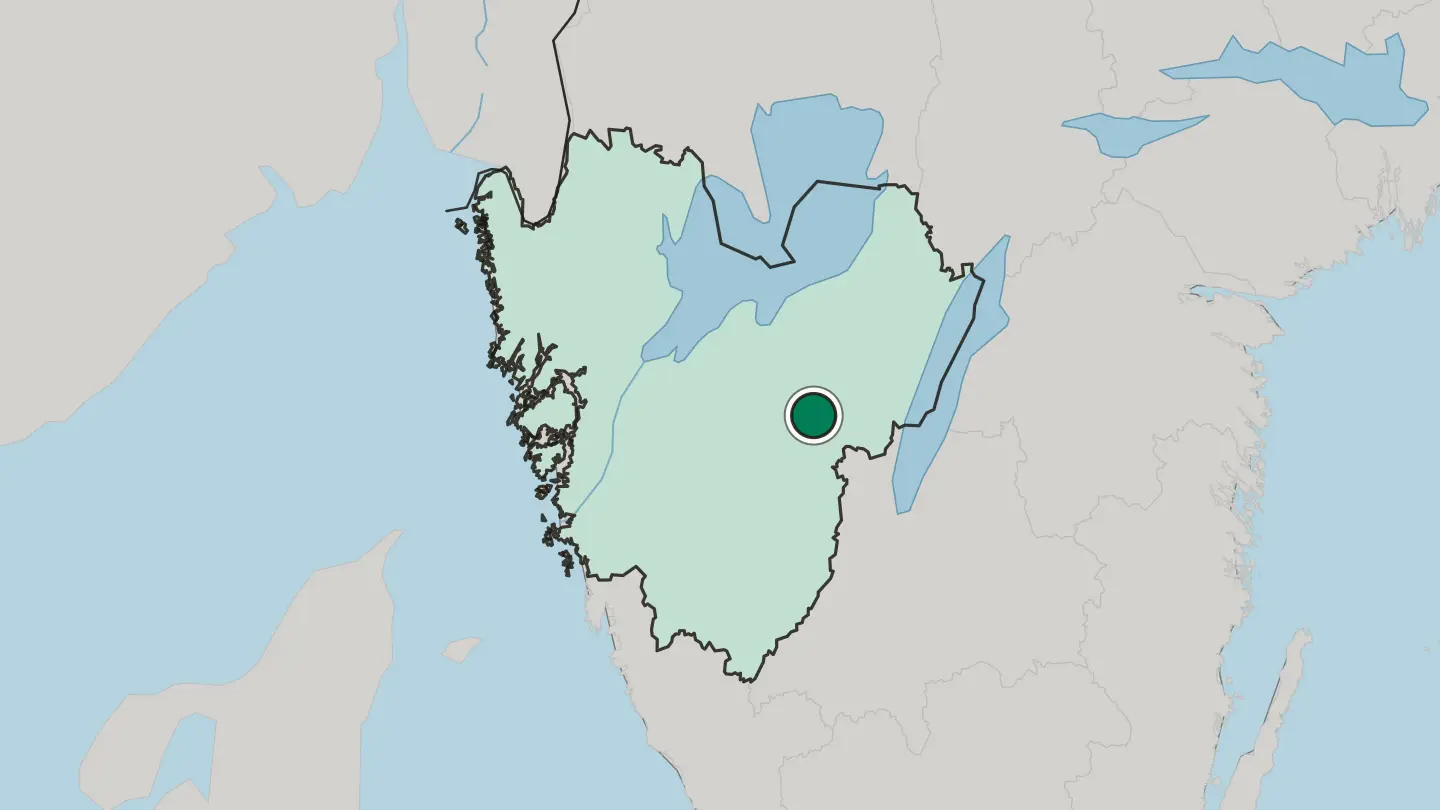
 Sweden
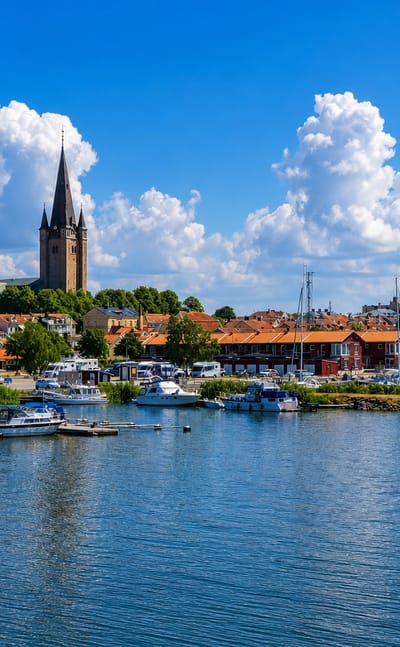
Mariestad
Mariestad is a town in north-eastern Västra Götaland County, where the Tidan river runs into the eastern shore of Lake Vänern.Where to stay →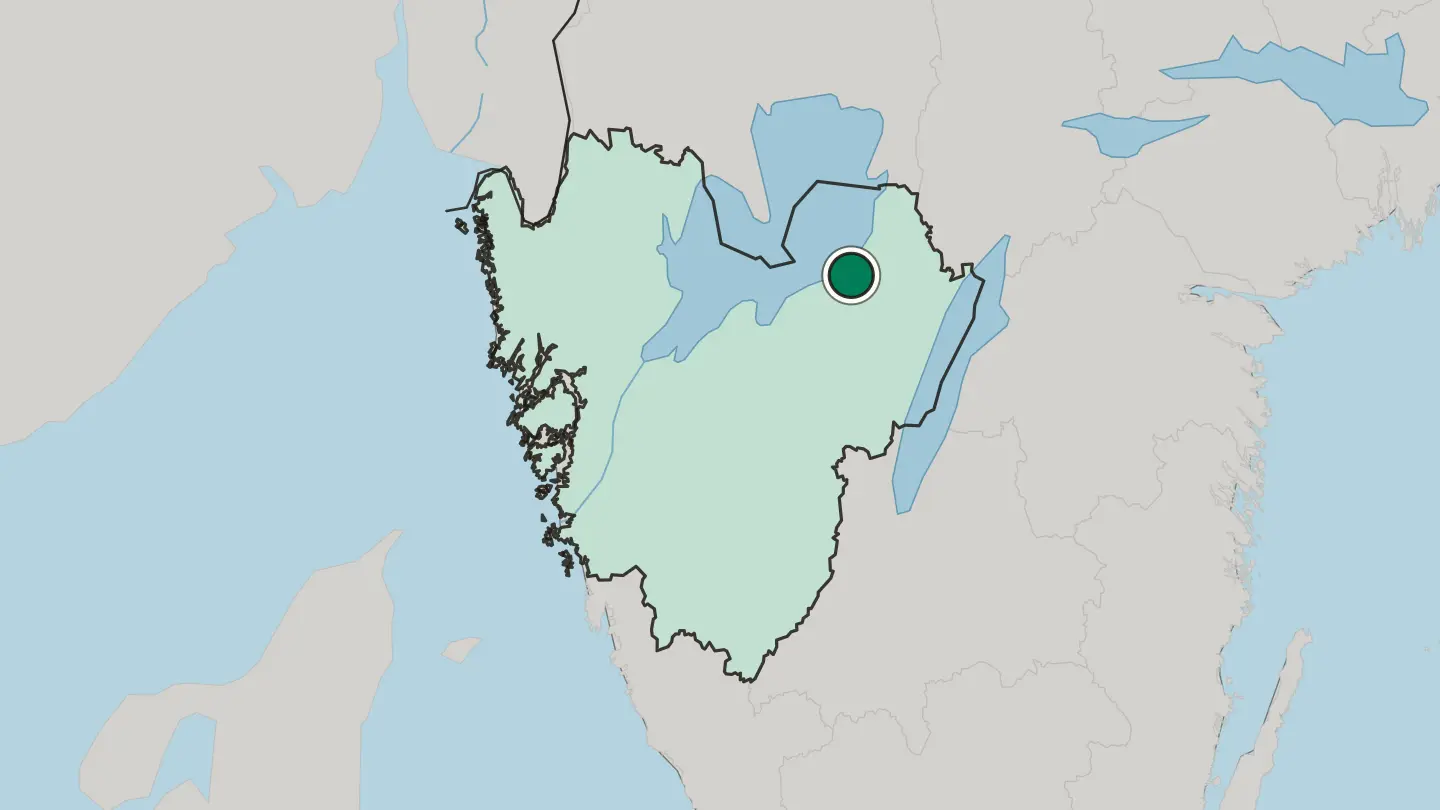
 Sweden
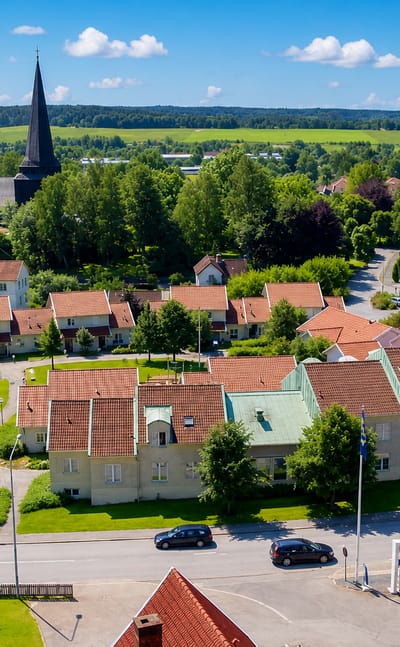
Kinna
Kinna is a textile town in the south-eastern part of Västra Götaland County, in south-western Sweden, the seat of its municipality on the river Viskan.Where to stay →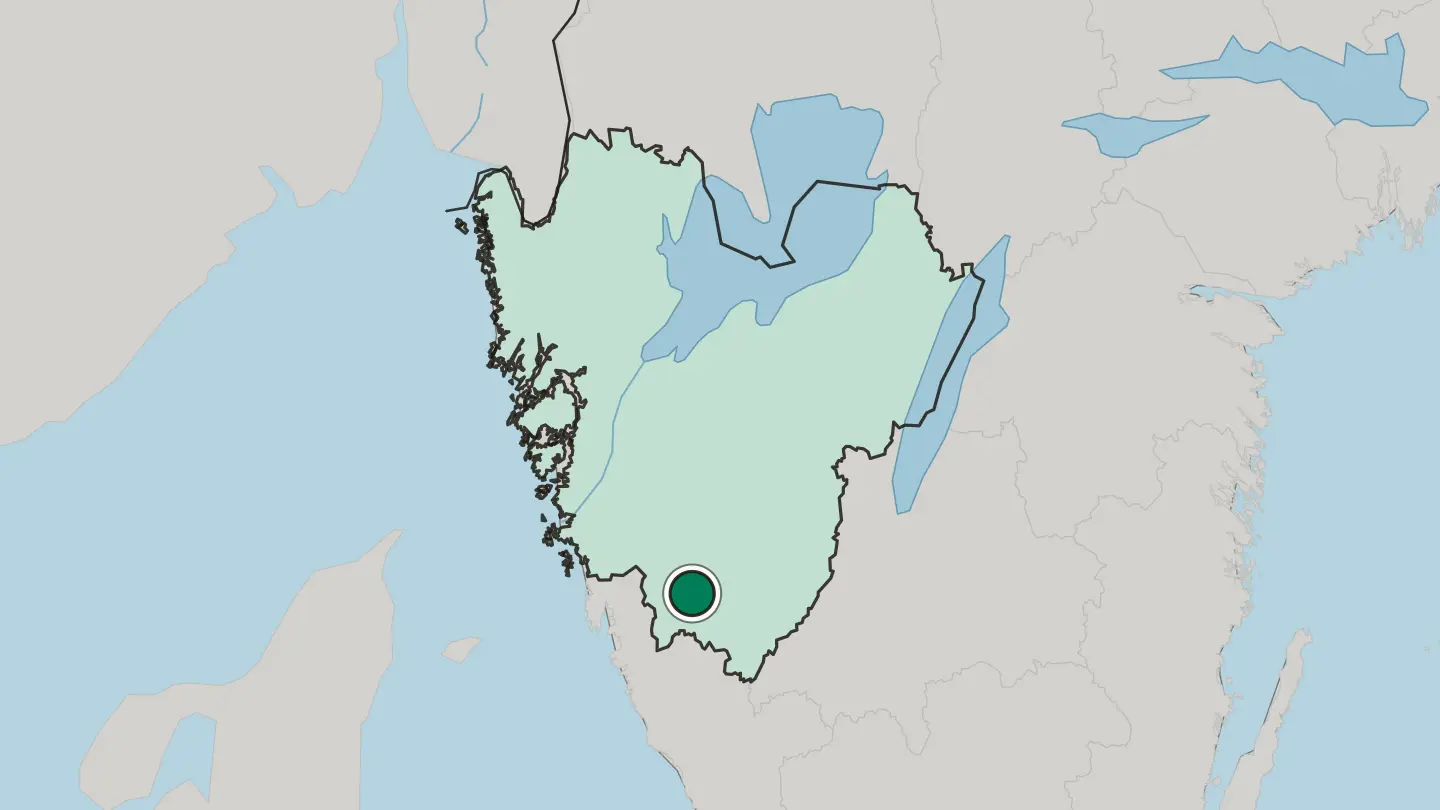
 Sweden
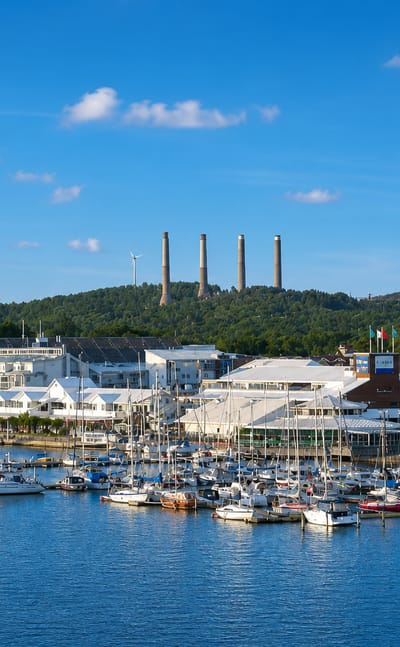
Stenungsund
Stenungsund is a coastal town in the western part of Västra Götaland County, on the Bohuslän coast of western Sweden, north of Göteborg.Where to stay →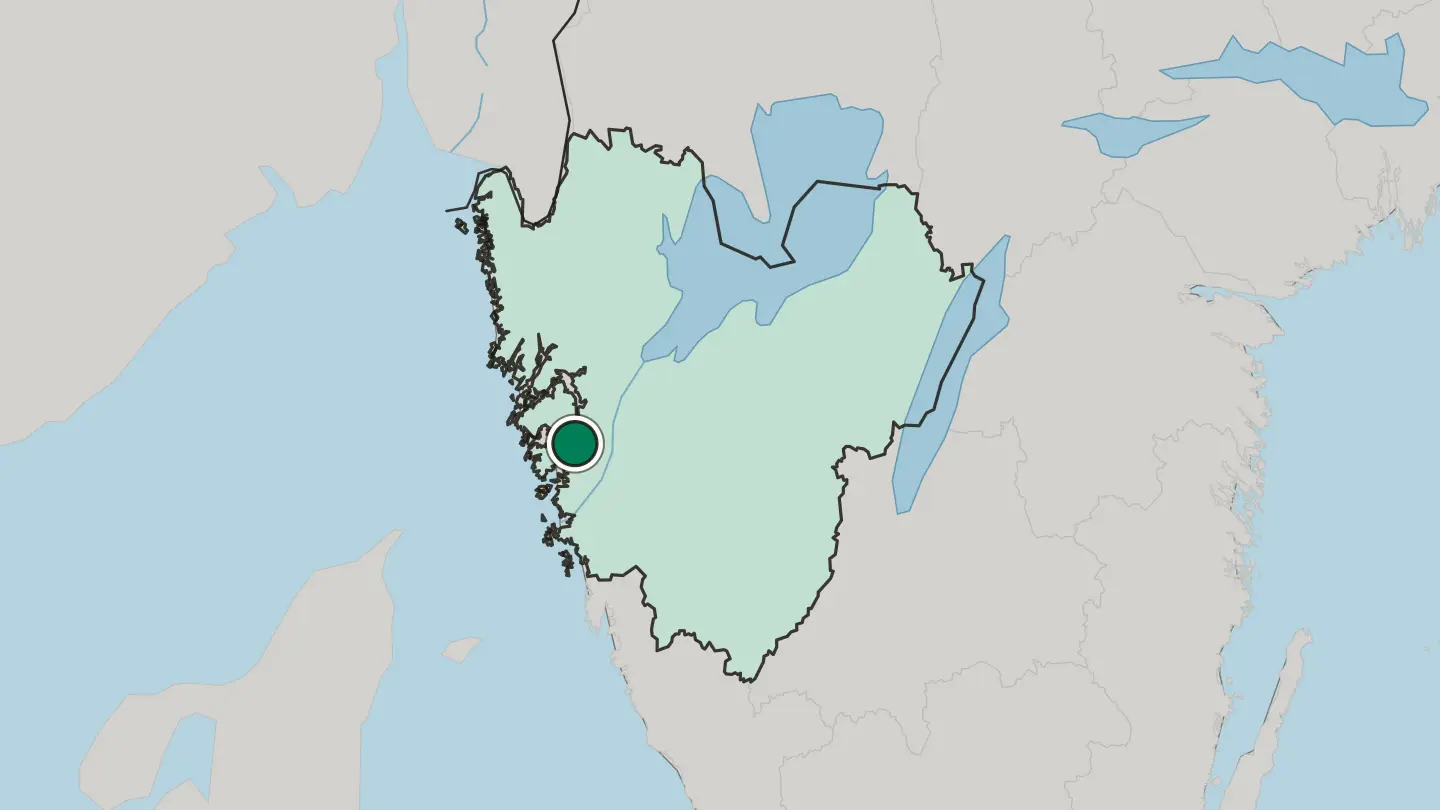
 Sweden
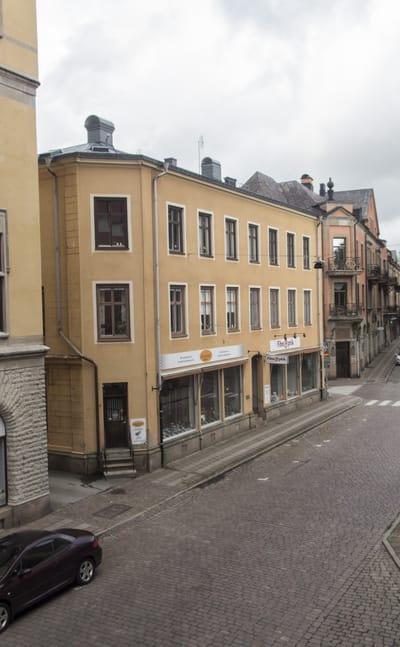
Skara
Skara is a cathedral city in north-eastern Västra Götaland County, one of Sweden's oldest towns and the seat of its municipality.Where to stay →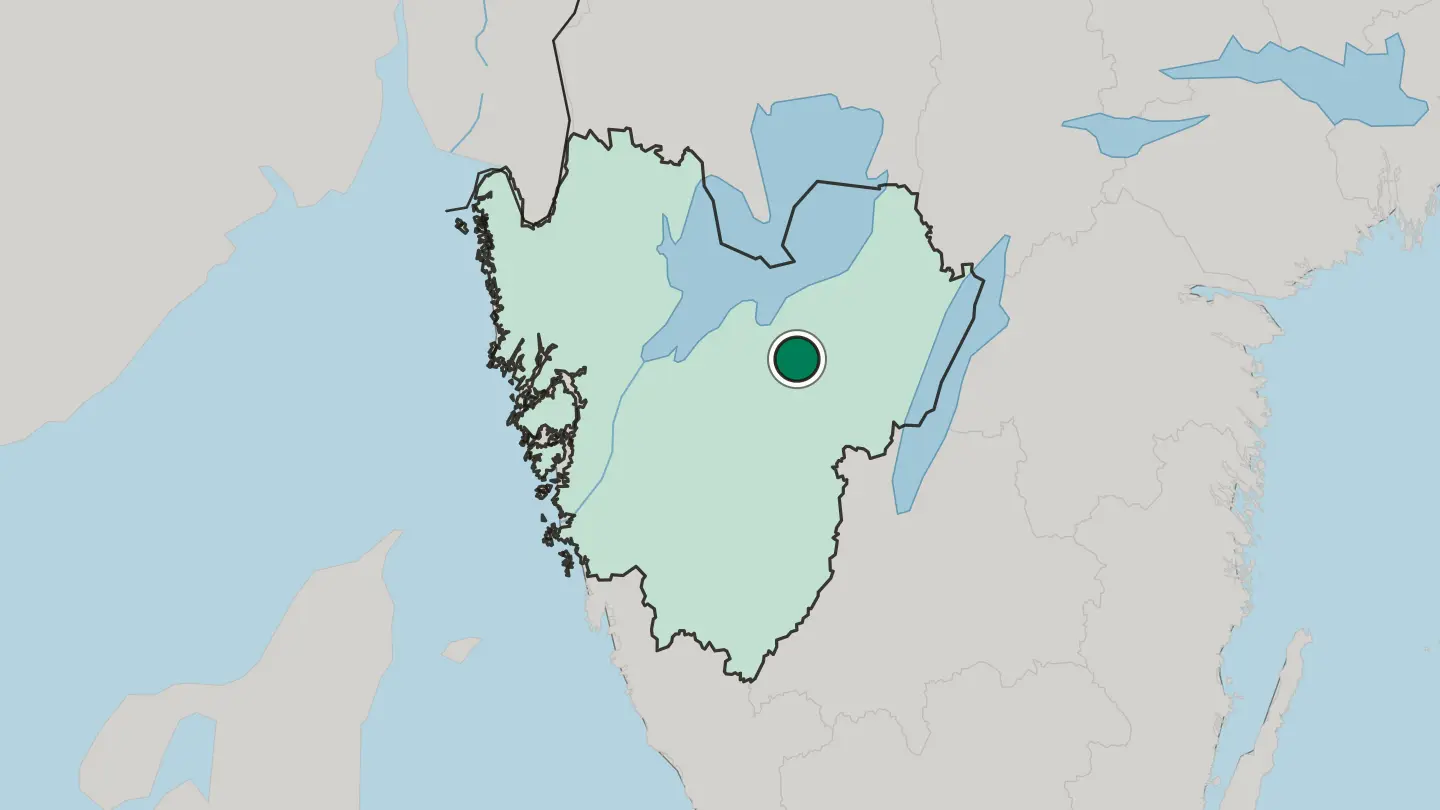
 Sweden
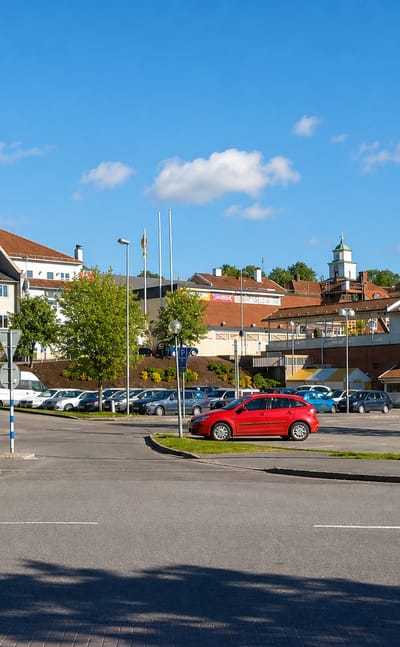
Ulricehamn
Ulricehamn is a lakeside town in the south-eastern part of Västra Götaland County, set on the northern shore of Lake Åsunden in south-western Sweden.Where to stay →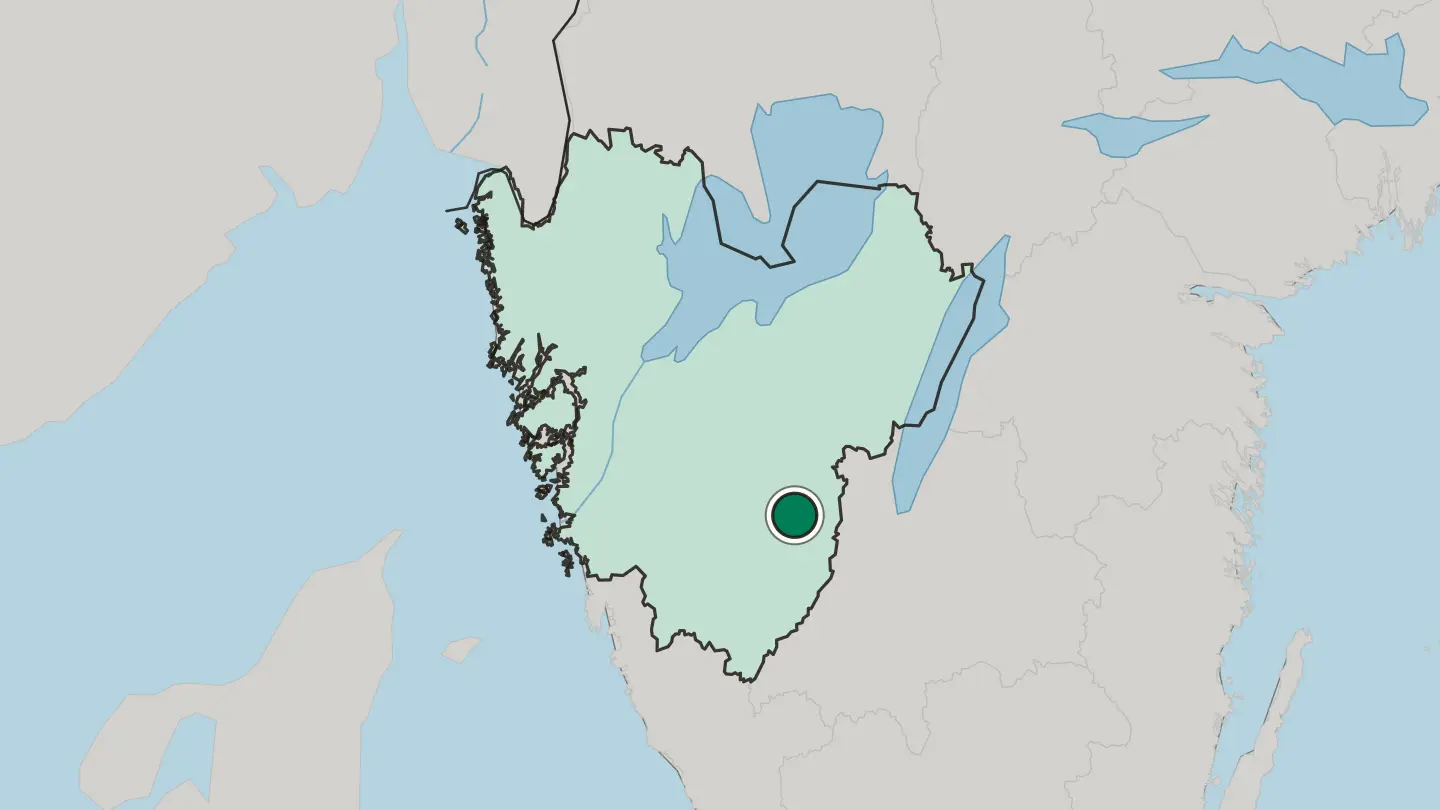
 Sweden
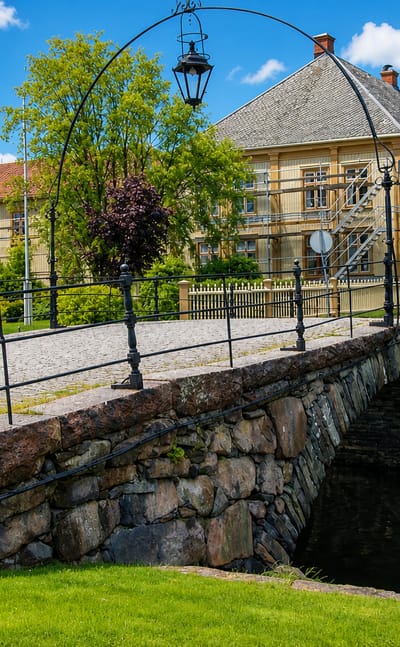
Åmål
Åmål is a lakeside town in the north-eastern part of Västra Götaland County, set on the western shore of Lake Vänern in the province of Dalsland.Where to stay →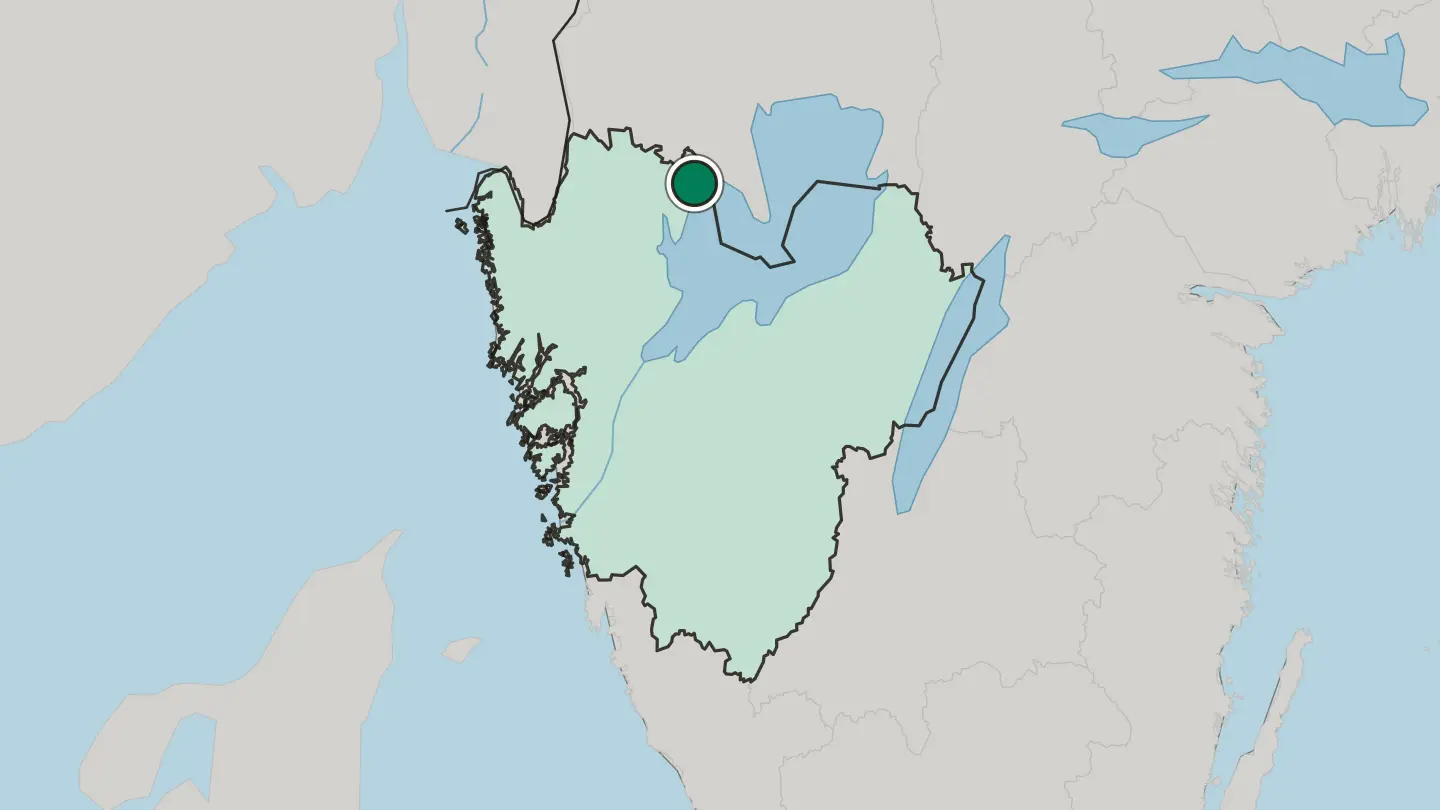
 Sweden
Tibro
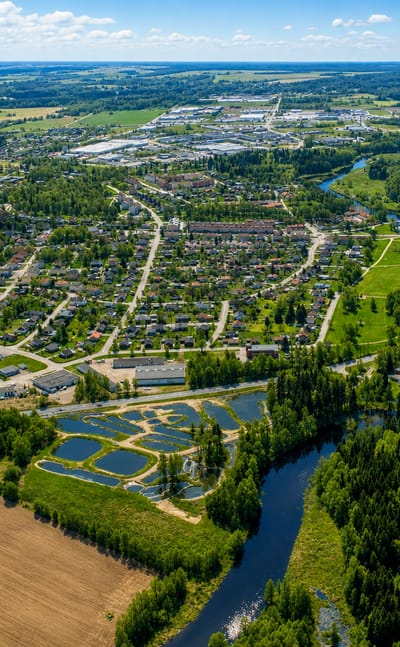
Tibro is a small furniture-making town in the north-eastern part of Västra Götaland County, in central Sweden.Where to stay →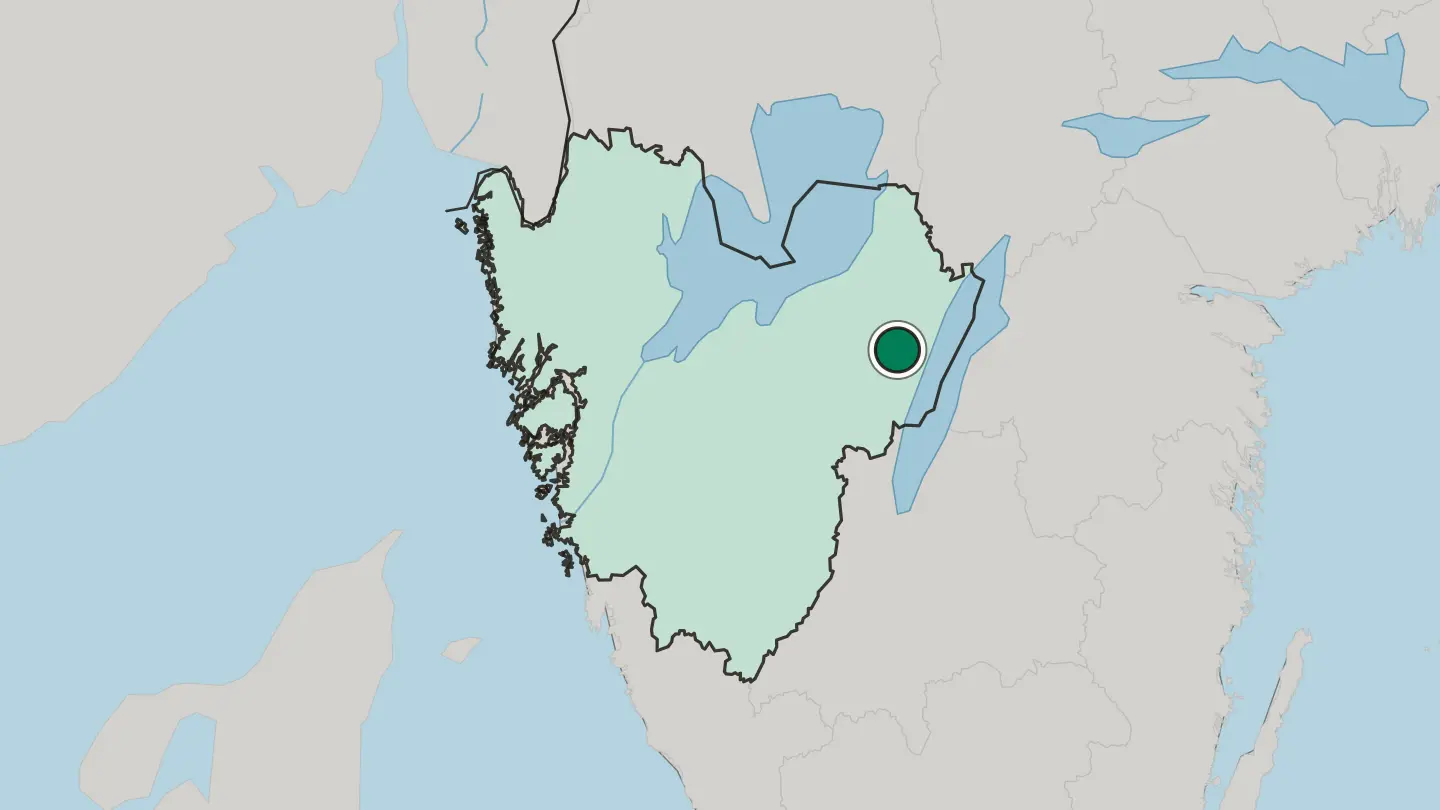
 Sweden
Tidaholm
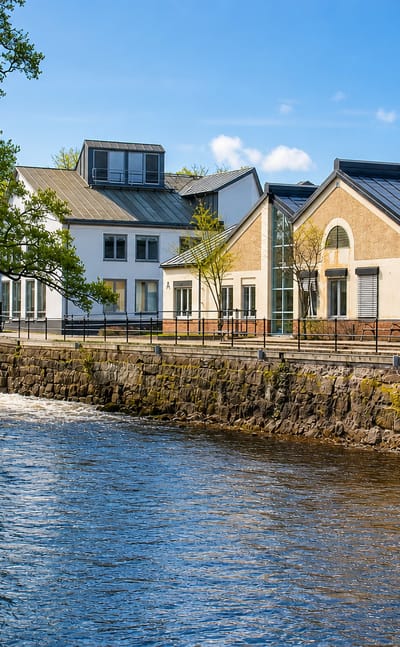
Tidaholm is a small riverside town in the eastern part of Västra Götaland County, on the Tidan in central Sweden.Where to stay →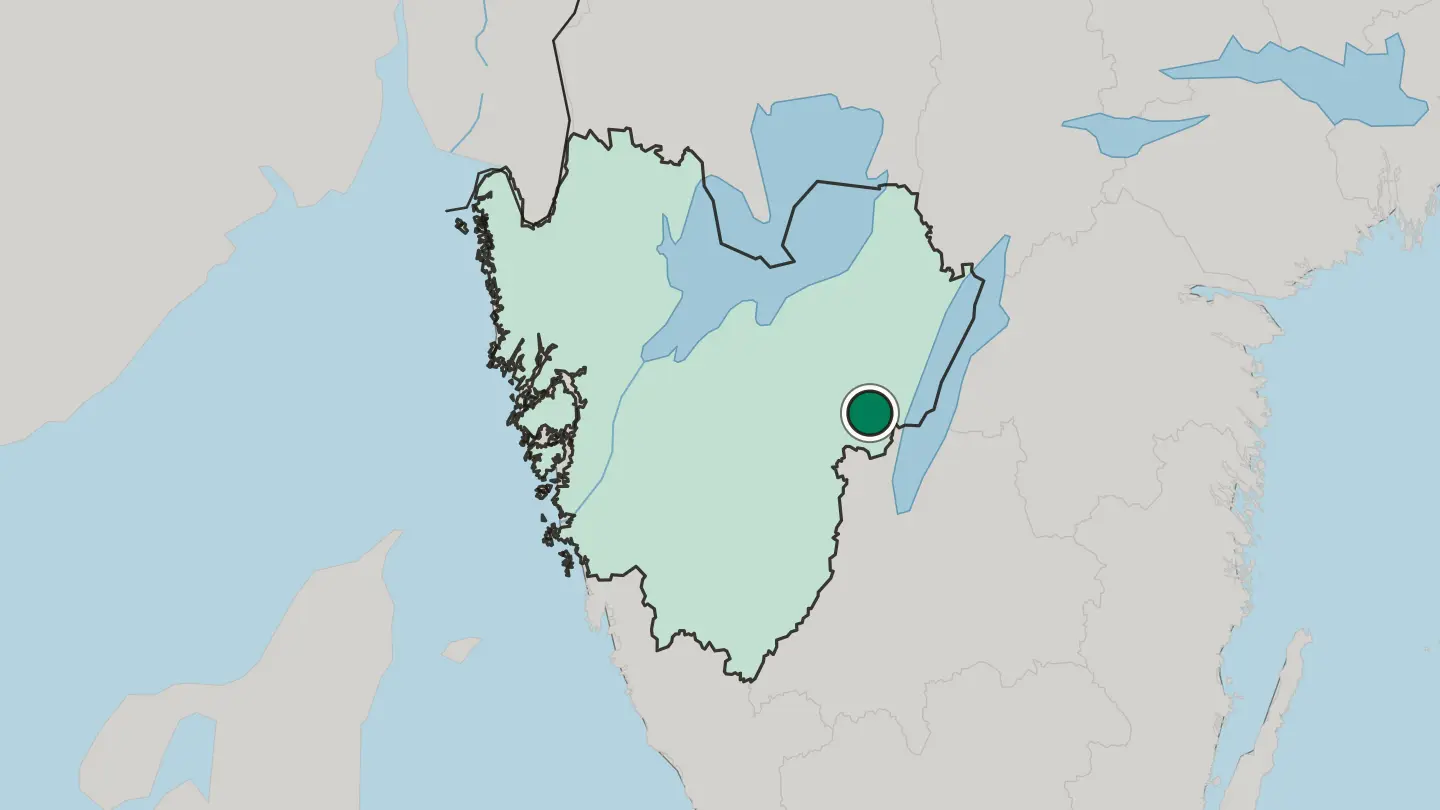
 Sweden
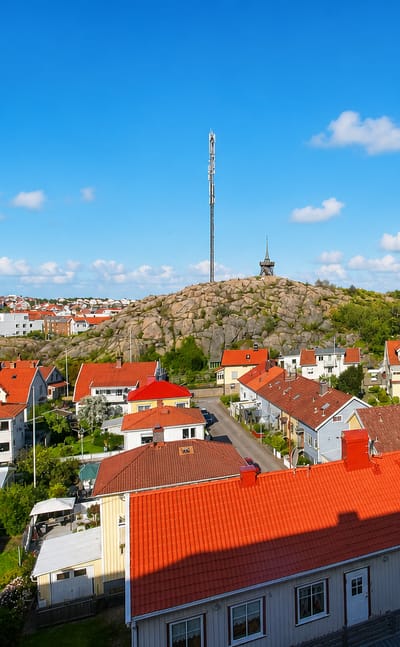
Lysekil
Lysekil is a coastal town in western Västra Götaland County, on the Bohuslän coast at the mouth of the Gullmarn fjord.Where to stay →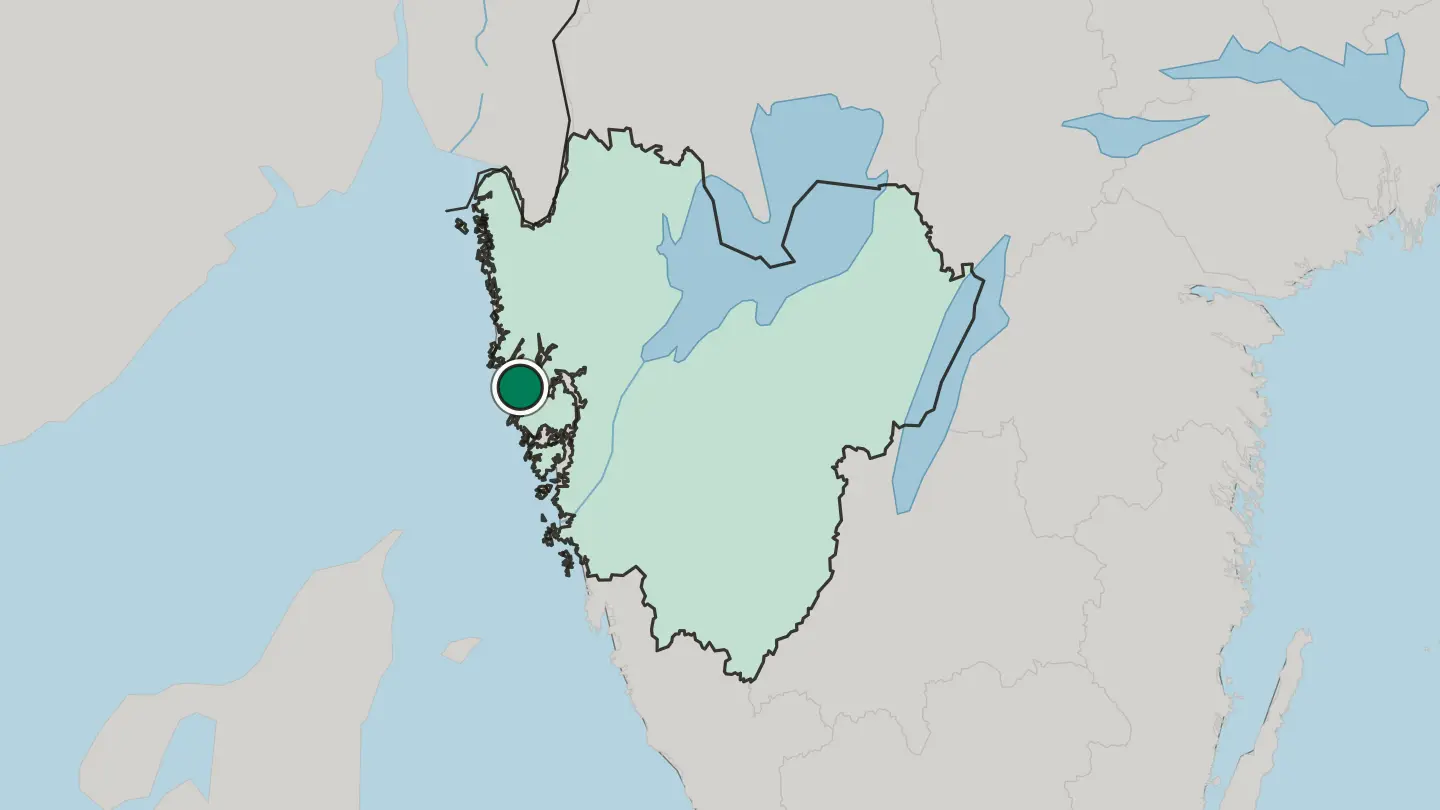
 Sweden
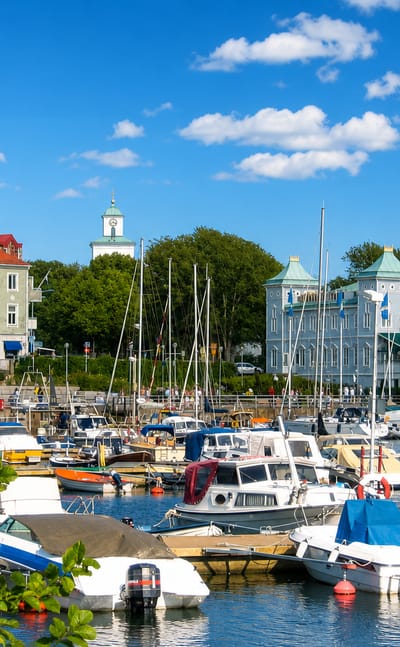
Strömstad
Strömstad is a coastal town in the north-western part of Västra Götaland County, in western Sweden, on the Bohuslän coast close to the Norwegian border.Where to stay →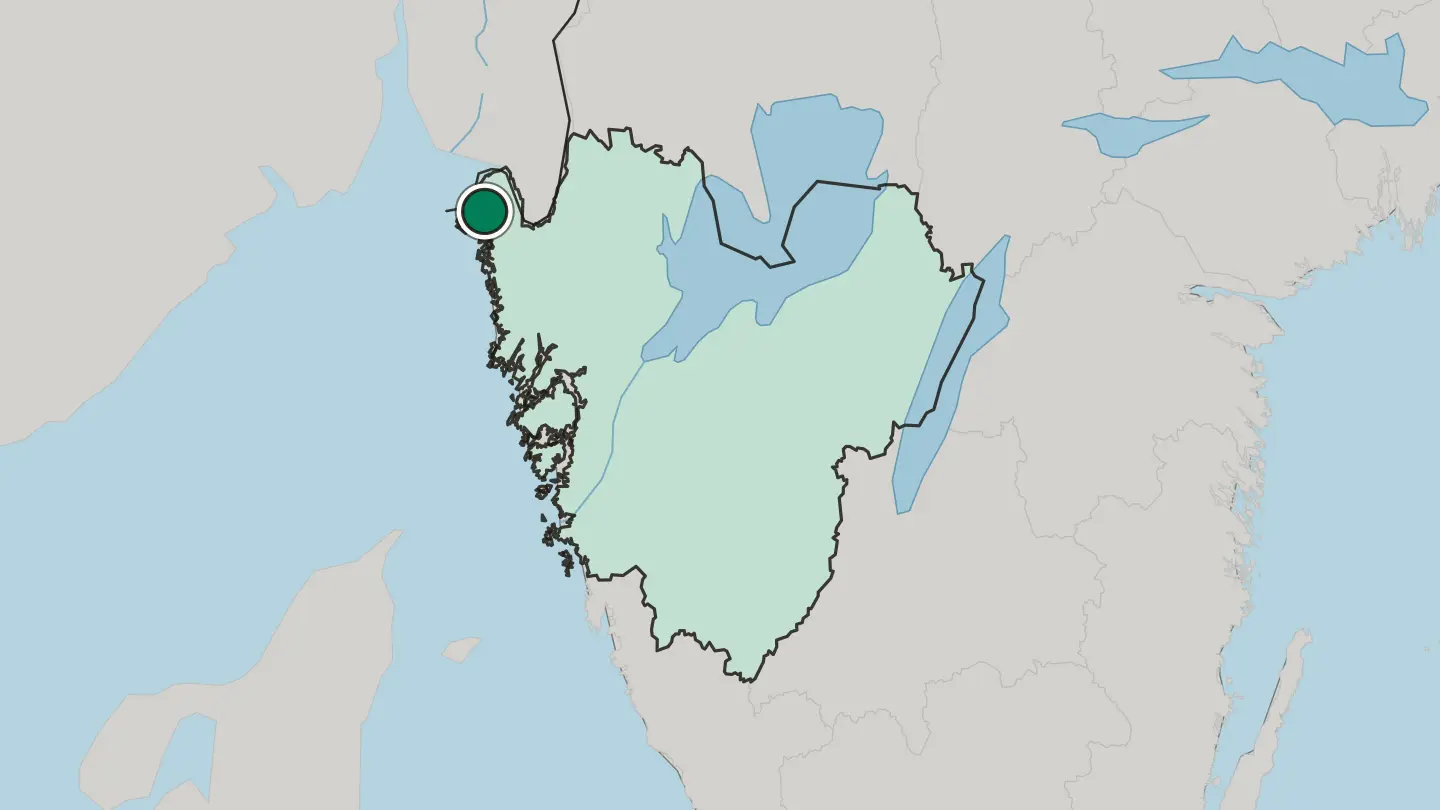
 Sweden
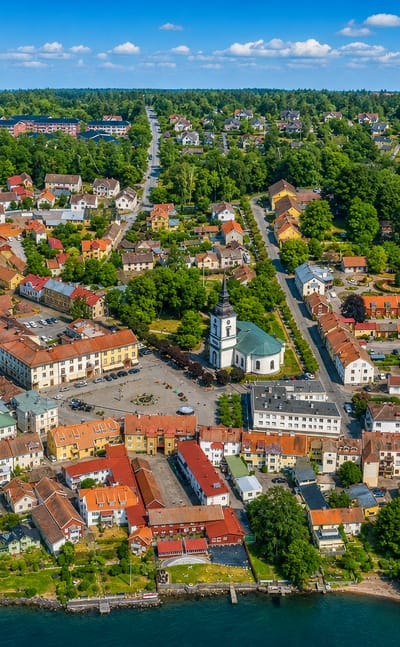
Hjo
Hjo is a small lakeside town in eastern Västra Götaland County, on the western shore of Vättern.Where to stay →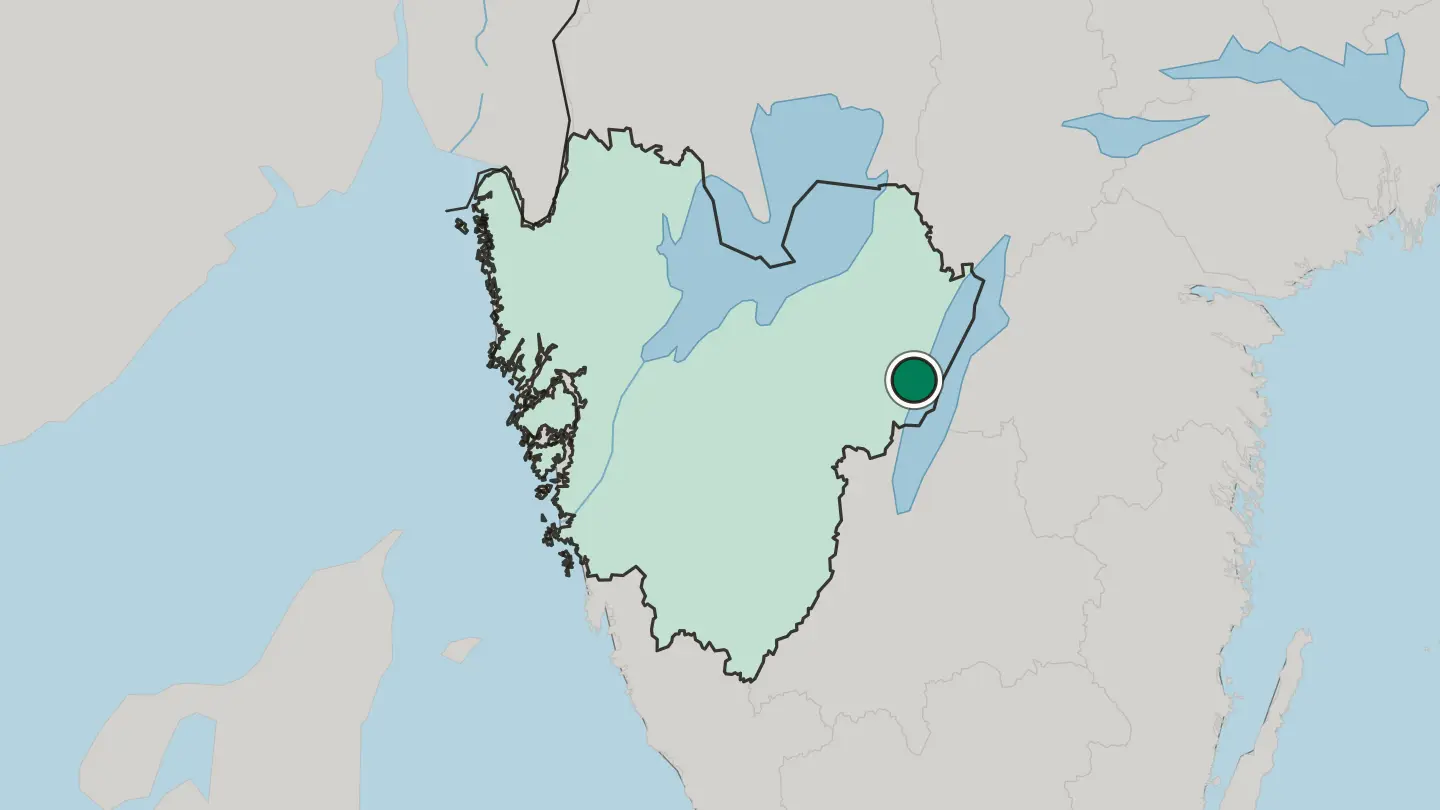
 Sweden
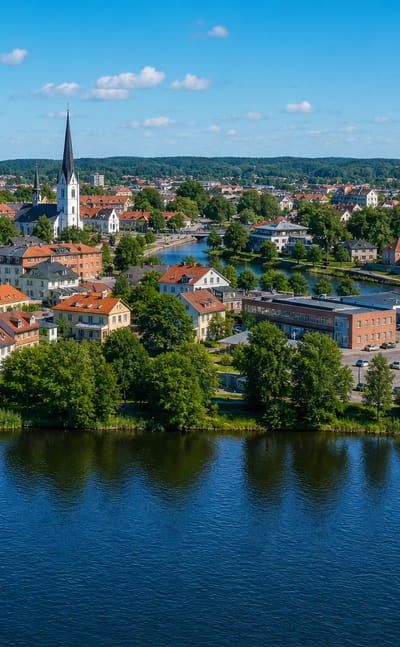
Vårgårda
Vårgårda is a small town in the south-eastern part of Västra Götaland County, set on the farmland of southern Västergötland in western Sweden.Where to stay →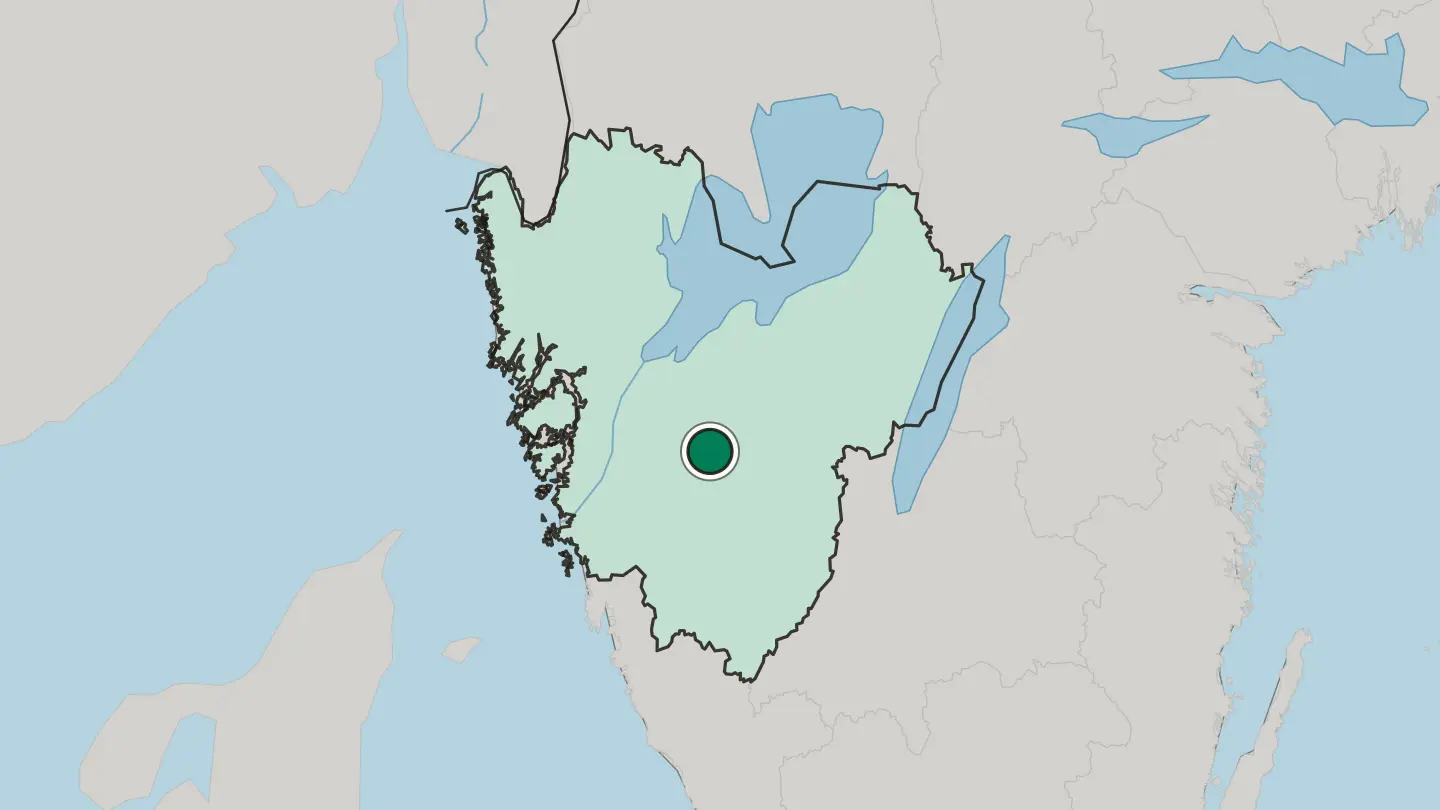
 Sweden
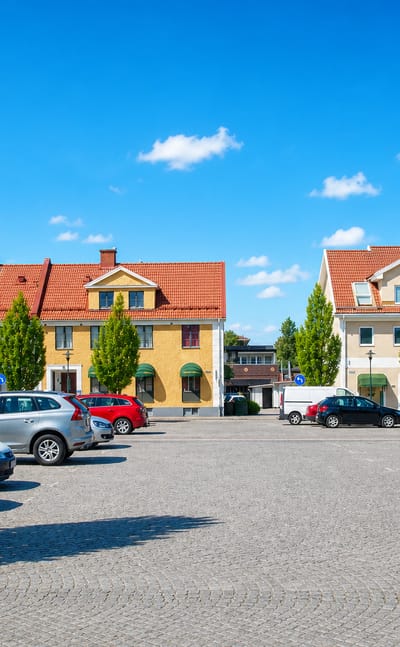
Götene
Götene is a town and municipal seat in the north-eastern part of Västra Götaland County, near Lake Vänern in western Sweden.Where to stay →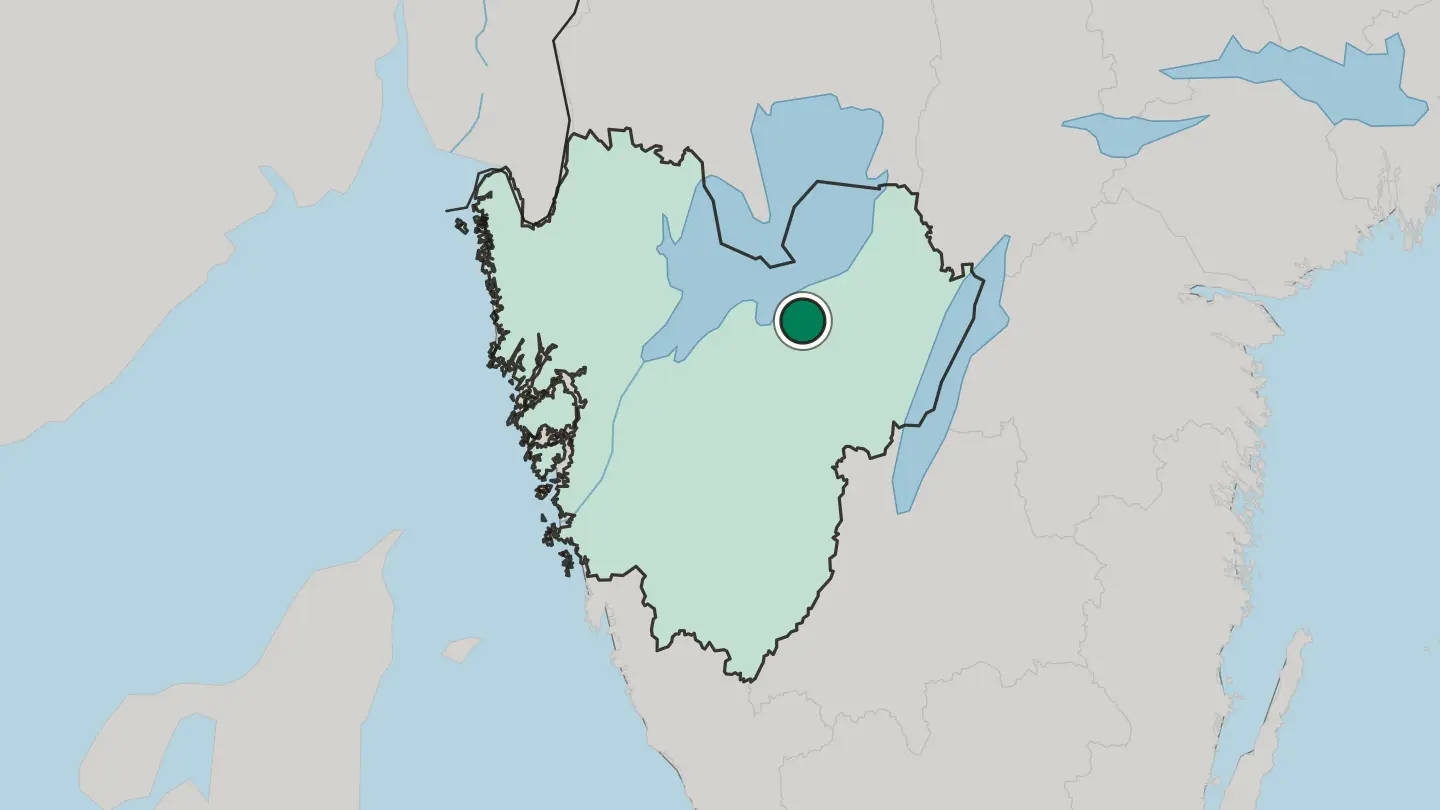
 Sweden
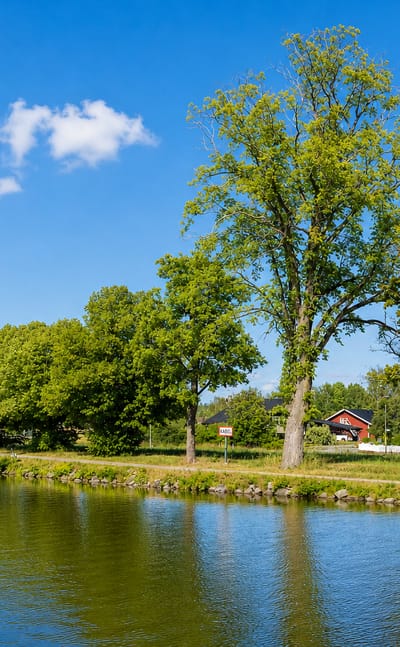
Töreboda
Töreboda is a small canal town in the north-eastern part of Västra Götaland County, on the Göta Canal in central Sweden.Where to stay →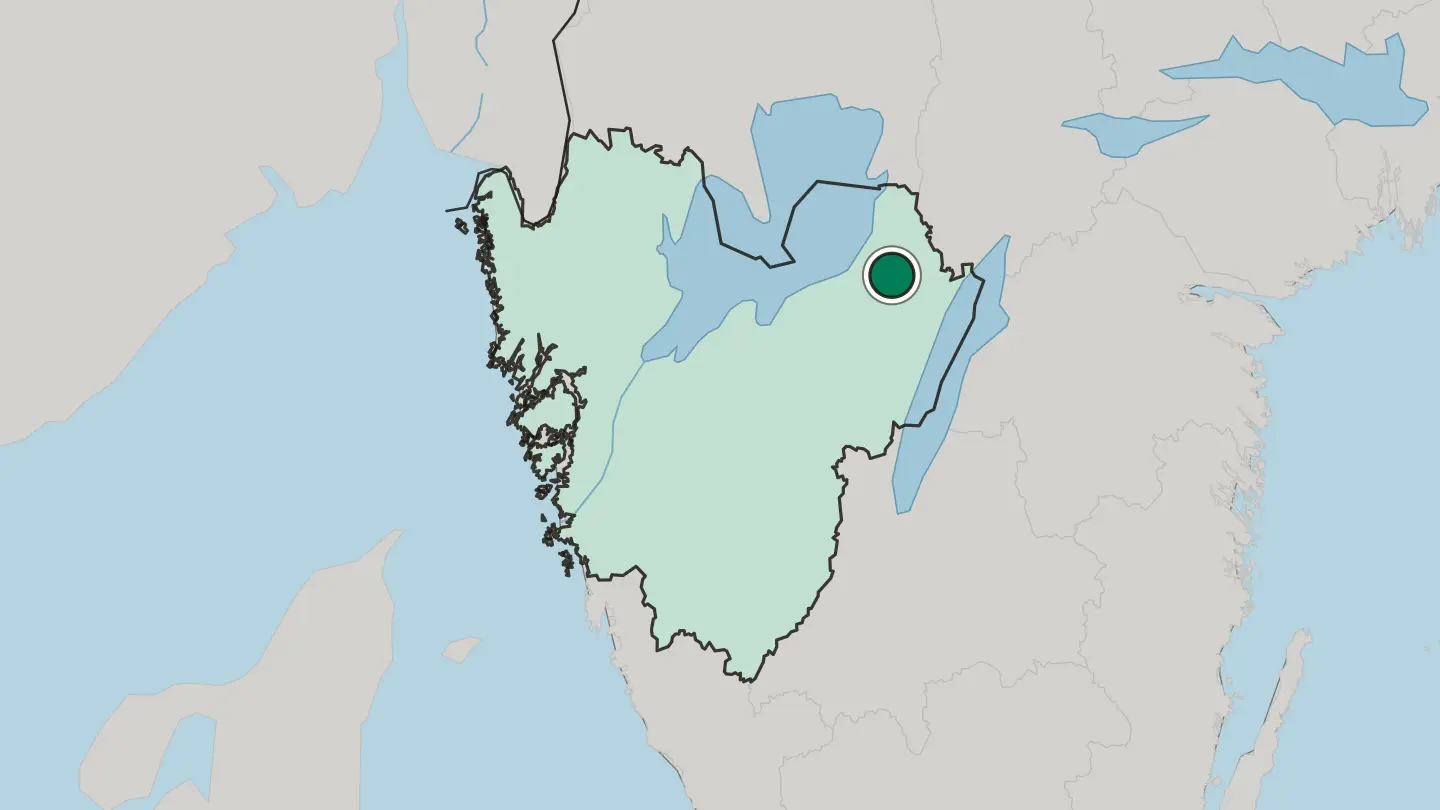 Sweden
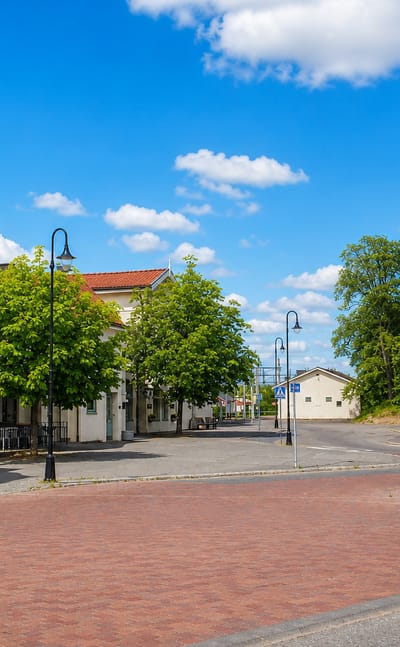
Vara
Vara is a small plains town in the eastern part of Västra Götaland County, set on the open farmland of the Västgöta plain in western Sweden.Where to stay →
 Sweden
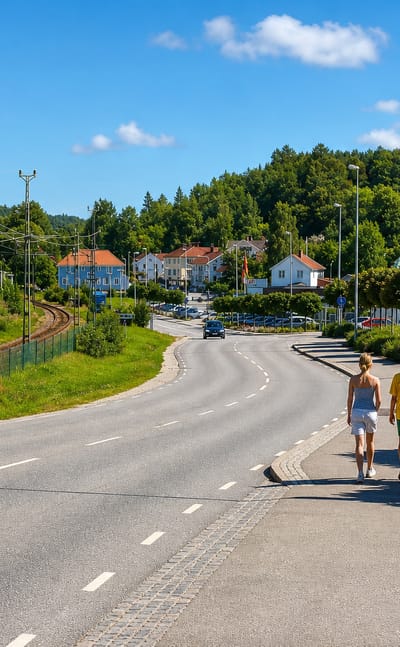
Herrljunga
Herrljunga is a town and municipal seat in the eastern part of Västra Götaland County, in western Sweden.Where to stay →
 Sweden
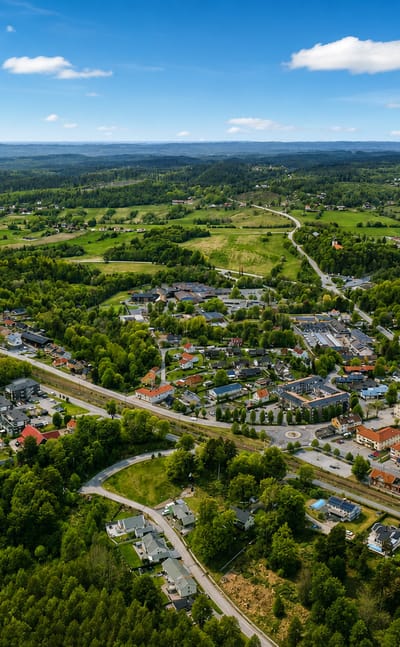
Munkedal
Munkedal is a small town in northern Västra Götaland County, the seat of its municipality on the Bohuslän side of western Sweden.Where to stay →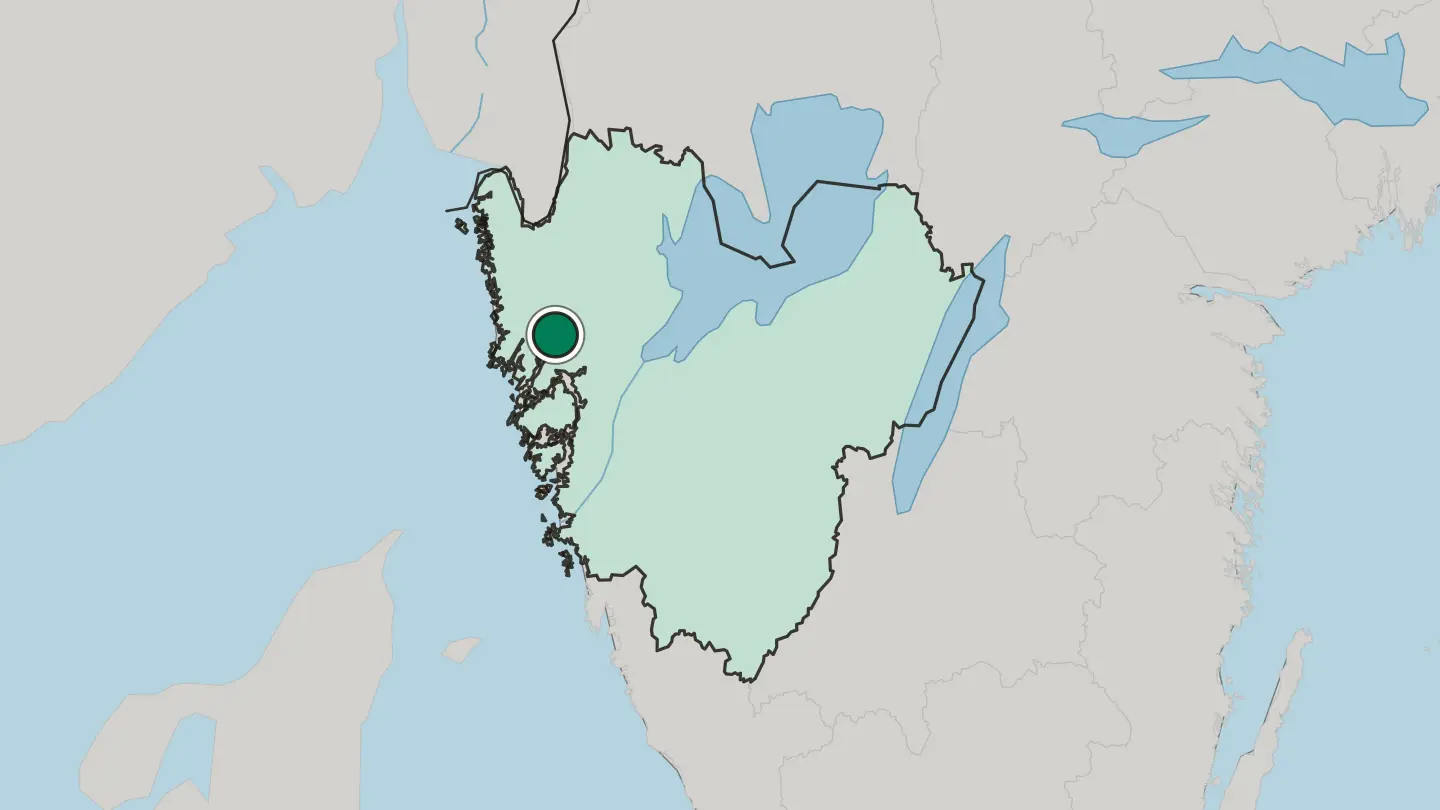
 Sweden
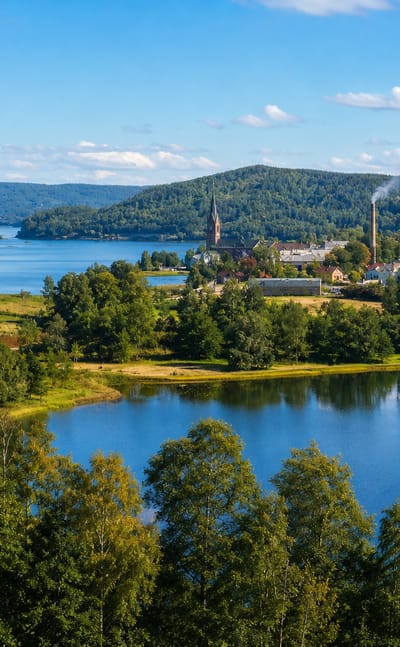
Bollebygd
Bollebygd is a town in the south-eastern part of Västra Götaland County, in south-western Sweden, between Göteborg and Borås.Where to stay →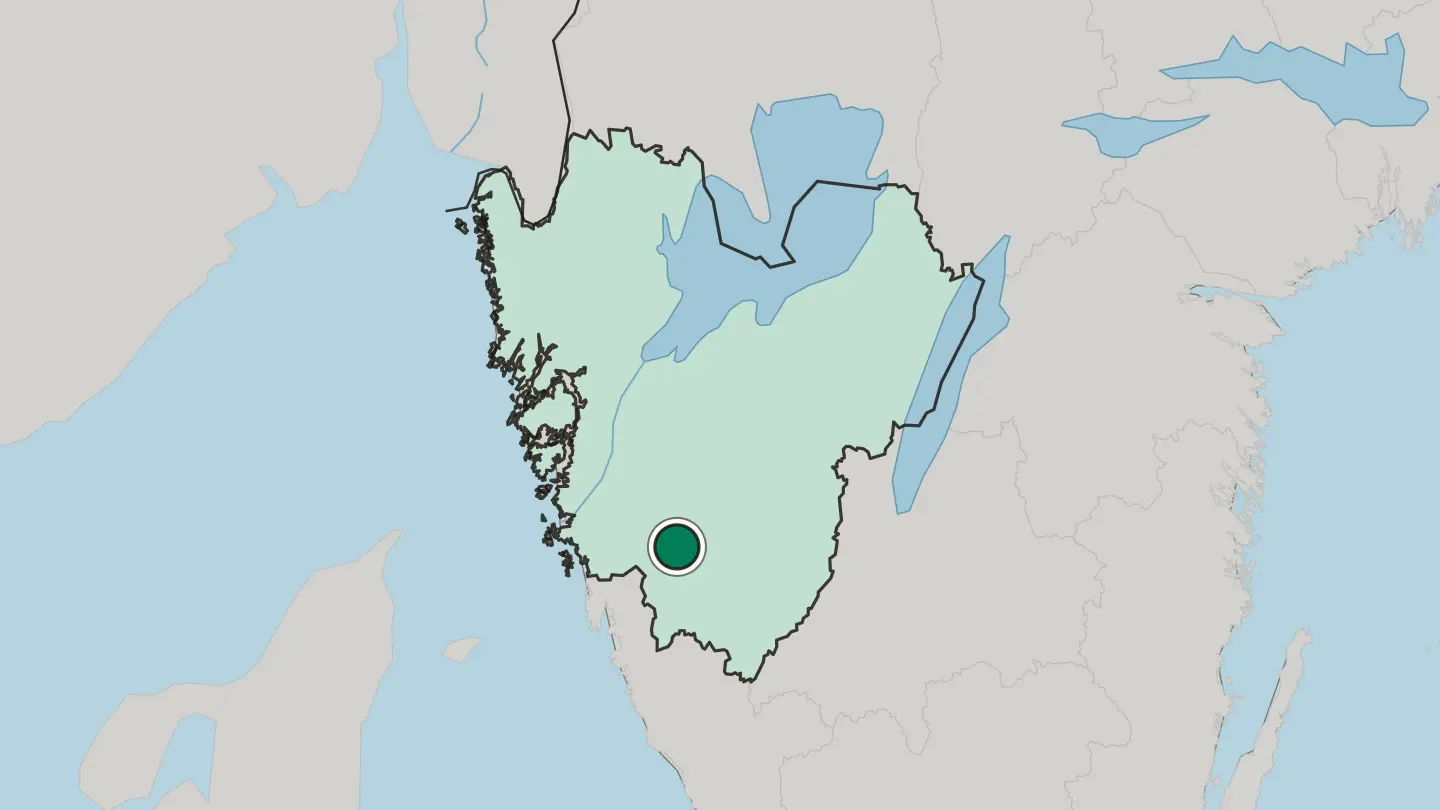
 Sweden
Mellerud
Mellerud is a town in north-eastern Västra Götaland County, in the Dalsland country west of Lake Vänern.Where to stay →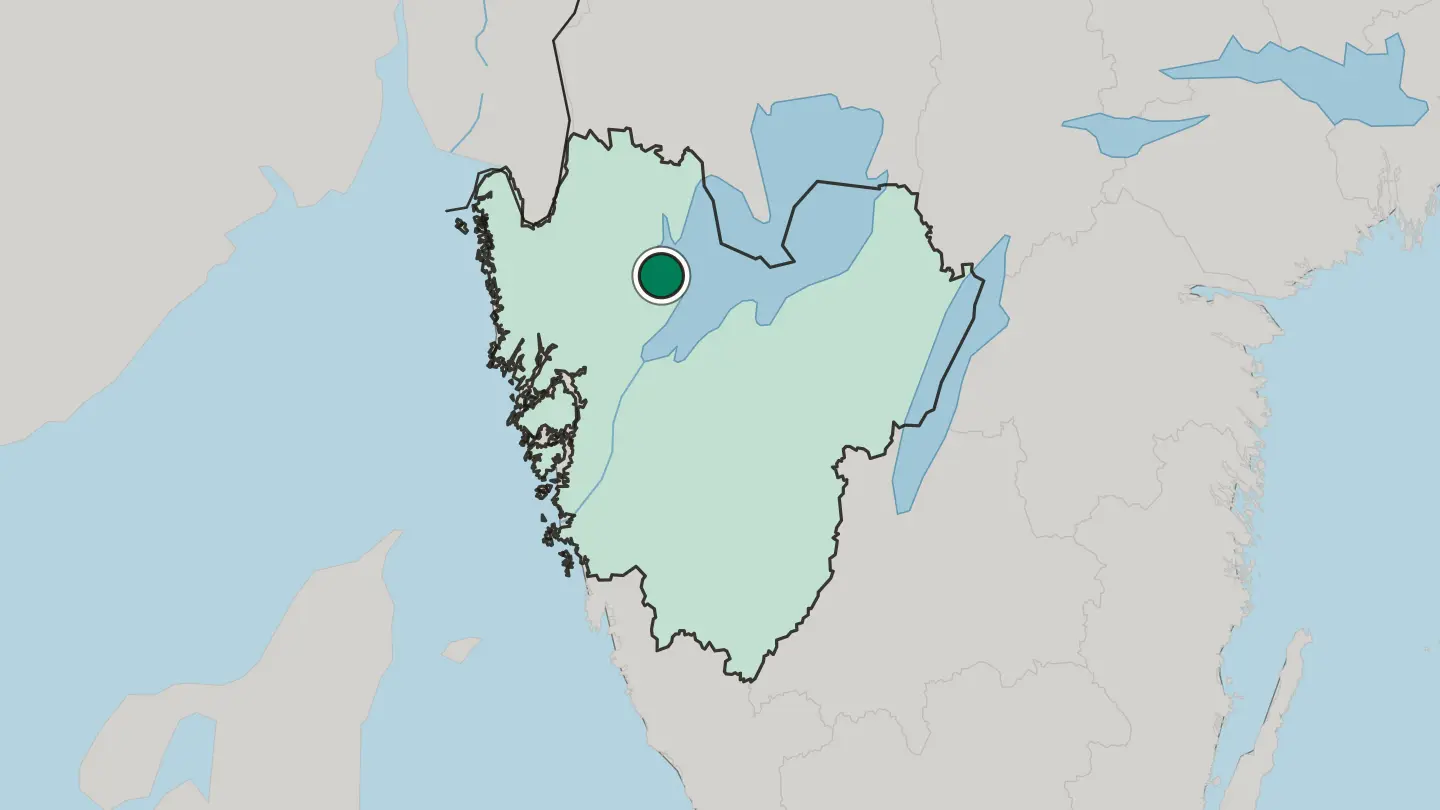
 Sweden
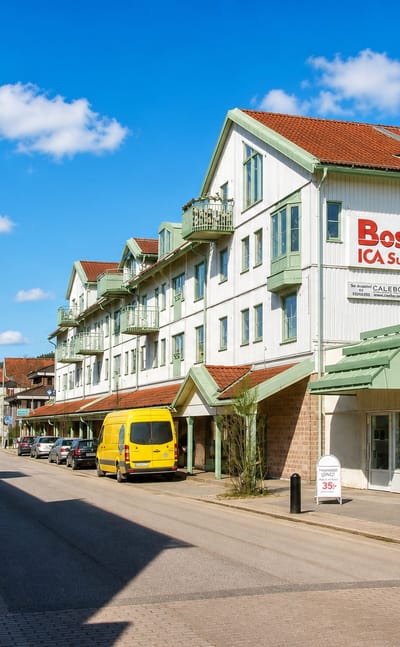
Lilla Edet
Lilla Edet is the seat of its municipality in western Sweden, a Västra Götaland County locality gathered around the heritage-listed Fuxerna kyrka.Where to stay →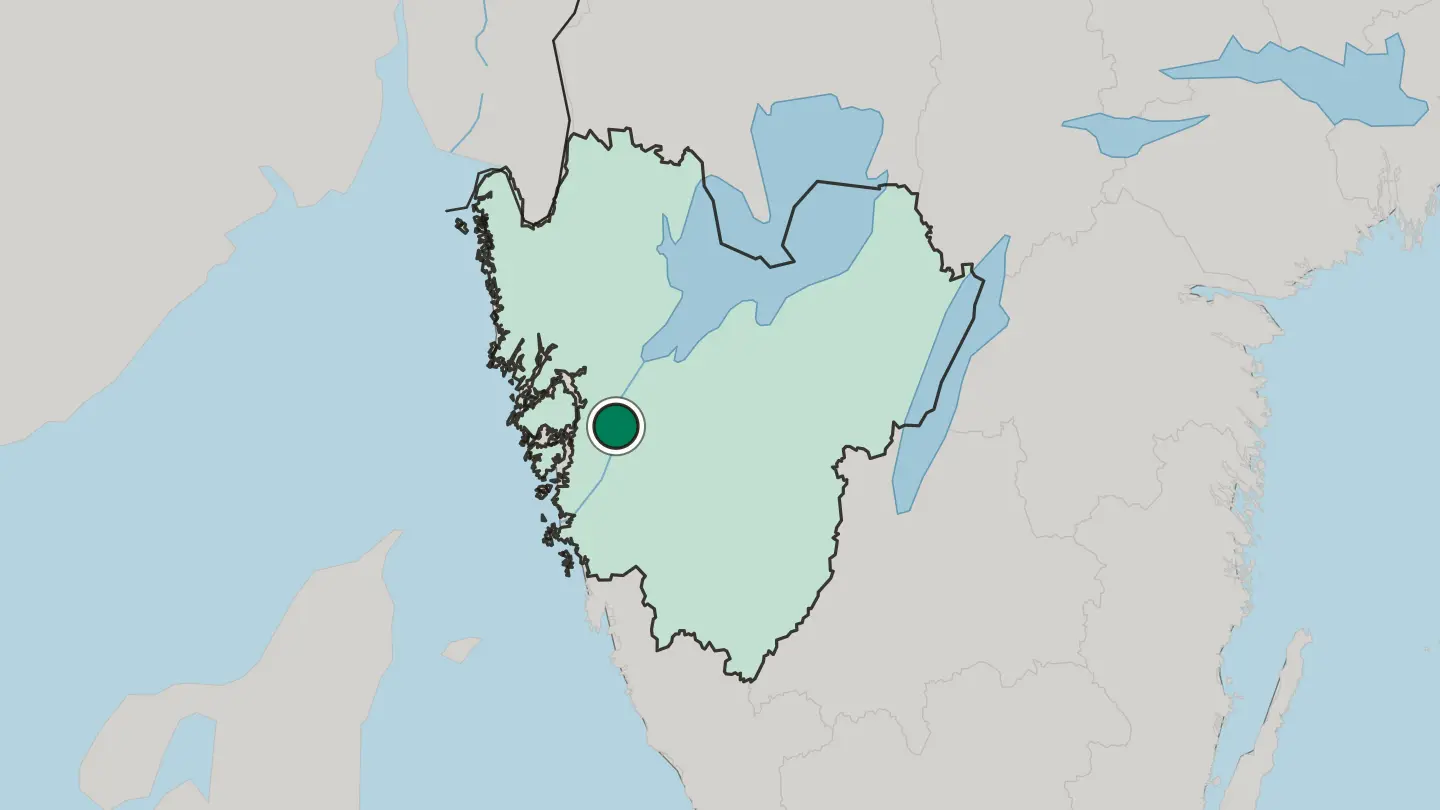
 Sweden
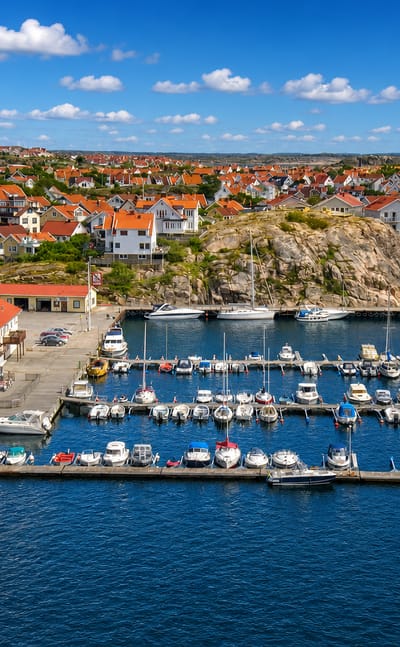
Kungshamn
Kungshamn is a fishing town on the Bohuslän coast of western Västra Götaland County, among the rocks and skerries of the sea.Where to stay →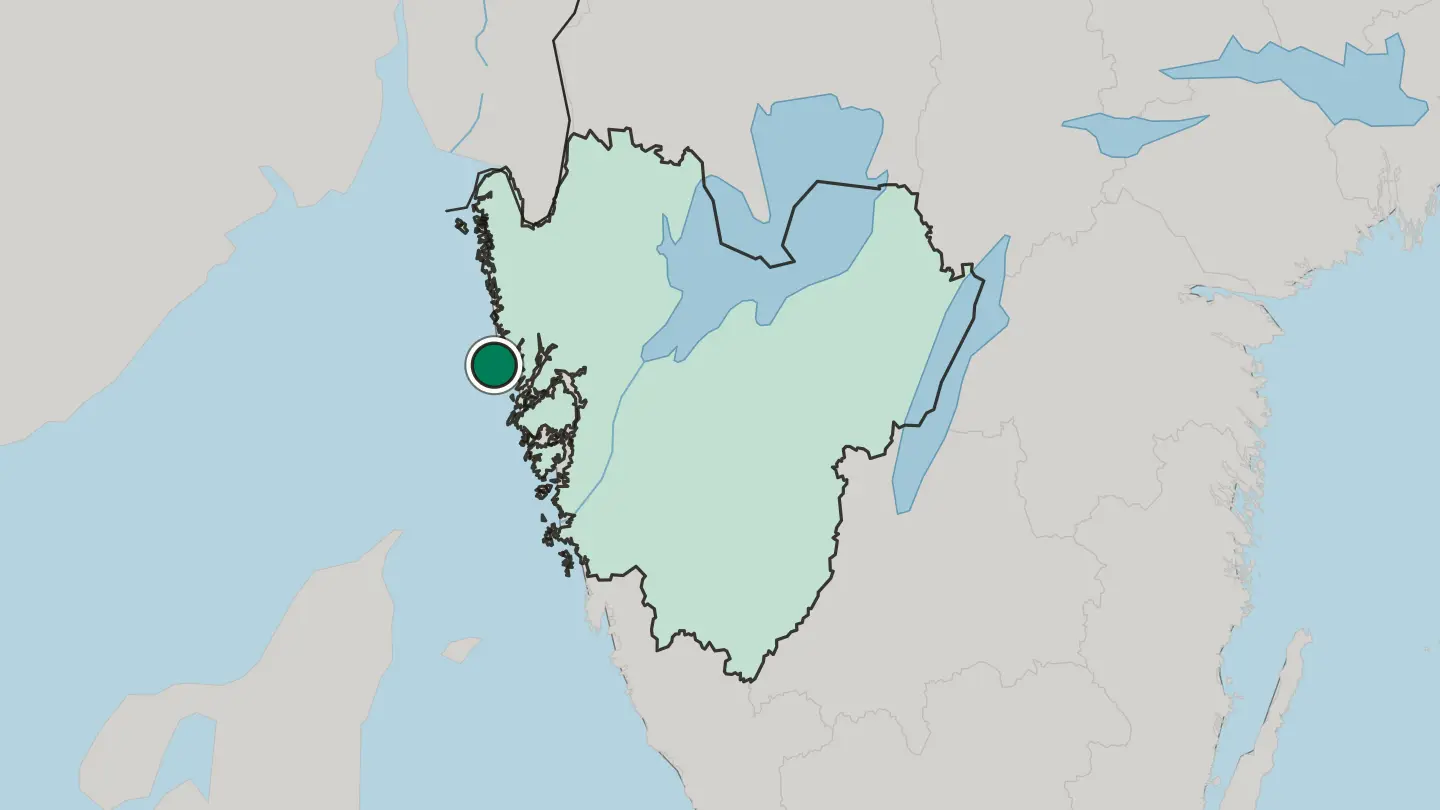
 Sweden
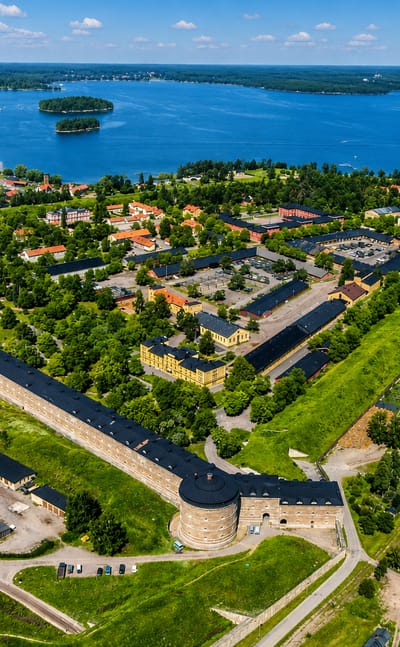
Karlsborg
Karlsborg is a garrison town on the shore of lake Vättern in central Sweden, built around Karlsborgs fästning in northern Västergötland.Where to stay →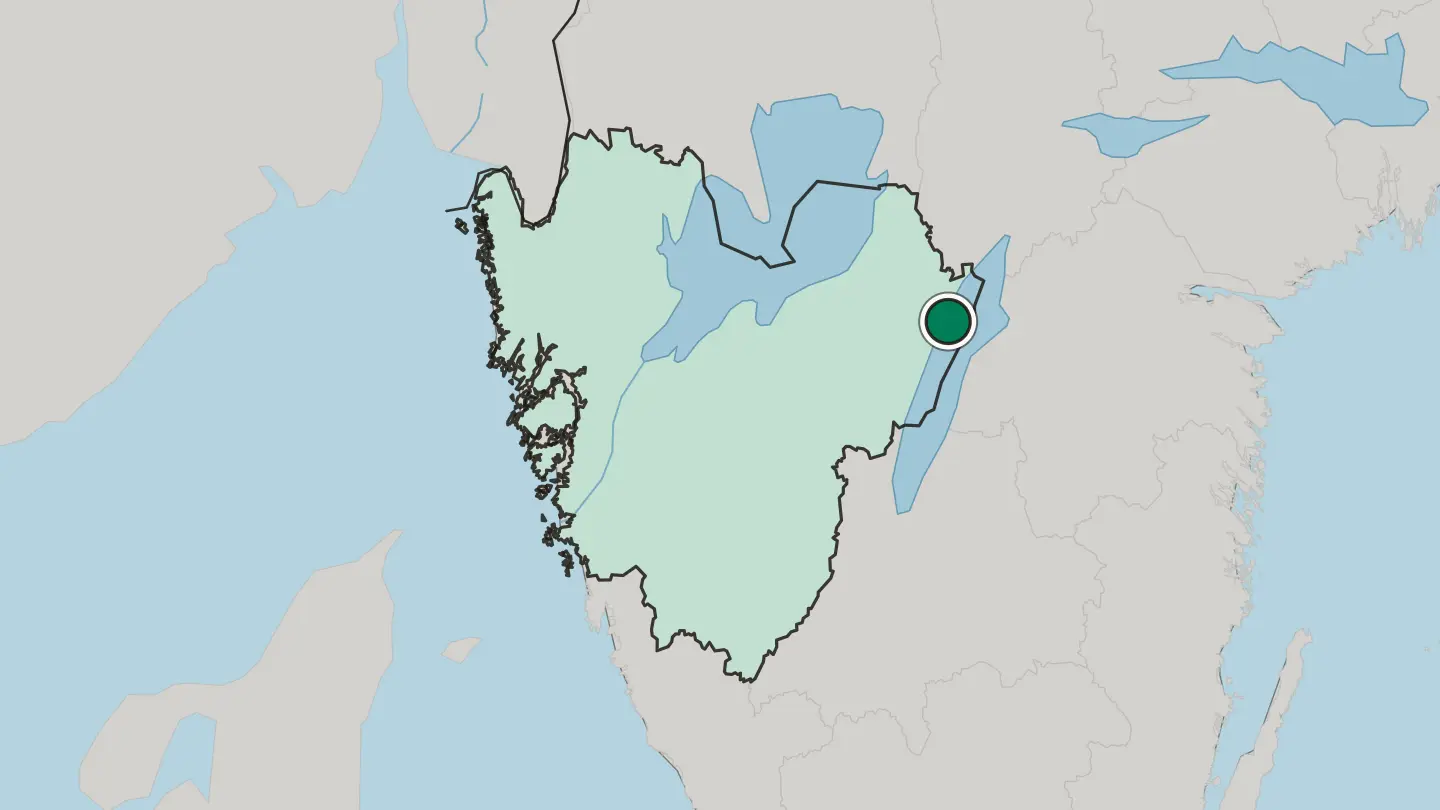 Sweden
Svenljunga
Svenljunga is an inland town in the south-eastern part of Västra Götaland County, in south-western Sweden, on the Ätran river in the Sjuhärad district.Where to stay →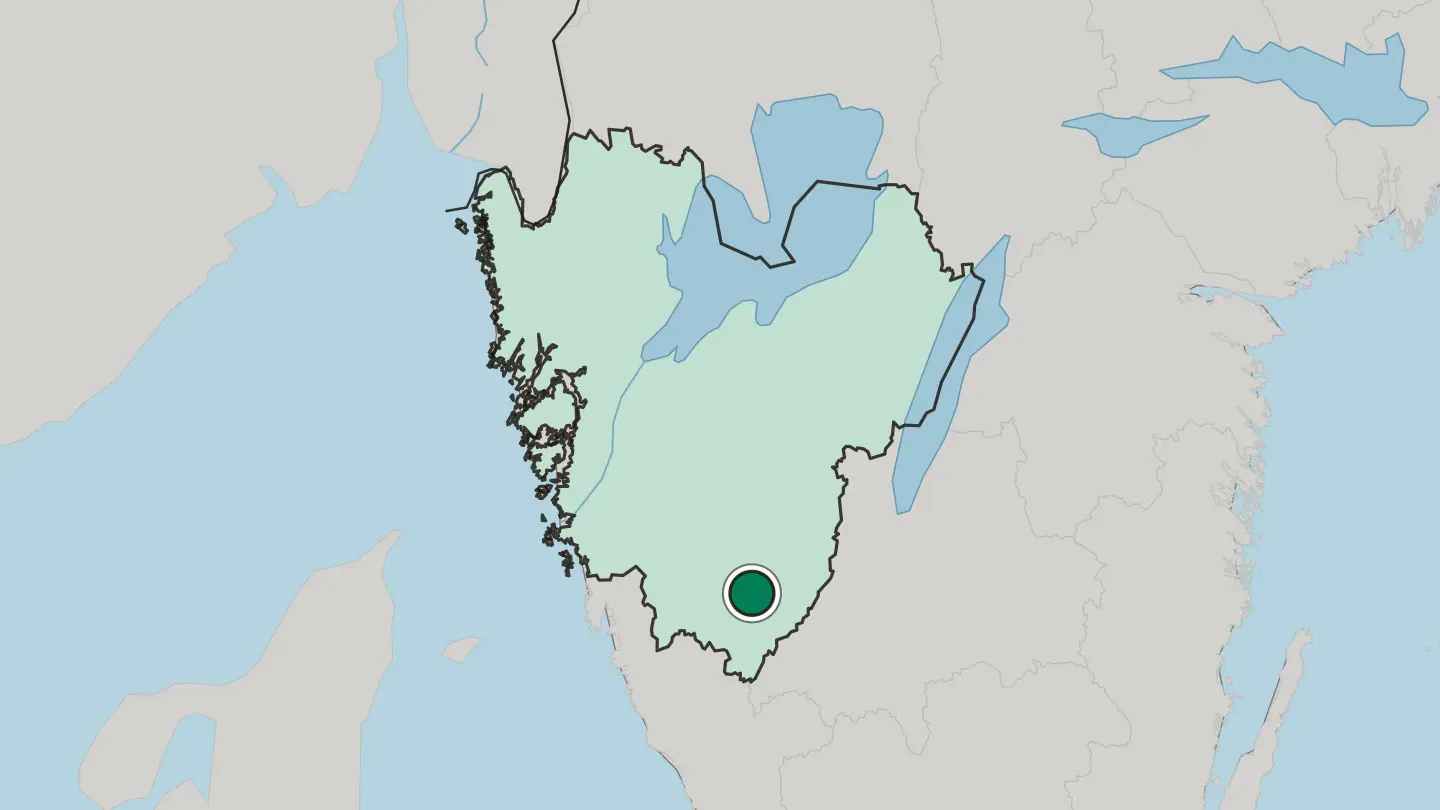
 Sweden
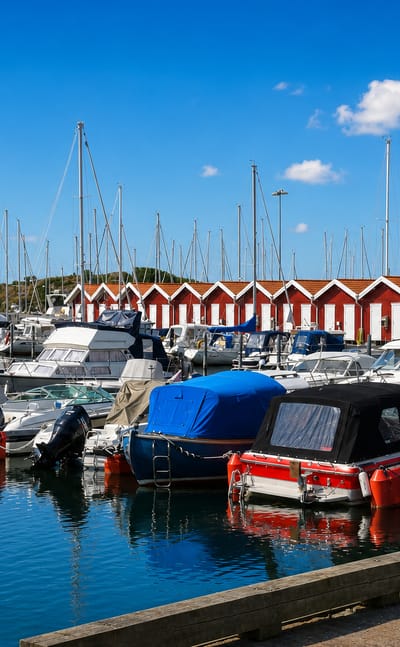
Öckerö
Öckerö is an island town in the southern part of Västra Götaland County, set among the islands of the Göteborg archipelago on Sweden's west coast.Where to stay →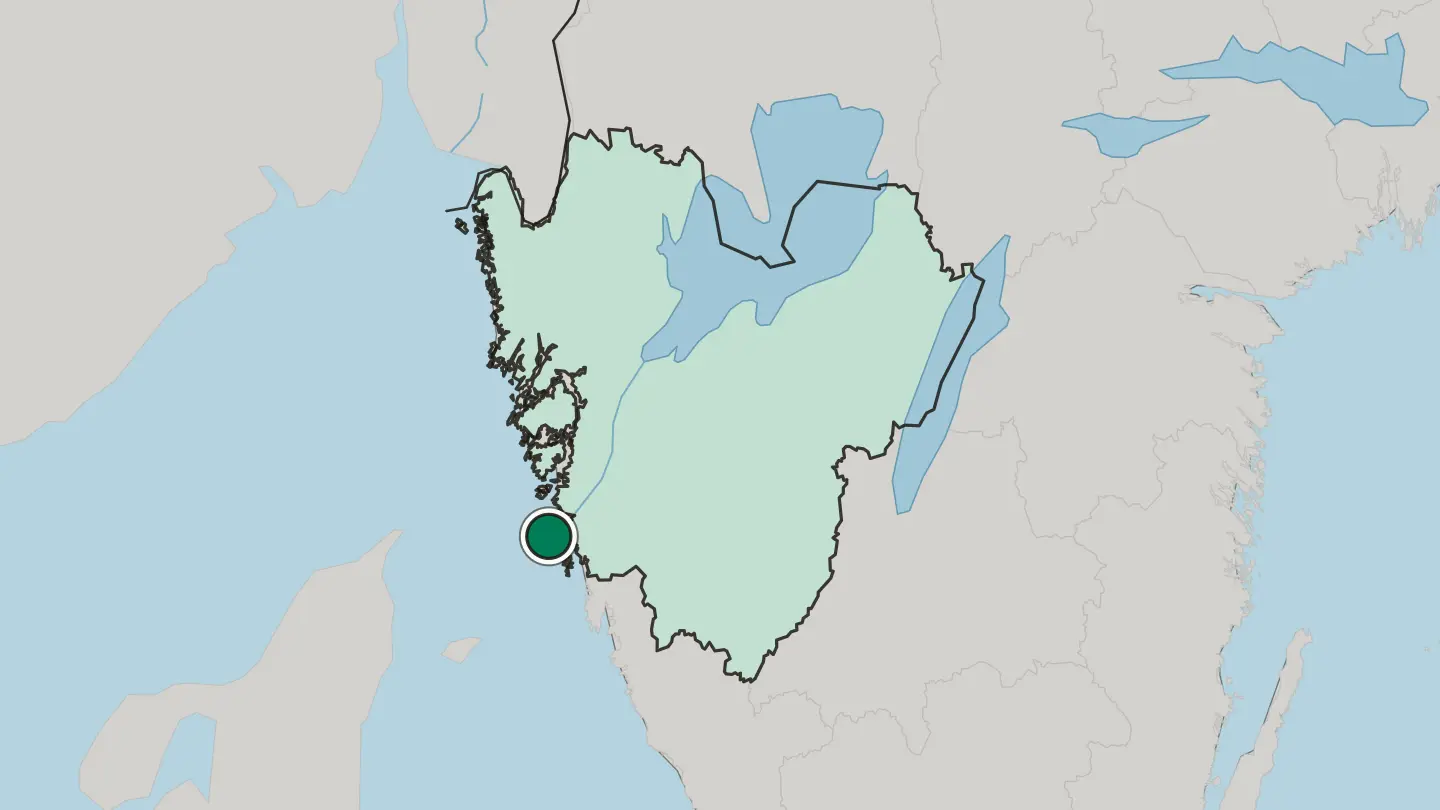
 Sweden
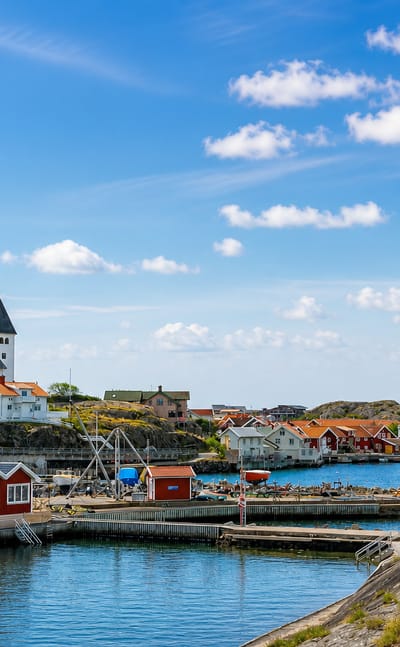
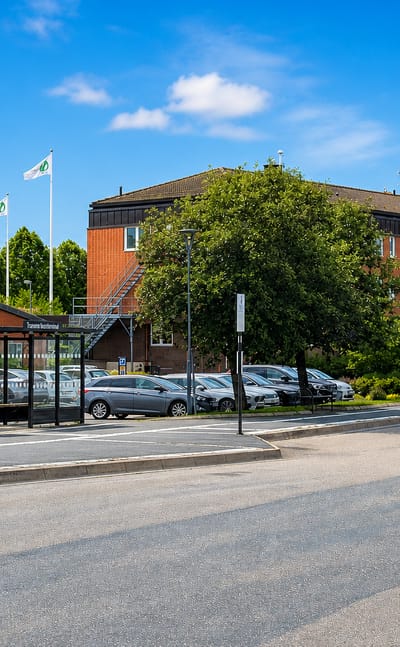
Skärhamn
Skärhamn is a coastal town on the island of Tjörn, in the southern part of Västra Götaland County, on the rocky west coast of Sweden.Where to stay →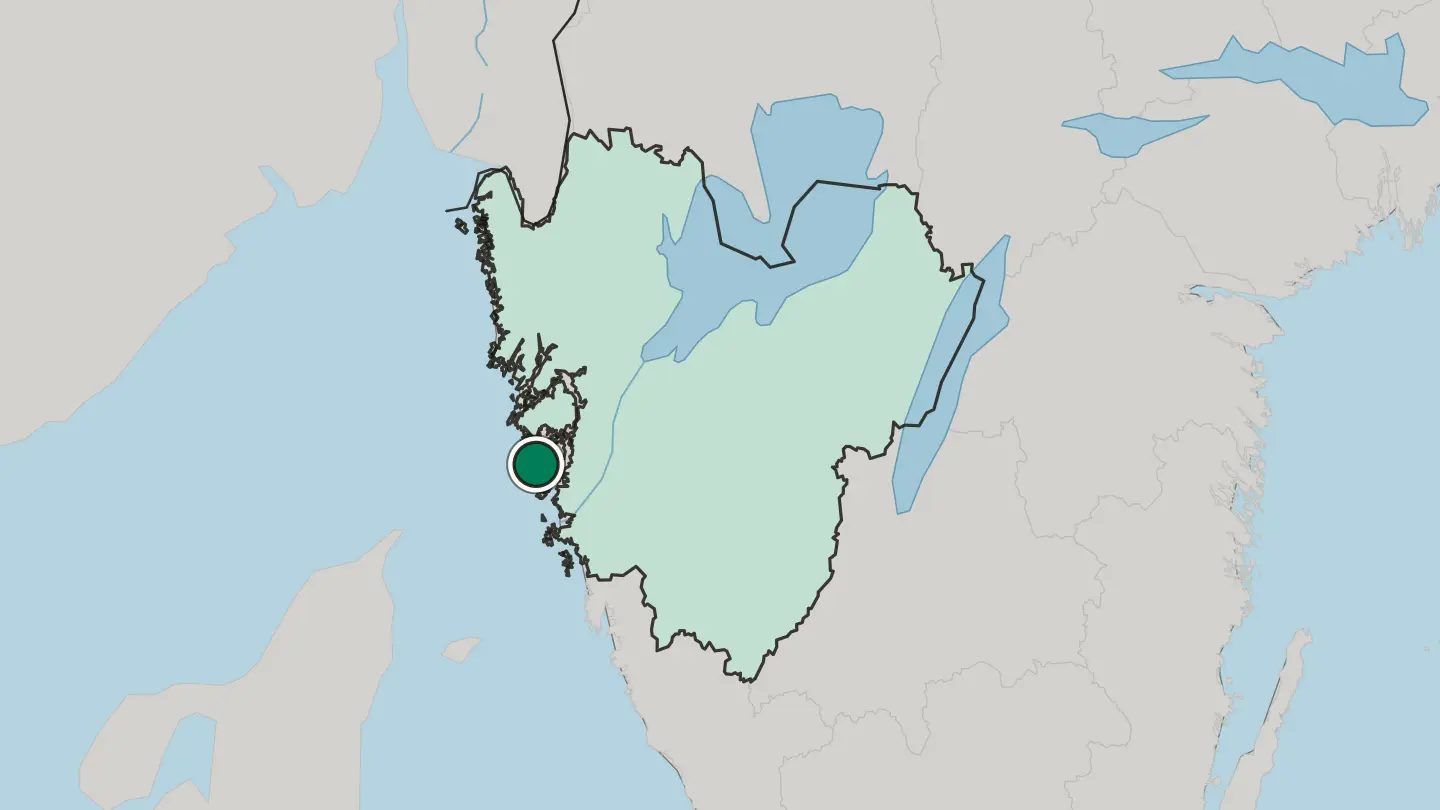
 Sweden
Tranemo
Tranemo is a small forest-country town in the south-eastern part of Västra Götaland County, in south-western Sweden.Where to stay →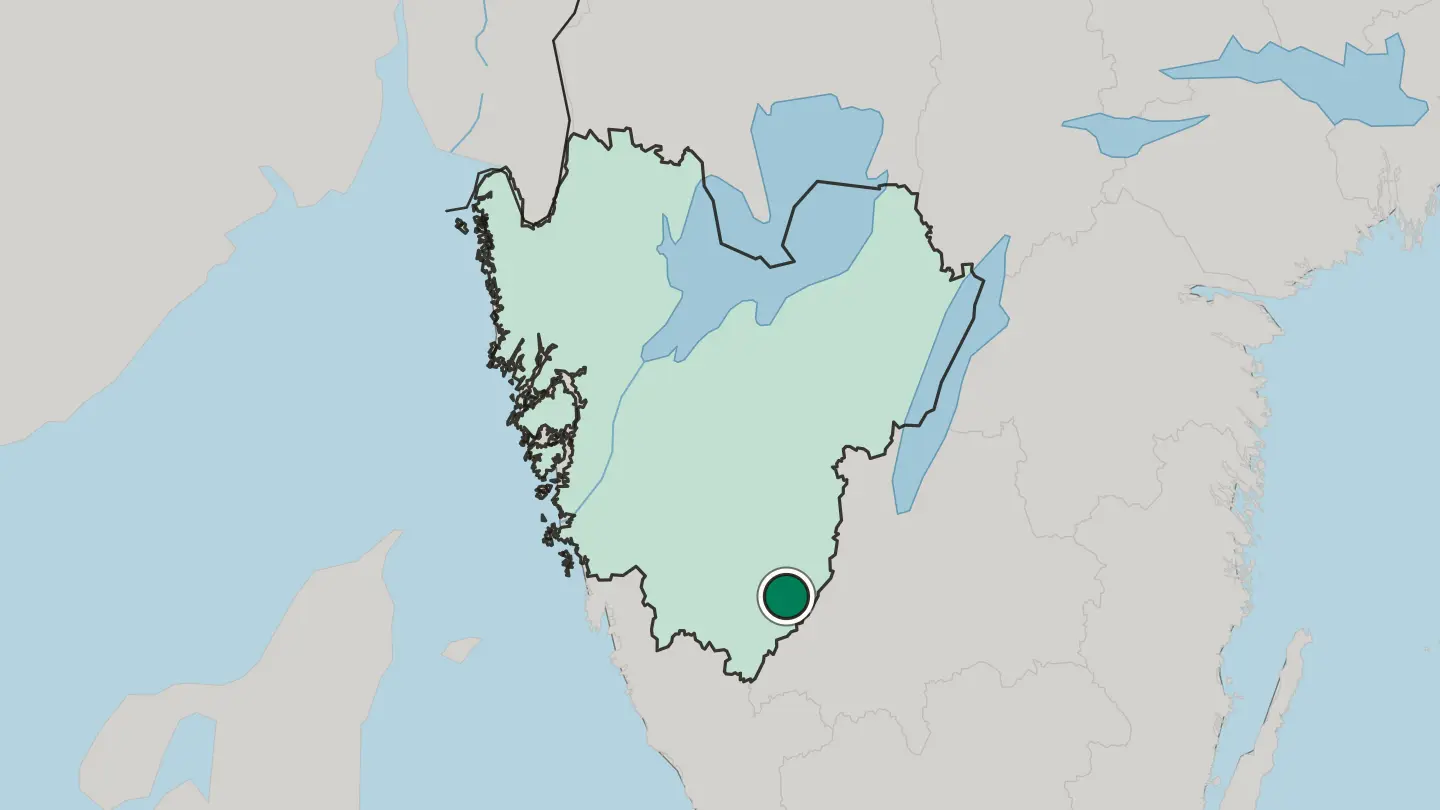
 Sweden
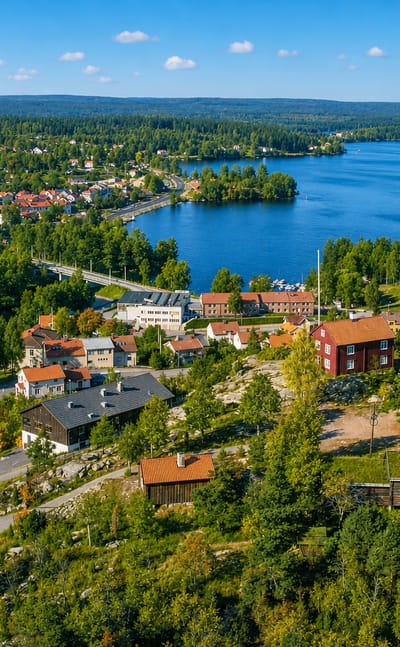
Bengtsfors
Bengtsfors is a town in the north-eastern part of Västra Götaland County, in western Sweden, in the lake country of Dalsland.Where to stay →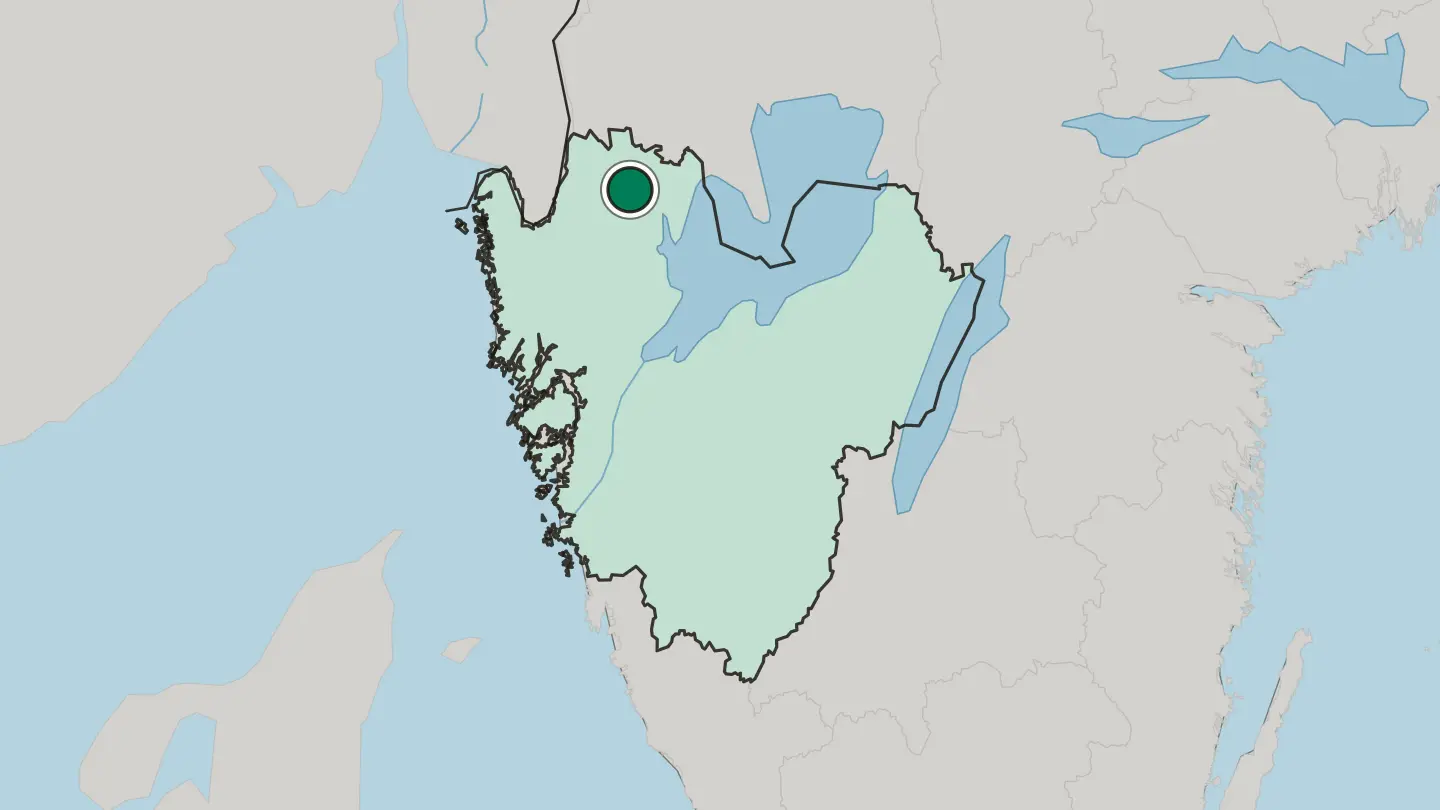
 Sweden
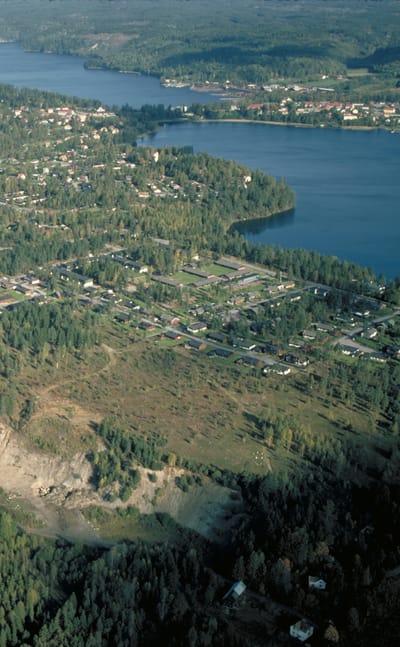
Ed
Ed is a town in the northern part of Västra Götaland County, in western Sweden, in the lake country of Dalsland near the Norwegian border.Where to stay →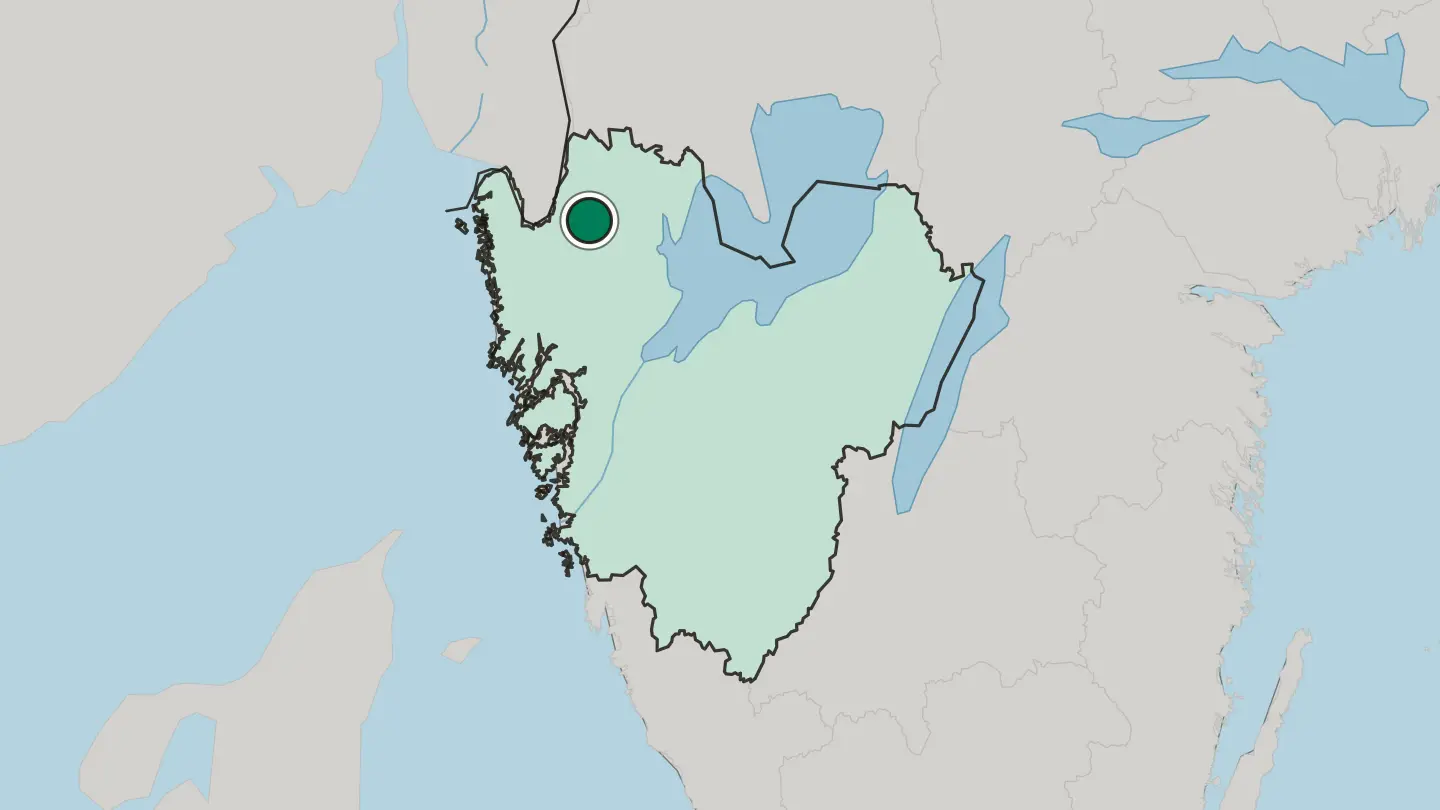
 Sweden
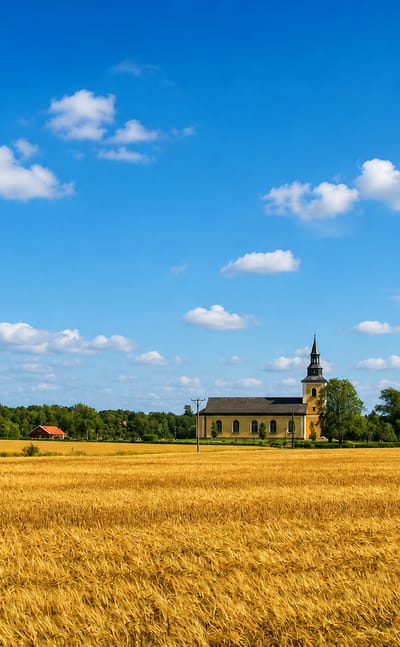
Grästorp
Grästorp is a small town and municipal seat in the eastern part of Västra Götaland County, in western Sweden.Where to stay →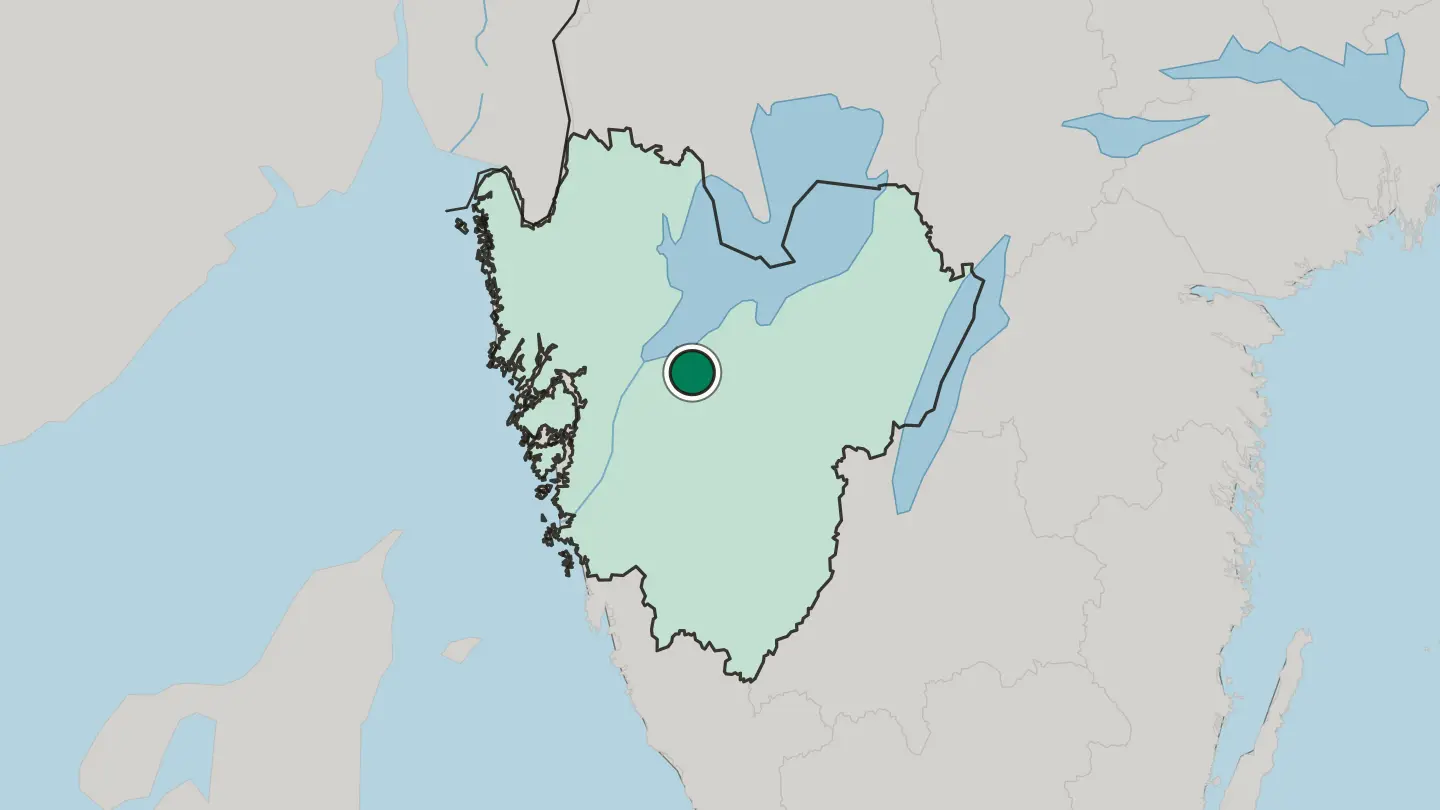
 Sweden
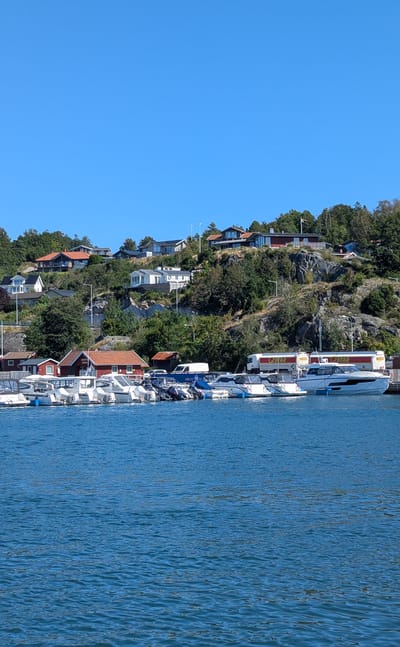
Henån
Henån is a coastal town and the seat of Orust Municipality, on the island of Orust in western Sweden.Where to stay →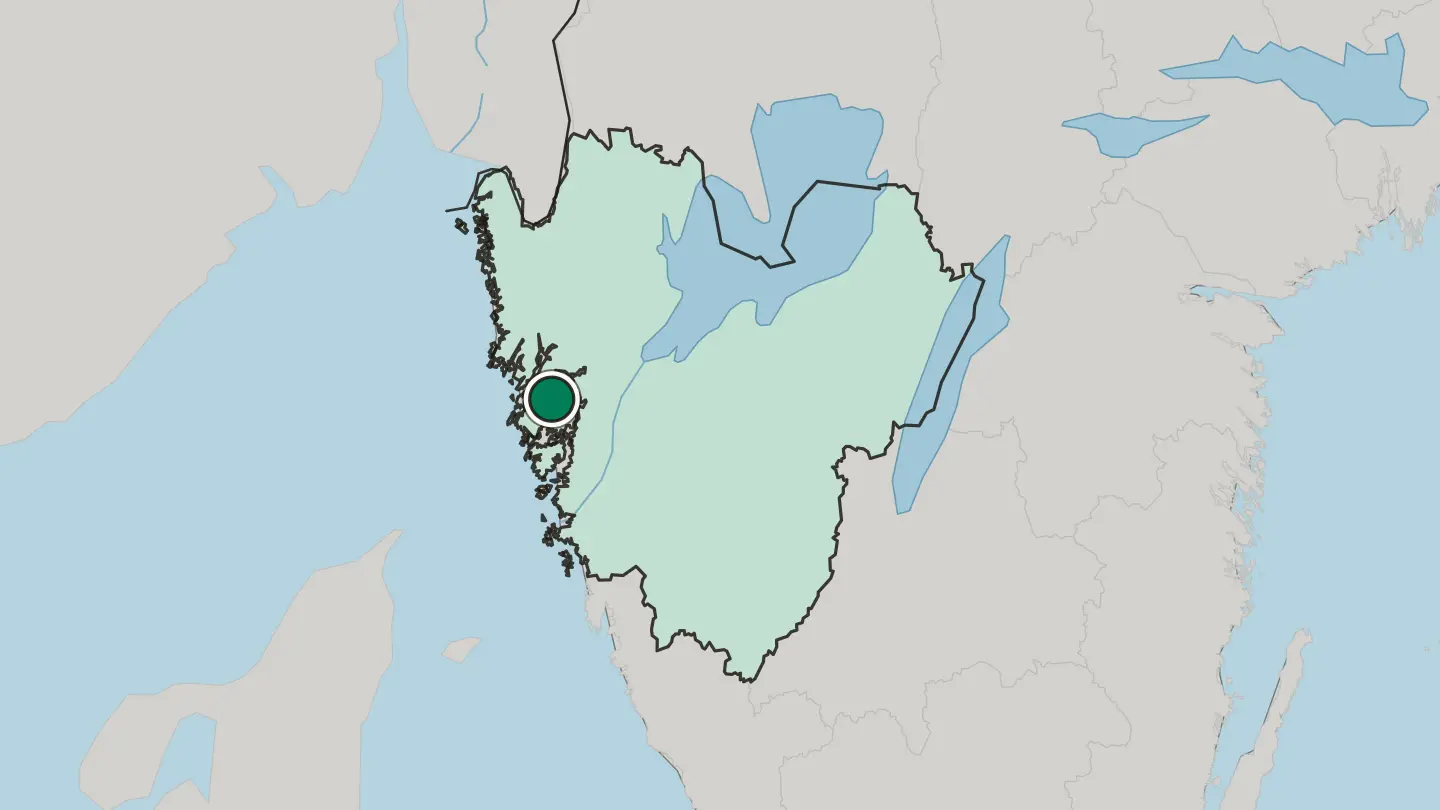
 Sweden
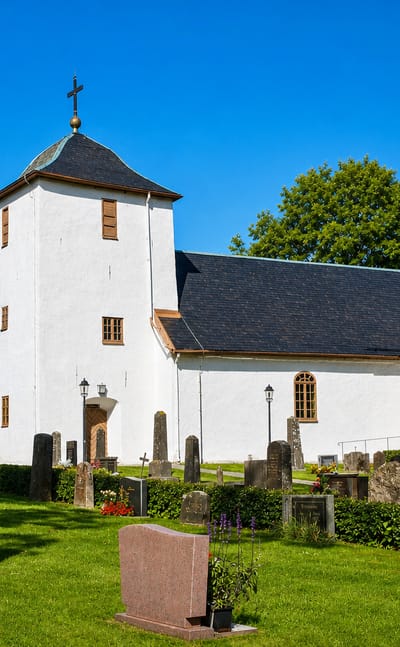
Färgelanda
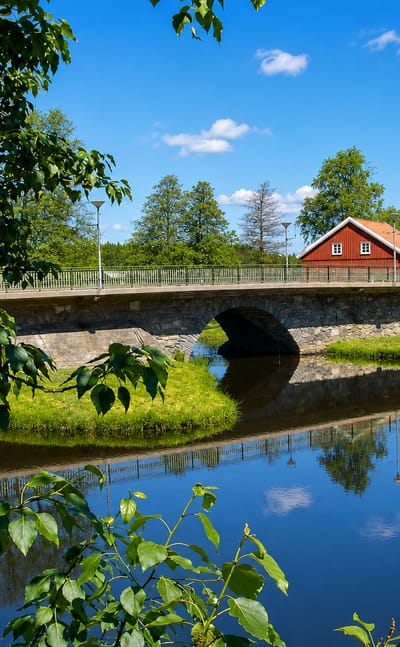
Färgelanda sits in Dalsland. Four heritage churches and a working-life museum mark the seat of a municipality in western Sweden.Where to stay →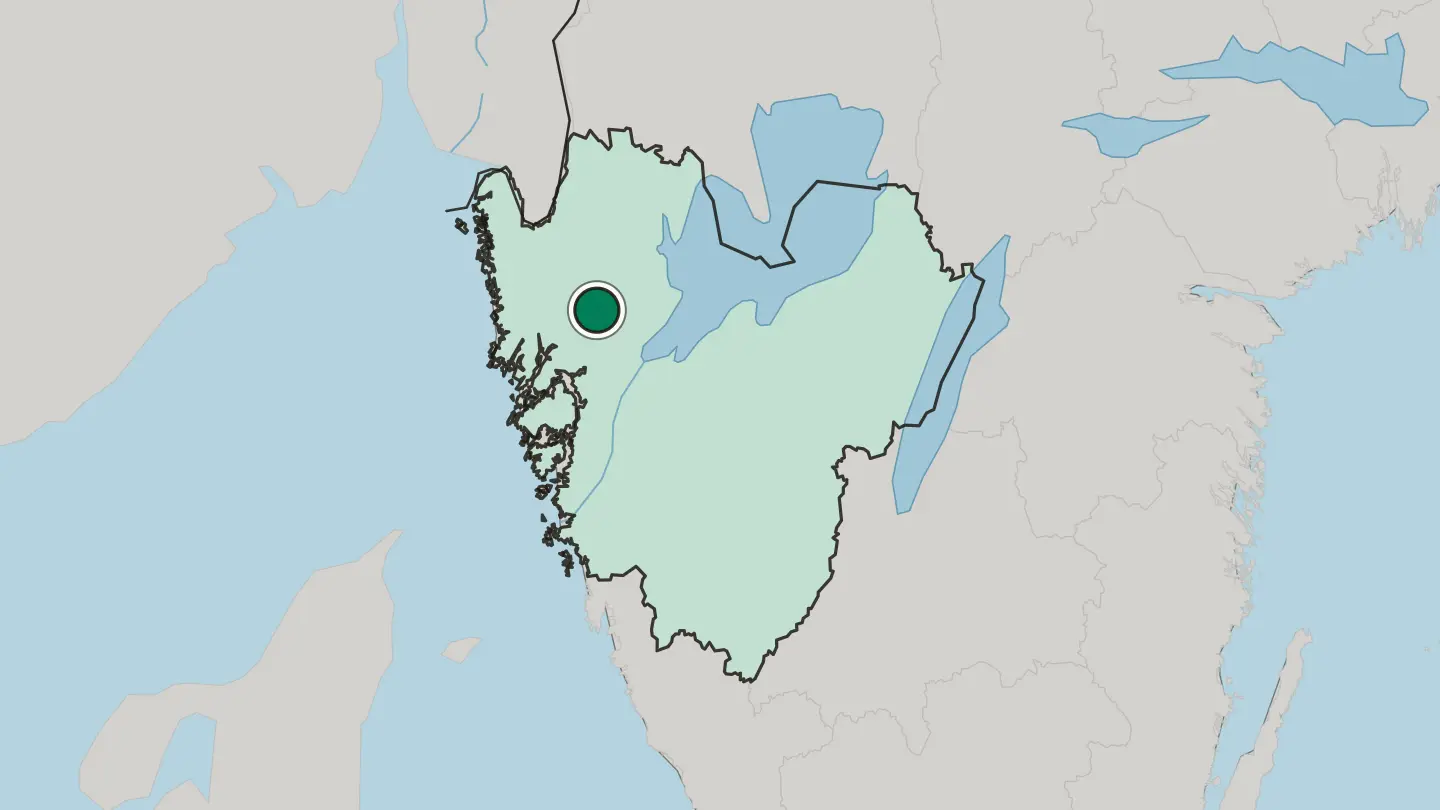
 Sweden
Nossebro
Nossebro is a small town in the eastern part of Västra Götaland County, in western Sweden, the seat of Essunga Municipality on the Nossan river.Where to stay →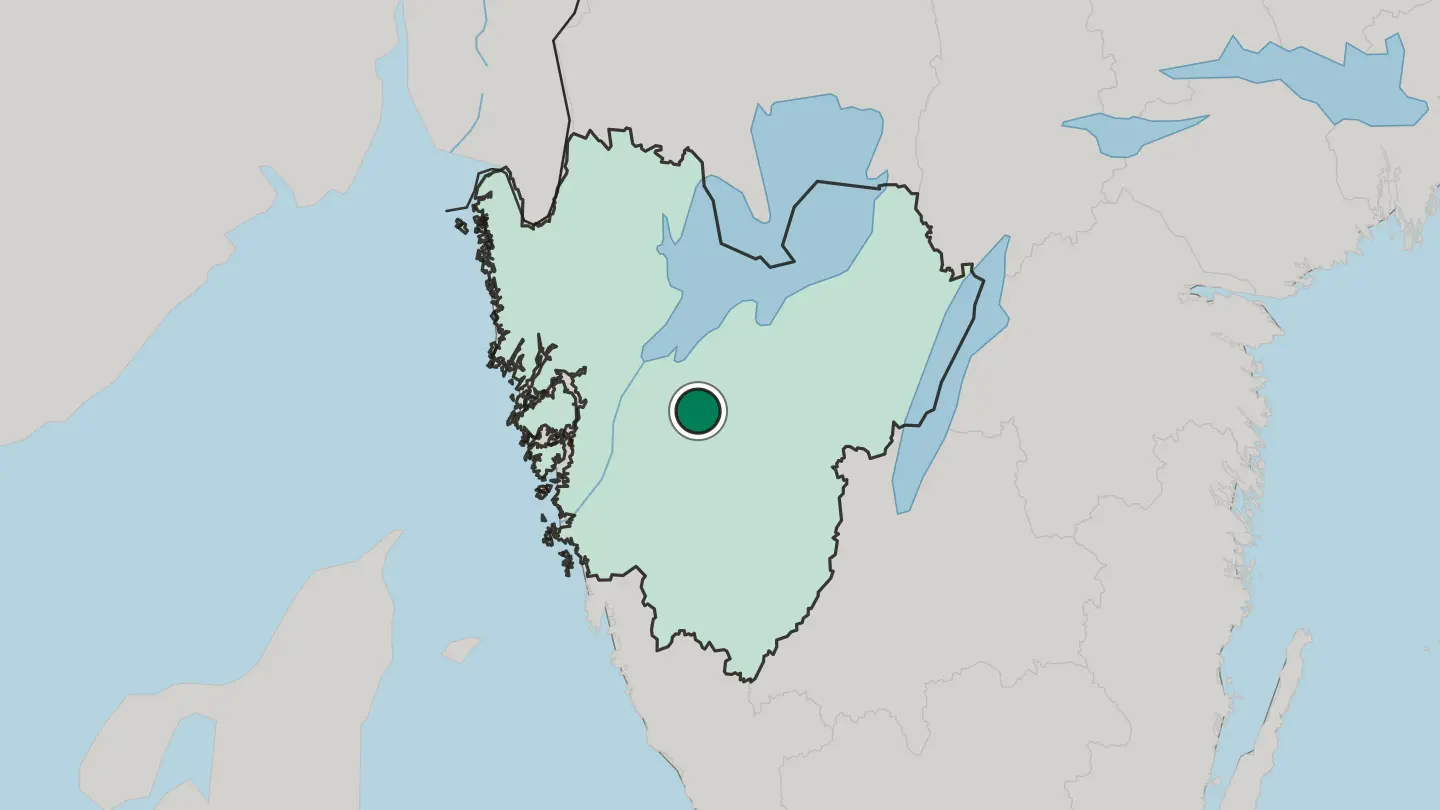
 Sweden
Tanumshede
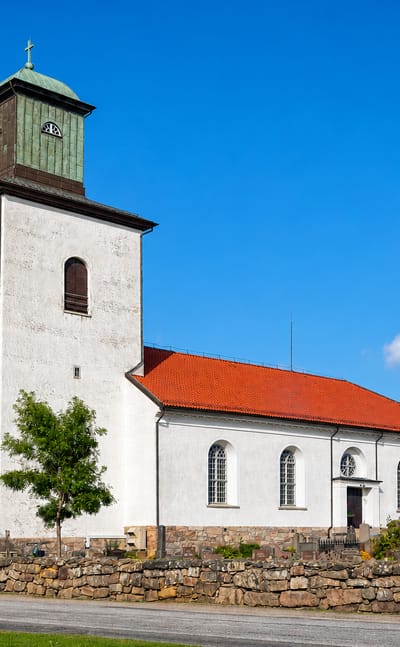
Tanumshede is the seat of Tanum Municipality in western Sweden, the village beside the rock carvings of Hällristningsområdet i Tanum.Where to stay →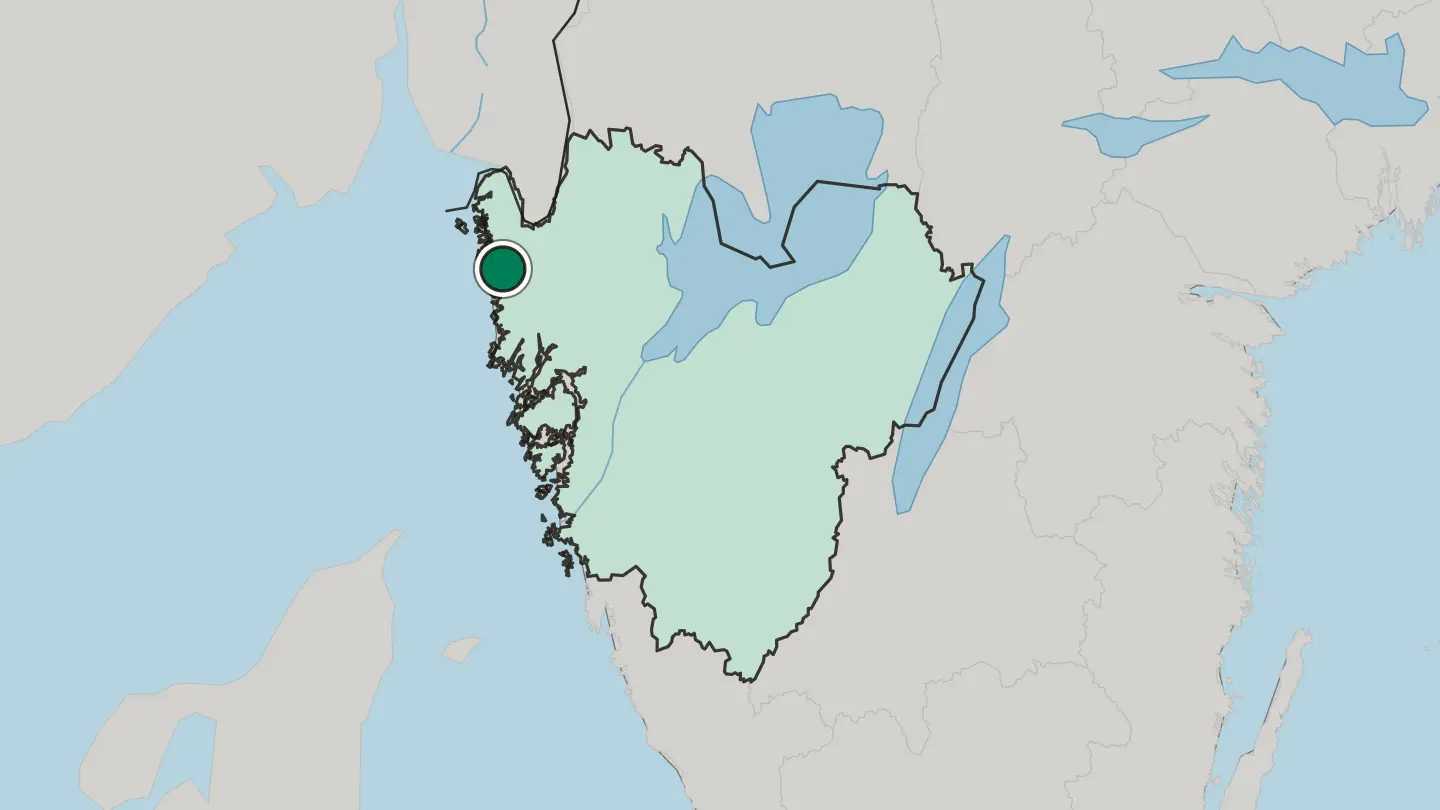
 Sweden
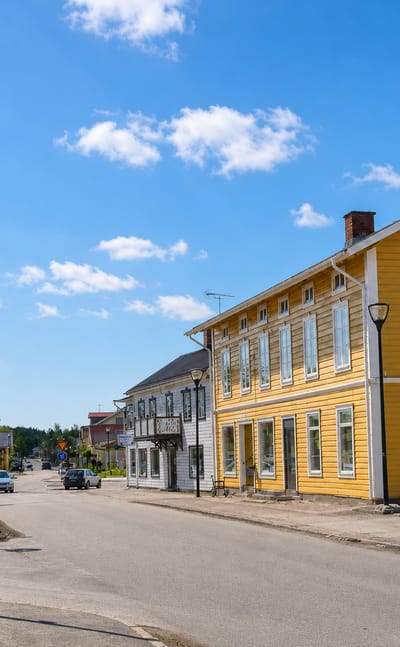
Hova
Hova is one of two seats of Gullspång Municipality in central Sweden, a small Västra Götaland County locality set around Hova kyrka.Where to stay →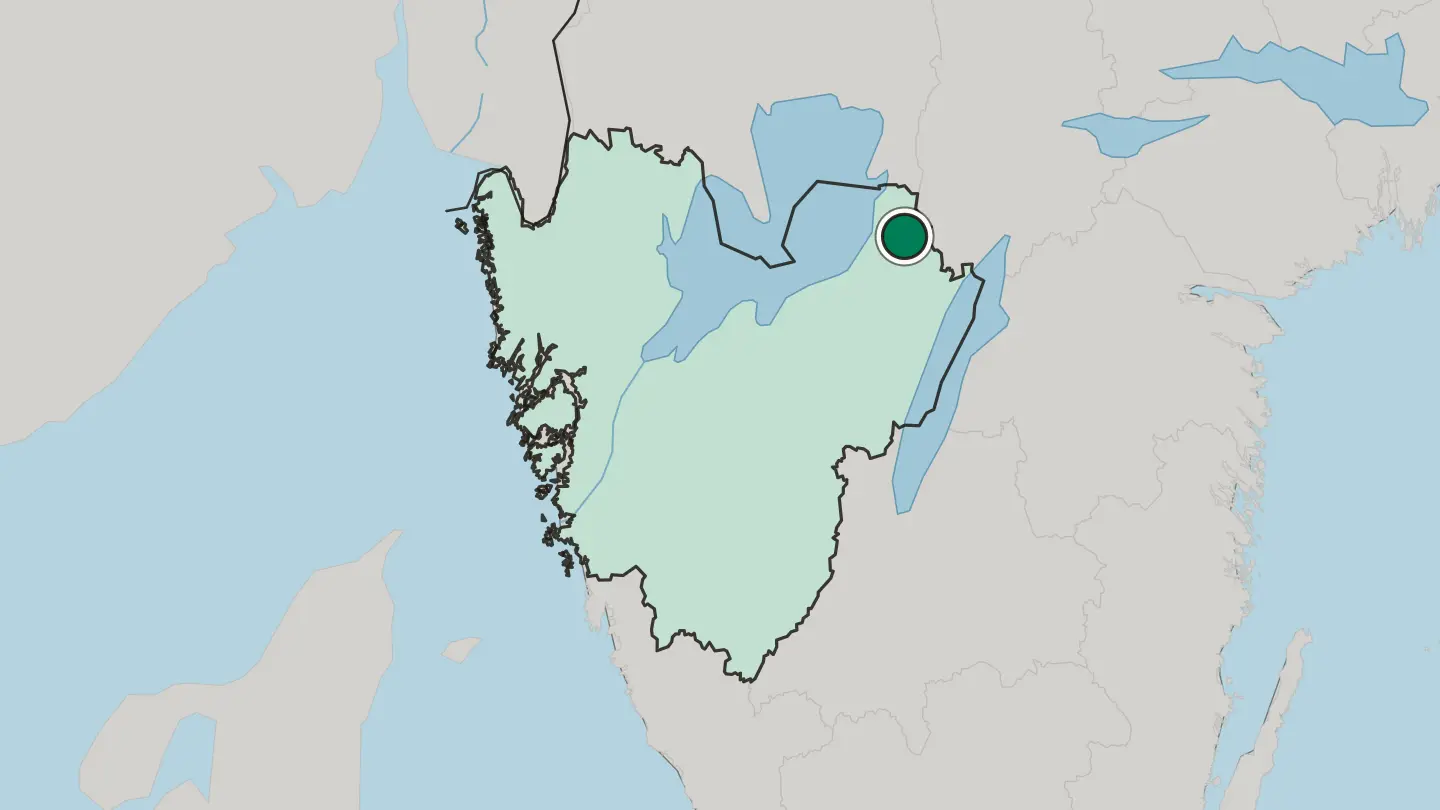
 Sweden
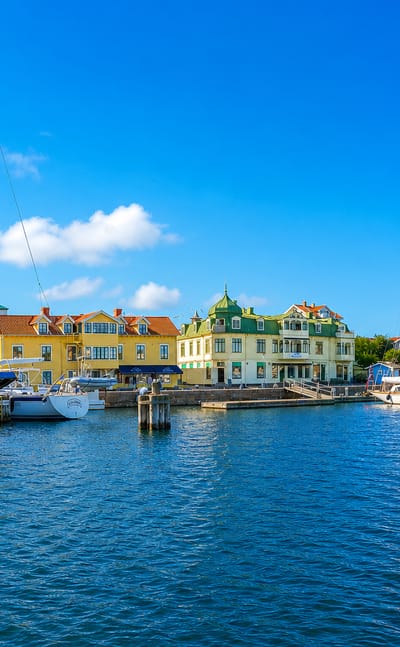
Marstrand
Granite skerries shelter the car-free island town of Marstrand, an old sailing resort in Västra Götaland County crowned by Carlsten fortress.Where to stay →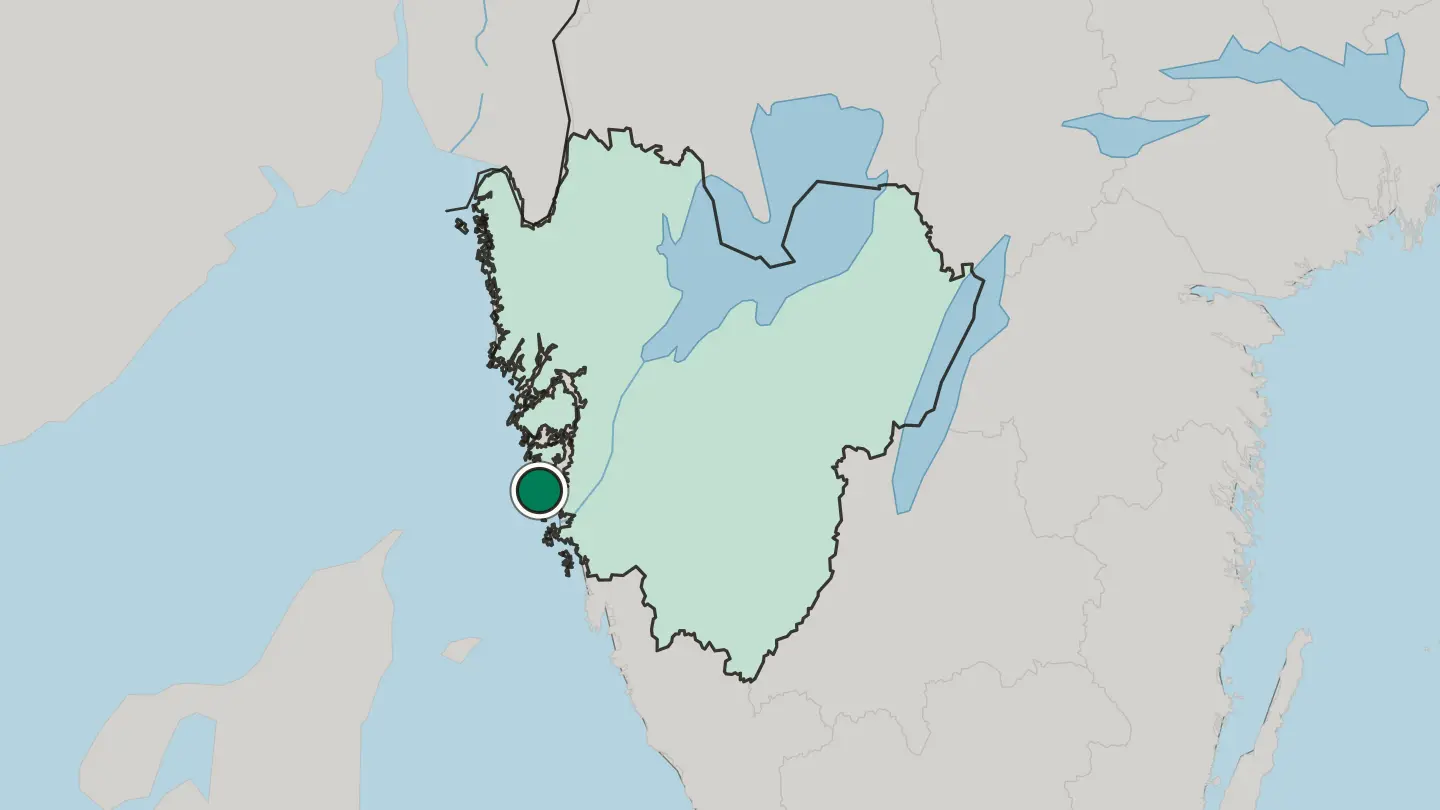 Sweden
Alafors
Alafors is a small town in the south-eastern part of Västra Götaland County, in south-western Sweden, lying in the Göta älv valley north of Göteborg.Where to stay →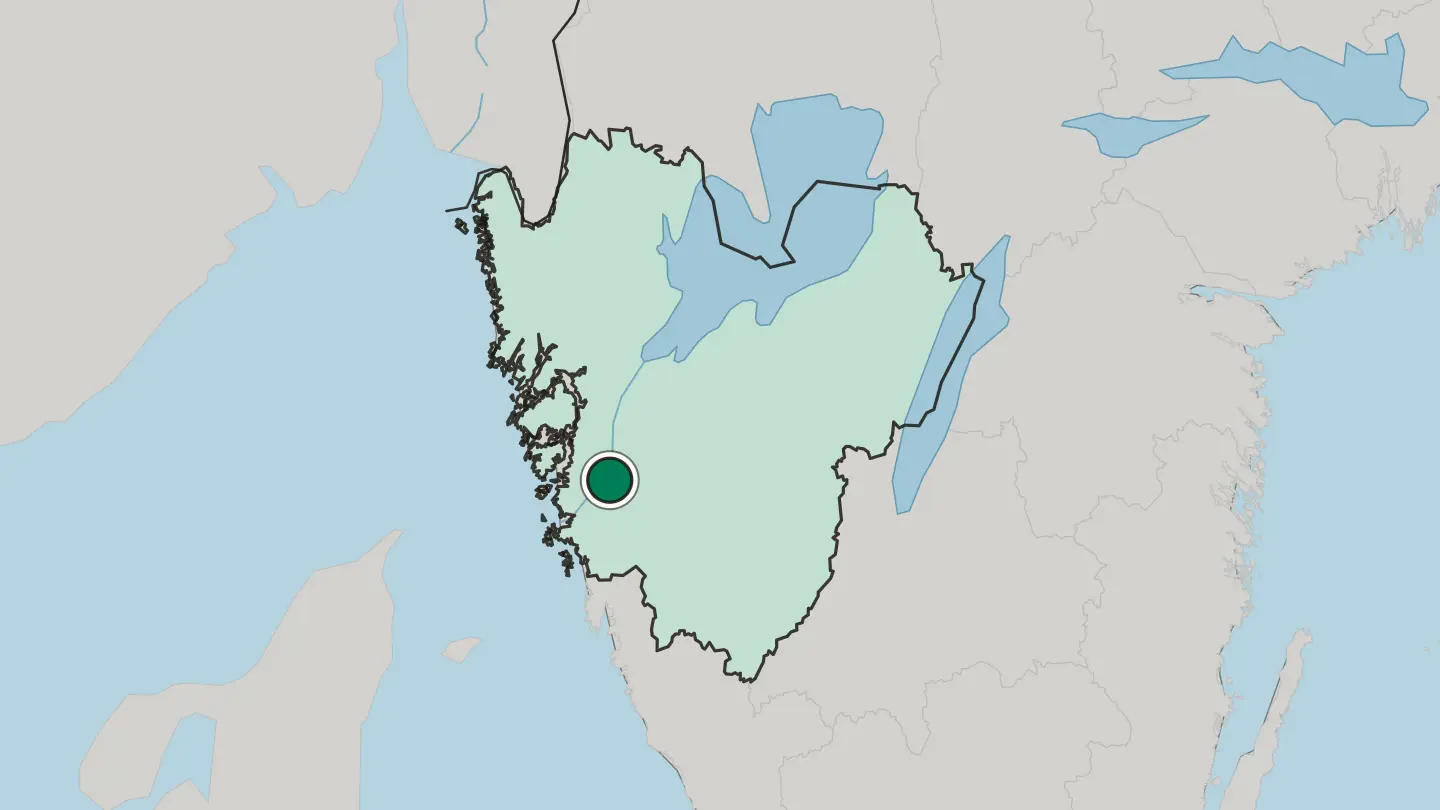
Hotel links are affiliate links: booking through them may earn us a commission, at no extra cost to you. It never affects how places are ranked. How this works
About Västra Götaland County
Göteborg leads this county.
What is Västra Götaland County known for?
The second city of Sweden anchors the south-west, a port and industrial centre whose canals, seafood, and easy temper draw visitors year round. North along the coast runs Bohuslän, a rocky archipelago of pink granite, fishing villages, and bare skerries famous across Scandinavia. The interior holds the great plains of Västergötland and the broad waters of Lake Vänern.
Port, coast, and lake give the län its wide appeal.
Where is Västra Götaland County?
Västra Götaland County covers a broad sweep of the south-western part of Sweden, from the open Skagerrak to the inland sea of Lake Vänern. The coast is rugged. Worn granite forms the Bohuslän shore into thousands of islands, skerries, and sheltered sounds, a labyrinth of bare rock and narrow channels prized by sailors.
Behind it the land flattens into the wide farming plains of Västergötland, broken by the curious flat-topped table mountains of Kinnekulle and Billingen. Lake Vänern dominates the north. It is vast.
The largest lake in the European Union spreads its grey waters across the county's upper reaches, drained south through the Göta älv past Trollhättan toward Göteborg and the sea. Forest and lake country fill the province of Dalsland in the north-west, while to the east the plains run toward Östergötland and Jönköping. The Norwegian border lies along the western fells.
Coast, plain, and great lake together set the geography of this western county.
What is Västra Götaland County like?
Several old provinces meet in this county. Västergötland, Bohuslän, and Dalsland each bring their own dialects, foods, and customs, and the mix gives the län a cultural range from coastal fishing tradition to inland farming life. The sea runs deep through the western identity, since herring, shellfish, and shipping built the towns of the coast and shaped a kitchen famous for seafood.
Folk music, maritime craft, and harvest festival all draw on this varied inheritance. Göteborg carries the cultural weight. A trading port founded by royal charter, the city grew outward-looking through commerce and industry, and its concert halls and museums, its film festival, and its great street life anchor the calendar of the whole region.
Bohuslän keeps the prehistoric rock carvings of Tanum on the UNESCO World Heritage list. The inland towns hold their own crafts and traditions, from the textile heritage of Borås to lakeside manor culture. Maritime life, plains tradition, and the energy of the port together give Västra Götaland one of the most varied cultures in the country.
What is the history of Västra Götaland County?
The history here runs deep. Plains of Västergötland hold some of the oldest seats of the Swedish realm, with early royal sites and the medieval cathedral town of Skara among them. As a single county it dates from 1998.
Born of a merger that joined three older counties around Göteborg, it gathered the coast of Bohuslän, the western plains, and the Vänern shore under one administration. Göteborg, chartered in the seventeenth century, had long led the west as Sweden's great Atlantic-facing port.
What is the climate of Västra Götaland County?
The county has a mild, wet maritime climate. The open Skagerrak keeps the Bohuslän coast among the warmest and rainiest corners of Sweden, with soft winters and changeable, breezy weather off the sea. Summers are pleasant.
They draw crowds to the archipelago and the beaches through the long bright weeks, when the granite islands fill with boats. Inland the plains and the Vänern shore run a touch drier and more continental, with colder winters away from the moderating sea. Rain falls generously across the year on this western edge.
How do you get to Västra Götaland County?
Göteborg is the main gateway. The city sits on the Western Main Line, with fast trains linking it to Stockholm in around three hours, and Göteborg Landvetter Airport handles flights from across Europe. Drivers reach the county on the E6 along the coast and the E20 from the capital.
Ferries cross the Kattegat to Denmark from the harbour. Regional trains and buses connect Göteborg with Borås, Skövde, Trollhättan, and the coastal towns of Bohuslän.
Common questions
What is the best area to stay in Västra Götaland County?
Göteborg: first-time visitors. Bohuslän coast: summer families and sailors along Bohuslän. Vänern and the interior: quiet lakeside stays.
Good for
More regions in Sweden
Updated September 2026