Sweden · Västra Götaland County
Where to Stay in Vänersborg, Västra Götaland County
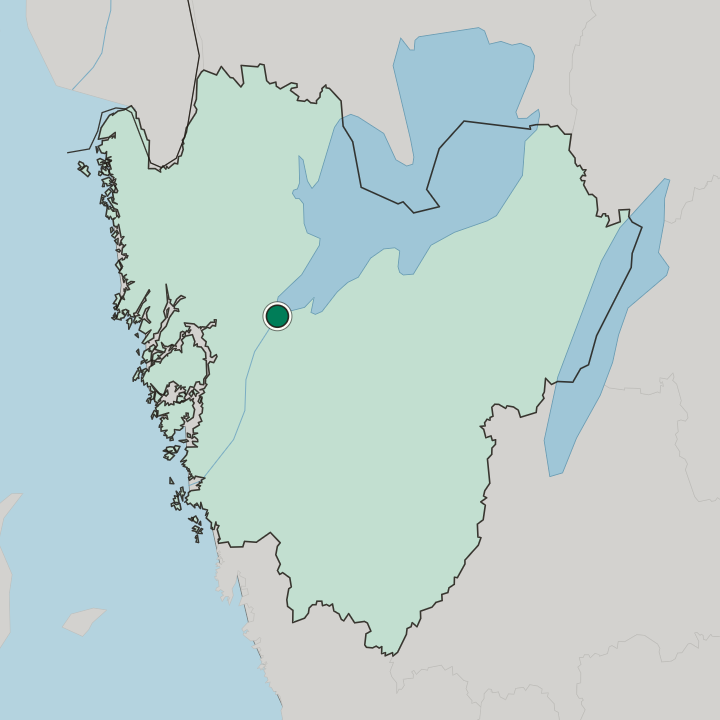
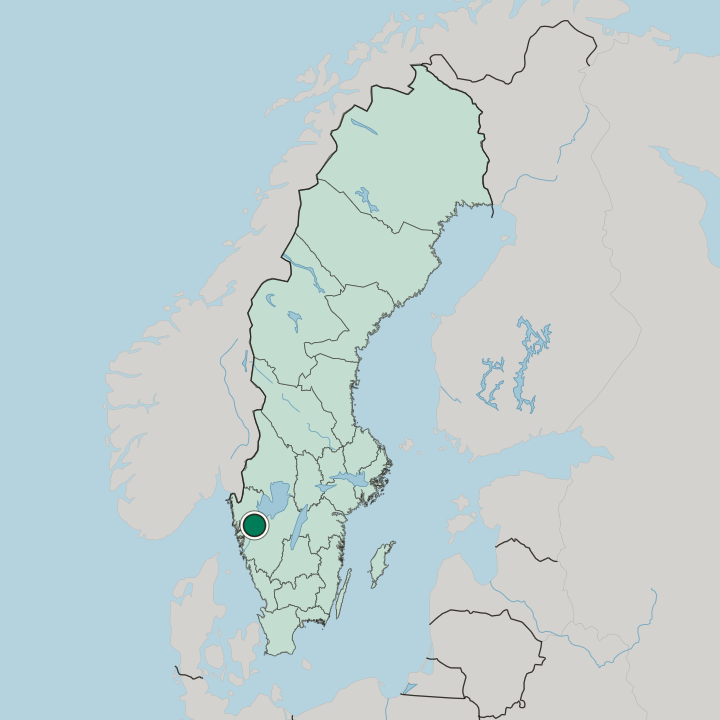
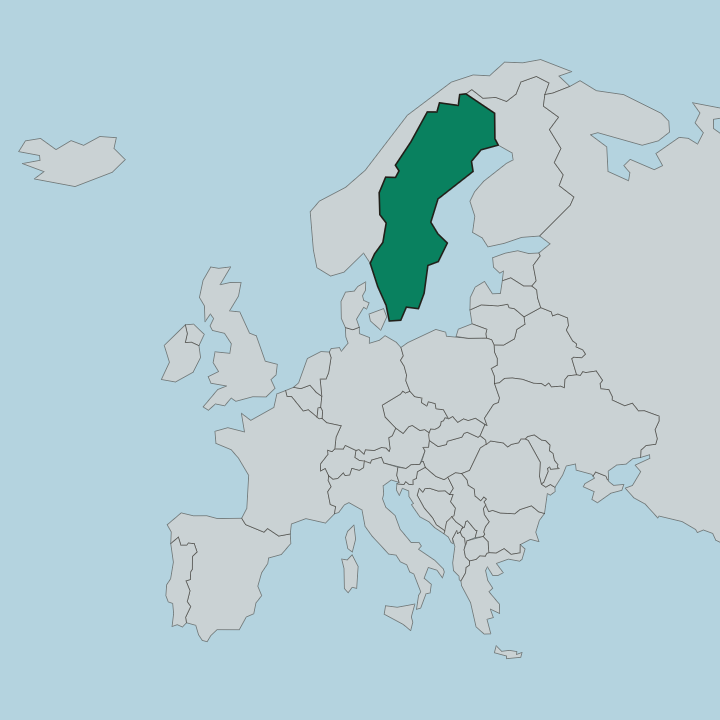
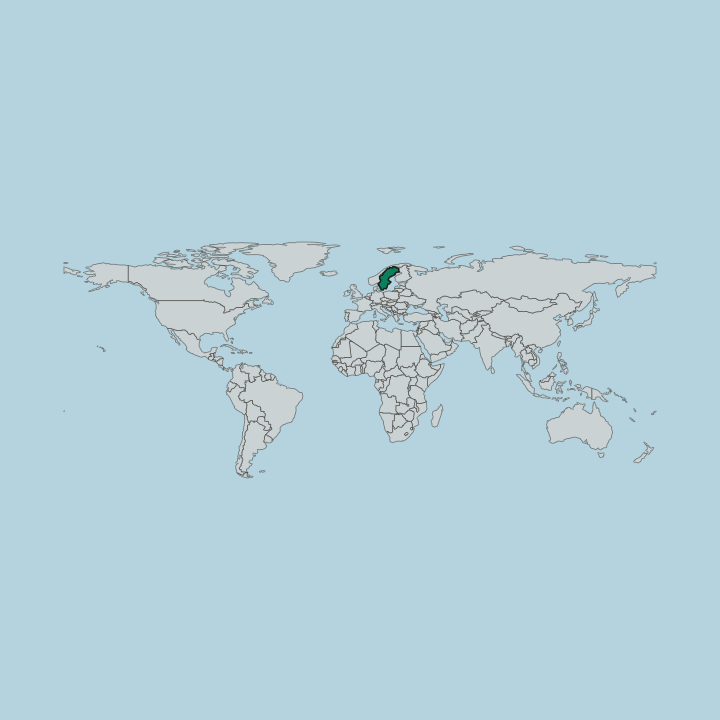
Vänersborg is a lakeside city in the eastern part of Västra Götaland County, set where the Göta älv leaves Lake Vänern in western Sweden.
Hotel links are affiliate links: booking through them may earn us a commission, at no extra cost to you. It never affects how places are ranked. How this works


Where to stay in Vänersborg
How the choice of base plays out on the ground.
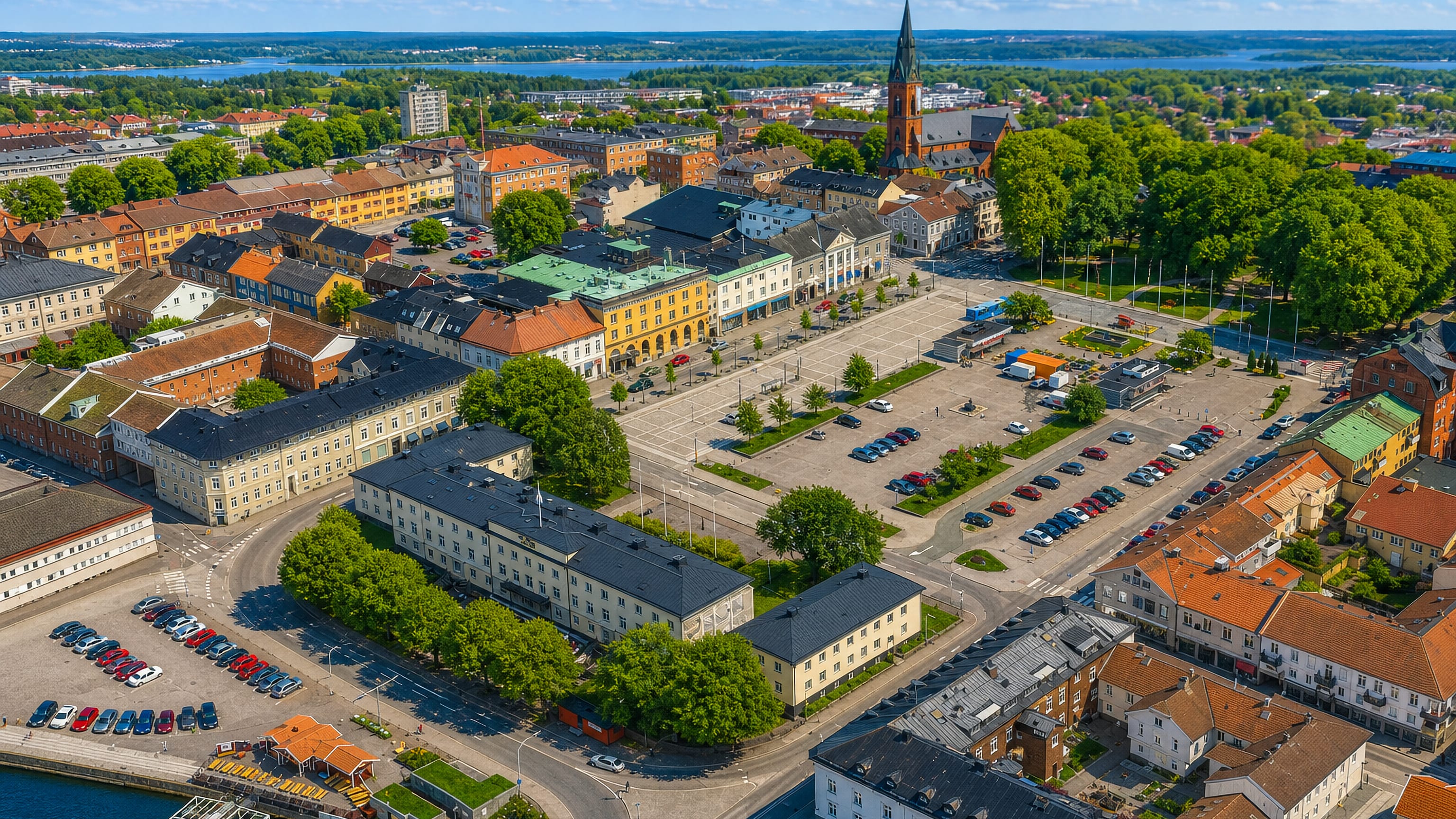
Most visitors stay in the old town centre, the seventeenth-century grid of streets that runs down to the waterfront and keeps shops, the church, and the lakeside parks within an easy walk. With everything within walking reach, it suits those arriving without a car. Rooms here range from established town hotels to guesthouses and rented apartments, and the lake views from the quays make this the obvious base for a first stay in the city.
The lakeside and the plateau country offer the other choices for anyone drawn to water or forest. Lodging along the Vänern shore and out toward Halleberg and Hunneberg leans toward resort rooms, cabins, and self-catering rentals, a calm setting for families, anglers, and walkers who want the lake or the moose forests at the door. Beds fill in the bright summer weeks.
For drivers, the practical rooms sit near the main roads, handy for reaching Trollhättan and the wider Göta älv valley. Book early for July. The city quietens in winter.
Find hotels in Vänersborg
Direct booking searches for these neighbourhoods.
Old town centre
the historic grid with church, shops and waterfront within a short walkFind hotels in Old town centrefamilies and anglers by the lakeLakeside
resort rooms and cabins along the Vänern shore. Beds are limited here, so book early.Find hotels in Lakesidewalkers and nature loversHalleberg and Hunneberg
rentals near the moose forests of the plateaus. Few places to stay nearby — book ahead.Find hotels in Halleberg and HunnebergHotel links are affiliate links: booking through them may earn us a commission, at no extra cost to you. It never affects how places are ranked. How this works
Things to do in Vänersborg
Ranked by global recognition; descriptions from Wikidata (CC0).
Churches & Religious Sites
5- Vänersborg Church Heritage Church of Sweden churchchurch building
- Blåsutkyrkan Heritage
- Onsjökyrkan Heritage church in Onsjö
- Marierokyrkan Heritage
- Vassända kyrkoruin Heritage
Stadiums & Sports
2- Vänersvallen
- Vänersborgs isstadion
worth knowingacross 2 categories in Vänersborg
About Vänersborg
Vänersborg is known for its lake.
What is Vänersborg known for?
The city sits at the southern end of Vänern, the largest lake in Sweden, and the wide water gives it a waterfront of quays, parks, and long views that earned the old town the nickname Lilla Paris. Two flat-topped mountains rise nearby. The plateaus of Halleberg and Hunneberg loom over the plain to the east, their forests famous for moose, while Vänersborgs kyrka anchors the centre of the seventeenth-century grid.
What are the main landmarks in Vänersborg?
Vänersborgs kyrka is the city's main landmark, a parish church standing in the old grid above the lake. The water and the mountains are the other draws. The Vänern shore carries the quays, the parks, and the long promenades that give Lilla Paris its name, while the plateaus of Halleberg and Hunneberg rise to the east over their famous moose forests.
Vänersborgs isstadion hosts the city's bandy. Together these places set the city between the largest lake in Sweden and two of its strangest mountains.
What is the history of Vänersborg?
Vänersborg was a planned town. It was established in 1641 at the southern tip of Lake Vänern, laid out on a regular grid to serve as a trading and shipping point where the lake's goods met the road and river routes south toward Göteborg. The site mattered for commerce.
Vänern carried the iron, timber, and grain of half of inland Sweden, and the new town stood at the gate where that traffic turned toward the coast. The city grew with the lake trade and the river works. For long it was the capital of Älvsborg County, a regional seat of administration and a busy harbour on the great lake, its grid of streets and its lakeside setting earning it the affectionate name Lilla Paris among nineteenth-century Swedes.
Fire and rebuilding marked its centuries. In the modern era Vänersborg became a seat of regional government for Västra Götaland, while the moose forests of Halleberg and Hunneberg, long the ground of royal hunts, drew visitors to the plateaus that rise beside the town.
Where is Vänersborg?
Vänersborg lies in the eastern part of Västra Götaland County, set where the Göta älv flows out of the southern end of Lake Vänern in western Sweden. The setting joins lake and river. The city spreads across the low ground at the lake's outlet, with water on its northern and western edges, while just to the east the twin plateaus of Halleberg and Hunneberg rise abruptly from the surrounding plain.
Forests and farmland fill the country beyond. This is the heart of the Göta älv valley, well inland from the sea.
What is the climate of Vänersborg?
Vänersborg has a mild lakeside climate. The great mass of Vänern tempers the seasons, easing the winter cold and holding warmth into the autumn, so the city sees milder weather than places further inland at the same reach of western Sweden. Snow falls but rarely lingers long.
The lake breathes its moisture into the air. Summers turn warm and bright over the water, while grey, changeable fronts sweep in off Vänern through spring and autumn to keep the surrounding country green.
How do you get to Vänersborg?
Vänersborg sits on a rail line. Trains running through the Göta älv valley stop at the city, linking it toward Göteborg and the wider network, and the station leaves you a short walk from the old centre. By road, the main routes up the valley meet near the city, carrying drivers between Göteborg and the Vänern country.
The nearest large airport lies south toward Göteborg and Landvetter. Most travellers arrive by car or train, since the valley funnels both road and rail straight past the town.
Common questions
What is the best area to stay in Vänersborg?
Old town centre: first-timers. Lakeside: families and anglers by the lake. Halleberg and Hunneberg: walkers and nature lovers.
Good for
More cities in Västra Götaland County
Updated October 2026