Sweden · Västra Götaland County
Where to Stay in Kungälv, Västra Götaland County
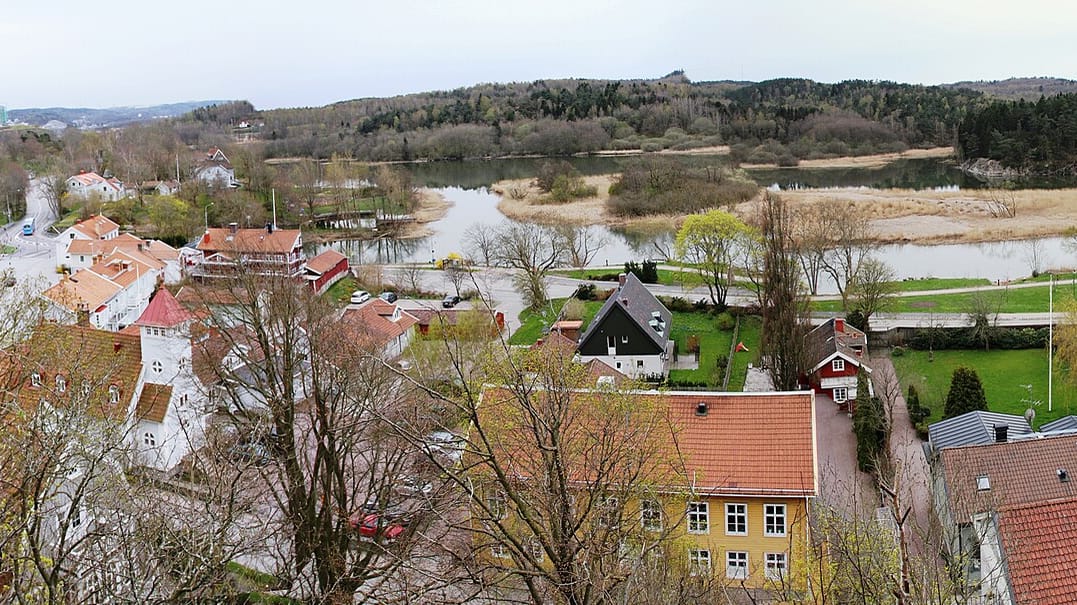
Kungälv is a historic town in southern Västra Götaland County, on the Göta älv just north of Göteborg.
Hotel links are affiliate links: booking through them may earn us a commission, at no extra cost to you. It never affects how places are ranked. How this works


Where to stay in Kungälv
The practical side of choosing where to sleep.
Most visitors stay in the town centre near the river, where hotels and guesthouses sit within an easy walk of the old wooden quarters, the shops, and the path to Bohus fästning. This central area suits travellers exploring the history or passing through on the way north from Göteborg, with services, transport, and the riverside close at hand. Rooms tighten once summer arrives.
The town lies near the city and the coast, so demand climbs through the warm months and around the festivals that gather crowds to the river. West toward the sea, the island resort of Marstrand offers hotels and guesthouses around its harbour and fortress, busy through the sailing season. Across the wider municipality, farm stays, cabins, and self-catering cottages open in the countryside and along the coast for families touring by car.
Book ahead in high season. The district runs from the river valley out to the skerries across one of the larger municipalities in the region, and its lodging ranges from town hotels to island guesthouses by the sea.
Find hotels in Kungälv
Direct booking searches for these neighbourhoods.
Town centre
hotels near the old wooden quarters and Bohus fästning. Rooms are few around here — worth securing early.Find hotels in Town centresailors and seaside visitorsMarstrand
harbour hotels by the island fortress and the sea. Beds are limited here, so book early.Find hotels in Marstrandfamilies touring by carCoast and countryside
farm stays and cottages from the river valley to the skerriesFind hotels in Coast and countrysideHotel links are affiliate links: booking through them may earn us a commission, at no extra cost to you. It never affects how places are ranked. How this works
Things to do in Kungälv
Ranked by global recognition; descriptions from Wikidata (CC0).
Churches & Religious Sites
3- Kungälvs kyrka Heritage
- Ytterby Church Heritage
- Kungahälla medieval city
Castles & Historic Sites
1- Bohus Fortress Heritage fortress just north of Gothenburg
Stadiums & Sports
3- Skarpe Nord ice skating rink
- Kungälv Arena
- Oasen badhus och ishall
worth knowingacross 3 categories in Kungälv
About Kungälv
Kungälv is known for its fortress.
What is Kungälv known for?
Bohus fästning, the ruined medieval stronghold on an island in the Göta älv, guarded the old border between Sweden and Norway for centuries and still draws visitors to its broken towers above the river. The town traces its roots to Kongahälla, one of the great trading places of the medieval north. The river and the fortress mark it.
Visitors come for that long history, the old wooden quarters, and the seaside resort of Marstrand within the municipality.
What are the main landmarks in Kungälv?
Bohus fästning dominates the river. The ruined fortress on its island in the Göta älv, with broken walls and a surviving tower, ranks among the great medieval strongholds of the north and crowns the view over the water. In the town, old wooden houses line the streets that grew below the castle.
Westward, the resort island of Marstrand holds its own fortress, Carlstens fästning, above the sailing harbour. The Nordre älv branches away through the lowlands. Together these sites trace a long-contested border country where fortresses watched the rivers and the sea.
What is the history of Kungälv?
Kungälv is one of the oldest towns in the land. Its first life was as Kongahälla, a Norwegian trading place on the Göta älv that flourished in the early medieval centuries as a meeting point of kings, merchants, and pilgrims, until raids and warfare destroyed the old town and the settlement shifted upstream to safer ground beneath a new castle. For long ages this was border country, where the river marked the edge between the Norwegian and Swedish realms.
Bohus fästning shaped the second town. A fortress raised on an island in the river in the early fourteenth century became the strongpoint that the new town grew beside, and through repeated wars the stronghold was besieged again and again without ever falling to direct assault. The border moved with the wars.
When the surrounding province passed at last to Sweden in the seventeenth century, Kungälv changed from a frontier outpost into a Swedish provincial town on the great river. The modern town kept its old core. Fire and rebuilding gave the centre the wooden streets that survive, and as the fortress fell into ruin and the border faded into history, Kungälv grew with the nearby city of Göteborg into a place that joins old town, river, and coast across a wide municipality.
Where is Kungälv?
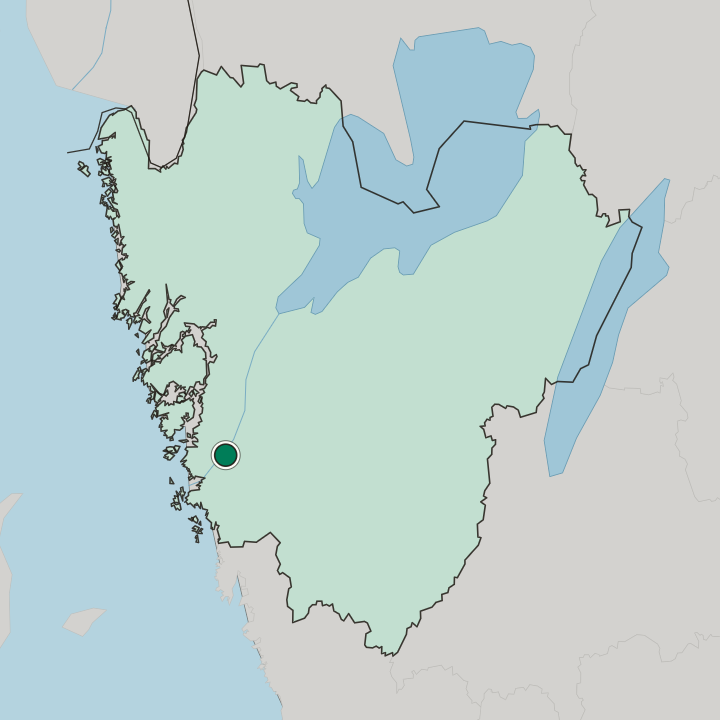
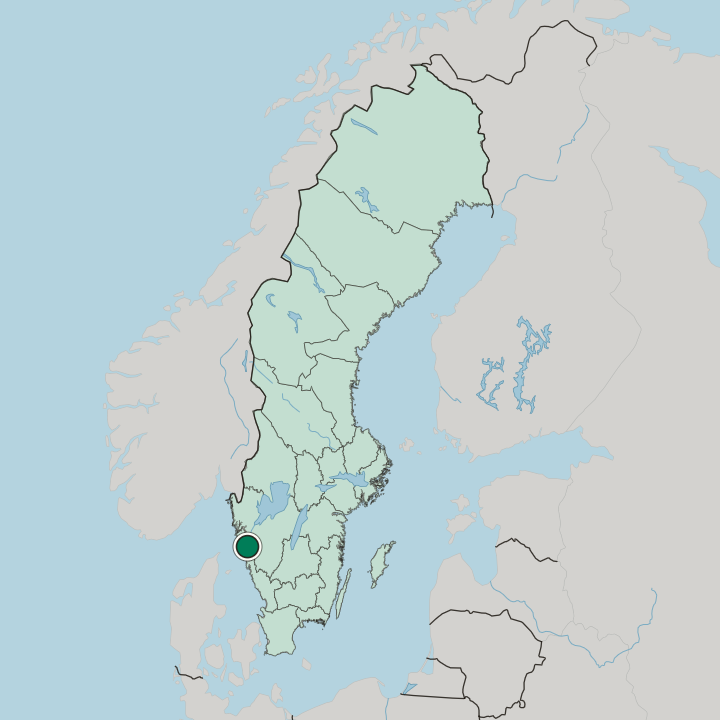
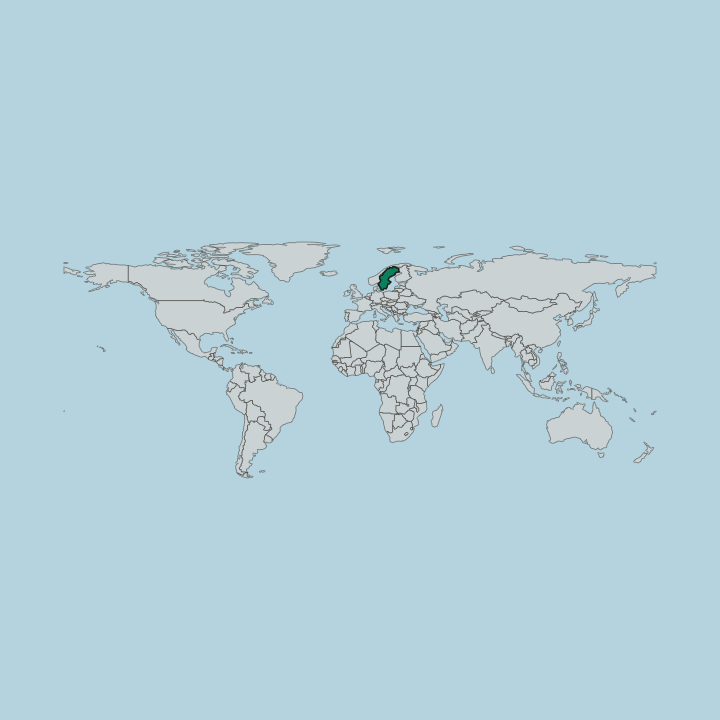
Kungälv lies on the Göta älv, in the southern part of Västra Götaland County, just north of Göteborg. The town stands where the great river splits, with the Nordre älv branching west toward the sea and the fortress island set in the channel below the centre. Beyond the river valley, farmland, forest, and rocky coast run on through Kungälv Municipality out to the skerries.
The Göta älv runs through it all. Lowland fields give way to the bare granite of the Bohuslän shore in the west.
What is the climate of Kungälv?
Kungälv has a mild, maritime climate set by the nearby sea. Summers are warm and green, with long days and frequent rain that keeps the river valley and the coast lush through the season, while the water nearby holds the heat from ever building far. Winters stay relatively mild and damp, with grey, wet weather more common than deep cold, though snow falls and the river can freeze in the harder months.
Rain comes often here. Sea air keeps the seasons softer than the inland country to the east.
How do you get to Kungälv?
Kungälv is easy to reach from Göteborg. The town sits just north of Göteborg on the main road and rail routes up the western coast, and frequent buses and regional trains link it with the city in a short ride. Göteborg holds the nearest large airport and the main connections onward across the country and abroad.
The coast lies a short drive west. A car gives the freest reach to Marstrand, the fortress, and the wider municipality along the river and the sea.
Common questions
What is the best area to stay in Kungälv?
Town centre: history visitors and through-travellers. Marstrand: sailors and seaside visitors. Coast and countryside: families touring by car.
Good for
More cities in Västra Götaland County
Updated October 2026