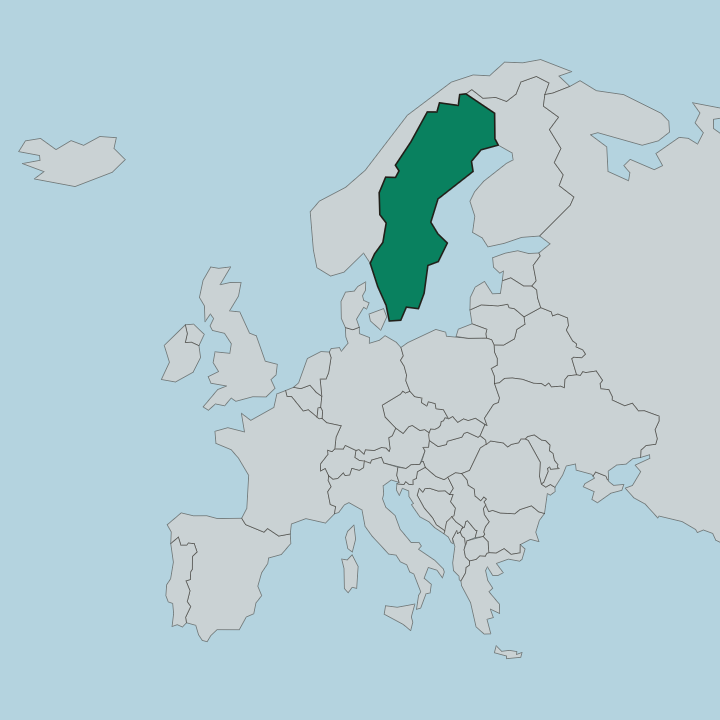
Sweden · Västra Götaland County
Where to Stay in Gothenburg, Västra Götaland County
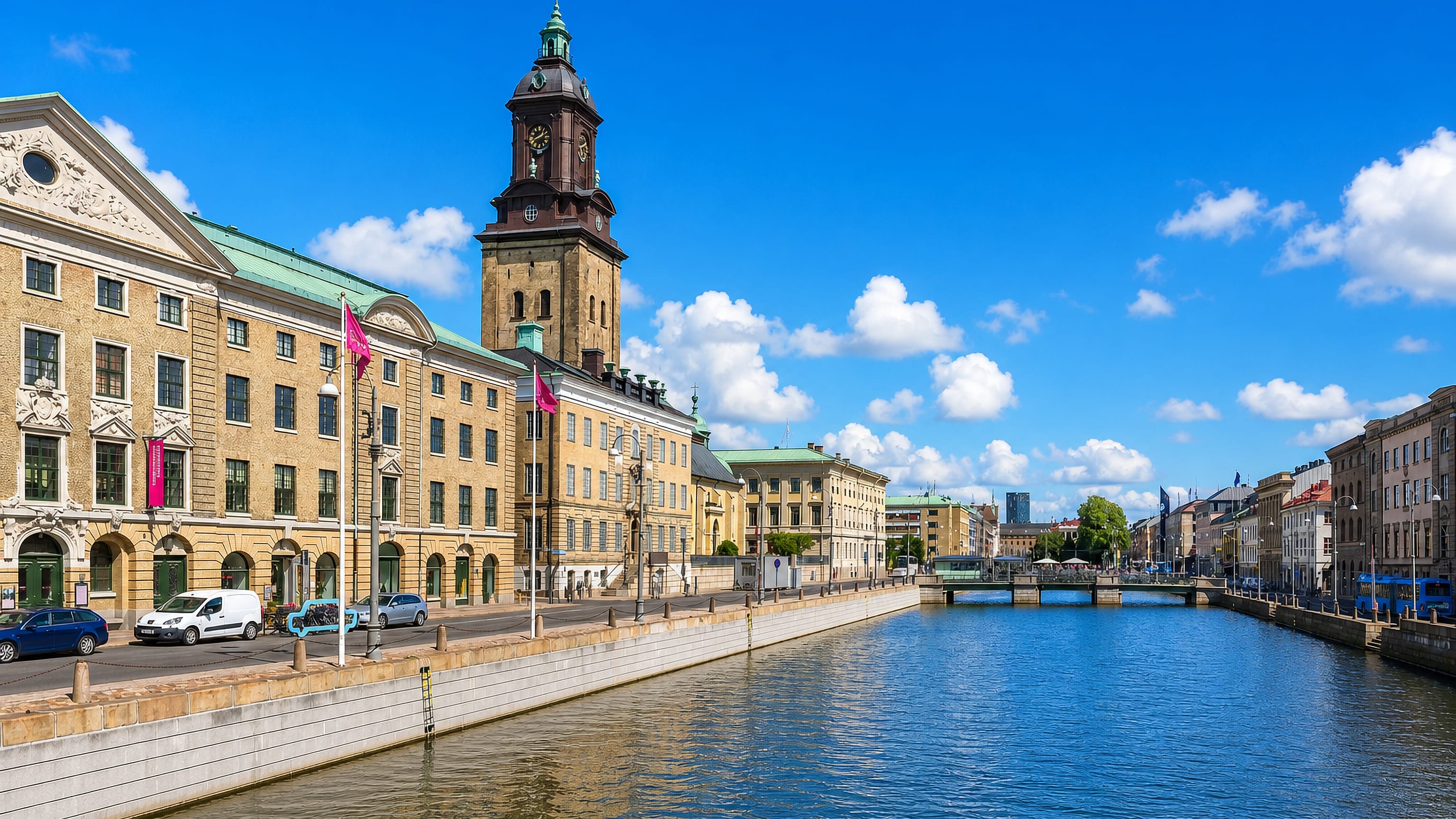
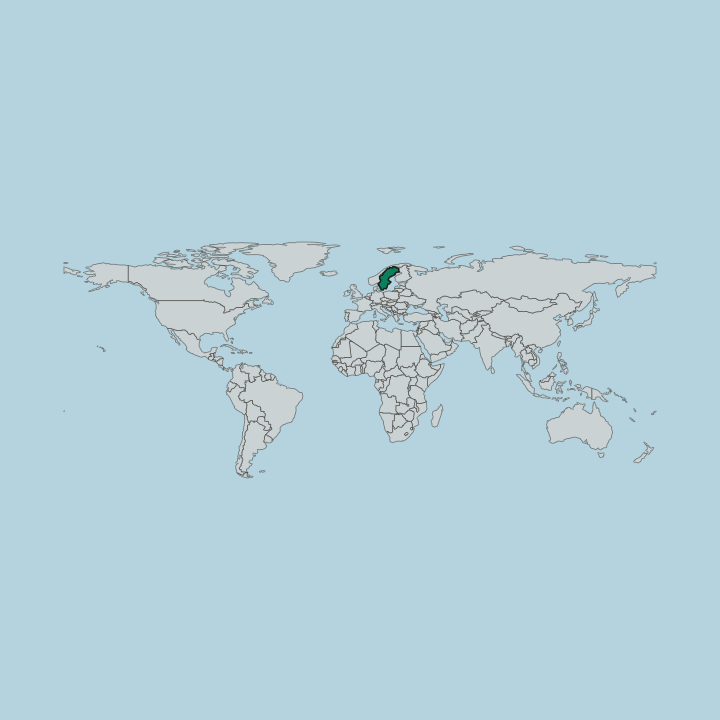
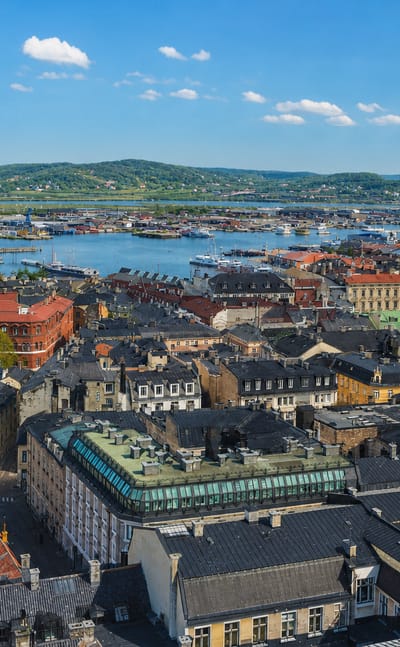
Göteborg is Sweden's second-largest city, a major port on the west coast where the Göta älv river meets the Kattegat.
Hotel links are affiliate links: booking through them may earn us a commission, at no extra cost to you. It never affects how places are ranked. How this works


Where to stay in Gothenburg
The right area depends on your trip — here's what each neighbourhood is best for.
 GothenburgSweden
Nordstaden
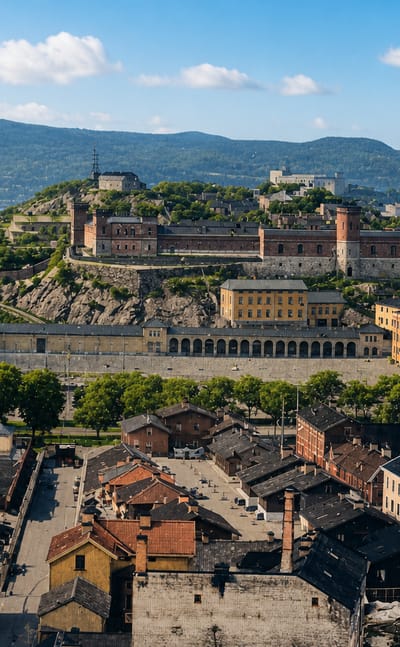
Nordstaden is a central district of Gothenburg, north of the Stora Hamnkanalen canal and part of the city's original area, in south-western Sweden.Where to stay →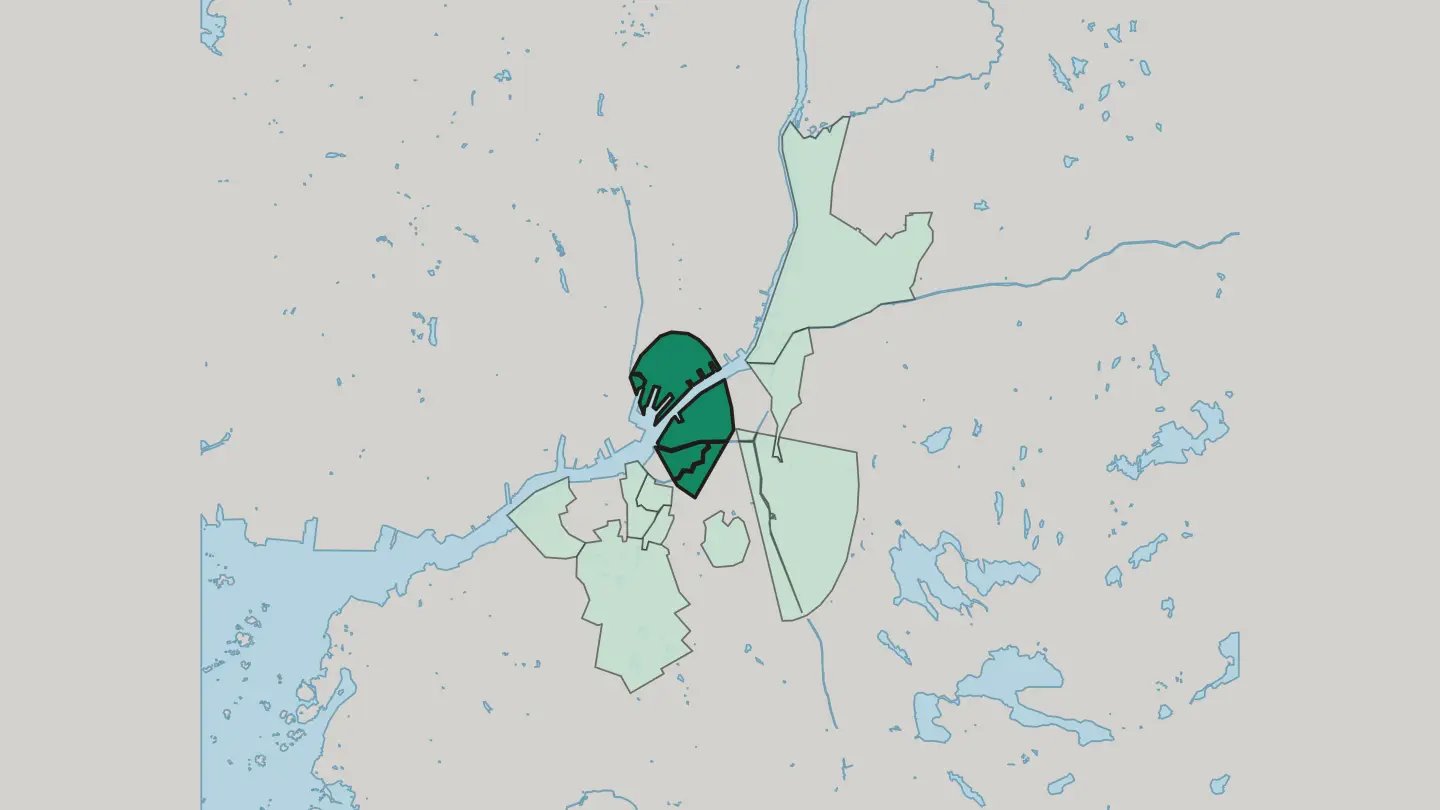
 GothenburgSweden
Haga
Haga is a historic district of Gothenburg, in south-western Sweden, known for its wooden houses, its 19th-century atmosphere and its cafés.Where to stay →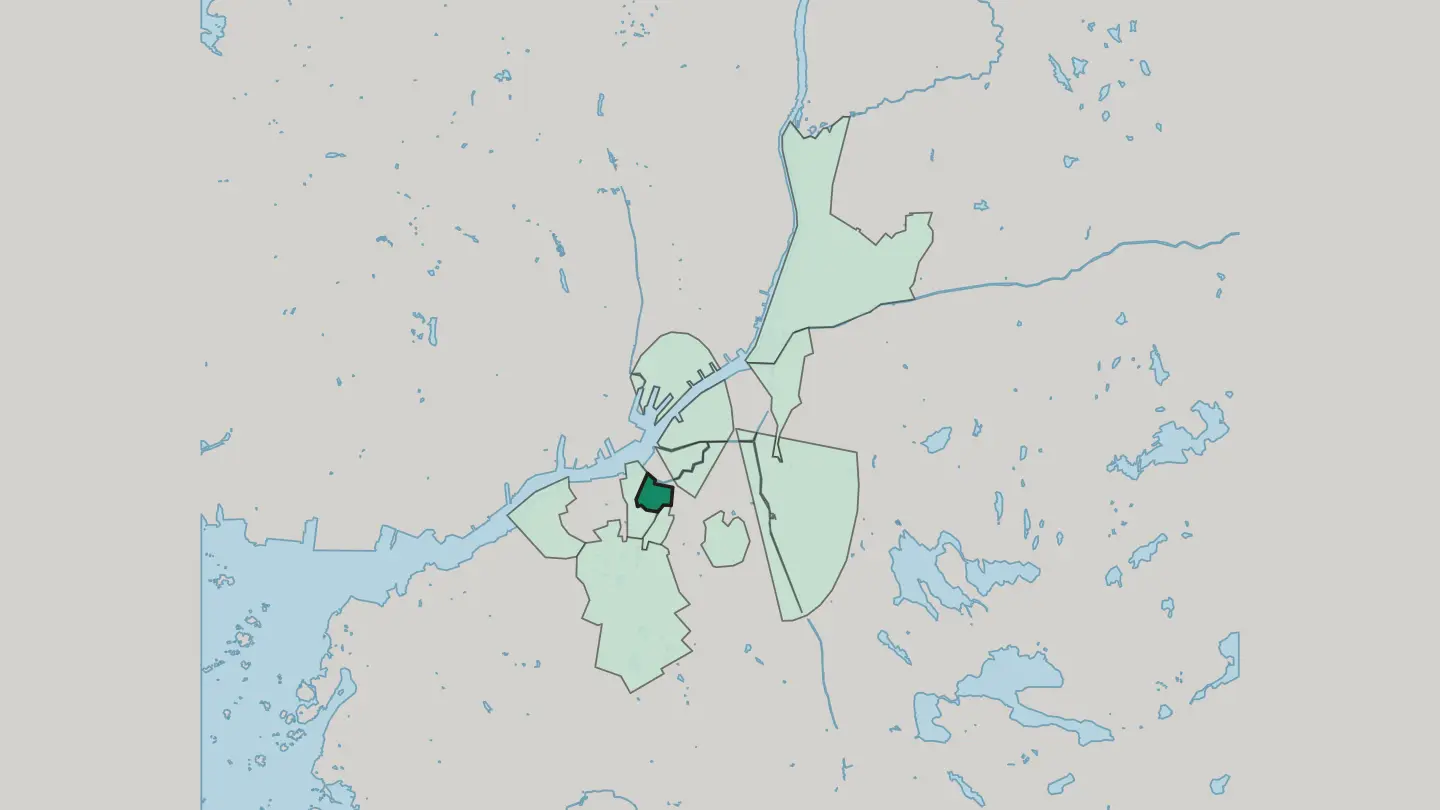
 GothenburgSweden
Annedal
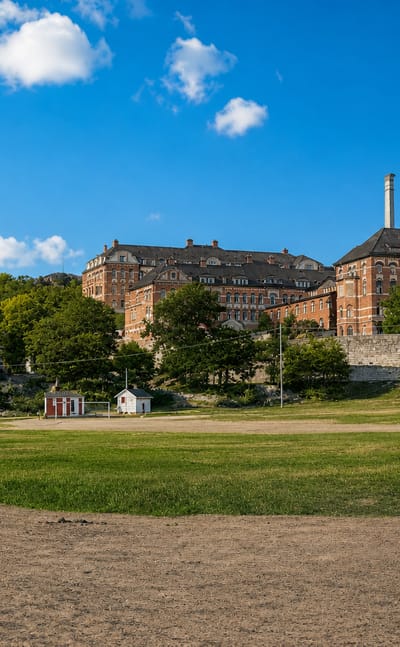
Annedal is a district of southern Gothenburg, part of the Linnéstaden borough, in south-western Sweden.Where to stay →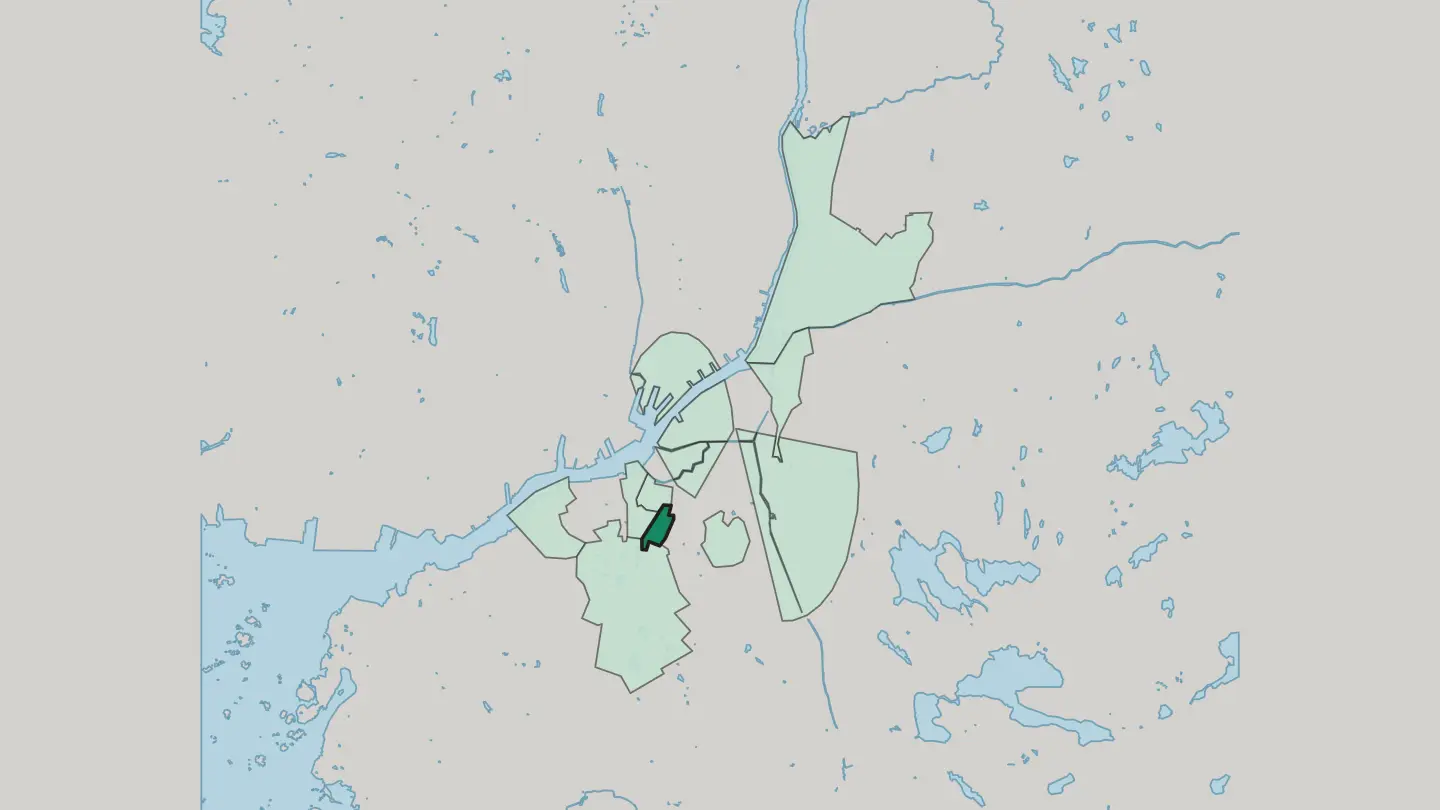
 GothenburgSweden
Landala
Landala is a district in central Gothenburg, Sweden, once a labour quarter and later ground for Chalmers University of Technology.Where to stay →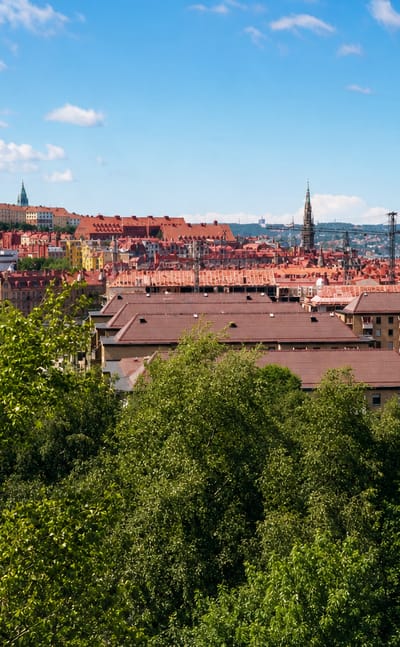 GothenburgSweden
Olivedal
Olivedal is a district of central Gothenburg, the port city of south-western Sweden.Where to stay →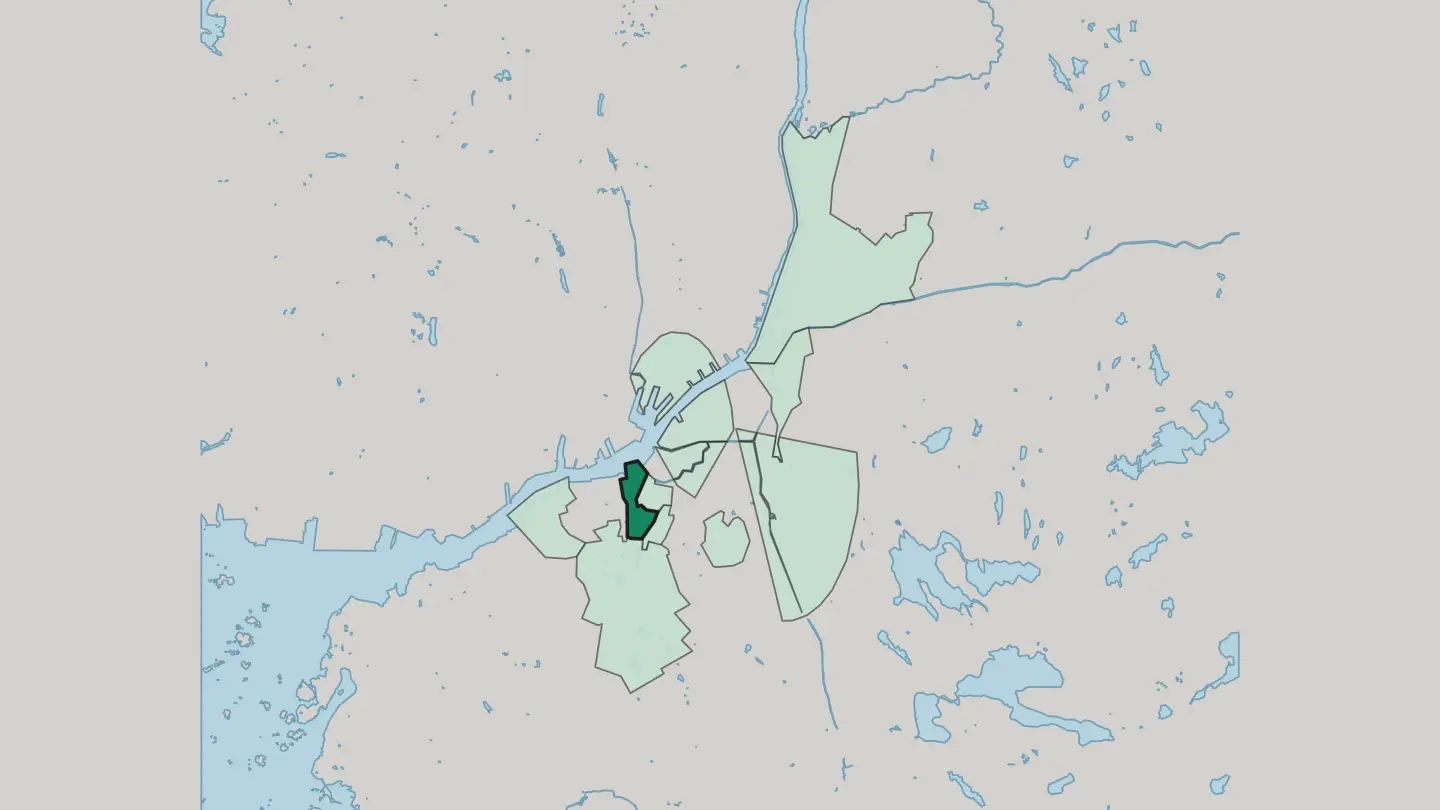
 GothenburgSweden
Lindholmen
Lindholmen is a former island in the Göta Älv river, since joined to Hisingen and counted as part of Gothenburg in Sweden.Where to stay →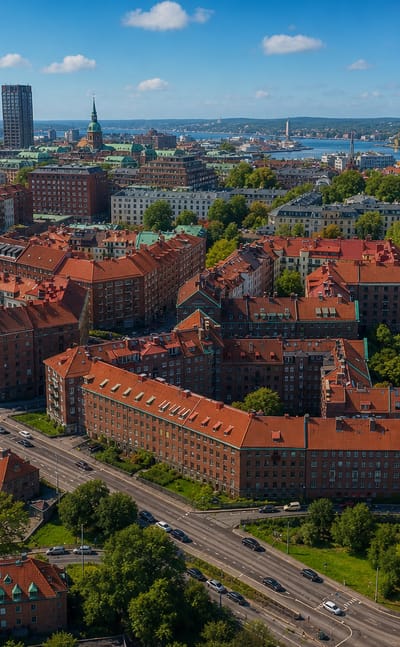 GothenburgSweden
Johanneberg
Johanneberg is a district in southern Gothenburg, the port city on the coast of south-western Sweden.Where to stay →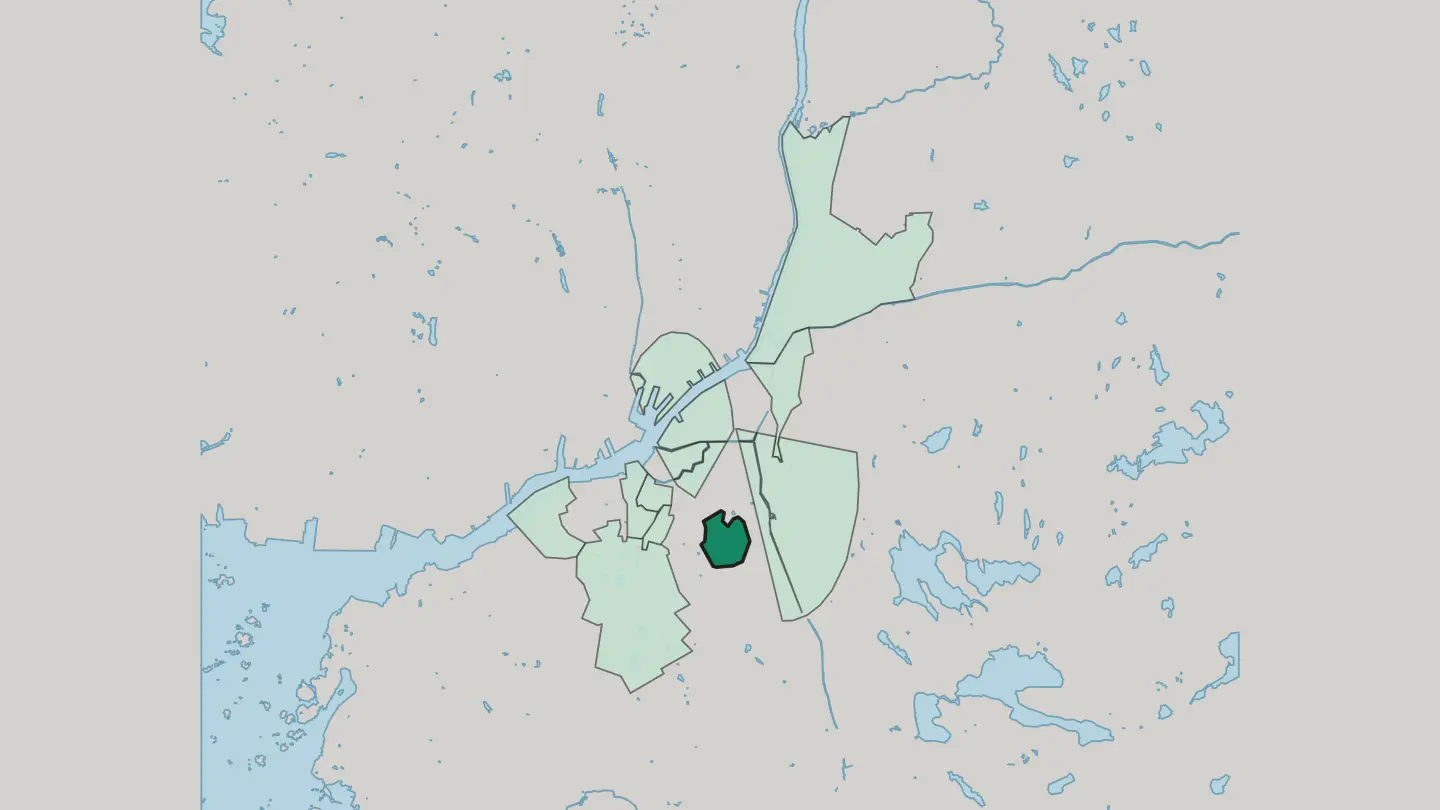
 GothenburgSweden
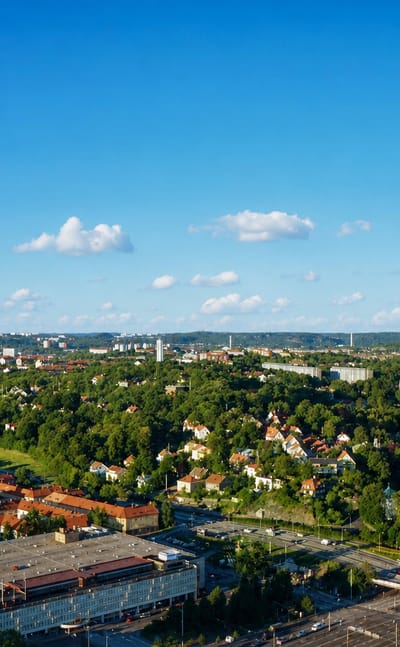
Örgryte
Örgryte is a district of Gothenburg, lying in the eastern part of the city in south-western Sweden.Where to stay →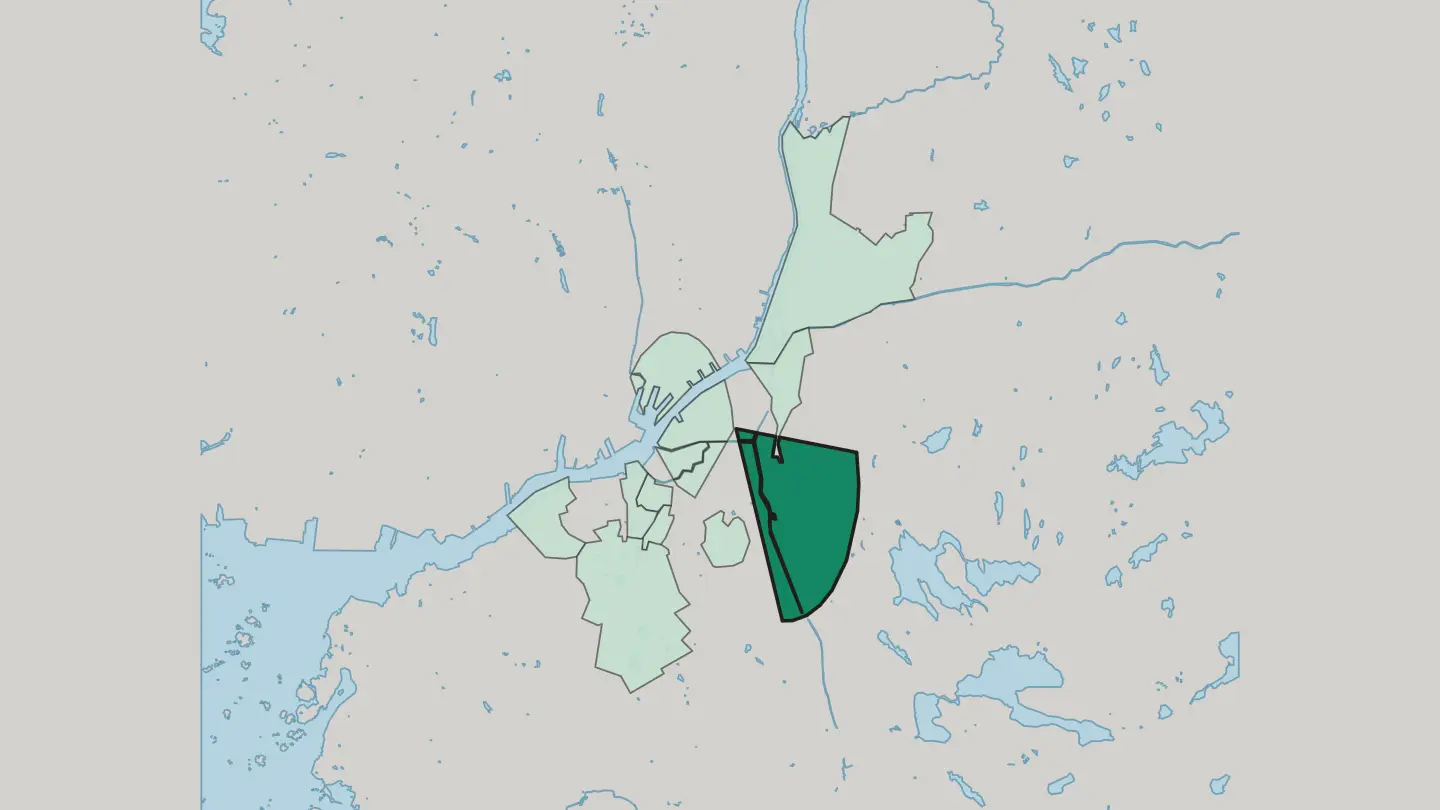
 GothenburgSweden
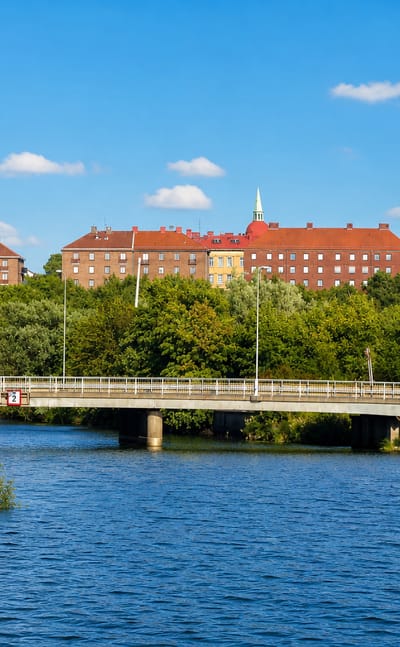
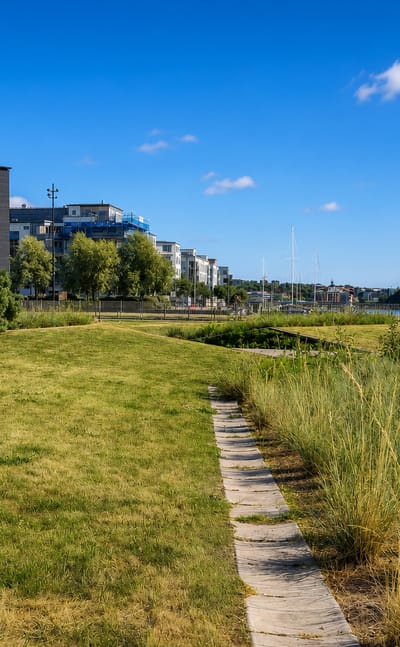
Olskroken
Olskroken is a district of Gothenburg, set in the north-eastern part of the city in south-western Sweden.Where to stay →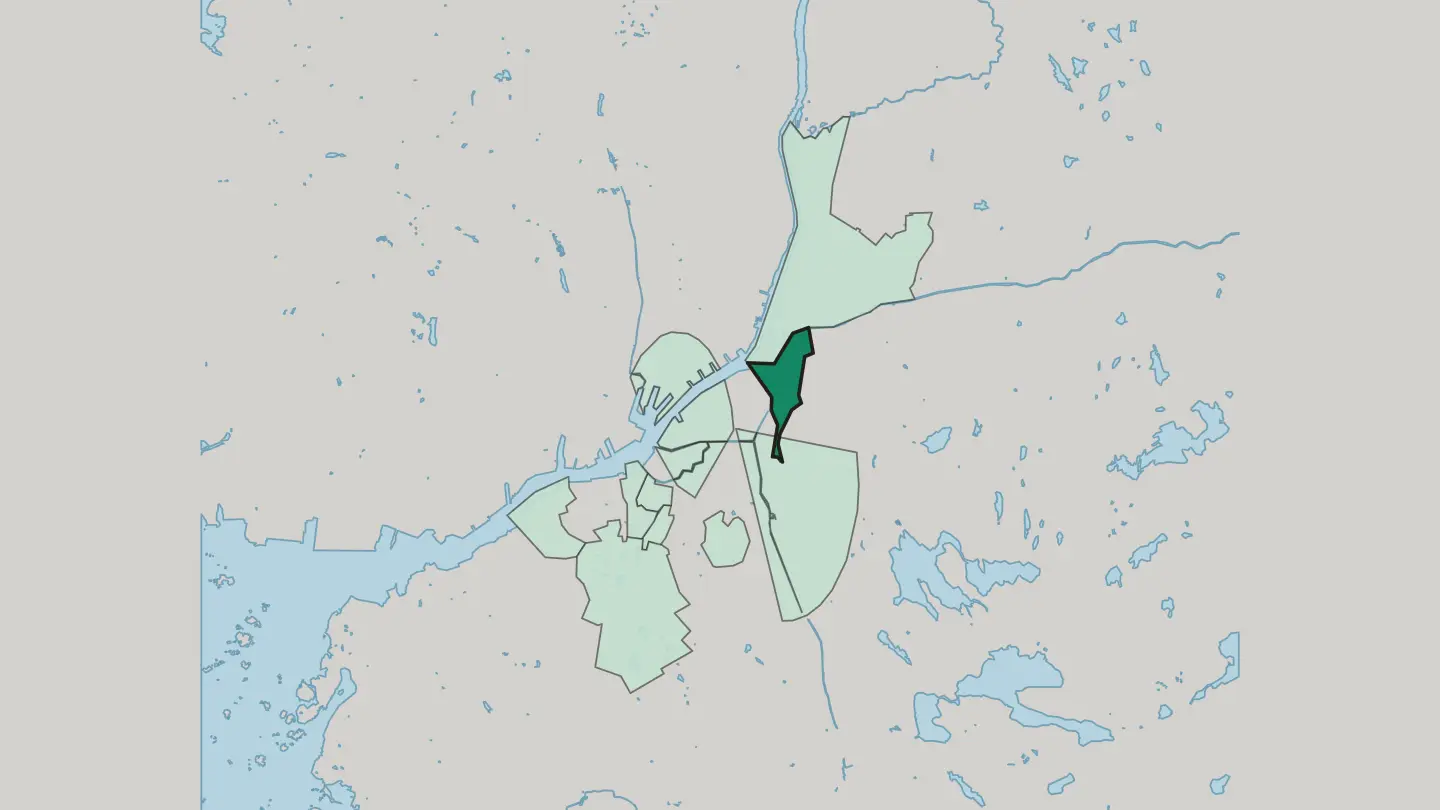
 GothenburgSweden
Sannegården
Sannegården is a district of Gothenburg in south-western Sweden.Where to stay →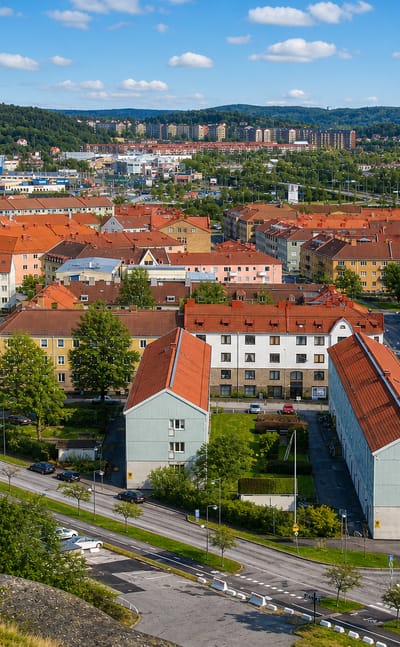 GothenburgSweden
Lundby
Lundby is a borough of Gothenburg in the central part of the island of Hisingen, on the northern shore of the Göta River, in south-western Sweden.Where to stay → GothenburgSweden
Eriksberg
Eriksberg is a district on Hisingen in Gothenburg, built on the ground the Eriksbergs Mekaniska Verkstads AB shipyard once worked.Where to stay →All neighbourhoods (24)
 GothenburgSweden
Bagaregården
Bagaregården is a district of Gothenburg filed under Örgryte borough, and Härlanda kyrka and Härlanda kyrkoruin are the landmarks on its list.Where to stay →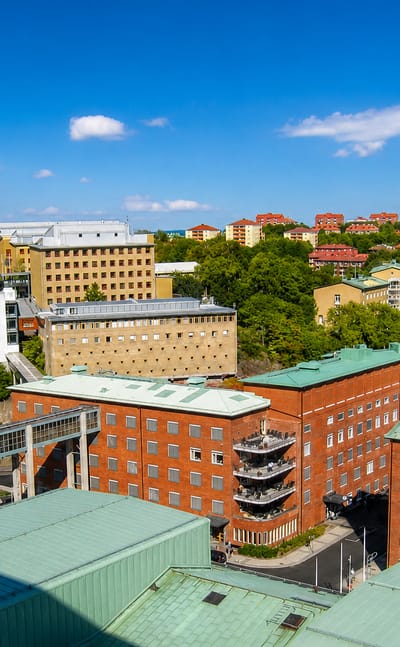 GothenburgSweden
Änggården
Änggården is a green district of Gothenburg, a quiet quarter of gardens and hospital grounds in south-western Sweden.Where to stay →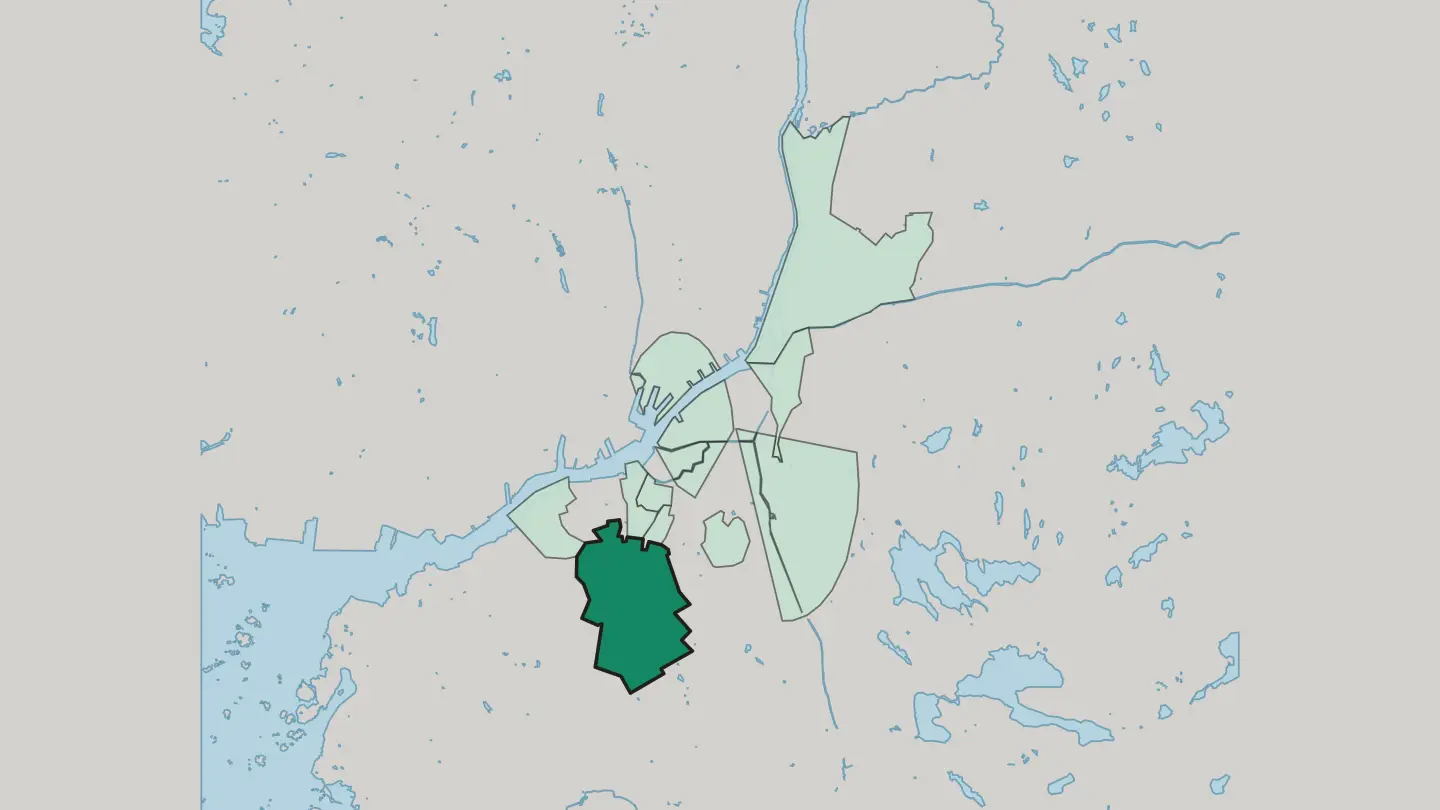
 GothenburgSweden
Härlanda
Härlanda is one of the 21 stadsdelsnämndsområden of Gothenburg Municipality, east of the city centre with Partille Municipality beyond its far side.Where to stay → GothenburgSweden
Kålltorp
Kålltorp is a district of Gothenburg in Sweden, with Björkekärrs kyrka the one landmark the record attaches to it.Where to stay → GothenburgSweden
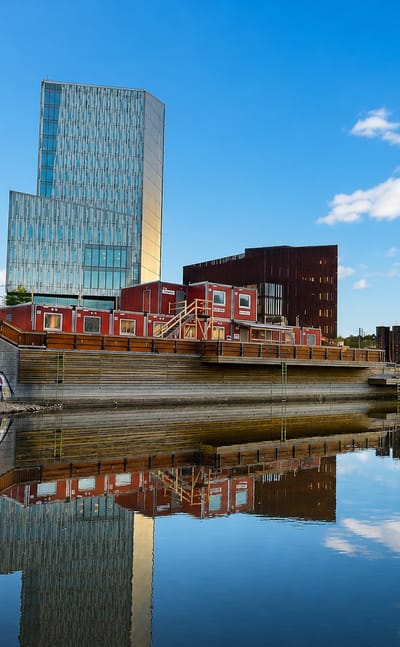
Majorna
Majorna is a district of Gothenburg, in south-western Sweden, part of the Majorna-Linné borough since 2011.Where to stay →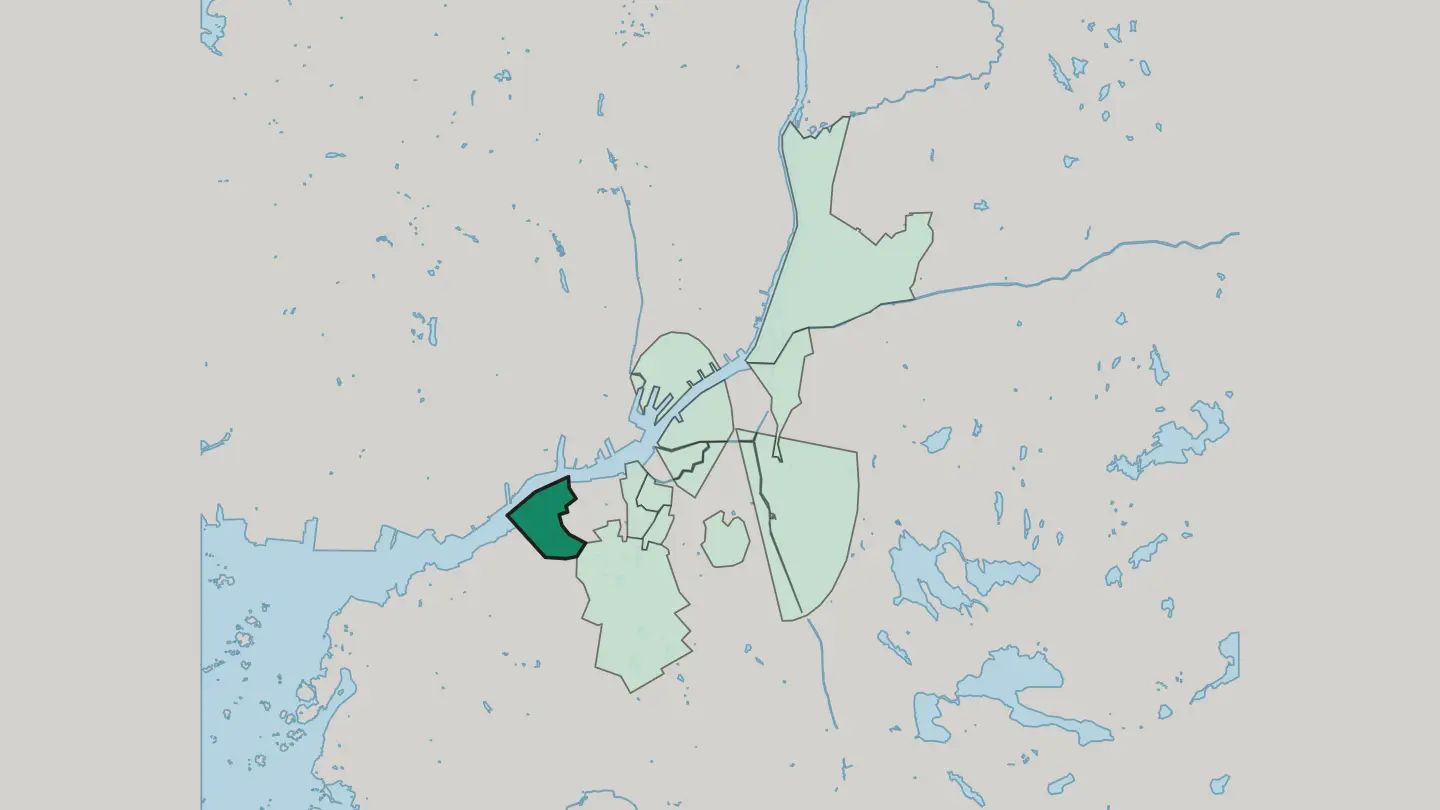
 GothenburgSweden
Gamlestaden
Gamlestaden is one of the oldest districts of Gothenburg, the site where the city's earliest settlement once stood in south-western Sweden.Where to stay →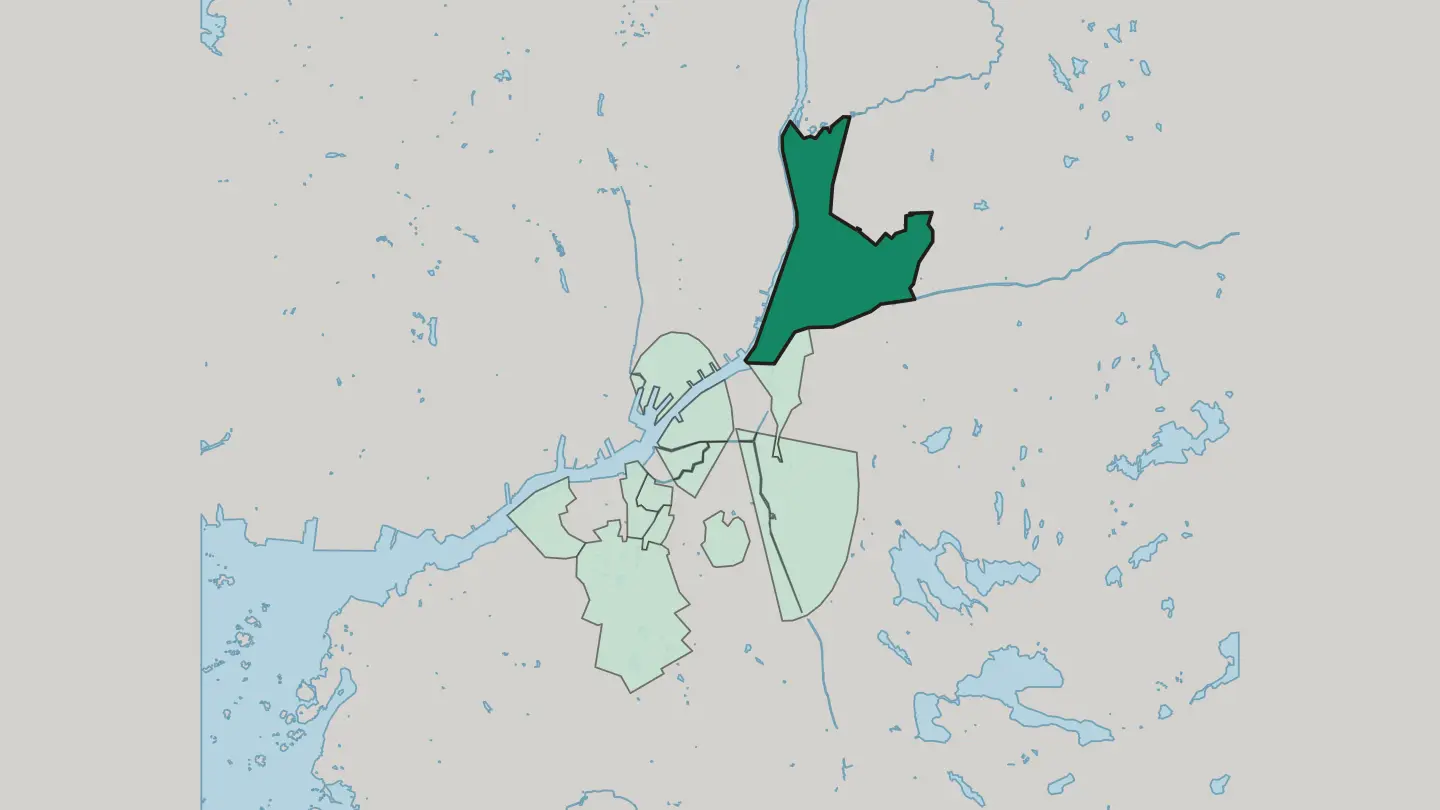
 GothenburgSweden
Tolered
Toleredskyrkan and Länsmansgårdens kyrka are the two churches recorded in Tolered, a district of Gothenburg in Västra Götaland County.Where to stay → GothenburgSweden
Sävenäs
Sävenäs is one of Gothenburg's districts, and Björkekärrs kyrka is the single building the record lists under its name.Where to stay → GothenburgSweden
Skår
Skår is a district of Gothenburg, and the record attaches just two names to it, Gaisgården and ÖIS-gården.Where to stay → GothenburgSweden
Biskopsgården
Biskopsgården is a stadsdelsnämndsområde of Gothenburg Municipality, a named district area of the city in Sweden.Where to stay → GothenburgSweden
Kviberg
Kviberg is a district of Gothenburg whose farm was owned by king Magnus Eriksson in 1362, when he gave it to Gudhem abbey.Where to stay → GothenburgSweden
Kortedala
Kortedala is a district of Gothenburg in Sweden, divided by the statistics into Norra Kortedala and Södra Kortedala.Where to stay →Hotel links are affiliate links: booking through them may earn us a commission, at no extra cost to you. It never affects how places are ranked. How this works
Find hotels in Gothenburg
Direct booking searches for these neighbourhoods.
City centre and Avenyn
hotels along Kungsportsavenyn and the canals near Liseberg. Few places to stay nearby — book ahead.Find hotels in City centre and Avenynfairgoers and sports crowdsEvent and fair district
rooms near Svenska Mässan and the arenas. Rooms are few around here — worth securing early.Find hotels in Event and fair districtdrivers and port workersHisingen and suburbs
further hotels across the Göta älvFind hotels in Hisingen and suburbssummer island visitorsArchipelago and coast
guesthouses and cabins by the sea. Beds are limited here, so book early.Find hotels in Archipelago and coastHotel links are affiliate links: booking through them may earn us a commission, at no extra cost to you. It never affects how places are ranked. How this works
Things to do in Gothenburg
Ranked by global recognition; descriptions from Wikidata (CC0).
Museums & Galleries
8- Gothenburg Museum of Art Heritage
- Bohuslän Heritage working life museum
- Ingo Heritage
- Göteborgs Remfabrik – Textile Heritage Centre Heritage industrial heritage and working life museum
- Universeum science center
Show 3 more →
- Gothenburg Natural History Museum natural history museum
- Maritiman floating maritime museum on the Göta Älv
- The National Museums of World Culture heritage institution
Churches & Religious Sites
8- Oscar Fredrik Church Heritage Church of Sweden church building in Olivedal
- Masthugget Church Heritage
- German Church Heritage
- Vasa Church Heritage
- Haga Church Heritage Church of Sweden church building
Show 3 more →
- Örgryte Old Church Heritage Church of Sweden church building in Örgryte
- Annedal Church Heritage church building in Göteborg
- Church of Saint Stefan Dečanski Heritage
Castles & Historic Sites
2- Crown Redoubt Heritage
- Lion Redoubt Heritage
Stadiums & Sports
3- Gaisgården
- ÖIS-gården
- Sälöfjordsvallen
Parks & Gardens
1- Liseberg amusement park
Landmarks & Notable Places
2- Sjömanstornet
- The Maritime Museum and Aquarium
worth knowingacross 6 categories in Gothenburg
About Gothenburg
What is Gothenburg known for?
Göteborg is Sweden's great western port. The city sits at the mouth of the Göta älv on the Kattegat coast, the largest harbour in Scandinavia and the home of the Volvo Group and Volvo Cars, a centre of industry, shipping, and trade for the whole country. It is also a city of festivals.
The Liseberg amusement park draws crowds through the season, and events such as Gothia Cup, Partille Cup, and the Way Out West music festival fill the calendar, while canals, seafood, and the islands of the archipelago shape its character as the county seat of Västra Götaland.
What are the main landmarks in Gothenburg?
The Liseberg amusement park is the city's best-known sight, its wheel and wooden coaster rising above the southern centre. Its harbour shapes the waterfront. Göteborgsoperan, the opera house, and the maritime museum line the quays of the Göta älv, the old East India Company house holds the city museum, and the high lookout of Skansen Kronan crowns a hill above the grid.
Kungsportsavenyn runs through the heart of town. Along it stand the art museum and the Poseidon fountain, while the Feskekörka fish market, the botanical garden, and the green park rings mark the wider city.
What is the history of Gothenburg?
The river mouth gave the city its purpose. King Gustav II Adolf chartered Göteborg in 1621 at the outlet of the Göta älv, planting a fortified port on the Kattegat to secure Sweden's only window to the western seas, and Dutch engineers laid out the canals and ramparts on the model of their own trading towns. The plan was deliberate.
From the start the place was built for commerce, its grid and waterways shaped to move goods between the river barges and the ocean ships that called at the new harbour. Trade made Göteborg rich. The Swedish East India Company sailed from its quays in the eighteenth century, bringing tea, silk, and porcelain from the East and filling the merchant houses along the harbour, and the nineteenth century turned the port toward industry, shipbuilding, and the great yards along the river.
Volvo was founded in the city in 1927 and grew into the engine of its modern economy. The shipyards declined in the later twentieth century, and Göteborg remade itself around vehicles, trade, research, and tourism, keeping its canals, its port, and its festivals while standing as the county seat of Västra Götaland and the chief western trading port of the country.
Where is Gothenburg?
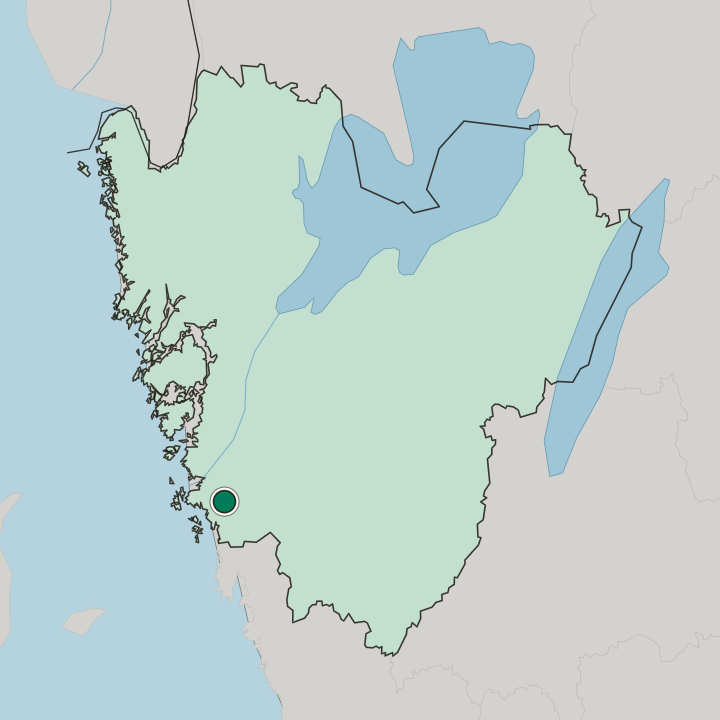
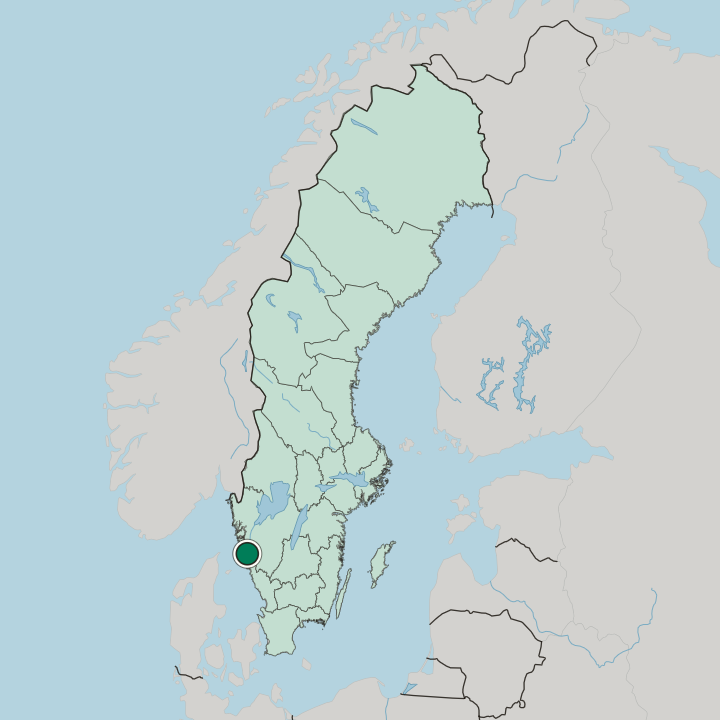
Göteborg lies in the southern part of Västra Götaland County, on the west coast of Sweden where the Göta älv river empties into the Kattegat. The city spreads across both banks of the river and over the large island of Hisingen, with canals threading the old centre, wooded hills rising among the districts, and a broad archipelago of rocky islands and skerries scattered offshore in the sea to the west. The setting is coastal and watery.
Roads, rail lines, and the deep harbour channel meet here, linking the city to the coast, the inland counties, and the routes south toward Denmark.
What is the climate of Gothenburg?
Göteborg has a mild maritime climate shaped by the sea. Winters are cool rather than harsh, with the Kattegat tempering the cold so that snow often gives way to rain along the coast, while grey, wet, and windy spells run through the dark half of the year. Summers are mild and changeable.
The warm season draws crowds to Liseberg, the islands, and the open-air festivals, and rain falls freely across the year off the Atlantic weather, giving the city one of the wetter climates among Sweden's larger towns.
How do you get to Gothenburg?
Göteborg is the main hub of western Sweden. Fast trains run from Stockholm, Malmö, and Oslo to the central station, motorways converge on the city from every direction, and Landvetter airport east of town carries the international flights for the whole region. Ferries cross to Denmark and Germany.
The deep harbour and the passenger terminals tie the city to the sea routes of the Kattegat, and from the centre trams, buses, and roads reach across the districts, the archipelago, and the wider county.
Common questions
What is the best area to stay in Gothenburg?
City centre and Avenyn: first-time visitors and evenings on the Avenyn. Event and fair district: fairgoers and sports crowds. Hisingen and suburbs: drivers and port workers. Archipelago and coast: summer island visitors.
Good for
More cities in Västra Götaland County
Updated October 2026