Sweden · Västra Götaland County
Where to Stay in Uddevalla, Västra Götaland County
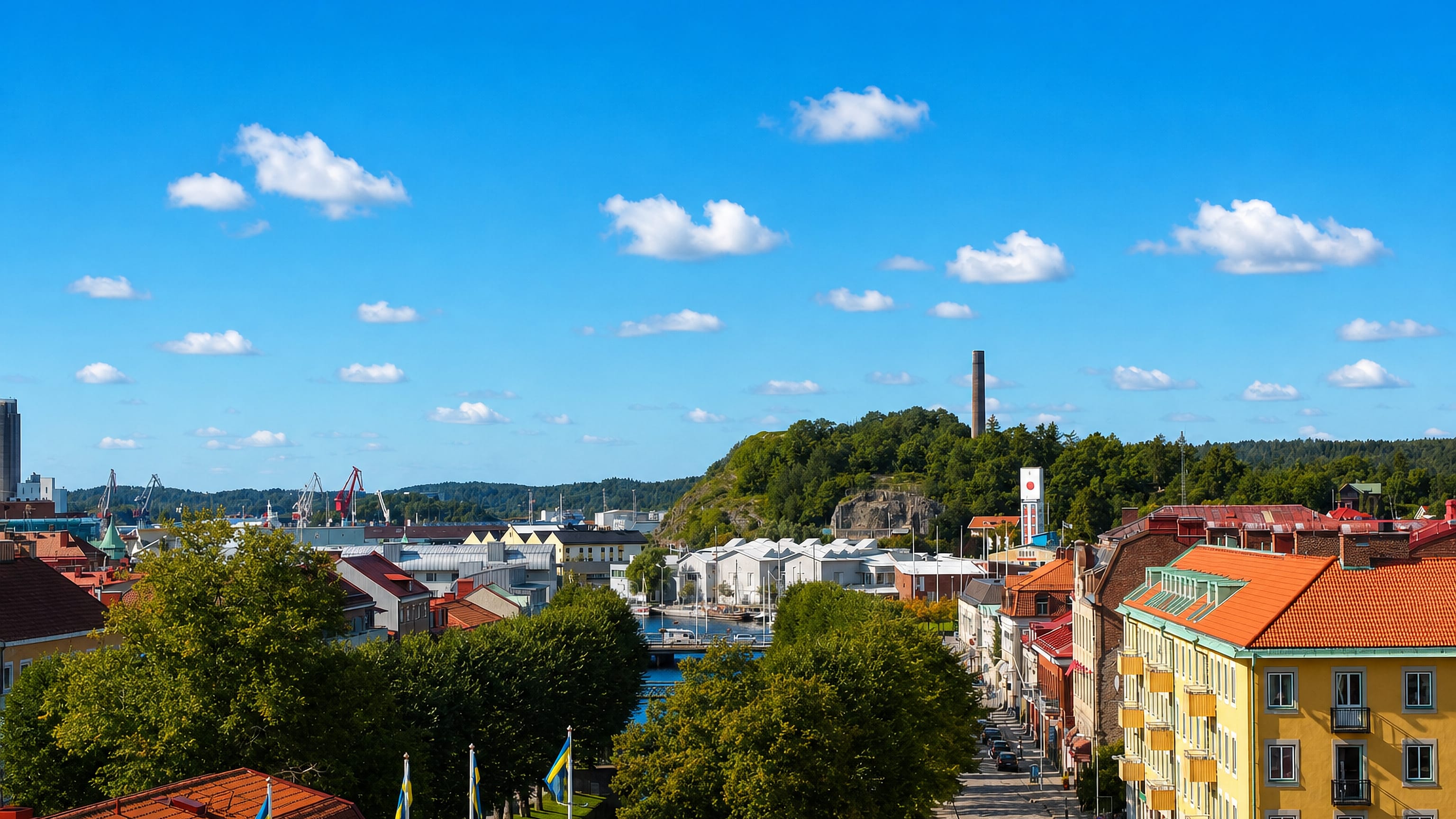
Uddevalla is a coastal town in Bohuslän, set where the Bäveån opens into the Byfjorden on the west coast of Sweden.
Hotel links are affiliate links: booking through them may earn us a commission, at no extra cost to you. It never affects how places are ranked. How this works


Where to stay in Uddevalla
The practical side of choosing where to sleep.
Most visitors stay in the centre, the streets gathered around the harbour and the Bäveån where the shops, the station, and the waterfront all sit within an easy walk. It suits anyone arriving by train who wants the fjord and the old port quarter on the doorstep. Rooms here range from larger chain hotels to small central guesthouses.
Down by the harbour and the river mouth, the waterside puts you among quays and promenades looking out over the Byfjorden, a short stroll from the museums and the town's cafés. Further out, the town climbs into calmer residential hills. Toward Tureborgen and the wooded heights above the fjord, quieter districts offer green walks and long views over the water, a short bus ride or steady climb from the centre.
For coast and boats, the outer suburbs and the marina areas spread along the shore toward the Bohuslän archipelago. Begin with the centre. The fjord is at its best from the harbour at dawn.
Find hotels in Uddevalla
Direct booking searches for these neighbourhoods.
Town centre
harbour, station and shops within an easy walkFind hotels in Town centrefjord viewsHarbour and waterfront
quays and promenades near the museums and cafésFind hotels in Harbour and waterfrontquiet stays and walksTureborgen and the heights
green hills and long views above the fjordFind hotels in Tureborgen and the heightsHotel links are affiliate links: booking through them may earn us a commission, at no extra cost to you. It never affects how places are ranked. How this works
Things to do in Uddevalla
Ranked by global recognition; descriptions from Wikidata (CC0).
Museums & Galleries
2- Skalbanksmuseet
- Bohusläns Försvarsmuseum working life museum
Churches & Religious Sites
5- Uddevalla Church Heritage
- Bleketkyrkan Heritage
- Bäve Church Heritage
- Mariakyrkan Heritage
- Dalabergskyrkan Heritage
Castles & Historic Sites
1- Tureborg Castle faux-medieval castle
Stadiums & Sports
1- Agnebergshallen
Landmarks & Notable Places
1- Fjällhyddan
worth knowingacross 5 categories in Uddevalla
About Uddevalla
Uddevalla is a fjord town with a working past.
What is Uddevalla known for?
The largest town wholly within Bohuslän, it grew as a port and shipbuilding centre at the head of the Byfjorden, and its yards once launched some of Sweden's biggest vessels. Shells made it famous too. The great fossil shell banks at Skalbanksmuseet record a shoreline left by the retreating ice, while Uddevalla kyrka marks the centre and the Bohusläns Försvarsmuseum keeps the region's military history.
The water is always close at hand.
What are the main landmarks in Uddevalla?
The shell banks are the strange marvel. At Skalbanksmuseet, thick beds of fossil seashells record an ancient shoreline lifted clear of the sea as the land rose after the ice. Above the town stand the ruins of Tureborgen, a hilltop castle giving wide views over the Byfjorden.
Uddevalla kyrka marks the centre, the Bohusläns Försvarsmuseum holds the region's military past, and the harbourside promenades draw walkers out along the water. Climb to the castle for the view.
What is the history of Uddevalla?
Uddevalla has long looked to the sea. A trading place grew at the head of the Byfjorden in the Middle Ages, when this coast still belonged to Norway and Denmark rather than Sweden, and the sheltered harbour drew merchants and fishermen to the river mouth. The border shifted in the seventeenth century.
When Bohuslän passed to Sweden, Uddevalla became a Swedish port, and fire and war repeatedly burned and rebuilt the wooden town through the centuries that followed. Industry remade it in the modern age. Textile mills, a busy harbour, and above all the great shipyard turned Uddevalla into a working town, and the yards at the fjord's head launched some of the largest ships ever built in Sweden.
The shipbuilding has gone. The wider municipality gathers the surrounding parishes around the old port, and Uddevalla still trades on its harbour, its museums, and the deep fjord that first gave it a reason to exist.
Where is Uddevalla?
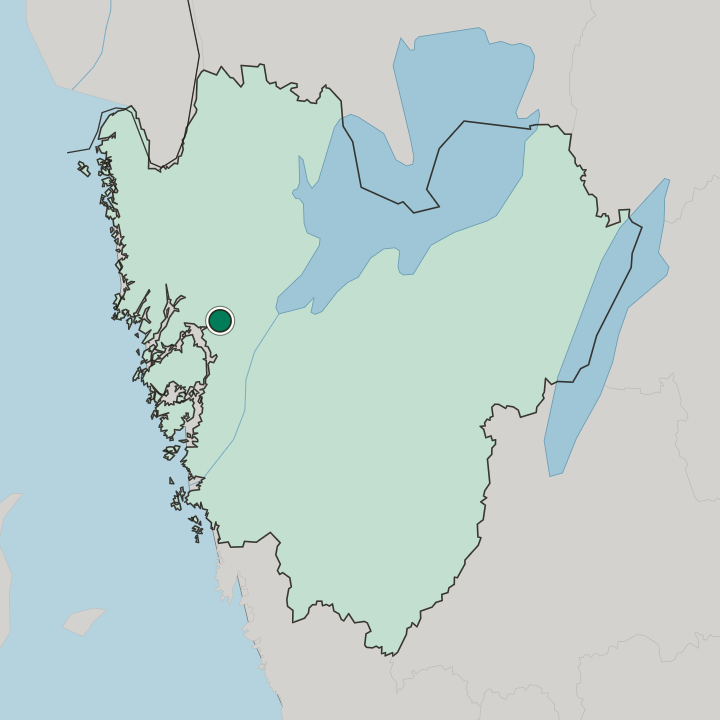
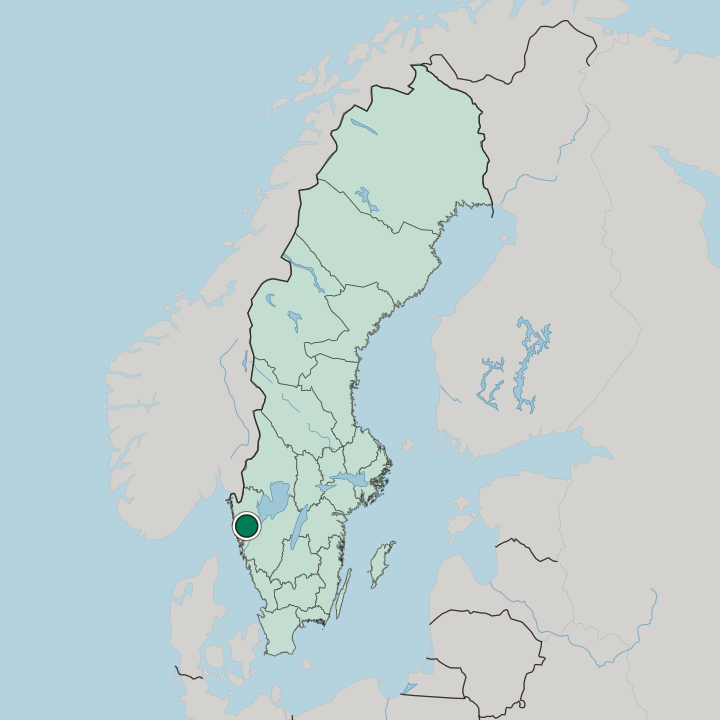
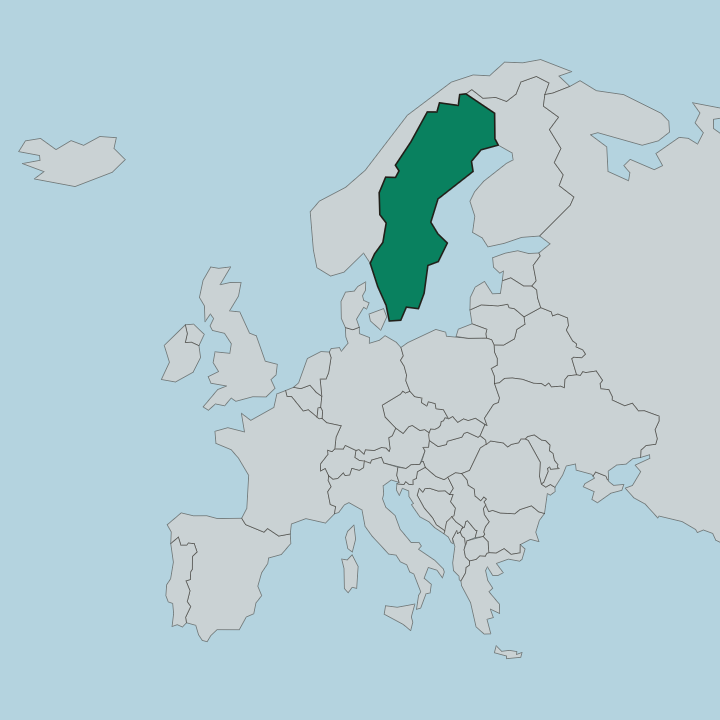
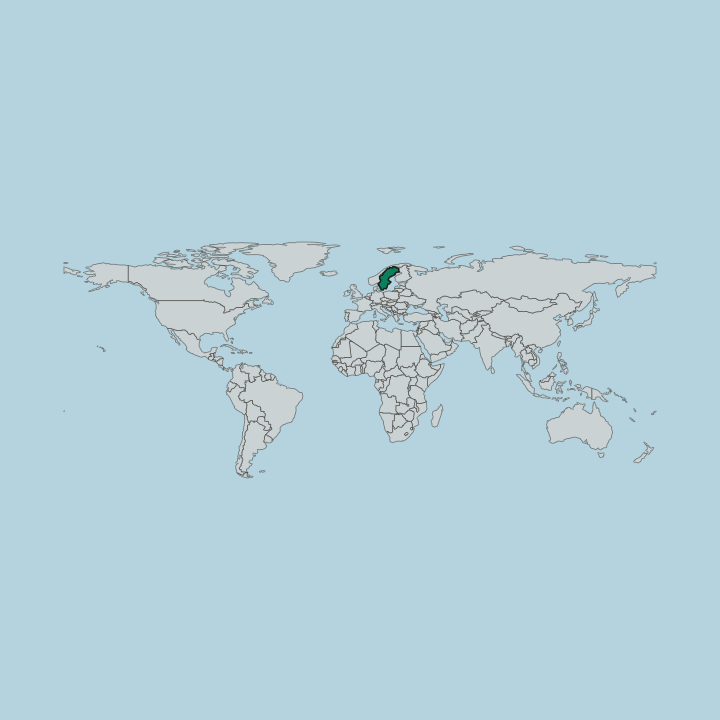
Uddevalla lies in the western part of Västra Götaland County, on the west coast of Sweden in the province of Bohuslän. The town sits at the head of the Byfjorden, a long arm of the Skagerrak, where the Bäveån runs down off the hills and empties into the salt water. Wooded ridges hem the fjord.
The granite coast breaks up northward into the skerries and islands of the Bohuslän archipelago, while the land rises in rocky hills behind the town. Rock, water, and forest meet here.
What is the climate of Uddevalla?
Uddevalla has a mild, maritime climate shaped by the sea on the west coast of Sweden. Winters are cool and changeable rather than harsh, with the fjord rarely freezing and rain as common as snow through the dark months. Summers stay warm and bright, and the long northern evenings keep the harbour and the coastal paths busy far into the night, when the slow dusk holds off real darkness for hours after southern Europe has gone black.
Rain comes off the Skagerrak often. Autumn turns grey and wet early.
How do you get to Uddevalla?
Uddevalla sits on the Bohus Line between Göteborg and Strömstad, with trains stopping in the town. Regional services reach Göteborg in around an hour and carry on north along the coast toward Strömstad and the Norwegian border, while buses fill in the routes across Bohuslän. Drivers use the coastal motorway.
The main route north from Göteborg runs close to the town and links it to the wider road network, and the large Landvetter airport lies within easy reach to the south. Boats arrive by the fjord.
Common questions
What is the best area to stay in Uddevalla?
Town centre: first-timers. Harbour and waterfront: fjord views. Tureborgen and the heights: quiet stays and walks.
Good for
More cities in Västra Götaland County
Updated October 2026