Sweden · Västra Götaland County
Where to Stay in Mölndal, Västra Götaland County
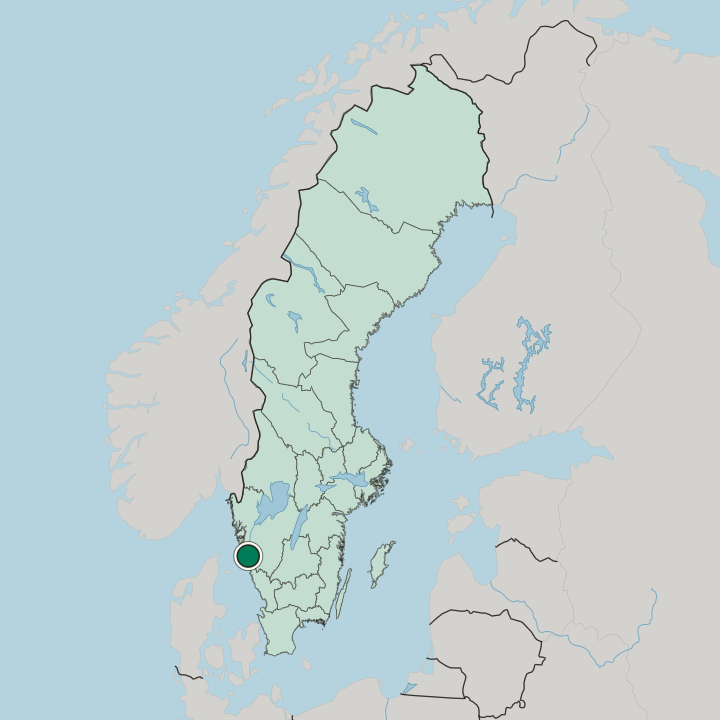
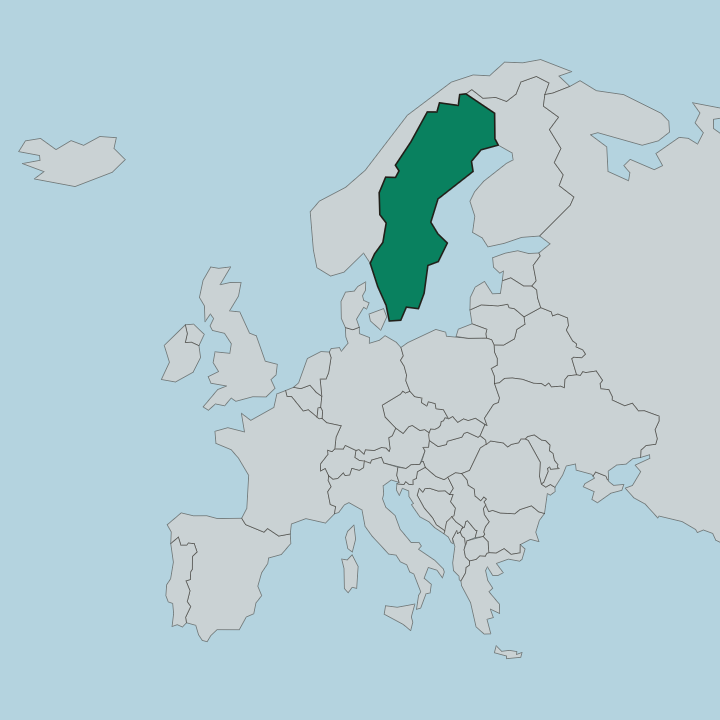
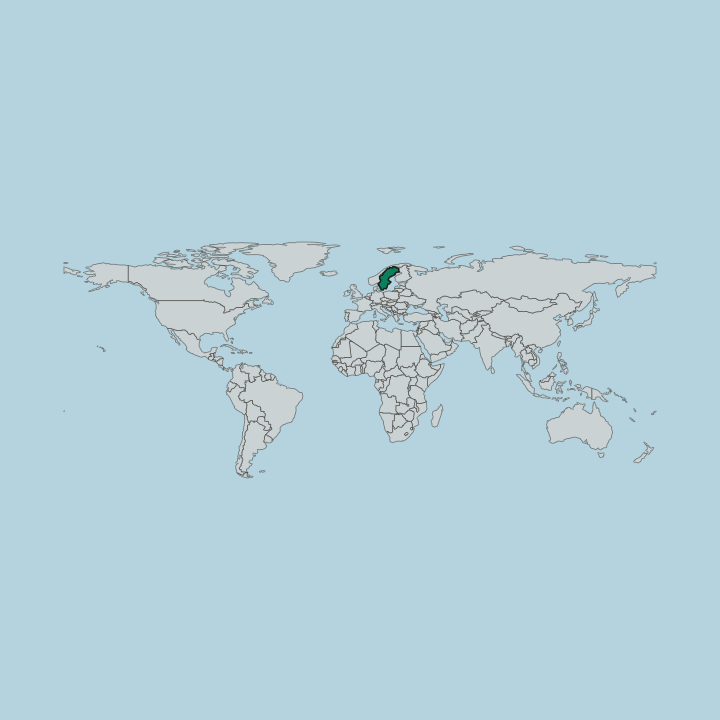
Mölndal is a city in southern Västra Götaland County, the seat of its municipality and part of the Göteborg urban area.
Hotel links are affiliate links: booking through them may earn us a commission, at no extra cost to you. It never affects how places are ranked. How this works


Where to stay in Mölndal
Where you base yourself shapes the visit — here's the character of each area.
 MölndalSweden
Eklanda
Eklanda is a district of Mölndal, some 700 houses built on farmland beside the Änggårdsbergen nature reserve since the 1990s.Where to stay →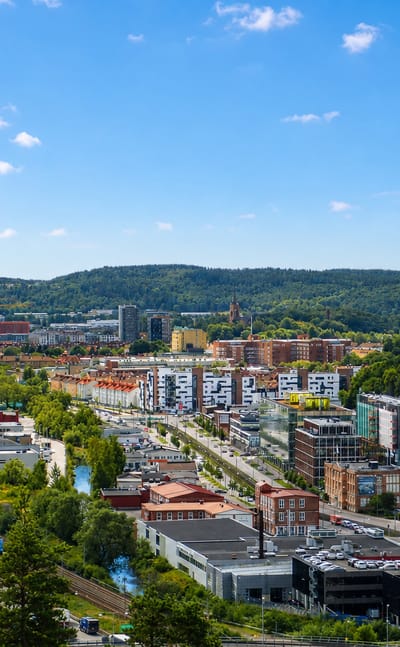 MölndalSweden
Krokslätt
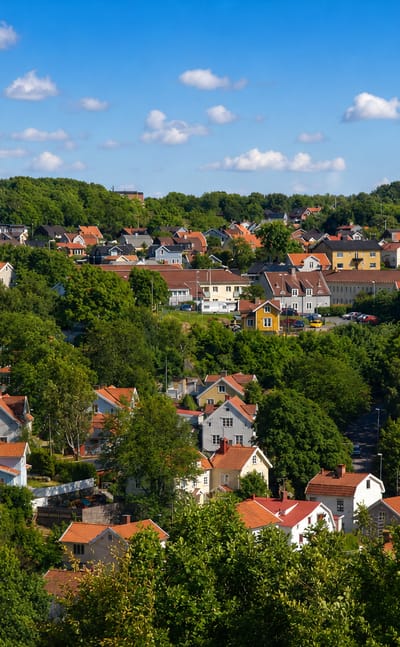
Krokslätt is a district on the northern edge of Mölndal in south-western Sweden, running up toward Liseberg and the larger conurbation.Where to stay →Hotel links are affiliate links: booking through them may earn us a commission, at no extra cost to you. It never affects how places are ranked. How this works
Find hotels in Mölndal
Direct booking searches for these neighbourhoods.
Mölndals centrum
hotels by the station and tram lines into GöteborgFind hotels in Mölndals centrumhistory and garden loversKvarnbyn and Gunnebo
guesthouses near the old mill village and the country houseFind hotels in Kvarnbyn and Gunnebodrivers and fair visitorsAlong the main routes
chain hotels with easy road accessFind hotels in Along the main routesHotel links are affiliate links: booking through them may earn us a commission, at no extra cost to you. It never affects how places are ranked. How this works
Things to do in Mölndal
Ranked by global recognition; descriptions from Wikidata (CC0).
Museums & Galleries
5- Universeum science center in Gothenburg
- Museum of World Culture museum in Gothenburg
- Mölndal City Museum
- Göteborgs bryggerimuseum working life museum in Gothenburg Municipality
- Kvarnbyns handpappersbruk working life museum
Churches & Religious Sites
8- Fässberg Church Heritage Church of Sweden church building
- Johannebergskyrkan Heritage church building in Gothenburg Municipality
- Guldhedskyrkan Heritage church building in Gothenburg Municipality, Gothenburg and Bohus County
- Stensjökyrkan Heritage
- Toltorpskyrkan Heritage
Show 3 more →
- Krokslättskyrkan Heritage
- Fågelbergskyrkan Heritage
- Burås Church Church of Sweden church building in Göteborg
Stadiums & Sports
4- Gaisgården
- ÖIS-gården
- Mossens IP
- Åbyvallen sports ground
Parks & Gardens
1- Liseberg amusement park in Gothenburg
worth knowingacross 4 categories in Mölndal
About Mölndal
Mölndal is a mill city.
What is Mölndal known for?
Its old heart lies at Kvarnbyn, the steep mill village along the Mölndalsån, where falling water once drove a long line of mills and small works that gave the place its name and its trade. Gunnebo slott stands just south of town. Many visitors come for that grand eighteenth-century country house and its gardens, while others know Mölndal as a close neighbour of Göteborg, joined to the larger city in one continuous urban area along the southern roads and rails.
What are the main landmarks in Mölndal?
Gunnebo slott rises south of the centre, the elegant eighteenth-century country house set among formal gardens and parkland that ranks among the finest of its age in the region. Kvarnbyn, the old mill village on the Mölndalsån, is a landmark in itself, its wooden houses and mill buildings climbing the slope beside the falling water. Mölndals stadsmuseum tells the city's story.
Parish churches mark the districts. Fässbergs kyrka, Stensjökyrkan, and Toltorpskyrkan anchor the older neighbourhoods, while the smaller Buråskyrkan, Krokslättskyrkan, and Fågelbergskyrkan serve the suburbs, and the sports grounds of Åbyvallen and Mossens IP draw crowds across the valley.
What is the history of Mölndal?
Water made this place. The Mölndalsån falls in a series of steps near the old village, and from medieval times mills crowded the stream at Kvarnbyn, grinding grain and later driving the small works and factories that gave the settlement its name and its early wealth along the rushing water. The mills drew people and trade.
Around them grew a working community that slowly spread up the valley and out across the surrounding parishes. The great house came later. Gunnebo slott was built in the late eighteenth century as a summer estate for a Göteborg merchant family, its gardens and pavilions a mark of the wealth that the nearby port city poured into the countryside.
Industry then reshaped the valley. Mills gave way to larger factories, the railway arrived, and the town spread until it merged with the growing edge of Göteborg, becoming the seat of its own municipality while standing as one continuous urban area with the larger city along the southern approaches.
Where is Mölndal?
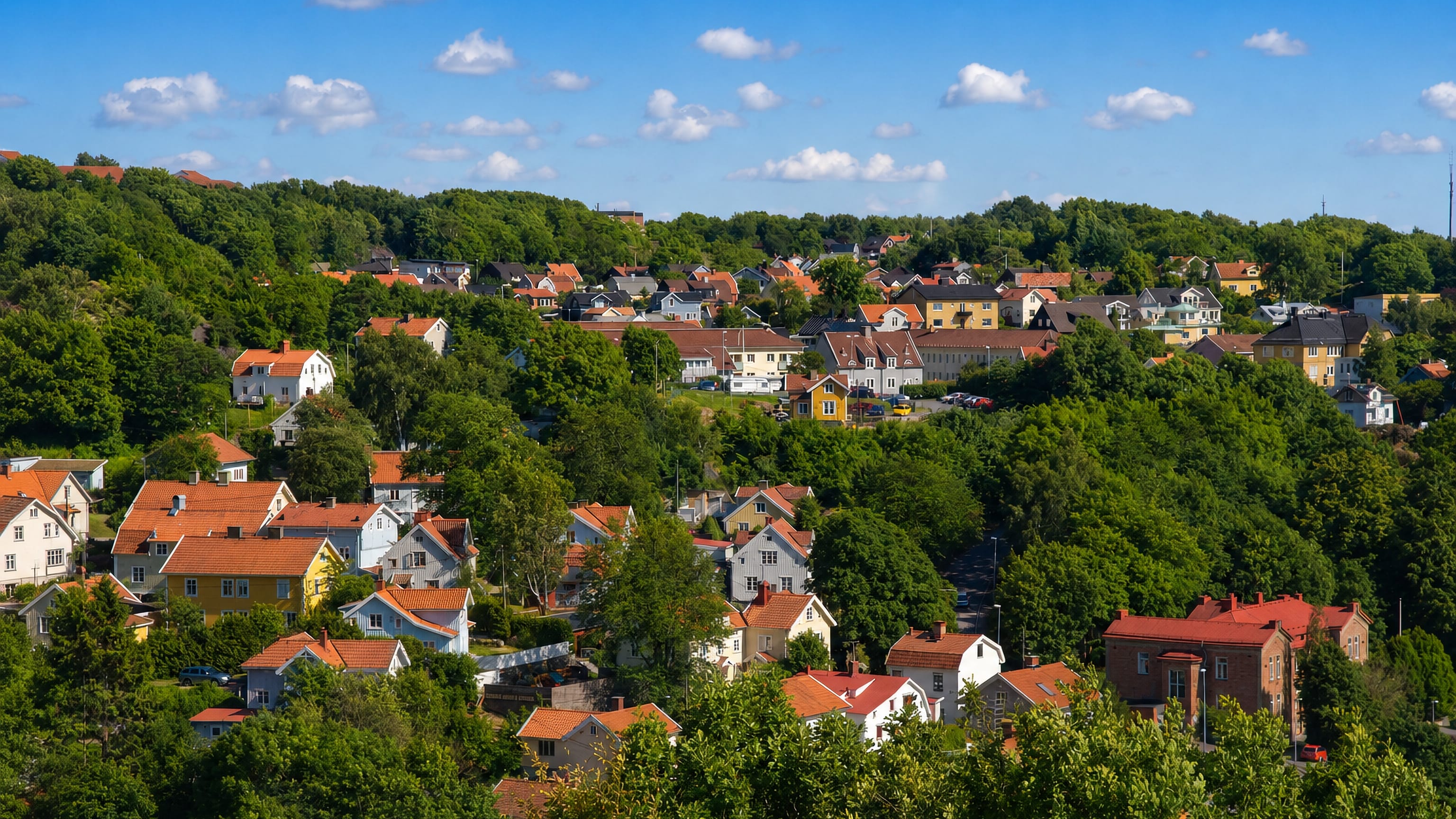
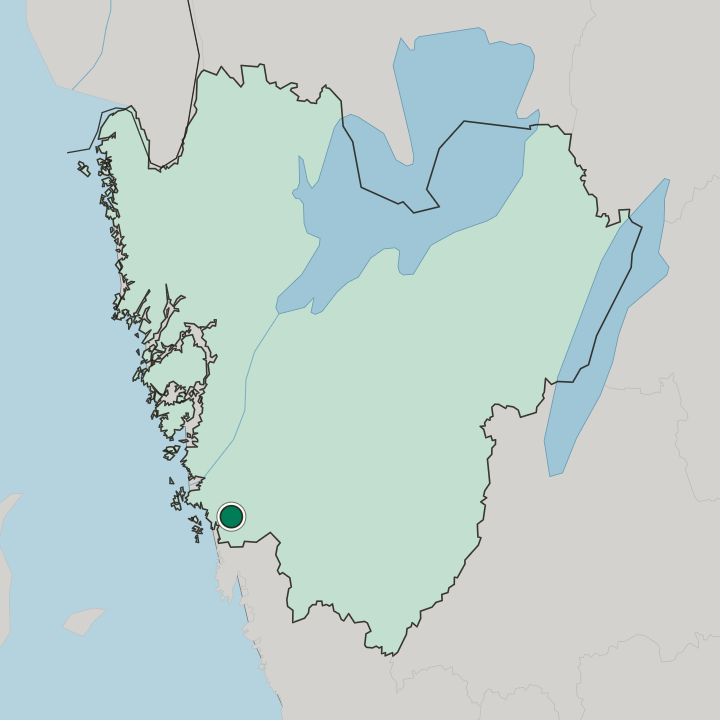
Mölndal lies in the southern part of Västra Götaland County, just south of Göteborg, where the Mölndalsån runs down its valley toward the city and the sea. The town fills the valley floor and climbs the wooded ridges and lakes around it, with the falls at Kvarnbyn at its heart and the estate of Gunnebo on the green slopes to the south. The setting is hilly and green.
Roads, rails, and tram lines bind it tightly to Göteborg in the north and to the suburbs and lakes of the wider district.
What is the climate of Mölndal?
Mölndal has a mild temperate climate, shaped by the nearness of the west coast. Winters are cool rather than harsh, with the maritime air off the nearby coast holding back the deep cold and heavy snow that grip the inland and northern parts of the country through the dark half of the year. Summers settle in soft and green.
The warmest weeks bring long, bright evenings to the valley and the lakes. Rain and grey skies are common through much of the year.
How do you get to Mölndal?
Mölndal sits on the main railway south from Göteborg, with frequent trains and commuter services stopping at the central station. Trams and buses run on into the heart of Göteborg in minutes. Drivers reach the town by the motorway that passes through the valley.
The main airport for the region lies near Göteborg, which serves as the chief gateway, while local rail, tram, and bus lines tie the city closely to its larger neighbour and the suburbs around.
Common questions
What is the best area to stay in Mölndal?
Mölndals centrum: business travellers by Kvarnbyn and the Mölndalsån. Kvarnbyn and Gunnebo: history and garden lovers. Along the main routes: drivers and fair visitors.
Good for
More cities in Västra Götaland County
Updated October 2026